
News
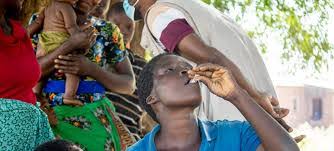
MSF Expresses Worries Over Rising Cases of Cholera in Zamfara

By: Michael Mike
MSF Expresses Worries Over Rising Cases of Cholera in Zamfara
Médecins Sans Frontières (MSF), otherwise known as Doctors Without Borders has expressed concern over the rising number of cholera cases in Zamfara State, citing high
number of cases from three of the state’s Ministry of Health (MOH) medical
facilities it supports.
In a statement on Thursday, it said from mid-June to early August, the medical
humanitarian organisation has recorded over 1,500 cases in these facilities, while other humanitarian actors and the MOH have also reported high incidence rates in other parts of the state.
MSF’s medical coordinator in Nigeria, Dr. David Kizito said: “This outbreak is unfolding in a context of insecurity, displacement, and limited access to clean water and sanitation – exacerbated by the rainy season.”
The MSF stated that “while cholera has been endemic to Nigeria for decades, seasonal outbreaks typically intensify between April and October. Flooding during this period contaminates water sources, accelerating the spread of the disease in areas with poor sanitation. Cholera can cause severe diarrhoea and vomiting. If left untreated, it can lead to rapid dehydration and even death within hours. In response to the outbreak, MSF has scaled up its water, sanitation, and hygiene (WASH) interventions and promotional activities alongside other humanitarian actors and the state MOH – which activated a Public Health Emergency Operations Centre (EOC) on 3 July.
The statement added that: “In mid-June, following the first suspected case of choleraat an MSF-supported medical facility, the organisation increased its case management and surveillance response in Zamfara, in addition to its scaled-up WASH activities. In Zurmi, MSF and other humanitarian actors supported the MOH in opening a cholera treatment centre (CTC) in Zurmi General Hospital. In July, MSF supported the MOH in opening a cholera treatment unit (CTU) at the Talata Mafara General Hospital and a CTC at Shinkafi General Hospital.
“In the Zurmi CTC, medical teams reported 562 suspected cases of cholera – the majority from Yambuki, Kadamusa, and Zurmi town – between 16 June and 5 August.
“In Shinkafi General Hospital, medical teams recorded approximately 401 cases between 11 July and 5 August. The most affected areas were in Shinkafi North Ward, especially within Alkalawa, Sabon Gari and Kurya. Fifty-eight cases originated from Isa LGA in Sokoto State.
“And in the Talata Mafara CTU, over 600 cases were recorded between 1 July and 8 August. Kayaye accounted for the highest percentage of cases, but the CTU received cases as far as LGAs like Anka and Bakura.
“Going forward, MSF is worried there will be more cases.”
“As cholera continues to threaten lives across Zamfara, MSF remains committed to working alongside communities, health authorities, and other partners to ensure timely treatment, prevention, and support,” Dr. Kizito said. “MSF emphasises the importance of setting up decentralised oral rehydration points and enabling all existing primary healthcare centres to treat mild and moderate suspected cholera cases. This will ensure timely treatment, reduce complications, and allow prompt referral to dedicated CTCs in hospitals such as Zurmi, Shinkafi, and Talata. Moreover, urgent cholera vaccination is needed to halt transmission and save lives. The participation of everyone in Zamfara is needed to reduce the spread. No one should die from a preventable disease.”
MSF Expresses Worries Over Rising Cases of Cholera in Zamfara


Troops intercept 11 youths with donkeys during patrol in Borno
By: Zagazola Makama
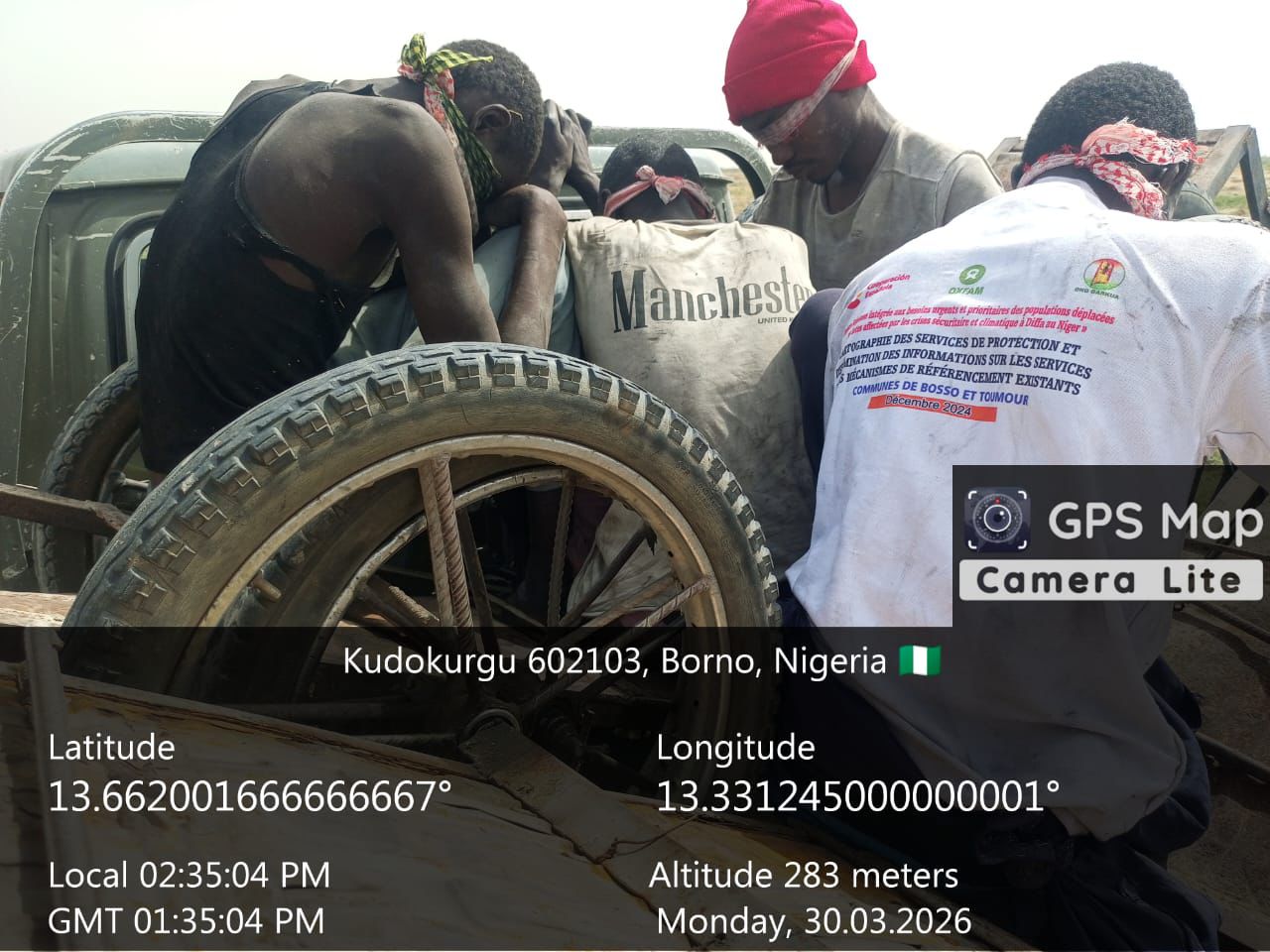
Troops of 68 Battalion have intercepted 11 youths during a routine patrol in Mallam Fatori area of Abadam Local Government Area of Borno State.
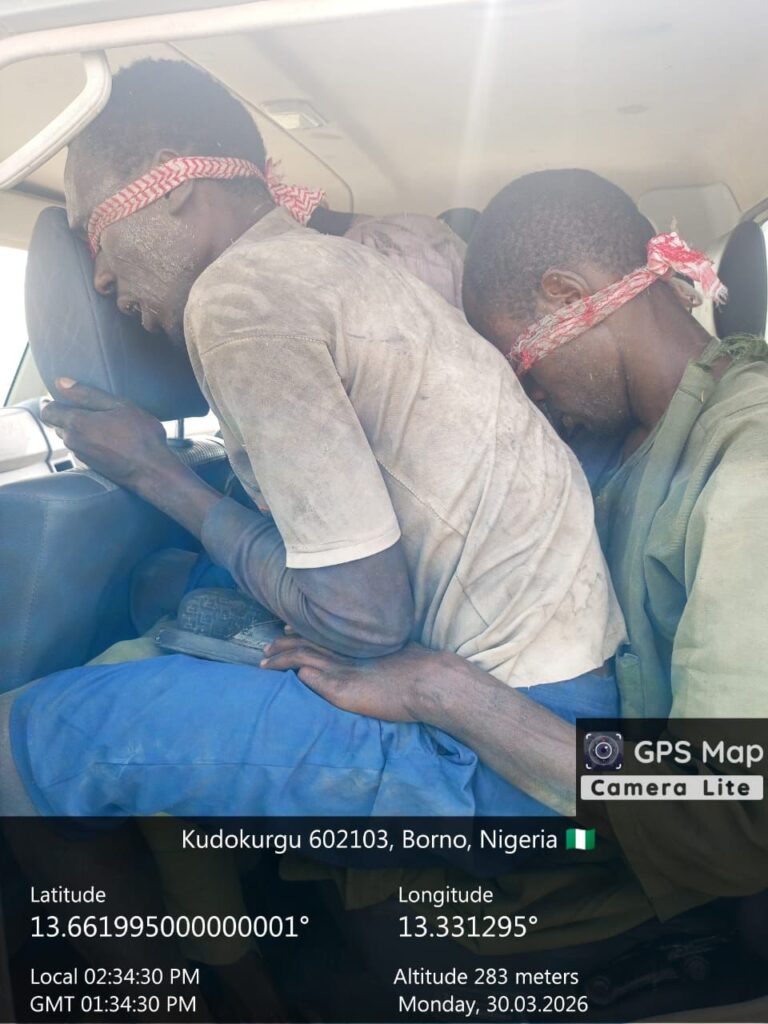
Security sources said the interception occurred along the Bulagana–Cheisa axis on April 2 during ongoing clearance operations in the area.
According to the sources, the individuals were found moving in the area with 12 donkeys when they were stopped and briefly interrogated by troops.
The sources added that the youths were later handed over, alongside the animals, to relevant authorities in a neighbouring country for further necessary action.
The military said the patrol was part of sustained efforts to maintain security dominance and prevent exploitation of border communities by criminal elements.
Troops intercept 11 youths with donkeys during patrol in Borno
Troops recover ammunition, logistics items in Kwara patrol operation
By: Zagazola Makama
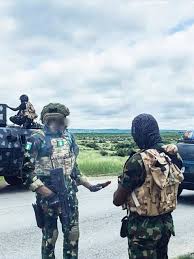
Troops of the Nigerian Army under the 22 Brigade have recovered ammunition and other logistics items during a fighting patrol in Ifelodun Local Government Area of Kwara State.
A security source disclosed that the operation was conducted at about 4:00 p.m. on April 2 at Daban Lema, where troops of the brigade, operating from the Patrol Base, encountered signs of suspected terrorist activities in a deserted location.
According to the source, the troops immediately carried out exploitation of the area, leading to the recovery of four rounds of 7.62mm special ammunition and one empty PKT ammunition belt link.
Other items recovered include four mobile phones, two head warmers, two small solar panels, and assorted repair tools believed to have been used by the suspected terrorists.
The source added that the recovery indicates the presence and movement of suspected criminal elements within the area, noting that troops have intensified surveillance and patrols to deny them freedom of action.
Troops recover ammunition, logistics items in Kwara patrol operation
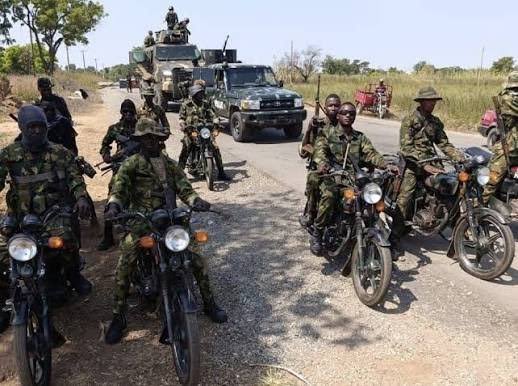
Troops foil attack by Criminal Youths, rescue victims, arrest suspects in plateau
By: Zagazola Makama
Troops of Sector 1, Operation Enduring Peace (OPEP), have foiled an attack on residents at Dutse Uku in Jos North Local Government Area of Plateau State.
A security source said the troops responded swiftly to a report of sporadic gunshots in the area at about 11:50 p.m. on April 2.
According to the source, upon arrival at the scene, the suspected criminals fled, abandoning their operation due to the prompt intervention of the troops.
He said the troops rescued two victims who sustained gunshot wounds during the incident and immediately evacuated them to a hospital for medical attention.
The source further disclosed that two suspects, dressed in black attire, were arrested at the scene.
Items recovered from the suspects include a cutlass and a knife.
He added that the suspects are currently in military custody and undergoing preliminary investigation, while efforts are ongoing to track down other fleeing members of the group.
Zagazola report that despite heightened security, there has been report of pocket of attacks in some communities.
The source reassured residents of the military’s commitment to protecting lives and property and urged the public to continue providing timely information to security agencies.
Troops foil attack by Criminal Youths, rescue victims, arrest suspects in plateau

Troops intercept suspected Boko Haram logistics convoy conveying 13 persons in Borno

Troops intercept 11 youths with donkeys during patrol in Borno

Troops, CJTF arrest three suspected Boko Haram logistics suppliers in Borno

Roger Federer’s Shock as DNA Results Reveal Myla and Charlene Are Not His Biological Children

THE PLIGHT OF FARIDA

FAILED COUP IN BURKINA FASO: HOW TRAORÉ NARROWLY ESCAPED ASSASSINATION PLOT AMID FOREIGN INTERFERENCE CLAIMS
-
 News2 years ago
Roger Federer’s Shock as DNA Results Reveal Myla and Charlene Are Not His Biological Children
-
Opinions4 years ago
THE PLIGHT OF FARIDA
-
 News12 months ago
FAILED COUP IN BURKINA FASO: HOW TRAORÉ NARROWLY ESCAPED ASSASSINATION PLOT AMID FOREIGN INTERFERENCE CLAIMS
-

 News2 years ago
EYN: Rev. Billi, Distortion of History, and The Living Tamarind Tree
-
 Opinions4 years ago
POLICE CHARGE ROOMS, A MINTING PRESS
-

 ACADEMICS2 years ago
A History of Biu” (2015) and The Lingering Bura-Pabir Question (1)
-

 Columns2 years ago
Army University Biu: There is certain interest, but certainly not from Borno.
-

 Opinions2 years ago
Tinubu,Shettima: The epidemic of economic, insecurity in Nigeria
