
News
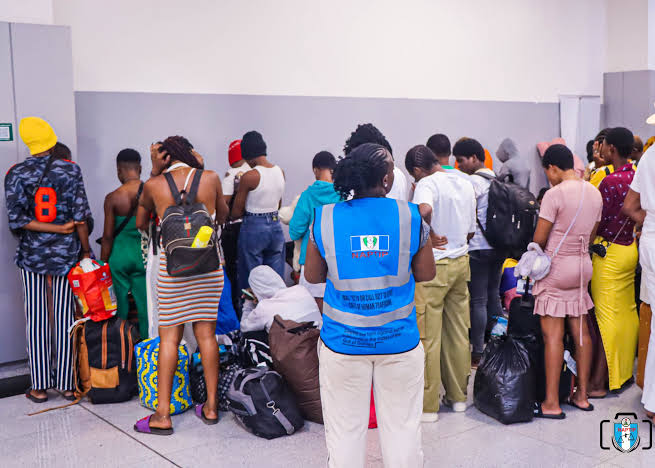
NAPTIP Smashes Human Trafficking Syndicates in Katsina

NAPTIP Smashes Human Trafficking Syndicates in Katsina
By: Michael Mike
Operatives of the National Agency for the Prohibition of Trafficking in Persons (NAPTIP) have arrested three suspected members of inter–state human trafficking syndicates who specialized in the recruitment, harbouring and trafficking of young girls from other parts of the Country to the Northern Nigeria for sexual exploitation.
According to a statement by the press officer of NAPTIP, Vincent Adekoye, they were arrested inside one of the prominent hotels located in Katsina township (name withheld), with three suspected victims of human trafficking rescued during the operation.
He said the manager of the hotel and two other workers were arrested. Two of the victims are from Benue State and one from Rivers State, with their age ranges from 21 to 26 years old.
According to a preliminary investigation, the suspects were believed to be the major suppliers of victims to brothels and other notorious centres, including some neighbouring countries.
Adekoye recalled that the Director General of NAPTIP, Binta Adamu Bello, had directed operatives of the agency across the country a few weeks ago to step up surveillance and intelligence-gathering activities within their jurisdictions to address the reported cases of inter-state recruitment and trafficking.
She also directed the operatives to beam searchlights on the activities of some hotels, drinking joints, and motor parks in all the state capitals, to curtail the activities of some criminal elements who operate as members of human trafficking gangs in the country.
Adekoye said report says the rescued victims were found inside a small room located within the Hotel complex, while the traffickers were inside another well-furnished room within the same compound, relishing the proceeds of the exploitation.
Speaking after the operation, the victims claimed that they were deceived, recruited, and trafficked to Katsina with a promise of a legitimate job, only to be forced into prostitution against their will.
One of victim was quoted to have said: “I was brought here by a woman (name withheld). She promised to give us a job and that we would be paidvery well. I asked her the details of the job, but she said I will know the nature of the job when I get here. When we got here, she introduced us to prostitution, which was not part of what they told us before.
“We actually sleep with a lot of men, at least 20 men a day, and all the money we get goes to the chairlady of the place, by name Amarachi. We have no choice but to sleep with 20 men a day. Even when we are on our monthly period, we are being forced to sleep with the same number of men. Even when we are sick of tired, they will force us to sleep with me. They said it is not their business to know how we feel, but to engage in prostitution. They give us a fearless energy drink each to take every evening so that we can have energy to work, be awake to sleep with the men, and get money for them.
“They take all the money we make and leave us to feed ourselves”, the victim lamented with uncontrollabletears.
While thanking NAPTIP for coming to their rescue, the victims disclosed that the traffickers, in addition to crippling them financially so that they will not be able to escape, also paid some men to keep eye on them.
Speaking on the development, the Director General of NAPTIP, expressed worry over the activities of some hotels and centres across the Country that harbor victims of human trafficking, saying that the hotel in question shall be sanctioned in line with the provisions of the trafficking law.
She said: “I wish to commend the Operatives of NAPTIP in Katsina for the raid and rescue of the victims. Their stories are painful and sad. They were deceived, recruited, trafficked, and forced into prostitution. While they are facing horror every day from prostitution, their traffickers were somewhere within the same hotel,feeding fat on the proceeds of the exploitation.
“It is also important to reiterate our earlier warning about operators of hotels aiding and abetting the exploitation of victims of human trafficking in their facilities. We have commenced a legal process to determine the next execution order for the hotel. The law shall definitely take its course.”
NAPTIP Smashes Human Trafficking Syndicates in Katsina



Troops intercept 11 youths with donkeys during patrol in Borno
By: Zagazola Makama
Troops of 68 Battalion have intercepted 11 youths during a routine patrol in Mallam Fatori area of Abadam Local Government Area of Borno State.
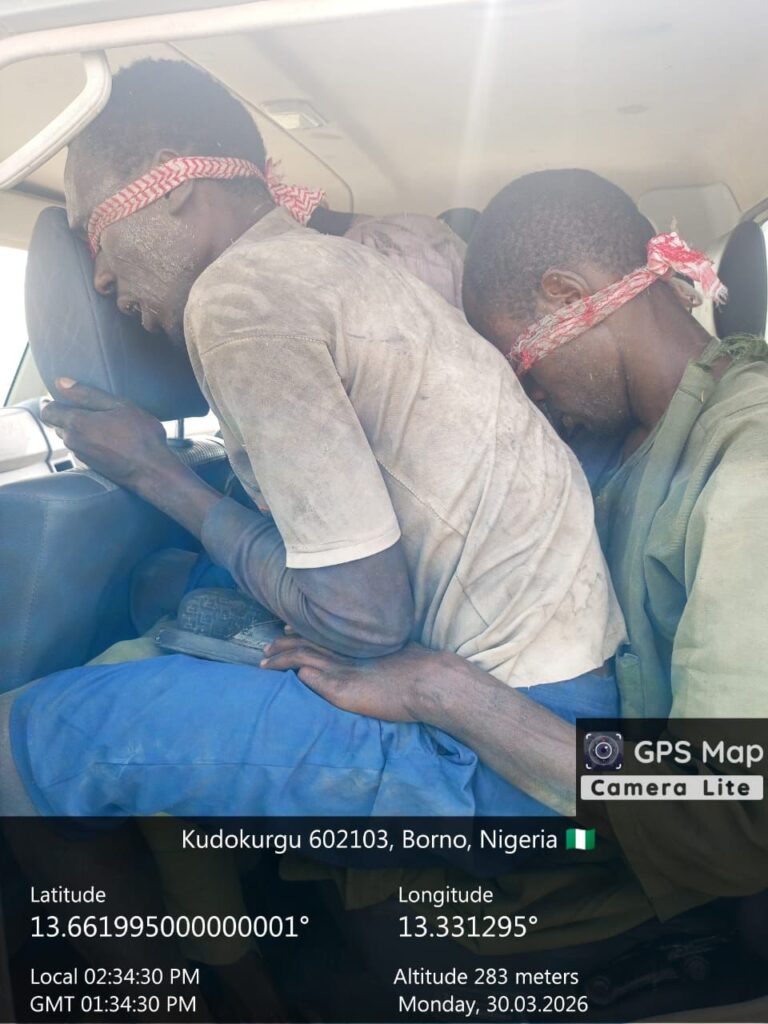
Security sources said the interception occurred along the Bulagana–Cheisa axis on April 2 during ongoing clearance operations in the area.
According to the sources, the individuals were found moving in the area with 12 donkeys when they were stopped and briefly interrogated by troops.
The sources added that the youths were later handed over, alongside the animals, to relevant authorities in a neighbouring country for further necessary action.
The military said the patrol was part of sustained efforts to maintain security dominance and prevent exploitation of border communities by criminal elements.
Troops intercept 11 youths with donkeys during patrol in Borno
Troops recover ammunition, logistics items in Kwara patrol operation
By: Zagazola Makama
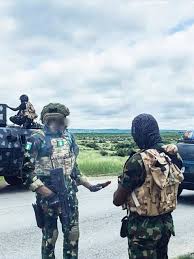
Troops of the Nigerian Army under the 22 Brigade have recovered ammunition and other logistics items during a fighting patrol in Ifelodun Local Government Area of Kwara State.
A security source disclosed that the operation was conducted at about 4:00 p.m. on April 2 at Daban Lema, where troops of the brigade, operating from the Patrol Base, encountered signs of suspected terrorist activities in a deserted location.
According to the source, the troops immediately carried out exploitation of the area, leading to the recovery of four rounds of 7.62mm special ammunition and one empty PKT ammunition belt link.
Other items recovered include four mobile phones, two head warmers, two small solar panels, and assorted repair tools believed to have been used by the suspected terrorists.
The source added that the recovery indicates the presence and movement of suspected criminal elements within the area, noting that troops have intensified surveillance and patrols to deny them freedom of action.
Troops recover ammunition, logistics items in Kwara patrol operation
Troops foil attack by Criminal Youths, rescue victims, arrest suspects in plateau
By: Zagazola Makama
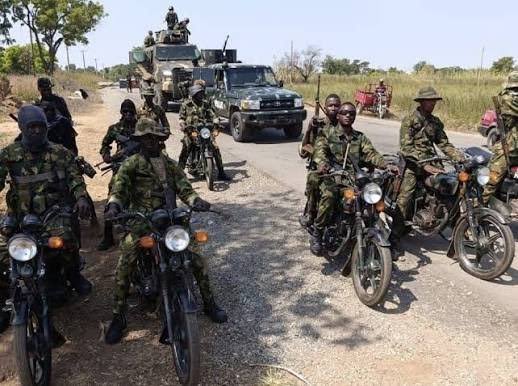
Troops of Sector 1, Operation Enduring Peace (OPEP), have foiled an attack on residents at Dutse Uku in Jos North Local Government Area of Plateau State.
A security source said the troops responded swiftly to a report of sporadic gunshots in the area at about 11:50 p.m. on April 2.
According to the source, upon arrival at the scene, the suspected criminals fled, abandoning their operation due to the prompt intervention of the troops.
He said the troops rescued two victims who sustained gunshot wounds during the incident and immediately evacuated them to a hospital for medical attention.
The source further disclosed that two suspects, dressed in black attire, were arrested at the scene.
Items recovered from the suspects include a cutlass and a knife.
He added that the suspects are currently in military custody and undergoing preliminary investigation, while efforts are ongoing to track down other fleeing members of the group.
Zagazola report that despite heightened security, there has been report of pocket of attacks in some communities.
The source reassured residents of the military’s commitment to protecting lives and property and urged the public to continue providing timely information to security agencies.
Troops foil attack by Criminal Youths, rescue victims, arrest suspects in plateau

Troops intercept suspected Boko Haram logistics convoy conveying 13 persons in Borno

Troops intercept 11 youths with donkeys during patrol in Borno

Troops, CJTF arrest three suspected Boko Haram logistics suppliers in Borno

Roger Federer’s Shock as DNA Results Reveal Myla and Charlene Are Not His Biological Children

THE PLIGHT OF FARIDA

FAILED COUP IN BURKINA FASO: HOW TRAORÉ NARROWLY ESCAPED ASSASSINATION PLOT AMID FOREIGN INTERFERENCE CLAIMS
-
 News2 years ago
Roger Federer’s Shock as DNA Results Reveal Myla and Charlene Are Not His Biological Children
-
Opinions4 years ago
THE PLIGHT OF FARIDA
-
 News12 months ago
FAILED COUP IN BURKINA FASO: HOW TRAORÉ NARROWLY ESCAPED ASSASSINATION PLOT AMID FOREIGN INTERFERENCE CLAIMS
-

 News2 years ago
EYN: Rev. Billi, Distortion of History, and The Living Tamarind Tree
-
 Opinions4 years ago
POLICE CHARGE ROOMS, A MINTING PRESS
-

 ACADEMICS2 years ago
A History of Biu” (2015) and The Lingering Bura-Pabir Question (1)
-

 Columns2 years ago
Army University Biu: There is certain interest, but certainly not from Borno.
-

 Opinions2 years ago
Tinubu,Shettima: The epidemic of economic, insecurity in Nigeria
