
National News
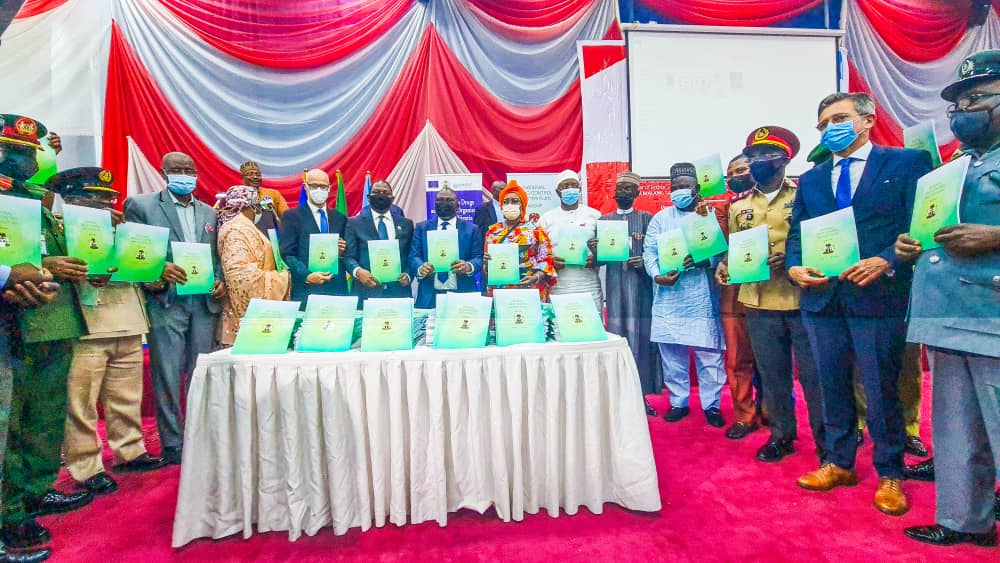
National Drug Control Master Plan 2021-2025 Launched

National Drug Control Master Plan 2021-2025 Launched
By: Michael Mike, Abuja
The Government of Nigeria has officially launched the National Drug Control Master Plan (NDCMP) 2021-2025. The event was attended by several cabinet ministers, members of the Inter-Ministerial Committee on Drug Control, NDLEA Chairman’s Special Purpose Committee on Drugs, the diplomatic corps, as well as diverse group of stakeholders.
Developed with the support of the European Union funded, and UNODC implemented project “Response to Drugs and Related Organized Crime in Nigeria”, the NDCMP 2021-2025 is the final product of a coordinated effort comprising experts from relevant government ministries, departments and agencies as well as civil society organizations. The Plan marks a significant evolution from the previous three NDCMPs, as it was able to draw on an extensive evidence base, including the first ever National Drug Use Survey conducted by the National Bureau of Statistics with the support of UNODC in 2018. The survey revealed an average drug use prevalence of more than 14% which is alarmingly high when compared with the global prevalence of 5.5%.
The survey also found that almost 3 million persons in Nigeria were suffering from some form of drug use disorder. Other research studies on prevalence of drug use among internally displaced persons (IDPs), migrants, students, out of school children, and women, also helped in shaping critical interventions for the Plan.
In his remarks, the Special Guest of Honour HAGF & Minister of Justice, Abubakar Malami, SAN highlighted the critical importance of NDCMP 2021-2025 in providing a clear roadmap for implementing country strategies on all aspects of drug control. The Minister of Women Affairs expressed her concerns about one in four drug users being a woman or a girl and hoped that gender concerns would be adequately addressed during implementation of the Plan. The Minister of Youth and Sports Development proposed to engage National Youth Service Corp ( NYSC ) in drug prevention and sensitization work.
Speaking on the occasion, Mr. Alexandre Borges Gomes, Charge d Affaires, EU Delegation to Nigeria and ECOWAS, stated that “a balanced approach to issues of drug control” containing both soft and hard measures is the most viable way forward and commended Nigeria for developing such a Plan.
Also Read: NO ACCIDENTAL DISCHARGE IN NSCDC ADMINISTRATIVE MANUAL…
Quoting different research studies conducted on drugs in Nigeria, including the Drug use Survey 2018, the UNODC Representative in Nigeria, Mr. Oliver Stolpe stressed on the strong evidence-base available for the development of this Plan, “an opportunity, that was not available at the time of development of previous three plans … hence NDCMP 2021-2025 would create superior impact”
Representing Chairman NDLEA Brig. Gen. Mohamed Buba Marwa (Rtd), OFR, Secretary NDLEA, Mr. Shadrach Haruna expressed his agency’s resolve in implementing the NDCMP in close coordination with all the concerned ministries, agencies and departments. He further thanked the European Union for gracious funding and the UNODC for providing technical and advisory support through all stages.
The development of the NDCMP 2021-2025, its endorsement by the President of Nigeria, and its launch today, are significant milestones in Nigeria’s progress towards addressing drug control issues in a more focused, systematic and evidence-based fashion. The plan marks a significant shift away from an approach predominantly aimed at supply reduction to a more balanced and health-centred approach to drug control. The recent initiatives on restructuring of the NDLEA directorates and the upgrading of the Narcotics and Drug Abuse Unit within the Federal Ministry of Health (FMOH) to a full-fledged Division are also important reflections of this shift in the priority setting of the country’s drug control effort.
The implementation of NDCMP 2021-2025 will contribute to achieving Sustainable Development Goal (SDG)-3 to “ensure healthy lives and promote well-being for all at all ages” and target 3.5 to “strengthen prevention and treatment of substance abuse, including narcotic drug abuse and harmful use of alcohol, as well as SDG-16 to “promote just, peaceful and inclusive societies.”
National Drug Control Master Plan 2021-2025 Launched


Tuggar Resigns from Tinubu’s Cabinet, Sets for Bauchi Governorship
By: Michael Mike
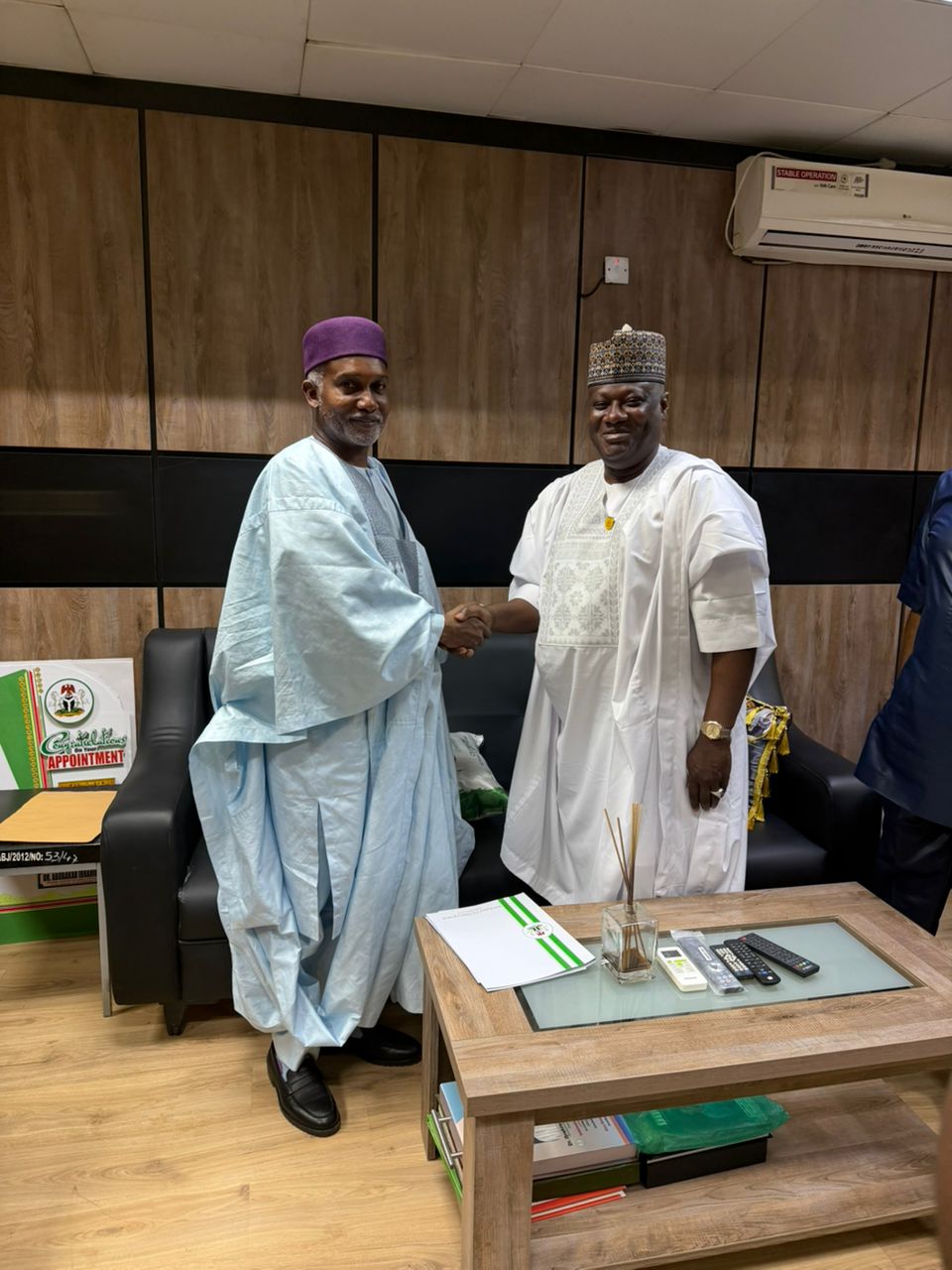
The rumoured interest of Minister of Foreign Affairs, Ambassador Yusuf Tuggar in becoming the governor of Bauchi State come 2027 may have been confirmed he resigned on Monday to prepared ground for actualization of his political ambition.
The resignation was ahead of the deadline set for political appointees seeking elective positions in the forthcoming general elections.
In a resignation letter submitted to the office of the Secretary to the Government of the Federation, Tuggar expressed profound gratitude to President Bola Ahmed Tinubu for the opportunity to serve the country and contribute to the implementation of the administration’s Four-D foreign policy strategy.
The former minister also appreciated the management and staff of the Ministry of Foreign Affairs and members of the diplomatic community for their cooperation and support throughout his tenure.
During his time in office, Tuggar was credited with advancing Nigeria’s foreign policy objectives through initiatives focused on people-centred diplomacy. These included humanitarian evacuations, facilitation of scholarships for Nigerians abroad, and sustained support for citizens in the diaspora.
His tenure also witnessed increased diaspora engagement, including efforts to develop a structured database of Nigerians living abroad aimed at strengthening their participation in national development.
In addition, Tuggar strengthened bilateral and multilateral relations through strategic engagements with traditional partners and regional alliances, particularly across the Global South. His leadership also promoted regional security cooperation and supported the formation of the Regional Partnership for Democracy initiative.
He also prioritised economic diplomacy, positioning Nigeria as an attractive destination for foreign investment, especially in the energy sector, while facilitating diplomatic interventions that secured the release of detained Nigerians in foreign countries and improved bilateral relations.
The resignation letter was received on behalf of the Secretary to the Government of the Federation by Dr. Abubakar Kana, Permanent Secretary, General Services Office, ahead of the March thirty-first deadline directed by President Tinubu in line with provisions of the Electoral Act.
Tuggar’s resignation was conveyed in a statement issued by his Special Assistant on Media and Communications Strategy, Alkasim Abdulkadir.
Tuggar Resigns from Tinubu’s Cabinet, Sets for Bauchi Governorship
National News
Fuel Crisis: ActionAid Urges FG to Deploy Emergency Measures as Global Conflict Deepens Hardship

Fuel Crisis: ActionAid Urges FG to Deploy Emergency Measures as Global Conflict Deepens Hardship
By: Michael Mike
ActionAid Nigeria has called on the Federal Government to urgently roll out emergency economic relief measures as the ongoing conflict involving Iran, Israel and the United States continues to disrupt global oil markets and worsen the economic hardship faced by Nigerians.
The organisation raised the alarm in a statement issued in Abuja on Sunday, warning that the crisis, which has persisted for more than a month, is already pushing millions of Nigerians deeper into poverty through rising fuel prices, transport fares and food costs.
According to the group, the absence of a clear and coordinated response from the Federal Government to cushion the effects of the global energy shock is deeply troubling.
While noting that global crude oil prices have surged from an average of about seventy-five to eighty dollars per barrel before the escalation of the conflict to roughly one hundred dollars per barrel due to supply disruptions in the Middle East, the organisation said Nigeria should be benefiting from the price increase.
It explained that with Nigeria’s daily crude oil production currently averaging between 1.3 million and 1.5 million barrels per day, the country is earning significantly more revenue from oil exports, yet these gains have not translated into relief for citizens struggling with soaring fuel costs.
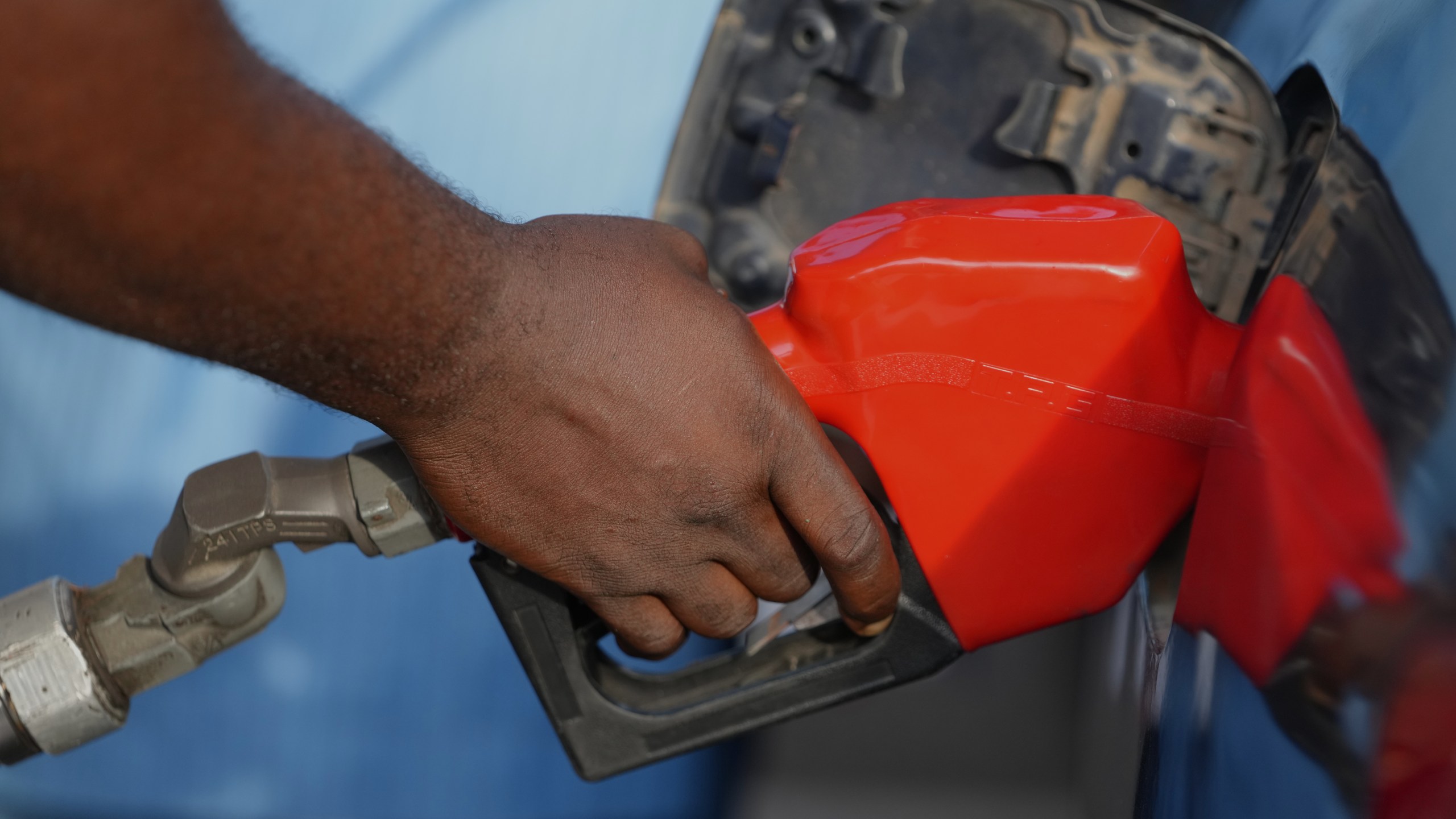
The organisation said petrol prices are currently selling between N1,200 and N1,400 per litre across many parts of the country, while diesel prices remain persistently high.
It noted that the impact is being felt across all sectors of the economy, with transport fares surging, food prices rising and the cost of essential goods and services climbing beyond the reach of many households.
Speaking on the situation, the Country Director of ActionAid Nigeria, Andrew Mamedu, said the hardship faced by Nigerians reflects both the global crisis and long-standing domestic policy failures.
“It is unacceptable that Nigerians continue to suffer the consequences of global oil price increases while the country fails to translate its oil wealth into protection for its people,” he said.
Mamedu added that other countries facing similar shocks have implemented proactive measures to shield their citizens.
He cited examples of governments in Asia introducing price stabilisation policies, public transport support schemes and financial assistance to households in order to mitigate the effects of rising energy costs.
He noted that countries such as Thailand have deployed mechanisms such as the Oil Fuel Fund to cap fuel prices, while Indonesia has used subsidy compensation and public funds to reduce the impact of global price increases on citizens.
According to him, Nigeria must demonstrate similar urgency by implementing strong social protection measures.
The organisation said rapid community engagements conducted across several states indicate that many households are already adopting distress coping strategies, including skipping meals, withdrawing children from school due to transportation costs and borrowing money to survive.
It also warned that small and medium-sized enterprises are scaling down operations or shutting down completely due to rising diesel and logistics costs, while informal workers are experiencing declining incomes.
To address the situation, ActionAid Nigeria urged the Federal Government, in collaboration with state and local authorities, to deploy a coordinated emergency response that includes targeted cash transfers to vulnerable households and informal businesses.
The organisation also called for the temporary reintroduction of fuel subsidies for petrol and diesel, financial support for public transport systems to curb fare increases and the suspension or reduction of taxes and port charges contributing to high fuel prices.
Other recommendations include expanding the crude-for-naira framework to stabilise domestic fuel supply, protecting food distribution and health logistics from rising transportation costs and enforcing fuel consumption reduction measures across public institutions.
In addition, the group urged private sector employers to provide welfare support for workers, including transport assistance, flexible work arrangements and cost-of-living adjustments.
It also called on state and local governments to strengthen community-level safety nets, monitor market practices to prevent exploitation and ensure that relief measures reach vulnerable populations quickly.
“The global crisis may be beyond Nigeria’s control, but the government’s response is not,” the organisation said.
“One month into this crisis, continued inaction is unacceptable. Immediate and decisive steps must be taken to protect Nigerians from further hardship.”
Fuel Crisis: ActionAid Urges FG to Deploy Emergency Measures as Global Conflict Deepens Hardship
National News
Easter: Church Targets Spiritual Renewal, Community Impact with Power-Packed Programme
Easter: Church Targets Spiritual Renewal, Community Impact with Power-Packed Programme
By: Michael Mike
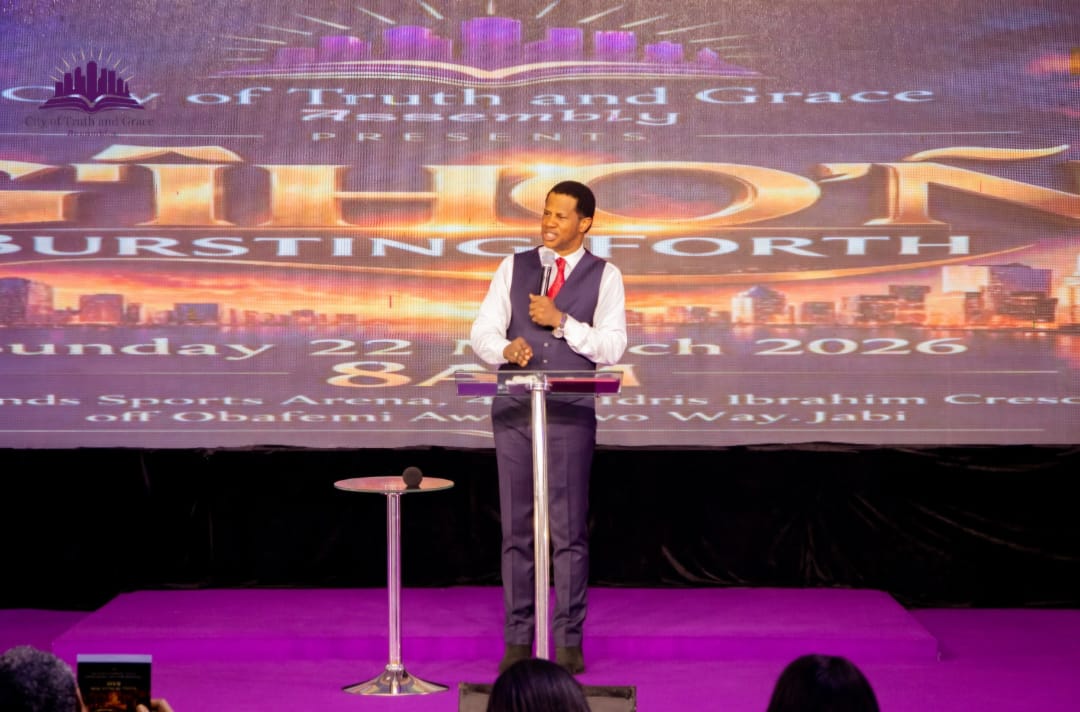
As Christians prepare for the Easter season, the City of Truth and Grace Assembly has positioned its 2026 celebration as more than a routine observance, unveiling a spiritually driven programme aimed at fostering personal transformation and strengthening community bonds.
Themed “The Power of Resurrection,” the church said the initiative is designed to rekindle faith, inspire hope, and provide a platform for collective spiritual engagement at a time when many people are seeking renewal amid prevailing social and economic pressures.
The programme, to be hosted by Dipo Fisho, will begin on Good Friday with a family-focused prayer session which organisers describe as a strategic gathering to address both personal and societal challenges through intercession.
According to the church, the prayer session will emphasise unity, healing, and divine direction for families and the wider community.
The Easter activities will culminate on Easter Sunday with a special worship service centred on the message of resurrection, renewal, and spiritual rebirth.
Organisers explained that the programme goes beyond worship services, incorporating moments of fellowship such as a love feast aimed at strengthening relationships among church members and welcoming first-time attendees while reinforcing the central Easter message of love, sacrifice, and redemption.
“This is not just a celebration; it is a call to experience transformation and new beginnings,” the church said, adding that the programme has been carefully curated to deliver both spiritual inspiration and emotional impact.
The event will take place at The Grounds Sport Arena, with activities scheduled for 5:00 p.m. on Good Friday and 8:00 a.m. on Easter Sunday.
With expectations of a large turnout, the church said the programme—also tagged “The Power of Resurrection”—is open to people of all backgrounds and is intended to inspire faith, unity, and a renewed sense of purpose.
Residents across the city have been encouraged to participate, as organisers project the gathering as a significant Easter convergence focused on renewal, hope, and shared spiritual experience.
Easter: Church Targets Spiritual Renewal, Community Impact with Power-Packed Programme

NDLEA, US-DEA Strengthen Partnership to Combat Narco-Terrorism

NAPTIP, ICMPD Sensitise Students on Trafficking, Safe Migration in Abuja

Inclusive Investment in Vulnerable Women Critical to Nigeria’s $1tn Economy Goal – Uzoka-Anite

Roger Federer’s Shock as DNA Results Reveal Myla and Charlene Are Not His Biological Children

THE PLIGHT OF FARIDA

FAILED COUP IN BURKINA FASO: HOW TRAORÉ NARROWLY ESCAPED ASSASSINATION PLOT AMID FOREIGN INTERFERENCE CLAIMS
-
 News2 years ago
Roger Federer’s Shock as DNA Results Reveal Myla and Charlene Are Not His Biological Children
-
Opinions4 years ago
THE PLIGHT OF FARIDA
-
 News12 months ago
FAILED COUP IN BURKINA FASO: HOW TRAORÉ NARROWLY ESCAPED ASSASSINATION PLOT AMID FOREIGN INTERFERENCE CLAIMS
-

 News2 years ago
EYN: Rev. Billi, Distortion of History, and The Living Tamarind Tree
-
 Opinions4 years ago
POLICE CHARGE ROOMS, A MINTING PRESS
-

 ACADEMICS2 years ago
A History of Biu” (2015) and The Lingering Bura-Pabir Question (1)
-

 Columns2 years ago
Army University Biu: There is certain interest, but certainly not from Borno.
-

 Opinions2 years ago
Tinubu,Shettima: The epidemic of economic, insecurity in Nigeria
