
National News
NDLEA Launches National Drug Control Master Plan


NDLEA Launches National Drug Control Master Plan
By: Our Reporter
The National Drug Law Enforcement Agency (NDLEA) has launched the (NDCMP) 2021 to 2025 in Abuja.
This was in collaboration with the United Nations Office on Drugs and Crime (UNODC).
Speaking at the launch of the strategic document, the Chairman/Chief Executive Officer of the NDLEA, Brig General Buba Marwa (Retd.), said the five-year national action plan would address the drug problem and its associated consequences in the country.
He said the masterplan, built on four major pillars, addresses the drug issues in a comprehensive, balanced, human rights-focused and gender-responsive manner.
The NDLEA boss, who was represented by the Secretary of the agency, Shadrach Haruna, said there has been three previous blueprints in the past and the NDCMP 2021-2025, the fourth and newest version, is built on the foundation of the three previous editions.
Marwa said: “I wish to start this remark by acknowledging the support of the European Union through the “Response to Drugs and Related Organised Crime in Nigeria” project (NGAV 16) and the UNODC for its enormous support to drug control activities and especially to the development of NDCMP 2021-2025, which is best described as a pragmatic “road map” to achieving our national drug control goals.”
He said: “The NDCMP is a five-year national action plan that addresses the drug problem and its associated consequences. There have been three previous blueprints, namely the inaugural 1999-2004 edition, the second edition covering the period 2008 to 2013, and the 2015–2020 document. NDCMP 2021-2025, the fourth and newest version, is built on the foundation of the three previous editions.
“This fourth edition of the NDCMP―which rests on four strategic pillars of Supply Reduction, Drug Demand Reduction, Access to Controlled Medicines for Medical and Scientific Purposes, Governance and Coordination―addresses the drug issues in a comprehensive, balanced, human rights-focused and gender-responsive manner.”
He added that: “Aside from its functionality, NDCMP 2021-2025 is symbolic of the continuity and advancement in the effort of the Nigerian government to address the evolving drug situation. It is the outcome of two years of coordinated, collaborative and multi-agency efforts comprising experts from all the relevant Government Ministries, Departments and Agencies, as well as Civil Society Organisations.
“An effective campaign against the production, trafficking and abuse of illicit substances requires a result-oriented, proactive and all-encompassing Modus Operandi that is consistent with globally acceptable practices and standards. NDCMP 2021-2025 provides the needed fillip concerning strategic direction, effective prioritization of issues, collaboration and inclusiveness of all relevant partners and stakeholders.
“At this juncture, I wish to unequivocally state that I do not doubt that when the mechanisms, methodologies and strategic outlines of NDCMP 2021–2015 are implemented, we would substantially win the war against abuse and trafficking of controlled drugs and illicit substances.”
The anti-narcotics czar said: “Also, with the expected active support and collaboration of all stakeholders, we would, in addition to drastically reducing the drug scourge, also effectively mitigate the harm caused by the abuse and trafficking of illicit drugs. Our ultimate objective is to promote the health, security and wellbeing of all living in Nigeria. This document is our roadmap to achieving those goals. NDCMP 2021-2025 is like a steering wheel for all the drug control campaigns currently going on in the country. The document not only addresses germane issues but also fills the identified gaps in the ongoing responses.
“I also need to say this, that without the consistent backing of the Federal Government and other supportive entities we would not have reached the point where we are today. Therefore, I sincerely wish to express our profound appreciation to His Excellency, Muhammadu Buhari, GCFR, President and Commander-in-Chief of the Armed Forces, for the strong support and commitment towards the development of this very important strategic document.”
He said the immense appreciation of the agency goes to the Attorney General of the Federation and Minister of Justice, Abubakar Malami for his encouragement and dedication at various stages of articulating the NDCMP 2021–2025 and to
the members of the National Assembly, particularly, the Senate Committee on Drugs and Narcotics as well as the House Committee on Narcotic Drugs.
Marwa said the participation and input of the various Ministries, Departments and Agencies (MDAs) that make up the Inter-Ministerial Committee on Drug Control and other relevant stakeholders are duly acknowledged and applauded.
The Attorney General of the Federation and Minister of Justice, Abubakar Malami, who launched the document, said it was central to Nigeria’s approach to tackling the menace of drug abuse.
Also Read: Igbos will not beg for Presidency in 2023 – Southeast…
Malami, who was represented by Mr Biodun Aikhomu, said the present administration is committed to decisively dealing with the problem of drug abuse in the country.
Country Representative of UNODC, Mr Oliver Stolpe, said he hoped that the latest masterplan would have more impact than the past plan.
He expressed confidence in the leadership of the NDLEA as well as the agency’s partners in tackling the problem of drug abuse.
The Minister of Youths and Sports Development, Mr Sunday Dare, who was also on hand at the occasion, said the country’s future is imperiled except the growing menace of drug abuse is checked.
He said the launch of the masterplan is of serious significance in the battle against the devastating effects of drug abuse.
On her part, the Minister of Women Affairs, Dame Pauline Tallen, expressed worry over the growing number of women and girls abusing drugs.
She said it was a dangerous trend that should be halted as the country cannot make any progress except the problem of drug abuse is addressed.
NDLEA Launches National Drug Control Master Plan


National News
President Tinubu Storms Jos Today To Commiserate With Residents Of Angwa Rukuba Massacre


President Tinubu Storms Jos Today To Commiserate With Residents Of Angwa Rukuba Massacre
By: Bodunrin Kayode
President Bola Tinubu will today visit the Plateau state capital Jos to commiserate with residents who lost loved ones during the Palm Sunday shooting spree by criminals that took place at Angwa rukuba area of the city.
The President who was scheduled to visit Ogun state postponed his scheduled trip to Iperu, meant to flag off operations at the Gateway International Cargo Airport.
From the Plateau, the President is expected to travel to Lagos to observe Good Friday public holiday which ushers the beginning of the Easter public holiday which rounds up the lent period.
A state house release signed yesterday by the Presidential spokesman Bayo Onanuga noted that President Tinubu will travel to Ogun State for the commissioning of the Cargo Airport and the inauguration of two commercial aircrafts for the export and import of goods, aimed at boosting the state’s economic growth on Saturday April 4th.
“He will also inaugurate the new edifice of the Federal Operations Unit of the Nigerian Customs Service and its operational vehicles.
“He will return to Lagos to continue the Easter holiday, during which he is also expected to commission infrastructural projects undertaken by the administration of Governor Babajide Sanwo-Olu.
“These projects include: the iconic Ojota/Opebi Link Bridge; the Lagos State Geographic Information System Building; the Multi-Agency Complex named after the President, and a school Complex.
“Before returning to Abuja, President Tinubu will visit Bayelsa State on April 10 to commission some of Governor Duoye Diri’s completed projects.” Said the release.
Sadly several residents lost their lives during the black Palm Sunday shooting spree which is suspected to have been carried out by auto bike riding bandits following after their patterns in the hinterlands of the state.
These bandits who had tormented, killed and destroyed homes of residences of the Jos north axis of the state for several years after September 7th 2001
This damnation let loose on innocent residents is resurfacing after hundreds of killings had occurred in the Jos North council area of the state from September 7th 2001 till date.
And because of the myriad of challenges creeping into the federal security system sub regionals have geared up to manage their on police and Intel services which would assist greatly because they are masters of their territories.
The Federal government is fast tracking the process of state police to ensure that each sub nationals take charge of their environment to ensure that they support the center in the maintenance of internal security.
President Tinubu Storms Jos Today To Commiserate With Residents Of Angwa Rukuba Massacre

NiMet predicts 107 to 138 days of rainfall in Gombe
The Nigerian Meteorological Agency (NiMet) has said that in 2026, the length of the rainy season in Gombe State is expected to be between 107 and 138 days.
This is contained in the Agency’s 2026 Seasonal Climate Prediction (SCP) document, which Gayus Musa, the meteorological manager for Gombe State, made available to Our Correspondent in Gombe on Tuesday.
The total amount of rainfall across Gombe State in 2026 is predicted to be between 701 mm in the northern part of the state (Nafada) and 1089 mm in the South (Shongom).
The onset of the rainfall is expected to commence in the state on May 29 (Shongom) and cease by October 22 (Yamaltu/Deba).
Similarly, in the prediction, four local government areas of the state, namely: Nafada, Yamaltu/Deba, Dukku and Funakaye were likely to be impacted by a severe dry spell (21 days and above) between June and August.
Musa while speaking to Our Correspondent on the first rainfall experienced in some communities in Akko, Gombe and Yamaltu/Deba Local Government Areas of the state on Monday urged farmers to resist the temptation of early planting of crops.
He described the first rain as false onset, explaining that the rainfall was false because it would not support any germination as seeds planted with such rain would not survive.
“This (first rain) is a false onset because the precipitation cannot carry any germination and so any seed planted would not survive.
“So farmers should not engage themselves in planting but to prepare their farmlands while getting their seeds and other inputs ready,” he said.
Musa advised farmers in the state, to make use of the prediction in carrying out farming activities towards avoiding losses in view of the impact of climate change on agriculture.
He further urged relevant authorities in the state to take proactive measures towards tackling environmental issues associated with the rainy season.
NiMet predicts 107 to 138 days of rainfall in Gombe
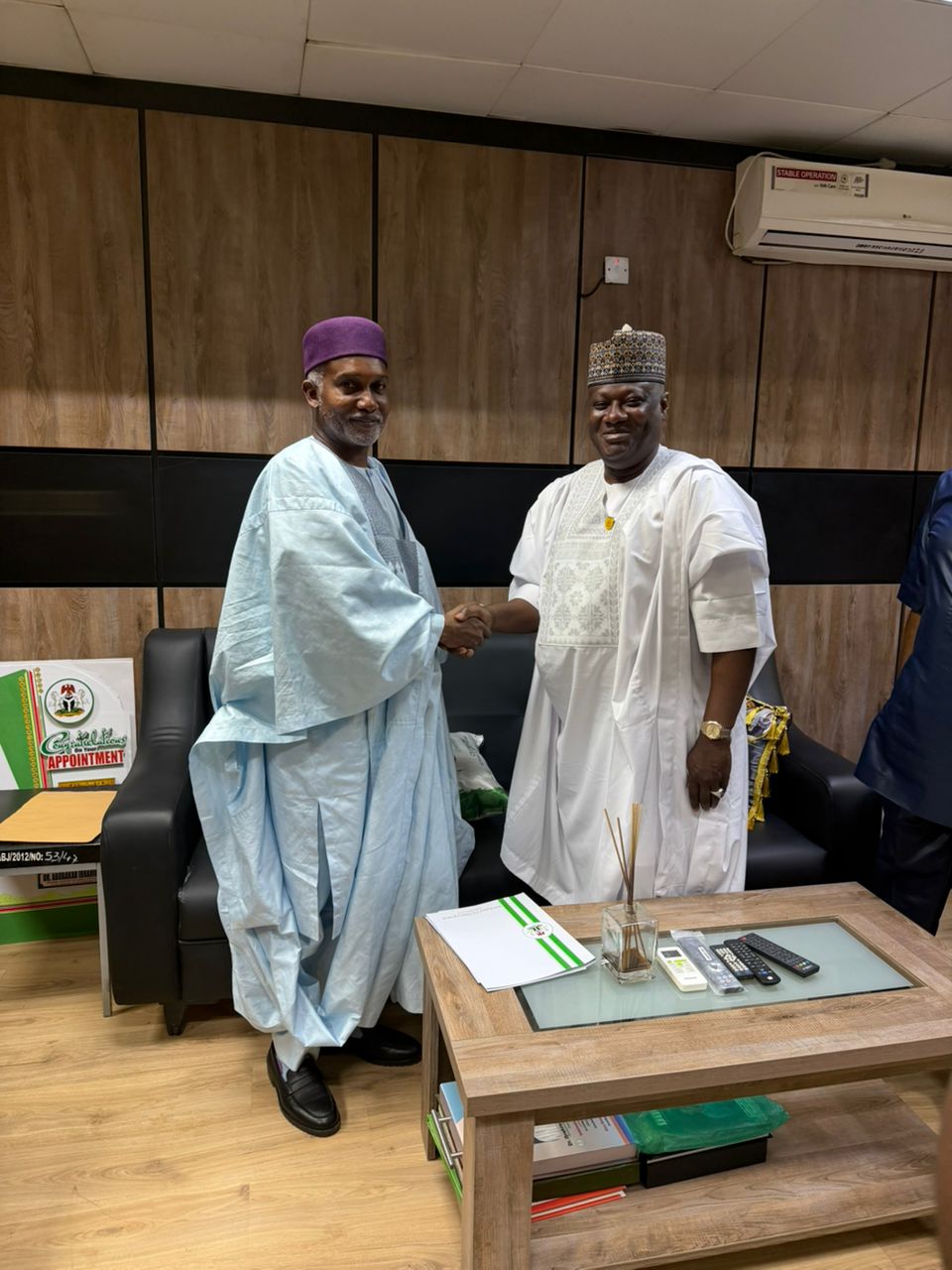
Tuggar Resigns from Tinubu’s Cabinet, Sets for Bauchi Governorship
By: Michael Mike
The rumoured interest of Minister of Foreign Affairs, Ambassador Yusuf Tuggar in becoming the governor of Bauchi State come 2027 may have been confirmed he resigned on Monday to prepared ground for actualization of his political ambition.
The resignation was ahead of the deadline set for political appointees seeking elective positions in the forthcoming general elections.
In a resignation letter submitted to the office of the Secretary to the Government of the Federation, Tuggar expressed profound gratitude to President Bola Ahmed Tinubu for the opportunity to serve the country and contribute to the implementation of the administration’s Four-D foreign policy strategy.
The former minister also appreciated the management and staff of the Ministry of Foreign Affairs and members of the diplomatic community for their cooperation and support throughout his tenure.
During his time in office, Tuggar was credited with advancing Nigeria’s foreign policy objectives through initiatives focused on people-centred diplomacy. These included humanitarian evacuations, facilitation of scholarships for Nigerians abroad, and sustained support for citizens in the diaspora.
His tenure also witnessed increased diaspora engagement, including efforts to develop a structured database of Nigerians living abroad aimed at strengthening their participation in national development.
In addition, Tuggar strengthened bilateral and multilateral relations through strategic engagements with traditional partners and regional alliances, particularly across the Global South. His leadership also promoted regional security cooperation and supported the formation of the Regional Partnership for Democracy initiative.
He also prioritised economic diplomacy, positioning Nigeria as an attractive destination for foreign investment, especially in the energy sector, while facilitating diplomatic interventions that secured the release of detained Nigerians in foreign countries and improved bilateral relations.
The resignation letter was received on behalf of the Secretary to the Government of the Federation by Dr. Abubakar Kana, Permanent Secretary, General Services Office, ahead of the March thirty-first deadline directed by President Tinubu in line with provisions of the Electoral Act.
Tuggar’s resignation was conveyed in a statement issued by his Special Assistant on Media and Communications Strategy, Alkasim Abdulkadir.
Tuggar Resigns from Tinubu’s Cabinet, Sets for Bauchi Governorship

Zulum Rolls Out 20 Electric Buses to Cushion Petrol Price Hike

Youth Exclusion Could Derail Development Goals, UN Issues Urgent Warning

West Africa’s Child Protection Laws Under Scrutiny as ECOWAS Lawmakers Confront “Implementation Failure”

Roger Federer’s Shock as DNA Results Reveal Myla and Charlene Are Not His Biological Children

THE PLIGHT OF FARIDA

FAILED COUP IN BURKINA FASO: HOW TRAORÉ NARROWLY ESCAPED ASSASSINATION PLOT AMID FOREIGN INTERFERENCE CLAIMS
-
 News2 years ago
Roger Federer’s Shock as DNA Results Reveal Myla and Charlene Are Not His Biological Children
-
Opinions4 years ago
THE PLIGHT OF FARIDA
-
 News12 months ago
FAILED COUP IN BURKINA FASO: HOW TRAORÉ NARROWLY ESCAPED ASSASSINATION PLOT AMID FOREIGN INTERFERENCE CLAIMS
-

 News2 years ago
EYN: Rev. Billi, Distortion of History, and The Living Tamarind Tree
-
 Opinions4 years ago
POLICE CHARGE ROOMS, A MINTING PRESS
-

 ACADEMICS2 years ago
A History of Biu” (2015) and The Lingering Bura-Pabir Question (1)
-

 Columns2 years ago
Army University Biu: There is certain interest, but certainly not from Borno.
-

 Opinions2 years ago
Tinubu,Shettima: The epidemic of economic, insecurity in Nigeria
