
Uncategorized
NDLEA Nabs Brazilian Woman With N3bn Heroin at Abuja Airport, Seizes Explosives, Drugs Nationwide

NDLEA Nabs Brazilian Woman With N3bn Heroin at Abuja Airport, Seizes Explosives, Drugs Nationwide
By: Michael Mike
The National Drug Law Enforcement Agency (NDLEA) has recorded a major breakthrough in its nationwide anti-narcotics operations with the arrest of a Brazilian national carrying heroin worth over ₦3 billion at the Nnamdi Azikiwe International Airport, Abuja.
The suspect, Ms. Ingrid Rosa Benevides, a 30-year-old private security officer from Brazil, was apprehended last Friday, January, shortly after arriving in Nigeria aboard Qatar Airways flight QR1431.
NDLEA operatives acted on credible intelligence, leading to a thorough search of her checked-in luggage.
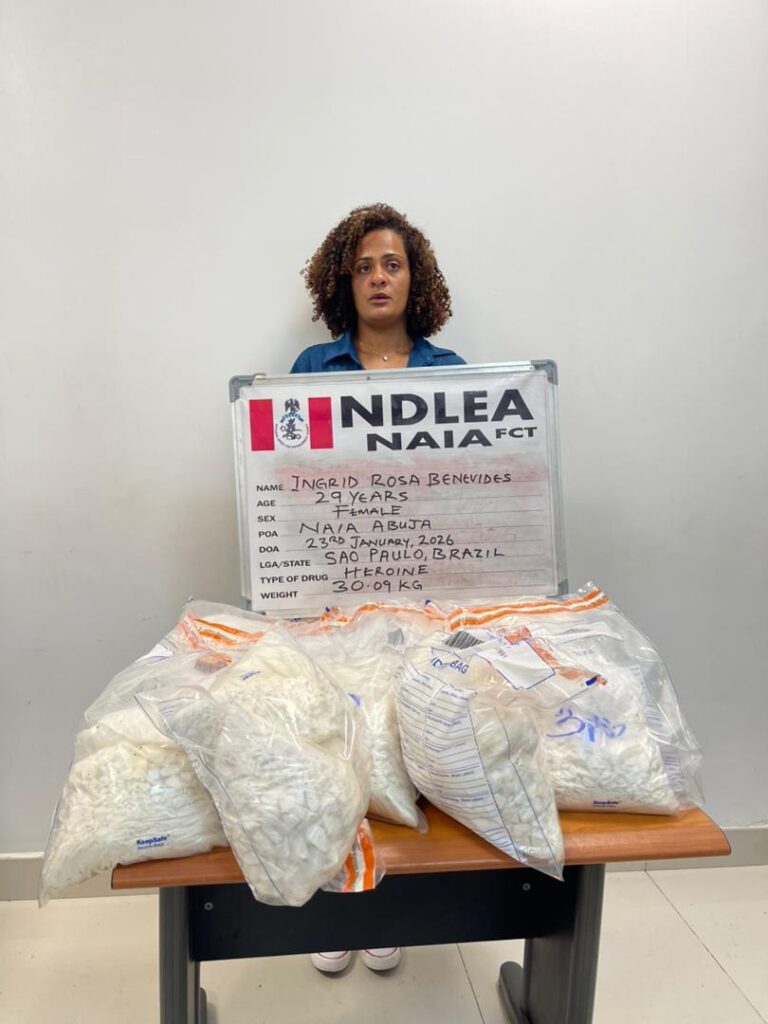
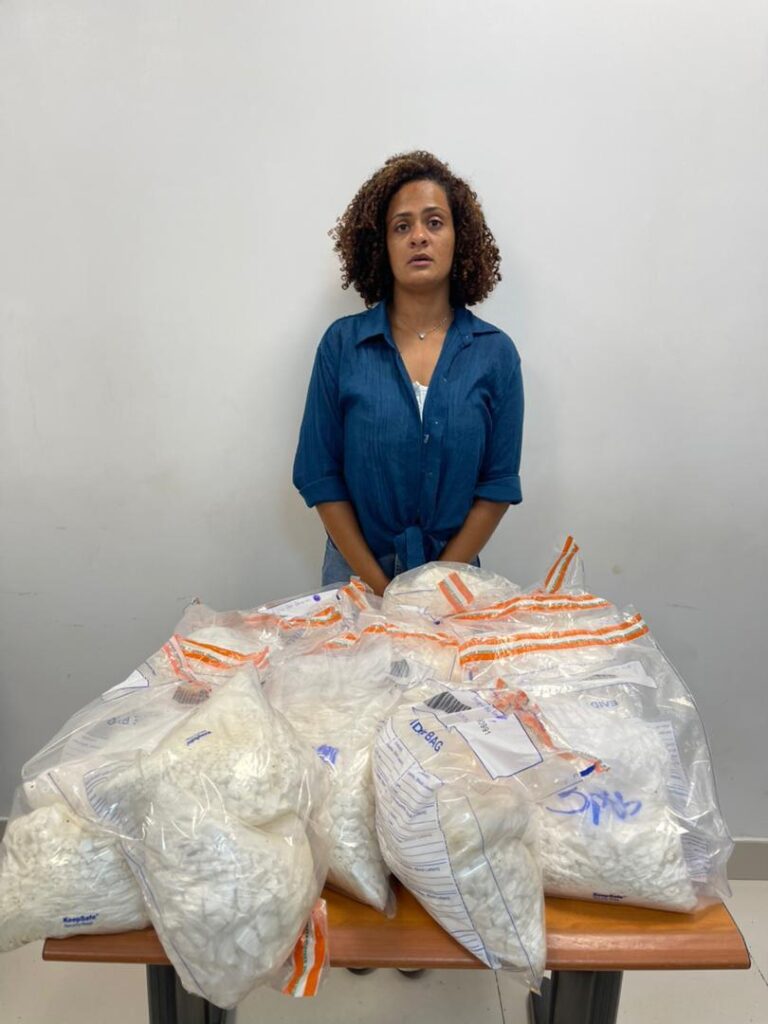
During the search, officers discovered 21 factory-sealed packets of Brazilian coffee concealed in two suitcases. Further examination revealed that the coffee packs contained 30.09 kilogrammes of white heroin, which later tested positive, making it the largest single heroin seizure ever recorded at the Abuja airport.
NDLEA estimated the street value of the illicit drug at over ₦3 billion. In her preliminary statement, the suspect claimed she travelled to Nigeria under the guise of a holiday.
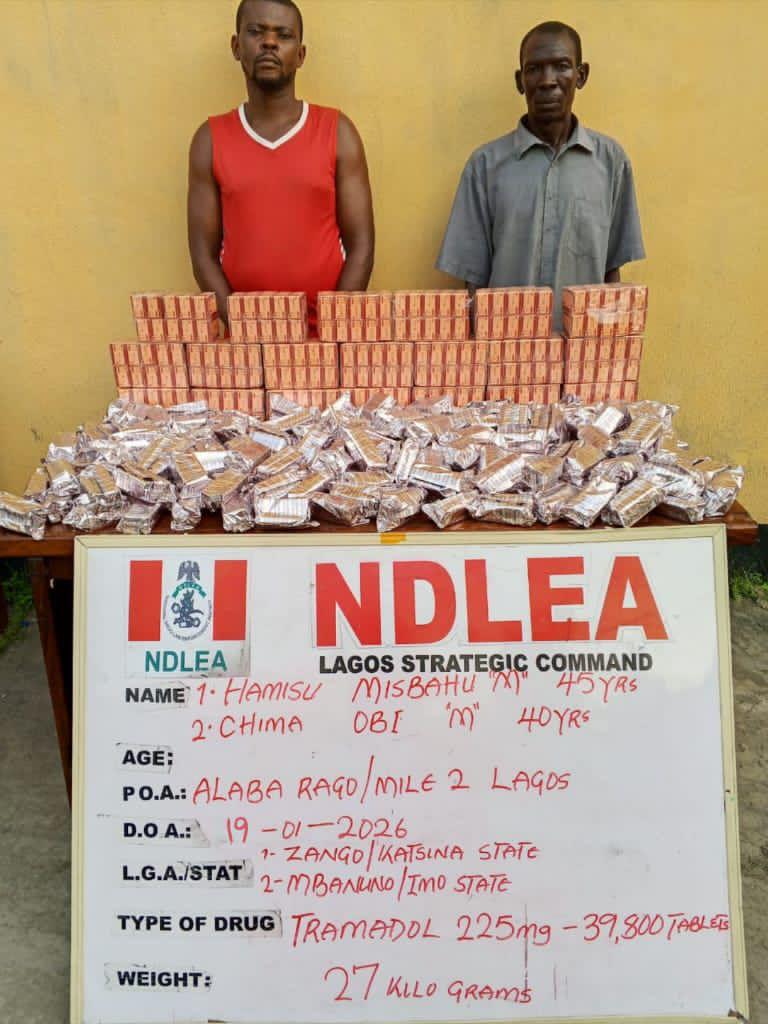
At the Murtala Muhammed International Airport, Lagos, NDLEA operatives last Tuesday intercepted two outbound passengers, Adediran Adedoyin and Afatakpa Ochuko, who were en route to Istanbul, Turkey, aboard a Turkish Airlines flight. A search of their luggage uncovered 3,990 pills of tapentadol (250mg) and tramaking (225mg) hidden inside food items.
In a separate operation, officers of the NDLEA Marine Command intercepted a wooden boat carrying 1,848 kilogrammes of Ghana Loud cannabis packaged in 44 jumbo bags at Jakande Beach, Lekki, Lagos, in the early hours of last Thursday. The consignment had reportedly just arrived from Ghana when NDLEA operatives stormed the area around 1 a.m. and seized both the drugs and the boat.
The agency also disrupted a potentially dangerous operation involving explosives. Two suspects, Aminu Ali Baba (20) and Abdulrasheed Abubakar (28), were arrested last Friday in connection with two bags containing 140 packets of explosives destined for Kano and Kaduna states. The explosives were intercepted inside a commercial bus along the Kaduna–Zaria highway, while follow-up operations led to the suspects’ arrests in Kano and Kaduna respectively.
In Kaduna State, an intelligence-led raid at Kwangila, Zaria local government area, resulted in the arrest of Fatima Ibrahim (42) and Adejimoh Ismaila (44) with 120 kilogrammes of skunk cannabis recovered.
As part of efforts to cut off drug supplies to terrorist networks, NDLEA operatives in Borno State intercepted 179,590 pills of tramadol and diazepam concealed in sacks of charcoal and animal feed last Wednesday. The drugs were being transported from Potiskum, Yobe State, to Maiduguri. A follow-up operation led to the arrest of the owner, Rabiu Imam (32).
In Kwara and Niger states, a female suspect, Mrs. Eze Chioma, was arrested in Mokwa, Niger State, following the interception of 78,500 tramadol pills at Bode Saadu, Kwara State, inside a truck from Lagos. Investigations revealed that her husband is currently remanded in prison for a similar drug trafficking offence.
In Ekiti State, NDLEA operatives arrested 72-year-old Afolalu Joseph and Abu Bunmi (alias “Go Slow”), 45, for drug dealing, recovering a total of 62 kilogrammes of skunk from their residences in Ilawe-Ekiti.
Meanwhile, a village head, Chief James Abamu, and another suspect, Aboy Abamu, were taken into custody in Edo State after a joint operation with soldiers of the Nigerian Army’s 4 Brigade, Benin City. The operation led to the recovery of 681 kilogrammes of skunk and 181 kilogrammes of cannabis seeds at Lagos Camp, Ilushi, in Esan South-East local government area.
Additional arrests were made across Kano, Oyo, Benue, FCT, Lagos, Delta, and Ondo states, with seizures including pentazocine injections, skuchies mixtures, tramadol pills, codeine syrup, and over 1,500 kilograms of skunk cannabis.
Beyond enforcement, NDLEA sustained its War Against Drug Abuse (WADA) campaign, conducting sensitisation programmes in schools, worship centres and communities across several states, including Taraba, Osun, Imo, Benue and Katsina.
Commending the officers involved, Chairman and Chief Executive Officer of NDLEA, Brig. Gen. Buba Marwa (Rtd.), praised the professionalism and operational efficiency displayed by commands nationwide. He urged officers to sustain the momentum in both drug supply reduction and drug demand reduction efforts.
NDLEA Nabs Brazilian Woman With N3bn Heroin at Abuja Airport, Seizes Explosives, Drugs Nationwide


Troops repel terrorist attack in Zamfara, recover bodies of two villagers
By: Zagazola Makama
Troops of Operation FANSAN YAMMA have repelled a terrorist attack on Maiwa village in Maru Local Government Area of Zamfara State, following a swift response to a distress call.
Security sources said the troops moved to the scene at about 5:30 p.m. on March 25 after reports of an ongoing attack.
LOn arrival, the troops reportedly met local vigilantes already engaged in a firefight with the assailants.
The sources said the troops reinforced the vigilantes, a move that forced the attackers to withdraw into the surrounding bush.
During subsequent exploitation of the area, the troops discovered that two villagers had been killed during the exchange of fire.
The sources added that troops maintained a sustained presence in the area and continued aggressive patrols aimed at denying the terrorists freedom of movement and preventing further attacks.
Troops repel terrorist attack in Zamfara, recover bodies of two villagers
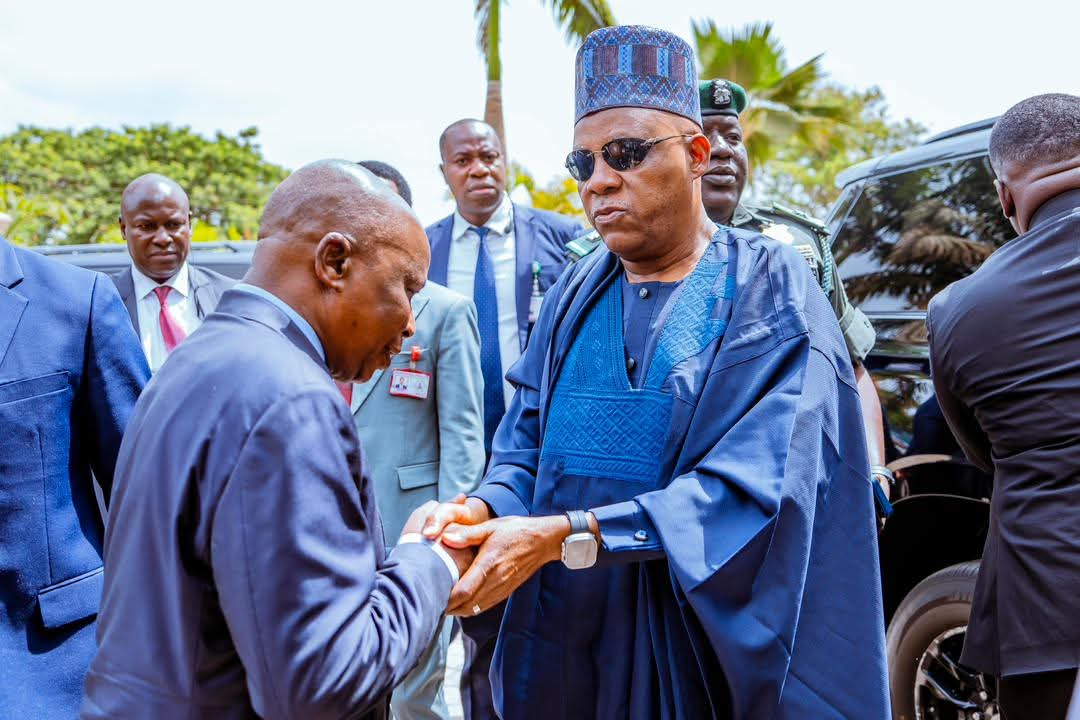
VP Shettima: Nigeria, Determined To Promote, Protect Human Rights
Says FG had adopted proactive approach to implementation of International Humanitarian Law
By: Our Reporter
The Vice President, Senator Kashim Shettima, has reaffirmed Nigeria’s resolve to promote and protect human rights through constitutional guarantees and embedding the rights into security operations.
According to him, the nation is fully committed to international cooperation and to the universal application of International Humanitarian Law in every theatre of conflict.
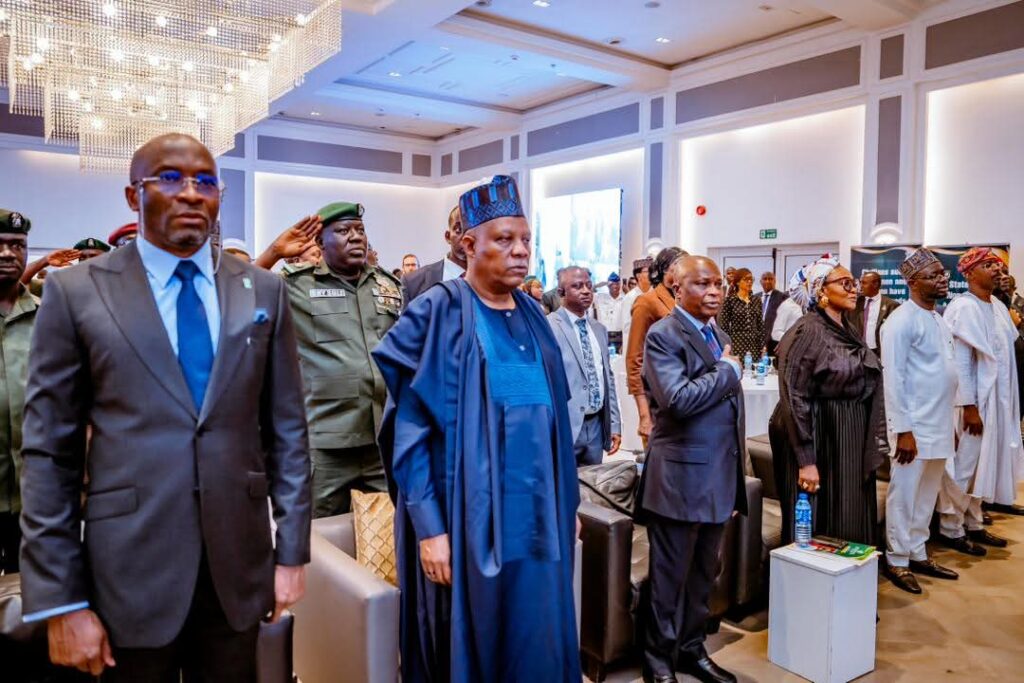
Senator Shettima, who stated this on Thursday in Abuja when he declared open the 2026 High-Level International Humanitarian Law Dialogue, said the administration of President Bola Ahmed Tinubu has adopted a comprehensive response to tackle insecurity and address conflicts, including the combination of kinetic and non-kinetic measures.
“I wish to emphasize Nigeria’s unwavering determination to promote and protect human rights, while ensuring the effective implementation of International Humanitarian Law treaties. His Excellency, President Bola Ahmed Tinubu, GCFR, recognizes that insecurity remains the greatest threat to peace and development.
“Accordingly, our government accords the highest priority to a comprehensive response that combines both kinetic and non-kinetic measures in addressing conflict,” he declared, pointing out that in achieving, the administration has continued to evolve the nation’s legal frameworks in response to emerging realities.
As part of the evolution, VP Shettima recalled that President Tinubu recently appended his assent to the domestication of the African Union Kampala Convention in a bid to establish “a robust and context-specific legal framework for the protection and assistance of Internally Displaced Persons in Nigeria.”
The Vice President observed that the dialogue came at a more defining moment when Nigeria’s “shared humanity is under immense strain, and when the very laws meant to uphold order are too often treated as expendable inconveniences.”
Senator Shettima noted that the realities have not spared Nigeria either, as the nation has continued to “confront persistent insurgency, terrorism, and other forms of violent conflict.
“Beyond the immediate toll of these hostilities, we are also managing the deeper, long-term strain they impose on our communities and institutions. It is precisely because of these experiences that Nigeria stands resolute in championing this global movement,” he added.
The VP further observed that while the dialogue was “convened as part of deliberate efforts to reinforce the enduring principles that govern the conduct of armed conflict, particularly the imperative of limiting harm in contemporary warfare,” it is also a moment to reflection and return “to the moral centre of International Humanitarian Law.”
The IHL, he said, exists to provide critical safeguards for human life when it is most vulnerable, just as he identified the approach, which he said is anchored in three non-negotiable pillars, including “the protection of civilian populations, the humane treatment of all persons affected by conflict, and the preservation of human dignity even in the most difficult circumstances.”
The Vice President noted that Nigeria has adopted a proactive approach to the implementation of International Humanitarian Law “through sustained military training, strengthened child protection protocols, the integration of IHL into academic curricula, accountability mechanisms for sexual violence, improved arms control systems, and comprehensive displacement frameworks.
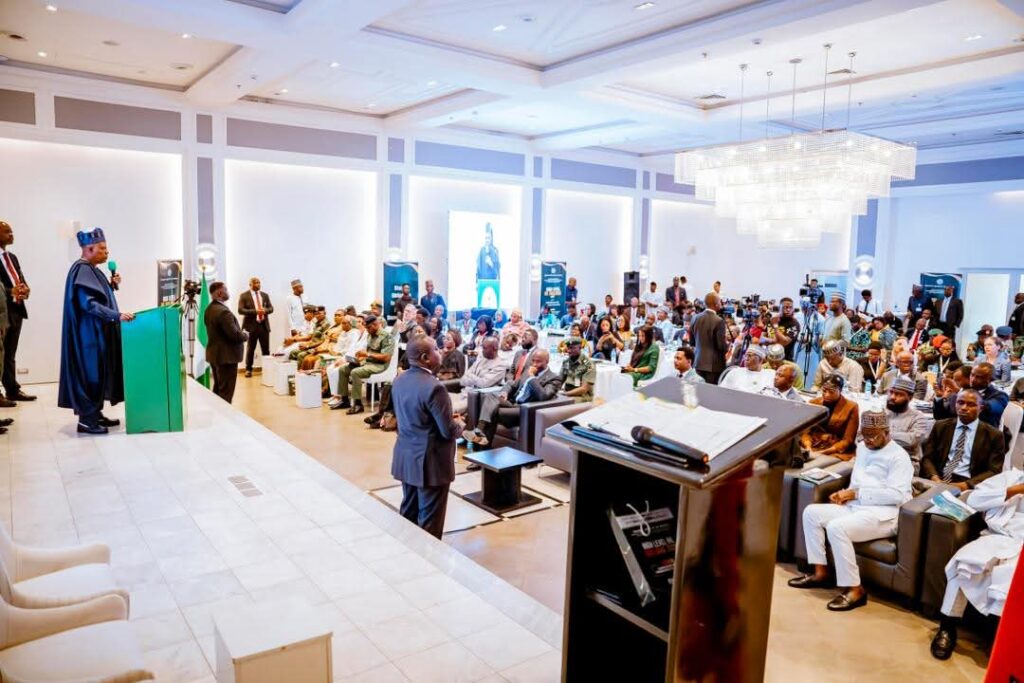
“These efforts reflect a simple but powerful truth: humanitarian law must be lived, not merely legislated. At the heart of this national agenda lies our recognition that meaningful progress depends on strong partnerships across government, civil society, and international stakeholders, ensuring that IHL is translated from principle into practice,” he added.
He commended the United Nations, the International Committee of the Red Cross, the Office of the Prosecutor of the ICC, and other Nigeria’s development partners for their “continued collaboration and technical support in advancing the implementation of International Humanitarian Law.”
Specifically, the VP lauded their efforts, saying they have contributed to a greater extent in building systems that respond to local realities while remaining aligned with global standards.
He also commended the organisers of this dialogue and the participants for their commitment to strengthening Nigeria’s compliance with the International Humanitarian Law.
Earlier, the Attorney General of the Federation (AGF) and Minister of Justice, Chief Lateef Fagbemi (SAN), underscored government efforts towards domesticating humanitarian law treaties as well as transform the nation’s justice system.
He said new laws and investments in correctional facilities are aimed at ensuring humane treatment, rehabilitation, and adherence to global human rights standards.
Fagbemi added that Nigeria is strengthening the capacity of its military and law enforcement agencies by embedding International Humanitarian Law principles into training and operations.
He noted that the country is also translating these laws into local languages to ensure accessibility in conflict-affected areas.
In her welcome address, the Solicitor General of the Federation and Permanent Secretary in Ministry of Justice, Mrs Beatrice Jeddy-Agba, said the dialogue was an opportunity for the judiciary to further maintain its stand on the promotion of the rule of law within the nation’s security architecture.
The Permanent Secretary said Nigeria will continue to identify with the Geneva Convention on warfare.
“We are today reminded that our work is a vital checkpoint in embedding the rule of law within our national security architecture. The importance of the International Humanitarian Law has never been more critical, as we witness heightened disregard for civilian protection in contemporary global warfare.
“Nigeria recognizes that as conflict dynamics evolve, particularly in asymmetric environment, our political will must be the engine that drives compliance from the negotiating tables in Geneva to our own frontlines,” she said.
The event drew participation from key international bodies, including the United Nations and the International Committee of the Red Cross, among others.
VP Shettima: Nigeria, Determined To Promote, Protect Human Rights
Uncategorized
Vice President Kashim Shettima has arrived in Zamfara to formally receive Governor Dauda Lawal into the All Progressives Congress (APC)
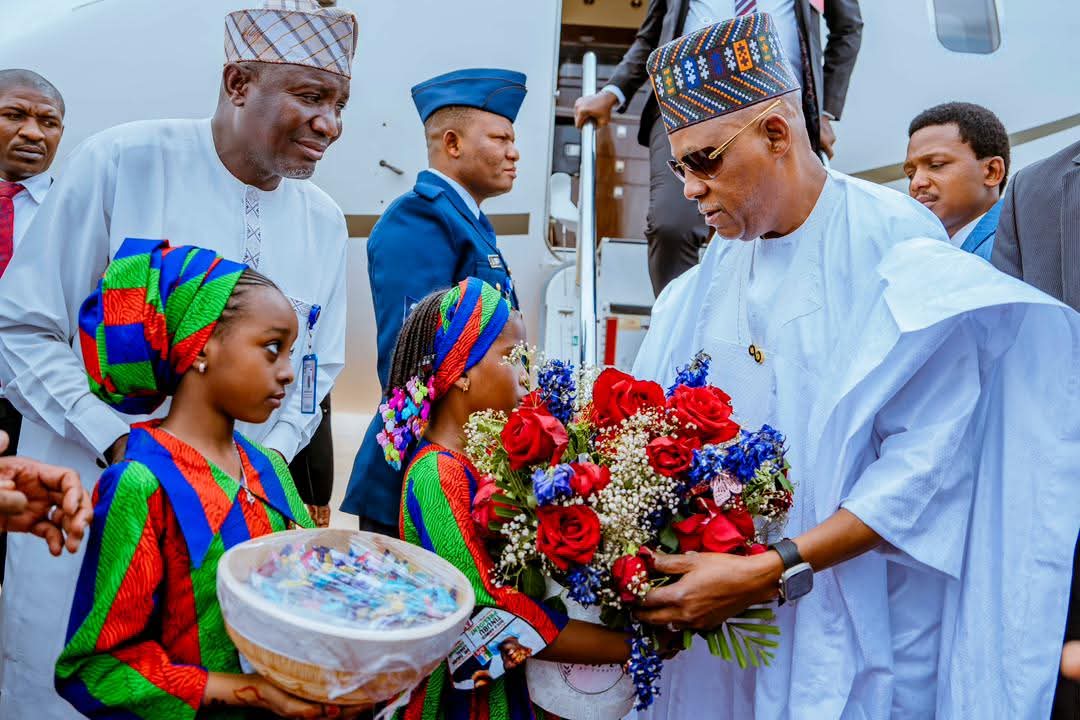
Vice President Kashim Shettima has arrived in Zamfara to formally receive Governor Dauda Lawal into the All Progressives Congress (APC)
By: Our Reporter
The Vice President, representing President Bola Ahmed Tinubu, is billed to receive members of the governor’s cabinet and thousands of supporters into the APC fold at a grand reception at the Gusau Trade Fair Complex.
The Vice President was received by the governor, governors of Jigawa, Kaduna, Ogun, and Adamawa States; Umar Namadi, Uba Sani, Dapo Abiodun, and Ahmadu Umaru Fintiri as well as the governors of Plateau, Kano, and Sokoto States; Caleb Mutfwang, Abba Kabir Yusuf, and Ahmad Aliyu Sokoto.
Also on ground to receive him is the Deputy Senate President, the Speaker of the House of Representatives, the APC National Chairman, APC governors Forum Chairman, Governor Hope Uzodinma of Imo State, as well as ministers, party chieftains, and other dignitaries.
Vice President Kashim Shettima has arrived in Zamfara to formally receive Governor Dauda Lawal into the All Progressives Congress (APC)

Former Kaduna governor El-Rufai loses mother

NSCDC Unveils Five-Year Strategy to Strengthen National Security

ECOWAS Court Launches Five-Year Strategic Plan to Deepen Justice, Regional Integration

Roger Federer’s Shock as DNA Results Reveal Myla and Charlene Are Not His Biological Children

THE PLIGHT OF FARIDA

FAILED COUP IN BURKINA FASO: HOW TRAORÉ NARROWLY ESCAPED ASSASSINATION PLOT AMID FOREIGN INTERFERENCE CLAIMS
-
 News2 years ago
Roger Federer’s Shock as DNA Results Reveal Myla and Charlene Are Not His Biological Children
-
Opinions4 years ago
THE PLIGHT OF FARIDA
-
 News11 months ago
FAILED COUP IN BURKINA FASO: HOW TRAORÉ NARROWLY ESCAPED ASSASSINATION PLOT AMID FOREIGN INTERFERENCE CLAIMS
-

 News2 years ago
EYN: Rev. Billi, Distortion of History, and The Living Tamarind Tree
-
 Opinions4 years ago
POLICE CHARGE ROOMS, A MINTING PRESS
-

 ACADEMICS2 years ago
A History of Biu” (2015) and The Lingering Bura-Pabir Question (1)
-

 Columns2 years ago
Army University Biu: There is certain interest, but certainly not from Borno.
-

 Opinions2 years ago
Tinubu,Shettima: The epidemic of economic, insecurity in Nigeria
