
Crime
NDLEA seizes 8,852 kgs illicit drugs consignment after half hour gun fuel in Lagos

NDLEA seizes 8,852 kgs illicit drugs consignment after half hour gun fuel in Lagos
By: Michael Mike
Operatives of the National Drug Law Enforcement Agency, NDLEA, have seized a total of 8,852 kilogrammes (8.8 tons) of Canadian Loud, an imported synthetic strain of cannabis after a 30-minute gun fight with armed men who were escorting the consignment loaded in two long trucks.
According to a statement on Sunday by the spokesman of the anti-narcotics agency, Femi Babafemi, the operatives acting on credible intelligence laid ambush for the traffickers along the Eleko beach road in Lekki and at about 4:51am last Thursday, two long trucks conveying the illicit consignments were flagged down but rather than stopping, the trucks escorted by armed men sped off, and there was subsequent exchange of gunfire that lasted 30 minutes.
He said the drivers and their armed escorted after they were overpowered by the NDLEA operatives, escaped into the bush abandoning the trucks and the drug consignments.
He said while one of the trucks painted red has 149 jumbo bags weighing 6,548 kilogrammes, the second one with blue colour has 53 big bags with a weight of 2,304 kilogrammes, bringing the total number of bags to 202 and gross weight of both to 8,852 kilogrammes.
He said operatives are already on the trail of the drug lord who shipped the illicit consignment into the country.
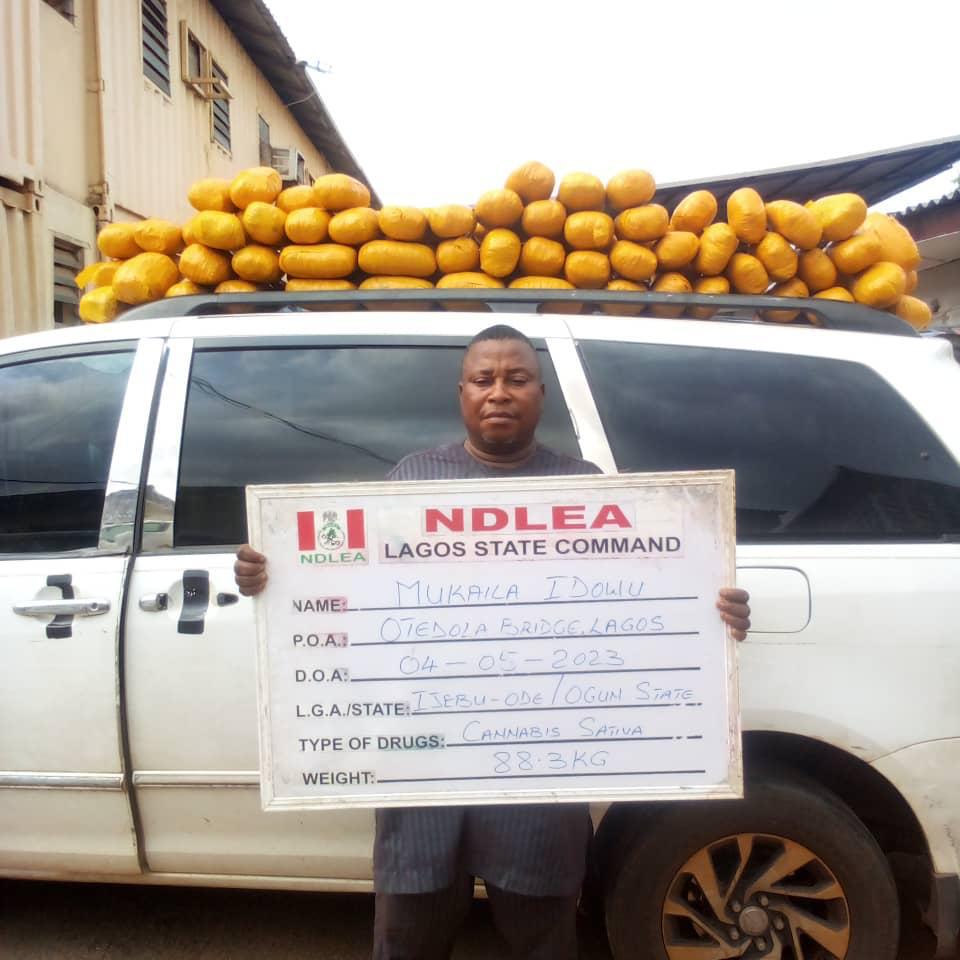
Babafemi said on the same day, NDLEA operatives also intercepted a Toyota Sienna vehicle driven by one Mukaila Idowu, conveying 88.3 kilogrammes skunk at Otedola bridge, Ikeja area of Lagos, while another suspect, Joseph Friday was arrested last Saturday at Iyana Ira, Lagos with 58.7 kilogrammes cannabis sativa concealed inside his Toyota Camry car marked FST 587FH.
In Ogun state, operatives in the early hours of last Wednesday busted a mini factory where a suspect, Bakare Taofeek was producing skucchies around Safari Onikolobo, Abeokuta. He revealed that exhibits recovered from him include: 4 kilogrammes black currant drink (Sobo) mixed with cannabis; 255 litres of skucchies; 1,880 tablets of tramadol; 735 grammes of cannabis; three deep freezers; 2 gas cylinders and two cooking pots among others.
Also operatives in Adamawa arrested a suspect, Sahabi Mohammed, 39, with 8,800 tablets of tramadol and counterfeit N60,000-naira notes, while another suspect, Bala Ali Umar, was arrested last Wednesday with 2.850 kilogrammes cannabis sativa and 825 litres of formalin popularly known as ‘Suck and Die’ at Anguwar Laka, Numan local government area.
In Edo state, a Toyota Previa bus marked NER 460 XA (Bayelsa) conveying 13,000 pills of tramadol and diazepam was intercepted along Ewohimi road, heading to Ekiti state, while the driver of the vehicle, Femi Oluwadare, was taken into custody last Friday.
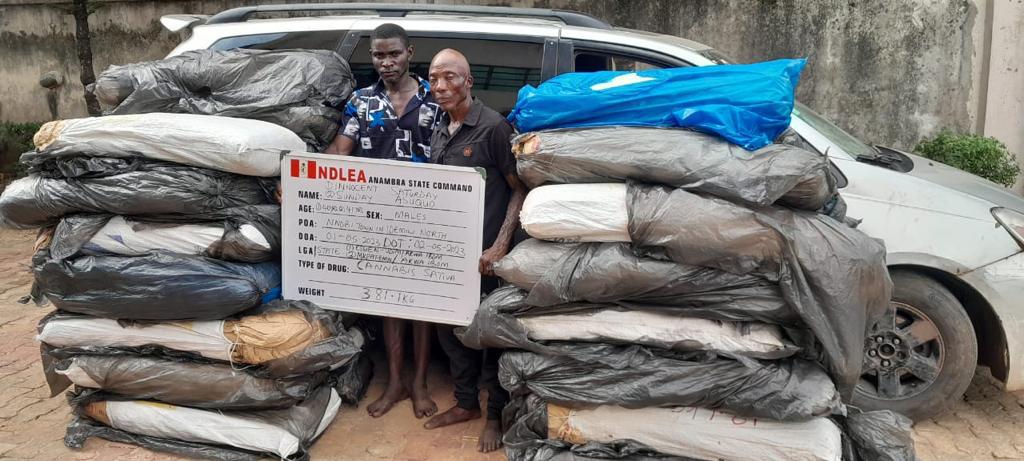
Babafemi also disclosed that another suspect, Ahmed Rafi’u, 34, was arrested with 84 blocks of compressed cannabis weighing 43.2 kilogrammes by operatives in Kogi state, while 381.1 kilogrammes of the same substance was recovered from three suspects travelling in a Sienna bus in Anambra state. They include: Innocent Saturday; Sunday Asuquo and Akpan Asukuma who were arrested by a combined patrol team of security agents comprising NDLEA operatives and other security agencies at Nneobi, Anambra state.
Meanwhile, NDLEA officers of the Directorate of Operations and General Investigation, DOGI, attached to courier firms have intercepted blocks of compressed brown methamphetamine packaged as soap bars weighing 1.54 kilogrammes going to Australia.
He said the seizure at a courier house in Lagos last Tuesday was a follow up operation to an earlier interception of 3.39 kilogrammes of the same substance on 23rd February 2023. A suspected drug courier, Paul Adetigbe who delivered the previous parcel was eventually arrested with the latest consignment.
The Chairman/Chief Executive Officer of NDLEA, Brig. Gen. Buba Marwa (Retd) while commending the officers and men of Lagos, Ogun, Adamawa, Edo, Kogi and Anambra Commands of the agency as well as those of DOGI for their vigilance and professionalism, urged them and their peers across the country to step up in their drug supply reduction and drug demand reduction efforts.
NDLEA seizes 8,852 kgs illicit drugs consignment after half hour gun fuel in Lagos


Crime
After al-Minuki, Joint Army, DSS, Amotekun Operation Kills Another ISWAP Leader Planning Terrorist Attacks
Breaking!
After al-Minuki, Joint Army, DSS, Amotekun Operation Kills Another ISWAP Leader Planning Terrorist Attacks
By: Zagazola Makama
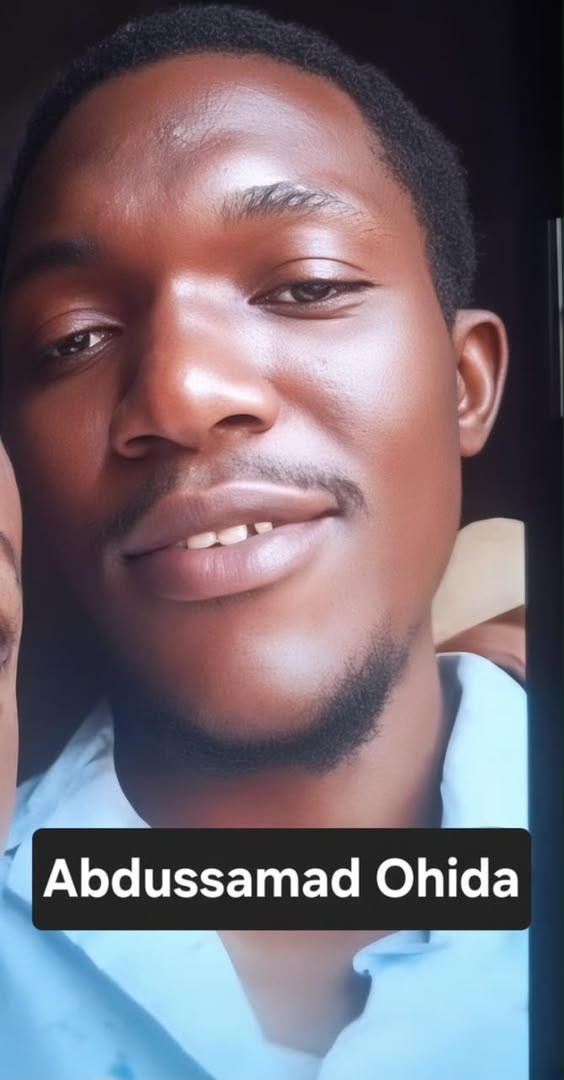
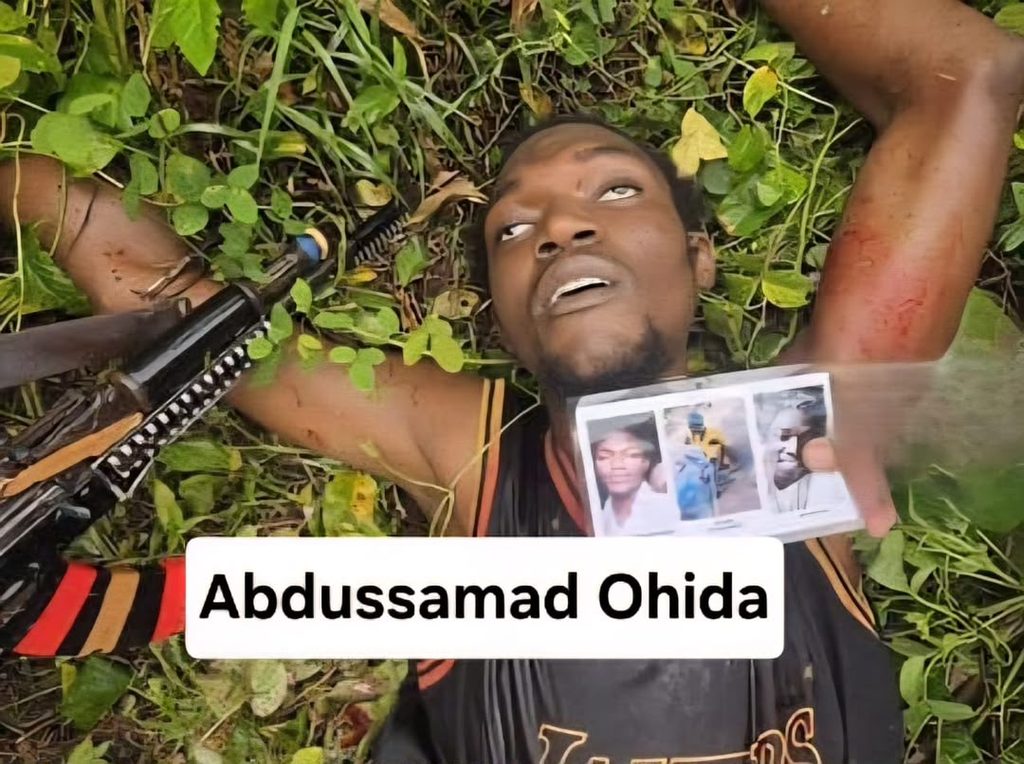
An intelligence-led operation by a combined team of troops of the Nigerian Army, Department of Department of State Services (DSS) personnel, and Western Nigeria Security Network aka Amotekun officers, at the weekend in Owo forest, Ondo State, eliminated a senior leader of the Islamic State West Africa Province (ISWAP), Abdussamad Ohida.
Security sources said Ohida aka Anwar, who was on the verge of planning massive terrorist attacks in some southern states, was killed alongside many members of the terrorist organization by the security forces who led a surprise attack on their forest hideout.
According to the sources, the eliminated ISWAP leader previously served as deputy to ISWAP Central Nigeria leader Abu Ikrimah, also known as Abu Uwais. Ikrimah was arrested by the DSS in 2023.
Following Ikrimah’s arrest, continued the sources, Ohida assumed leadership of ISWAP activities across parts of North central and southern parts of the country, where he subsequently played a key role in the planning, coordination and execution of terrorist operations.
Through the interrogation of Abu Uwais, continued the sources, the DSS was able to gather credible intelligence on plans by Ohida to
attack innocent persons during the forthcoming Yuletide.
“The plan was to attack civilians during the festive period and ultimately disrupt the 2027 general elections. This Intelligence was corroborated by intelligence partners from the United Kingdom, who supported the elimination operation,” offered one of the sources.
He said Ohida planned and executed the 31st December 2025, invasion of Ipele Divisional Police Station, Owo, Ondo State, carting away right AK-47 rifles before bringing down the station with an explosive. He mentioned the 28 July 2022 Suleja–Zuba Road, Niger State military checkpoint attack in which several soldiers, officers and civilians were killed.
He also blamed on Ohida, the July 11, 2022, attack on Kuje Correctional Centre, Abuja; the 23rd April, 2022 attack on Ogaminana Police Station, Adavi LGA, Kogi State, which resulted in the death of five police officers, and the February 7, 2022, attack on Okene Area Command police station.
“The terrorist planned and executed the 24th December, 2020 attack on a Naval checkpoint in Okene, Kogi State, which resulted in the death of two naval officers, not to mention the several attacks he launched across parts of the country,” he added.
“We may not immediately realize it, but the elimination of Abdussamad Ohida represents a significant disruption to ISWAP’s leadership structure, operational network and expansion efforts in central and southern Nigeria.
“Ohida’s elimination, coming a few months after after the killing of ISIS leader Abu Bilal al-Minuki, is a very big blow to ISWAP’s efforts to expand its operational presence in Nigeria, and underscores the growing efficiency of our security services,” he declared.
After al-Minuki, Joint Army, DSS, Amotekun Operation Kills Another ISWAP Leader Planning Terrorist Attacks
Seven Passengers Reportedly Shot Near Bukuru Roundabout in Plateau
By: Zagazola Makama
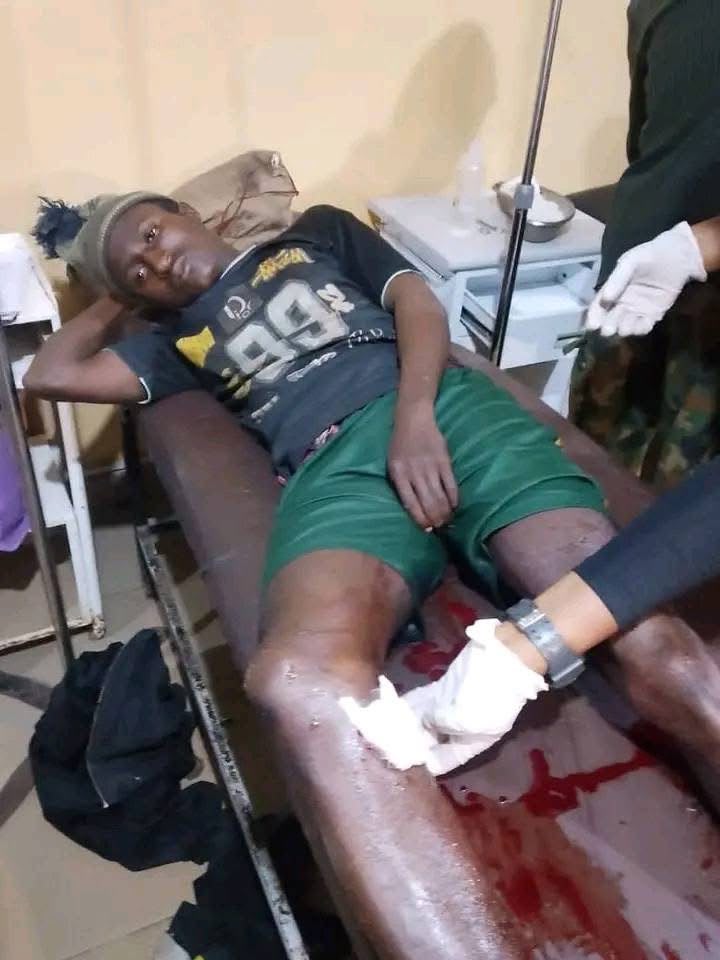
Seven passengers travelling from the Kara Bukuru Livestock Market were reportedly shot by unidentified gunmen near the Total Roundabout in Bukuru, Jos South Local Government Area of Plateau State.
Sources told Zagazola Makama that the incident occurred at about 6:30 p.m. on Sunday, Oct. 4, 2026, when the passengers were travelling in an open-body Boxer vehicle from the market to Rafin Bauna village in Bassa Local Government Area.
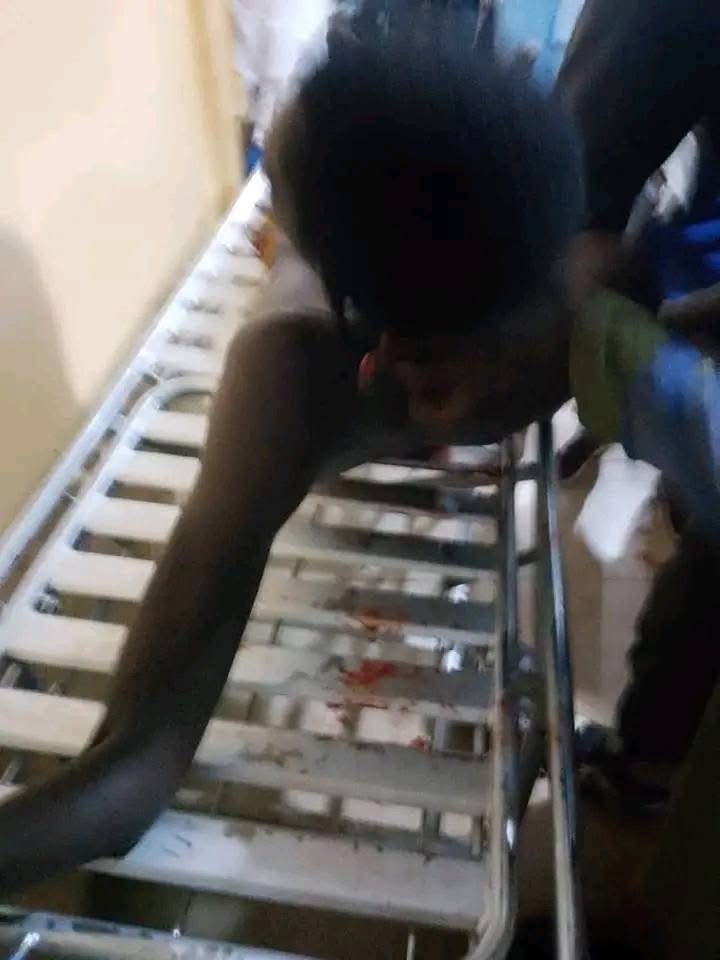
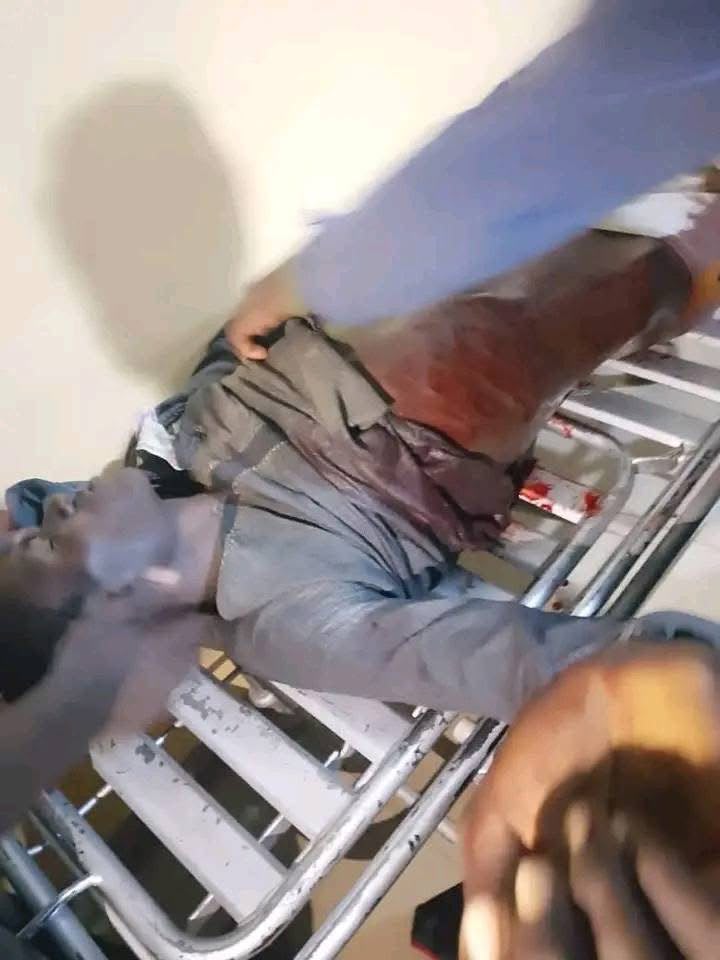
According to the driver and a survivor, identified as Murtala Isa Ibrahim, seven of the 20 passengers aboard the vehicle were affected in the shooting.
The victims were reportedly taken to Rukuba Barracks Hospital for medical attention, although their conditions had yet to be established as of the time of filing this report.
No death had been confirmed, and the circumstances surrounding the shooting remained unclear.
The incident comes amid growing concerns over reported attacks on herders and other travellers returning from the Kara Bukuru Livestock Market.
In a related development, a pastoralist association in Plateau has condemned a reported attack on Fulani herders around the Federal Low-Cost area of Bukuru, calling on security agencies to investigate the incident and apprehend those responsible.
The association recalled that five Fulani herders were reportedly killed around Kassa in Barkin Ladi Local Government Area on Sept. 20 while returning from the same livestock market.
It also cited an earlier attack near the Conoil Filling Station in December 2025 involving herders returning from the market.
The recurring incidents have raised concerns about the safety of pastoralists and traders who depend on the livestock market for their livelihoods.
The association urged the Plateau State Government, the Nigeria Police Force, Operation Safe Haven, the Department of State Services and other security agencies to strengthen security along the market route and prevent further attacks.
It also appealed to community members to remain calm and refrain from retaliatory violence, stressing the need for justice and equal protection for all residents, regardless of ethnicity or occupation.
As of the time of filing this report, no official security statement confirming the latest shooting had been issued, and the details remained preliminary pending independent verification.
Seven Passengers Reportedly Shot Near Bukuru Roundabout in Plateau

Troops Arrest 15 Suspected Drug Peddlers in Jos Raid
By: Zagazola Makama
Troops of Sector 1, Operation Enduring Peace (OPEP), have arrested 15 suspected illicit drug peddlers during a raid on a suspected drug hideout in Jos North Local Government Area of Plateau State.
Security sources told Zagazola Makama that the operation was conducted at about 6:00 p.m. on Oct. 3, 2026, at Congo Russia, an area in Jos North.
The sources said the troops raided the identified hideout and arrested 15 suspects, who were subsequently profiled for further investigation and necessary action.
The raid forms part of ongoing security efforts under Operation Enduring Peace to curb drug-related activities and dismantle criminal networks in Plateau State.
Troops Arrest 15 Suspected Drug Peddlers in Jos Raid

Plateau government finally admits attack on Fulani traders when suddenly silence is no longer an option

Police invite NDC candidate over alleged display of firearm at political gathering

Nasari urges support for the new district head in Yobe

Roger Federer’s Shock as DNA Results Reveal Myla and Charlene Are Not His Biological Children

THE PLIGHT OF FARIDA

FAILED COUP IN BURKINA FASO: HOW TRAORÉ NARROWLY ESCAPED ASSASSINATION PLOT AMID FOREIGN INTERFERENCE CLAIMS
-
 News3 years ago
Roger Federer’s Shock as DNA Results Reveal Myla and Charlene Are Not His Biological Children
-
Opinions5 years ago
THE PLIGHT OF FARIDA
-
 News1 year ago
FAILED COUP IN BURKINA FASO: HOW TRAORÉ NARROWLY ESCAPED ASSASSINATION PLOT AMID FOREIGN INTERFERENCE CLAIMS
-

 News3 years ago
EYN: Rev. Billi, Distortion of History, and The Living Tamarind Tree
-
 Opinions5 years ago
POLICE CHARGE ROOMS, A MINTING PRESS
-

 ACADEMICS3 years ago
A History of Biu” (2015) and The Lingering Bura-Pabir Question (1)
-

 Columns3 years ago
Army University Biu: There is certain interest, but certainly not from Borno.
-

 Politics1 year ago
2027: Why Hon. Midala Balami Must Go, as Youths in Hawul and Asikira/Uba Federal Constituency Reject ₦500,000 as Sallah Gift
