
News
Niger accuses France of arming terrorists with weapons, drones to destabilise Sahel, Lake Chad

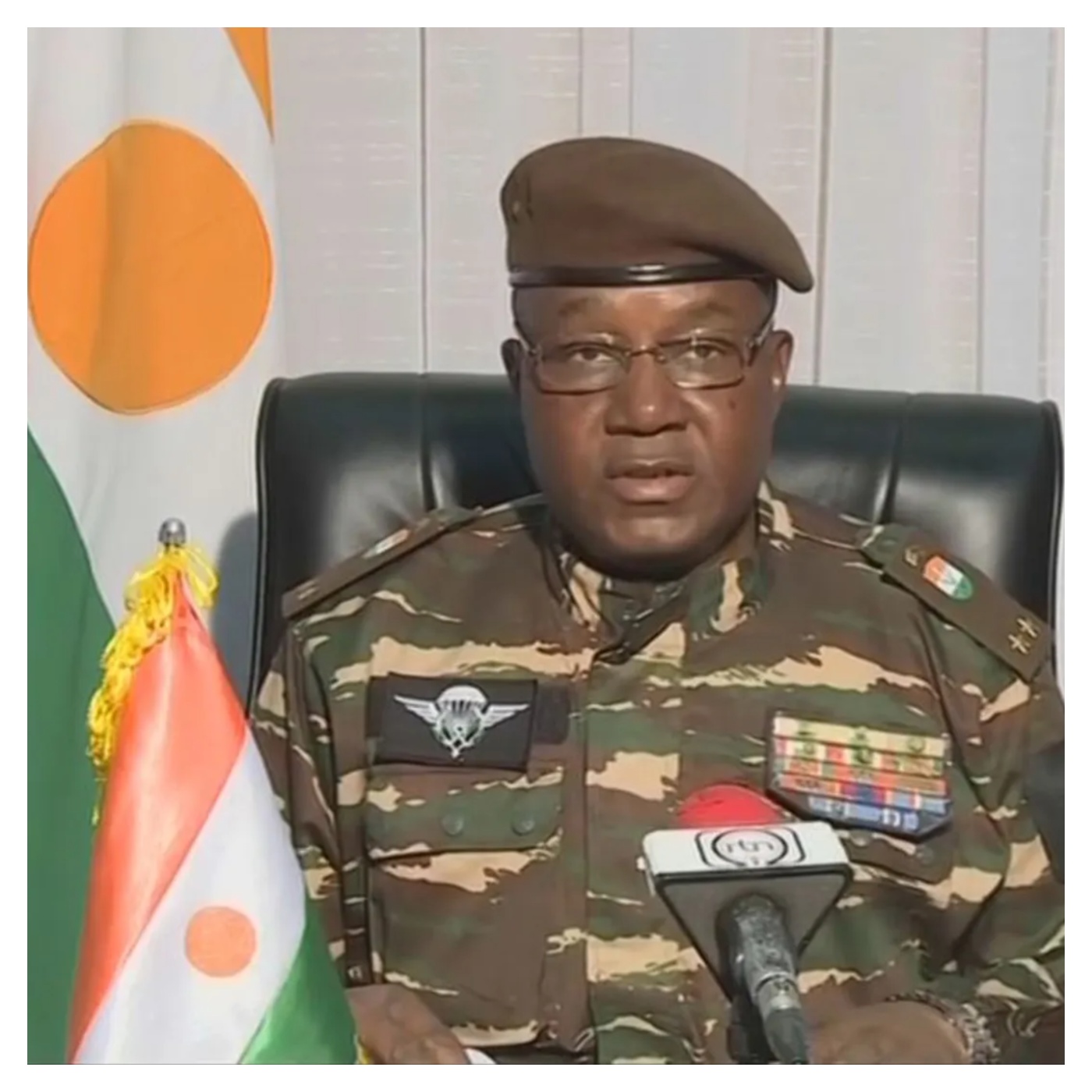
Niger accuses France of arming terrorists with weapons, drones to destabilise Sahel, Lake Chad
By: Zagazola Makama
Niger’s military leader, President Abdourahmane Tchiani, has accused France of supplying weapons and supporting terrorist groups to destabilise the Sahel and Lake Chad Basin countries.
Speaking in Niamey during the weekend Chat on Niger’s National Television, Tchiani alleged that France, with the backing of Western allies, was fuelling insecurity to weaken the Alliance of Sahel States (AES) comprising Niger, Mali and Burkina Faso.
According to him, France has allegedly armed ISWAP to sustain instability in Nigeria, Niger, Mali, Burkina Faso and Chad.
He also accused President Bola Ahmed Tinubu of hub nosing with French President Macron.
He claimed that France was using the groups to prevent the AES from consolidating its sovereignty after expelling French troops and asserting control over national resources.
“France and its partners are doing everything possible to remain in Niger, Mali and Burkina Faso. They want one of our countries to fall so that they can re-enter through the back door,” Tchiani said.
He further alleged that France, alongside the United States, had provided drones and sophisticated weapons to terrorists operating in the Lake Chad Basin.
“In January this year, they initially deployed 150 Boko Haram fighters to occupy positions left Benin, after deadly attack by Jama’a Nusrat ul-Islam wa al-Muslimin (JNIM), in April 17, 2025, near the country’s northern borders with Burkina Faso and Niger – regions that left 70 Beninese soldiers killed. later, they increased the number of ISWAP fighters to 200, and most recently 250, to launch attacks on Niger and destabilise the wider region. France supplied these groups with arms and stationed them at Udullibi along our porous borders,” he added.
Tchiani recalled that Nigerien and Chadian troops had previously played a critical role in Nigeria’s counter-terrorism campaign, including major operations against ISWAP in Borno State.
He said Generals Muhammadu Toumba of Niger and another senior commander from Chad had led forces that cleared areas from Damasak up to Malam Fatori more than 100 kilometres.
“Relative peace in the region at that time was due to the joint sacrifices of Nigerien and Chadian soldiers, many of whom laid down their lives. But now, France and its partners have shifted the war to our soil because they see our unity in AES as a threat,” he said.
The Nigerien leader also accused France of exploiting uranium, gold and even water resources from Niger for decades while leaving the people in poverty.
He insisted that the AES, formed on Sept. 16, 2024, had empowered its members in security, diplomacy and the economy, and that the bloc was determined to resist foreign interference.
“France fears our success because it will end its exploitation of our natural wealth. That is why they are arming terrorists, shifting the battlefield, and using propaganda to weaken our resolve,” Tchiani declared.
He urged the people of Niger and neighbouring Sahel states to remain vigilant and united, stressing that only collective resistance could ensure lasting peace and sovereignty.
France has not yet formally responded to the latest allegations, but Western governments have consistently denied supporting terrorist groups in the Sahel.
Niger accuses France of arming terrorists with weapons, drones to destabilise Sahel, Lake Chad


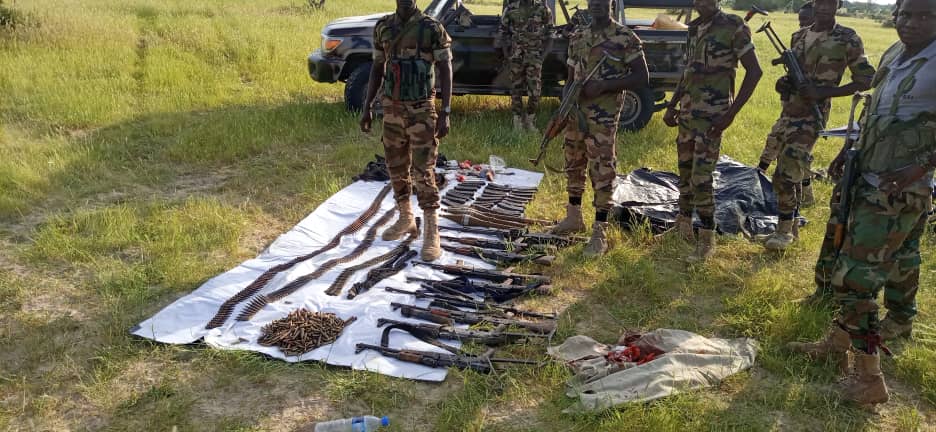
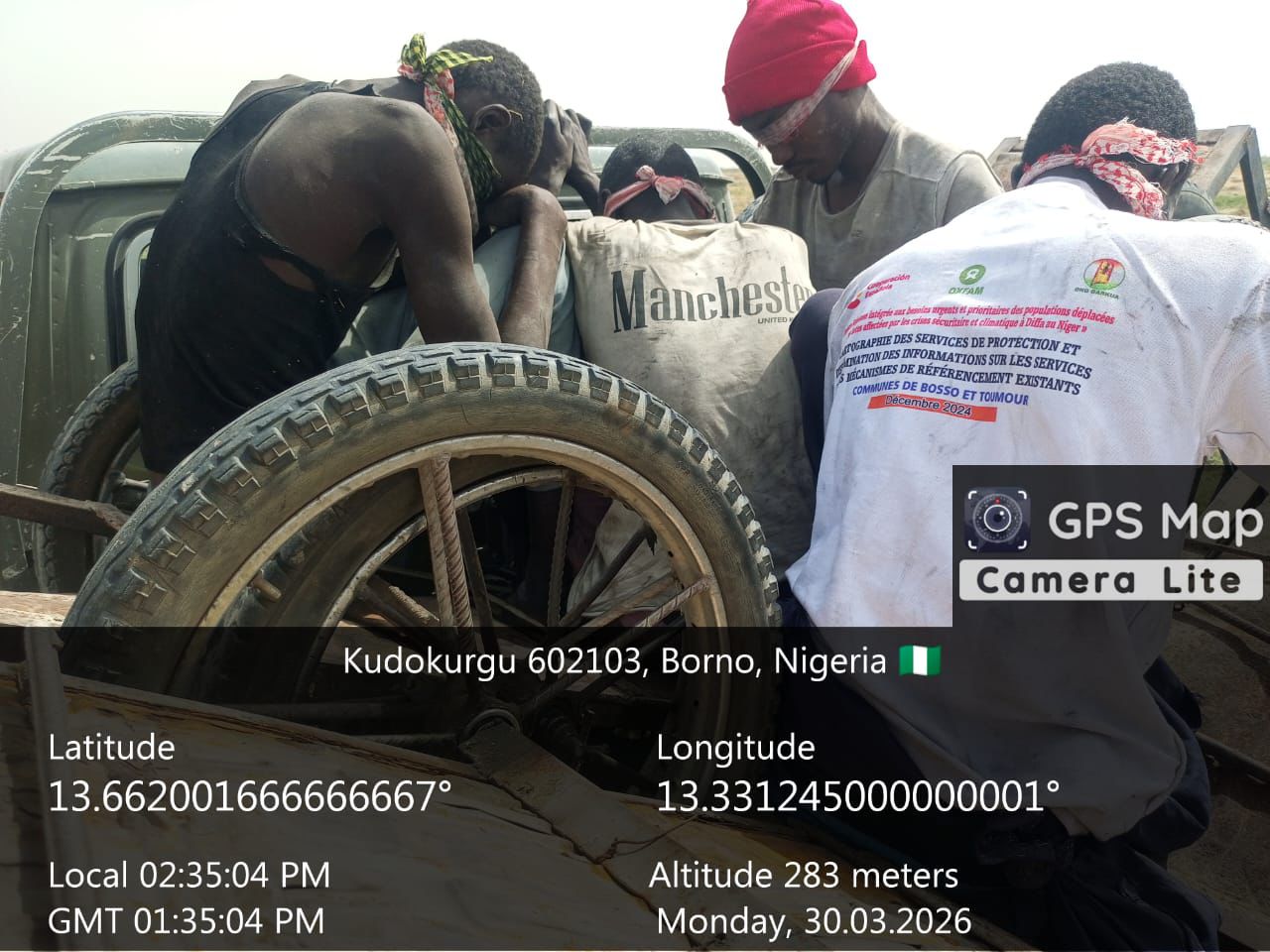
Troops intercept 11 youths with donkeys during patrol in Borno
By: Zagazola Makama
Troops of 68 Battalion have intercepted 11 youths during a routine patrol in Mallam Fatori area of Abadam Local Government Area of Borno State.
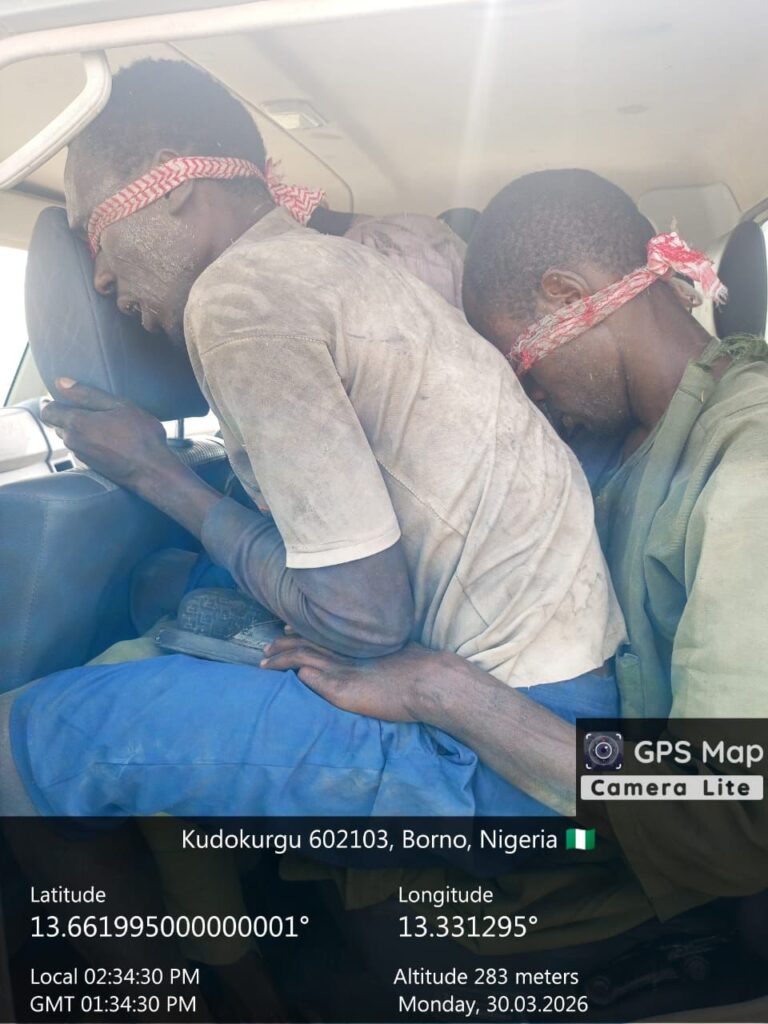
Security sources said the interception occurred along the Bulagana–Cheisa axis on April 2 during ongoing clearance operations in the area.
According to the sources, the individuals were found moving in the area with 12 donkeys when they were stopped and briefly interrogated by troops.
The sources added that the youths were later handed over, alongside the animals, to relevant authorities in a neighbouring country for further necessary action.
The military said the patrol was part of sustained efforts to maintain security dominance and prevent exploitation of border communities by criminal elements.
Troops intercept 11 youths with donkeys during patrol in Borno
Troops recover ammunition, logistics items in Kwara patrol operation
By: Zagazola Makama
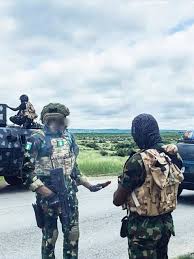
Troops of the Nigerian Army under the 22 Brigade have recovered ammunition and other logistics items during a fighting patrol in Ifelodun Local Government Area of Kwara State.
A security source disclosed that the operation was conducted at about 4:00 p.m. on April 2 at Daban Lema, where troops of the brigade, operating from the Patrol Base, encountered signs of suspected terrorist activities in a deserted location.
According to the source, the troops immediately carried out exploitation of the area, leading to the recovery of four rounds of 7.62mm special ammunition and one empty PKT ammunition belt link.
Other items recovered include four mobile phones, two head warmers, two small solar panels, and assorted repair tools believed to have been used by the suspected terrorists.
The source added that the recovery indicates the presence and movement of suspected criminal elements within the area, noting that troops have intensified surveillance and patrols to deny them freedom of action.
Troops recover ammunition, logistics items in Kwara patrol operation
Troops foil attack by Criminal Youths, rescue victims, arrest suspects in plateau
By: Zagazola Makama
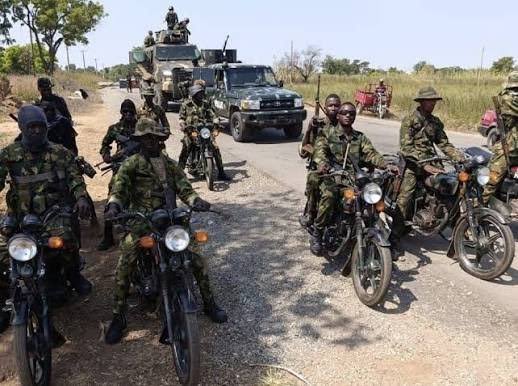
Troops of Sector 1, Operation Enduring Peace (OPEP), have foiled an attack on residents at Dutse Uku in Jos North Local Government Area of Plateau State.
A security source said the troops responded swiftly to a report of sporadic gunshots in the area at about 11:50 p.m. on April 2.
According to the source, upon arrival at the scene, the suspected criminals fled, abandoning their operation due to the prompt intervention of the troops.
He said the troops rescued two victims who sustained gunshot wounds during the incident and immediately evacuated them to a hospital for medical attention.
The source further disclosed that two suspects, dressed in black attire, were arrested at the scene.
Items recovered from the suspects include a cutlass and a knife.
He added that the suspects are currently in military custody and undergoing preliminary investigation, while efforts are ongoing to track down other fleeing members of the group.
Zagazola report that despite heightened security, there has been report of pocket of attacks in some communities.
The source reassured residents of the military’s commitment to protecting lives and property and urged the public to continue providing timely information to security agencies.
Troops foil attack by Criminal Youths, rescue victims, arrest suspects in plateau

Troops intercept suspected Boko Haram logistics convoy conveying 13 persons in Borno

Troops intercept 11 youths with donkeys during patrol in Borno

Troops, CJTF arrest three suspected Boko Haram logistics suppliers in Borno

Roger Federer’s Shock as DNA Results Reveal Myla and Charlene Are Not His Biological Children

THE PLIGHT OF FARIDA

FAILED COUP IN BURKINA FASO: HOW TRAORÉ NARROWLY ESCAPED ASSASSINATION PLOT AMID FOREIGN INTERFERENCE CLAIMS
-
 News2 years ago
Roger Federer’s Shock as DNA Results Reveal Myla and Charlene Are Not His Biological Children
-
Opinions4 years ago
THE PLIGHT OF FARIDA
-
 News12 months ago
FAILED COUP IN BURKINA FASO: HOW TRAORÉ NARROWLY ESCAPED ASSASSINATION PLOT AMID FOREIGN INTERFERENCE CLAIMS
-

 News2 years ago
EYN: Rev. Billi, Distortion of History, and The Living Tamarind Tree
-
 Opinions4 years ago
POLICE CHARGE ROOMS, A MINTING PRESS
-

 ACADEMICS2 years ago
A History of Biu” (2015) and The Lingering Bura-Pabir Question (1)
-

 Columns2 years ago
Army University Biu: There is certain interest, but certainly not from Borno.
-

 Opinions2 years ago
Tinubu,Shettima: The epidemic of economic, insecurity in Nigeria
