
National News
Nigeria Can No Longer Afford to Remain A Consuming Nation- Mamora

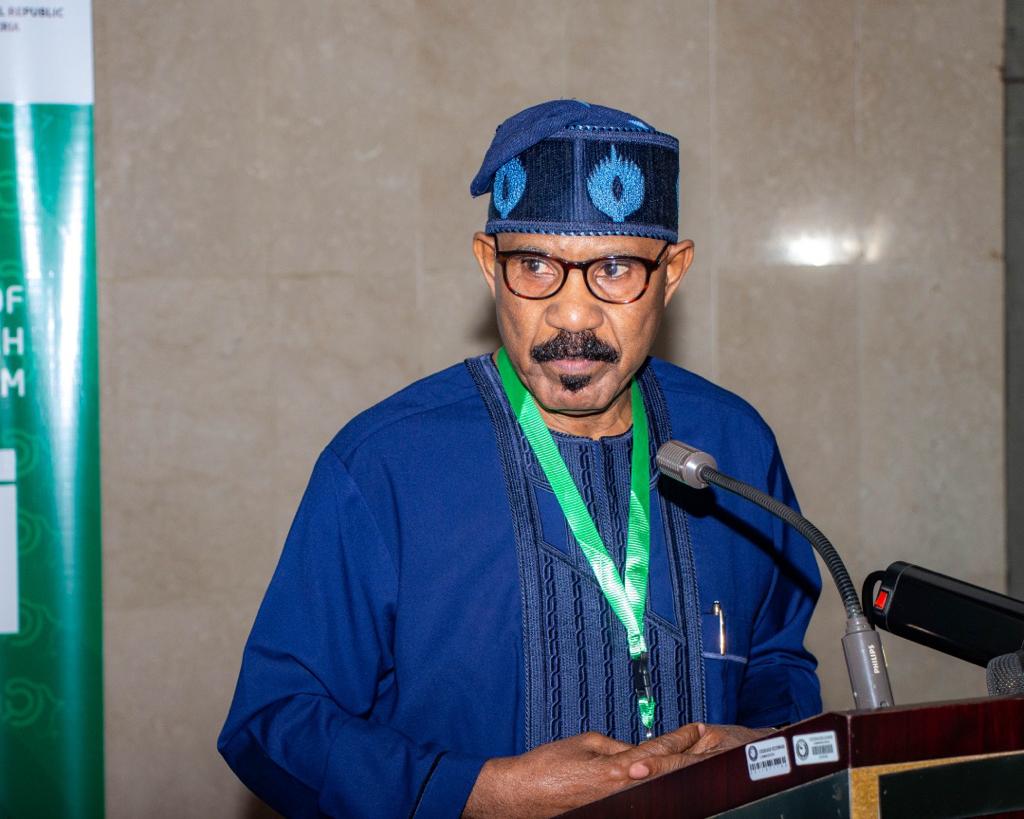
Nigeria Can No Longer Afford to Remain A Consuming Nation- Mamora
By: Michael Mike
Minister of Science, Technology and Innovation, Sen. Olorunnimbe Mamora has said the Nigeria with her huge population can no longer afford to be a consuming nation, but a productive one.
Mamora, gave this verdict on Tuesday at the launch by Economic Community of West African States (ECOWAS) the Forum for African Research and Innovation (FARI).
He said: “Our dear country is poised to continuously achieve research excellence, attract and retain adequate human resources for science, technology and innovation, foster competitiveness and innovation, and build science and technology capacities in the country.
“We are calling on all private concern to join us in this endevour.”
The Minister while expressing optimism that the Forum will present an avenue for exchange of ideas and discussions among scientists, innovators, policy makers, the private sector, technical and financial partners, noted that the globalisation of research and development has increased policy debate and made Africa to be ambitious in providing more critical mass for excellent research.
He added that the Forum will therefore equally provide an opportunity for international science, technology and innovation cooperation and networking within the ECOWAS member states.
The President of Economic Community of West African States (ECOWAS), Omar Touray while noting that the launching of the Forum, is a move to boost scientific research and innovation by member countries, said FARI was initiated to respond to initiatives on Science and Technology at the global and continental level.
He said with the launching of FARI, it would be easy to boost the visibility of scientific research and innovation in West Africa.
He informed that the theme of the first edition of FARI which is “Science, Technology and Innovation for a competitive ECOWAS” has been identified with a view to developing a common vision that can promote the relevance of a common agenda in the field of Science, Technology and Innovation (STI) and improve the effective application of research results and innovation for the benefit of sustainable socio-economic development and the competitiveness of the West African region.
Also Read: Nigeria Wants Culture Promoted in Qatar
Touray stressed that from past centuries to the present, sciences have contributed enormously to the change of humanity, and has continued to shape the world through technological innovations and constantly evolving derivative applications that impact all business sectors around the world.
He said: “FARI is therefore a regional platform for exchanges and discussions between scientists, technologists, innovators, decision-makers, the private sector, technical and financial partners, pupils/students and the populations. It aims to be unifying, innovative but also and above all to carry a mission to promote the products of researchers in the region.”
He noted that: “In addition to bringing added value to scientific and technological integration efforts, the FARI also offers real opportunities for economic and social benefits. It promotes scientific tourism and helps create temporary jobs in the host country and fight against poverty,” he added.
Touray disclosed that the FARI-2022 will take place from 17 to 21 October 2022 in Abuja, and will have in attendance over 60 experts from 15 ECOWAS Member States, African and global organizations and institutions.
He revealed that the Forum will also have in attendance start-ups from the region who will exhibit their products; 12 Ministers in charge of Science and Technology, Representatives of African and global organisations and institutions; among several others.
Nigeria Can No Longer Afford to Remain A Consuming Nation- Mamora


National News
President Tinubu Storms Jos Today To Commiserate With Residents Of Angwa Rukuba Massacre


President Tinubu Storms Jos Today To Commiserate With Residents Of Angwa Rukuba Massacre
By: Bodunrin Kayode
President Bola Tinubu will today visit the Plateau state capital Jos to commiserate with residents who lost loved ones during the Palm Sunday shooting spree by criminals that took place at Angwa rukuba area of the city.
The President who was scheduled to visit Ogun state postponed his scheduled trip to Iperu, meant to flag off operations at the Gateway International Cargo Airport.
From the Plateau, the President is expected to travel to Lagos to observe Good Friday public holiday which ushers the beginning of the Easter public holiday which rounds up the lent period.
A state house release signed yesterday by the Presidential spokesman Bayo Onanuga noted that President Tinubu will travel to Ogun State for the commissioning of the Cargo Airport and the inauguration of two commercial aircrafts for the export and import of goods, aimed at boosting the state’s economic growth on Saturday April 4th.
“He will also inaugurate the new edifice of the Federal Operations Unit of the Nigerian Customs Service and its operational vehicles.
“He will return to Lagos to continue the Easter holiday, during which he is also expected to commission infrastructural projects undertaken by the administration of Governor Babajide Sanwo-Olu.
“These projects include: the iconic Ojota/Opebi Link Bridge; the Lagos State Geographic Information System Building; the Multi-Agency Complex named after the President, and a school Complex.
“Before returning to Abuja, President Tinubu will visit Bayelsa State on April 10 to commission some of Governor Duoye Diri’s completed projects.” Said the release.
Sadly several residents lost their lives during the black Palm Sunday shooting spree which is suspected to have been carried out by auto bike riding bandits following after their patterns in the hinterlands of the state.
These bandits who had tormented, killed and destroyed homes of residences of the Jos north axis of the state for several years after September 7th 2001
This damnation let loose on innocent residents is resurfacing after hundreds of killings had occurred in the Jos North council area of the state from September 7th 2001 till date.
And because of the myriad of challenges creeping into the federal security system sub regionals have geared up to manage their on police and Intel services which would assist greatly because they are masters of their territories.
The Federal government is fast tracking the process of state police to ensure that each sub nationals take charge of their environment to ensure that they support the center in the maintenance of internal security.
President Tinubu Storms Jos Today To Commiserate With Residents Of Angwa Rukuba Massacre

NiMet predicts 107 to 138 days of rainfall in Gombe
The Nigerian Meteorological Agency (NiMet) has said that in 2026, the length of the rainy season in Gombe State is expected to be between 107 and 138 days.
This is contained in the Agency’s 2026 Seasonal Climate Prediction (SCP) document, which Gayus Musa, the meteorological manager for Gombe State, made available to Our Correspondent in Gombe on Tuesday.
The total amount of rainfall across Gombe State in 2026 is predicted to be between 701 mm in the northern part of the state (Nafada) and 1089 mm in the South (Shongom).
The onset of the rainfall is expected to commence in the state on May 29 (Shongom) and cease by October 22 (Yamaltu/Deba).
Similarly, in the prediction, four local government areas of the state, namely: Nafada, Yamaltu/Deba, Dukku and Funakaye were likely to be impacted by a severe dry spell (21 days and above) between June and August.
Musa while speaking to Our Correspondent on the first rainfall experienced in some communities in Akko, Gombe and Yamaltu/Deba Local Government Areas of the state on Monday urged farmers to resist the temptation of early planting of crops.
He described the first rain as false onset, explaining that the rainfall was false because it would not support any germination as seeds planted with such rain would not survive.
“This (first rain) is a false onset because the precipitation cannot carry any germination and so any seed planted would not survive.
“So farmers should not engage themselves in planting but to prepare their farmlands while getting their seeds and other inputs ready,” he said.
Musa advised farmers in the state, to make use of the prediction in carrying out farming activities towards avoiding losses in view of the impact of climate change on agriculture.
He further urged relevant authorities in the state to take proactive measures towards tackling environmental issues associated with the rainy season.
NiMet predicts 107 to 138 days of rainfall in Gombe
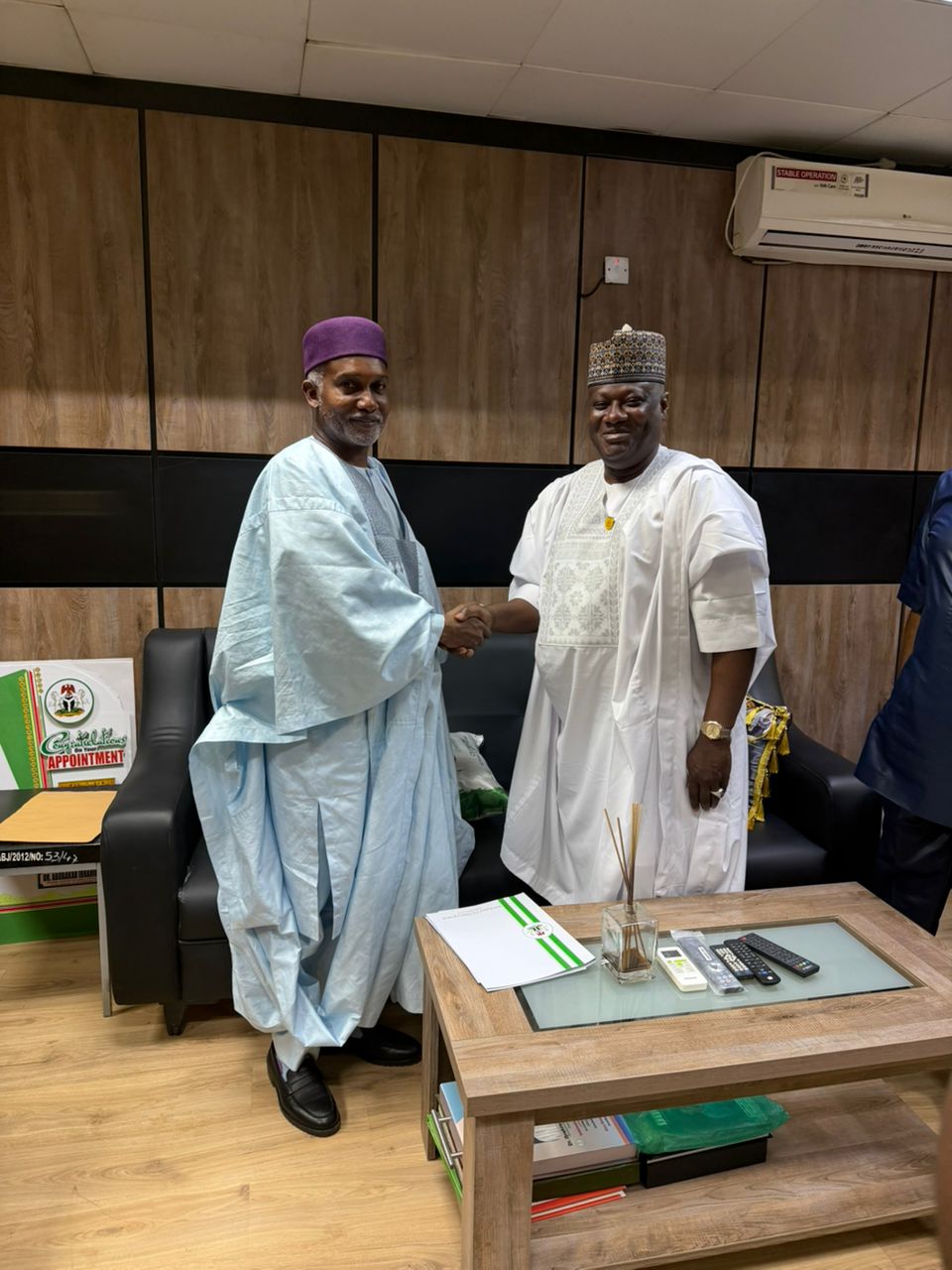
Tuggar Resigns from Tinubu’s Cabinet, Sets for Bauchi Governorship
By: Michael Mike
The rumoured interest of Minister of Foreign Affairs, Ambassador Yusuf Tuggar in becoming the governor of Bauchi State come 2027 may have been confirmed he resigned on Monday to prepared ground for actualization of his political ambition.
The resignation was ahead of the deadline set for political appointees seeking elective positions in the forthcoming general elections.
In a resignation letter submitted to the office of the Secretary to the Government of the Federation, Tuggar expressed profound gratitude to President Bola Ahmed Tinubu for the opportunity to serve the country and contribute to the implementation of the administration’s Four-D foreign policy strategy.
The former minister also appreciated the management and staff of the Ministry of Foreign Affairs and members of the diplomatic community for their cooperation and support throughout his tenure.
During his time in office, Tuggar was credited with advancing Nigeria’s foreign policy objectives through initiatives focused on people-centred diplomacy. These included humanitarian evacuations, facilitation of scholarships for Nigerians abroad, and sustained support for citizens in the diaspora.
His tenure also witnessed increased diaspora engagement, including efforts to develop a structured database of Nigerians living abroad aimed at strengthening their participation in national development.
In addition, Tuggar strengthened bilateral and multilateral relations through strategic engagements with traditional partners and regional alliances, particularly across the Global South. His leadership also promoted regional security cooperation and supported the formation of the Regional Partnership for Democracy initiative.
He also prioritised economic diplomacy, positioning Nigeria as an attractive destination for foreign investment, especially in the energy sector, while facilitating diplomatic interventions that secured the release of detained Nigerians in foreign countries and improved bilateral relations.
The resignation letter was received on behalf of the Secretary to the Government of the Federation by Dr. Abubakar Kana, Permanent Secretary, General Services Office, ahead of the March thirty-first deadline directed by President Tinubu in line with provisions of the Electoral Act.
Tuggar’s resignation was conveyed in a statement issued by his Special Assistant on Media and Communications Strategy, Alkasim Abdulkadir.
Tuggar Resigns from Tinubu’s Cabinet, Sets for Bauchi Governorship

Police rescue four kidnapped victims in Sabuwa Katsina after foiling bandits attack

Zagazola defends Gebi, urges Nigeria not to discard “one of its best minds” over allegations

AWCN hosts interagency seminar on intelligence sharing for national security

Roger Federer’s Shock as DNA Results Reveal Myla and Charlene Are Not His Biological Children

THE PLIGHT OF FARIDA

FAILED COUP IN BURKINA FASO: HOW TRAORÉ NARROWLY ESCAPED ASSASSINATION PLOT AMID FOREIGN INTERFERENCE CLAIMS
-
 News2 years ago
Roger Federer’s Shock as DNA Results Reveal Myla and Charlene Are Not His Biological Children
-
Opinions4 years ago
THE PLIGHT OF FARIDA
-
 News12 months ago
FAILED COUP IN BURKINA FASO: HOW TRAORÉ NARROWLY ESCAPED ASSASSINATION PLOT AMID FOREIGN INTERFERENCE CLAIMS
-

 News2 years ago
EYN: Rev. Billi, Distortion of History, and The Living Tamarind Tree
-
 Opinions4 years ago
POLICE CHARGE ROOMS, A MINTING PRESS
-

 ACADEMICS2 years ago
A History of Biu” (2015) and The Lingering Bura-Pabir Question (1)
-

 Columns2 years ago
Army University Biu: There is certain interest, but certainly not from Borno.
-

 Opinions2 years ago
Tinubu,Shettima: The epidemic of economic, insecurity in Nigeria
