
News
Nigeria–China Partnership Strengthens as Officials Champion Culture, Women’s Empowerment and Economic CooperationMichael Olugbode in Abuja

Nigeria–China Partnership Strengthens as Officials Champion Culture, Women’s Empowerment and Economic Cooperation
Michael Olugbode in Abuja
By: Michael Mike
Nigeria and China have reaffirmed their strategic diplomatic and cultural partnership, with top government officials, diplomats and international development partners using the 2026 Chinese New Year and Lantern Festival celebration in Abuja to call for deeper collaboration in culture, education, tourism and women’s economic empowerment.
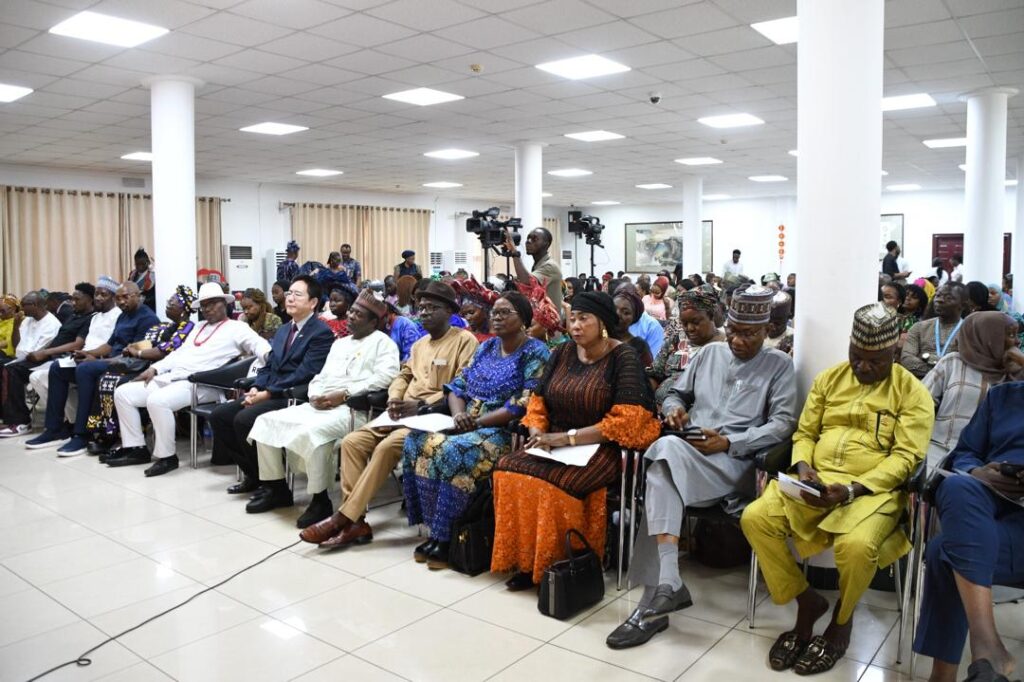
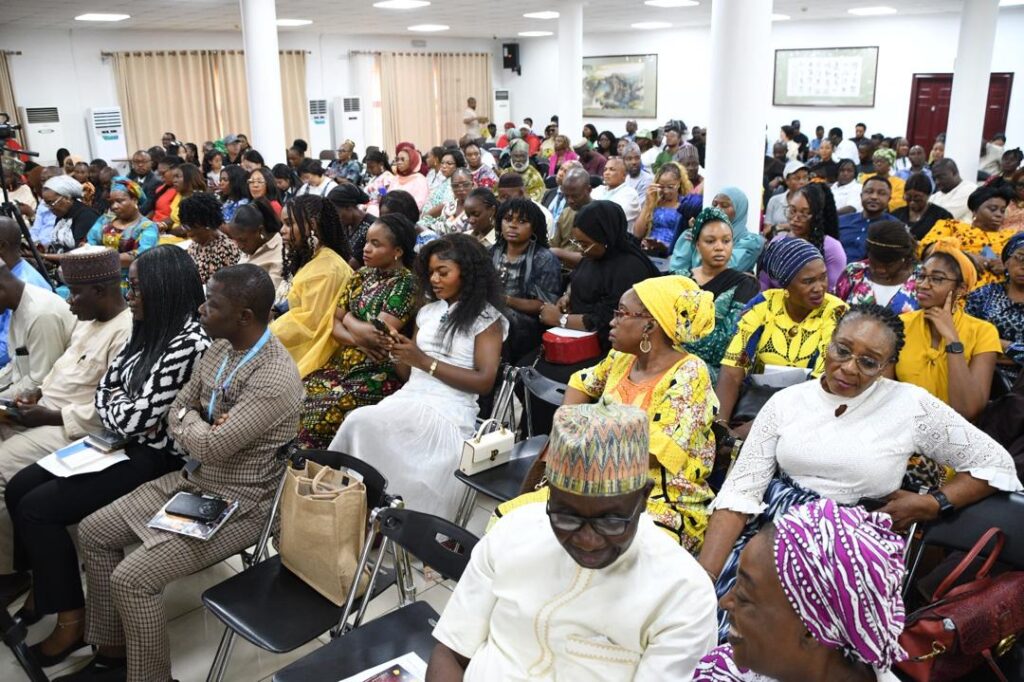
The event, held at the China Cultural Centre brought together high-level delegates from the Federal Government of Nigeria, the diplomatic corps and cultural stakeholders from China. The celebration also marked the 55th anniversary of diplomatic relations between both countries, as well as global efforts to promote people-to-people diplomacy under cultural exchange platforms.
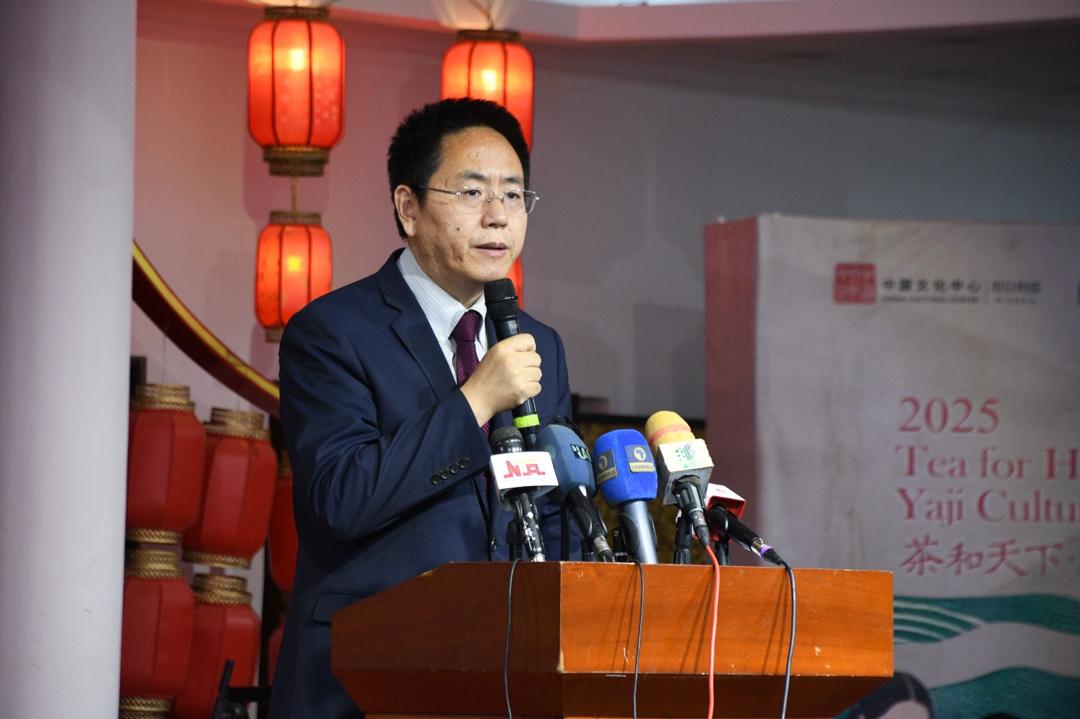
Speaking at the event, the Ambassador of China to Nigeria, Yu Dunhai, described the Lantern Festival as a global symbol of unity, hope and renewal. He said the festival’s growing international recognition following its inscription on the UNESCO Intangible Cultural Heritage list reflects the global relevance of Chinese culture.
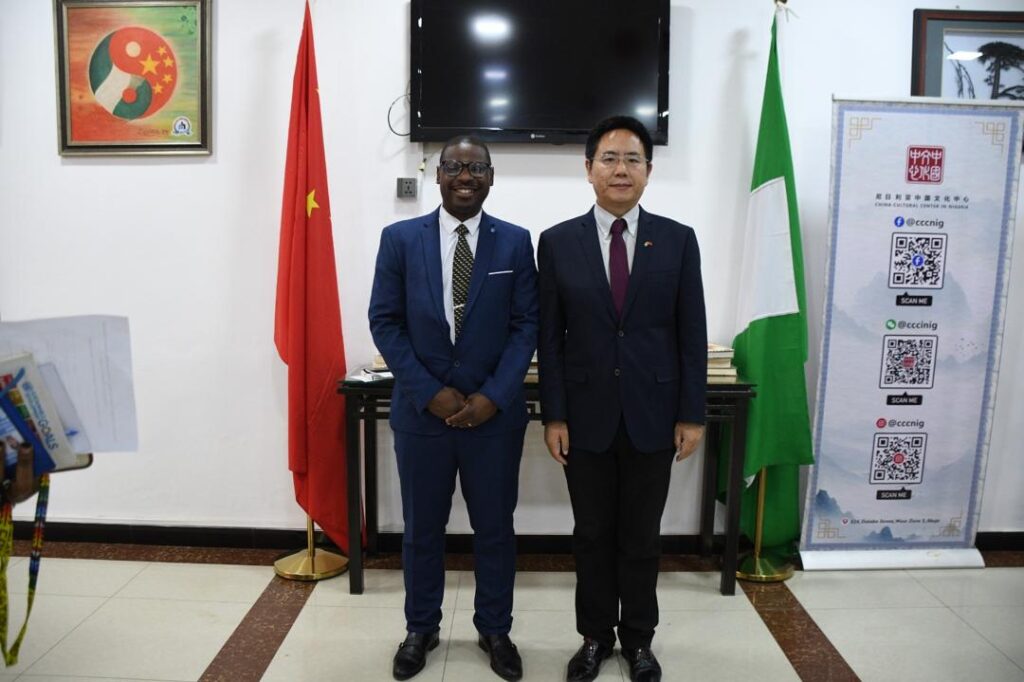
The ambassador, who was represented by the Cultural Counselor of Chinese Embassy and Director, China Cultural Centre in Nigeria, Yang Jianxing, emphasized that cultural diplomacy remains a strong pillar of China–Nigeria relations, noting that over five decades, both nations have deepened cooperation in trade, infrastructure development, education and technology transfer.
He stressed that cultural exchange promotes mutual understanding beyond formal diplomacy. “Civilizations are enriched by exchange and mutual learning,” he said, highlighting shared cultural values such as respect for family, community cohesion and social harmony.
On his part, the Nigeria’s Permanent Secretary, Federal Ministry of Art, Culture, Tourism and Creative Economy, Dr. Mukhtar Muhammad, described the celebration as a symbolic fusion of two great civilizations and a platform for advancing gender-inclusive development.
Muhammad emphasized that combining the Women’s Carnival with the Lantern Festival was intentional, reflecting the strategic role of women in shaping cultural identity and economic progress.
He noted that women in both Nigeria and China continue to drive innovation, preserve cultural heritage and contribute significantly to national development.
“As lanterns light up the night sky, our women light the path to social and economic progress,” he said, pledging that the Federal Government would continue implementing policies aimed at expanding opportunities for women in the creative and digital economy.
He added that Nigeria would work toward improving women’s visibility in global cultural and economic spaces through stronger tourism promotion, creative industry investment and international cultural collaborations.
Representatives of the UNESCO Office in Nigeria, Dr. Jean-Paul Ngome Abiaga,
also spoke at the event, describing culture and education as powerful tools for sustainable development and international cooperation.
He emphasized that the celebration’s timing — coming just days before International Women’s Day — reinforced global commitments to gender equality.
He commended progress made in women’s empowerment in both countries, highlighting China’s achievements in expanding women’s access to higher education, entrepreneurship and technology-driven industries, noting that women now represent a significant share of university enrolment and workforce participation in China.
In Nigeria, UNESCO praised ongoing initiatives such as national women empowerment programmes and advocacy campaigns promoting girls’ education and economic inclusion. The organization reiterated that investing in women’s education and skills development remains essential to achieving long-term economic stability and social progress.
Speakers at the celebration urged both nations to translate cultural goodwill into stronger economic partnerships. They highlighted opportunities in tourism development, creative economy expansion, digital skills training and youth entrepreneurship.
Officials said cultural exchange programmes have already contributed to growing mutual appreciation of music, film, fashion and culinary traditions between both societies.
Participants noted that Nigerian and Chinese women are increasingly participating in cross-border cooperation projects, with many contributing to business, technology and community development initiatives in both countries.
Nigeria–China Partnership Strengthens as Officials Champion Culture, Women’s Empowerment and Economic Cooperation
Michael Olugbode in Abuja


Nigeria Launches Unified Framework to Tackle Humanitarian Crises and Poverty
By: Michael Mike
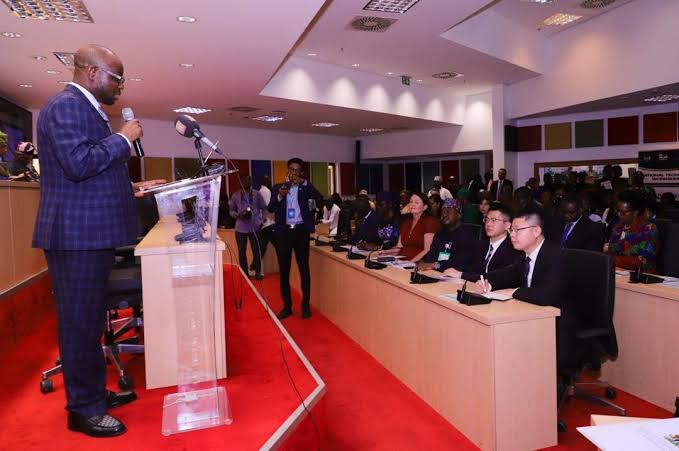
The Federal Government has launched a new national framework aimed at ending fragmented humanitarian and poverty interventions through the One Humanitarian–One Poverty Response System (OHOPRS), a coordinated approach designed to align emergency assistance, social protection, and long-term poverty reduction.
The initiative, introduced under the Renewed Hope Agenda of President Bola Tinubu, seeks to harmonize government and partner efforts in responding to humanitarian crises while creating sustainable pathways out of poverty.
The framework was unveiled during a high-level engagement involving federal and state institutions, development partners, humanitarian agencies, academia, and technical organizations. Stakeholders at the meeting emphasized the need for a unified national system capable of addressing the growing complexity of humanitarian needs and multidimensional poverty across Nigeria.
Nigeria’s Minister of Humanitarian Affairs and Poverty Reduction, Bernard M. Doro, said the initiative marks a major shift from isolated interventions to a coordinated national architecture that connects humanitarian assistance with recovery, resilience, livelihoods, and sustainable development.
He stressed that poverty reduction and humanitarian response must be treated as a national priority, particularly in a country facing climate-related shocks, displacement, food insecurity, and widening economic vulnerability.
According to the minister, OHOPRS will help align institutions, resources, and data systems around measurable outcomes for citizens while enabling vulnerable households to transition from dependency to productivity.
International partners welcomed the reform and pledged support for its implementation.
The Resident Representative of the United Nations Development Programme (UNDP) described the framework as an important systems-based reform that places resilience and inclusion at the center of national development. He noted that the initiative provides a platform for linking humanitarian response with long-term development outcomes.
Similarly, the Head of Office of the United Nations Office for the Coordination of Humanitarian Affairs (UNOCHA) said the framework strengthens national ownership of humanitarian coordination and improves alignment between humanitarian operations and government systems.
The Country Representative of UNICEF highlighted the opportunity to better reach vulnerable children and families through integrated programming that connects emergency response with education, nutrition, child protection, and social protection services.
The World Bank Country Director also welcomed the initiative, noting that stronger data systems, measurable outcomes, and improved institutional coordination are essential for sustainable poverty reduction.
Support for the initiative also came from the European Union, whose ambassador to Nigeria and ECOWAS emphasized the importance of transparency, evidence-based planning, and stronger partnerships to ensure development investments produce lasting results.
Humanitarian partners also underscored the importance of improved coordination. The head of the European Civil Protection and Humanitarian Aid Operations (ECHO) highlighted the need for better vulnerability targeting and accountability, while the Nigeria Country Director of International Alert noted that poverty, insecurity, and vulnerability are interconnected and require integrated, conflict-sensitive responses.
Experts from academia and government statistical institutions also emphasized the role of research and data in the success of the initiative. The Vice Chancellor of Yakubu Gowon University called for strong collaboration between policymakers and research institutions, while the Statistician-General of the Federation stressed the need for credible data systems to support planning, targeting, and monitoring.
State governments are expected to play a critical role in implementing the framework, aligning their humanitarian and poverty reduction programmes with the national system to ensure better targeting and more responsive service delivery.
A key component of OHOPRS is the development of an integrated data and monitoring ecosystem to track needs, interventions, funding, and outcomes across different levels of government and partner organizations.
Officials say the initiative is not merely a programme but a broad systems reform intended to transform how Nigeria supports vulnerable populations. By linking humanitarian action with long-term poverty reduction, the government hopes to move communities from recurring crises toward resilience and economic opportunity.
The Federal Government called on ministries, state authorities, development partners, civil society organizations, academia, and the private sector to align with the framework and contribute to its implementation, stressing that addressing humanitarian vulnerability and poverty requires coordinated leadership and sustained collaboration.
Nigeria Launches Unified Framework to Tackle Humanitarian Crises and Poverty

One Week After Black Monday in Maiduguri, Police Headquarters Count Losses
By: Bodunrin Kayode
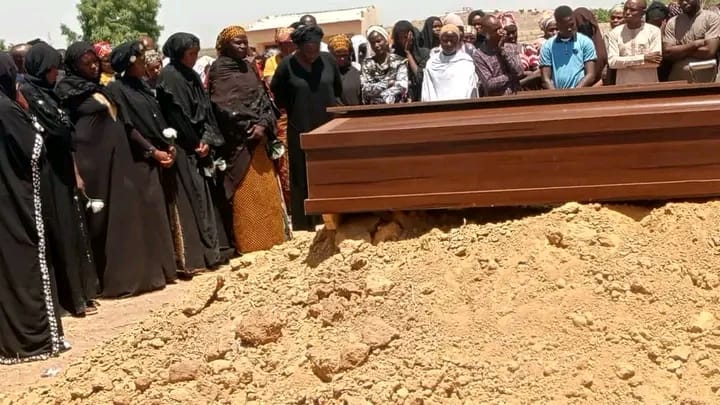
As Maiduguri residents continue to count the cost of casualties from last Monday’s IED explosion, the Nigerian Police Command headquarters has said that one of its men, Sergeant David Samuel has lost his life in the tragedy.
The Command which has been very careful in the way the death of the sergeant was managed announced through their spokesman Nahum Daso that it has been established that a police sergeant serving the country in the state paid the supreme sacrifice after being inflicted with multiple wounds at the Monday market explosion.

Until his death, the tall Sergeant David Samuel was one of the guards securing the Monday market against insurgents who have a penchant for penetrating multi billion naira crowded areas like the Monday market.
Though Police Sergeant Samuel did not die on the same Monday evening the tragic incident occurred, he died two days after possibly due to the resultant injuries which led to excessive bleeding.
While many others survived due to the innate resilience of residents of the city to survive, Sam however died two days after the blast on wednesday last week due to what hospital sources described as complications at the University of Maiduguri Teaching Hospital (UMTH) were he was finally admitted after the blast.
Spokesperson of the Police Command who disclosed the sad news to this reporter noted that Sergeant Samuel had reported for duty that day not knowing that last monday would be his last assignment for his country.
“He actually died of multiple injuries not on the spot but in the hospital. The injuries in many parts of his body obviously led to complications coupled with the trauma which would have dealt a heavy blow on him” said ASP Daso.
Sergeant Sam who hails from Askira Uba is survived by his parents, siblings and family members and has since being buried at the Dala cemetery in Maiduguri after the church service held at EYN tanki
Maiduguri had witnessed a lull in such violent active by these criminals until recently when troops embarked on clearance operations dealt heavy blows in the insurgent hideouts inside the Timbuktu triangular and beyond.
One Week After Black Monday in Maiduguri, Police Headquarters Count Losses
Strong Bilateral Ties, Trade, Others Top Agenda As VP Shettima, Swiss Counterpart Meet
By: Our Reporter
Switzerland to return Benin bronzes, artefacts to Nigeria, pledges support to combat insecurity in North East
Nigeria and Switzerland have agreed to actively strengthen their bilateral relations, focusing on a multi-faceted approach that spans trade, economic cooperation, skills acquisition, migration, security and cultural exchange.
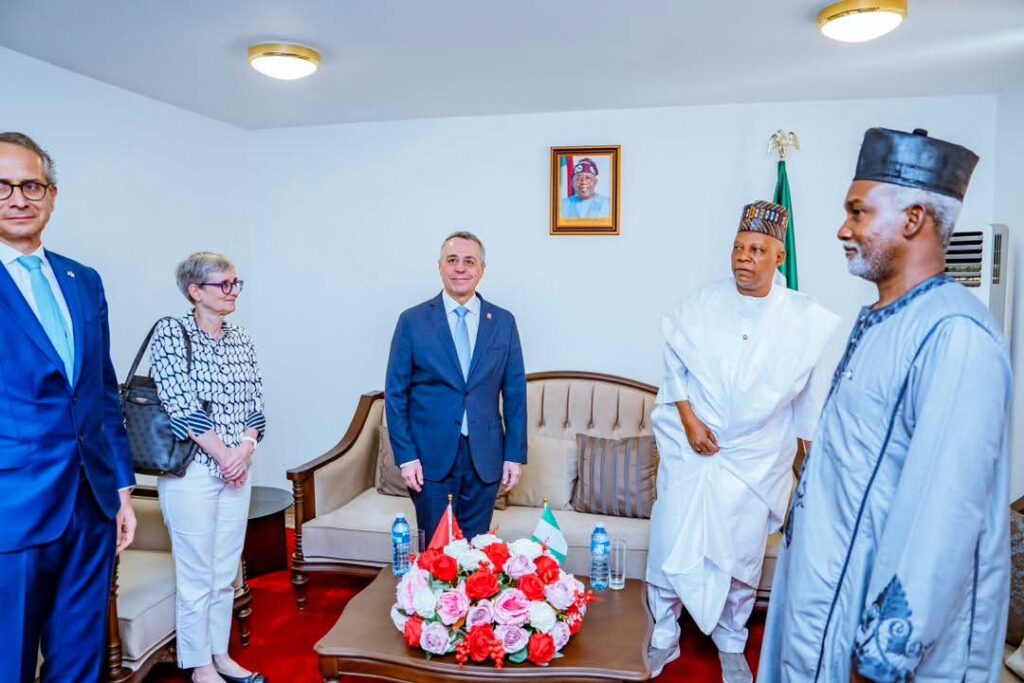
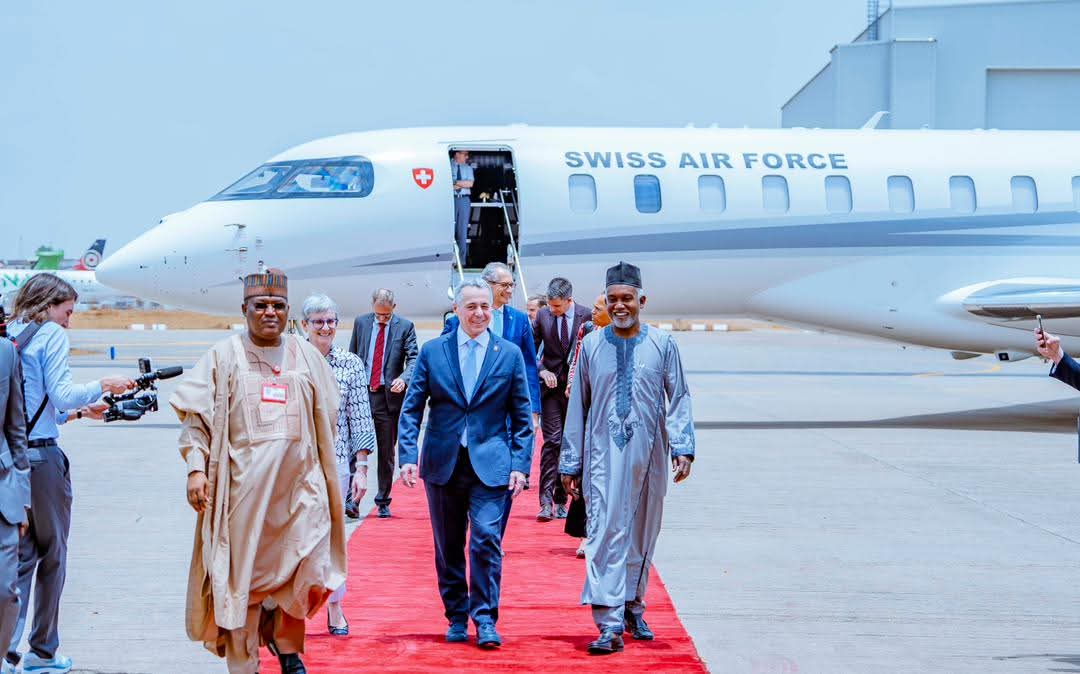
This was the outcome of the meeting between Vice President Kashim Shettima and the Vice President of Switzerland, Mr. Ignazio Cassis, on Tuesday.
The Nigerian Vice President received his Swiss counterpart and his spouse, Paola Rodoni Cassis, at the presidential wing of the Nnamdi Azikiwe International, Abuja, where they met behind closed doors.
Addressing journalists after the meeting, Vice President Cassis, who is also the Foreign Minister of Switzerland, disclosed that discussions dwelled on improved bilateral relations, free trade agreement, skills acquisition, migration, cultural exchange, and support for Nigeria in tackling the security situation in the North East region.
He said, “We are considering improving our bilateral relations. We are considering to analyse the opportunity of making a free trade agreement with the AfCFTA family and Nigeria. Secondly, we are working together very much in diplomatic efforts to address the many different conflicts in the North Eastern part of Nigeria.
“Thirdly, we are contributing to vocational training in Nigeria, with the Swiss companies in Nigeria creating the best conditions for young people to peacefully live together by being skilled enough to have jobs for the future.”
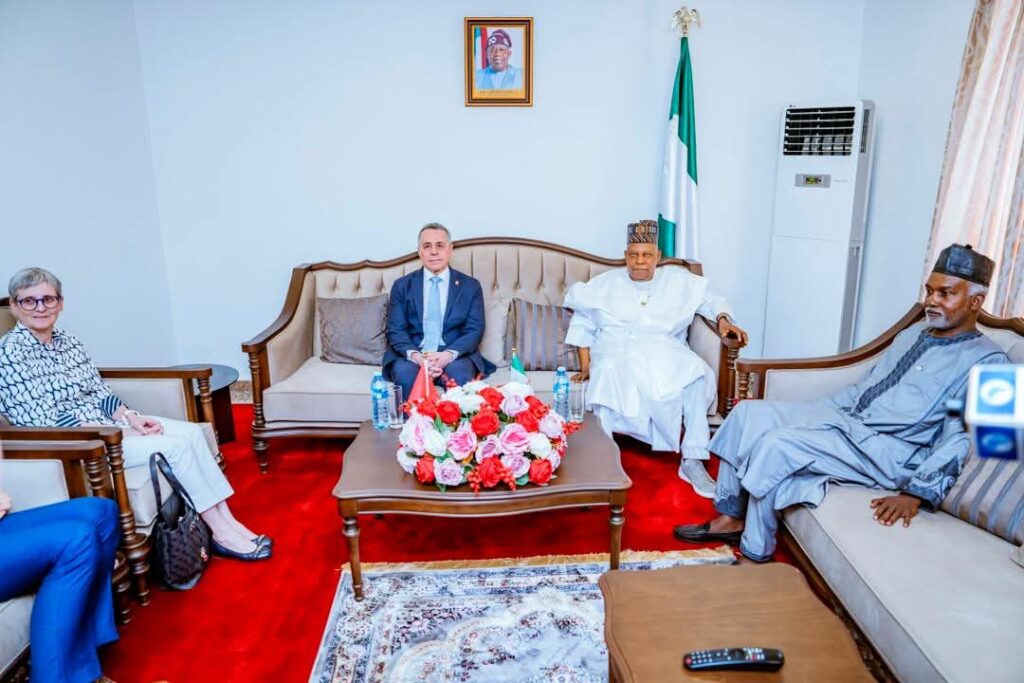
Vice President Cassis noted that the two countries also agreed to improve cultural cooperation, including restitution of cultural materials, even as he said, “We also have cooperation in migration issue, and every year, we are meeting together, where we explore every facet of this cooperation.”
He expressed gratitude to Nigeria for its continuous presence in the World Economic Forum (WEF) held annually in Davos, just as he congratulated the nation for the Nigeria House commissioned in Davos this year.
Shedding more light on the outcome of the meeting, Nigeria’s Minister of Foreign Affairs, Ambassador Yusuf Tuggar, said the discussions were a continuation of the old relationship between both countries that dates back to 1961.
He said, “Vice President Cassis expressed keenness to see Nigeria and Switzerland sign a free trade agreement, and this is a very welcome development. There were other discussions about Swiss businesses and investments. There are so many of them, and that is why from here he goes to Lagos to engage with the private sector.”
The Minister disclosed that the Swiss government also agreed to return bronzes and artefacts belonging to the Benin Kingdom in Edo State, as part of efforts to strengthen cultural ties between both countries.
“There was a general assurance that we need to strengthen the relationship between the two countries not just when it comes to business but also cultural aspect of the relationship.
“So, there are Benin bronzes that are going to be returned from Switzerland. He informed the Vice President that the Swiss Minister of Culture will be visiting Nigeria shortly, and this was something that was highly appreciated,” Tuggar stated.
He said Vice President Shettima welcomed the developments “and assured that Nigeria will continue to engage with Switzerland and continue to attend the World Economic Forum in Davos because there were some uncertainties as to whether it will remain in Davos or not.”
Other members of the Swiss delegation included Director of the Swiss Agency for Development and Cooperation, Ambassador Patricia Danzig; Head of the Africa Division, Ministry of Foreign Affairs, Ambassador Philip Stalder; Head of the Peace and Human Rights Division, Ministry of Foreign Affairs, Ambassador Tim Enderlin, and Swiss Ambassador to Nigeria, Ambassador Patrick Egloff,” among others.
Strong Bilateral Ties, Trade, Others Top Agenda As VP Shettima, Swiss Counterpart Meet

Nigeria Launches Unified Framework to Tackle Humanitarian Crises and Poverty

One Week After Black Monday in Maiduguri, Police Headquarters Count Losses

Strong Bilateral Ties, Trade, Others Top Agenda As VP Shettima, Swiss Counterpart Meet

Roger Federer’s Shock as DNA Results Reveal Myla and Charlene Are Not His Biological Children

THE PLIGHT OF FARIDA

FAILED COUP IN BURKINA FASO: HOW TRAORÉ NARROWLY ESCAPED ASSASSINATION PLOT AMID FOREIGN INTERFERENCE CLAIMS
-
 News2 years ago
Roger Federer’s Shock as DNA Results Reveal Myla and Charlene Are Not His Biological Children
-
Opinions4 years ago
THE PLIGHT OF FARIDA
-
 News11 months ago
FAILED COUP IN BURKINA FASO: HOW TRAORÉ NARROWLY ESCAPED ASSASSINATION PLOT AMID FOREIGN INTERFERENCE CLAIMS
-

 News2 years ago
EYN: Rev. Billi, Distortion of History, and The Living Tamarind Tree
-
 Opinions4 years ago
POLICE CHARGE ROOMS, A MINTING PRESS
-

 ACADEMICS2 years ago
A History of Biu” (2015) and The Lingering Bura-Pabir Question (1)
-

 Columns2 years ago
Army University Biu: There is certain interest, but certainly not from Borno.
-

 Opinions2 years ago
Tinubu,Shettima: The epidemic of economic, insecurity in Nigeria
