
News
Nigeria Emerges New Africa Representative in International Ranger Federation

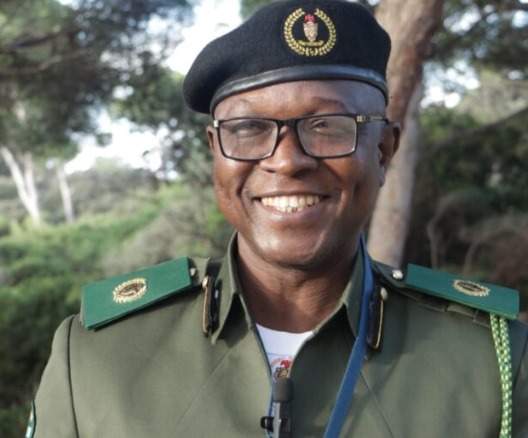
Nigeria Emerges New Africa Representative in International Ranger Federation
By: Michael Mike
The National Park Service (NPS), Assistant Conservator of Parks, Mohammed Dikko Bala has emerged the new regional representative for Africa.
He was elected in a recent election of new executives of International Ranger Federation (IRF) at the 10th World Ranger Congress (WRC) held in Hyeres, France.
Remarking on his emergence as the new Africa Regional Representative, Mohammed Dikko Bala, who is a dedicated and highly committed ranger, promised to continue protecting and promoting the interest of African rangers, forest guards and other protected area workers.
He expressed his sincere gratitude to the Honourable Minister of Environment, Mallam Balarabe Lawal Abbas and the Conservator-General of the National Park Service, Dr. Ibrahim Musa Goni, for their kind approval and unwavering support for his participation in the elections.
Bala promised to be more dedicated and committed in his new position towards giving African rangers a renewed hope and a befitting representation at the IRF as well as in realizing the 30X30 target.
He explained that The 30X30 target is the target 3 of the Global Biodiversity Framework (GBF) aimed at achieving effective conservation and management of at least 30% of the Earth’s land and sea area by 2030.
In his message at the 10th IRF Congress, President of International Ranger Federation, Chris Galliers, emphasized the critical role rangers play especially given the challenges of climate change and biodiversity loss.
Calling for more support for rangers, he said, “Ask yourself this simple question, how much wildlife would there be today, if there were no rangers, and you will realize why the world needs to recognize the value and importance of rangers, particularly in light of the twin crises of climate change and biodiversity loss facing humanity.”
Speaking further, Galliers said “Whether state, private, volunteer or indigenous community rangers, rangers are essential planetary health workers and are the key workforce in achieving the Kunming-Montréal Global Biodiversity Framework Targets.”
He noted that the 10th IRF World Ranger Congress was an opportunity to share knowledge, develop new skills, broaden perspectives, forge meaningful collaborations and collectively, advance the ranger profession.
The 10th World Ranger Congress was organized by the International Ranger Federation in collaboration with Gardes Natures de France (GNF), in Hyeres, France, from 7-11 October 2024
The International Ranger Federation Congress is a Triennial global forum and the 10th IRF Congress attracted over 400 ranger professionals and conservation workers to discuss topics of common interest and concern in an international development event.
The IRF Congress is a pivotal event that fosters international collaboration, addressing pressing environmental issues such as wildlife protection, sustainable practices, and emerging technologies. Beyond knowledge exchange, the Congress celebrates ranger commitment and bravery, acknowledging their sacrifices on the conservation frontline.
With a focus on diversity and inclusivity, the event honors indigenous perspectives and advocates for ongoing support. It stands as a dynamic, cross-cultural platform shaping the future of global conservation efforts.
Nigeria Emerges New Africa Representative in International Ranger Federation


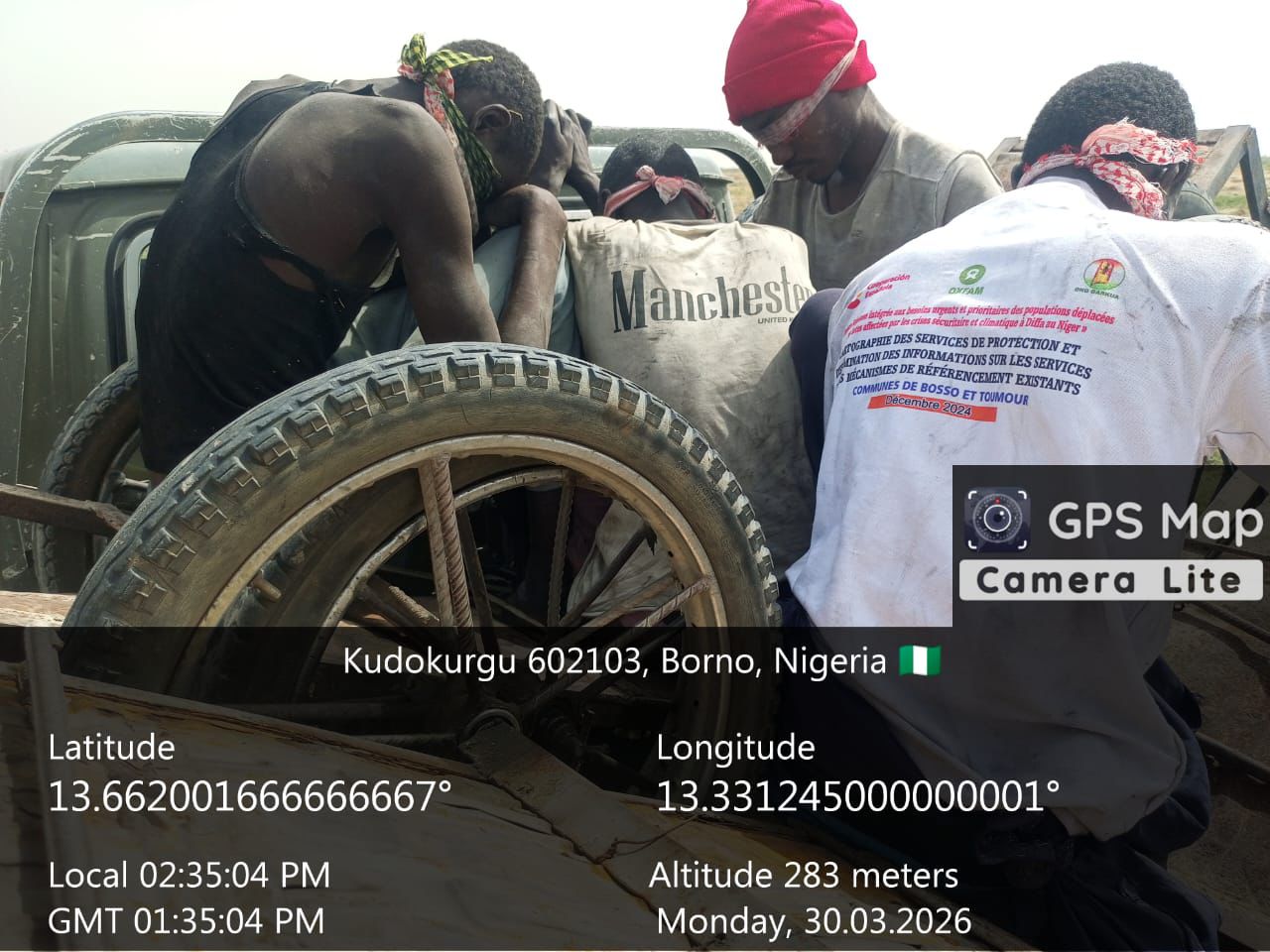
Troops intercept 11 youths with donkeys during patrol in Borno
By: Zagazola Makama
Troops of 68 Battalion have intercepted 11 youths during a routine patrol in Mallam Fatori area of Abadam Local Government Area of Borno State.
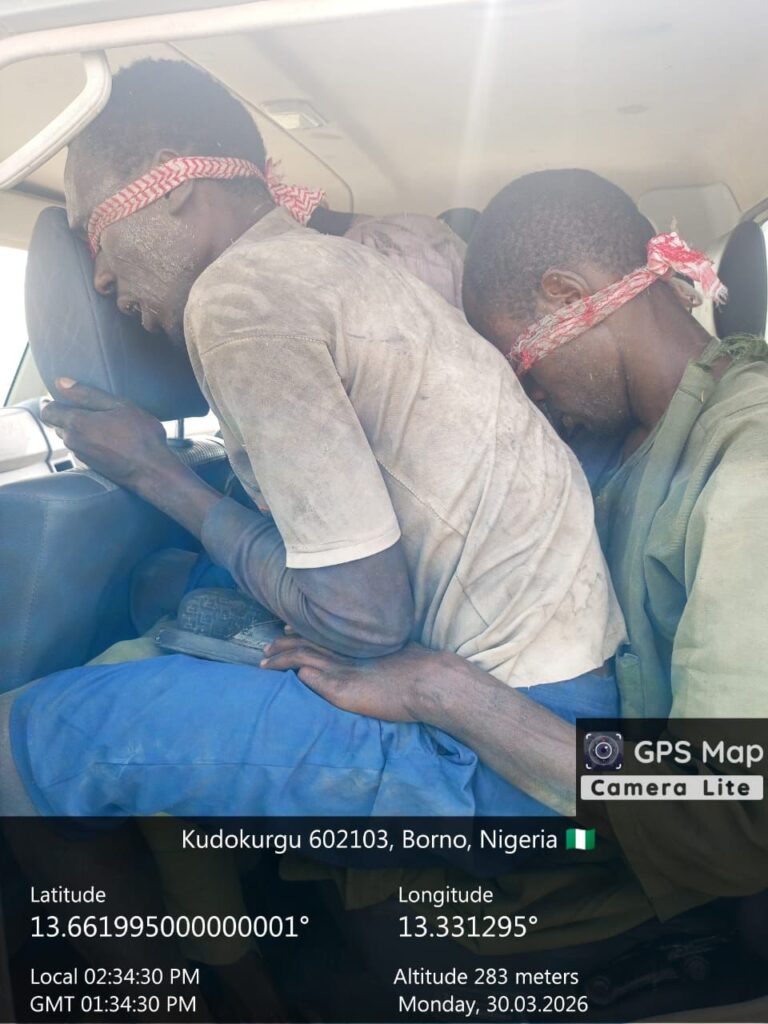
Security sources said the interception occurred along the Bulagana–Cheisa axis on April 2 during ongoing clearance operations in the area.
According to the sources, the individuals were found moving in the area with 12 donkeys when they were stopped and briefly interrogated by troops.
The sources added that the youths were later handed over, alongside the animals, to relevant authorities in a neighbouring country for further necessary action.
The military said the patrol was part of sustained efforts to maintain security dominance and prevent exploitation of border communities by criminal elements.
Troops intercept 11 youths with donkeys during patrol in Borno
Troops recover ammunition, logistics items in Kwara patrol operation
By: Zagazola Makama
Troops of the Nigerian Army under the 22 Brigade have recovered ammunition and other logistics items during a fighting patrol in Ifelodun Local Government Area of Kwara State.
A security source disclosed that the operation was conducted at about 4:00 p.m. on April 2 at Daban Lema, where troops of the brigade, operating from the Patrol Base, encountered signs of suspected terrorist activities in a deserted location.
According to the source, the troops immediately carried out exploitation of the area, leading to the recovery of four rounds of 7.62mm special ammunition and one empty PKT ammunition belt link.
Other items recovered include four mobile phones, two head warmers, two small solar panels, and assorted repair tools believed to have been used by the suspected terrorists.
The source added that the recovery indicates the presence and movement of suspected criminal elements within the area, noting that troops have intensified surveillance and patrols to deny them freedom of action.
Troops recover ammunition, logistics items in Kwara patrol operation
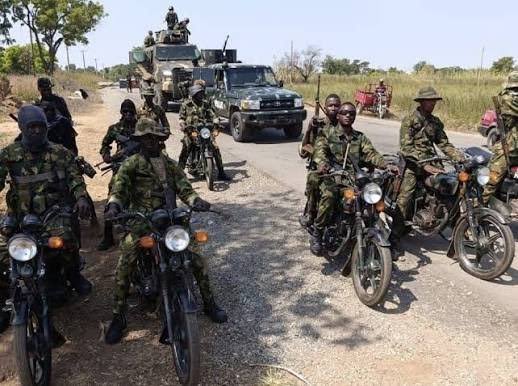
Troops foil attack by Criminal Youths, rescue victims, arrest suspects in plateau
By: Zagazola Makama
Troops of Sector 1, Operation Enduring Peace (OPEP), have foiled an attack on residents at Dutse Uku in Jos North Local Government Area of Plateau State.
A security source said the troops responded swiftly to a report of sporadic gunshots in the area at about 11:50 p.m. on April 2.
According to the source, upon arrival at the scene, the suspected criminals fled, abandoning their operation due to the prompt intervention of the troops.
He said the troops rescued two victims who sustained gunshot wounds during the incident and immediately evacuated them to a hospital for medical attention.
The source further disclosed that two suspects, dressed in black attire, were arrested at the scene.
Items recovered from the suspects include a cutlass and a knife.
He added that the suspects are currently in military custody and undergoing preliminary investigation, while efforts are ongoing to track down other fleeing members of the group.
Zagazola report that despite heightened security, there has been report of pocket of attacks in some communities.
The source reassured residents of the military’s commitment to protecting lives and property and urged the public to continue providing timely information to security agencies.
Troops foil attack by Criminal Youths, rescue victims, arrest suspects in plateau

Troops intercept suspected Boko Haram logistics convoy conveying 13 persons in Borno

Troops intercept 11 youths with donkeys during patrol in Borno

Troops, CJTF arrest three suspected Boko Haram logistics suppliers in Borno

Roger Federer’s Shock as DNA Results Reveal Myla and Charlene Are Not His Biological Children

THE PLIGHT OF FARIDA

FAILED COUP IN BURKINA FASO: HOW TRAORÉ NARROWLY ESCAPED ASSASSINATION PLOT AMID FOREIGN INTERFERENCE CLAIMS
-
 News2 years ago
Roger Federer’s Shock as DNA Results Reveal Myla and Charlene Are Not His Biological Children
-
Opinions4 years ago
THE PLIGHT OF FARIDA
-
 News12 months ago
FAILED COUP IN BURKINA FASO: HOW TRAORÉ NARROWLY ESCAPED ASSASSINATION PLOT AMID FOREIGN INTERFERENCE CLAIMS
-

 News2 years ago
EYN: Rev. Billi, Distortion of History, and The Living Tamarind Tree
-
 Opinions4 years ago
POLICE CHARGE ROOMS, A MINTING PRESS
-

 ACADEMICS2 years ago
A History of Biu” (2015) and The Lingering Bura-Pabir Question (1)
-

 Columns2 years ago
Army University Biu: There is certain interest, but certainly not from Borno.
-

 Opinions2 years ago
Tinubu,Shettima: The epidemic of economic, insecurity in Nigeria
