
Security
Nigeria: Over 500 insurgents may be awaiting trial in Maiduguri

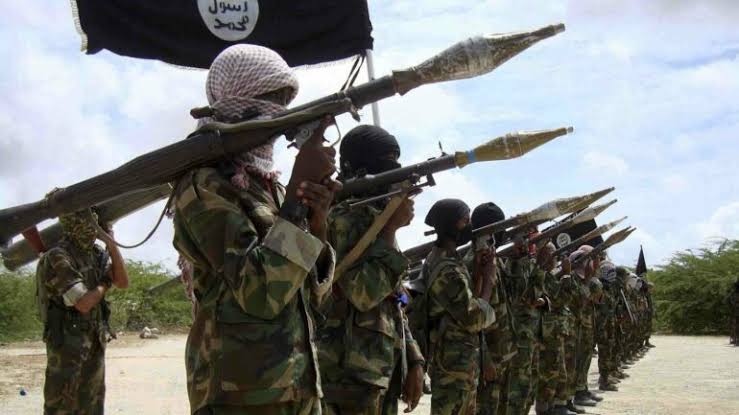
Nigeria: Over 500 insurgents may be awaiting trial in Maiduguri
By: Bodunrin Kayode
Chairman Nigerian Bar Association (NBA) Borno State chapter, Modu Greema has expressed worries over about 500 captured insurgents awaiting trial in the Maiduguri.
He told NEWSng in Maiduguri that it was the duty of the Attorney General of the federation Abubakar Malami to prosecute the terror offenders speedily adding that if there was any semblance of foot dragging, it was purely from Abuja and not from the north east war theatre.
The NBA chair noted that it was not good enough keeping these insurgents in the maximum correctional centre without trial because the longer they stayed under lock down the more they become endangered species to themselves and the generality of their relatives.
” I am aware that they must have started the trial processes in Abuja to prosecute some of them even before the kuje escape but unfortunately, it’s been going on at a very slow pace. Which is why they are yet to get to Maiduguri.
” We are really not happy that the prosecution is going on at a very slow pace. There are lots of theses captured insurgents in Maiduguri. I can’t give you the exact number but I believe they should be over 500 of them awaiting trial.
” We have been hoping that the courts will come down to Maiduguri to prosecute them but our wait has been endless. Still hoping that one day Abuja will realize that justice delayed is justice denied.
Spokesman of the Maiduguri correctional facility Bala Thiza however posited that they are no longer keeping the captured insurgents.
He said that indeed, they once harboured them in their maximum facility but ” that was because the Army were still trying to fix their facilities which were not adequate enough to keep the captured Boko Haram insurgents.
” However as soon as they were done fixing their facilities, they came in here to pick all of them and they are the once keeping them.
” To answer your question on clarity, I can easily say that the once I am aware of were not up to 500. I can’t speak on the number of them right now but I don’t think they were up to 500 of them.
Meanwhile, following the release of 23 train passengers recently, it is believed that those captured insurgents awaiting trial in kirikiri correctional centre have been granted amnesty.
Asked if he was aware of the development coming on the heels of the escape of those kept in kuje correctional facility in Abuja, the NBA chair said he was not in the know because they were not carried along.
However details flying around the mills revealed that at “exactly 6am of the 8th of October 2022, about 101 Boko Haram terrorists held in Kirikiri prison since 2009 were set free.
This was as a result of what the correctional officials called Amnesty from the government for the freedom of the Abuja train passengers held by terrorists.
A newspaper name withheld reported that ” It is actually a prisoner swap demanded by Boko Haram, in exchange for the remaining 23 Kaduna train passengers kidnapped by the group on the 28th of March 2022.”
According to the report, 104 Boko Haram terrorists were arrested by the Yar’adua/Jonathan’s govt in 2009, and transferred to Lagos. And the only condition with which they will release them is if the government releases their people.
” So out of the 104 sent to Kirikiri correctional centre, 3 allegedly died leaving 101 that were set free on October 8th.
” They were held up in both Kirikiri maximum & medium prisons. But by my records, they have never been to court in Lagos since 2009 till date. Never been prosecuted.
“On the 29th of Sep 2022, 30th sep, 3rd of Oct, the Controller of the Nigeria Correctional Services, Lagos Command, Controller B.R Freeman, Met with about 40 of those Boko Haram terrorists, locked up in the Kirikiri facility.
Also Read: https://dailypost.ng/2022/10/12/19-iswap-terrorists-killed-as-troops-repel-boko-haram-attack-in-gamboru/
“Where he told them that they should get ready to go. That the Federal Government has granted them Amnesty, because of the upcoming 2023 election.
“That they should wait for further directives. After the last meeting on the 3rd of October 2022, the remaining 23 Kaduna train passengers, kidnapped by Boko Haram were released on the 5th of October 2022, by the sect, to keep to their own terms of agreement.
“Controller Freeman came again to the prison on the 6th of Oct 2022, and on the 7th of Oct, to finalise arrangements with the terrorists.
“They packed up their belongings, prepared themselves and waited. At about 6am today 8th October, the cells were open, and they were all set fee.” Said the report.
Just recently, the Chief of defense staff General Lucky Irabor had signed a memo to the effect that the 23 captured train passengers have been freed.
The memo put to an end the tension associated with the demands by relations that their loved ones must be freed without a scratch.
Defected insurgents and the current amnesty
In a similar development, while others are desperate to return to their Comrades in the bush, the military has mounted a man hunt for all those who escaped from the Kuje prison.
Their faces have been displayed in all military formations in the country for anyone with information on their whereabout to report to them. No special carrot has been dangled by government for their report.
Spirited efforts of the commanders of the war theatre of operations Hadin Kai has yielded massive results such that about 80,000 defected insurgents with their families are in the kitty of the military.
Theatre Commander Major General Chris Musa has severally convinced the insurgents in the bush to come out because there was no gain in starving themselves of their human rights and freedom in the bush.
A couple of Chibok ladies have equally come out of the Savannah within the last one year of operations Hadin Kai Commanded by General Chris Musa.
Nigeria: Over 500 insurgents may be awaiting trial in Maiduguri


Security
Maiduguri Bomb Blast: In time of tragedies, let us also Understand VP Kashim Shettima’s position
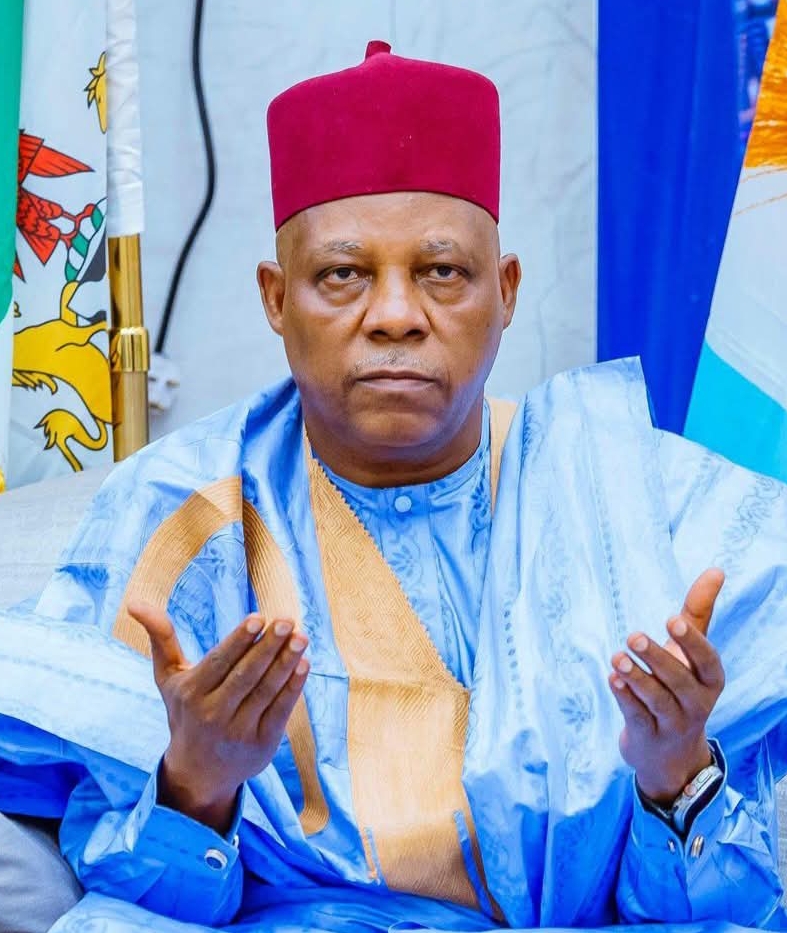
Maiduguri Bomb Blast: In time of tragedies, let us also Understand VP Kashim Shettima’s position
By: Dr. James Bwala
In the wake of the tragic bomb blast in Maiduguri, a wave of emotions has swept over Nigeria, particularly from those who feel a deep connection to the plight of the victims and their families. Social media platforms have become a battleground for opinions, with many expressing outrage regarding Vice President Kashim Shettima’s presence at an event in Anambra State during such a turbulent time. It is crucial, however, for us to understand the broader context of governance and the responsibilities that come with high office, especially in times of national distress.
The events that unfolded in Maiduguri are indeed heart-wrenching. The loss of innocent lives due to violence and terror strikes at the very core of our humanity. As Nigerians, we share in the pain and grief of the affected families, and it is our collective duty to extend our condolences and support. However, while emotions run high, we must also approach the situation with a critical lens, examining the implications of our reactions and the role of our leaders amidst crises.
READ ALSO: https://newsng.ng/2027-recalibration-in-adamawa-as-political-gladiators-return-to-the-drawing-board-over-dr-namdass-announcements-to-join-the-guber-race/
Kashim Shettima, as the vice president of Nigeria, carries the weight of national expectations on his shoulders. His recent attendance at a required national engagement in Anambra State should not be seen as a lack of empathy or commitment to Maiduguri; rather, it is emblematic of the complexities of governance that often demands attending to multiple, pressing issues concurrently. His commitment to the welfare and security of all Nigerians, including those affected by the tragic incident in Maiduguri, remains unwavering.
From the moment the bomb blast was reported, Vice President Shettima was actively engaged with relevant authorities, receiving updates and coordinating with security and humanitarian agencies to ensure a swift and comprehensive response. This level of involvement showcases his dedication to not just one region but to the entirety of Nigeria, reflecting a leader who understands the need for national solidarity in the face of distress. His actions affirm the belief that true leadership extends beyond physical presence; it involves strategic thinking, planning, and decisive action.
READ ALSO: https://newsng.ng/2027-recalibration-in-adamawa-as-political-gladiators-return-to-the-drawing-board-over-dr-namdass-announcements-to-join-the-guber-race/
Critics may argue that during moments of tragedy, leaders should prioritize immediate proximity to the affected areas. While this perspective is somewhat understandable, it overlooks the reality that effective governance often requires leaders to balance their time and attention across various regions. The vice president’s presence in Anambra was part of a national assignment aimed at fulfilling commitments essential to the country’s governance. It reflects the integral role of the vice president as a representative of the administration’s vision on a national scale.
It is essential to recognize Kashim Shettima’s unique position as a son of Borno State. His identity and experiences deeply tie him to the struggles of the people in Maiduguri. Therefore, his dedication to addressing the challenges faced by his home state cannot be overstated. He brings a personal understanding of the grief and trauma that follow incidents of violence, which informs his commitment to ensuring that appropriate government responses are implemented swiftly and with compassion.
READ ALSO: https://newsng.ng/2027-recalibration-in-adamawa-as-political-gladiators-return-to-the-drawing-board-over-dr-namdass-announcements-to-join-the-guber-race/
As a nation, we must urge the public to acknowledge the full scope of the vice president’s responsibilities. Governance is rarely straightforward; it entails navigating complex political landscapes and making difficult decisions that may not instantly reflect empathy but prioritize effective long-term solutions. In moments of crisis, it is imperative that we rally behind our leaders, supporting their efforts to foster stability, security, and resilience, rather than vilifying them when they are engaged in essential duties elsewhere.
This does not mean that we should absolve our leaders from accountability. Constructive criticism plays a pivotal role in a healthy democracy, urging officials to remain responsive and attentive to the populace’s needs. However, it is crucial that this discourse is framed within the understanding that every action taken by a leader occurs within the backdrop of numerous interconnected issues requiring their attention. The nuanced nature of governance demands that we hold our representatives accountable without succumbing to reflexive anger or misplaced blame when they cannot physically be present in every tragic situation.
READ ALSO: https://newsng.ng/2027-recalibration-in-adamawa-as-political-gladiators-return-to-the-drawing-board-over-dr-namdass-announcements-to-join-the-guber-race/
The tragic events in Maiduguri call for compassion, unity, and understanding. Kashim Shettima’s presence in Anambra State during this difficult time does not denote a lack of commitment to the suffering families in Maiduguri; rather, it reflects the multifaceted nature of his obligations as vice president. He remains deeply connected to the struggles of his people and is committed to ensuring that the federal government responds effectively to the tragedy. Let us collectively remember that the strength of our nation lies in our ability to support one another, to demand accountability while also recognizing the complexity of governance in challenging times.
As citizens, it is our role to foster an environment where leaders can navigate their responsibilities without fear of backlash for decisions made in service to the nation as a whole. Together, we can honor the memory of the victims by advocating for policies, actions, and leadership that will prevent future tragedies and promote healing in our communities. We owe it to the people of Maiduguri and to all Nigerians to emphasize understanding, empathy, and constructive engagement as we work towards a safer and more unified Nigeria.
*James Bwala, PhD, writes from Abuja.
Maiduguri Bomb Blast: In time of tragedies, let us also Understand VP Kashim Shettima’s position
Security
Defense Minister: Soldiers, citizens applaud General Musa’s renewed vigor in combat strategies.
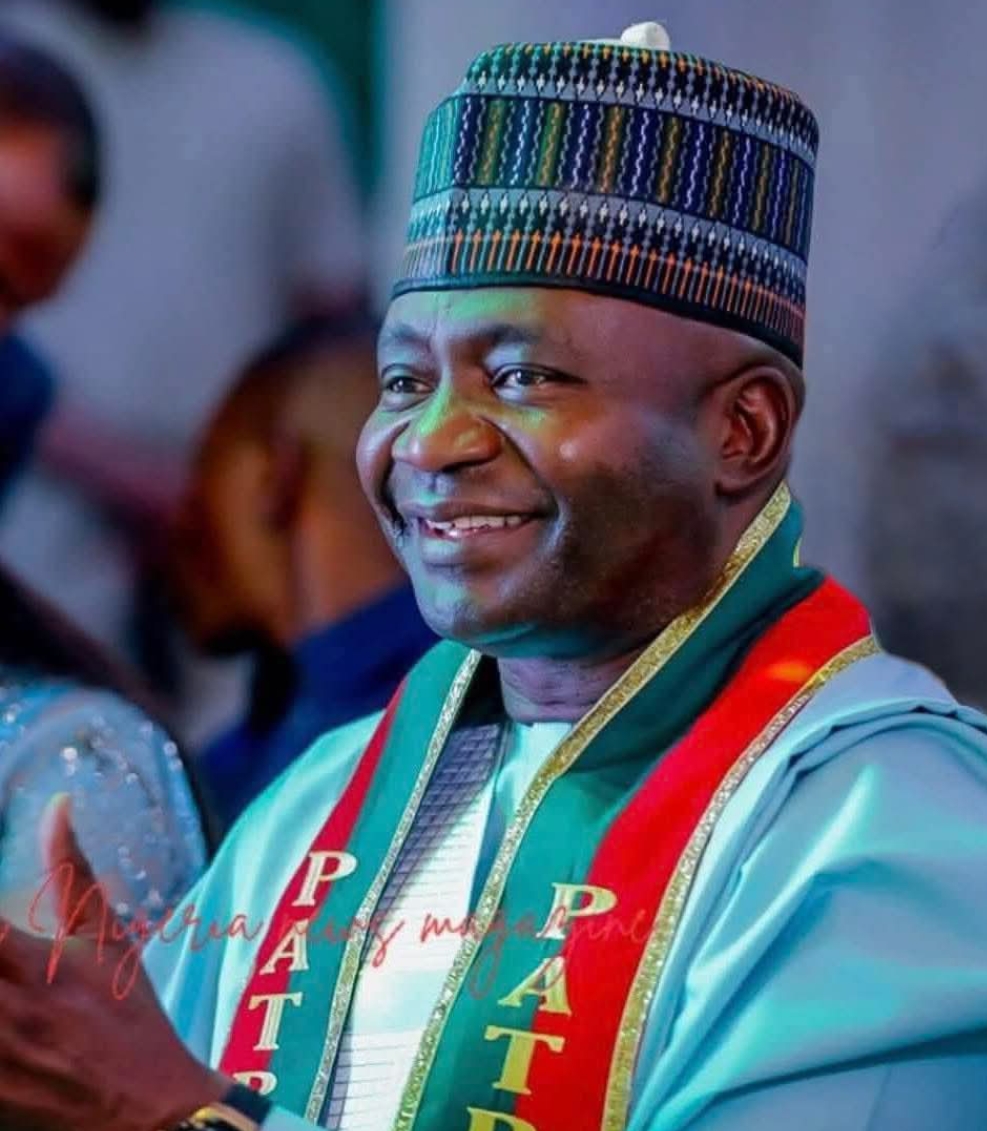
Defense Minister: Soldiers, citizens applaud General Musa’s renewed vigor in combat strategies.
By: Dr. James Bwala
General Christopher Musa’s recent appointment as Nigeria’s Minister of Defence has sparked optimism among both soldiers and citizens regarding the nation’s ongoing battle against insurgency. In the wake of rising tensions and persistent threats posed by terrorists, his leadership promises a renewed vigor in combat strategies. The developments over the past twenty-four hours have been particularly noteworthy, showcasing an unprecedented advancement in military operations directly stemming from Musa’s directive for soldiers to adopt a shoot-first mentality against terrorists.
The long-standing insurgency problem in Nigeria, primarily attributed to groups such as Bandits, Boko Haram, and ISWAP (Islamic State West Africa Province), has plagued the nation for over a decade. With communities devastated by violent attacks and abductions, many Nigerians have felt a sense of despair and helplessness. However, General Musa’s ascension to the ministerial role appears to align with the need for a more decisive approach towards ensuring national security and restoring hope among the populace.
Musa’s command reflects a significant shift in military strategy. Historically, engagement rules for soldiers often emphasized restraint, prioritizing the protection of civilian lives even in hostile situations. While this is an ethical and principled approach, it can sometimes hinder rapid responses necessary to thwart threats effectively. The new directive allows troops to engage directly and decisively with terrorist elements, focusing on dismantling their operations and enhancing security across affected regions.
In the initial hours following Musa’s orders, military reports indicated successful engagements with terrorist factions. These operations led to the neutralization of known insurgents and the interception of planned attacks targeting vulnerable communities. This immediate efficacy is a testament to the capabilities of Nigerian troops when provided with clear and assertive mandates. The initial outcomes are promising; however, they also raise important discussions around the implications of such military strategies on broader human rights considerations.
The operational changes proposed by General Musa must balance the necessity of aggressive engagement with the imperative of maintaining humanitarian standards. Previous military campaigns against insurgency in Nigeria have faced criticism for collateral damage and civilian casualties. An approach that emphasizes robust action must simultaneously incorporate measures to safeguard innocent lives. For the military to establish credibility and regain public trust, transparency, accountability, and adherence to international humanitarian laws must be central to these operations.
Indeed, Musa’s leadership invites scrutiny into the training and preparation of troops for this evolved methodology. Engaging in direct combat requires not only courage and dedication but also a level of situational awareness and tactical proficiency that can ensure a minimized risk of errors in judgment during high-pressure encounters. Effective training programs and continuous professional development for soldiers will be crucial in making this transition successful.
The response from citizens has been predominantly positive. Many have expressed relief at the prospect of a more aggressive stance against the insurgents that have wreaked havoc on numerous communities. The apparent fortitude in Musa’s strategy has rekindled hope among those living in fear. Citizens expect tangible results that will ultimately lead to the restoration of normalcy in their lives, allowing them to engage in daily activities without the looming threat of violence.
READ ALSO:https://newsng.ng/the-voice-of-dan-balki-an-attempt-to-derail-the-gains-of-building-a-stronger-north-with-vp-kashim-shettima-as-jagoran-arewa/
The civil society organizations, although optimistic, remain vigilant regarding the potential implications of increased military aggressiveness. There is a shared concern about how long-term peace will be achieved if the focus remains primarily on military solutions without addressing the underlying factors contributing to terrorism. Many believe that a comprehensive strategy, which includes social development, education, poverty alleviation, and community engagement, will be essential in countering extremist ideologies that breed such violence.
International observers have noted this juxtaposition—a call for stronger military action while also advocating for thoughtful policy-making that addresses the root causes of insurgency. General Musa’s administration might benefit from reaching out to experts in counterterrorism and community leaders to develop a multifaceted approach that blends military might with social reform initiatives.
Equally important is the need for collaboration between military forces and local communities. Trust-building initiatives could enable local populations to cooperate more effectively with military operations. When communities view the army not merely as an external force but as a protective ally, they are more likely to share critical intelligence that can aid in the identification of insurgent hideouts and prevent potential attacks. Community buy-in, fostered through dialogue and participation in security efforts, will play a vital role in sustainable peace.
In the realm of governance, General Musa’s leadership will necessitate collaboration with other agencies and institutions tasked with national security. Ensuring a cohesive operational framework amongst the police, intelligence services, and military forces is paramount for effective counterinsurgency. This interconnected response can foster an environment where information flows seamlessly, enabling quicker reactions to threats while minimizing miscommunications that may lead to operational failures.
As Musa navigates through his tenure, the overarching objective should remain focused on transforming the security landscape in Nigeria. Public sentiments indicate a readiness for progress, but this must translate into tangible, measurable outcomes. Metrics for success should not only include the number of insurgents neutralized but also improvements in community safety, diminished incidents of violence, and the re-establishment of trust between citizens and the state.
The challenges faced by General Musa as the defense minister are complex and multifaceted. The fresh perspective he brings heralds an opportunity for substantial change in Nigeria’s counterinsurgency efforts. The recent developments seen in the military’s operations within just twenty-four hours are indeed unprecedented and signal the possibility for a more secure future for a nation long afflicted by terror. Throughout this process, the efficacy of military strategies must continuously be weighed against humanitarian principles, fostering a balance that seeks not only to defeat insurgency but also to heal the fractures within the society.
As General Christopher Musa embarks on this critical journey as Defense Minister, the expectations are high, and the stakes even higher. His leadership has the potential to redefine Nigeria’s approach to security, offering hope to millions who long for peace in a region overshadowed by violence. The path ahead will require resilience, integrity, and a commitment to forging a safe and prosperous Nigeria for all its citizens.
* James Bwala, PhD, a security strategy analyst, writes from Abuja.
Defense Minister: Soldiers, citizens applaud General Musa’s renewed vigor in combat strategies.
Security
POLICE TACTICAL UNITS, MILITARY PERSONNEL, AND VIGILANTES DEPLOYED FOR SEARCH AND RESCUE OPERATIONS OF THE KIDNAPPED STUDENTS OF GOVERNMENT GIRLS COMPREHENSIVE SECONDARY SCHOOL, MAGA


POLICE TACTICAL UNITS, MILITARY PERSONNEL, AND VIGILANTES DEPLOYED FOR SEARCH AND RESCUE OPERATIONS OF THE KIDNAPPED STUDENTS OF GOVERNMENT GIRLS COMPREHENSIVE SECONDARY SCHOOL, MAGA
By: Our Reporter
The police in Kebbi State have said that security forces, including the military, have been deployed with the support from local vigilantes to search for and rescue hundreds of students abducted from GGCSS, Maga, in Kebbi State.
According to a statement from the Police Public Relations Officer, CSP Nafiu Abubakar, the Command got the information on the abduction on the 17th of November, 2025, at about 0400 hrs.
The statement said information received revealed that a gang of armed bandits with sophisticated weapons, shooting sporadically, stormed the Government Girls Comprehensive Secondary School, Maga, Danko district, Danko/Wasagu LGA of Kebbi State.
“The police tactical units deployed in the school engaged them in a gun duel.
“Unfortunately, the suspected bandits had already scaled through the fence of the school and abducted Twenty Five students from their hostel to unknown destination.
“Similarly, one Hassan Makuku ‘m’ was shot dead while Ali Shehu ‘m’ sustained injury in his right hand.”
The statement said upon receiving the unfortunate incident, a combined team of additional police tactical units, military personnel, and vigilantes has been deployed in the area, and they are currently combing the bandits’ routes and nearby forest, with a view to rescue the abducted students and possibly arrest the perpetrators of the dastardly act.
“In the light of the above regrettable incident, the Commissioner of Police, Kebbi State Command, CP Bello M Sani, had reiterated the Command’s unwavering determination in safeguarding the lives and property of the residents of Kebbi State.
“The Commissioner equally appealed to the members of the public to remain calm and vigilant and continue supporting police operations for peace and stability to be maintained.” The statement said.
POLICE TACTICAL UNITS, MILITARY PERSONNEL, AND VIGILANTES DEPLOYED FOR SEARCH AND RESCUE OPERATIONS OF THE KIDNAPPED STUDENTS OF GOVERNMENT GIRLS COMPREHENSIVE SECONDARY SCHOOL, MAGA

NiMet predicts 107 to 138 days of rainfall in Gombe

Nigeria Advised to Treat Wildlife Crime as National Security Threat

WTO Ministerial Talks Collapse as E-Commerce Tariff Deal Fails

Roger Federer’s Shock as DNA Results Reveal Myla and Charlene Are Not His Biological Children

THE PLIGHT OF FARIDA

FAILED COUP IN BURKINA FASO: HOW TRAORÉ NARROWLY ESCAPED ASSASSINATION PLOT AMID FOREIGN INTERFERENCE CLAIMS
-
 News2 years ago
Roger Federer’s Shock as DNA Results Reveal Myla and Charlene Are Not His Biological Children
-
Opinions4 years ago
THE PLIGHT OF FARIDA
-
 News12 months ago
FAILED COUP IN BURKINA FASO: HOW TRAORÉ NARROWLY ESCAPED ASSASSINATION PLOT AMID FOREIGN INTERFERENCE CLAIMS
-

 News2 years ago
EYN: Rev. Billi, Distortion of History, and The Living Tamarind Tree
-
 Opinions4 years ago
POLICE CHARGE ROOMS, A MINTING PRESS
-

 ACADEMICS2 years ago
A History of Biu” (2015) and The Lingering Bura-Pabir Question (1)
-

 Columns2 years ago
Army University Biu: There is certain interest, but certainly not from Borno.
-

 Opinions2 years ago
Tinubu,Shettima: The epidemic of economic, insecurity in Nigeria
