
National News
Nigeria reiterates commitment to strengthen relation with Jamaica


Nigeria reiterates commitment to strengthen relation with Jamaica
By: Michael Mike
Nigerian government has revealed that mechanisms have been put in place to strengthen the country’s bilateral relations with Jamaica in several mutually beneficial areas.
Minister of Foreign Affairs, Geoffrey Onyema disclosed this at the fourth session of the Nigeria-Jamaica Joint Commission in Abuja on Wednesday, while stressing that the Joint Commission is very important as issues bordering on education and cultural cooperation, economic and trade matters, technical cooperation, energy cooperation, migration and others will be discussed.
The Minister noted that Nigeria is determined to ensure that these joint commissions will not be just an annual or biannual ritual, insisting that they are going to try to put in place mechanisms of monitoring, to ensure that real and practical effects are achieved from the two countries’ agreement.
He said: “It has been far too long for a very important part of the globe for us—the Caribbean—that we’ve gone too far apart. So, we really want to bring a big push to all the various levels—technical and people-to-people is very important.
“We also need to look at the cultural level where we can drink more Jamaican rum here and export palm wine to them and we export afrobeat and they will give us reggae and calypso, as well as show us how to organize carnivals through technology transfer to have better carnivals. There is so much we can be doing as a people to cement this relationship”.
Onyeama reiterated that there is a lot that binds Nigeria and Jamaica together, as they are all sovereign countries and as such, still have to put in place mechanisms to strengthen their relationships.
He said: “We are both from the same source and so we are essentially the same people. We are brothers and sisters and we do not see them as just another country with whom we trade and develop relations. For us, they are kith and kin and that’s how our policy towards Jamaica and other countries of the Caribbean is founded on that basis of kinship”.
He said: “The Minister of Foreign Affairs and the High Commissioner of Jamaica in Nigeria decided that there should be direct people-to-people connectivity and so a couple of years ago, we pushed very much for a first direct flight between Nigeria and Jamaica so that Nigerians can go to Jamaica and Jamaicans can come to Nigeria without having to go through Europe or the united States.
“Although it is one short flight, the impact will really be a giant leap for the relations between Nigeria and Jamaica as well as the rest of the Caribbean. We are actually hoping that Jamaica will be the possible hub for Nigerian flights to the Caribbean.”
The Minister of Foreign Affairs and Foreign Trade Jamaica, Kamina Johnson Smith, said the joint commission allows the two countries to celebrate and deepen the long-standing formidable and dynamic friendship between Jamaica and Nigeria.
She emphasized that the flight to Jamaica from Nigeria in December 2020 is a small step in the right direction, adding that Jamaica looks forward to exploring prospects in oil and gas, mining, trading in agriculture and non-agricultural products and wider investment opportunities and as such, welcomes the opportunity to explore the potentials to strengthen and deepen the bilateral relations of the two countries in these areas.
Also Read: 2023 Election: Buhari swears in 6 new INEC commissioners
According to her: “This occasion of course marks the very first time that the meeting of this joint commission is taking place on the continent in Nigeria. Since its establishment over 30 years ago, this joint commission has been a viable and important medium for us to exchange views on issues of mutual interest.
“We are pleased to have hosted previous sessions of the joint commission in 1999, 2002 and 2014 and we welcome the fact that we are able to meet here in your wonderful country during my first official visit to Nigeria.
“I and my team are committed to ensuring that the mechanisms we put in place will allow for continuous follow-up and implementation to ensure that there are deeds to match the words which will be exchanged during the course of today”
She expressed confidence that the two countries can foster more mutually beneficial frameworks for engagement and commerce and that they will identify new areas for cooperation even as they seek to deepen existing ones.
“It is worthy of note that Jamaica and Nigeria have maintained active levels of cooperation over the years, notably in health, education, craft development and other cultural fields, as well as tourism and energy”.
Nigeria reiterates commitment to strengthen relation with Jamaica


FG Targets Millions Of Youths For Skill Acquisition, Rallies Global Partners
As VP Shettima calls for coordinated results to drive economic growth
By: Our Reporter
The administration of President Bola Ahmed Tinubu, Tuesday, rallied global development partners, industry leaders, and policymakers to deepen investment in the Federal Government’s ongoing skills acquisition drive targeting millions of Nigerian youths.
This is just as Vice President Kashim Shettima called for clarity, collaboration, and coordinated results from relevant stakeholders, emphasising the need for investments in a more coherent national system, where skills lead to jobs that are enterprising enough to drive economic growth.
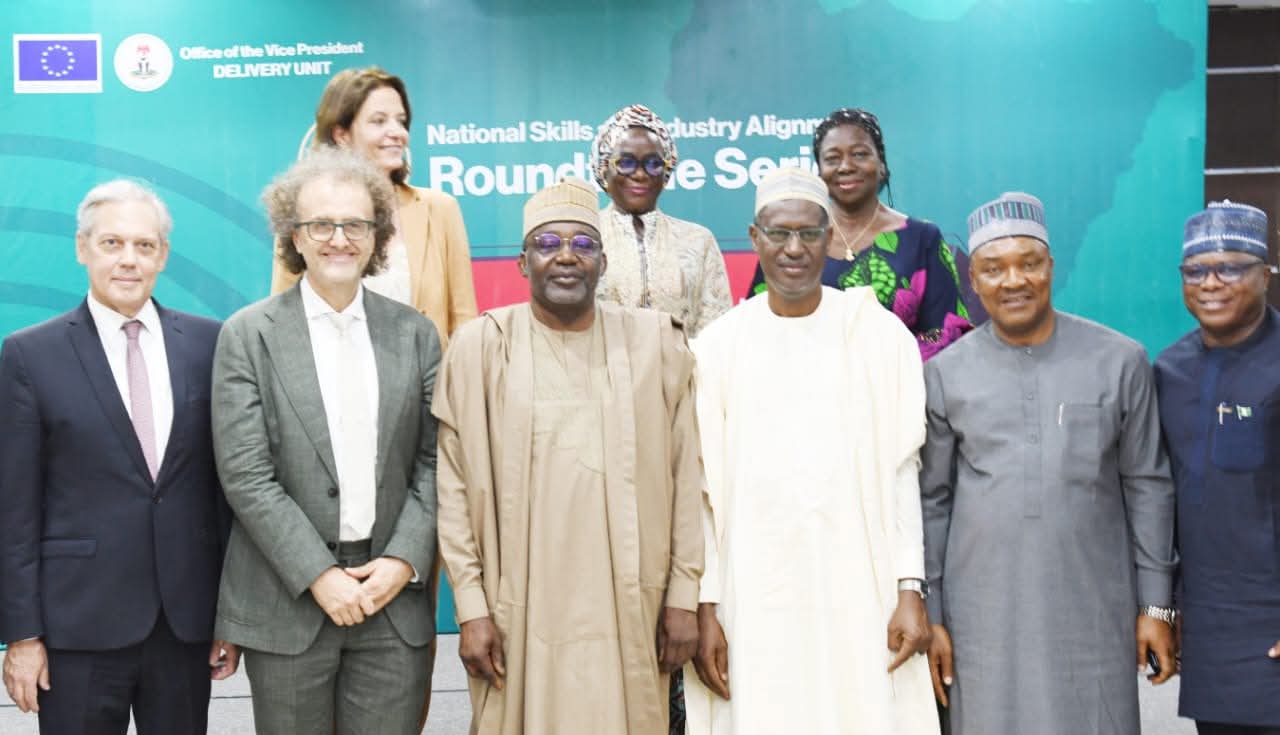
The Vice President stated this in Abuja when he declared open the National Skills and Industry Alignment Roundtable Series (Q1 2026) with the theme, “Bridging Skills Supply and Labour Market Demand.”
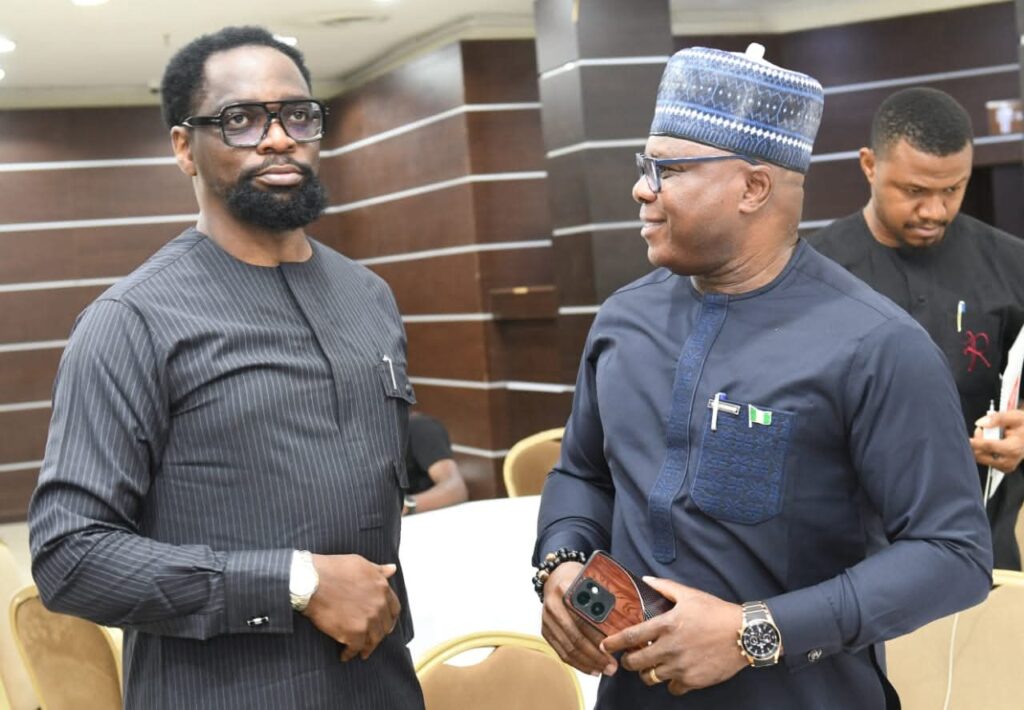
The event was convened by the Office of the Vice President, with support from the European Union (EU).
Represented by the Deputy Chief of Staff to the President (Office of the Vice President), Senator Ibrahim Hassan Hadejia, the Vice President commended the European Union for its continued partnership and support for Nigeria’s job creation and youth development agenda.
He noted that the collaboration had been instrumental in strengthening coordination and advancing collective efforts to create opportunities for young Nigerians.
Senator Shettima stressed that Nigeria stands at a decisive moment in its history, noting that the country is home to one of the largest youth populations in the world, with millions entering the labour market each year—full of ambition, energy, and potential.
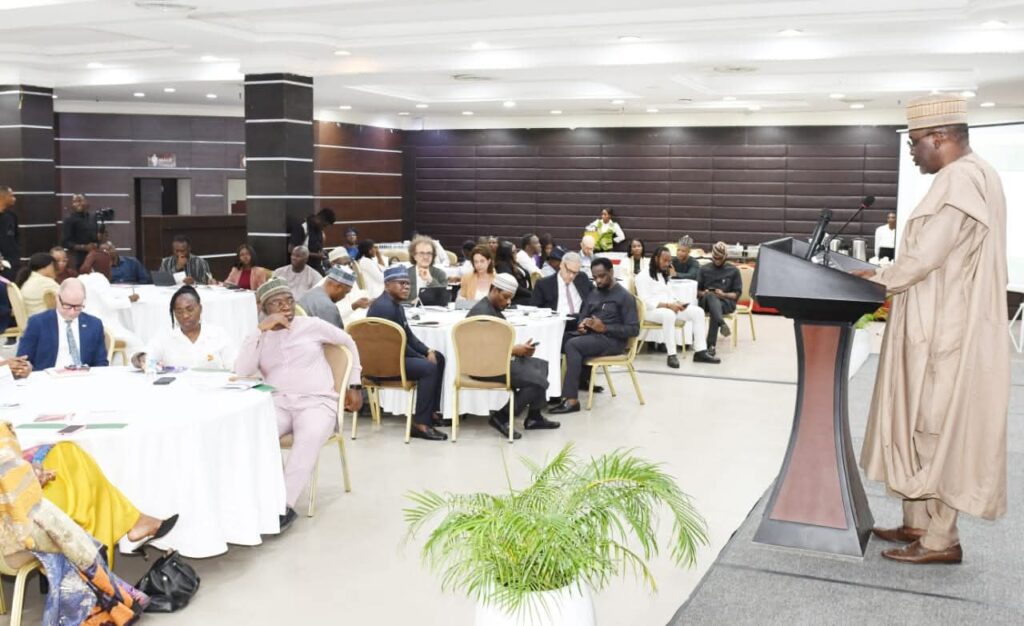
He, however, observed that the vast majority of available jobs are informal, unstable, and not fully connected to productivity and growth, requiring sustained and targeted interventions to ensure graduates are job-ready and equipped with relevant skills.
“This tells us one thing very clearly—the challenge is not simply job creation; it is alignment. Nigeria does not have a talent problem. Until skills meet industry demand, job creation will remain below its full potential,” he said.
Spotlighting the government’s position, the Vice President affirmed that the Tinubu administration is determined to address this challenge.
He continued: “We are moving away from fragmented programmes, isolated interventions, and uncoordinated investments toward a more coherent national system—one where skills lead to jobs, jobs lead to enterprise, and enterprise drives economic growth.
“Last year, under the leadership of the Vice President and with the support of the European Union, the Office of the Vice President undertook a mapping of the national job creation ecosystem and convened a National High-Level Policy Dialogue on Job Creation.
“That engagement made it clear that sustainable employment will not come from government alone, but from a coordinated ecosystem where the private sector leads and government enables. It is in continuation of that effort that we are gathered here today.”
VP Shettima further noted that the Roundtable Series was designed as a structured platform for engagement, bringing together policymakers, industry leaders, development partners, and institutions to align efforts, build trust, and drive practical solutions.
He stated that, beyond ongoing multi-faceted investments, the Federal Government seeks to move from dialogue to deliberate action, connecting the dots between training and employment, education and industry, and policy and outcomes.
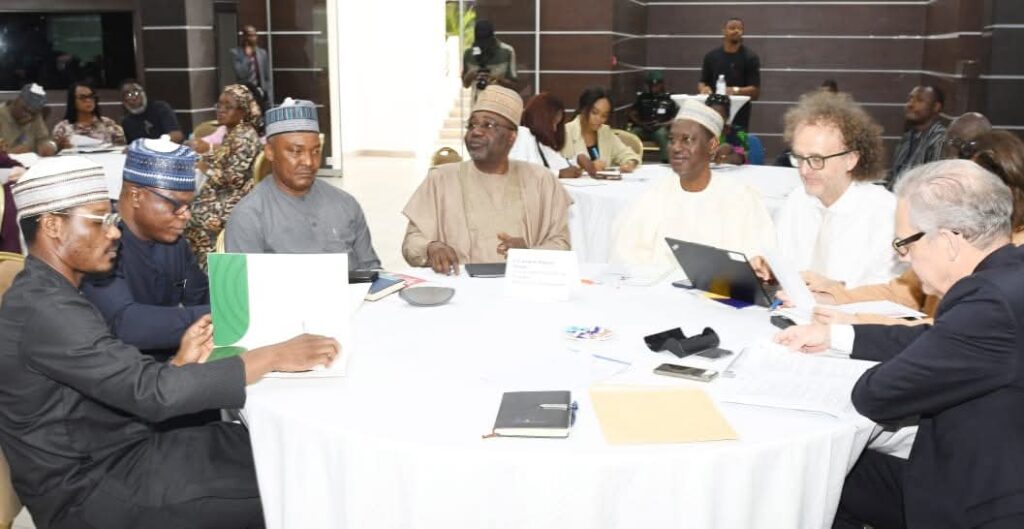
He emphasised that while government must align programmes with real economic demand, all stakeholders have a role to play in actualising President Tinubu’s skills policy direction.
“Job creation cannot be outsourced to government alone—industry must take its place at the table, not just as employers but as co-creators of the workforce Nigeria needs. The private sector must clearly articulate the skills it requires and actively participate in shaping them.
“Development partners also have a critical role—not just in funding programmes, but in supporting alignment, coordination, and scale around what works. Ultimately, what we are seeking is simple—clarity, collaboration, and results,” the VP said.
The Vice President declared that the time for fragmented action was over, stressing that the moment demands coordinated results, even as he said Nigeria has the talent, energy, and opportunity, but requires coordination, discipline, and execution from relevant stakeholders.
Earlier, the Minister of Housing and Urban Development, Arc. Ahmed Musa Dangiwa, stated that the roundtable was very important to the ministry, noting that many employers are seeking skilled workers.
He explained that housing development involves a wide chain of activities—from architects to engineers to bricklayers—and requires collaboration among stakeholders and development partners to address the housing deficit, which will, in turn, drive economic growth.
For his part, the EU Head of Cooperation for Nigeria and ECOWAS, Massimo De Luca, acknowledged ongoing collaboration with the Office of the Vice President, the Deputy Chief of Staff to the President, and other development partners, including the Tony Elumelu Foundation, to drive impact in skills development and job creation.
According to him, the EU has, in recent years, focused on fostering organic engagement within Nigeria’s production system.
“We grow skills where they matter, where they are required, and where they are defined,” he said, commending the Office of the Vice President for ensuring that relevant fellowship programmes for Nigerians such as 3MTT are embedded within a broader ecosystem.
The Senior Special Assistant to the President on Delivery and Coordination, Akubo Adegbe, described the roundtable series as a deliberate and ongoing effort by the Office of the Vice President and the EU to strengthen coordination across Nigeria’s job creation ecosystem.
He added that the series serves as a structured platform to bring together key actors to deliberate on how to impact priority sectors of the economy, moving from collaboration to measurable outcomes.
Other participants at the roundtable include representatives of the Organised Private Sector, the German Agency for International Cooperation, the Tony Elumelu Foundation, and the Aliko Dangote Foundation.
FG Targets Millions Of Youths For Skill Acquisition, Rallies Global Partners
National News
ECOWAS Issues Biometric Identity Cards to Over 260 Women Traders at Senegal–Guinea-Bissau Border

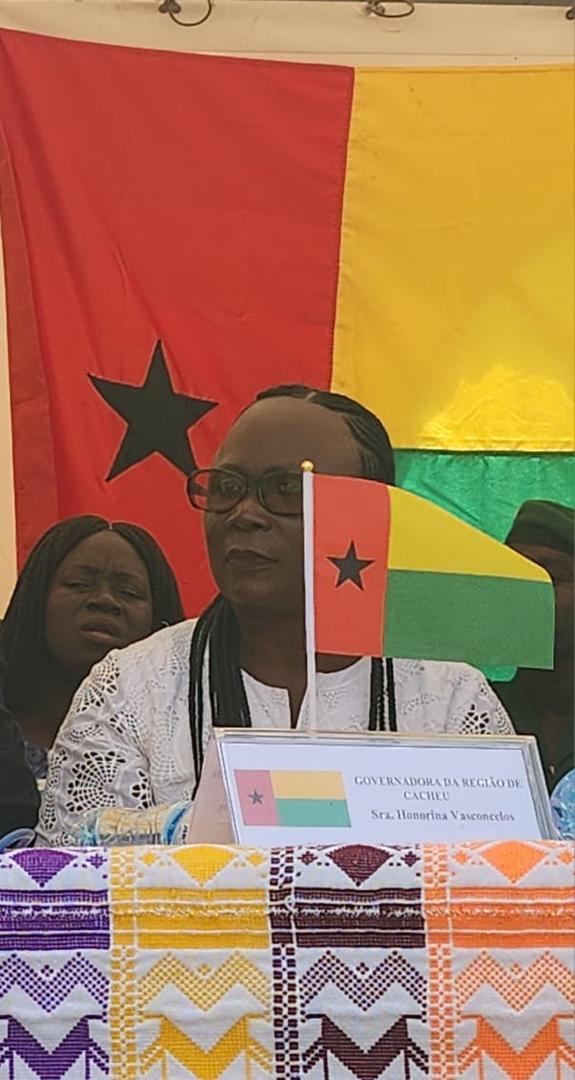
ECOWAS Issues Biometric Identity Cards to Over 260 Women Traders at Senegal–Guinea-Bissau Border
By: Michael Mike
The Economic Community of West African States (ECOWAS) has issued ECOWAS National Biometric Identity Cards (ENBIC) to more than 260 women traders in border communities between Senegal and Guinea-Bissau in a move aimed at strengthening regional integration and easing cross-border trade.
The cards were presented during a ceremony held on March 16, 2026, in the twin border communities of São Domingos and Mpack, with support from the German Agency for International Cooperation (GIZ).
The initiative, led by ECOWAS’ Directorate of Free Movement of Persons, Migration and Tourism, is designed to facilitate the movement of women engaged in cross-border economic activities while addressing administrative barriers faced by vulnerable populations who often lack awareness or access to ECOWAS travel documents.
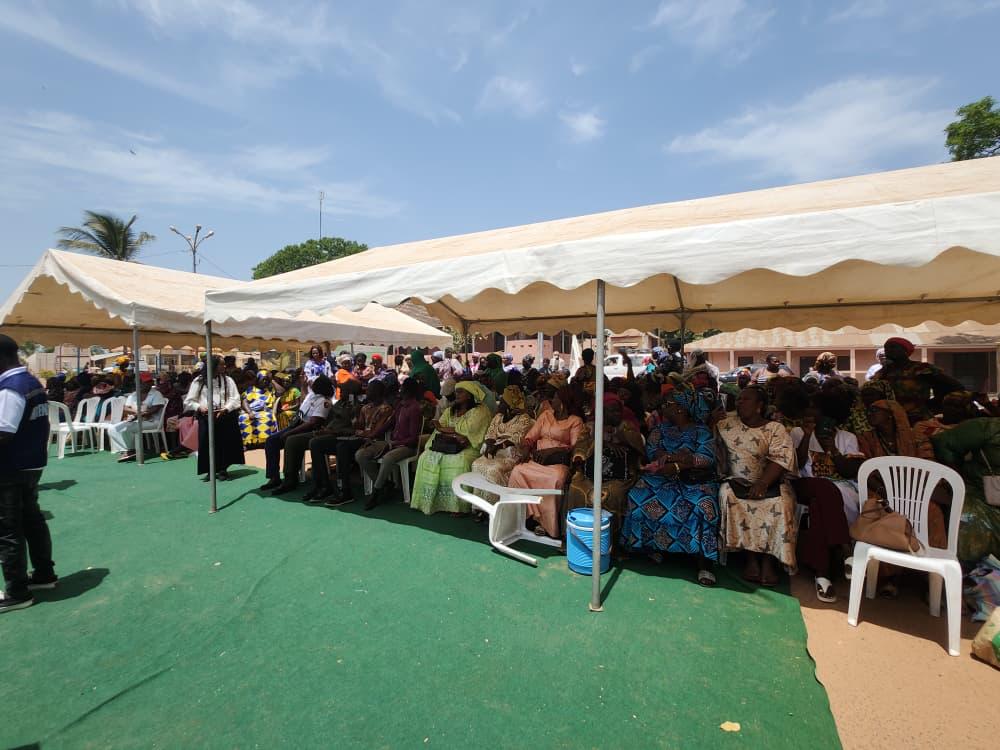
The event brought together officials from both countries, including the Governor of Cacheu in Guinea-Bissau, Honorina Vasconcelos, and the Governor of Ziguinchor in Senegal, Mor Talla Tine, alongside representatives of national boundary commissions and the ECOWAS Commission.
Speaking at the ceremony, Vasconcelos expressed appreciation to ECOWAS for selecting São Domingos as a beneficiary of the pilot phase of the initiative, describing the programme as an important step toward strengthening regional integration and facilitating free movement across the sub-region.
Also addressing participants, Tine commended the programme and stressed the importance of transforming border communities into hubs of economic opportunity while maintaining vigilance against security threats and cross-border crime. He noted that around 100 women cross the Mpack–São Domingos border daily without adequate knowledge of required travel documents, highlighting the need for broader community sensitization.
Representing ECOWAS’ Director of Free Movement of Persons, Migration and Tourism, Obinna Ajugwo said the initiative demonstrates the organisation’s commitment to translating regional integration policies into tangible benefits for citizens.
He explained that the ECOWAS National Biometric Identity Card plays a critical role in facilitating cross-border travel while enhancing security through modern identity verification systems.
In total, 262 women traders received the biometric cards, a development that was greeted with enthusiasm and appreciation by beneficiaries who rely on daily cross-border trade for their livelihoods.
ECOWAS said the programme forms part of its broader efforts to strengthen border management systems, improve migration governance and advance the free movement of persons across West Africa.
Established in 1975 in Lagos, the regional bloc continues to pursue economic integration and cooperation among its member states, with a long-term vision of building an “ECOWAS of the People: Peace and Prosperity to All by 2050.”
ECOWAS Issues Biometric Identity Cards to Over 260 Women Traders at Senegal–Guinea-Bissau Border
National News
VP Shettima, Zulum Attend Eid Prayers at Ramat Square as Worshippers Observe Sallah Peacefully in Maiduguri
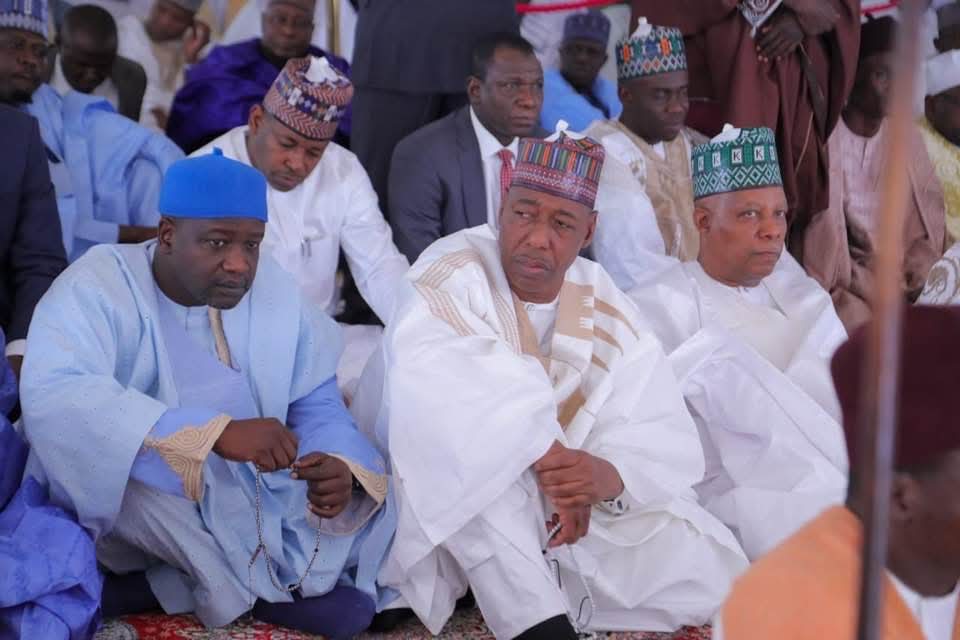
VP Shettima, Zulum Attend Eid Prayers at Ramat Square as Worshippers Observe Sallah Peacefully in Maiduguri
By: Our Reporter
Vice President, Senator Kashim Shettima, Borno State Governor, Professor Babagana Umara Zulum, joined thousands of muslim faithful to observe the Eid prayers at Ramat Square, Maiduguri.
The two units prayer were observed peacefully at the main Eid ground and other prayer grounds across the state under tight security, marking the end of the month-long Ramadan fast.
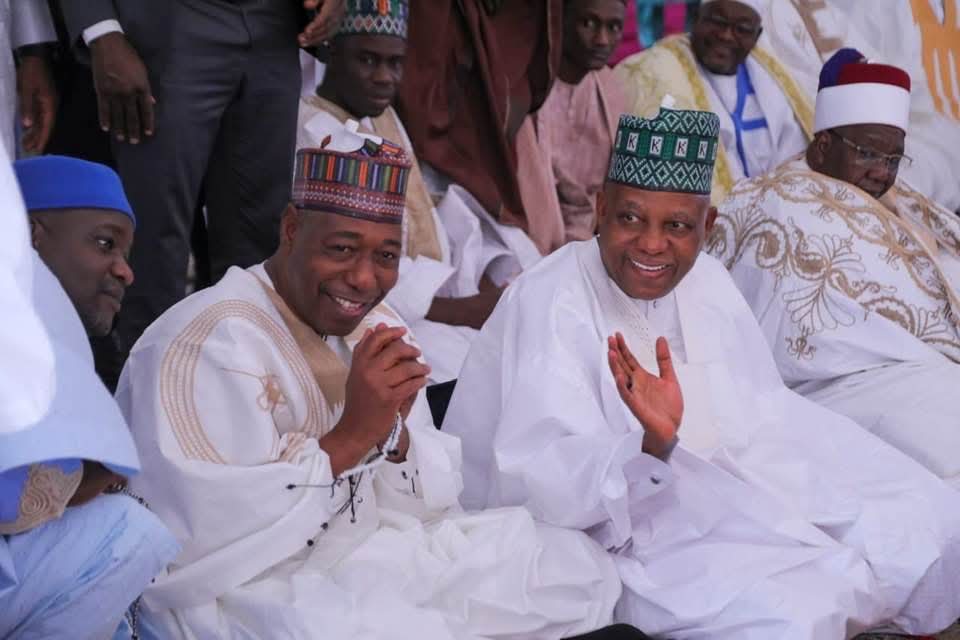
In a sallah message shortly after the sermon by the Imam Idaini of Borno, Shettiima Mamman Saleh, the Vice President called for unity and peaceful coexistence in the state and the country as a whole.
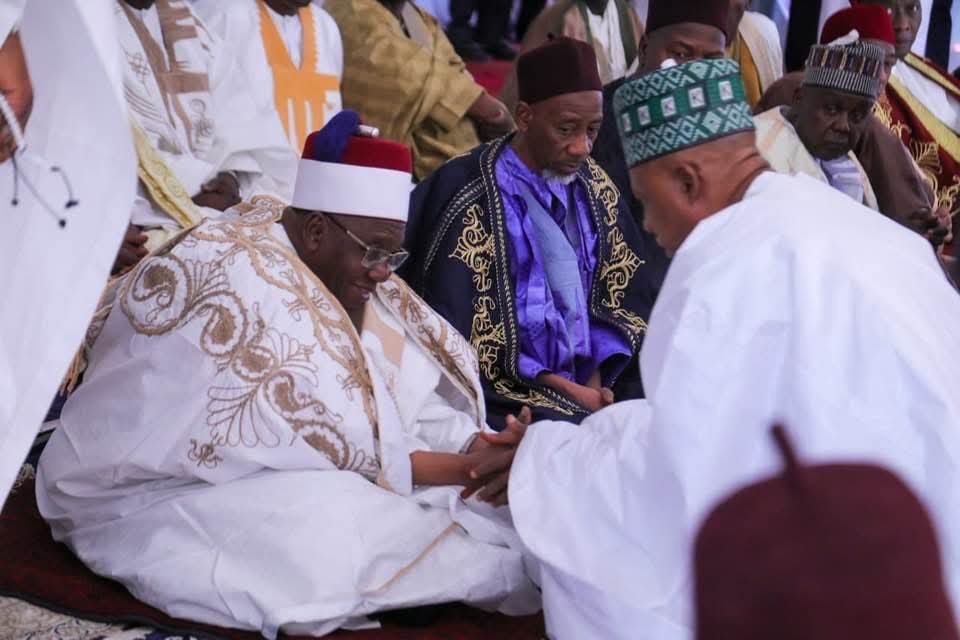
Senator Shettima assures the Federal Government Gommitment to protecting the lives and properties of the citizenry, stressing that the fight against insurgency would be tackled head-on.
The Imam Idaini admonished worshippers to imbibe the lessons learned during the holy month and encouraged Muslim faithful to give alms to the poor (zakatul fitr) and to fast six days in the month of Shawwal to receive Allah’s bounties and rewards.
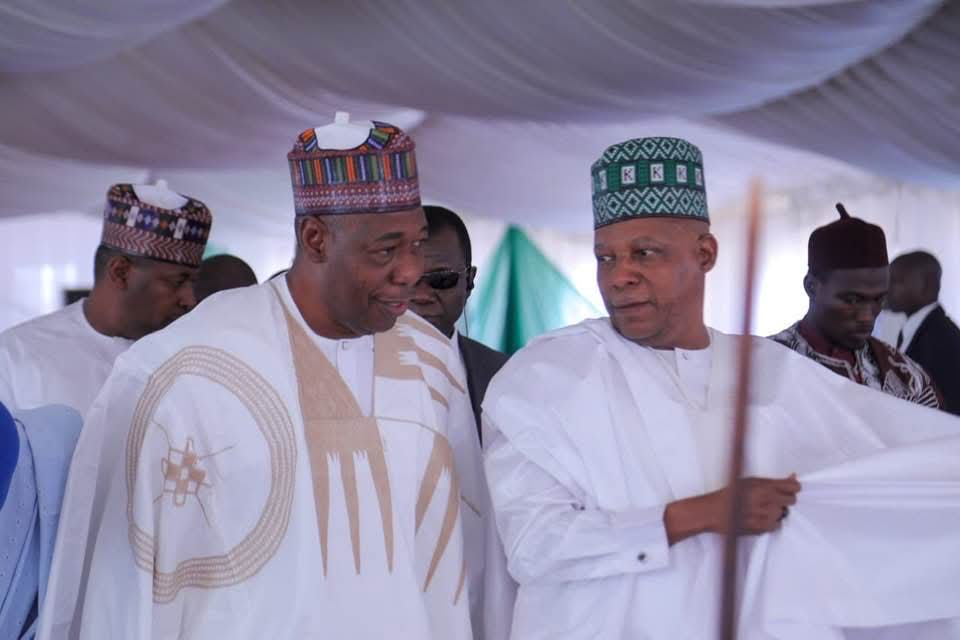
Borno State Governor, Professor Babagana Umara Zulum, in a sallah message, called on faithful to recharge their spiritual beings towards rebuilding a secure, peaceful, and prosperous Borno.
He saluted the courage, resilience, and commitment of the people to all initiatives aimed at deepening security and peace-building among the various components of society, fragmented by the Boko Haram insurgency over the years.
The Eid prayer was attended by the Shehu of Borno, Shehu Abubakar Ibn Umar Garbai Almin El-Kanemi; the Borno State Deputy Governor, Umar Usman Kadafur; the APC Deputy National Chairman, North, Senator Mohammed Ali Ndume; and Senator Kaka Shehu Lawan SAN, Minister of State for Regional Development.
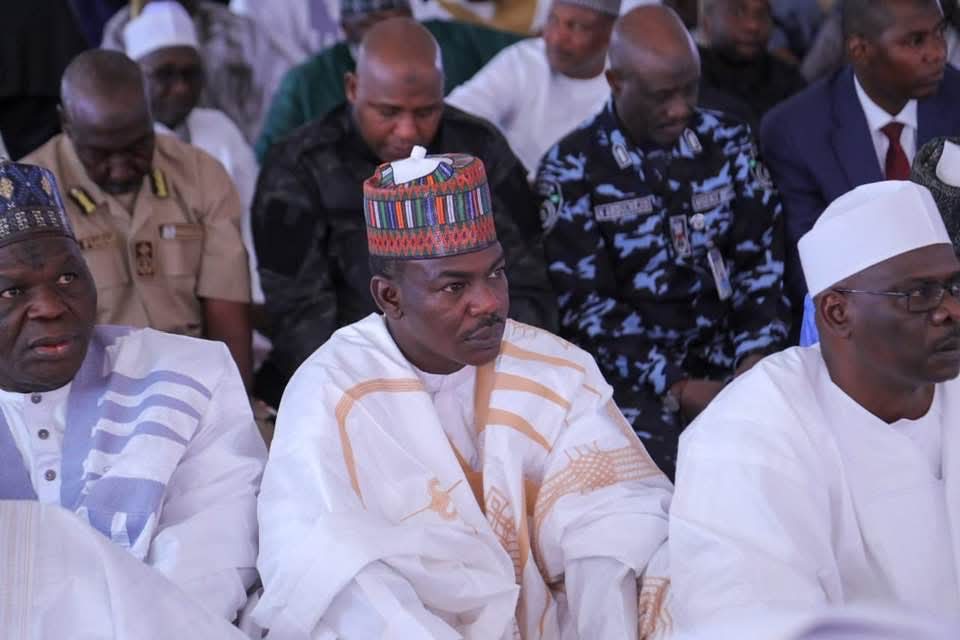
Other dignitaries include members of the House of Representatives and the Borno State House of Assembly, former deputy governors, the Secretary to the State Government, Commissioners, APC stalwarts, and other top government officials.
VP Shettima, Zulum Attend Eid Prayers at Ramat Square as Worshippers Observe Sallah Peacefully in Maiduguri

Troops detect, detonate IED along Ngoshe–Pulka road in Borno

Vice President Kashim Shettima has arrived in Zamfara to formally receive Governor Dauda Lawal into the All Progressives Congress (APC)

ISWAP cleric threatens attack on Malam Fatori, after humiliating defeat, troops urged to remain alert

Roger Federer’s Shock as DNA Results Reveal Myla and Charlene Are Not His Biological Children

THE PLIGHT OF FARIDA

FAILED COUP IN BURKINA FASO: HOW TRAORÉ NARROWLY ESCAPED ASSASSINATION PLOT AMID FOREIGN INTERFERENCE CLAIMS
-
 News2 years ago
Roger Federer’s Shock as DNA Results Reveal Myla and Charlene Are Not His Biological Children
-
Opinions4 years ago
THE PLIGHT OF FARIDA
-
 News11 months ago
FAILED COUP IN BURKINA FASO: HOW TRAORÉ NARROWLY ESCAPED ASSASSINATION PLOT AMID FOREIGN INTERFERENCE CLAIMS
-

 News2 years ago
EYN: Rev. Billi, Distortion of History, and The Living Tamarind Tree
-
 Opinions4 years ago
POLICE CHARGE ROOMS, A MINTING PRESS
-

 ACADEMICS2 years ago
A History of Biu” (2015) and The Lingering Bura-Pabir Question (1)
-

 Columns2 years ago
Army University Biu: There is certain interest, but certainly not from Borno.
-

 Opinions2 years ago
Tinubu,Shettima: The epidemic of economic, insecurity in Nigeria
