
News
Nigeria urged to deepen probe into arms deals, engage Niger republic in joint investigations

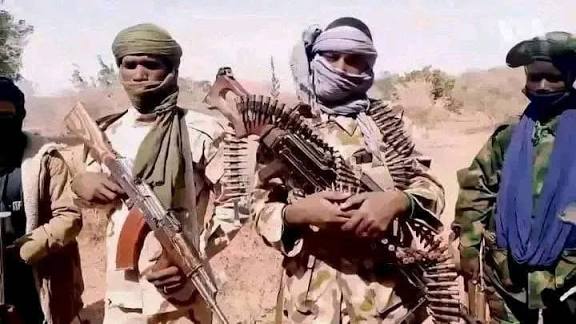
Nigeria urged to deepen probe into arms deals, engage Niger republic in joint investigations
By: Zagazola Makama
Security experts have urged the Nigerian government to intensify investigations into arms procurement networks linked to bandit kingpins in the northwest, by working closely with Niger Republic and other Alliance of Sahel States (AES) members.
This follows intelligence reports that AES agencies in Burkina Faso, Mali, and Niger are probing Nigerian bandit leaders and their alleged financiers over cross-border arms deals.
Credible sources revealed that some Nigerian politicians, involved in peace agreements with armed groups, may have diverted large sums of state funds to the kingpins. The funds are allegedly being used to purchase weapons through proxies along the Nigeria–Niger border.
According to the report, the kingpins who have carried out kidnappings of schoolchildren, expatriates, and attacks on Nigerian security forces procure high caliber weapons using hard currency. Several suspected gunrunners connected to the arms network have recently been arrested by AES operatives and are under interrogation.
“The AES agencies have arrested gunrunners crossing into Nigeria who have links to these kingpins. The scale of their arms transactions is alarming,” a security source told Zagazola Makama.
The ongoing probe also seeks to establish whether officials who brokered peace deals with bandits knowingly enabled the diversion of public funds for arms purchases.
Meanwhile, intelligence sources said investigations are ongoing into alleged arms procurement by notorious bandit kingpins in northwestern Nigeria.
Key discoveries include arms acquisition by bandit leaders through proxies along the Nigeria–Niger border and recent arrests of gunrunners linked to the criminal networks.
Security experts stressed the need for renewed collaboration between Nigeria and Niger to dismantle transnational terrorism networks and identify sponsors.
The two countries have historically cooperated in the fight against Boko Haram and Islamic State-linked groups, though relations have been strained since the 2023 coup in Niger.
Nonetheless, recent arrests of suspects accused of funding and transporting recruits from West Africa to the Middle East for training point to the importance of intelligence sharing and diplomatic engagement.
Analysts say Nigeria must take advantage of this AES-led investigation by engaging Niger in joint probes to unravel the full scale of the arms procurement networks and expose both local and foreign sponsors fueling insecurity in Nigeria, West Africa and the Sahel.
Nigeria urged to deepen probe into arms deals, engage Niger republic in joint investigations



Troops intercept 11 youths with donkeys during patrol in Borno
By: Zagazola Makama
Troops of 68 Battalion have intercepted 11 youths during a routine patrol in Mallam Fatori area of Abadam Local Government Area of Borno State.
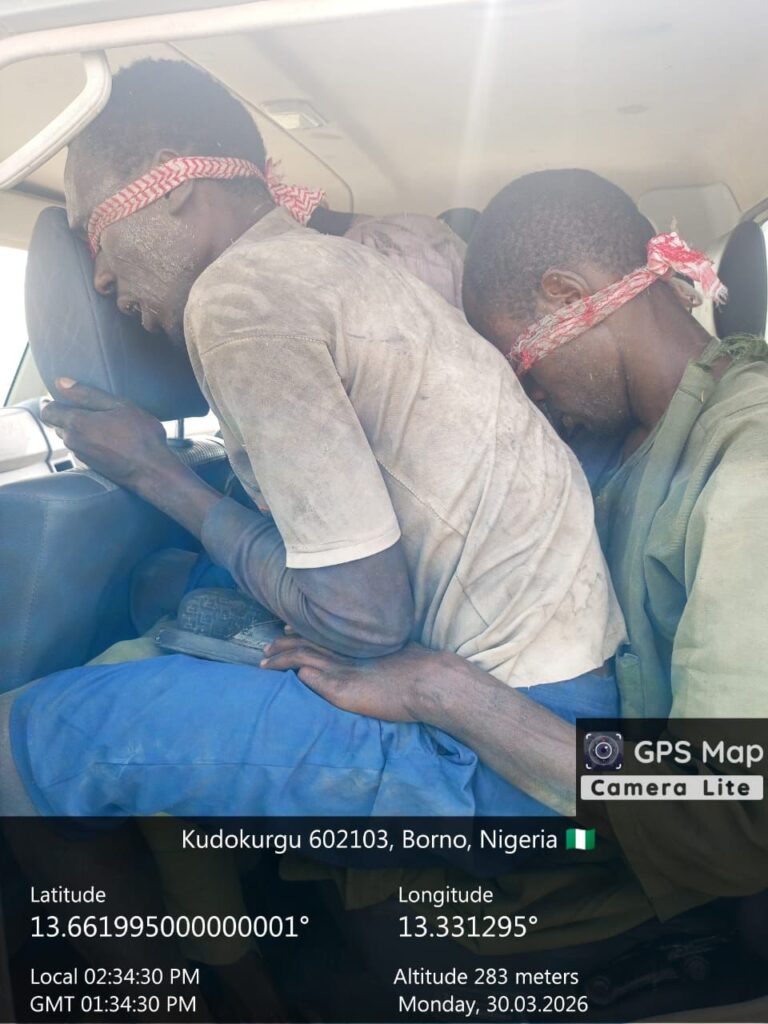
Security sources said the interception occurred along the Bulagana–Cheisa axis on April 2 during ongoing clearance operations in the area.
According to the sources, the individuals were found moving in the area with 12 donkeys when they were stopped and briefly interrogated by troops.
The sources added that the youths were later handed over, alongside the animals, to relevant authorities in a neighbouring country for further necessary action.
The military said the patrol was part of sustained efforts to maintain security dominance and prevent exploitation of border communities by criminal elements.
Troops intercept 11 youths with donkeys during patrol in Borno
Troops recover ammunition, logistics items in Kwara patrol operation
By: Zagazola Makama
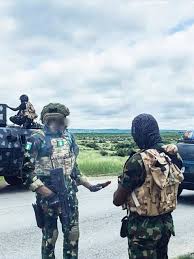
Troops of the Nigerian Army under the 22 Brigade have recovered ammunition and other logistics items during a fighting patrol in Ifelodun Local Government Area of Kwara State.
A security source disclosed that the operation was conducted at about 4:00 p.m. on April 2 at Daban Lema, where troops of the brigade, operating from the Patrol Base, encountered signs of suspected terrorist activities in a deserted location.
According to the source, the troops immediately carried out exploitation of the area, leading to the recovery of four rounds of 7.62mm special ammunition and one empty PKT ammunition belt link.
Other items recovered include four mobile phones, two head warmers, two small solar panels, and assorted repair tools believed to have been used by the suspected terrorists.
The source added that the recovery indicates the presence and movement of suspected criminal elements within the area, noting that troops have intensified surveillance and patrols to deny them freedom of action.
Troops recover ammunition, logistics items in Kwara patrol operation
Troops foil attack by Criminal Youths, rescue victims, arrest suspects in plateau
By: Zagazola Makama
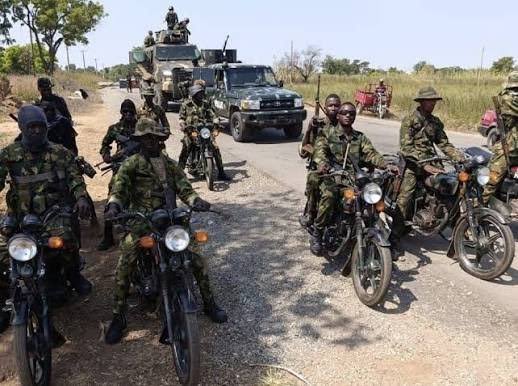
Troops of Sector 1, Operation Enduring Peace (OPEP), have foiled an attack on residents at Dutse Uku in Jos North Local Government Area of Plateau State.
A security source said the troops responded swiftly to a report of sporadic gunshots in the area at about 11:50 p.m. on April 2.
According to the source, upon arrival at the scene, the suspected criminals fled, abandoning their operation due to the prompt intervention of the troops.
He said the troops rescued two victims who sustained gunshot wounds during the incident and immediately evacuated them to a hospital for medical attention.
The source further disclosed that two suspects, dressed in black attire, were arrested at the scene.
Items recovered from the suspects include a cutlass and a knife.
He added that the suspects are currently in military custody and undergoing preliminary investigation, while efforts are ongoing to track down other fleeing members of the group.
Zagazola report that despite heightened security, there has been report of pocket of attacks in some communities.
The source reassured residents of the military’s commitment to protecting lives and property and urged the public to continue providing timely information to security agencies.
Troops foil attack by Criminal Youths, rescue victims, arrest suspects in plateau

Troops intercept suspected Boko Haram logistics convoy conveying 13 persons in Borno

Troops intercept 11 youths with donkeys during patrol in Borno

Troops, CJTF arrest three suspected Boko Haram logistics suppliers in Borno

Roger Federer’s Shock as DNA Results Reveal Myla and Charlene Are Not His Biological Children

THE PLIGHT OF FARIDA

FAILED COUP IN BURKINA FASO: HOW TRAORÉ NARROWLY ESCAPED ASSASSINATION PLOT AMID FOREIGN INTERFERENCE CLAIMS
-
 News2 years ago
Roger Federer’s Shock as DNA Results Reveal Myla and Charlene Are Not His Biological Children
-
Opinions4 years ago
THE PLIGHT OF FARIDA
-
 News12 months ago
FAILED COUP IN BURKINA FASO: HOW TRAORÉ NARROWLY ESCAPED ASSASSINATION PLOT AMID FOREIGN INTERFERENCE CLAIMS
-

 News2 years ago
EYN: Rev. Billi, Distortion of History, and The Living Tamarind Tree
-
 Opinions4 years ago
POLICE CHARGE ROOMS, A MINTING PRESS
-

 ACADEMICS2 years ago
A History of Biu” (2015) and The Lingering Bura-Pabir Question (1)
-

 Columns2 years ago
Army University Biu: There is certain interest, but certainly not from Borno.
-

 Opinions2 years ago
Tinubu,Shettima: The epidemic of economic, insecurity in Nigeria
