
News
Northwest Governors, Niger Republic counterpart seek review of ECOWAS Article on movement of persons, arms

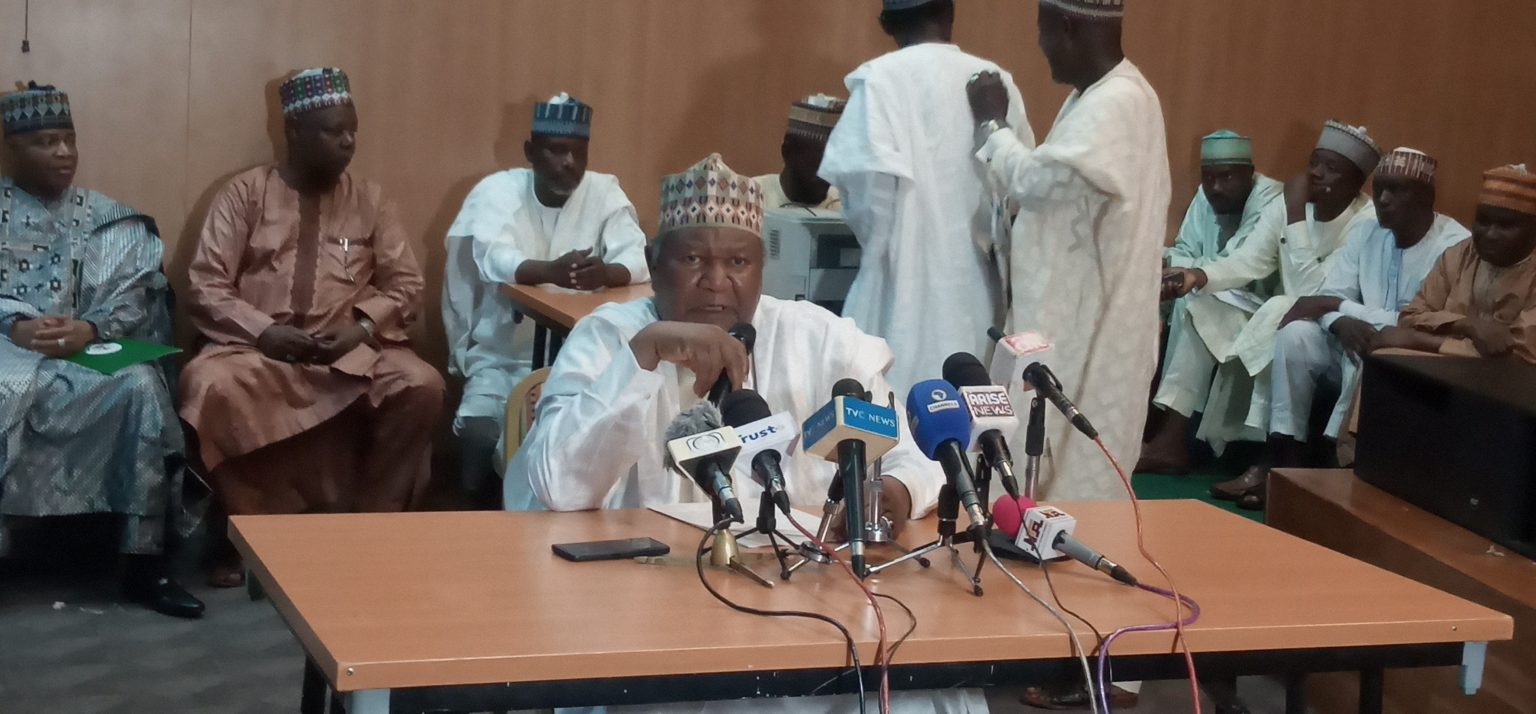
Northwest Governors, Niger Republic counterpart seek review of ECOWAS Article on movement of persons, arms
Governors of the Northwest and their counterparts in the Niger Republic call for a review of the ECOWAS Article on the movement of persons and arms to tackle the lingering security challenges in the region.
This is contained in a communique read on Tuesday by the Secretary of Katsina State Government (SSG), Alhaji Muntari Lawal at the end of a multilateral security meeting held in the state.
The meeting had in attendance, Gov. Schiabou Aboubacar of Maradi Region, as the convener, governors of Katsina, Sokoto, and also the Deputy governors of Zamfara and Kebbi.
“In the light of the bilateral arrangement on pursuit of criminals up to 30km by security agents across each other’s border between Nigeria and Niger Republic, the meeting recommends appropriate review of the ECOWAS Article on the movement of persons and arms.
“Considering the significance of the role of traditional rulers, security management, the meeting recommends periodic meeting of selected traditional rulers from the affected states to share information and exchange ideas on security management,” he said.
Lawal said the meeting noted that substantial proportion of the citizens of these states partake in animal husbandry or rearing as vacation for their livelihood.
He added that over time, however, this trade has been infiltrated by criminal elements leading to the menace of cattle rustling, armed banditry, kidnapping for ransom and proliferation of small arms, light weapons and ammunition.
The Katsina SSG said that after extensive deliberations, and observations, the meeting supported the operation ‘Hadarin Daji’, being conducted by the Military, covering Katsina, Zamfara, Sokoto and Kebbi.
“There is therefore the need for Defence Headquarters clearance to these sectors to meet and develop unified strategies to combat the common security challenges bedeviling the areas.
“Accordingly. the meeting further recommends the need for stakeholders meeting involving all the heads of Security Agencies in Katsina, Zamfara, Sokoto and the Kebbi States and Maradi and Tahoua regions to be hosted by the Headquarters of operation Hadarin Daji and facilitated by the governors of the affected states.
“The meeting also recommends that in the event of an express directive for a clearance operation, once it is started, it should be coordinated by land and air, and should not stop until it reaches its final point.
“For efficient and credible intelligence information dissemination and security management inclusiveness, the affected state governments are recommended to see to the establishment of emergency call centers and community-based structures.”
He added that relatedly, synergy and cooperation between contiguous local governments should also be enhanced in order to further facilitate intelligence sharing.
Lawal said the meeting wants all emergency centres across the participating states and Maradi Region interconnected for broader intelligence sharing.
“The meeting also noted and frowned at the manner some media practitioners render information or news items to the general public, which invariably portray bandits and other criminals as heroes,” he said.
He said that consequently, the meeting recommends that the National Broadcasting Commission (NBC) should appraise the situation and reverse the trend, for the good of the people and the Nation.
“The meeting noted the overwhelming challenges being faced by security agencies and strongly appealed to the Nigerian and National Government of Niger Republic to deploy more resources to the security agencies manning this affected corridor.
“In order to ensure sustained and simultaneous operations accros the states, there is the need to provide adequate and sustained logistics like petrol, oil, labour, spare parts and rations;
“The meeting noted the rampant use of high-powered motorcycles such as Boxer’ by the bandits and strongly recommends the need to ban the importation of such motorcycles for a period of 24 months.
“The meeting further noted the negative perception of some people on military operations of this nature and recommends the need to educate the general public on the inevitability of collateral damage.
“The need is also recommended for continuous improvement of synergy between the Customs and Immigrations establishments of the affected four states and Maradi Region,” he said.
The SSG further said there is the need to enhance collaborative efforts between both countries, Nigeria and the Niger Republic to reduce arms and drug trafficking to the barest minimum.
He explained that for an all-inclusive effect, there is the need to include Kaduna and Niger States in any planned operation since they share common forests with the affected states.
“The meeting unanimously resolved the need for it to be held on rotational basis quarterly, and the next meeting agreed to hold in Zamfara State.
“Operational Secretariat of the meeting has been resolved to be temporarily domiciled at Katsina, Katsina State for the purposes of implementation, monitoring and evaluation of decisions/resolutions.
“The meeting then stressed the need for continued prayers by all and sundry for the Almighty Creator’s intercession to bring final succor to our people and the Nations of Niger and Nigeria,” he said.
The News Agency of Nigeria (NAN) reports that the ECOWAS Free Movement Protocol of Persons was instituted to enhance the economic development of West Africa’s citizens.
However, the regional body said studies have shown that the protocol has relatively aided transborder trafficking in persons, drugs, Small Arms and Light Weapons (SALW).
Northwest Governors, Niger Republic counterpart seek review of ECOWAS Article on movement of persons, arms



Nigeria Advised to Treat Wildlife Crime as National Security Threat
By: Michael Mike
Nigeria has been urged to treat wildlife trafficking and illegal exploitation of biodiversity as a major organized crime threat capable of undermining national security, economic stability and sustainable development.
The Country Representative of the United Nations Office on Drugs and Crime, Cheikh Touré, gave the warning in Abuja during the commemoration of World Wildlife Day, stressing that wildlife crime now operates as a sophisticated international criminal network rather than merely an environmental issue.
Touré said the illegal trade in wildlife and plant species continues to weaken ecosystems, fuel illicit financial flows and erode the economic potential of countries rich in biodiversity such as Nigeria.
According to him, wildlife crime has evolved into a serious transnational organised crime that threatens the rule of law and deprives communities of valuable natural resources that support livelihoods and sustainable development.
He explained that Nigeria’s rich biodiversity, including valuable medicinal and aromatic plants used for traditional healthcare and economic activities, faces increasing pressure from illegal trade, habitat destruction, climate change and unsustainable harvesting.
Touré, however, acknowledged recent legislative progress made by Nigeria, particularly the passage of the Endangered Species Conservation and Protection Bill, describing it as a major step toward strengthening the country’s legal framework for biodiversity protection.
Despite this progress, he stressed that legislation alone would not stop wildlife crime unless it is backed by effective enforcement, improved institutional capacity and stronger public awareness.
He noted that combating wildlife trafficking requires coordinated partnerships among government institutions, civil society organisations, international agencies and local communities.
The UNODC official also highlighted the organisation’s efforts to mobilise young Nigerians in conservation advocacy through the #BeWildForNature campaign launched in 2024.
Through a competitive process, selected youths were incorporated into a mentorship programme where conservation experts provided training on digital advocacy, wildlife protection and community mobilisation.
According to Touré, the initiative has helped build a network of young environmental advocates now driving conservation campaigns and community outreach programmes across Nigeria.
Speaking at the event, the United Nations Resident and Humanitarian Coordinator in Nigeria, Mohamed Fall, said the protection of biodiversity is directly linked to human health, economic stability and environmental sustainability.
Represented by the UNICEF Representative in Nigeria, Wafaa Saeed, Fall noted that medicinal plants remain a primary healthcare resource for millions of people and are deeply embedded in traditional knowledge systems and local economies.
However, he warned that biodiversity loss, environmental degradation and climate change are threatening these critical natural assets, making conservation an urgent development priority.
He added that protecting biodiversity contributes directly to the achievement of the United Nations Sustainable Development Goals, including goals related to health, climate action and environmental protection.
Also speaking, Onah Bisong of the Federal Ministry of Youth Development (Nigeria) said the Federal Government recognises the important role of young people in advancing environmental sustainability.
Bisong stressed that Nigerian youths must be empowered to champion biodiversity protection through innovation, advocacy and community engagement, noting that such efforts can also create green jobs and support economic growth.
He added that young Nigerians are not merely beneficiaries of the country’s natural resources but critical partners in ensuring that those resources are protected for future generations.
Nigeria Advised to Treat Wildlife Crime as National Security Threat
FG Evacuates 1,230 Stranded Nigerians from Niger
By: Michael Mike
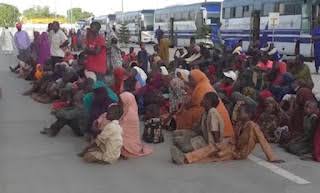
The Federal Government has successfully evacuated 1,230 stranded Nigerians from neighbouring Niger, reinforcing its commitment to protecting citizens abroad amid emerging regional challenges.
The evacuation, coordinated by the Nigeria’s Ministry of Foreign Affairs, involved the voluntary repatriation of Nigerians who had been stranded in Niamey, the capital of Niger Republic.
According to a statement on Wednesday by the spokesperson of the ministry, Kimiebi Ebienfa, the returnees arrived in Nigeria in two separate batches. The first group of 708 Nigerians was received on March 23, 2026, while the second batch of 522 arrived on March 29, bringing the total number of evacuees to 1,230.
He said the humanitarian operation was carried out in partnership with the International Organization for Migration, whose logistical and technical support ensured the smooth movement and reception of the returnees.
On arrival in Kano, the evacuees were received by a coordinated team of government agencies and humanitarian partners tasked with ensuring an orderly reception and immediate support for the returning citizens.
Agencies involved in the reception included the National Commission for Refugees, Migrants and Internally Displaced Persons, National Emergency Management Agency, National Agency for the Prohibition of Trafficking in Persons, Nigeria Immigration Service and the Nigeria Security and Civil Defence Corps.
Other participating bodies were the International Committee of the Red Cross, the Nigeria Police Force and the Department of State Services, as well as officials from the Kano and Katsina state governments.
The returnees were subjected to profiling at the airport to document their details and enable appropriate reintegration support. They were later moved to the Immigration Training School in Kano where temporary accommodation, meals, medical attention and other basic necessities were provided.
Authorities said the evacuees were subsequently discharged after completing the necessary procedures and reunited with their families.
The Ministry noted that the evacuation underscores the Federal Government’s broader responsibility to ensure the safety and dignity of Nigerians wherever they may be, particularly in situations that pose humanitarian risks.
It also expressed appreciation to the Government of Niger for its cooperation throughout the evacuation process, noting that such collaboration reflects the enduring diplomatic and humanitarian ties between both countries.
The ministry further commended international partners, particularly the International Organization for Migration and the International Committee of the Red Cross, for their continued support in addressing migration and humanitarian challenges.
Nigerian citizens residing abroad were urged to respect the laws of their host countries and maintain regular contact with Nigerian diplomatic missions to facilitate timely assistance in emergency situations.
FG Evacuates 1,230 Stranded Nigerians from Niger
FG Declares April 3 and 6 Public Holidays for Easter
By: Michael Mike
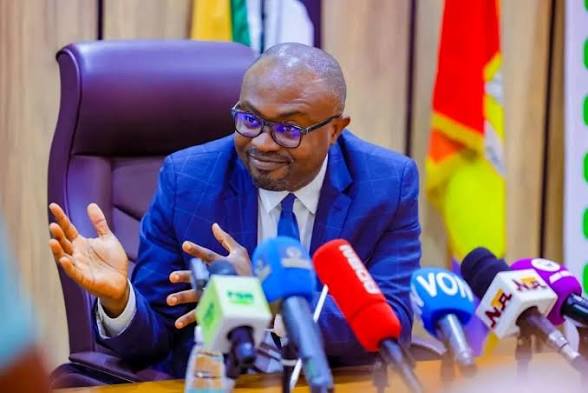
The Federal Government has declared Friday, April 3, and Monday, April 6, 2026, as public holidays to enable Christians across the country celebrate Easter.
The announcement was made by the Minister of Interior, Olubunmi Tunji-Ojo, on behalf of the Federal Government, according to a statement issued by the Permanent Secretary of the Federal Ministry of Interior (Nigeria), Magdalene Ajani.
The minister congratulated Christians in Nigeria and in the diaspora on the celebration, describing Easter as a period that reflects the enduring values of sacrifice, renewal and hope.
He urged Nigerians to emulate the virtues of selflessness, forgiveness, patience and love as demonstrated in the life and teachings of Jesus Christ.
Tunji-Ojo also called on citizens to strengthen the spirit of tolerance, unity and peaceful coexistence, stressing that these values remain critical to national cohesion.
According to him, the Federal Government remains committed to policies and decisions aimed at promoting national renewal, economic growth and shared prosperity for all Nigerians.
He further wished Christians across the country a peaceful and joyful Easter celebration.
Easter is one of the most significant events in the Christian calendar, commemorating the resurrection of Jesus Christ and symbolising victory over death and the promise of new life for believers.
FG Declares April 3 and 6 Public Holidays for Easter

NiMet predicts 107 to 138 days of rainfall in Gombe

Nigeria Advised to Treat Wildlife Crime as National Security Threat

WTO Ministerial Talks Collapse as E-Commerce Tariff Deal Fails

Roger Federer’s Shock as DNA Results Reveal Myla and Charlene Are Not His Biological Children

THE PLIGHT OF FARIDA

FAILED COUP IN BURKINA FASO: HOW TRAORÉ NARROWLY ESCAPED ASSASSINATION PLOT AMID FOREIGN INTERFERENCE CLAIMS
-
 News2 years ago
Roger Federer’s Shock as DNA Results Reveal Myla and Charlene Are Not His Biological Children
-
Opinions4 years ago
THE PLIGHT OF FARIDA
-
 News12 months ago
FAILED COUP IN BURKINA FASO: HOW TRAORÉ NARROWLY ESCAPED ASSASSINATION PLOT AMID FOREIGN INTERFERENCE CLAIMS
-

 News2 years ago
EYN: Rev. Billi, Distortion of History, and The Living Tamarind Tree
-
 Opinions4 years ago
POLICE CHARGE ROOMS, A MINTING PRESS
-

 ACADEMICS2 years ago
A History of Biu” (2015) and The Lingering Bura-Pabir Question (1)
-

 Columns2 years ago
Army University Biu: There is certain interest, but certainly not from Borno.
-

 Opinions2 years ago
Tinubu,Shettima: The epidemic of economic, insecurity in Nigeria
