
News
Realistic training key to winning modern battles, says Army Chief as he declared the TRADOC Conference 2026 open

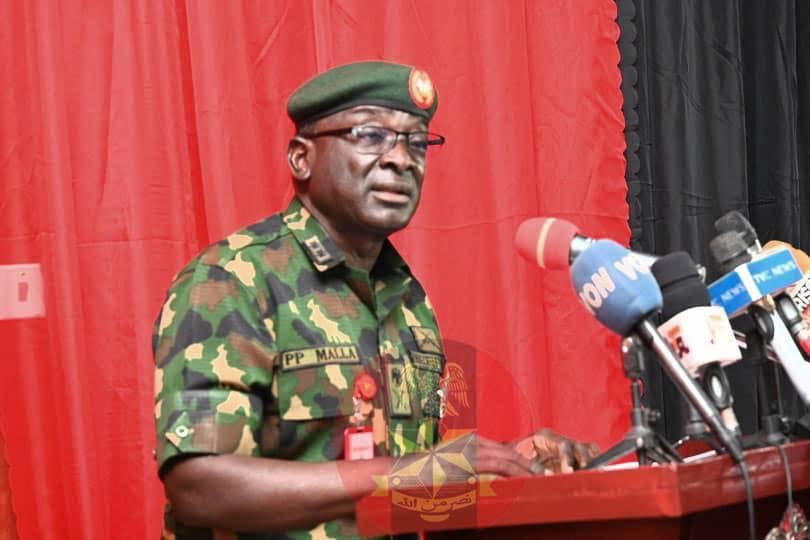
Realistic training key to winning modern battles, says Army Chief as he declared the TRADOC Conference 2026 open
By: Zagazola Makama
The Chief of Army Staff (COAS), Lt.-Gen. Waidi Shaibu, has reiterated that realistic, mission-oriented and doctrine-driven training remains the most critical enabler for superior operational outcomes across Nigeria’s diverse theatres of operation.
Shaibu made this assertion while delivering his opening remarks at the 2026 Training and Doctrine Command (TRADOC) Conference, which formally commenced the Nigerian Army’s training activities for the year.
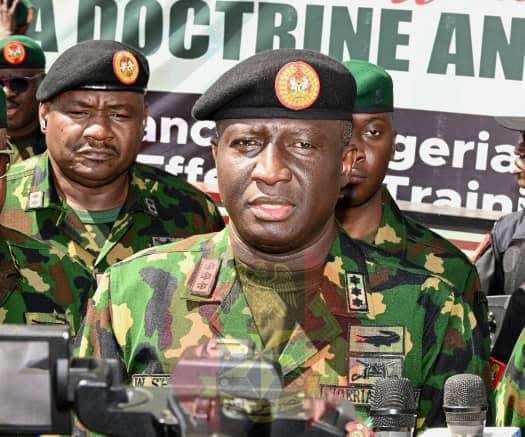
The Army Chief warned that failure to adequately and realistically prepare officers and soldiers for assigned missions would inevitably undermine operational effectiveness, noting that the evolving and increasingly complex security environment demands a force that is professional, adaptable, combat-ready and resilient.
According to him, the conference was convened to promote robust and forward-looking deliberations aimed at aligning training, doctrine and operational concepts with contemporary and emerging security challenges confronting the nation.
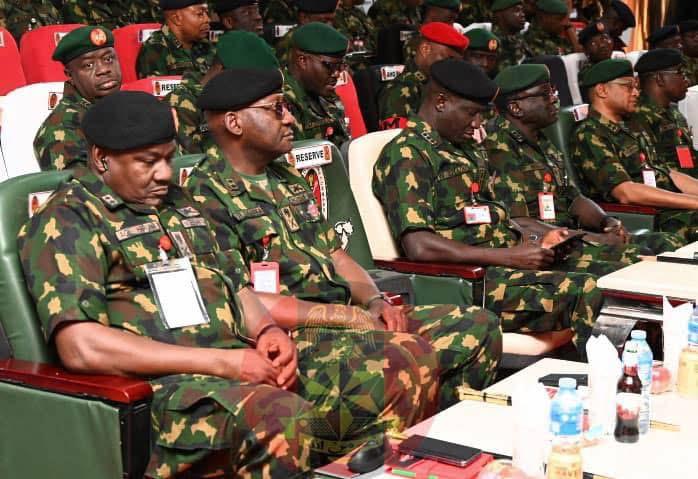
Shaibu said Army Headquarters remained firmly focused on sound policy formulation and holistic, mission-specific training, in line with his Command Philosophy.
He charged commandants and leaders of training institutions to internalise this philosophy and translate it into practical outcomes by producing combat-ready, resilient and adaptable troops capable of operating effectively within joint and multi-agency environments.
The COAS described the theme of the conference, “Enhancing Nigerian Army Operational Outcomes Through Effective Training and Doctrine Implementation,” as apt and timely, stressing that doctrine must continue to guide training, planning and the execution of operations across all formations.
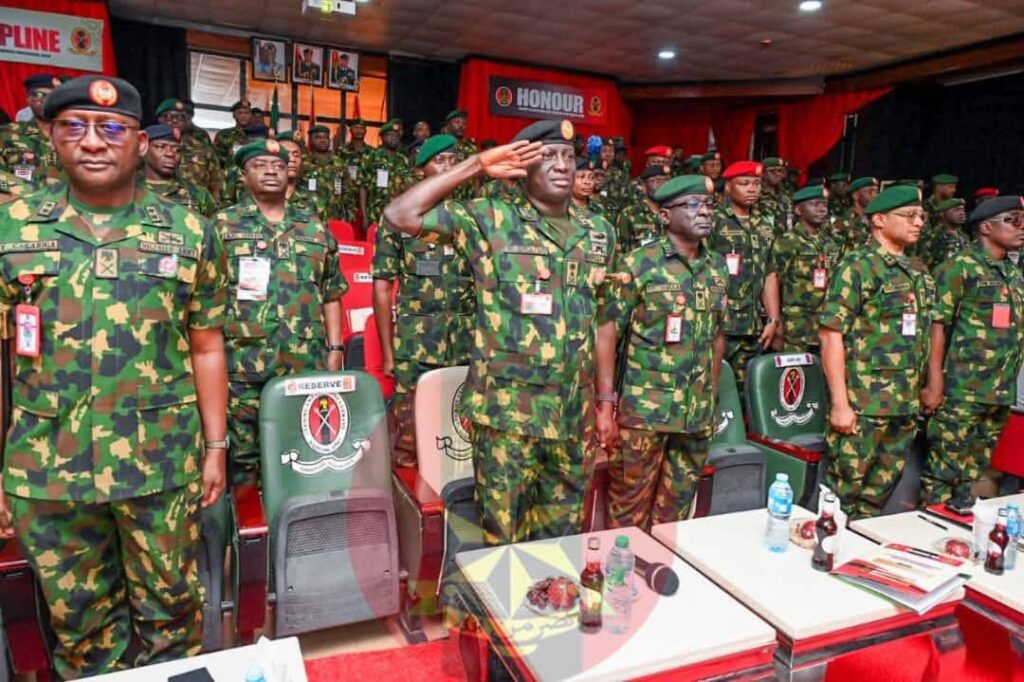
He urged participants to relate conference presentations to real operational experiences, with a view to strengthening the Army’s capacity to counter terrorism, insurgency and other contemporary security threats.
Shaibu placed particular emphasis on Exercise MUGUN BUGU, describing it as the hallmark of Nigerian Army training activities. He said the exercise remained central to validating doctrinal principles and assessing operational readiness.
The Army Chief called for greater realism in training scenarios, including the integration of improvised explosive device (IED) threats, explosive ordnance disposal (EOD) procedures and the expanded use of simulators to enhance proficiency and cost-effectiveness.
While acknowledging the sacrifices of Nigerian Army personnel in safeguarding national security, Shaibu reaffirmed his commitment to strengthening fighting power, improving welfare and administration, and providing purposeful leadership to confront threats to peace and security.
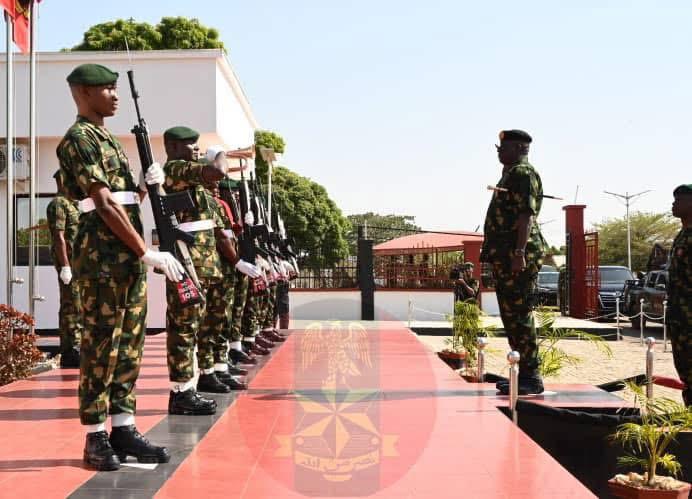
He also commended past commanders of the Training and Doctrine Command, retired senior officers and the current TRADOC leadership for their contributions to the development of the Nigerian Army.
The COAS appreciated the conference resource persons for their insights, which he said would help shape the Army’s training and doctrinal direction in the year ahead.
Shaibu further expressed gratitude to the President and Commander-in-Chief of the Armed Forces, President Bola Ahmed Tinubu, GCFR, for his sustained support to the Nigerian Army, while reaffirming the unalloyed loyalty of the Service to the Constitution of the Federal Republic of Nigeria.
In his welcome remarks, the Commander, Training and Doctrine Command, Maj.-Gen. Peter Malla, described the conference as a critical intellectual platform for setting the tone for Nigerian Army training activities in 2026.
Malla said the conference underscored the Army’s unwavering commitment to doctrine-driven, realistic and mission-focused training as the foundation for operational effectiveness, particularly in an increasingly complex and adaptive security environment.
He noted that Nigeria’s prolonged engagements in counter-terrorism, counter-insurgency and other internal security operations had consistently highlighted the vital link between sound doctrine, effective training and operational success.
The TRADOC commander reaffirmed the command’s commitment to Nigerian Army Doctrine as the professional blueprint guiding operations, stressing the need for doctrine to remain dynamic and responsive to emerging threats.
He urged participants to actively engage in deliberations, challenge assumptions and propose practical solutions aimed at enhancing training effectiveness and strengthening the Army’s collective operational competence.
The COAS later formally declared the Training and Doctrine Command Conference 2026 open
Realistic training key to winning modern battles, says Army Chief as he declared the TRADOC Conference 2026 open



Suspected cultists kill 12 in attack on Jos community, Plateau govt imposes curfew
By: Zagazola Makama
Suspected cultists on Sunday night attacked Angwan Rukuba community in Jos North Local Government Area of Plateau State, leaving 12 persons dead, in a fresh outbreak of violence that has prompted authorities to impose a 48-hour curfew in the area.
Security sources said the incident occurred at about 8:00 p.m. when residents of the community came under sporadic gunfire from unidentified armed men, suspected to be cultists, who stormed the area and shot indiscriminately.
Troops of Sector 1, Operation Enduring Peace (OPEP), were immediately mobilised to the scene following a distress call and moved to restore order and prevent further escalation.
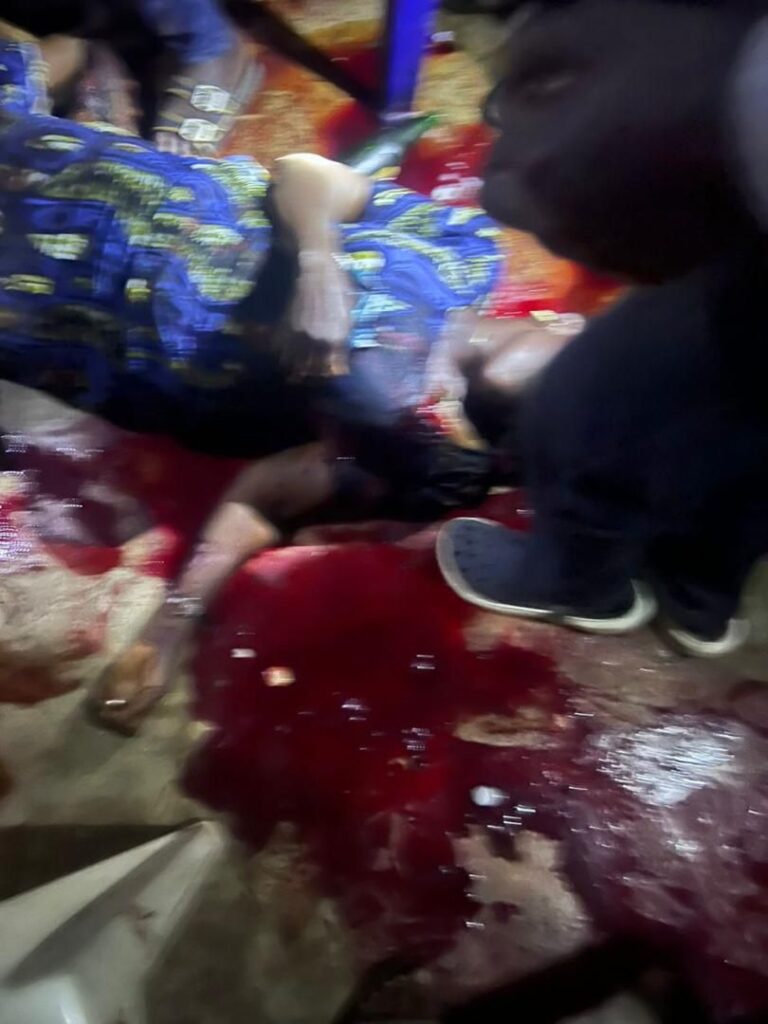
A security report indicated that 12 persons were confirmed dead, while several others sustained varying degrees of injuries. The injured victims were said to have been evacuated to nearby medical facilities for treatment.
The troops subsequently cordoned off major access routes to the community and ordered residents to remain indoors while a coordinated search operation was launched to track down the attackers.
Military sources added that clearance operations were ongoing to apprehend the perpetrators and prevent further breakdown of law and order in the area.
In response to the attack, the Plateau State Government, in collaboration with security agencies, announced the imposition of a 48-hour curfew on Jos North Local Government Area with immediate effect.
The curfew, which took effect from midnight of March 29 to April 1, 2026, was aimed at restoring calm and enabling security agencies to carry out intensified operations.
In a statement issued by the Commissioner for Information and Communication, Rt. Hon. Joyce Lohya Ramnap, the government condemned the attack, describing it as “barbaric and unprovoked.”
The statement assured residents that security agencies had been directed to ensure the arrest and prosecution of those responsible, while urging the public to remain calm and cooperate with ongoing investigations.
Security patrols were still ongoing across affected communities as authorities moved to forestall possible reprisal attacks and restore normalcy.
Suspected cultists kill 12 in attack on Jos community, Plateau govt imposes curfew

Troops arrest suspected kidnapper in Damboa LGA of Borno
By: Zagazola Makama
Troops of Operation Hadin Kai have arrested a suspected kidnapper in Azir community, Damboa Local Government Area of Borno State.
Sources told Zagazola Malama that the suspect was apprehended at about 5:00 p.m. on March 28 by troops of 25 Brigade and 19 Battalion (Mechanised) deployed at a Forward Operating Base in Azir.
The source disclosed that the suspect was alleged to have been involved in kidnapping activities within the Damboa and Azir general areas.
“During preliminary investigation, the suspect claimed to be a cattle courier operating within Damboa and its environs,” the source said.
He added that one bicycle was recovered from the suspect at the point of arrest.
The suspect and the recovered item are currently in troops’ custody for further investigation and necessary action.
Troops arrest suspected kidnapper in Damboa LGA of Borno
Troops arrest 58 illegal miners in Edo state
By: Zagazola Makama
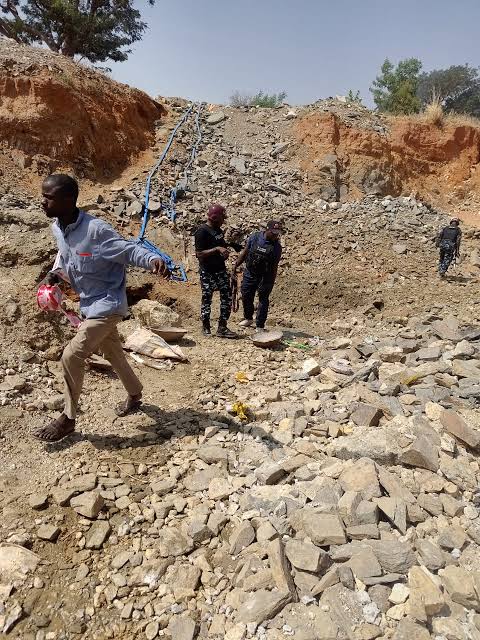
Troops of Operation MESA have arrested 58 suspected illegal miners at an illegal gold mining site in Ososo general area, Akoko-Edo Local Government Area of Edo State.
A security source disclosed that the suspects were apprehended at about 1:00 p.m. on March 28 during a fighting patrol conducted by troops of 195 Battalion (Rear).
According to the source, the troops stormed the mining site and arrested the suspects without resistance.
“The suspects are currently in troops’ custody for further action,” the source said.
He noted that the operation forms part of ongoing efforts to curb illegal mining activities and other criminal enterprises within Edo State and its environs.
Troops arrest 58 illegal miners in Edo state

Suspected cultists kill 12 in attack on Jos community, Plateau govt imposes curfew

Troops arrest suspected kidnapper in Damboa LGA of Borno

Troops arrest 58 illegal miners in Edo state

Roger Federer’s Shock as DNA Results Reveal Myla and Charlene Are Not His Biological Children

THE PLIGHT OF FARIDA

FAILED COUP IN BURKINA FASO: HOW TRAORÉ NARROWLY ESCAPED ASSASSINATION PLOT AMID FOREIGN INTERFERENCE CLAIMS
-
 News2 years ago
Roger Federer’s Shock as DNA Results Reveal Myla and Charlene Are Not His Biological Children
-
Opinions4 years ago
THE PLIGHT OF FARIDA
-
 News11 months ago
FAILED COUP IN BURKINA FASO: HOW TRAORÉ NARROWLY ESCAPED ASSASSINATION PLOT AMID FOREIGN INTERFERENCE CLAIMS
-

 News2 years ago
EYN: Rev. Billi, Distortion of History, and The Living Tamarind Tree
-
 Opinions4 years ago
POLICE CHARGE ROOMS, A MINTING PRESS
-

 ACADEMICS2 years ago
A History of Biu” (2015) and The Lingering Bura-Pabir Question (1)
-

 Columns2 years ago
Army University Biu: There is certain interest, but certainly not from Borno.
-

 Opinions2 years ago
Tinubu,Shettima: The epidemic of economic, insecurity in Nigeria
