
International
Russia Commends ECOWAS’ Partial Lifting of Sanctions on Niger, Mali, Burkina Faso


Russia Commends ECOWAS’ Partial Lifting of Sanctions on Niger, Mali, Burkina Faso
By: Michael Mike
Russia has commended the decision of Economic Community of West African States (ECOWAS) to lift some of the sanctions imposed on departing members of the bloc, Niger, Mali and Burkina Faso as a result of military intervention in civilian rule.
An official statement by the Russian Ministry of Foreign Affairs on Tuesday said: “The window for dialogue between the Sahel States Alliance (SSA) and ECOWAS remains open, and the decisions made at the Abuja summit can be seen as a demonstration of political will in the interest of maintaining Community unity.”
The statement read: “On February 24th, an extraordinary summit of the Economic Community of West African States (ECOWAS) was held in Abuja, Nigeria, where the most pressing regional issues were discussed. The forum resulted in a series of important decisions, including those addressing the preservation of ECOWAS unity in light of the recent announcement by the leadership of Mali, Niger, and Burkina Faso of their “immediate” withdrawal from its membership. These countries, amidst the Community’s imposed restrictions, established a new integrative alliance in September 2023, named the “Sahel States Alliance” (SSA), aimed at consolidating efforts in national defense and security.
“It has been reported that among other measures, ECOWAS announced a partial lifting of sanctions against Niger, including the reopening of land and air borders, unfreezing of Nigerien assets in the Central Bank and Community commercial banks, resumption of trade and financial transactions, electricity supplies, and other services, as well as the provision of assistance from ECOWAS financial institutions.
“The Russian side emphasizes that the West African states should determine their own ways to resolve the current situation. The window for dialogue between the SSA and ECOWAS remains open, and the decisions made at the Abuja summit can be seen as a demonstration of political will in the interest of maintaining Community unity.
“Moscow reaffirms its unwavering readiness to enhance cooperation with Sahelian states in formats they deem most suitable for collectively addressing existing economic challenges and threats to their security.”
Russia Commends ECOWAS’ Partial Lifting of Sanctions on Niger, Mali, Burkina Faso


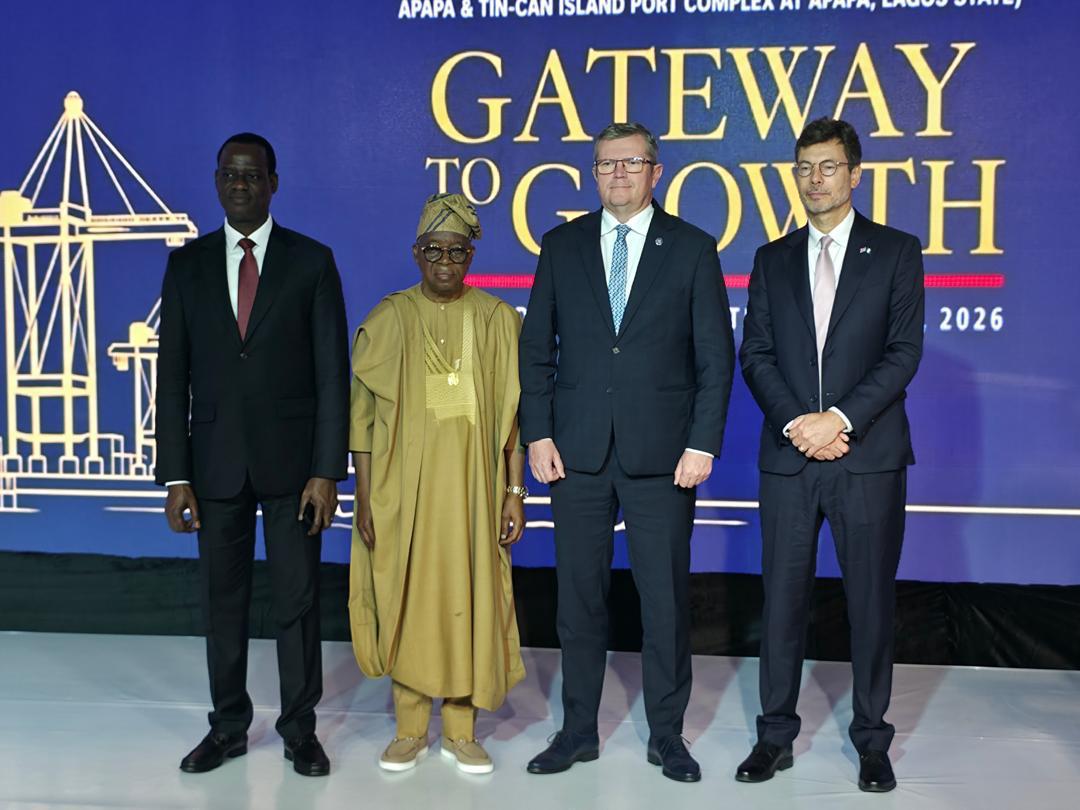
£746m UK-backed port rehabilitation begins in Lagos
As Nigeria begins £746m rehabilitation of Apapa, Tin Can ports
By: Michael Mike
Nigeria on Wednesday commenced the rehabilitation of the Lagos Port Complex, Apapa, and Tin Can Island Port Complex under a £746 million financing arrangement backed by the United Kingdom Export Finance (UKEF), in a major effort to modernise the country’s maritime infrastructure and strengthen trade competitiveness.
The groundbreaking ceremony marks the commencement of a major upgrade of the two strategic maritime gateways, with the project expected to improve cargo-handling capacity, operational efficiency, navigation infrastructure and the movement of goods through the ports.
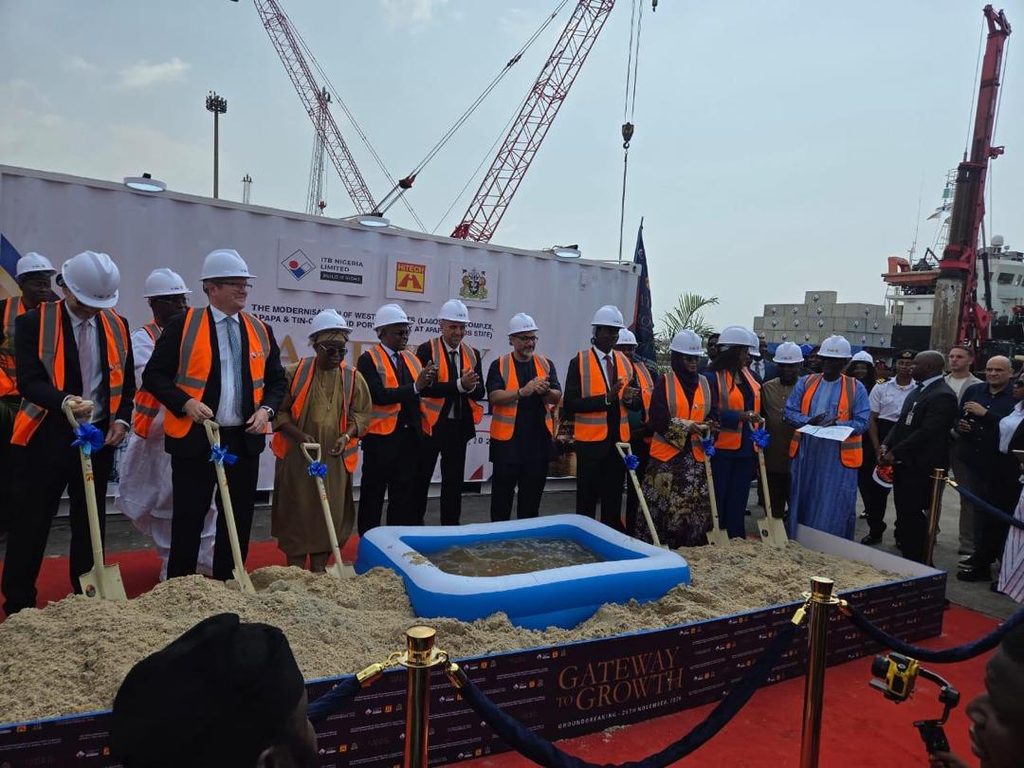
The financing package, coordinated and arranged by Citi, is being provided through UKEF’s Buyer Credit Facility, while construction is to be undertaken by Hitech Nigeria and ITB Nigeria.
The rehabilitation will cover critical port infrastructure, including quay walls and berths, dredging and navigation channels, access facilities, cargo-handling equipment and operational systems, as the Federal Government seeks to address longstanding infrastructural constraints at the ports.
Speaking at the ceremony, the Minister of Marine and Blue Economy, Adegboyega Oyetola, said the project would comprehensively upgrade port infrastructure while advancing more integrated, efficient and digitally enabled operations.
Oyetola said the rehabilitation would not only address physical limitations at the ports but also improve their capacity to support Nigeria’s growing trade requirements and strengthen the country’s position in regional and international maritime commerce.
He projected that the project would generate at least 20,000 direct and indirect jobs across construction, engineering, dredging, logistics, transportation, port operations and related services.
The Minister of Finance and Coordinating Minister of the Economy, Taiwo Oyedele, described the rehabilitation as a significant step towards reducing the cost of doing business, improving Nigeria’s competitiveness and accelerating economic growth.
Oyedele said improved port efficiency would reduce delays and associated costs for importers and exporters, enhance the competitiveness of Nigerian goods and create wider economic benefits for manufacturers, farmers and consumers.
The Lagos Port Complex and Tin Can Island Port Complex constitute major gateways for Nigeria’s international trade, handling significant volumes of imports, exports and industrial cargo. However, infrastructure limitations, congestion and operational inefficiencies have long been identified as challenges confronting the country’s maritime logistics chain.
The rehabilitation is expected to address some of these constraints, improve cargo movement and enhance the ports’ capacity to serve businesses and the wider economy.
British Deputy High Commissioner in Lagos, Jonny Baxter, said the project demonstrated the practical benefits of UK-Nigeria economic cooperation, with British financing, steel and other supplies combining with Nigerian construction expertise to deliver critical infrastructure.
Baxter disclosed that the project had attracted £746 million in UK-backed financing, while at least £236 million in contracts would go to British businesses.
He said modernising the ports would enable Nigerian businesses to move goods more efficiently, reduce delays and improve access to international markets, while creating commercial opportunities and long-term economic benefits for both countries.
British suppliers, including British Steel, are expected to provide specialised materials and services for the project, reinforcing the partnership between the two countries in infrastructure development and trade.
Managing Director and Chief Executive Officer of Citibank Nigeria Limited, Nneka Enwereji, said the bank had, for more than four decades, supported Nigeria’s economic development through financing and advisory services.
She described the port rehabilitation as a significant infrastructure investment capable of enhancing trade efficiency, strengthening connectivity and contributing to long-term economic prosperity.
Enwereji reaffirmed Citi’s commitment to leveraging its global network, expertise and financial capabilities to support Nigeria’s economic ambitions and infrastructure development agenda.
Technical Manager of ITB, Ramez Bou-Riz, said the project was critical to securing the future of Nigeria’s maritime trade, assuring that the construction companies would prioritise safety, quality, world-class facilities and skills development for Nigerians.
He said the project would extend beyond infrastructure modernisation by equipping Nigerians with the skills and expertise required to sustain improvements in the maritime sector.
The funding is expected to be disbursed against agreed project milestones and verified progress, while rehabilitation works are expected to commence following the groundbreaking ceremony.
£746m UK-backed port rehabilitation begins in Lagos
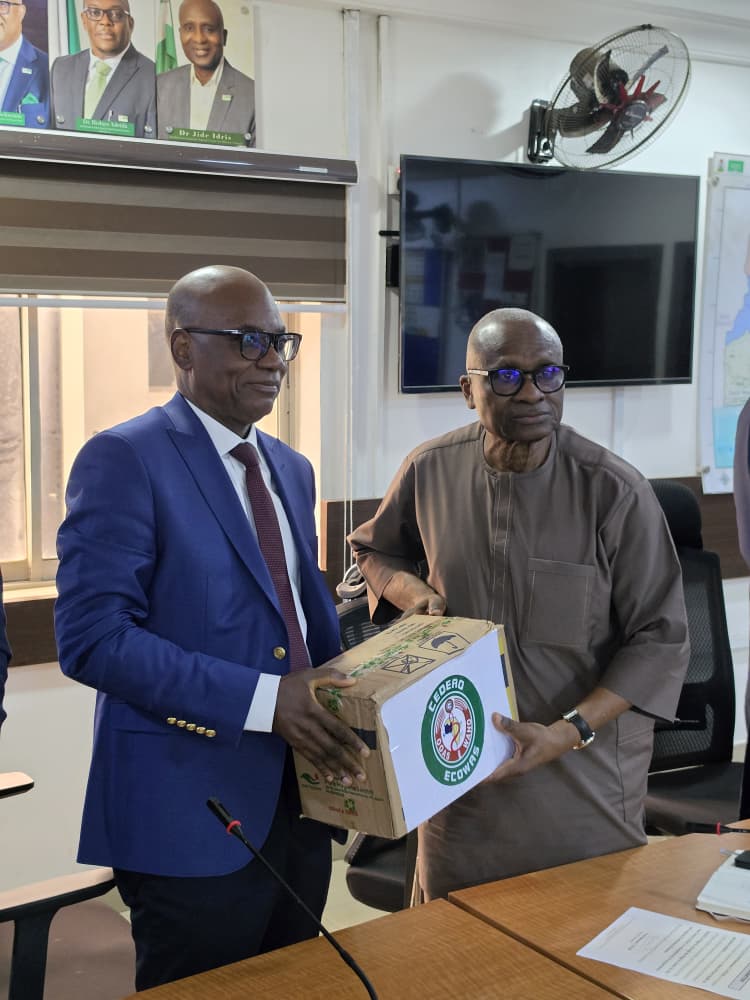
WAHO Pledges Support for Nigeria’s Ebola Response, Donates 20,000 Thermometers
By: Michael Mike
The West African Health Organisation (WAHO) has reaffirmed its commitment to supporting Nigeria’s health emergency preparedness and response, following confirmation of the country’s first Ebola case.
The organisation also announced the donation of 20,000 non-contact infrared thermometers and 1,200 bottles of alcohol-based hand sanitiser to the Nigeria Centre for Disease Control and Prevention (NCDC) as part of efforts to strengthen the country’s response to the outbreak.
The Director-General of WAHO, Prof. Palokinam Pitche, gave the assurance when he led a delegation to the NCDC headquarters in Abuja on November 2, 2026, to discuss regional support for Nigeria’s health emergency preparedness and response.
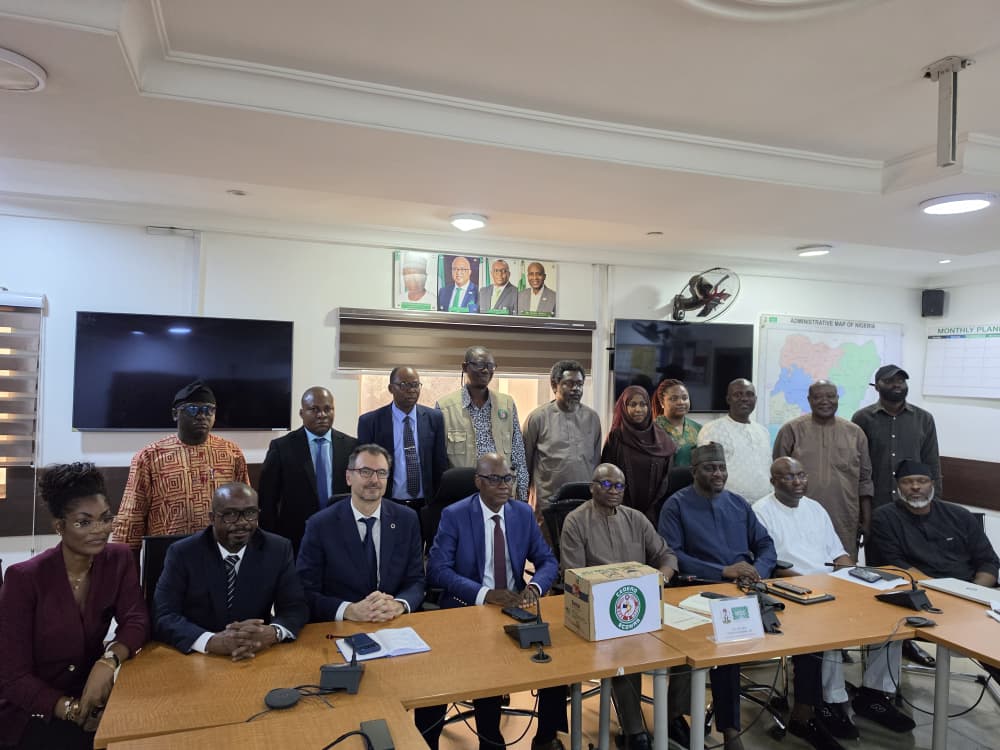
The delegation included the Executive Director of the ECOWAS Regional Centre for Surveillance and Disease Control (RSCDC), Dr Mamadou Diarrassouba, and the Acting Director of Public Health and Research at WAHO, Prof. Joseph Olorunda.
The meeting was attended by officials of the NCDC and representatives of the World Health Organisation (WHO) and Africa Centres for Disease Control and Prevention (Africa CDC).
Discussions centred on aligning international and regional assistance with Nigeria’s national priorities, avoiding duplication of interventions and ensuring effective utilisation of available resources.
Pitche reaffirmed WAHO’s readiness to support Nigeria, stressing that health threats confronting the country had implications for the wider West African region and required coordinated regional action.
He recalled the organisation’s ongoing collaboration with Nigeria in disease surveillance, laboratory capacity development and technical assistance, noting that clearly identified needs would guide further support and strengthen collective responses to shared health challenges.
Welcoming the delegation, the Director-General of NCDC, Dr Jide Idris, expressed appreciation for WAHO’s continued support, stressing that effective management of public health emergencies required sustained collaboration among national, regional and international institutions.
Idris highlighted the need for a coordinated response covering surveillance, disease detection, case management, risk communication and logistics, particularly in tackling health threats capable of spreading across national borders.
Representatives of WHO and Africa CDC also pledged to work with WAHO to align their contributions with Nigeria’s government-led response plan.
They emphasised the need for assistance to be guided by clearly established priorities, defined institutional responsibilities and accountability mechanisms, while ensuring that each organisation deployed its technical expertise effectively.
The partners further reaffirmed their commitment to ensuring that emergency interventions translated into sustainable improvements in Nigeria’s preparedness and overall health system capacity.
WAHO’s technical and financial assistance is being channelled towards implementing the incident management plan following confirmation of the first Ebola case in Nigeria.
The donation of the thermometers and hand sanitisers is also expected to support infection prevention and control measures as the country strengthens its preparedness and response capacity.
WAHO Pledges Support for Nigeria’s Ebola Response, Donates 20,000 Thermometers
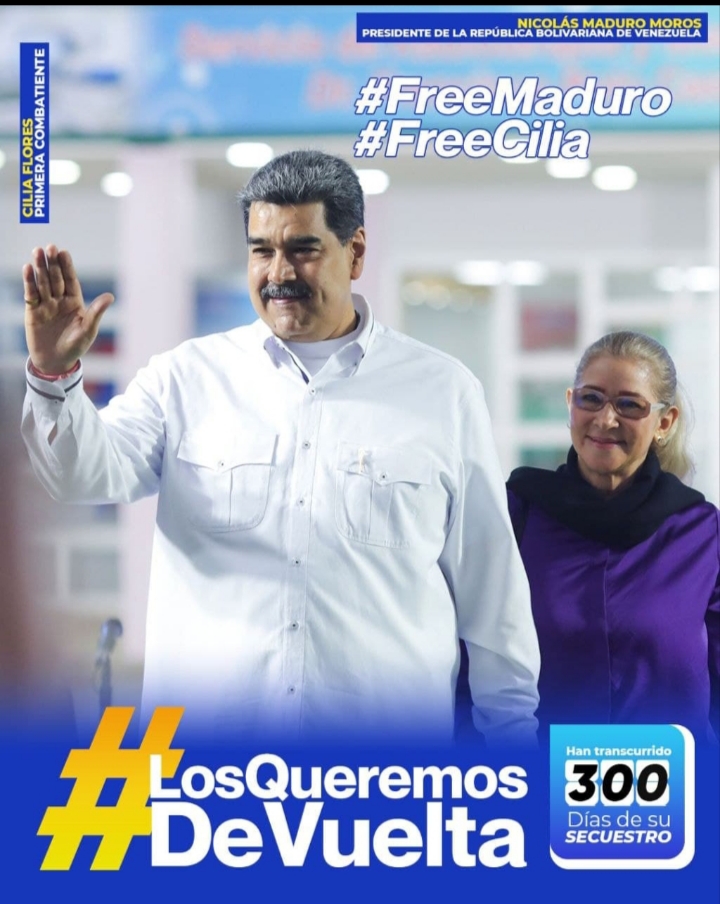
Venezuela Solidarity Campaign Demands Release of Maduro, Flores
By: Michael Mike
The Venezuela Solidarity Campaign in Nigeria (VSCN) has demanded the immediate and unconditional release of Venezuelan President Nicolás Maduro and his wife, Cilia Flores, whom it accused the United States government of detaining illegally.
The campaign, in a statement issued on Friday by its Coordinator, Dimeji Macaulay, said the continued detention of the Venezuelan leaders represented an assault on national sovereignty and international law.
It called on Washington to end what it described as political persecution of Venezuela, abandon its interference in the affairs of sovereign nations and respect the right of the Venezuelan people to determine their political future without external pressure.
The group also condemned the reported expansion of criminal charges against Maduro and Flores, alleging that the US administration was using its judicial system to exert political pressure on governments opposed to its interests.
“We reject the use of military power, economic coercion and politically motivated prosecutions as instruments for determining the political future of Venezuela,” the statement said.
The campaign further demanded an end to economic sanctions against Venezuela and the US economic blockade of Cuba, arguing that the measures imposed hardship on ordinary citizens, including workers, children and vulnerable communities.
It described the restrictions as collective punishment for the political and economic choices of the two countries, insisting that their populations should not suffer because of their governments’ preferred systems of social and economic organisation.
The VSCN expressed solidarity with Cuba, citing its achievements in education, healthcare, international solidarity and social development, and urged Washington to end what it called economic strangulation of the Caribbean nation.
Beyond Venezuela and Cuba, the campaign criticised the global capitalist system, arguing that the concentration of wealth in the hands of billionaires had worsened inequality while millions of people continued to face hunger, homelessness, inadequate healthcare and limited educational opportunities.
It cited the wealth accumulated by billionaires, including Elon Musk, as an example of what it described as an unequal economic order in which a small minority controlled resources generated through the collective labour of millions.
The group called on workers, peasants, students, trade unions, socialist organisations and progressive movements worldwide to unite in pursuit of what it described as a socialist system founded on equality, democracy, solidarity and collective ownership of productive resources.
On Western Sahara, the campaign reaffirmed its support for the Sahrawi people’s right to self-determination, rejecting any attempt to impose Morocco’s autonomy proposal as a substitute for a democratic decision on the territory’s political future.
It called for a free, fair and internationally supervised referendum that would allow the Sahrawi people to choose their future, including independence.
The group noted that Western Sahara remained on the United Nations list of Non-Self-Governing Territories and argued that its people should not be denied the right to determine their political status.
It maintained that self-determination should apply equally to the peoples of Palestine, Western Sahara and Venezuela, as well as other nations facing occupation, domination or foreign interference.
Venezuela Solidarity Campaign Demands Release of Maduro, Flores

£746m UK-backed port rehabilitation begins in Lagos

NSCDC Begins Strategic Training of Officers Ahead of 2027 Elections

Budget: Yobe presents ₦532 billion for 2027

Roger Federer’s Shock as DNA Results Reveal Myla and Charlene Are Not His Biological Children

THE PLIGHT OF FARIDA

FAILED COUP IN BURKINA FASO: HOW TRAORÉ NARROWLY ESCAPED ASSASSINATION PLOT AMID FOREIGN INTERFERENCE CLAIMS
-
 News3 years ago
Roger Federer’s Shock as DNA Results Reveal Myla and Charlene Are Not His Biological Children
-
Opinions5 years ago
THE PLIGHT OF FARIDA
-
 News2 years ago
FAILED COUP IN BURKINA FASO: HOW TRAORÉ NARROWLY ESCAPED ASSASSINATION PLOT AMID FOREIGN INTERFERENCE CLAIMS
-
 Opinions5 years ago
POLICE CHARGE ROOMS, A MINTING PRESS
-

 News3 years ago
EYN: Rev. Billi, Distortion of History, and The Living Tamarind Tree
-

 ACADEMICS3 years ago
A History of Biu” (2015) and The Lingering Bura-Pabir Question (1)
-

 Columns3 years ago
Army University Biu: There is certain interest, but certainly not from Borno.
-

 Politics1 year ago
2027: Why Hon. Midala Balami Must Go, as Youths in Hawul and Asikira/Uba Federal Constituency Reject ₦500,000 as Sallah Gift
