
News
Silent jubilation in Kwara, Niger communities over speculated DSS capture of Mahmuda terror leader

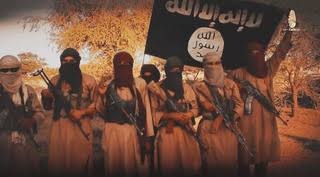
Silent jubilation in Kwara, Niger communities over speculated DSS capture of Mahmuda terror leader
By: Zagazola Makama
There is a wave of cautious celebration in some border communities of Kwara and Niger States following speculations surrounding the sudden disappearance – and possible capture – of Abubakar Abba Mahmuda, the feared leader of the Mahmuda terror group.
Zagazola Makama report that though no official statement has been released, residents in Baruten Local Government Area of Kwara and parts of Borgu in Niger are gripped by growing belief that the Department of State Services (DSS) may have captured the notorious terrorist commander in a covert operation over the weekend.
The Mahmuda group, a violent breakaway faction of Boko Haram, has for over five years launched repeated attacks on farming communities in the Kainji Lake axis, displacing villagers, levying communities, and terrorising border settlements across Nigeria’s northwest.
However, the absence of Mahmuda’s voice often sent in Hausa audio messages demanding protection levies or issuing threats has sparked renewed hope among locals.
A village elder in Baruten, who spoke under anonymity, said the mood in his community has been quietly jubilant since Saturday.
“We have not heard Mahmuda’s voice, and none of his men knows his whereabouts,” he said. “The rumour is that DSS tracked him to one of his spiritualists and captured him alive. If this is true, then it is a big victory for all of us.”
According to him, the villagers strongly believe only the DSS could have executed such a high-level operation with precision and silence.
“Muna matukar farin ciki da DSS akan wannan falala da suka yi cikin sirri,” he said in Hausa, which loosely translates to: “We are very happy with what the DSS has done for us, and with such secrecy. These terrorists have been a source of severe headache for us.”
He also thanked President Bola Tinubu for allegedly responding to their long-standing cries for intervention.
Also speaking, the leader of a cattle market in the area expressed relief, saying his community had been under constant threat and economic hardship due to Mahmuda’s activities.
“Muna godiya ga Allah da wannan babban nasara,” he said. “We thank God for this great victory. We were living in fear, and now we can breathe. Thanks to the President and those carrying out these secret operations.”
Mahmuda, 33, is originally from Daura in Katsina State. Independent security sources told Zagazola that he once made a living selling Islamic tapes and recordings of radical clerics, including Boko Haram founder Mohammed Yusuf.
He reportedly joined Boko Haram in its early years but later switched to Ansaru, before forming the Mahmuda faction around the Kainji Lake National Park (KLNP) region, a forested area of over 5,300 square kilometres – larger than Anambra State.
It is believe the group built alliances with terrorist cells in Mali and Niger Republic, drawing logistical and ideological support from regional jihadist networks.
In recent months, Mahmuda’s fighters had grown bolder, storming villages in broad daylight, collecting levies, and sacking entire communities. His audio threats had become a source of dread across the border communities.
A security source familiar with recent operations confirmed to Zagazola that the DSS had been quietly executing intelligence-led missions targeting high-profile terrorist leaders.
“Though details of Mahmuda’s disappearance remain sketchy, what’s not in doubt is that DSS operations in the North have become more surgical and efficient under the current leadership,” the source said.
As of Wednesday, security personnel across Kwara and Niger States remained on high alert, even as community leaders urged continued vigilance amid hopes that the group may fracture in the absence of its central command figure.
While the DSS has neither confirmed nor denied the reports, the atmosphere in Baruten and parts of Niger points to a rare moment of cautious optimism – the kind that only comes when a long-feared enemy seemingly vanishes without a trace.
Silent jubilation in Kwara, Niger communities over speculated DSS capture of Mahmuda terror leader


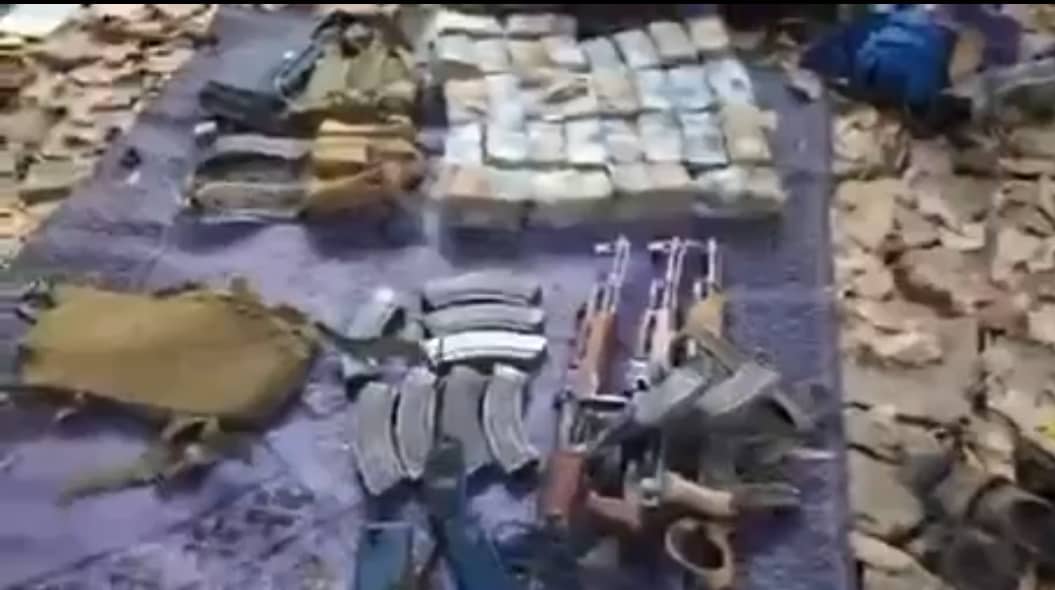
JNIM terrorists clashes with rival factions in rare encounter in Nigeria’s Kebbi state
By: Zagazola Makama
A suspected clash between rival terrorists factions has been reported in Kebbi State, raising fresh security concerns in the North-West region.
Sources said the incident occurred on April 4, when a group identified as Jama’at Nusrat al-Islam wal-Muslimin (JNIM) claimed it engaged a rival faction described as “Khawarij”.
The group alleged that one fighter was killed and another captured during the encounter, while three motorcycles and about N10 million were recovered.
However, the identity of the opposing group has yet to be independently verified.
Preliminary indications suggest the rival faction may be linked to Boko Haram or one of its splinter groups, though this remains subject to confirmation.
Security sources said the development could represent one of the first reported inter-jihadist clashes in the region.
JNIM terrorists clashes with rival factions in rare encounter in Nigeria’s Kebbi state
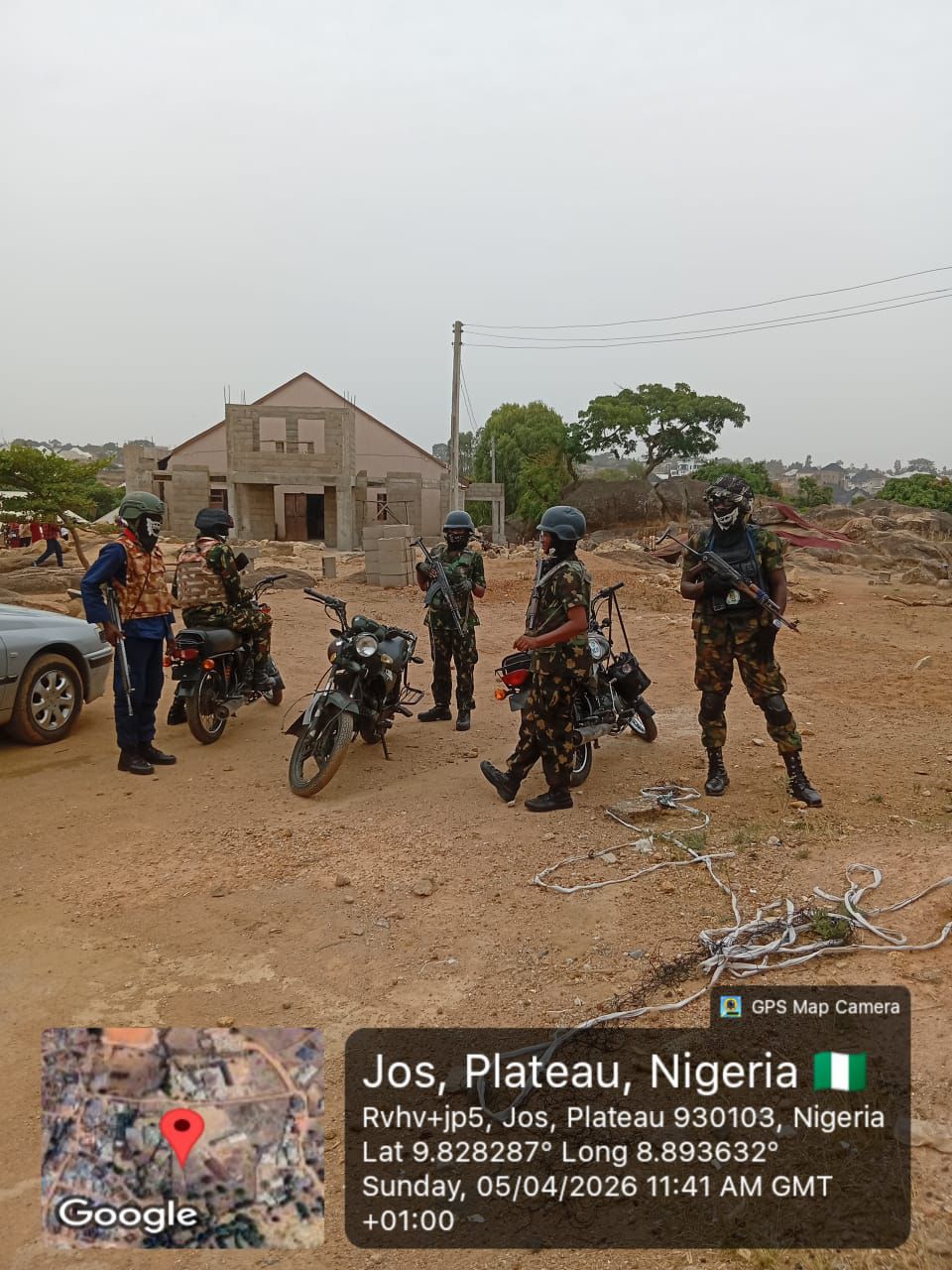
Troops foil mob attack, rescue suspected terrorist in Danmusa in Katsina
By: Zagazola Makama
Troops of 17 Brigade have foiled an attempt by a mob to lynch a suspected terrorist and burn down a police station in Danmusa Local Government Area of Katsina State.
Security sources said the incident occurred at about 4:30 p.m. on April 5, 2026, when troops deployed at Combat Team 1 in Danali village responded to a distress call from a Nigerian Police outpost in the area.
The police had reported that a large crowd attempted to set the station ablaze and attack personnel after a suspected terrorist was brought into custody.
Troops were immediately mobilised to the scene and successfully prevented further escalation of the situation, restoring order in the area.
During the intervention, police personnel reportedly fired tear gas to disperse the irate crowd, which led to injuries sustained by one civilian.
The injured victim was evacuated to a medical facility for treatment.
Security sources said calm had since returned to the area, while troops continued to maintain presence to prevent a resurgence of violence and ensure stability.
Troops foil mob attack, rescue suspected terrorist in Danmusa in Katsina
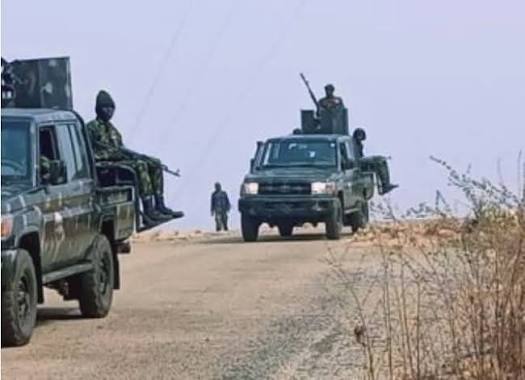
Plateau: troops launch manhunt after armed robbery attack in Bassa LGA
By: Zagazola Makama
Troops of Operation Enduring Peace have launched a manhunt for suspected armed robbers who attacked three civilians along the Jebbu–Miango–Rewienko road in Bassa Local Government Area of Plateau State.
Security sources said the incident occurred at about 8:55 p.m. on April 5, 2026, when the victims were reportedly ambushed by armed men who dispossessed them of their motorcycles before fleeing the scene.
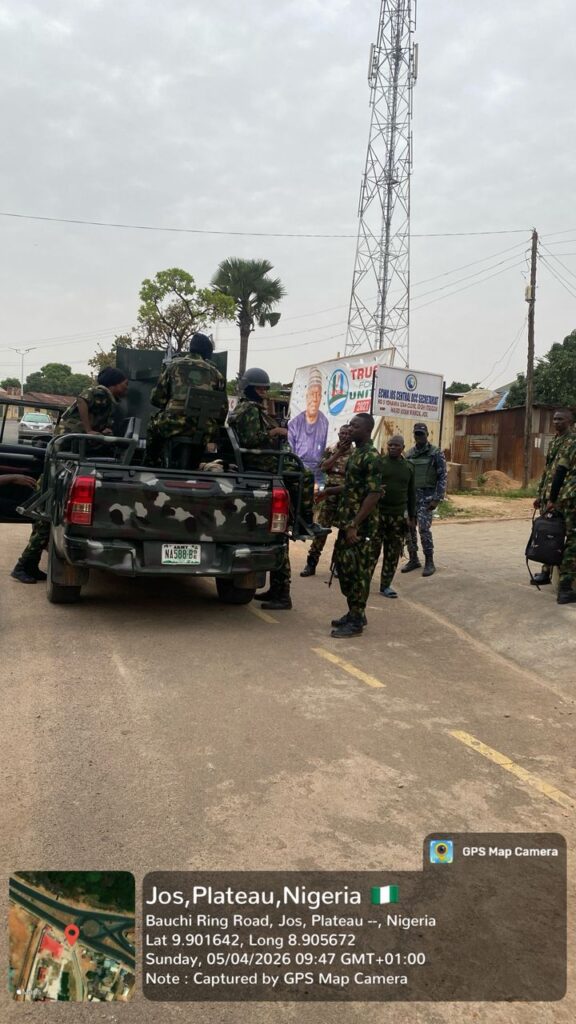
Troops of Sector 3 Operation Enduring Peace were immediately mobilised following the distress call but arrived after the attackers had escaped.
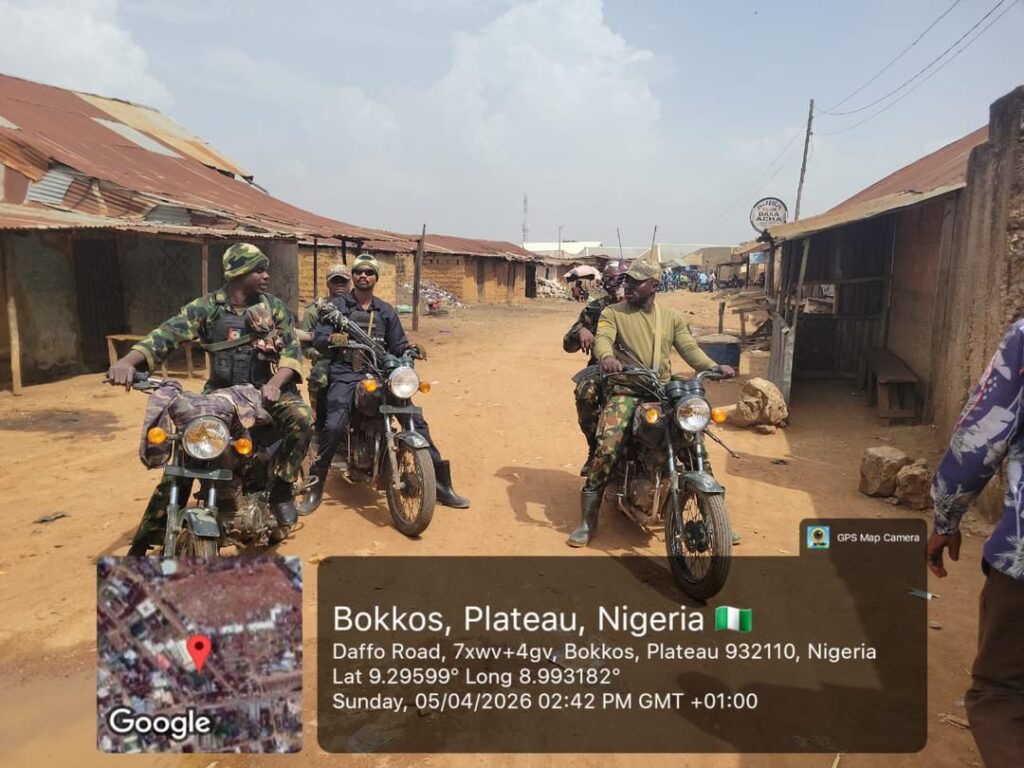
Efforts are ongoing to track and apprehend the fleeing suspects, while patrols have been intensified in the area to prevent further criminal activity.
Plateau: troops launch manhunt after armed robbery attack in Bassa LGA

JNIM terrorists clashes with rival factions in rare encounter in Nigeria’s Kebbi state

Troops foil mob attack, rescue suspected terrorist in Danmusa in Katsina

Plateau: troops launch manhunt after armed robbery attack in Bassa LGA

Roger Federer’s Shock as DNA Results Reveal Myla and Charlene Are Not His Biological Children

THE PLIGHT OF FARIDA

FAILED COUP IN BURKINA FASO: HOW TRAORÉ NARROWLY ESCAPED ASSASSINATION PLOT AMID FOREIGN INTERFERENCE CLAIMS
-
 News2 years ago
Roger Federer’s Shock as DNA Results Reveal Myla and Charlene Are Not His Biological Children
-
Opinions4 years ago
THE PLIGHT OF FARIDA
-
 News12 months ago
FAILED COUP IN BURKINA FASO: HOW TRAORÉ NARROWLY ESCAPED ASSASSINATION PLOT AMID FOREIGN INTERFERENCE CLAIMS
-

 News2 years ago
EYN: Rev. Billi, Distortion of History, and The Living Tamarind Tree
-
 Opinions4 years ago
POLICE CHARGE ROOMS, A MINTING PRESS
-

 ACADEMICS2 years ago
A History of Biu” (2015) and The Lingering Bura-Pabir Question (1)
-

 Columns2 years ago
Army University Biu: There is certain interest, but certainly not from Borno.
-

 Opinions2 years ago
Tinubu,Shettima: The epidemic of economic, insecurity in Nigeria
