
News
Troops repel ISWAP attack on Bitta, expose deep-rooted terror collaboration network

Troops repel ISWAP attack on Bitta, expose deep-rooted terror collaboration network
By: Zagazola Makama
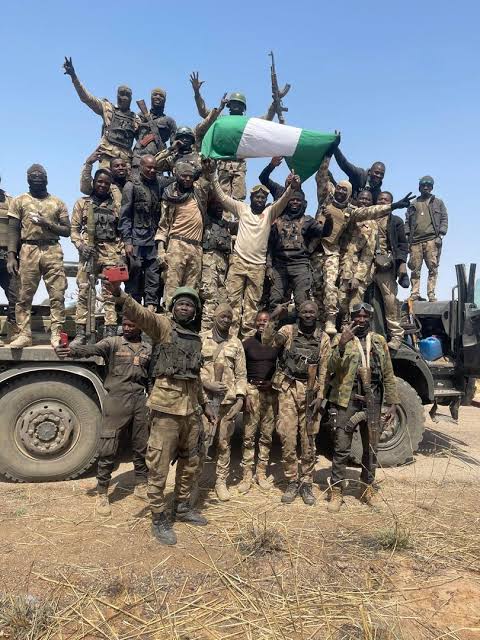
The troops of Operation Hadin Kai successfully repelled an orchestrated attack by fighters of the Islamic State West Africa Province (ISWAP), neutralising scores and forcing the terrorists into a hasty withdrawal, in what could have been a devastating raid on Bitta, a community nestled in Gwoza Local Government Area of Borno State,
Zagazola Makama report that Preliminary findings following the July 21 offensive reveal that the assault was masterminded by a prominent ISWAP Qaid and executed by fighters infiltrating from the Sambisa Forest axis.
However, swift and gallant action by Nigerian troops prevented the attackers from breaching Bitta town, a strategic civilian-populated location in southern Borno.
The troops’ performance was hailed by local leaders and residents alike. The Chairman of Gwoza LGA described their defense as “gallant and impressive,” citing the prevention of widespread infiltration as a major success.
Yet beneath the battlefield triumph lies a disturbing undercurrent, the apparent complicity of terrorist collaborators and sympathisers embedded within Bitta.
Credible intelligence gathered during and after the attack indicates that most of the looting and burning within the town were not directly perpetrated by the terrorists themselves, but by suspected local sympathisers acting on their behalf.
Additionally, informants within Bitta reportedly provided ISWAP with sensitive information on troop movement and routines, compromising the integrity of defensive operations and suggesting an urgent need for internal security sanitisation.
Tragically, one civilian casualty initially believed to be unintended has now been identified as a suspected ISWAP collaborator. His death resulted from a stray bullet during the chaos.
Despite these challenges, troops managed to kill several ISWAP fighters in the ensuing firefight. As is customary with ISWAP operations, the attackers evacuated their casualties to conceal their losses. One terrorist corpse was recovered, while others are believed to have been transported back to their stronghold.
In a significant intelligence gain, troops recovered a camcorder used by the terrorists’ in-house propaganda unit. The device, which belonged to a now-deceased ISWAP cameraman, is expected to contain valuable operational footage and communications.
The ISWAP fighters withdrew to the Sabil Huda axis in Sambisa Forest, an area now under close surveillance for potential follow-up air and ground interdiction operations.
Military analysts describe the early deployment of reinforcement, as well as the prompt visit to the frontline by the Brigade Commander and Acting General Officer Commanding (GOC), as an exemplary display of leadership and morale boosting for troops under pressure.
However, security authorities are warning that the threat in and around Bitta remains active, especially with the discovery of terrorist collaborators. Vigilance and continuous intelligence gathering are paramount to forestall future attacks.
Troops repel ISWAP attack on Bitta, expose deep-rooted terror collaboration network


JNIM terrorists clashes with rival factions in rare encounter in Nigeria’s Kebbi state
By: Zagazola Makama
A suspected clash between rival terrorists factions has been reported in Kebbi State, raising fresh security concerns in the North-West region.
Sources said the incident occurred on April 4, when a group identified as Jama’at Nusrat al-Islam wal-Muslimin (JNIM) claimed it engaged a rival faction described as “Khawarij”.
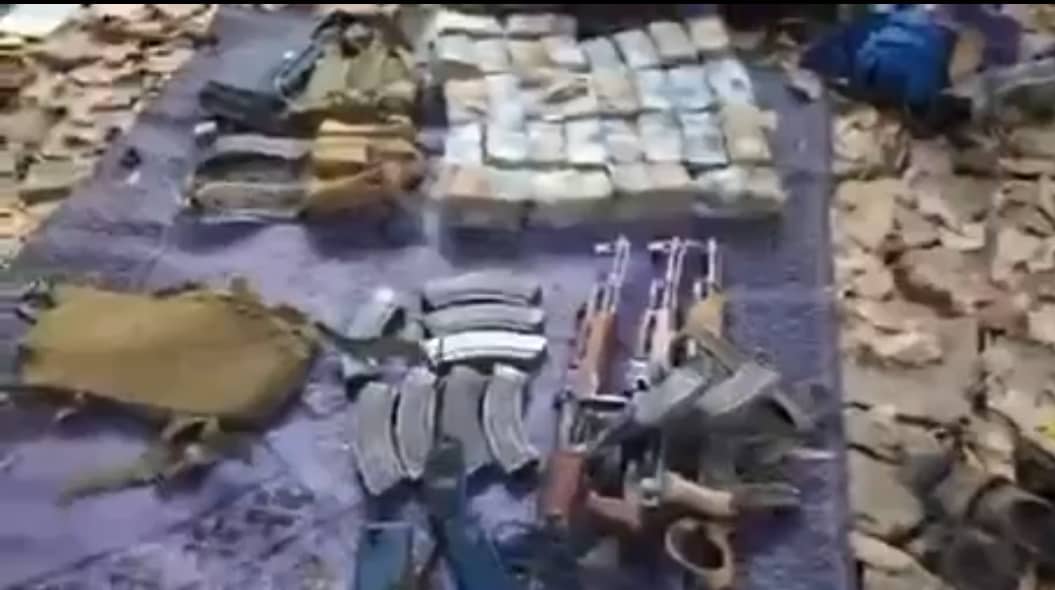
The group alleged that one fighter was killed and another captured during the encounter, while three motorcycles and about N10 million were recovered.
However, the identity of the opposing group has yet to be independently verified.
Preliminary indications suggest the rival faction may be linked to Boko Haram or one of its splinter groups, though this remains subject to confirmation.
Security sources said the development could represent one of the first reported inter-jihadist clashes in the region.
JNIM terrorists clashes with rival factions in rare encounter in Nigeria’s Kebbi state
Troops foil mob attack, rescue suspected terrorist in Danmusa in Katsina
By: Zagazola Makama
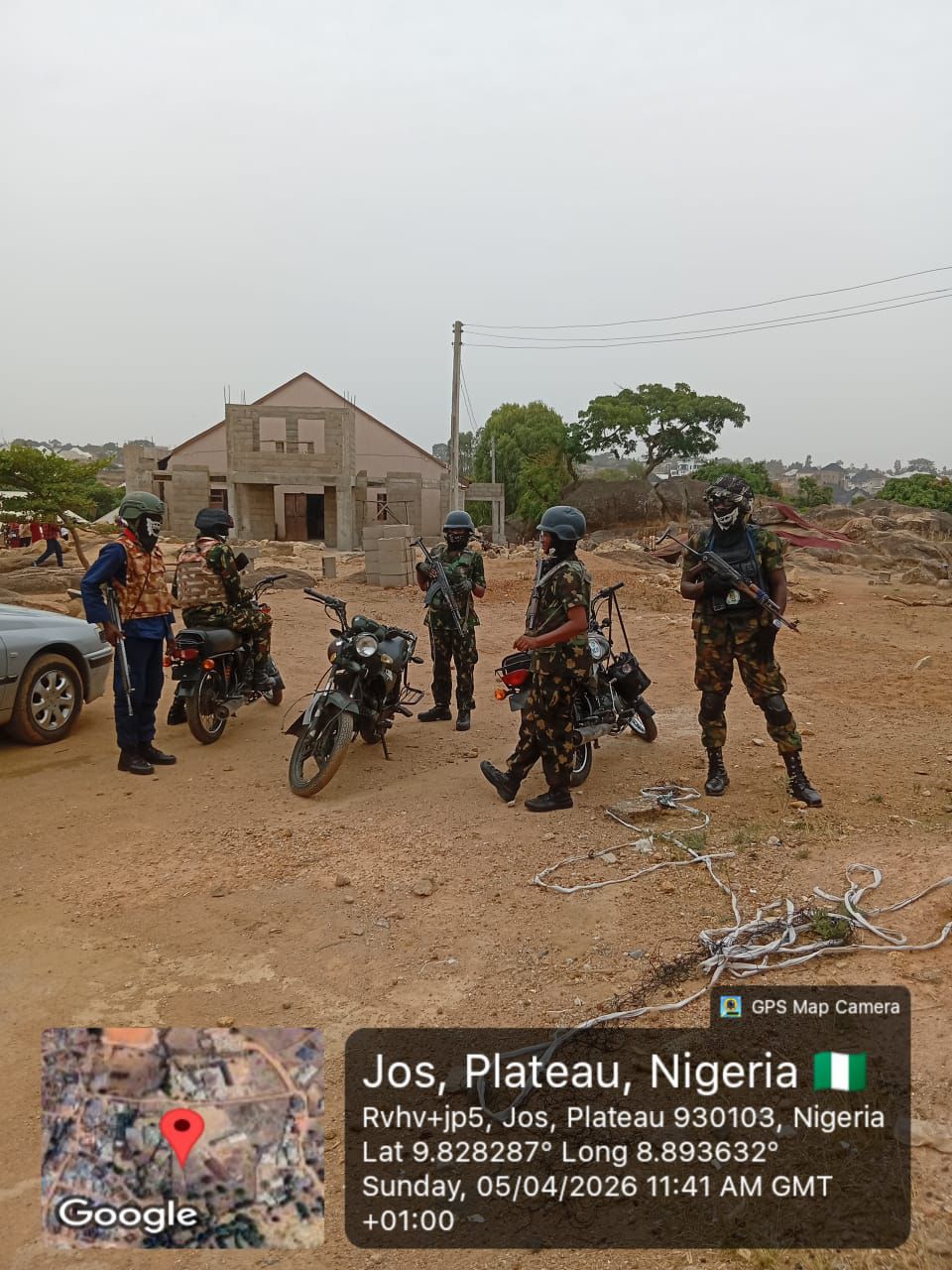
Troops of 17 Brigade have foiled an attempt by a mob to lynch a suspected terrorist and burn down a police station in Danmusa Local Government Area of Katsina State.
Security sources said the incident occurred at about 4:30 p.m. on April 5, 2026, when troops deployed at Combat Team 1 in Danali village responded to a distress call from a Nigerian Police outpost in the area.
The police had reported that a large crowd attempted to set the station ablaze and attack personnel after a suspected terrorist was brought into custody.
Troops were immediately mobilised to the scene and successfully prevented further escalation of the situation, restoring order in the area.
During the intervention, police personnel reportedly fired tear gas to disperse the irate crowd, which led to injuries sustained by one civilian.
The injured victim was evacuated to a medical facility for treatment.
Security sources said calm had since returned to the area, while troops continued to maintain presence to prevent a resurgence of violence and ensure stability.
Troops foil mob attack, rescue suspected terrorist in Danmusa in Katsina
Plateau: troops launch manhunt after armed robbery attack in Bassa LGA
By: Zagazola Makama
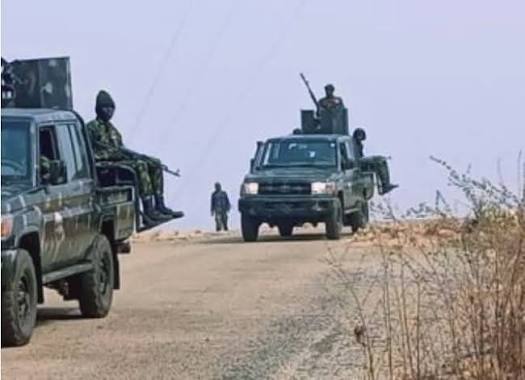
Troops of Operation Enduring Peace have launched a manhunt for suspected armed robbers who attacked three civilians along the Jebbu–Miango–Rewienko road in Bassa Local Government Area of Plateau State.
Security sources said the incident occurred at about 8:55 p.m. on April 5, 2026, when the victims were reportedly ambushed by armed men who dispossessed them of their motorcycles before fleeing the scene.
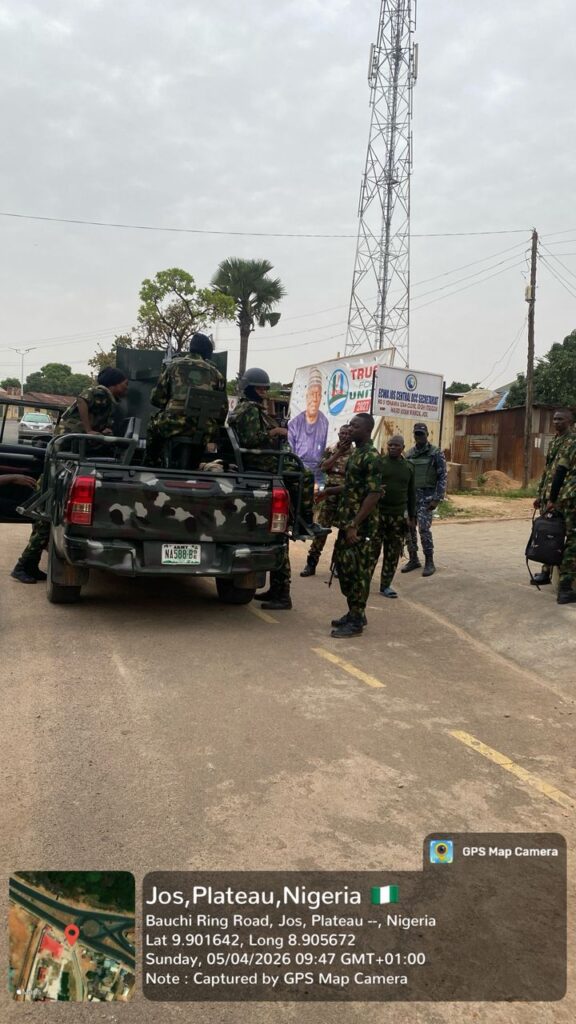
Troops of Sector 3 Operation Enduring Peace were immediately mobilised following the distress call but arrived after the attackers had escaped.
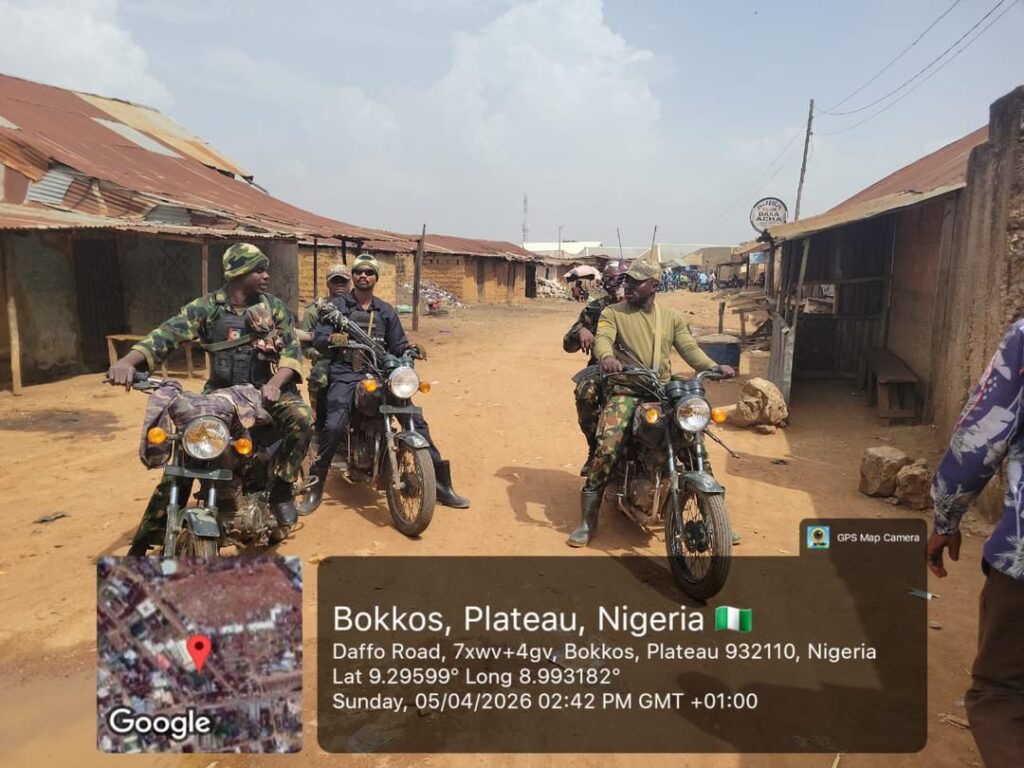
Efforts are ongoing to track and apprehend the fleeing suspects, while patrols have been intensified in the area to prevent further criminal activity.
Plateau: troops launch manhunt after armed robbery attack in Bassa LGA

JNIM terrorists clashes with rival factions in rare encounter in Nigeria’s Kebbi state

Troops foil mob attack, rescue suspected terrorist in Danmusa in Katsina

Plateau: troops launch manhunt after armed robbery attack in Bassa LGA

Roger Federer’s Shock as DNA Results Reveal Myla and Charlene Are Not His Biological Children

THE PLIGHT OF FARIDA

FAILED COUP IN BURKINA FASO: HOW TRAORÉ NARROWLY ESCAPED ASSASSINATION PLOT AMID FOREIGN INTERFERENCE CLAIMS
-
 News2 years ago
Roger Federer’s Shock as DNA Results Reveal Myla and Charlene Are Not His Biological Children
-
Opinions4 years ago
THE PLIGHT OF FARIDA
-
 News12 months ago
FAILED COUP IN BURKINA FASO: HOW TRAORÉ NARROWLY ESCAPED ASSASSINATION PLOT AMID FOREIGN INTERFERENCE CLAIMS
-

 News2 years ago
EYN: Rev. Billi, Distortion of History, and The Living Tamarind Tree
-
 Opinions4 years ago
POLICE CHARGE ROOMS, A MINTING PRESS
-

 ACADEMICS2 years ago
A History of Biu” (2015) and The Lingering Bura-Pabir Question (1)
-

 Columns2 years ago
Army University Biu: There is certain interest, but certainly not from Borno.
-

 Opinions2 years ago
Tinubu,Shettima: The epidemic of economic, insecurity in Nigeria
