
News
UAE Assures NDLEA of Support, Partnership, Commends Marwa Over Drug War

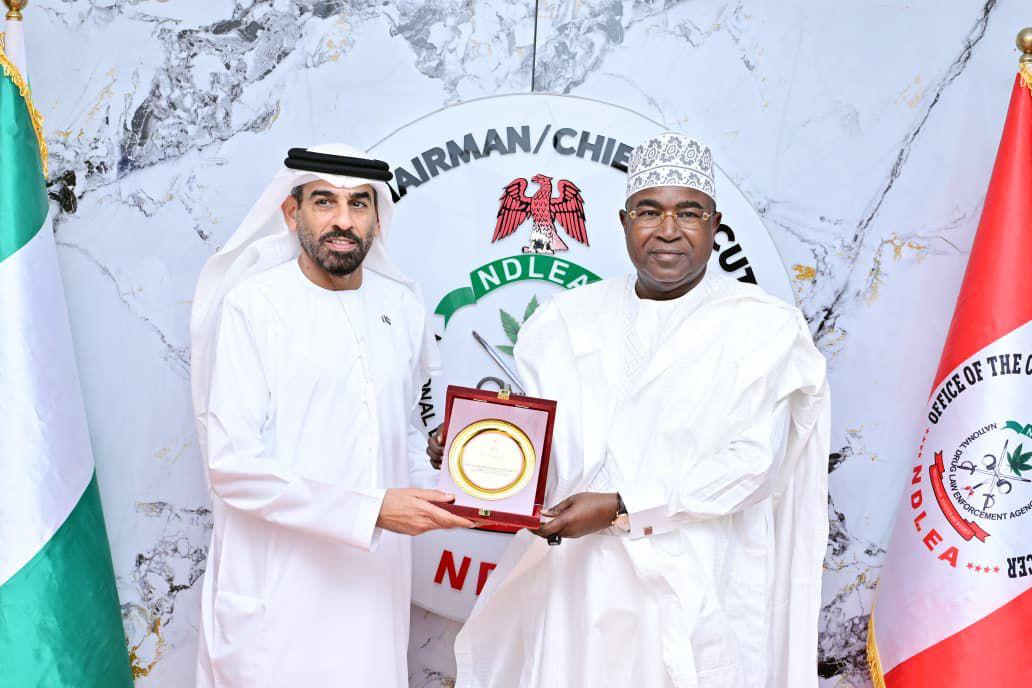
UAE Assures NDLEA of Support, Partnership, Commends Marwa Over Drug War
By: Michael Mike
The government of the United Arab Emirates (UAE) has assured the National Drug Law Enforcement Agency (NDLEA) of support and stronger partnership while commending the Chairman/Chief Executive Officer of the agency, Brig. Gen. Buba Marwa (rtd) for providing excellent leadership that has led to streaks of operational successes in the fight against substance abuse and illicit drug trafficking in Nigeria.
The assurance and commendation were conveyed when the UAE Ambassador to Nigeria, Salem Saeed Musabbeh Alshamsi paid Marwa a courtesy visit at the agency’s National Headquarters in Abuja on Tuesday.
The Ambassador said: “I’m here to appreciate your hard work and the great leadership you have provided the NDLEA. We have been following your achievements very closely, and I must say you have done very well and still doing excellent job. We follow all the good work that you’ve been doing, especially all the drugs you’re seizing and blocking from coming to the UAE and we’re so proud of your achievements and that’s why we’re here to deepen our cooperation with your agency in the area of fighting drug trafficking. The UAE looks forward to working more closely with Nigeria on drug enforcement matters.”
While extending an invitation to Marwa to visit his counterpart in UAE and the Dubai Police leadership for further engagements, the envoy expressed the readiness of his government to sign a Memorandum of Understanding (MoU) with NDLEA on areas of collaboration with the agency.
“We need to exchange information about drug dealers, and all of their activities. We are here to help and to support you, especially on this matter. It’s very important that we have a very great communication between the UAE and Nigeria especially now that the relationship between United Arab Emirates and Nigeria has become one of the best. If there is any other thing I could do to support the great work you’re doing here, please do not hesitate to ask me and I’ll be available and willing to do it in appreciation of your great leadership. Our mission is to be here for you, assist and support you”, the Ambassador stated.
In his response, Marwa expressed appreciation to the envoy for his kind words on his person and the work of NDLEA, while also commending the developmental strides in UAE. He praised the Ambassador’s years of dedicated service and the huge leap in trade and movement between Nigeria and UAE in the last two years, which he said is in line with the renewed hope agenda of President Bola Ahmed Tinubu.
“I’d like to acknowledge the strong diplomatic relations between our two countries that have continued to grow stronger every year. And Your Excellency has just told us now the latest in billions of dollars in non-oil trade and this is something that we welcome very much in Nigeria because the President’s Renewed Hope Agenda wants to achieve not just peace and stability, but prosperity for all Nigerians. The drug scourge is universal, both the trafficking of it and the abuse of it and there’s a need for collaboration between nations to achieve solutions on this. And in Nigeria, the NDLEA is the agency that is tasked with the control of illicit drugs in the country.”
Marwa noted that in the last four years, the agency had intercepted a total of 302.202 kilograms of assorted illicit substances going to the UAE either at the Murtala Mohammed International Airport Lagos or some courier companies in Lagos.
As the largest anti-narcotics agency in Africa, Marwa said NDLEA partners all leading drug law enforcement agencies across the world. “We welcome the collaboration between NDLEA and our counterparts in UAE, we’re also willing to honour the invitation to visit UAE for collaborative discussions and sign the MoU”, he assured the envoy.
UAE Assures NDLEA of Support, Partnership, Commends Marwa Over Drug War


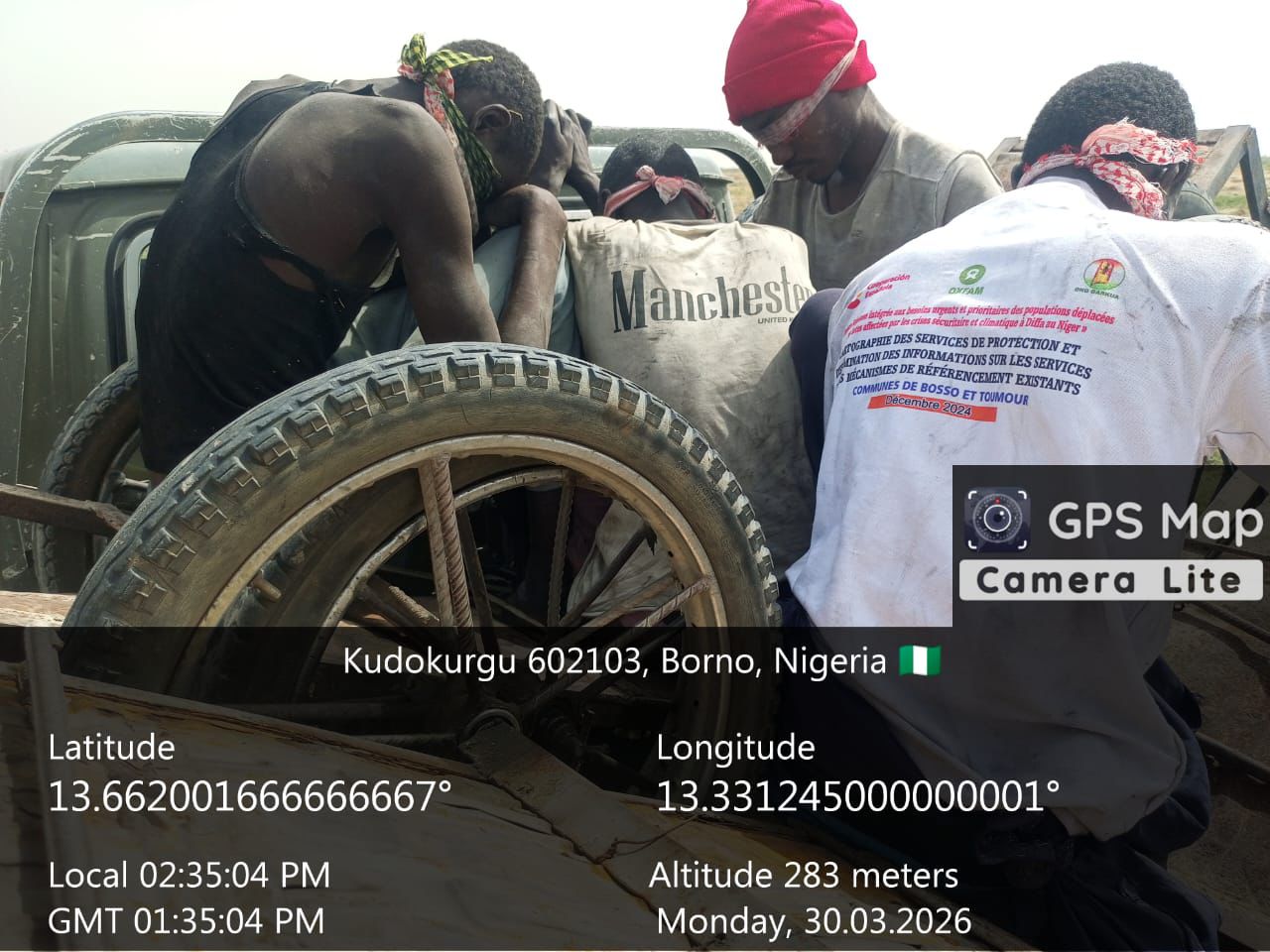
Troops intercept 11 youths with donkeys during patrol in Borno
By: Zagazola Makama
Troops of 68 Battalion have intercepted 11 youths during a routine patrol in Mallam Fatori area of Abadam Local Government Area of Borno State.
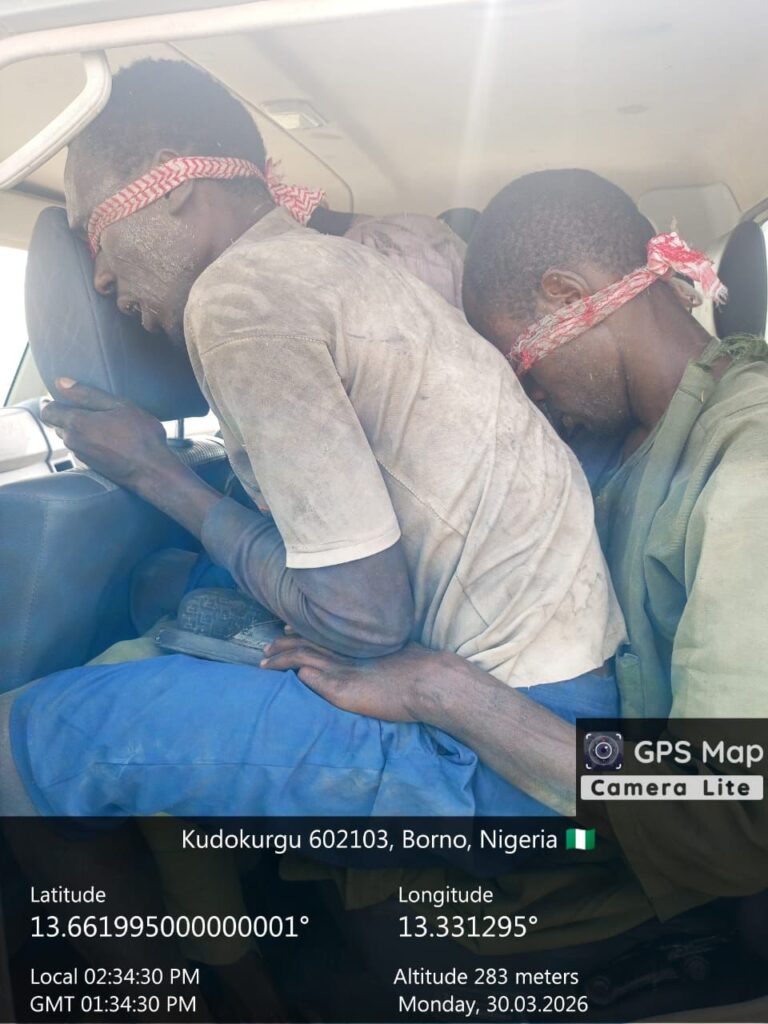
Security sources said the interception occurred along the Bulagana–Cheisa axis on April 2 during ongoing clearance operations in the area.
According to the sources, the individuals were found moving in the area with 12 donkeys when they were stopped and briefly interrogated by troops.
The sources added that the youths were later handed over, alongside the animals, to relevant authorities in a neighbouring country for further necessary action.
The military said the patrol was part of sustained efforts to maintain security dominance and prevent exploitation of border communities by criminal elements.
Troops intercept 11 youths with donkeys during patrol in Borno
Troops recover ammunition, logistics items in Kwara patrol operation
By: Zagazola Makama
Troops of the Nigerian Army under the 22 Brigade have recovered ammunition and other logistics items during a fighting patrol in Ifelodun Local Government Area of Kwara State.
A security source disclosed that the operation was conducted at about 4:00 p.m. on April 2 at Daban Lema, where troops of the brigade, operating from the Patrol Base, encountered signs of suspected terrorist activities in a deserted location.
According to the source, the troops immediately carried out exploitation of the area, leading to the recovery of four rounds of 7.62mm special ammunition and one empty PKT ammunition belt link.
Other items recovered include four mobile phones, two head warmers, two small solar panels, and assorted repair tools believed to have been used by the suspected terrorists.
The source added that the recovery indicates the presence and movement of suspected criminal elements within the area, noting that troops have intensified surveillance and patrols to deny them freedom of action.
Troops recover ammunition, logistics items in Kwara patrol operation
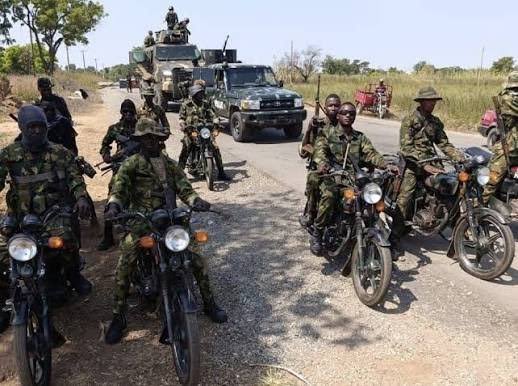
Troops foil attack by Criminal Youths, rescue victims, arrest suspects in plateau
By: Zagazola Makama
Troops of Sector 1, Operation Enduring Peace (OPEP), have foiled an attack on residents at Dutse Uku in Jos North Local Government Area of Plateau State.
A security source said the troops responded swiftly to a report of sporadic gunshots in the area at about 11:50 p.m. on April 2.
According to the source, upon arrival at the scene, the suspected criminals fled, abandoning their operation due to the prompt intervention of the troops.
He said the troops rescued two victims who sustained gunshot wounds during the incident and immediately evacuated them to a hospital for medical attention.
The source further disclosed that two suspects, dressed in black attire, were arrested at the scene.
Items recovered from the suspects include a cutlass and a knife.
He added that the suspects are currently in military custody and undergoing preliminary investigation, while efforts are ongoing to track down other fleeing members of the group.
Zagazola report that despite heightened security, there has been report of pocket of attacks in some communities.
The source reassured residents of the military’s commitment to protecting lives and property and urged the public to continue providing timely information to security agencies.
Troops foil attack by Criminal Youths, rescue victims, arrest suspects in plateau

Troops intercept suspected Boko Haram logistics convoy conveying 13 persons in Borno

Troops intercept 11 youths with donkeys during patrol in Borno

Troops, CJTF arrest three suspected Boko Haram logistics suppliers in Borno

Roger Federer’s Shock as DNA Results Reveal Myla and Charlene Are Not His Biological Children

THE PLIGHT OF FARIDA

FAILED COUP IN BURKINA FASO: HOW TRAORÉ NARROWLY ESCAPED ASSASSINATION PLOT AMID FOREIGN INTERFERENCE CLAIMS
-
 News2 years ago
Roger Federer’s Shock as DNA Results Reveal Myla and Charlene Are Not His Biological Children
-
Opinions4 years ago
THE PLIGHT OF FARIDA
-
 News12 months ago
FAILED COUP IN BURKINA FASO: HOW TRAORÉ NARROWLY ESCAPED ASSASSINATION PLOT AMID FOREIGN INTERFERENCE CLAIMS
-

 News2 years ago
EYN: Rev. Billi, Distortion of History, and The Living Tamarind Tree
-
 Opinions4 years ago
POLICE CHARGE ROOMS, A MINTING PRESS
-

 ACADEMICS2 years ago
A History of Biu” (2015) and The Lingering Bura-Pabir Question (1)
-

 Columns2 years ago
Army University Biu: There is certain interest, but certainly not from Borno.
-

 Opinions2 years ago
Tinubu,Shettima: The epidemic of economic, insecurity in Nigeria
