
Crime
UNODC Begins Assessment Work on Rehabilitation of Lagos, Port Harcourt Correctional Facilities

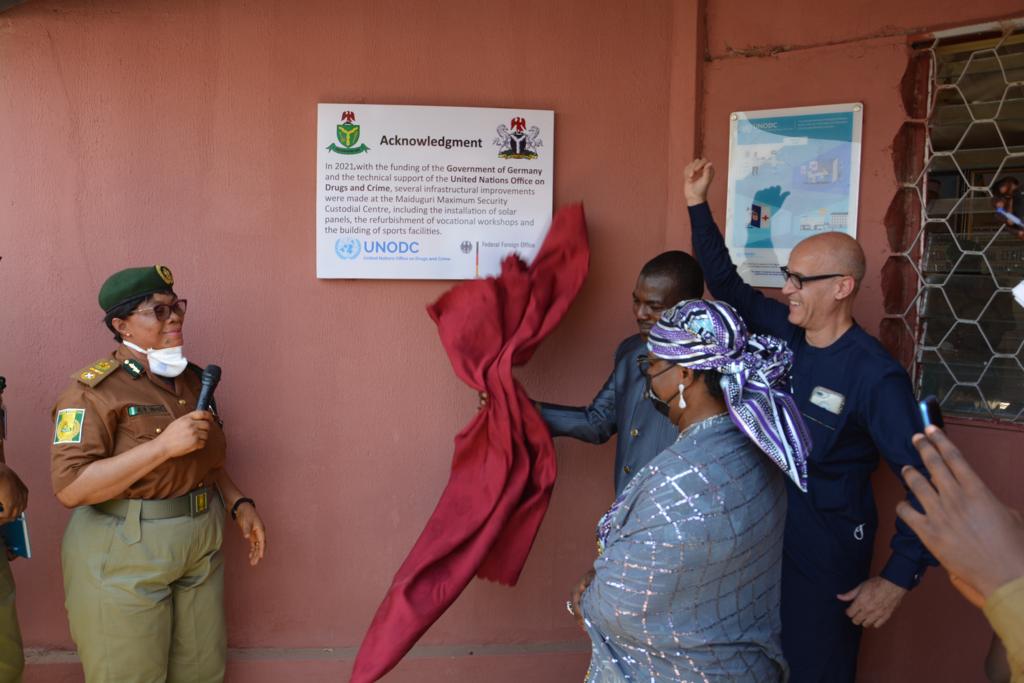
UNODC Begins Assessment Work on Rehabilitation of Lagos, Port Harcourt Correctional Facilities
By: Michael Mike
The United Nations Office on Drugs and Crime (UNODC) has begun assessment work on rehabilitation of principal correctional facilities in Port Harcourt and Lagos.
The United Nations body is targeting the rehabilitation of correctional facilities in both Part Harcourt and Lagos after such interventions were made in Maiduguri and in states in the North East.
The Nigerian Correctional Service, UNODC and the Government of Germany have joined forces in upgrading Maiduguri Maximum Security Custodial Centre Centre in continuation of the 2021 phase I project: “Strengthening the Capacity of the Nigerian Correctional Service to Effectively Rehabilitate and Reintegrate Prisoners Held for an (Alleged) Association with Boko Haram.”
Also Read: USAID Launches $9.5 Million Advancing Nutrition Activity to…
Since the launch of the project, prison staff working at the Centre have received extensive training on the Nelson Mandela Rules, on dynamic security management as well as on integrating sports into a holistic rehabilitation programme. In addition, extensive infrastructural improvements have been made in order to enable the Centre to provide a far more sophisticated, diverse and eventually effective offer of recreational, vocational and educational services.
At the handing over of the Phase I of the Improved Infrastructure within the Correctional Centre on Tuesday were senior representatives of the Nigerian Correctional Service, the Borno State Government, representatives of the Security Services and the United Nations.
The infrastructural improvements are: Improved access to light and water for inmates and staff, through the provision of installation of eco-friendly solar energy sources to supplement the current prison electrical system with up to 72 hours of power reserve; Improved access to vocational skill development opportunities by inmates through the transformation of existing facilities into two functional vocational training workshops which will be fully equipped during phase II; Improved access to education through the refurbishment of the classroom and the provision of standard educational materials; and Improved mental and physical health and well-being of prisoners through the constructions of extensive new sports facilities, including football, volleyball and badminton pitches and the provision of the respective sports equipment.
A statement by UNODC on Tuesday said, under its second phase the project will further upgrade the vocational training facilities and workshops as well as renovate the living quarters of staff of the NCoS Deradicalization Programme.
The statement noted that the DERAD Programme team in Maiduguri consists of specialized employees, including psychologists, social workers, sport-instructors, art-therapists, work-instructors, and spiritual caretakers. They are deployed to Maiduguri MSCC with the primary task of supporting the rehabilitation and reintegration of those inmates associated or allegedly associated with Boko Haram.
The statement further revealed that “with the support of the Government of the United States, UNODC has been able to further expand its approach to enhancing the rehabilitation and reintegration capabilities of the Nigeria Correctional Service across several other major correctional facilities in the North East.
“Further assessments are ongoing aimed to determine related needs of the principal correctional facilities in Port Harcourt and Lagos.
“These efforts complement the already ongoing work of UNODC in partnership with UNFPA and UNAIDS aimed to improve the access of prisoners, in particular women and girls, to health services, including HIV/AIDS prevention, treatment and care.”
The statement further read that: “As Federal and State Government, civil society and international development partners continue to work towards putting an end to more than ten years of conflict in North East Nigeria, the role of the Nigerian Correctional Service has rarely, if ever, been the focus of attention. Despite its critical role in rehabilitating offenders, including those who perpetuated acts of terrorism, only limited resources have been invested both by Government and its partners. And yet, the ultimate objective of imprisonment, namely to protect society against crime and terrorism, can only be achieved if the period of imprisonment is used to ensure that offenders are both able to support themselves and willing to lead a law-abiding life upon release.”
UNODC Begins Assessment Work on Rehabilitation of Lagos, Port Harcourt Correctional Facilities



Troops recover another bodies of four herders, targeted and killed by Kaduna
By Zagazola Makama
Troops of Operation Enduring Peace (OPEP) have recovered the bodies of four herders allegedly killed by local youths in a reprisal attack in Kamantan Chiefdom, Kaduna State.
Security sources said the incident followed a kidnapping episode at Zuturuntinta village, where the herders were reported missing.
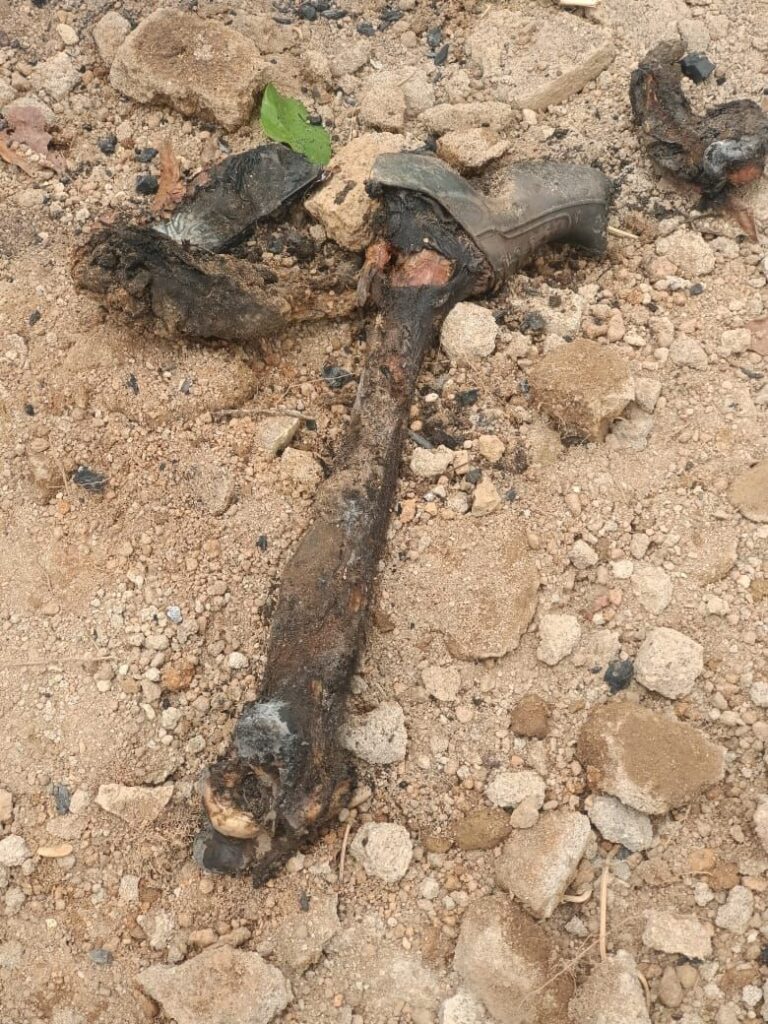
The sources disclosed that troops received intelligence on April 4 indicating that the victims were attacked and killed while relocating with their cattle to a safer location on the same night of the incident.
“They were reportedly intercepted and attacked by some angry youths, allegedly in retaliation for the death of a local during the kidnapping incident,” the source said.
Following the report, the Chairman of Miyetti Allah in the area requested military assistance to mobilise the community for a search operation to locate the missing herders.
Troops were immediately deployed to the village, where they convened a meeting with community members, including the village head.
The village head was said to have provided local hunters and members of the Kaduna Vigilante Service (KADVS) to support the search alongside troops and Fulani representatives.
During the operation, troops identified multiple indicators suggesting the herders had been killed.
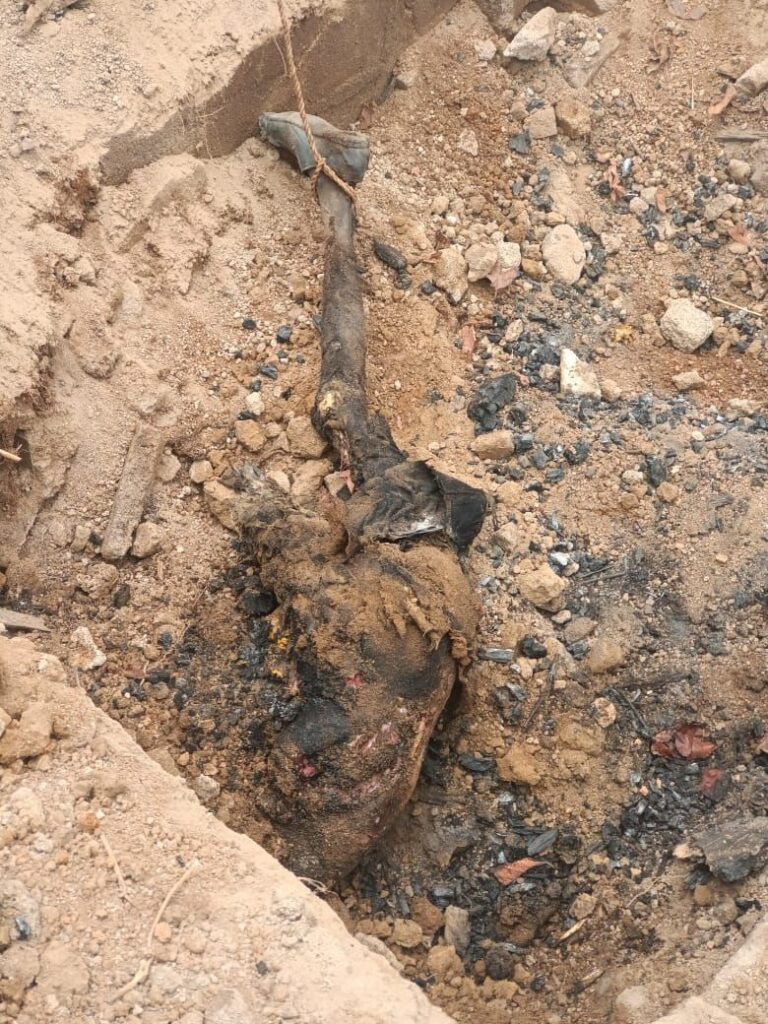
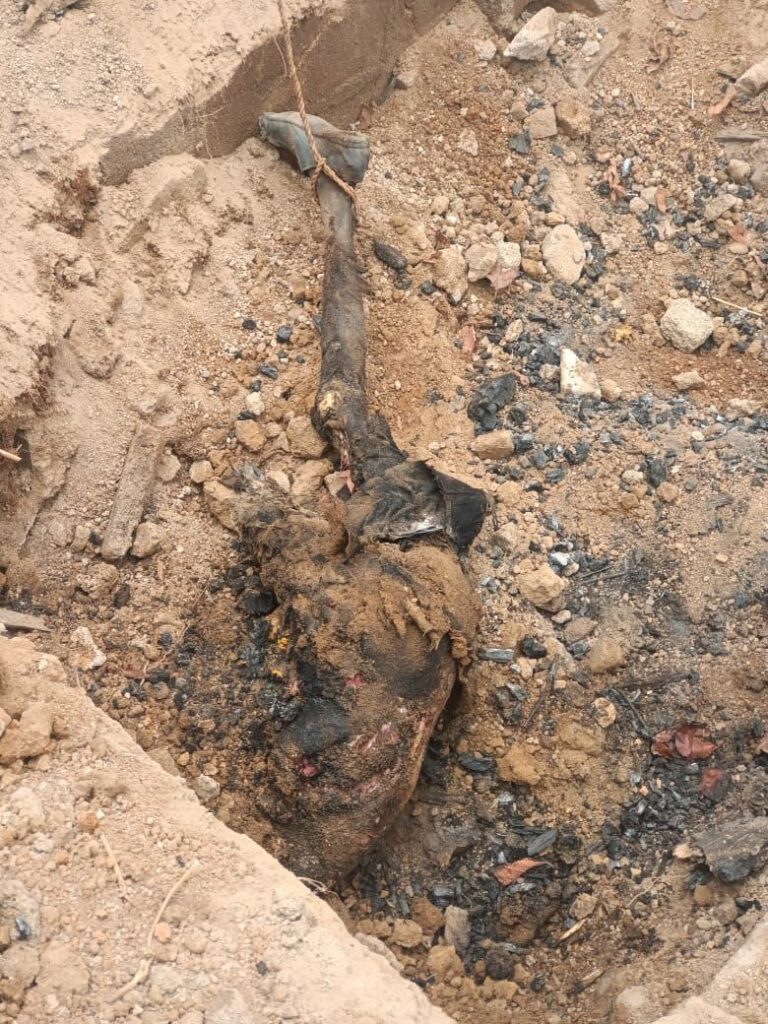
“Following blood trails, troops discovered a shallow grave where the four victims were buried,” the source added.
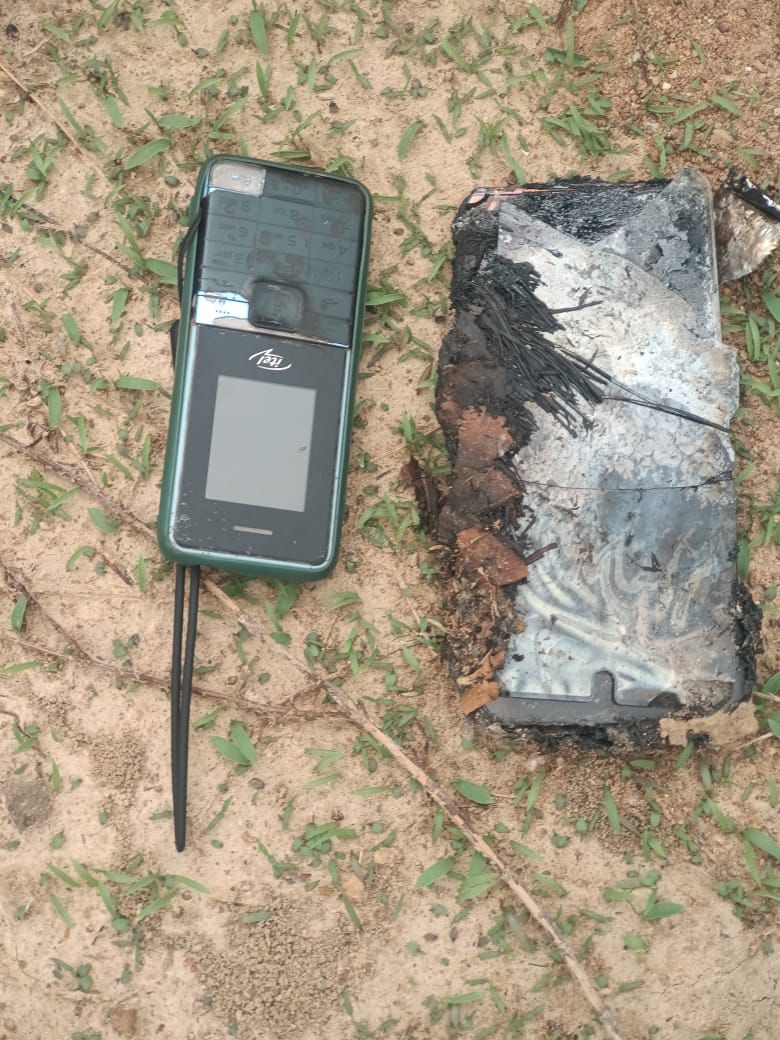
Items recovered at the scene included two mobile phones.
The remains of the victims were reburied at the same location in accordance with Islamic rites, with the consent of their families and Fulani community leaders.
The Sector Commander has directed community leaders to produce those responsible for the killings not later than Wednesday to face justice and help restore peace in the area.
Troops have since been deployed to reinforce security and prevent possible reprisal attacks.
Troops recover another bodies of four herders, targeted and killed by Kaduna
Troops recover suspected rustled cattle in Plateau
By: Zagazola Makama
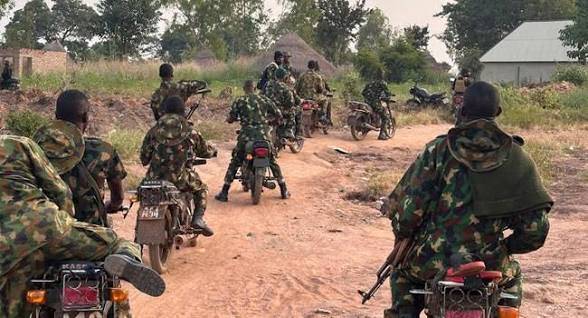
Troops of Operation Enduring Peace (OPEP) have recovered suspected rustled cattle during a night patrol in Barkin Ladi Local Government Area of Plateau State.
Security sources said the recovery was made on April 3 at about 10:05 p.m. following intelligence on the movement of suspected cattle rustlers along Suma Ruga Rakwok village axis.
It was gathered that troops deployed at Kanse laid an ambush along a bush path in the area.
On sighting the troops, the rustlers reportedly abandoned the cattle and fled into the surrounding bush.
The recovered livestock have been secured, while efforts are ongoing to ascertain the exact number and identify the rightful owners.
Sources added that Fulani community leaders would be contacted to facilitate proper identification and handover of the cattle.
Troops recover suspected rustled cattle in Plateau
Troops neutralise kidnapper, rescue victim in Enugu
By: Zagazola Makama
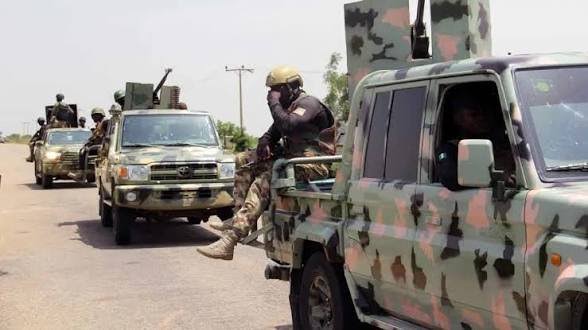
Troops of Operation UDO KA have neutralised a suspected kidnapper and rescued a victim during a search-and-rescue operation in Udenu Local Government Area of Enugu State.
Security sources said the operation was conducted on April 3 at about 6:05 a.m. following a distress call from the Nigeria Police, Obolo Division, based on a report by the Ezimo Community Neighbourhood Watch.
It was gathered that the troops, drawn from 82 Division Garrison and Sector 1 of Operation UDO KA, made contact with the suspected kidnappers during the operation, leading to a gun battle.
One of the suspects was neutralised, while others fled into the surrounding bush.
During exploitation of the area, the troops successfully rescued the kidnapped victim.
Items recovered at the scene included six mobile phones, a power bank, a torchlight, energy drinks, clothing and food items.
The corpse of the neutralised suspect and the rescued victim were handed over to the police for further action.
Authorities said efforts are ongoing to track down the fleeing suspects and ensure the area remains secure.
Troops neutralise kidnapper, rescue victim in Enugu

Troops repel bandits’ attack in AgatuBenue

Troops recover another bodies of four herders, targeted and killed by Kaduna

Six more top bandit leaders eliminated alongside Ado Allero’s son in Zamfara offensive

Roger Federer’s Shock as DNA Results Reveal Myla and Charlene Are Not His Biological Children

THE PLIGHT OF FARIDA

FAILED COUP IN BURKINA FASO: HOW TRAORÉ NARROWLY ESCAPED ASSASSINATION PLOT AMID FOREIGN INTERFERENCE CLAIMS
-
 News2 years ago
Roger Federer’s Shock as DNA Results Reveal Myla and Charlene Are Not His Biological Children
-
Opinions4 years ago
THE PLIGHT OF FARIDA
-
 News12 months ago
FAILED COUP IN BURKINA FASO: HOW TRAORÉ NARROWLY ESCAPED ASSASSINATION PLOT AMID FOREIGN INTERFERENCE CLAIMS
-

 News2 years ago
EYN: Rev. Billi, Distortion of History, and The Living Tamarind Tree
-
 Opinions4 years ago
POLICE CHARGE ROOMS, A MINTING PRESS
-

 ACADEMICS2 years ago
A History of Biu” (2015) and The Lingering Bura-Pabir Question (1)
-

 Columns2 years ago
Army University Biu: There is certain interest, but certainly not from Borno.
-

 Opinions2 years ago
Tinubu,Shettima: The epidemic of economic, insecurity in Nigeria
