
National News
VP Shettima Departs Abuja For Dakar To Represent President Tinubu At Senegal’s 65th Independence Anniversary

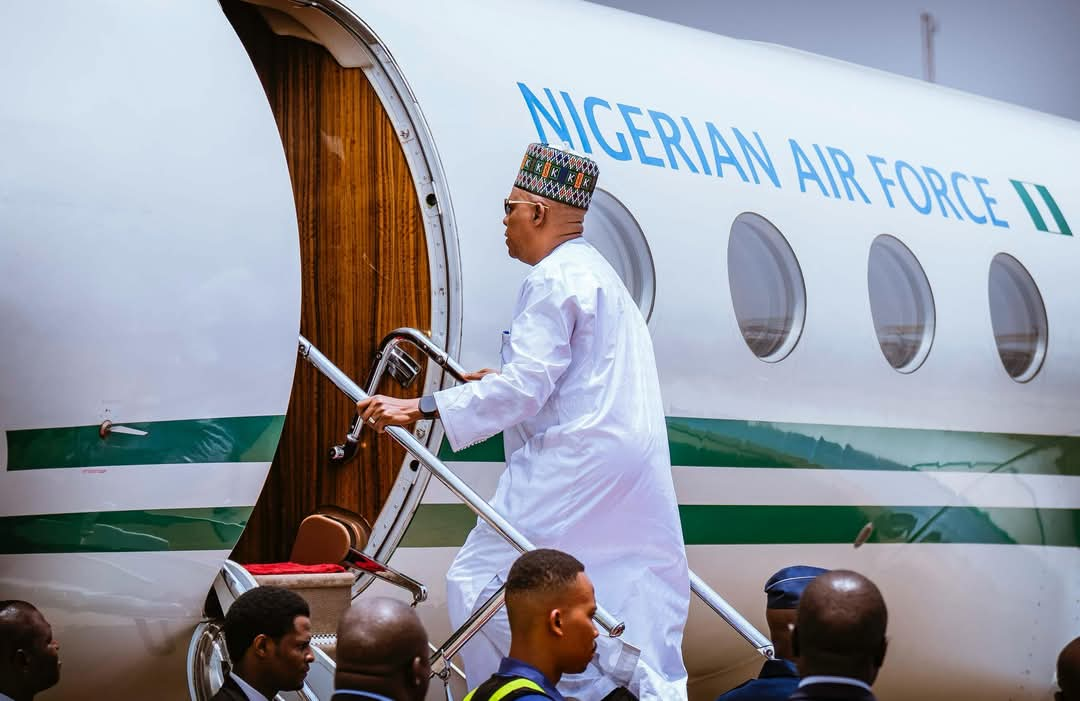
VP Shettima Departs Abuja For Dakar To Represent President Tinubu At Senegal’s 65th Independence Anniversary
By: Our Reporter
The Vice President, Senator Kashim Shettima, has departed Abuja for Dakar, Senegal, to represent President Bola Ahmed Tinubu at the country’s 65th Independence Day Anniversary celebrations.
Senegal celebrates its Independence Day on April 4 each year, commemorating its freedom from French colonial rule in 1960. The day is marked by national pride, with ceremonies, parades and cultural events.
The Vice President’s attendance at the annual event is in honour of an invitation extended to President Bola Ahmed Tinubu by the Senegalese President, Bassirou Diomaye Faye, following the strong mutual relationship between Nigeria and Senegal.
The independence Day celebrations will be held at the Place de la Nation in Dakar, with President Faye playing host to Vice President Shettima and other distinguished guests from across Africa and beyond.
The Vice President is expected to return to Nigeria tomorrow after the one-day event.
VP Shettima Departs Abuja For Dakar To Represent President Tinubu At Senegal’s 65th Independence Anniversary



FG Declares Two-Day Public Holiday for Eid-ul-Fitr
By: Michael Mike
The Federal Government has declared Thursday, March 19 and Friday, March 20, 2026, as public holidays to mark this year’s Eid-ul-Fitr celebration.
The announcement was made by the Minister of Interior, Olubunmi Tunji-Ojo, who congratulated Muslim faithful across the country on the successful completion of the holy month of Ramadan.
In a statement issued on Tuesday by Permanent Secretary in the Ministry of Interior, Dr. Magdalene Ajani, on behalf of the Federal Government, the minister urged Muslims to uphold the core values of love, generosity, peace, tolerance, and sacrifice, which define the Ramadan period. He emphasized the need for Nigerians to reflect on these virtues beyond the fasting season as part of efforts to build a more harmonious society.
Tunji-Ojo also called on citizens, regardless of religious affiliation, to use the festive period to pray for national peace, unity, and sustained progress, noting that collective responsibility remains key to the country’s stability.
He further encouraged Nigerians to celebrate responsibly and extend kindness to the less privileged, in line with the spirit of the season.
The declaration underscores the government’s continued commitment to promoting unity and peaceful coexistence in the country, as millions of Muslims prepare to celebrate one of the most significant festivals in the Islamic calendar.
FG Declares Two-Day Public Holiday for Eid-ul-Fitr

Nigeria–UK Investment Surge to Generate Jobs, Deepen Economic Ties
By: Michael Mike
A new wave of multi-million-pound investments by Nigerian and British firms is set to create hundreds of jobs in both countries, reinforcing growing economic ties and positioning Nigeria as an emerging driver of global innovation and capital.
The investment push comes ahead of the state visit of President Bola Ahmed Tinubu to the United Kingdom, where both nations are expected to consolidate gains under the Enhanced Trade and Investment Partnership (ETIP), a framework aimed at boosting cooperation across key sectors.
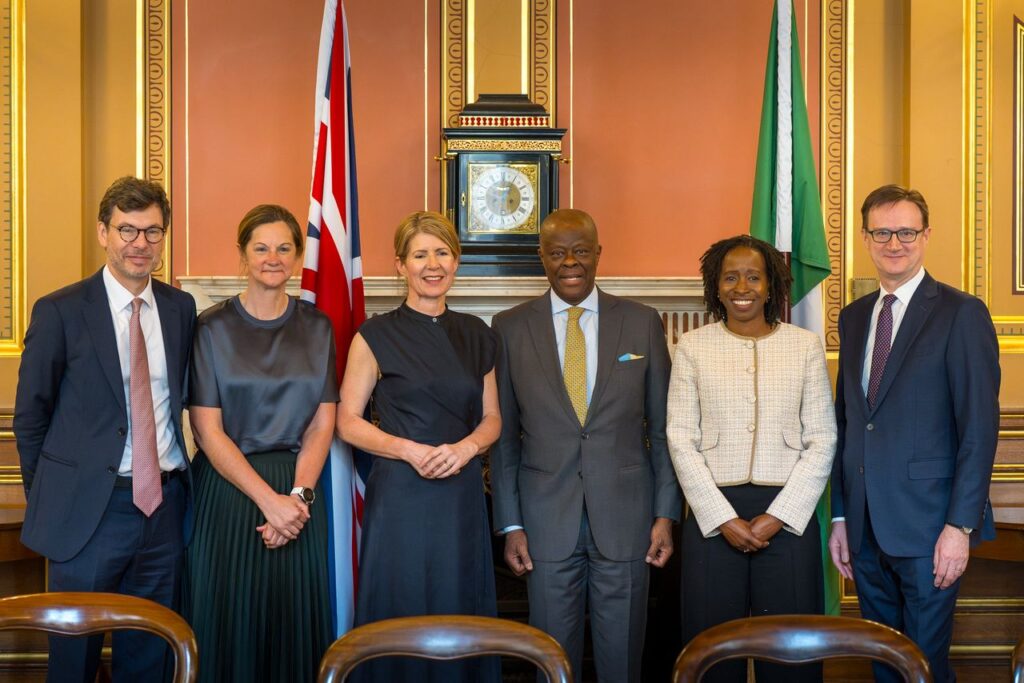
At the centre of the development is an aggressive expansion by Nigerian banks and fintech companies into the UK market, alongside renewed commitments by British firms to scale operations in Nigeria.
In a major boost to Nigeria’s manufacturing sector, Twinings Ovaltine has unveiled a £24 million production facility in Lagos—its first on the African continent. The plant is projected to create over 100 direct jobs while strengthening export capacity across West Africa.
Nigeria’s financial institutions are also increasing their global footprint. Zenith Bank has launched a new branch in Manchester, with plans to generate dozens of jobs and deepen trade links between Africa and the UK. The bank is also considering a future listing on the London Stock Exchange as part of its long-term expansion strategy.
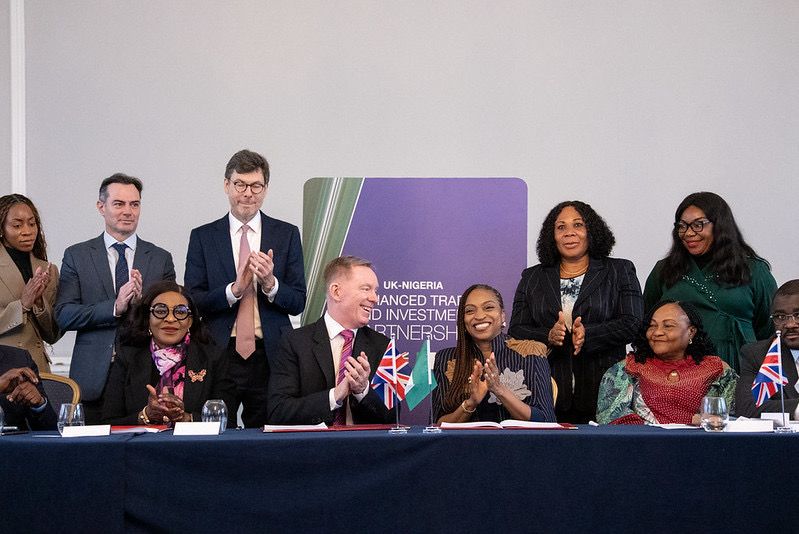
Likewise, Fidelity Bank is expanding its UK presence following the rebranding of Union Bank UK to FidBank UK, with plans to significantly grow its workforce and capital base. Other players such as FCMB are leveraging the UK as a strategic hub to roll out cross-border payment platforms aimed at facilitating trade between Africa and the global market.
The fintech sector is driving a substantial share of the new investments. LemFi has committed £100 million over five years, designating London as its global headquarters, while Moniepoint plans to expand its UK workforce to 100 employees by 2026. Digital bank Kuda Bank is also scaling up its UK operations as it eyes broader international growth.
Beyond finance and technology, the creative industry is emerging as another pillar of collaboration. EbonyLife is set to establish EbonyLife Place London, a move expected to create new jobs while amplifying African storytelling on a global stage.
Officials say the growing investment flows highlight increasing confidence in both economies. UK authorities point to the country’s stable regulatory environment and access to global capital, while Nigeria’s expanding digital and creative sectors continue to attract international interest.
Education and skills development are also receiving attention, with new partnerships between institutions such as the University of Birmingham and the University of Lagos focusing on cutting-edge fields including artificial intelligence, digital technology, and healthcare innovation.
With bilateral trade now estimated at £8.1 billion annually, analysts say the latest round of investments signals a shift in UK–Nigeria relations—from traditional trade to a more dynamic partnership driven by innovation, talent, and shared economic ambition.
The coming days are expected to yield further announcements as both governments seek to unlock new opportunities capable of delivering long-term growth and job creation for their citizens.
Nigeria–UK Investment Surge to Generate Jobs, Deepen Economic Ties
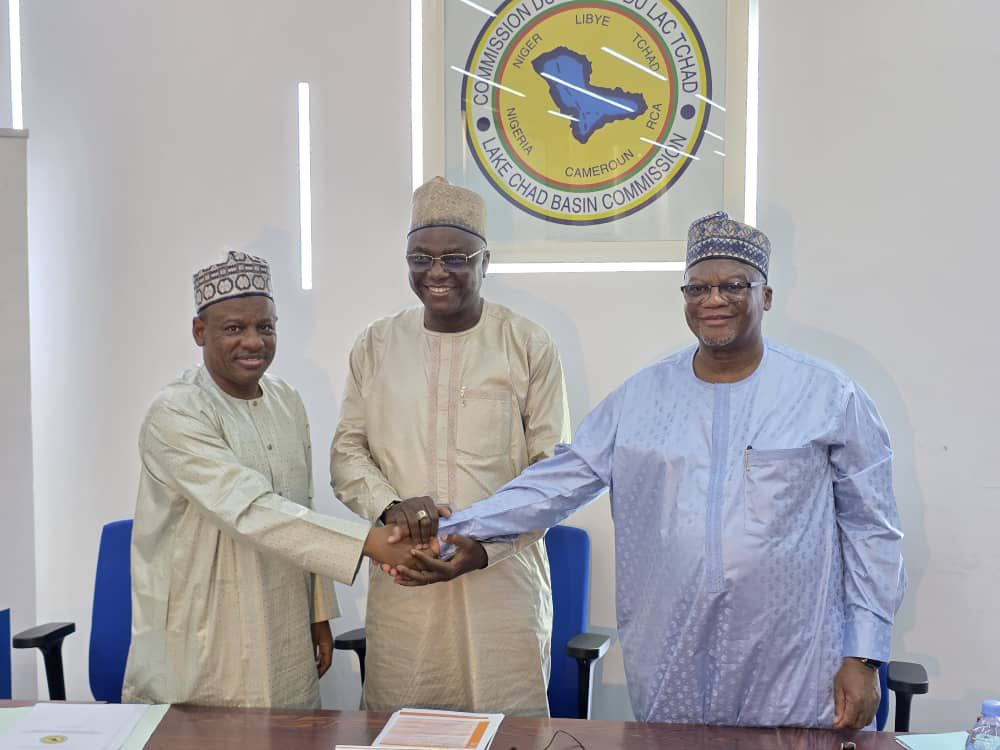
Babani assumes office as LCBC chief, pledges stronger regional security, cooperation
By: Zagazola Makama
The newly appointed Executive Secretary of the Lake Chad Basin Commission (LCBC) and Head of Mission of the Multinational Joint Task Force (MNJTF), Amb. Ibrahim Babani, has pledged to strengthen regional collaboration to tackle security and developmental challenges in the Lake Chad Basin.
In his inaugural address, Babani underscored the importance of strengthening the MNJTF, the regional military coalition tasked with combating insurgency in the Lake Chad Basin.
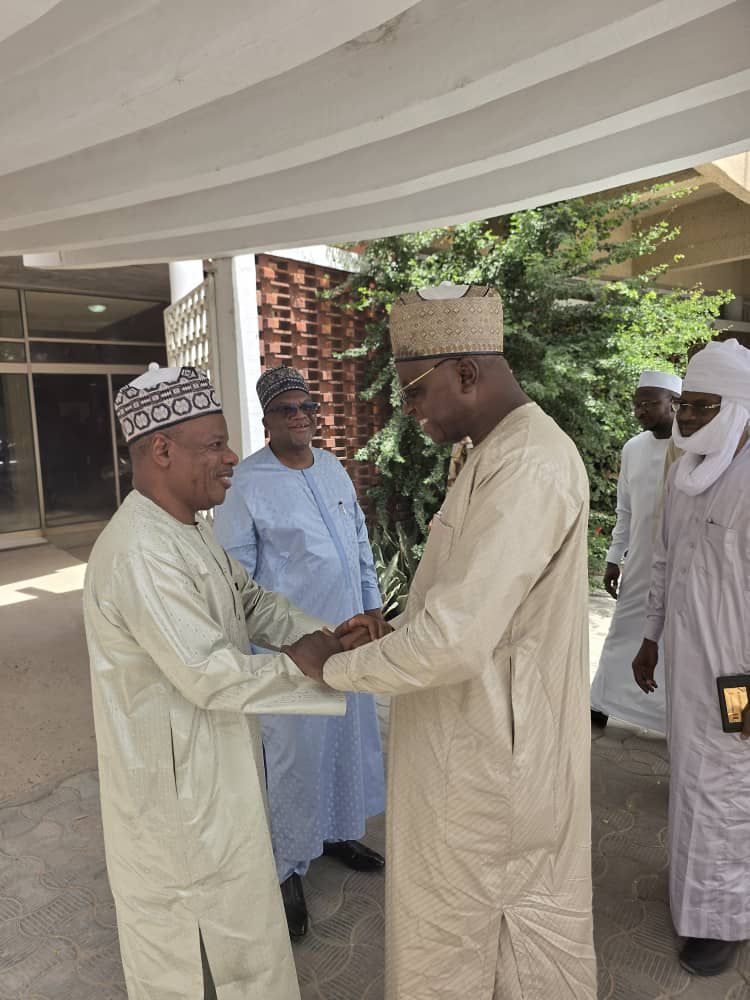
He called for increased collaboration among troop-contributing countries and greater support from international partners, noting that sustained joint operations remain essential to degrading terrorist networks operating across porous borders.
He expressed gratitude to the Chairman of the LCBC Summit of Heads of State and Government, Mahamat Idriss Déby Itno, President of Chad, for supporting his nomination by President Bola Ahmed Tinubu, as well as other member states for endorsing his emergence.
Babani emphasised that peace and security would remain a top priority of his administration, particularly through enhanced support for the MNJTF, a regional military coalition combating insurgency in the Lake Chad Basin.
He called on troop-contributing countries to sustain active participation in joint operations, while also urging international partners to scale up support for counter-terrorism efforts.
Babani’s emphasis on strengthening the MNJTF reflects growing concerns over renewed insurgent activities across the Lake Chad region, especially in border communities spanning Nigeria, Niger, Chad and Cameroon.
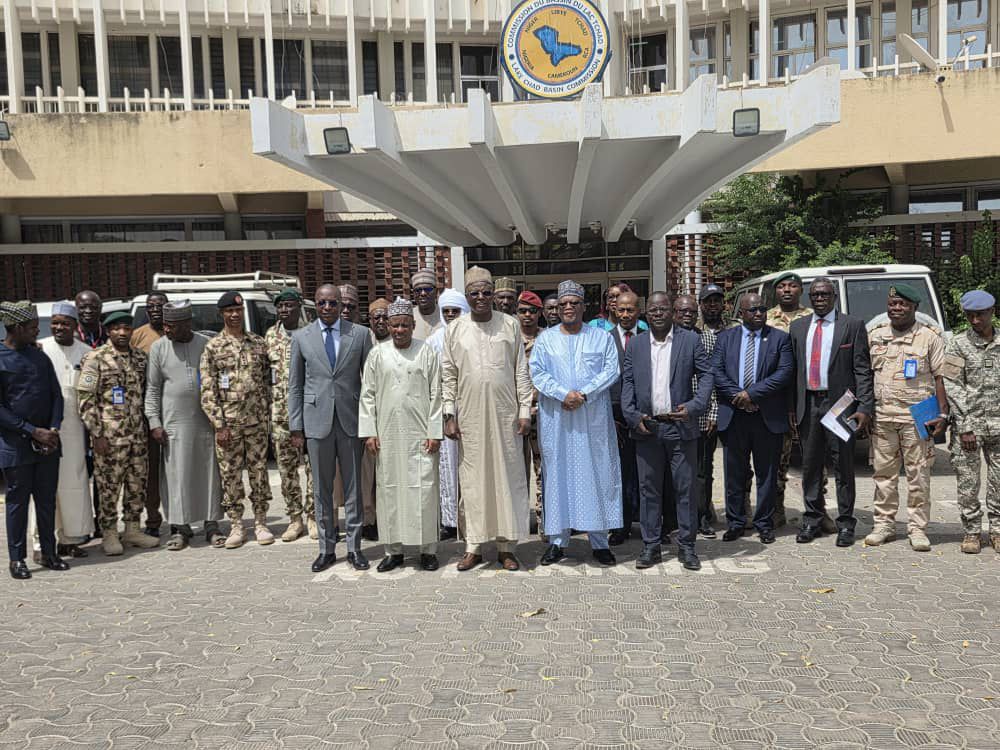
The new LCBC boss paid tribute to his predecessor, Amb. Mamman Nuhu, acknowledging his leadership in stabilising the commission and advancing its core mandates.
Babani pledged to sustain and build on these achievements, while introducing reforms aimed at improving efficiency, transparency and institutional performance.
He also disclosed plans to engage member states on the recovery of outstanding financial contributions, a move seen as vital for funding regional programmes and sustaining operations of the commission.
Babani has emphasised teamwork, dialogue and collaboration as guiding principles of his leadership, expressing confidence in the capacity of the LCBC and MNJTF teams to overcome prevailing challenges.
He also pledged to uphold due process and ensure inclusivity in decision-making, noting that collective ownership of the commission’s goals would drive its success.
Beyond security, Babani pointed out key priorities of the LCBC, including sustainable management of shared water resources, environmental conservation, regional economic integration and conflict prevention.
These areas are critical to addressing the root causes of instability in the Lake Chad Basin, where climate change, shrinking water resources and economic hardship have contributed to displacement and insecurity.
Development partners, including the European Union, the African Development Bank and the German development agency (GIZ), were acknowledged for their continued support to the commission’s programmes.
Babani’s investiture in N’Djamena, Republic of Chad, signals not just a change in leadership, but a renewed commitment by member states to confront the complex challenges confronting the basin through collective action and strengthened partnerships.
The Lake Chad Basin, shared by Nigeria, Niger, Chad and Cameroon, has for over a decade remained at the epicentre of insurgency driven by extremist groups, alongside the devastating impact of climate change and dwindling water resources.
These challenges have combined to displace millions, disrupt livelihoods and strain already fragile governance structures across the region.
The dual role of Babani as head of both the LCBC and MNJTF places him at the intersection of security coordination and development planning—two critical pillars for stabilising the region.
Stakeholders noted that effective coordination among member states and sustained international backing remain critical to consolidating recent gains against terrorist groups. They argue that enhanced intelligence sharing, logistics support and joint planning will be crucial in maintaining pressure on such groups.
Beyond security, Babani highlighted the need to tackle underlying drivers of conflict, including poverty, unemployment, environmental degradation and competition over shrinking natural resources. The LCBC’s mandate, which spans water resource management, ecosystem conservation and economic cooperation, is seen as critical in addressing these issues.
Stakeholders say aligning these interventions with security efforts will be key to achieving sustainable peace in the region.
As Babani takes over the reins, expectations are high that his tenure will consolidate gains in regional security while advancing development initiatives that address the root causes of instability.
The Lake Chad Basin remains a region of strategic importance, not only for its member states but for the broader Sahel and West African sub-region.
How effectively the LCBC under Babani navigates the interplay between security and development may well shape the future of millions of people whose lives depend on the restoration of peace, stability and economic opportunity.
Babani assumes office as LCBC chief, pledges stronger regional security, cooperation

UMTH: When VP Kashim Shettima acknowledges Ahidjo and hospital staff for their services to victims of Maiduguri bomb blasts

Sallah: FRSC deploys 620 personnel in Gombe

KACRAN Applauds Buni’s Leadership, Cites Job Creation and Food Security Gains in Yobe

Roger Federer’s Shock as DNA Results Reveal Myla and Charlene Are Not His Biological Children

THE PLIGHT OF FARIDA

FAILED COUP IN BURKINA FASO: HOW TRAORÉ NARROWLY ESCAPED ASSASSINATION PLOT AMID FOREIGN INTERFERENCE CLAIMS
-
 News2 years ago
Roger Federer’s Shock as DNA Results Reveal Myla and Charlene Are Not His Biological Children
-
Opinions4 years ago
THE PLIGHT OF FARIDA
-
 News11 months ago
FAILED COUP IN BURKINA FASO: HOW TRAORÉ NARROWLY ESCAPED ASSASSINATION PLOT AMID FOREIGN INTERFERENCE CLAIMS
-

 News2 years ago
EYN: Rev. Billi, Distortion of History, and The Living Tamarind Tree
-
 Opinions4 years ago
POLICE CHARGE ROOMS, A MINTING PRESS
-

 ACADEMICS2 years ago
A History of Biu” (2015) and The Lingering Bura-Pabir Question (1)
-

 Columns2 years ago
Army University Biu: There is certain interest, but certainly not from Borno.
-

 Opinions2 years ago
Tinubu,Shettima: The epidemic of economic, insecurity in Nigeria
