
News
“When two elephants fight, it is the grass that suffers”- The Case of Iran Israel United States Conflict

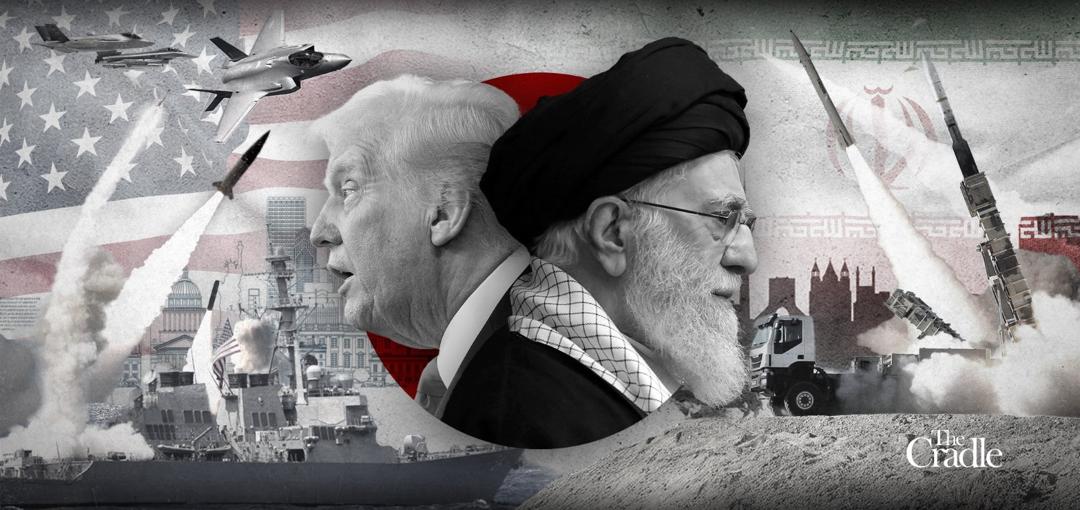
“When two elephants fight, it is the grass that suffers”- The Case of Iran Israel United States Conflict
By: Michael Mike
From the ancient Persian world to the Swahili coast of Africa, the story of Iran is not merely political—it is civilizational. The current conflict therefore raises questions not only about power, but about history, justice and humanity itself.
In Africa, a well-known proverb captures a timeless truth: “When two elephants fight, it is the grass that suffers.” Across the wider African continent, this saying reminds us that when powerful actors collide, it is ordinary people—families, children and communities—who bear the greatest cost.
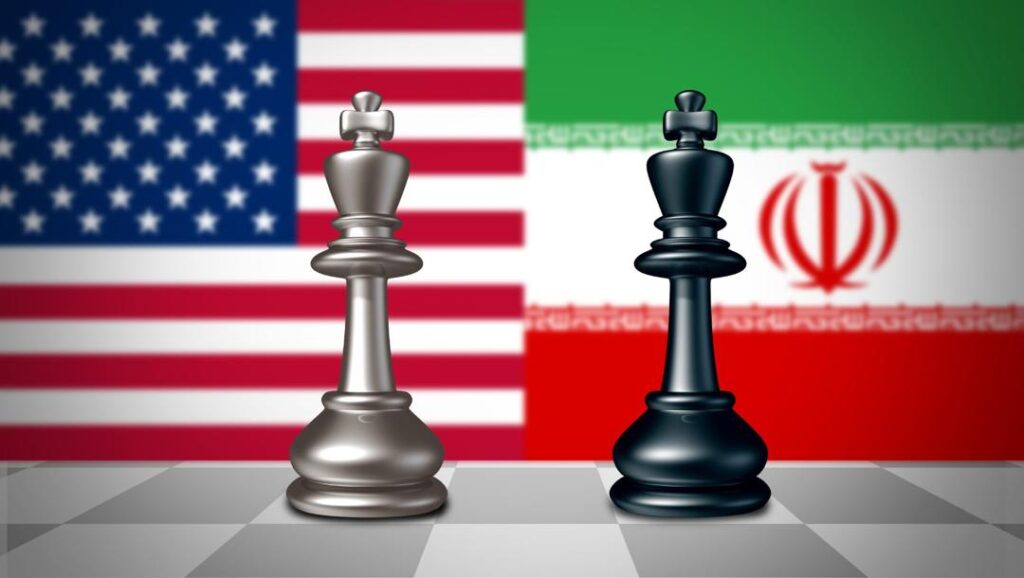
Today, as tensions escalate across West Asia and military strikes attributed to the United States and Israel target the Islamic Republic of Iran, the world is witnessing a confrontation that extends far beyond the calculations of geopolitics.
To strike Iran is not merely to confront a modern state. It is to challenge one of the oldest living civilizations on Earth—a civilization whose cultural, intellectual and spiritual influence has shaped vast regions of the world for more than three thousand years.
A Civilization Older Than the Modern World
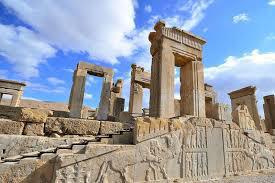
Long before the modern geopolitical map of the Middle East existed, the Iranian plateau had already produced organized states, complex administrative systems and vibrant intellectual traditions.
From the Achaemenid Empire of Cyrus the Great to the flourishing cultural centers of Shiraz and Isfahan, Persian civilization helped shape literature, science, philosophy and political thought across the Mediterranean world, Central Asia and the Indian Ocean basin.
Unlike many later imperial powers whose expansion relied on colonization, resource extraction and the brutal transatlantic slave trade, Persia’s historical influence travelled largely through knowledge, trade and cultural exchange.
This legacy of interaction links Iran not only to Asia but also to Africa.
The Persian Handshake with Africa
Centuries before European colonial powers partitioned the African continent, Persian merchants were already sailing the monsoon winds of the Indian Ocean toward the Swahili coast.
They arrived not as conquerors but as traders, scholars and cultural intermediaries.
From present-day Somalia to Mozambique, Persian traders established networks of commerce and intellectual exchange with the Swahili city-states. Maritime knowledge, architecture, poetry and urban culture travelled across these routes alongside textiles and spices.
The interaction was never one-sided. African societies reshaped and integrated these influences into their own traditions, creating a distinctive Afro-Asian cultural synthesis that still characterizes the region today.
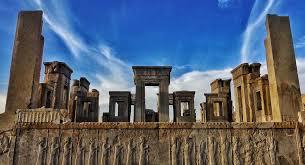
Even the Kiswahili language, rooted in Bantu linguistic traditions, reflects centuries of interaction with Persian and other Indian Ocean cultures.
In this sense, the story of Iran is not distant from Africa—it is intertwined with it.
The Islamic Revolution and the Ethics of Defending the Oppressed
In 1979, Iran once again became the stage for a unique historical transformation.
The Islamic Revolution did not attempt to erase Iran’s ancient past. Instead, it sought to frame a deeply rooted civilization within a moral vision centered on justice, independence and the defense of the oppressed.
Imam Ruhollah Khomeini, the founder of the Islamic Republic, articulated a political philosophy that placed the protection of the Mustazafin—the oppressed and marginalized—at the heart of the revolution’s mission.
One of the most enduring expressions of this principle was his declaration of the last Friday of Ramadan as International Quds Day, inviting people around the world to remember the plight of the Palestinian people.
This ethical perspective continued under the leadership of Ayatollah Sayyid Ali Khamenei, who consistently framed the Palestinian question not merely as a geopolitical dispute but as a matter of moral responsibility and global justice.
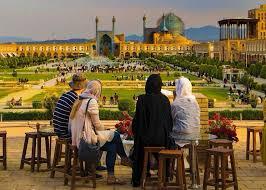
For many observers, this unwavering support for Palestinian rights remains one of the central sources of tension between Iran and its adversaries.
Jerusalem: A Sacred City for Humanity
From the perspective of religious scholarship, Jerusalem—known in Arabic as Al-Quds—occupies a unique place in the spiritual geography of humanity.
It is sacred not only to Muslims but also to Christians and Jews.
Within its ancient walls stand some of the most revered sites of the Abrahamic traditions: Al-Aqsa Mosque, the Church of the Holy Sepulcher, and the Western Wall.
For scholars of comparative religion, Jerusalem represents not an exclusive possession but a shared spiritual heritage.
The respected Christian leader Archbishop Desmond Tutu once captured this moral principle in words that resonate across faith traditions:
“If you are neutral in situations of injustice, you have chosen the side of the oppressor.”
The Human Question of Self-Defense
Against this historical and moral background, the present conflict raises difficult questions.
Reports from the early days of the war describe devastating strikes, including the bombing of an elementary school in which 168 children between the ages of eight and twelve reportedly lost their lives.
Such tragedies challenge the conscience of the international community.
Under what interpretation of international law can the killing of children be justified?
Under which definition of human rights can such actions be normalized?
History already offers troubling precedents. In Gaza, years of conflict have resulted in the deaths of tens of thousands of civilians.
Yet beyond statistics lies a simple human question.
If the Pope were assassinated in the Vatican, or if your own home were attacked and your father killed before your eyes, would any society remain silent?
Nations, like families, possess a natural instinct for self-defense. When confronted with aggression, the desire to resist is not extremism—it is dignity.
Strategic Consequences beyond Iran
The implications of this confrontation are unlikely to remain confined within Iran’s borders. History repeatedly shows that conflicts ignited in one part of the Middle East rarely remain geographically contained.
Military escalation against a major regional power such as Iran risks widening an already fragile landscape of instability across West Asia.
When the sovereignty of states can be openly violated and civilian infrastructure becomes a battlefield, the consequences rarely stop at a single frontier. They ripple outward—affecting regional security, global diplomacy and the fragile hopes of societies already burdened by decades of conflict.
Africa’s Moral Memory
For Africa, these questions are not abstract. The continent carries its own deep memory of colonial domination, resistance and the struggle for dignity.
The late South African leader Nelson Mandela expressed this moral connection clearly:
“We know too well that our freedom is incomplete without the freedom of the Palestinians.”
Mandela’s words remind us that justice is indivisible.
From Johannesburg to Nairobi, from Tehran to Jerusalem, the principle remains the same: when a people stand against oppression, they defend not only territory but human dignity.
Cultural Expert
Embassy of the Islamic Republic of Iran in Abuja, Nigeria
“When two elephants fight, it is the grass that suffers”- The Case of Iran Israel United States Conflict


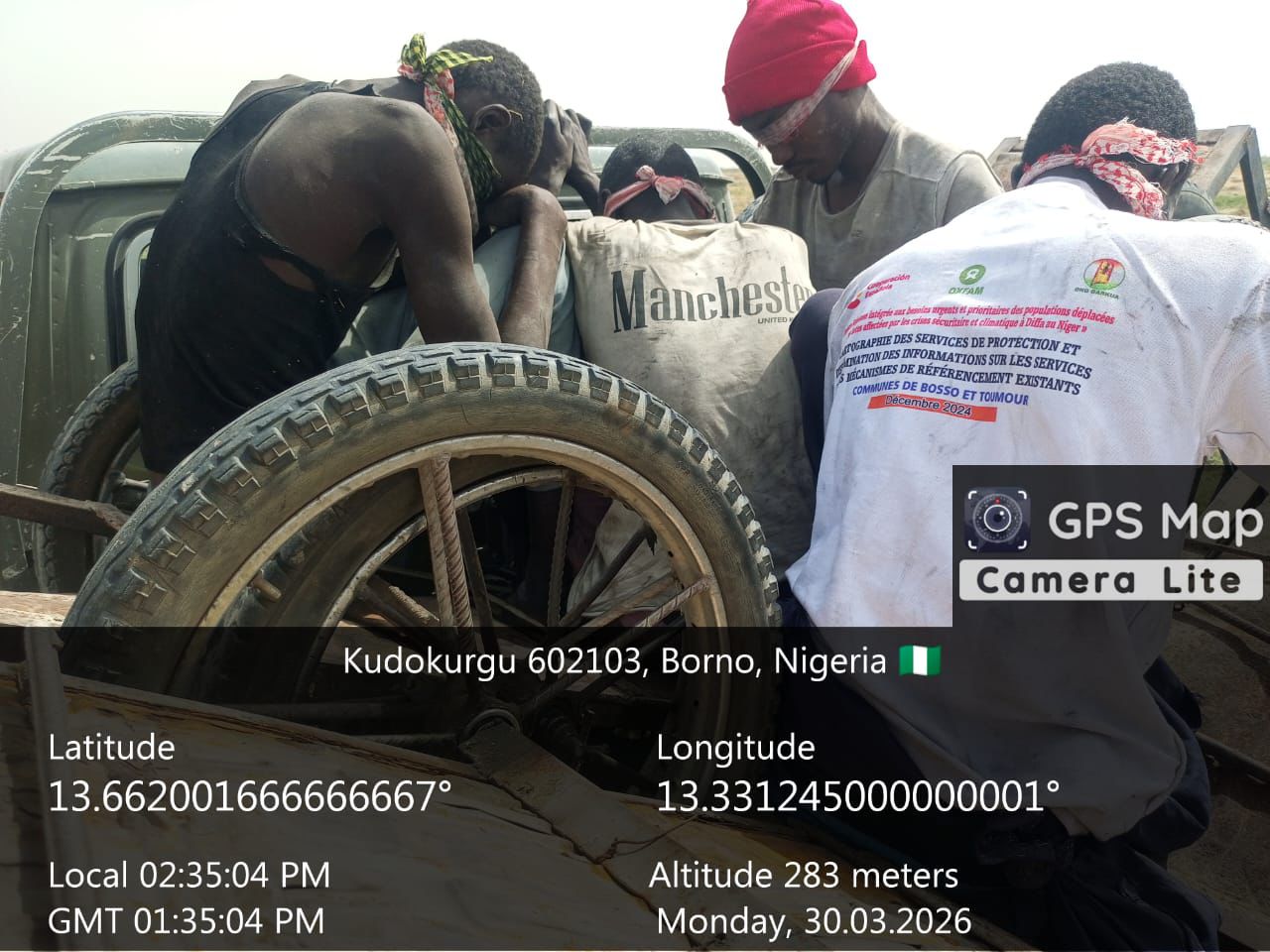
Troops intercept 11 youths with donkeys during patrol in Borno
By: Zagazola Makama
Troops of 68 Battalion have intercepted 11 youths during a routine patrol in Mallam Fatori area of Abadam Local Government Area of Borno State.
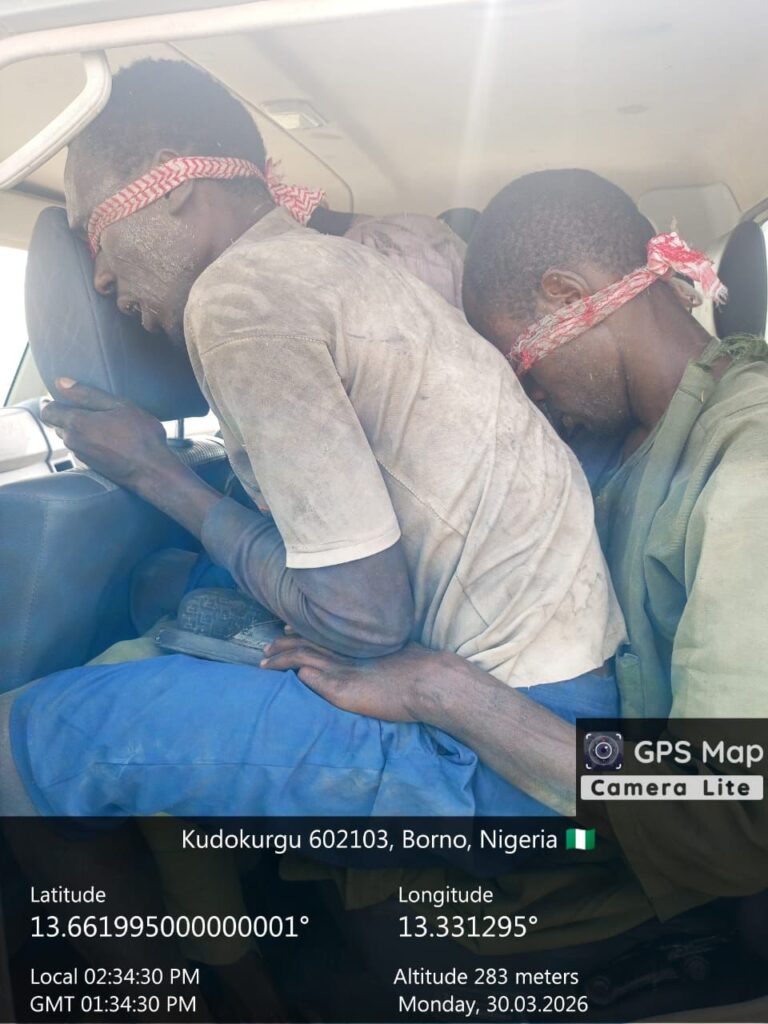
Security sources said the interception occurred along the Bulagana–Cheisa axis on April 2 during ongoing clearance operations in the area.
According to the sources, the individuals were found moving in the area with 12 donkeys when they were stopped and briefly interrogated by troops.
The sources added that the youths were later handed over, alongside the animals, to relevant authorities in a neighbouring country for further necessary action.
The military said the patrol was part of sustained efforts to maintain security dominance and prevent exploitation of border communities by criminal elements.
Troops intercept 11 youths with donkeys during patrol in Borno
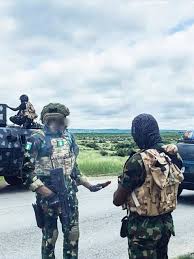
Troops recover ammunition, logistics items in Kwara patrol operation
By: Zagazola Makama
Troops of the Nigerian Army under the 22 Brigade have recovered ammunition and other logistics items during a fighting patrol in Ifelodun Local Government Area of Kwara State.
A security source disclosed that the operation was conducted at about 4:00 p.m. on April 2 at Daban Lema, where troops of the brigade, operating from the Patrol Base, encountered signs of suspected terrorist activities in a deserted location.
According to the source, the troops immediately carried out exploitation of the area, leading to the recovery of four rounds of 7.62mm special ammunition and one empty PKT ammunition belt link.
Other items recovered include four mobile phones, two head warmers, two small solar panels, and assorted repair tools believed to have been used by the suspected terrorists.
The source added that the recovery indicates the presence and movement of suspected criminal elements within the area, noting that troops have intensified surveillance and patrols to deny them freedom of action.
Troops recover ammunition, logistics items in Kwara patrol operation
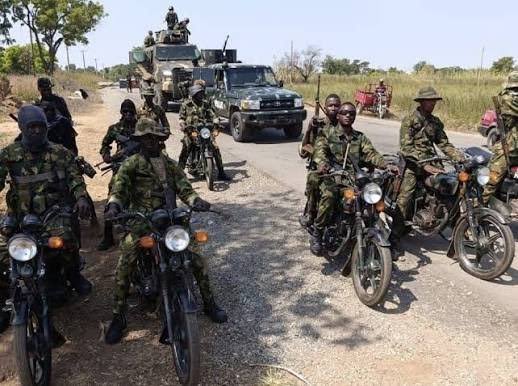
Troops foil attack by Criminal Youths, rescue victims, arrest suspects in plateau
By: Zagazola Makama
Troops of Sector 1, Operation Enduring Peace (OPEP), have foiled an attack on residents at Dutse Uku in Jos North Local Government Area of Plateau State.
A security source said the troops responded swiftly to a report of sporadic gunshots in the area at about 11:50 p.m. on April 2.
According to the source, upon arrival at the scene, the suspected criminals fled, abandoning their operation due to the prompt intervention of the troops.
He said the troops rescued two victims who sustained gunshot wounds during the incident and immediately evacuated them to a hospital for medical attention.
The source further disclosed that two suspects, dressed in black attire, were arrested at the scene.
Items recovered from the suspects include a cutlass and a knife.
He added that the suspects are currently in military custody and undergoing preliminary investigation, while efforts are ongoing to track down other fleeing members of the group.
Zagazola report that despite heightened security, there has been report of pocket of attacks in some communities.
The source reassured residents of the military’s commitment to protecting lives and property and urged the public to continue providing timely information to security agencies.
Troops foil attack by Criminal Youths, rescue victims, arrest suspects in plateau

Troops intercept suspected Boko Haram logistics convoy conveying 13 persons in Borno

Troops intercept 11 youths with donkeys during patrol in Borno

Troops, CJTF arrest three suspected Boko Haram logistics suppliers in Borno

Roger Federer’s Shock as DNA Results Reveal Myla and Charlene Are Not His Biological Children

THE PLIGHT OF FARIDA

FAILED COUP IN BURKINA FASO: HOW TRAORÉ NARROWLY ESCAPED ASSASSINATION PLOT AMID FOREIGN INTERFERENCE CLAIMS
-
 News2 years ago
Roger Federer’s Shock as DNA Results Reveal Myla and Charlene Are Not His Biological Children
-
Opinions4 years ago
THE PLIGHT OF FARIDA
-
 News12 months ago
FAILED COUP IN BURKINA FASO: HOW TRAORÉ NARROWLY ESCAPED ASSASSINATION PLOT AMID FOREIGN INTERFERENCE CLAIMS
-

 News2 years ago
EYN: Rev. Billi, Distortion of History, and The Living Tamarind Tree
-
 Opinions4 years ago
POLICE CHARGE ROOMS, A MINTING PRESS
-

 ACADEMICS2 years ago
A History of Biu” (2015) and The Lingering Bura-Pabir Question (1)
-

 Columns2 years ago
Army University Biu: There is certain interest, but certainly not from Borno.
-

 Opinions2 years ago
Tinubu,Shettima: The epidemic of economic, insecurity in Nigeria
