
News
Whistleblower recounts ordeal after exposing drug trafficker in Kano

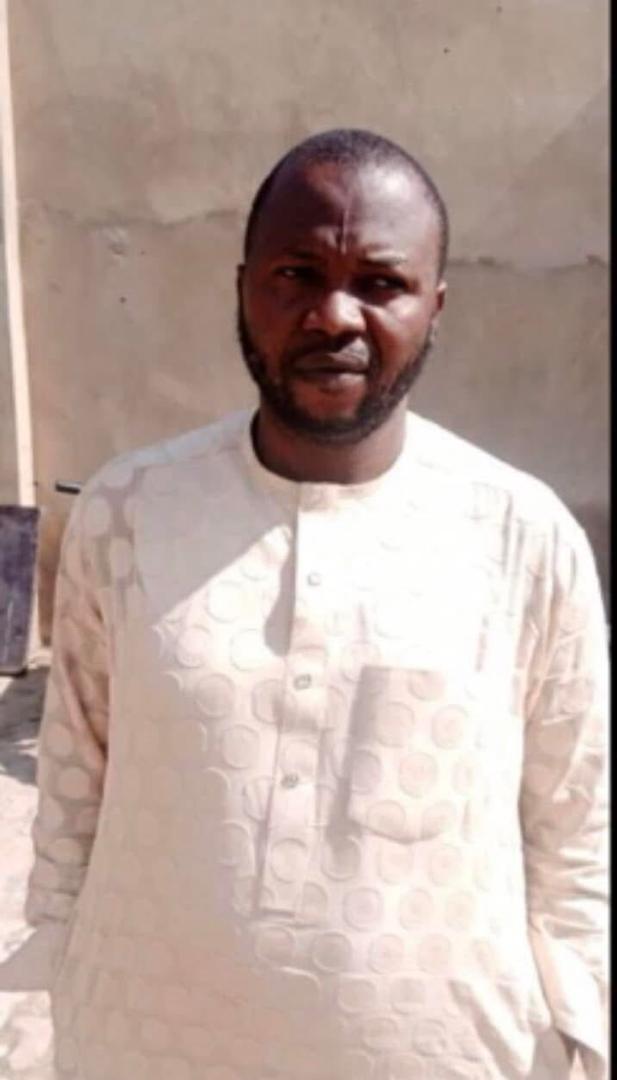
Whistleblower recounts ordeal after exposing drug trafficker in Kano
By: Zagazola Makama
A young whistleblower has come forward with a detailed account of alleged harassment, detention, and intimidation he faced after exposing a suspected drug trafficker, Sulaiman Dan Wawu, in Kano State.
The incident, which began in December 2022, involved multiple arrests, prolonged court appearances, and alleged violations of his fundamental rights, despite his role in alerting the public to the arrest of Dan Wawu with 500 cartons of Tramadol.
The whistleblower, who spoke under anonymity due to safety concerns, said the situation began after he posted news of Dan Wawu’s arrest on TikTok – a post that gained over 41,000 views. The viral post, which followed a similar disclosure by Police Spokesman SP Abdullahi Kiyawa on Facebook, allegedly provoked backlash from the suspect and his associates.
“Though I had no personal connection to Dan Wawu, the day after I posted the video, a man named Abba Abdullahi came to my area in Kwankwaso, claiming to be from the CID. He accused me of buying a stolen phone and insisted I follow him to Farm Center,” the whistleblower said.
“Instead of Farm Center, I was taken to the Rapid Response Team (RRT) cell, where I spent three days. Each day, Dan Wawu, his wife, and another associate, Abdullahi Amdaz, came to see me. I was tortured in their presence. They claimed I had defamed them on TikTok.”
After being taken before a magistrate at the PRP Court under Judge Nura Yusuf Ahmad, the complainant was returned to the CID on remand. He later appeared in court where the formal charge was read: defamation and public misinformation for stating that “Dan Wawu was a drug trafficker” on social media.
The prosecution alleged that over 41,000 people had viewed the TikTok video and that radio stations had also aired the case. The suspect’s wife reportedly gave a media interview accusing the whistleblower of damaging her husband’s reputation.
The judge remanded the whistleblower to prison for five days before he was granted bail under six strict conditions, including the provision of two civil servants of Grade Level 12 or above, endorsement by a ward head, and an undertaking to refrain from using social media or any media platform.
Later, the whistleblower alleged further intimidation. “Abba Abdullahi, who earlier arrested me, called me and my elder brother outside court. He video-called Dan Wawu, who was then in Qatar, and forced me to delete two TikTok accounts with 87,000 and 19,000 followers,” he said.
He claimed three of his SIM cards were seized – the ones linked to his TikTok and email accounts – and was warned against SIM swapping or returning to social media.
Despite this, the trial dragged on for 11 to 13 months. “Even though the court was aware that Dan Wawu had been arrested with drugs, he and his wife never showed up in court,” he said.
One day, he was re-arrested by Abba Abdullahi on the claim that he had violated bail conditions. He was detained at CID for two days before being transferred to prison, where he spent 38 days during Ramadan in 2023, eventually regaining his freedom on the 29th day of fasting.
At the peak of the trial, he was reportedly pressured by the prosecutor, Aliyu Abideen, to swear an oath in court to prove his innocence. He rejected the condition, citing Islamic jurisprudence, which limits such oaths to civil or financial disputes – not criminal cases involving narcotics.
“In Maliki jurisprudence, oaths are only valid in financial matters, not cases involving someone caught with illegal drugs,” he said, quoting a Maliki legal verse.
Eventually, after the prosecution failed to present evidence or secure testimony from Dan Wawu, the case lost momentum. Meanwhile, Dan Wawu, who was arrested and arraigned at the Federal High Court on drug trafficking charges, reportedly fled with his wife and has since been at large.
“Now the entire world, not just 41,000 people, knows he was caught with drugs. His disgrace is from God. He spent nearly 50 days in prison before escaping,” the whistleblower said.
Whistleblower recounts ordeal after exposing drug trafficker in Kano



Troops intercept 11 youths with donkeys during patrol in Borno
By: Zagazola Makama
Troops of 68 Battalion have intercepted 11 youths during a routine patrol in Mallam Fatori area of Abadam Local Government Area of Borno State.
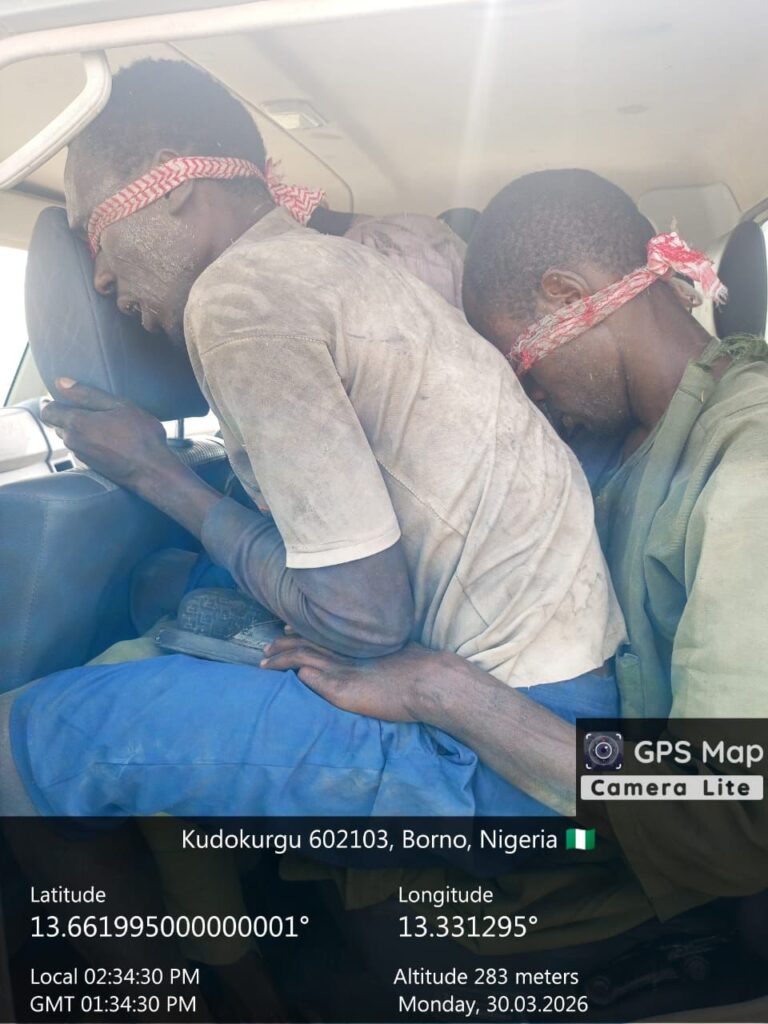
Security sources said the interception occurred along the Bulagana–Cheisa axis on April 2 during ongoing clearance operations in the area.
According to the sources, the individuals were found moving in the area with 12 donkeys when they were stopped and briefly interrogated by troops.
The sources added that the youths were later handed over, alongside the animals, to relevant authorities in a neighbouring country for further necessary action.
The military said the patrol was part of sustained efforts to maintain security dominance and prevent exploitation of border communities by criminal elements.
Troops intercept 11 youths with donkeys during patrol in Borno
Troops recover ammunition, logistics items in Kwara patrol operation
By: Zagazola Makama
Troops of the Nigerian Army under the 22 Brigade have recovered ammunition and other logistics items during a fighting patrol in Ifelodun Local Government Area of Kwara State.
A security source disclosed that the operation was conducted at about 4:00 p.m. on April 2 at Daban Lema, where troops of the brigade, operating from the Patrol Base, encountered signs of suspected terrorist activities in a deserted location.
According to the source, the troops immediately carried out exploitation of the area, leading to the recovery of four rounds of 7.62mm special ammunition and one empty PKT ammunition belt link.
Other items recovered include four mobile phones, two head warmers, two small solar panels, and assorted repair tools believed to have been used by the suspected terrorists.
The source added that the recovery indicates the presence and movement of suspected criminal elements within the area, noting that troops have intensified surveillance and patrols to deny them freedom of action.
Troops recover ammunition, logistics items in Kwara patrol operation
Troops foil attack by Criminal Youths, rescue victims, arrest suspects in plateau
By: Zagazola Makama
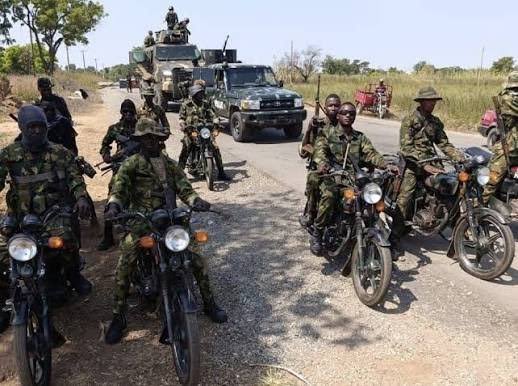
Troops of Sector 1, Operation Enduring Peace (OPEP), have foiled an attack on residents at Dutse Uku in Jos North Local Government Area of Plateau State.
A security source said the troops responded swiftly to a report of sporadic gunshots in the area at about 11:50 p.m. on April 2.
According to the source, upon arrival at the scene, the suspected criminals fled, abandoning their operation due to the prompt intervention of the troops.
He said the troops rescued two victims who sustained gunshot wounds during the incident and immediately evacuated them to a hospital for medical attention.
The source further disclosed that two suspects, dressed in black attire, were arrested at the scene.
Items recovered from the suspects include a cutlass and a knife.
He added that the suspects are currently in military custody and undergoing preliminary investigation, while efforts are ongoing to track down other fleeing members of the group.
Zagazola report that despite heightened security, there has been report of pocket of attacks in some communities.
The source reassured residents of the military’s commitment to protecting lives and property and urged the public to continue providing timely information to security agencies.
Troops foil attack by Criminal Youths, rescue victims, arrest suspects in plateau

Troops intercept suspected Boko Haram logistics convoy conveying 13 persons in Borno

Troops intercept 11 youths with donkeys during patrol in Borno

Troops, CJTF arrest three suspected Boko Haram logistics suppliers in Borno

Roger Federer’s Shock as DNA Results Reveal Myla and Charlene Are Not His Biological Children

THE PLIGHT OF FARIDA

FAILED COUP IN BURKINA FASO: HOW TRAORÉ NARROWLY ESCAPED ASSASSINATION PLOT AMID FOREIGN INTERFERENCE CLAIMS
-
 News2 years ago
Roger Federer’s Shock as DNA Results Reveal Myla and Charlene Are Not His Biological Children
-
Opinions4 years ago
THE PLIGHT OF FARIDA
-
 News12 months ago
FAILED COUP IN BURKINA FASO: HOW TRAORÉ NARROWLY ESCAPED ASSASSINATION PLOT AMID FOREIGN INTERFERENCE CLAIMS
-

 News2 years ago
EYN: Rev. Billi, Distortion of History, and The Living Tamarind Tree
-
 Opinions4 years ago
POLICE CHARGE ROOMS, A MINTING PRESS
-

 ACADEMICS2 years ago
A History of Biu” (2015) and The Lingering Bura-Pabir Question (1)
-

 Columns2 years ago
Army University Biu: There is certain interest, but certainly not from Borno.
-

 Opinions2 years ago
Tinubu,Shettima: The epidemic of economic, insecurity in Nigeria
