
News
Yobe State University Commends Governor Mai Mala Buni on Commissioning of BioRTC Permanent Facility


Yobe State University Commends Governor Mai Mala Buni on Commissioning of BioRTC Permanent Facility
By: Kolo Gulani
The Vice-Chancellor of Yobe State University, Prof. Muhammad Bashir Tahir has expressed profound appreciation to the Executive Governor of Yobe State, His Excellency, Hon. (Dr.) Mai Mala Buni, CON, for his visionary leadership and unwavering support toward the advancement of science, research, and higher education in the state.
The commendation was made at the official commissioning of the permanent facility of the Biomedical Science Research and Training Centre (BioRTC) in Damaturu, a landmark event that further positions Yobe State as an emerging hub for advanced biomedical research in Nigeria and Africa.
Speaking at the ceremony, the Vice-Chancellor described the commissioning as far more than the opening of a physical structure, noting that it represents the consolidation of an idea that has already attained credibility, impact, and international relevance.
“BioRTC stands today as one of the most visible and globally connected research initiatives associated with Yobe State University. Its growth affirms that when vision is matched with leadership, partnership, and sustained commitment, excellence is achievable anywhere,” ~the Vice-Chancellor stated.
The Vice-Chancellor particularly applauded Governor Buni’s foresight and courage in prioritising investment in advanced scientific infrastructure, describing it as a clear demonstration of leadership that understands development as investment in people, knowledge, and institutions, rather than short-term gains.
He noted that the Governor’s commitment has extended beyond BioRTC to the wider development of Yobe State University, resulting in measurable academic outcomes. Between 2019 and 2025, the University recorded the graduation of 106 First-Class graduates across disciplines including the sciences, humanities, and management studies an achievement described as a strategic human capital asset for Yobe State and Nigeria at large.
According to the Vice-Chancellor, these achievements demonstrate that talent flourishes when opportunity is equitably provided and excellence is deliberately nurtured, regardless of geography or circumstance.
Within this broader academic progress, BioRTC was highlighted as a powerful institutional model one that is globally engaged, scientifically independent, locally relevant, and firmly anchored in public service.
The Vice-Chancellor also formally recognised Professor Mahmoud Bukar Maina, Founder and Director of BioRTC, for his scientific leadership, persistence, and commitment to capacity building in Yobe State, describing his decision to establish a centre of international calibre in Yobe as a strong vote of confidence in the University and the State.
He reaffirmed Yobe State University’s commitment to providing an enabling institutional environment that supports academic excellence, innovation, and transparent partnerships, while strengthening constructive engagement with BioRTC for the benefit of students, researchers, and the people of Yobe State.
The Vice-Chancellor concluded by congratulating the Government of Yobe State, the leadership of BioRTC, and all partners who contributed to the successful completion of the permanent facility, expressing confidence that the Centre will serve science, society, and future generations.
Yobe State University Commends Governor Mai Mala Buni on Commissioning of BioRTC Permanent Facility


Hope in the Hard Times: Ashlee Momoh Foundation Spreads Easter Joy to Military Widows
By Comrade Philip O. Ikodor
The Ashlee Momoh Foundation (AMF), a non-profit organization dedicated to supporting the families of fallen officers, brought Easter cheer to military widows at Breden Estate, Airport Road, Abuja, on April 2nd, 2026. The event was a poignant celebration of hope, renewal, and the triumph of light over darkness, as Princess Ashlee Omonegho Momoh, Lead/Founder of AMF, emphasized in her address.
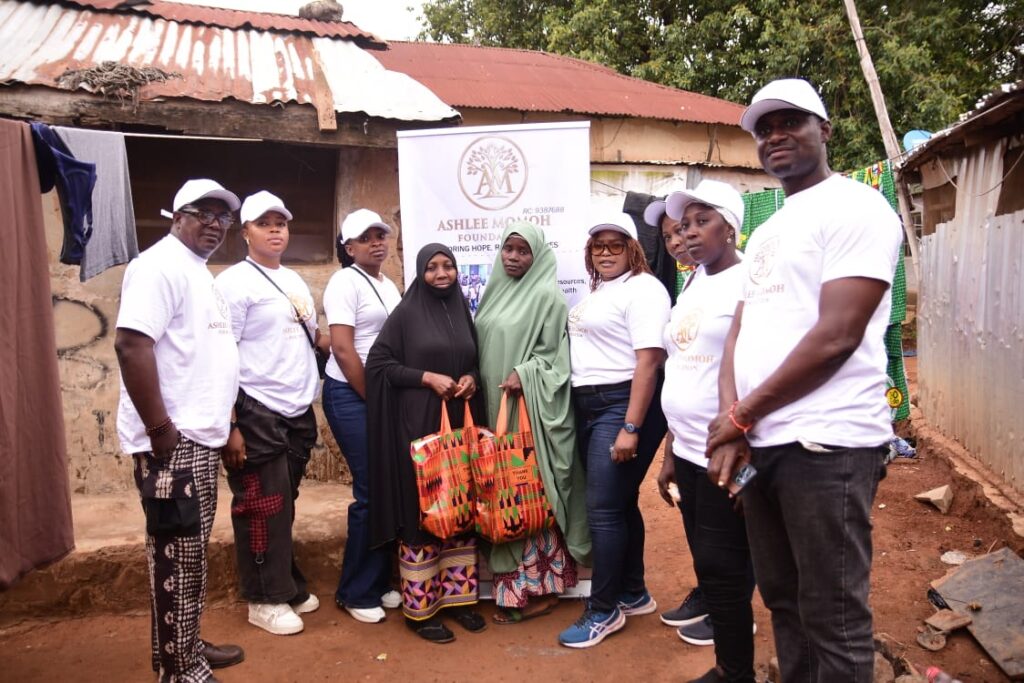
“Easter is the season of renewal, hope, and the triumph of light over darkness,” Princess Ashlee said. “It reminds us that even after the longest winter, spring arrives and even after the deepest sorrow, there is the possibility of a new dawn.” The outreach was designed to show support and encouragement to the military widows, and to felicitate with them on the occasion of Easter.
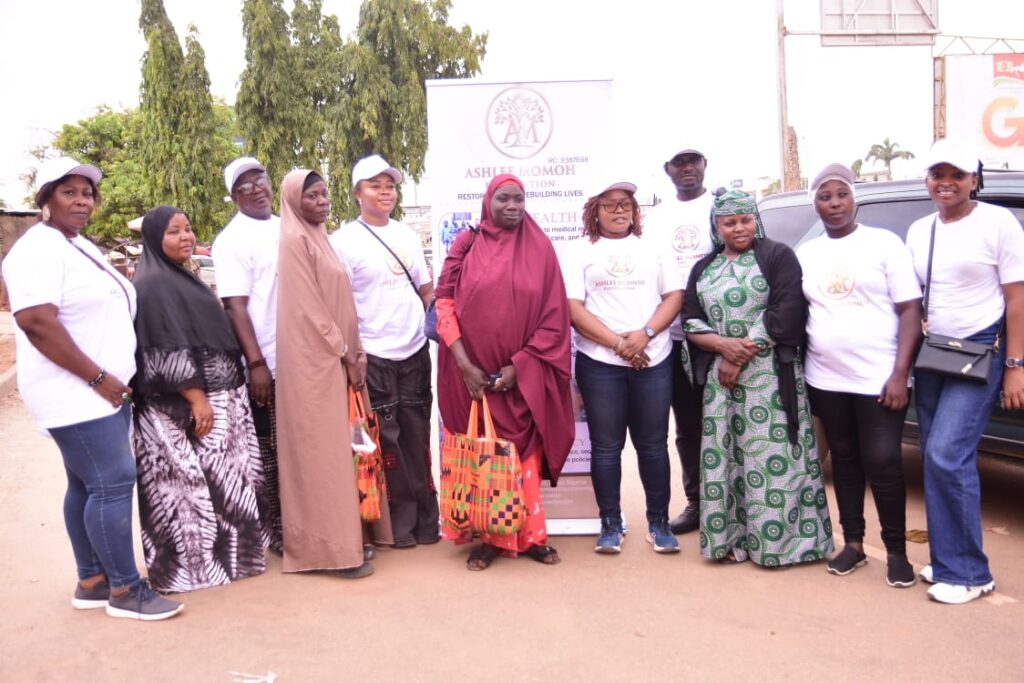
Princess Ashlee Momoh reassured the widows that while their loved ones are no longer physically present, their legacy lives on, and AMF is committed to standing with them, supporting them, and celebrating their strength. “Today, we celebrate you, our heroes’ widows, and the sacrifices you’ve made,” she said.
The event was filled with moments of joy and fulfilment, as beneficiaries received gift items, cash gifts, and scholarship opportunities. The Foundation also announced enlistment for skill acquisition and empowerment programs, aimed at equipping the widows with the tools they need to rebuild their lives.
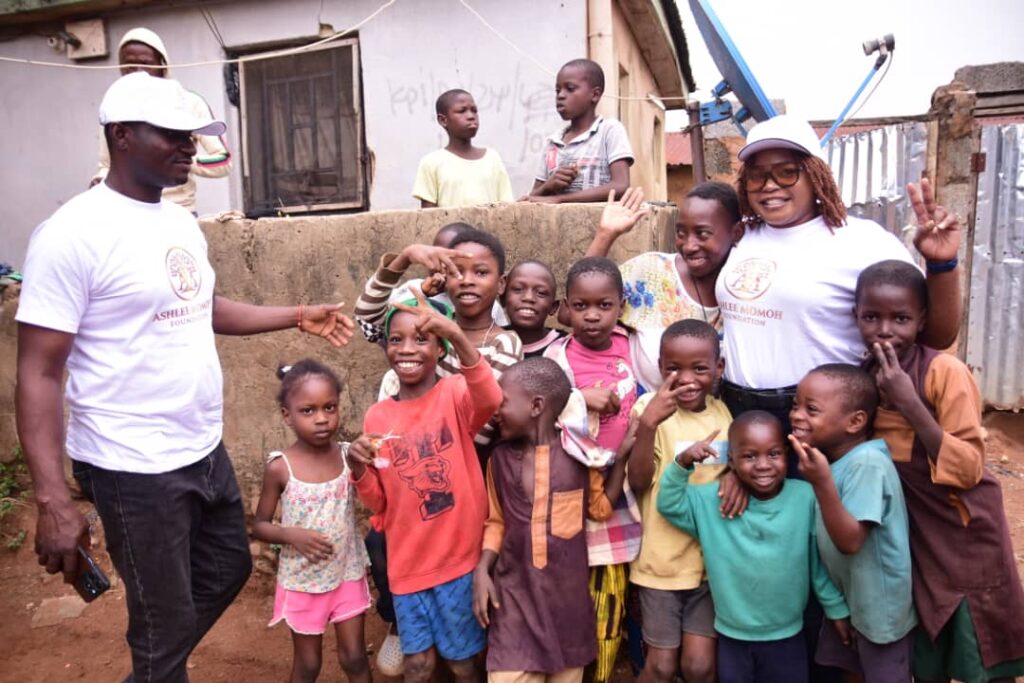
The outreach was a testament to AMF’s unwavering commitment to supporting the families of fallen officers, and its dedication to making a positive impact in the lives of those who have made immense sacrifices for their country. As one beneficiary put it, “This Easter, we’ve received more than just gifts – we’ve received hope, love, and a sense of belonging.”
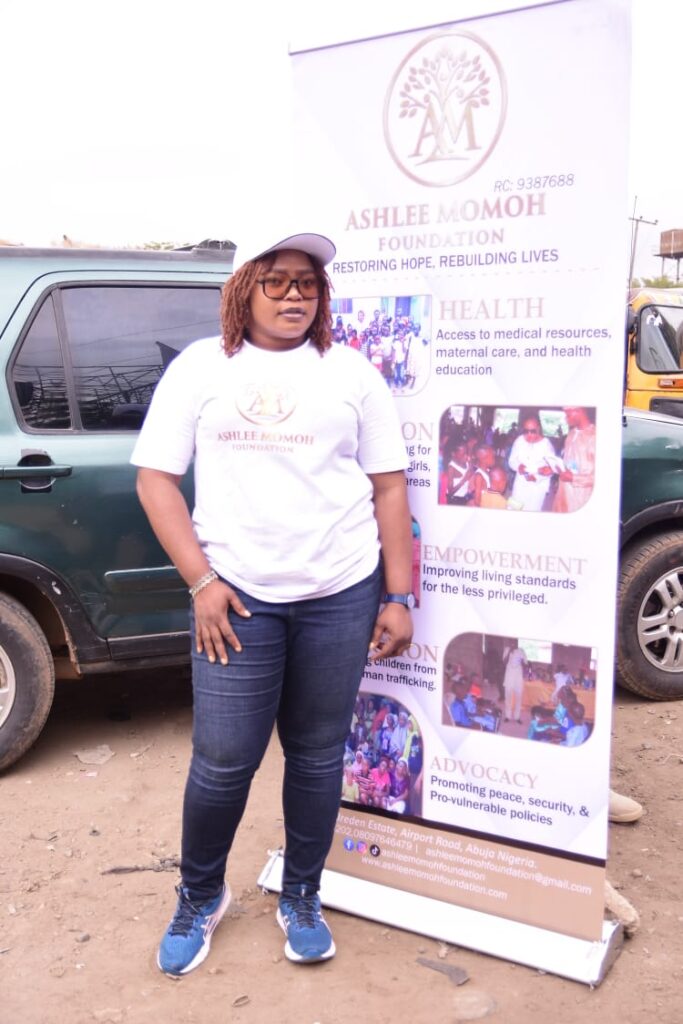
The Ashlee Momoh Foundation’s Easter outreach was a powerful reminder that even in the darkest moments, there is always hope, and that together, we can overcome any challenge.
Hope in the Hard Times: Ashlee Momoh Foundation Spreads Easter Joy to Military Widows
Six die, 12 injured in Kwara road crash
By: Zagazola Makama
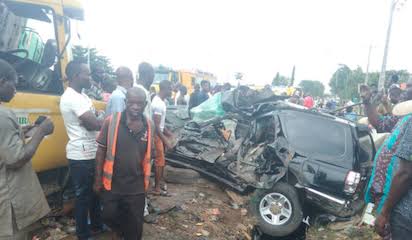
Six persons have been confirmed dead and 12 others injured in a fatal road traffic accident along the Okolowo–Jebba expressway in Kwara State.
Police sources said the accident occurred at about 6:00 a.m. on April 2 near Danjuma Bakery area, involving a Toyota Hummer bus and a stationary truck.
According to the sources, the bus with registration number BTR-161-XA was conveying 18 passengers from Lagos State to Katsina State when it rammed into a parked truck with registration number BUU-495-ZD.
The truck was reportedly driven by Kamarudeen Abdullahi, said to be from Jos North Local Government Area of Plateau State.
The impact of the collision resulted in the death of six passengers on the spot, while 12 others sustained varying degrees of injuries.
The injured victims were rushed to the University of Ilorin Teaching Hospital, Oke-Oyi, for medical attention, while the remains of the deceased were deposited in the hospital morgue for autopsy.
Police said investigation had commenced to determine the circumstances surrounding the crash.
Six die, 12 injured in Kwara road crash
Troops neutralise three suspected terrorists in Plateau
By: Zagazola Makama
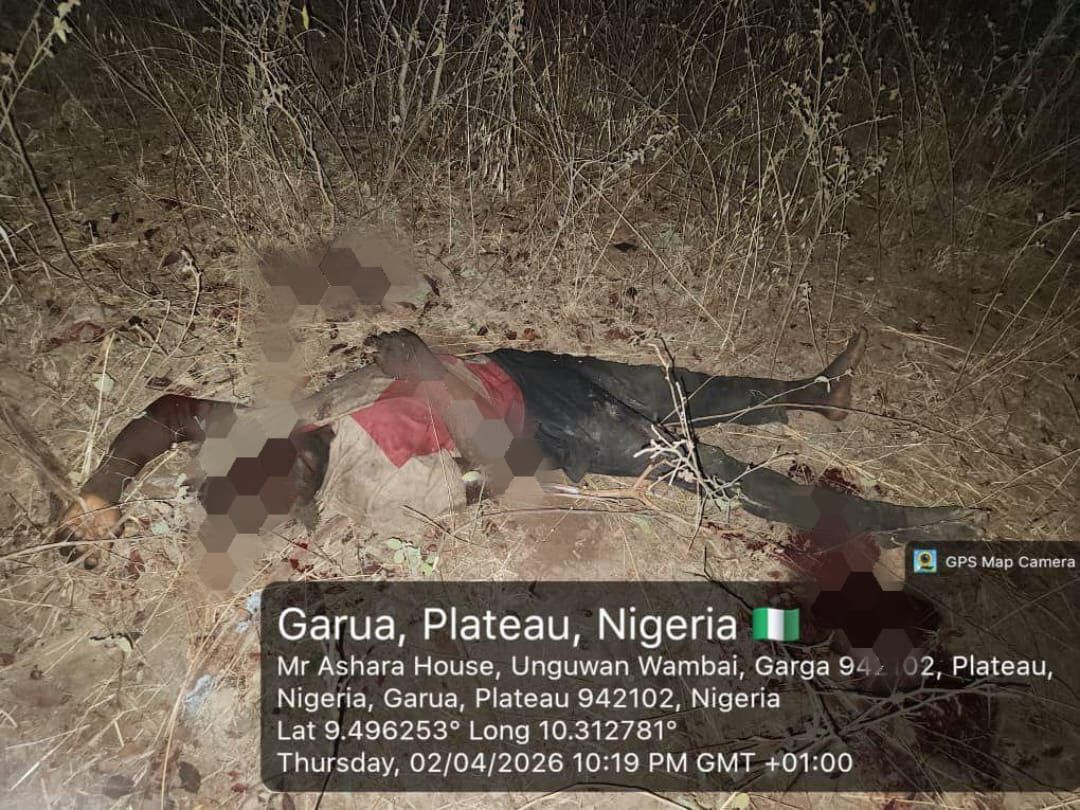
Troops of Sector 2 Operation Enduring Peace have neutralised three suspected terrorists during an ambush operation at Karem village in Wase Local Government Area of Plateau State.
Security sources said the operation was carried out at about 9:00 p.m. on April 2 following credible intelligence on the movement of armed men on three motorcycles heading towards the community.
The sources disclosed that troops swiftly mobilised and laid an ambush along the route leading into the village.
“Contact was made with the terrorists, and troops engaged them with superior firepower, resulting in the neutralisation of three of the assailants,” the source said.
He added that a follow-up exploitation of the scene led to the recovery of the bodies of the neutralised suspects.
However, no weapons or motorcycles were recovered, as fleeing members of the group were believed to have evacuated them during the encounter.
The source said efforts were ongoing to track and intercept the fleeing suspects, with troops maintaining high morale and operational readiness.
Troops neutralise three suspected terrorists in Plateau

Hope in the Hard Times: Ashlee Momoh Foundation Spreads Easter Joy to Military Widows

Police arrest newly recruited suspected ISWAP member in Kwara

Six die, 12 injured in Kwara road crash

Roger Federer’s Shock as DNA Results Reveal Myla and Charlene Are Not His Biological Children

THE PLIGHT OF FARIDA

FAILED COUP IN BURKINA FASO: HOW TRAORÉ NARROWLY ESCAPED ASSASSINATION PLOT AMID FOREIGN INTERFERENCE CLAIMS
-
 News2 years ago
Roger Federer’s Shock as DNA Results Reveal Myla and Charlene Are Not His Biological Children
-
Opinions4 years ago
THE PLIGHT OF FARIDA
-
 News12 months ago
FAILED COUP IN BURKINA FASO: HOW TRAORÉ NARROWLY ESCAPED ASSASSINATION PLOT AMID FOREIGN INTERFERENCE CLAIMS
-

 News2 years ago
EYN: Rev. Billi, Distortion of History, and The Living Tamarind Tree
-
 Opinions4 years ago
POLICE CHARGE ROOMS, A MINTING PRESS
-

 ACADEMICS2 years ago
A History of Biu” (2015) and The Lingering Bura-Pabir Question (1)
-

 Columns2 years ago
Army University Biu: There is certain interest, but certainly not from Borno.
-

 Opinions2 years ago
Tinubu,Shettima: The epidemic of economic, insecurity in Nigeria
