
Agriculture
Zamfara and the agricultural renaissance

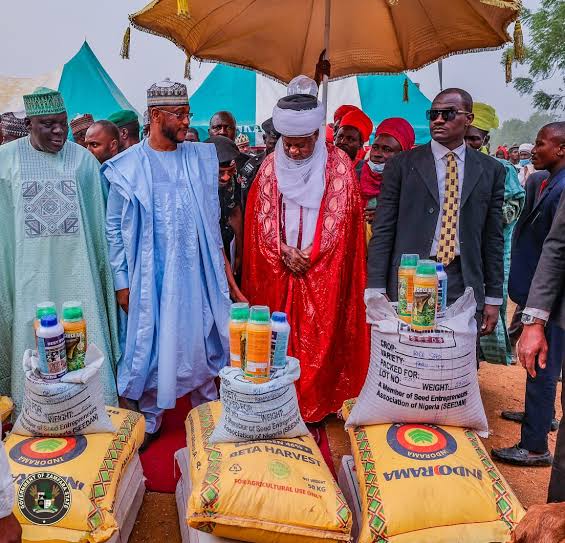
Zamfara and the agricultural renaissance
By; Zagazola Makama
Zamfara state is rich in arable lands, pasture, water bodies and mineral deposits. The prolific abundance of agriculture and mineral deposits provide opportunities for the inhabitants to practice crop and livestock production as well as mining in commercial quantities.
Agriculture and gold mining are the state’s main occupations providing foodstuffs, raw materials and employment opportunities for the people, with over 80 per cent of the population engaged in agriculture, hence the slogan “farming is our pride”.
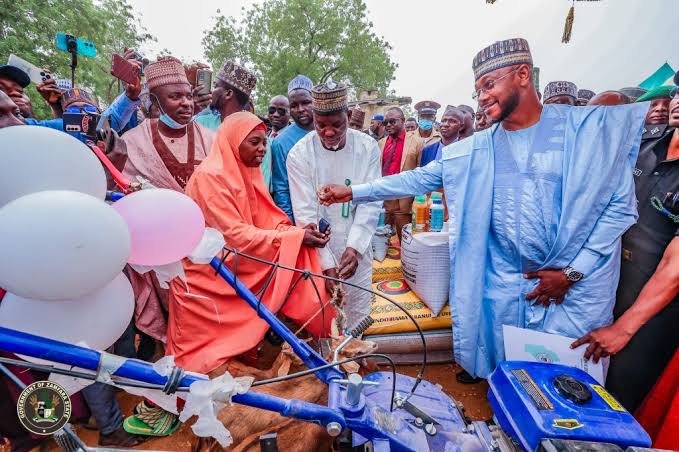
Major crops such as millet, guinea corn, maize, rice, groundnut, cotton, tobacco and beans, while minerals include iron ore, gold, chromate, granite, clay, limestone, chamovita, quartz and kaolin.
However, the state is one of the poorest in Nigeria and has one of the highest incidences of extreme poverty (over 60% of the population), according to the 2018 World Bank data.
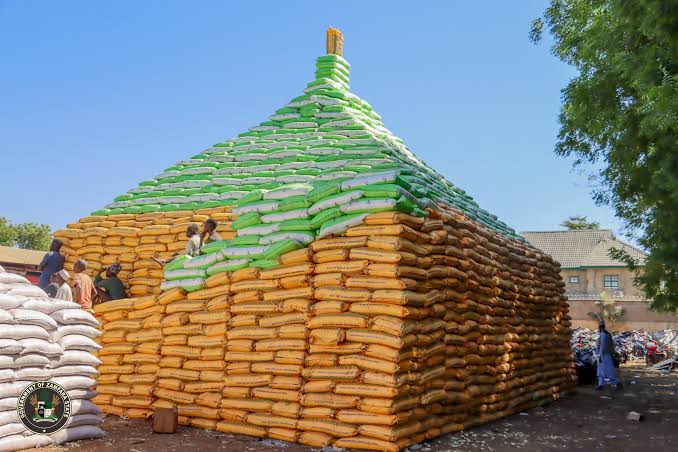
Agriculture and mining attracted thousands of people to the state seeking for alternative means of livelihoods and greener pasture. The trend led to spontaneous population growth within the last years, thus exhausting the scarce state resources, and caused environment and security threats as well as developmental concerns.
The state’s population rose to about 10 million according to a 2021 data by the National Population Commission (NPC). This led to increased demand and competition over scarce lands already affected by the impact of the climate change. This led to loss of livelihoods, poverty, and conflict between farmers and herders.
In the last one decade, Zamfara like its neighbours in the North-West region has been engulfed by banditry, kidnapping and other crimes which threatened the social fabric and economy of the state. Many people lost their lives and thousands displaced while large scale destruction of public and private properties were being perpetrated by the bandits resulting to serious humanitarian crisis.
Upon his inauguration on May 29, 2023, Dauda Lawal inherited Zamfara in a state of bankruptcy characterised by decayed institutions, wide spread poverty and hunger among the citizens, thus eroding the confidence of the people in the ability of the government to navigate the security and economic challenges bedevilling the state.
To break the shackles of poverty and address myriad of problems bedevilling the state, the Dauda Lawal’s administration initiated viable empowerment, social and economic infrastructure development programmes, to build a secure, peaceful and prosperous state.
Despite inheriting an empty treasury, Governor Dauda Lawal has accomplished major strides in key sectors to rescue and rebuild Zamfara under his Six Smarts Agenda.
Importantly, agriculture is critical to the administration’s policy programme aim at ensuring economic diversification, poverty reduction, enhance wealth creation and boost state revenue base towards achieving sustainable social and economic development of the state.
To fully achieve the economic diversification, the Lawal’s administration implemented proactive security measures in concert with the security agencies to protect lives and property, so as to enable farmers to cultivate their farmlands and encourage growth of businesses in the state.

To this end, Lawal demonstrated high commitment to curb the lingering banditry and kidnapping through the establishment of the Zamfara Community Protection Guards (CPG), the pioneer security guard corps in the North-West region.
Members of the guard corps underwent rigorous physical training to prepare them to assist security agencies with credible intelligence to combat insecurity. It has been very helpful in foiling bandit attacks in villages and towns across local government areas of the state. This has given farmers and other people hope for safety and security.
Other interventions by the governor included provision of logistics and equipment to the security agencies such as fueling of patrol armored vehicles, repair of patrol vehicles to improve the security presence throughout the state, as well as conduct of periodic meenting of the State Security Committee meeting.
Also, the Lawal administration through collaborative operations with the security agencies successfully neutralised key bandit kingpins including Kachalla Ali Kawaje, the mastermind of the abduction of students of the Federal University Gusau.
Others are: Kachalla Jafaru; Kachalla Barume, Kachalla Shehu, Tsoho, Kachalla Yellow Mai Buhu, Yellow Sirajo, and Kachalla Dan Muhammadu, Kachalla Makasko, Sanda, Abdulbasiru Ibrahim, Mai Wagumbe, Kachalla Begu, Kwalfa, Ma’aikaci, Yellow Hassan, Umaru Na Bugala, Isyaka Gwarnon Daji, Iliya Babban Kashi, Auta Dan Mai Jan Ido, and Yahaya Dan Shama.
Following this development, farmers in communities hitherto not practicing crop production due to insecurity are being encouraged to cultivate their farms and engage in other businesses.
Apart from security intervention, the Dauda Lawal’s administration initiated sound extension and farmers support services to encourage productivity, add value to the produce and enhance farmer enterprising skills.
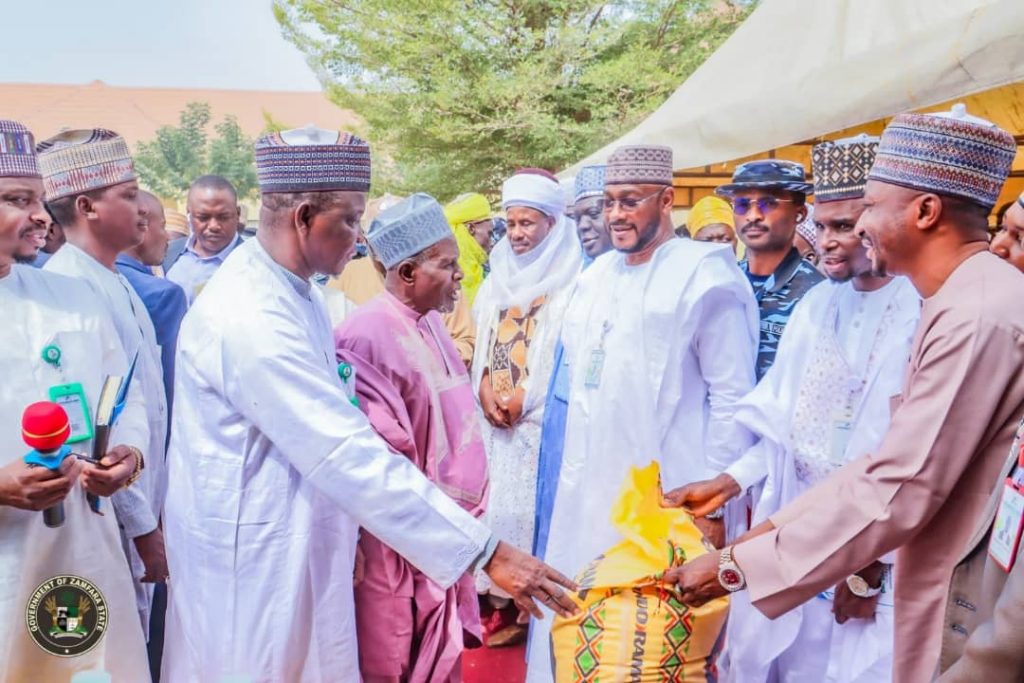
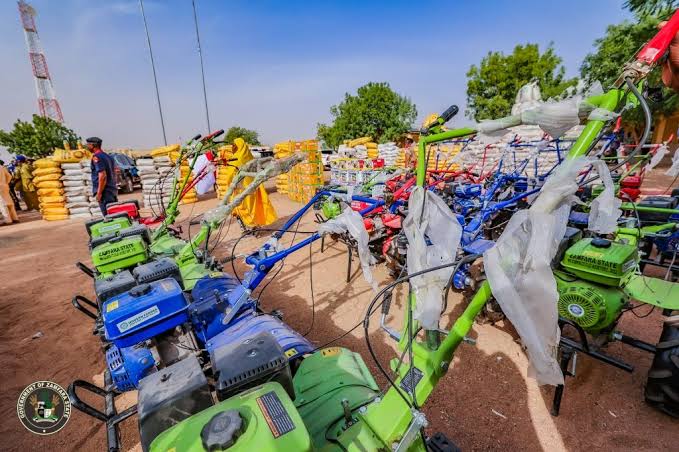
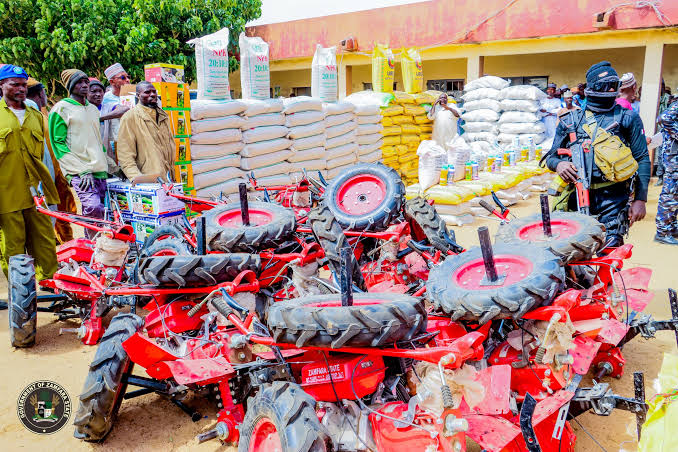
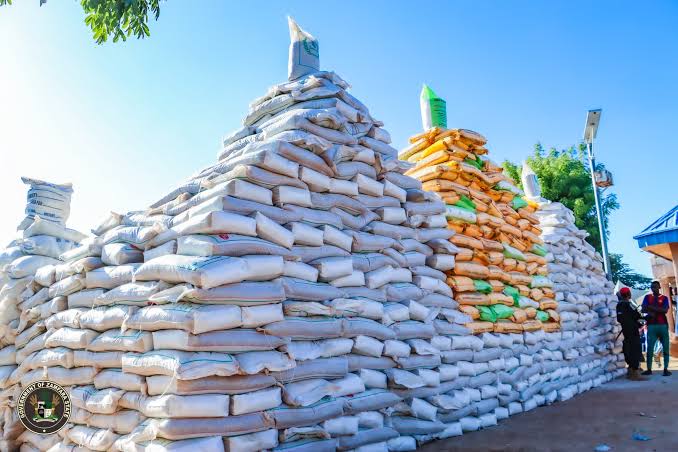
The administration plans to empower 100,000 farmers under the Fadama III programme across the 14 Local Government Areas in the next four years, while fertilisers, seeds and inputs had been distributed to over 40,000 farmers in Bungudu, Maru, Gusau, Shinkafi, Anka, Gumi, Tsafe among others.
More than 700 power tillers and farming implements were also distributed to farmer groups across the 14 LGAs.
This is to increase food security and ensure the safe functioning of food supply chains for vulnerable households in the state.
Speaking at a fertiliser distribution exercise in Bungudu early this year, Lawal said, “we are bringing tremendous opportunities for the farming communities.
“I am confident that this programme will go a long way to boosting our farmers’ productivity, thereby alleviating rural poverty and its associated challenges.
“Building on this momentum, we plan to introduce similar intervention projects, such as the integrated entrepreneurship programme. This programme will encompass various agro-allied projects, including fisheries, poultry, and livestock fattening.
“Additionally, it will provide training and starter packs to small-scale businesses in various sectors, contributing significantly to our economic diversification efforts”.
“In line with our commitment to enhancing agricultural productivity, my administration will be embarking upon the rehabilitation of earth dams, and provision for this has been made in the 2024 budget. This initiative will provide employment opportunities for over 40,000 farmers and play a crucial role in feeding more than two million people annually.”
Undoubtedly; these interventions have made positive impacts on the lives of the people in the state as buttress by Salisu Ahmadu, a maize grower in Bungudu, who commended the initiative.
Ahmadu said that improved security in the state and the farmer support services encouraged them to cultivate their farmlands.
He said that prior the Lawal administration many farmers were not cultivating crops due to insecurity and exorbitant prices of fertilisers and other inputs in the market.
Corroborating earlier opinion, Dikko Musa, another farmer, said that the improved security had encouraged them to return to their farmlands.
However, Sada Yakub, said that bandits have prevented many farmers to cultivate their farms since the commencement of the cropping season.
“Before now, we have less problems due to the deployment of security personnel protecting our communities.
“Unfortunately, there are now security personnel now in my village, the bandits are preventing us from accessing our farmlands.
“I appeal to the government to deploy more troops to enable us cultivate our lands,” he said.
Pundits believed that the agriculture intervention being implemented by the Lawal administration would help address poverty, enhance food security and herald economic diversification of the state.
Mr Muhammad Awwal, an economist, said that such interventions are critical to modernise agriculture, enhance farmer access to inputs and finances as well as improve social and economic wellbeing of the people.
Awwal advised the state government to prioritise training of farmers on Good Agricultural Practices (GAP), and mechanisation to encourage productivity and add value to the produce.
While calling for more security measures to restore peace to the state, Awwal advocated modern trading centres and access roads to boost trade in agricultural commodities in the state.
Zagazola Makama, is a Counter Insurgency Expert and Security Analyst in the Lake Chad Region.
Zamfara and the agricultural renaissance



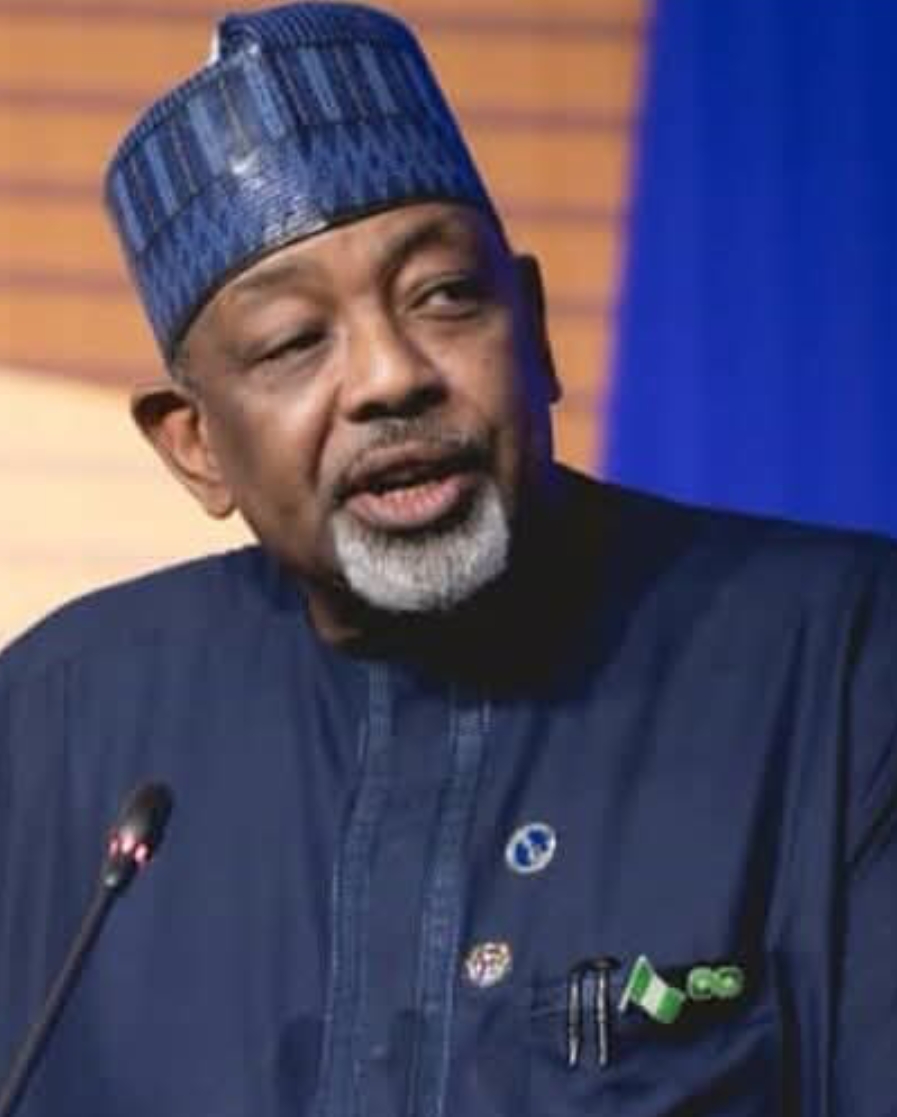
Senator Abubakar Kyari: A Renewed Hope for Nigeria’s Agricultural Revolution
By: Dr. James Bwala
Food security stands as one of the most pressing challenges in the world today, and the role of agricultural leadership has become so important in shaping sustainable futures. The recent ascent of Senator Abubakar Kyari as Nigeria’s Hon. Minister of Agriculture and Food Security is not merely a political event; it marks a transformative era for Nigeria’s agricultural landscape. With the support of President Bola Ahmed Tinubu and the invaluable partnership with the International Fund for Agricultural Development (IFAD), Kyari is poised to rebrand Nigeria’s agricultural sector and address the multifaceted issues of rural economies, employment creation, and food security. The recognition of Senator Kyari’s contributions and potential impact on agriculture, while elucidating the strategic importance of his leadership and partnerships in achieving these ambitious goals, is his unmatched scorecard.
Senator Abubakar Kyari embodies a blend of experience, passion, and vision, all crucial attributes for any leader not only in agriculture but also in governance at any given stage. His election as chairperson to lead IFAD at its 49th session is a testament to his capabilities and global trust. Being loved by delegates from over 120 countries signifies his diplomatic acumen and capacity to communicate Nigeria’s agricultural needs effectively on an international platform. Kyari’s focus on transforming rural economies through agricultural innovation reflects his understanding of the socio-economic dynamics that govern food production and distribution in Nigeria.
READ ALSO: https://newsng.ng/ifad-when-kyari-speaks-of-president-tinubus-continued-support-for-agriculture-and-food-security-in-nigeria/
Kyari recognizes that agricultural sustainability cannot be achieved solely through policy changes; it requires a collaborative approach that involves farmers, entrepreneurs, researchers, and international bodies. This perspective leads to participatory governance, where those directly affected by agricultural policies play an integral role in shaping them.
The significance of the partnership with IFAD cannot be overstated. IFAD has been instrumental in funding and implementing programs that aim to enhance rural livelihoods and food security around the globe. Under Kyari’s leadership, Nigeria can leverage this partnership to access technical expertise, financial resources, and innovative agricultural practices that have been successful in other regions.
READ ALSO: https://newsng.ng/ifad-when-kyari-speaks-of-president-tinubus-continued-support-for-agriculture-and-food-security-in-nigeria/
While rebranding Nigeria’s approach to agriculture, Kyari envisions an industry that not only feeds the nation but also generates substantial income for rural youths. This strategy prioritizes modern farming techniques, agro-processing, and value chains that ensure profitability for smallholder farmers. He understands that empowering these farmers goes beyond mere provision of inputs; it encompasses education, access to markets, and the establishment of cooperative societies, fostering a sense of community among agri-preneurs.
Job creation remains one of the most challenging issues facing Nigeria today. The agricultural sector holds immense potential for employment, especially for the youth. Senator Kyari’s endeavors to strengthen food security hinge upon the belief that a robust agricultural industry can serve as a catalyst for job creation. By promoting initiatives that encourage entrepreneurship within agriculture, such as agribusiness training programs and access to microfinance, Kyari is effectively paving the way for young Nigerians to secure livelihoods in this vital sector.
READ ALSO: https://newsng.ng/ifad-when-kyari-speaks-of-president-tinubus-continued-support-for-agriculture-and-food-security-in-nigeria/
His focus on strengthening food security through agricultural modifications will stabilize prices, improve accessibility, and encourage local consumption of Nigerian produce. This not only enhances national self-sufficiency but also reduces dependency on foreign imports, thereby reinforcing the local economy. Through his strategies, Kyari aims to inspire a new generation of agriculturalists who see agriculture not merely as a means of survival but as a gateway to prosperity.
With the steady increase in the global population, food security continues to be a priority for nations worldwide. In Nigeria, the urgency to address this issue is further exacerbated by conflicts, climate change, and economic instability. Senator Abubakar Kyari recognizes these challenges and is committed to fortifying food security within the country. His leadership plans to implement policies that support climate-smart agriculture, focusing on resilience and sustainability, are creating a wave of hope for both women and men holding to the renewed hope initiative in agriculture.
READ ALSO: https://newsng.ng/ifad-when-kyari-speaks-of-president-tinubus-continued-support-for-agriculture-and-food-security-in-nigeria/
Under his stewardship, there is a growing emphasis on research and development tailored to Nigeria’s unique climatic conditions. Collaborations with universities and research institutions can lead to innovations in crop varieties, pest management, and sustainable farming techniques. Investing in technology will not only enhance productivity but also attract young people to agriculture, ensuring that the sector evolves in line with modern demands.
The youth demographic in Nigeria is burgeoning; thus, engaging them meaningfully in agriculture is imperative for long-term sustainability. Senator Kyari’s vision resonates particularly well with the aspirations of young Nigerians who seek viable career paths. Through targeted outreach programs that highlight success stories in agribusiness, as well as mentorship opportunities, Kyari can inspire a sense of ownership and pride in the agricultural sector.
READ https://newsng.ng/ifad-when-kyari-speaks-of-president-tinubus-continued-support-for-agriculture-and-food-security-in-nigeria/
Additionally, leveraging modern technological advancements—such as mobile applications for market information, e-learning platforms for skill acquisition, and social media for awareness campaigns—will play a key role in reaching out to the tech-savvy younger generation. These strategies will not only promote agricultural practices but can also serve as pathways to connect aspiring agri-preneurs with established practitioners, ensuring knowledge transfer and business networking.
President Tinubu’s support for Senator Kyari’s initiatives is crucial, as it offers the political backing necessary for impactful reforms in agriculture. A strong policy framework that facilitates investment in infrastructure—such as irrigation systems, roads for efficient transportation of goods, and storage facilities—will significantly reduce post-harvest losses, a critical issue facing Nigerian farmers today.
READ ALSO: https://newsng.ng/ifad-when-kyari-speaks-of-president-tinubus-continued-support-for-agriculture-and-food-security-in-nigeria/
The legislative measures that protect smallholder farmers and ensure fair trade practices are essential for cultivating a favorable environment for agricultural growth. The commitment to creating a vibrant agricultural sector must resonate throughout government levels, ensuring that policies align with the larger vision of economic transformation.
Senator Abubakar Kyari stands at the forefront of a critical juncture for Nigerian agriculture. His leadership, fueled by a partnership with IFAD and political support from President Tinubu, positions him uniquely to facilitate transformative changes in the agricultural landscape of Nigeria. By emphasizing rural economic development, job creation, and food security, Kyari embodies the hope of many Nigerians aspiring to revitalize and modernize agriculture in the country.
READ ALSO: https://newsng.ng/ifad-when-kyari-speaks-of-president-tinubus-continued-support-for-agriculture-and-food-security-in-nigeria/
As Kyari pursues his goals, it becomes imperative for stakeholders at all levels—government, private sector, and civil society—to rally behind these initiatives, ensuring that the vision of a prosperous agricultural future is realized. Together, we can foster a resilient agricultural sector that not only secures food for our populace but also drives economic growth, generates employment, and ultimately leads Nigeria towards its rightful place as a leader in global food security.
James Bwala, PhD, writes from Abuja.
Senator Abubakar Kyari: A Renewed Hope for Nigeria’s Agricultural Revolution

Confidence, hope for Nigeria’s agriculture: President Tinubu’s message to Sen. Kyari
By: Dr. James Bwala
In recent years, the world has faced unprecedented challenges related to food security, agricultural productivity, and sustainable development. These issues are particularly pressing in Nigeria, a nation blessed with vast agricultural resources yet grappling with the complicated realities of food scarcity and economic instability. President Bola Tinubu’s acknowledgment of Senator Abubakar Kyari’s emergence as the Chairperson of the Governing Council of the International Fund for Agricultural Development (IFAD) isn’t merely ceremonial; it symbolizes a pivotal confidence vote in Nigerian agricultural leadership at a crucial juncture in history under the distinguished leadership of Sen. Abubakar Kyari.
Senator Kyari has been a silent achiever and has touched millions of lives through his ministry from the grassroots. His election as Chairperson of IFAD is not just a personal achievement; it represents a greater endorsement of the direction Nigeria is heading under his stewardship in the Ministry of Agriculture and Food Security. By electing Kyari, IFAD has signaled its recognition of his ability to effect meaningful change within the agricultural sector, both domestically and internationally. This acknowledgment emphasized how Kyari’s leadership significantly enhanced Nigeria’s role in combating global food insecurity and reshaping agricultural practices.
READ ALSO: https://newsng.ng/nigerias-minister-of-agriculture-and-food-security-sen-abubakar-kyari-a-strategic-leadership-for-global-agricultural-governance/
It is essential to understand President Tinubu’s message and the context surrounding Kyari’s election. The global landscape of food security is fraught with challenges, including climate change, rising populations, and economic instability. With these complexities in mind, President Tinubu’s confidence in Kyari is rooted in an understanding of his capabilities to navigate these tumultuous waters effectively. The minister’s track record in implementing reforms within Nigeria’s agricultural framework illustrates a profound commitment to enhancing the nation’s food security mechanisms. Under his guidance, there have been efforts focused on increasing agricultural productivity, expanding access to financing for farmers, and fostering innovation through technology. This groundwork is precisely what is needed as he steps into this prominent international role.
Kyari’s position at IFAD provides Nigeria with an invaluable opportunity to advocate for its agricultural policies on a global stage. The IFAD governing council functions as a key platform for member states to collaborate on innovative solutions to common problems, share best practices, and mobilize funding for agricultural projects. As Chairperson, Kyari will have a unique opportunity to influence the allocation of resources and direct attention to Nigeria’s specific needs and challenges. His leadership can usher in partnerships that focus on sustainable agricultural practices, community empowerment, and food distribution networks, ultimately enhancing local economies.
READ ALSO: https://newsng.ng/nigerias-minister-of-agriculture-and-food-security-sen-abubakar-kyari-a-strategic-leadership-for-global-agricultural-governance/
Nigeria’s agricultural potential remains largely untapped due to systemic challenges such as inadequate infrastructure, limited access to markets, and insufficient investment in research and development. Senator Kyari’s experience positions him well to articulate these challenges at IFAD, advocating for targeted assistance that can help Nigeria transform its agricultural landscape. In his new role, he can not only highlight domestic priorities but also provide authentic insights into the realities faced by smallholder farmers, who play a crucial role in food production and rural economies. By elevating their voices within the international community, Kyari can work towards policies that build resilience among these vulnerable populations.
The implications of Kyari’s leadership extend into the realm of international cooperation. As the world confronts the issue of food security, there is a growing recognition of the need for collaborative approaches among countries. President Tinubu’s congratulations to Kyari underscore the importance of fostering diplomatic relationships that can lead to knowledge exchange and capacity-building initiatives. By leveraging his new position, Kyari can spearhead initiatives aimed at sharing technological advancements, improving supply chain logistics, and developing sustainable practices that address the challenges posed by climate change.
READ ALSO: https://newsng.ng/nigerias-minister-of-agriculture-and-food-security-sen-abubakar-kyari-a-strategic-leadership-for-global-agricultural-governance/
However, it is vital to remember that Kyari’s success at the helm of IFAD will also depend on how effectively he engages with the diverse stakeholders involved in agricultural development—non-governmental organizations, development partners, and private-sector actors. His approach must be inclusive, drawing upon the expertise and experiences of individuals and organizations that have been working tirelessly to address food security challenges. Engaging in dialogues that prioritize sustainability and inclusivity will position Nigeria as a leader in international agricultural discourse while ensuring that reforms resonate with local needs.
While focusing on domestic reforms and international advocacy, it will be essential for Kyari to address the interconnections between agriculture and other sectors, such as health, education, and gender equity. Food security cannot be achieved in isolation; it requires a comprehensive approach that considers social determinants and fosters holistic development. For instance, fostering gender inclusivity in agricultural practices can yield significant benefits, amplifying women’s roles in food production and decision-making processes. By incorporating these broader considerations into agricultural strategies, Senator Kyari can enhance the overall impact of his initiatives.
READ ALSO: https://newsng.ng/nigerias-minister-of-agriculture-and-food-security-sen-abubakar-kyari-a-strategic-leadership-for-global-agricultural-governance/
The renewed emphasis on agricultural development also aligns with global goals, such as the United Nations’ Sustainable Development Goals, specifically Goal 2: Zero Hunger. As Kyari leads Nigeria’s advocacy at IFAD, he has the opportunity to align national policies with these global objectives, ensuring that Nigeria contributes to and benefits from international efforts to combat hunger and malnutrition. Such alignment will not only enhance Nigeria’s standing on the global stage but also attract investment and support from international entities dedicated to achieving these goals.
To conclude, President Bola Tinubu’s commendation of Senator Abubakar Kyari upon his election as Chairperson of the Governing Council of IFAD is emblematic of hope and strategic vision for Nigeria’s agricultural landscape. Through effective leadership, deep engagement with stakeholders, and a commitment to sustainable practices, Kyari has the potential to transform the narrative surrounding Nigeria’s agriculture and food security. His tenure at IFAD can mark a transformative period where Nigeria enhances its contributions to global agricultural discourse and strives towards achieving food security for its population. As we stand at the crossroads of agricultural challenges and opportunities, Kyari’s leadership offers a beacon of hope that could significantly reshape the future of food in Nigeria and beyond.
* James Bwala, PhD, writes from Abuja.
Confidence, hope for Nigeria’s agriculture: President Tinubu’s message to Sen. Kyari
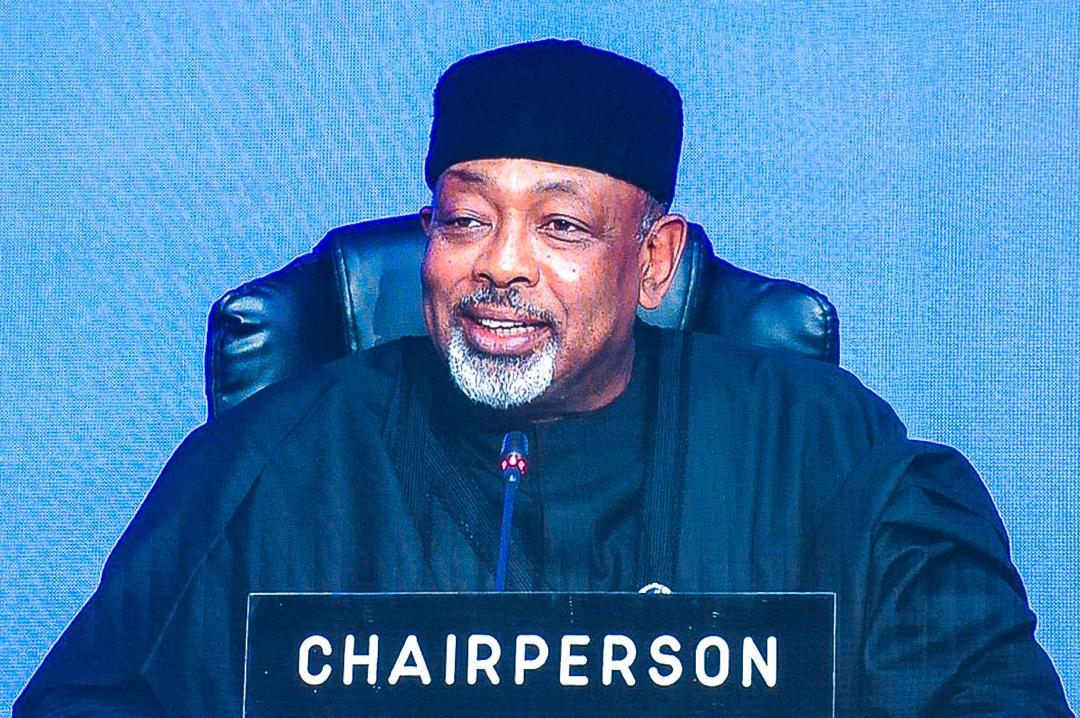
Distinguished Senator Abubakar Kyari, a Leader in His Season
By: Dr. James Bwala
The emergence of Distinguished Senator Abubakar Kyari as the Chairman of the 49th Governing Council of the International Fund for Agricultural Development (IFAD) marks a pivotal moment not only for him personally but also for the agricultural landscape of Nigeria, particularly benefiting Borno State and the North-East region. This prestigious appointment serves as a commemorative milestone in his career and underscores the vital role of agricultural leadership in promoting food security and sustainable development. At this juncture, it is crucial to delve deeper into what this role means not just for Senator Kyari, but for Nigeria as a whole, and why his leadership is essential in our current season.
READ ALSO: https://newsng.ng/the-transformative-role-of-leadership-in-agriculture-a-tribute-to-senator-abubakar-kyari/
Senator Abubakar Kyari’s commitment to agricultural development is no secret. Over the years, through his various legislative initiatives, he has championed the cause of enhancing agricultural productivity and ensuring food security across Nigeria. His efforts have addressed pressing issues such as improved irrigation systems, investment in agricultural technologies, and support for farmers, especially in the Northern regions. This is particularly important because agriculture remains one of the key sectors that can drive Nigeria’s economy, foster job creation, and reduce poverty. As the newly appointed chairman of IFAD’s governing council, Senator Kyari is now in an even stronger position to influence policy decisions on a global platform, advocating for Nigeria’s agricultural interests.
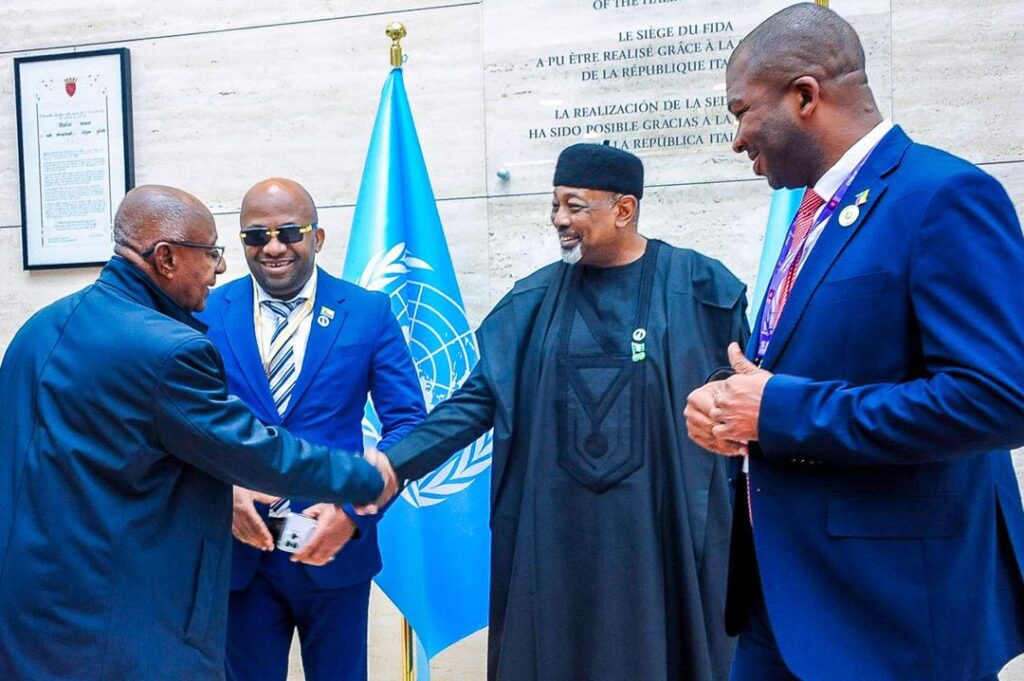
The recognition of Senator Kyari at the international level is not merely ceremonial; it highlights the inherent potential of Nigerian agriculture to thrive on a global stage. In recent years, Nigeria has faced numerous challenges, including climate change, insecurity, and economic instability, which have significantly affected agricultural productivity. Senator Kyari’s ascension to this key leadership role comes with the opportunity to leverage international partnerships, attract foreign investments, and implement best practices from around the world to fortify Nigeria’s agricultural infrastructure.
READ ALSO: https://newsng.ng/the-transformative-role-of-leadership-in-agriculture-a-tribute-to-senator-abubakar-kyari/
A critical component of Senator Kyari’s vision for Nigerian agriculture involves embracing innovation and sustainability. Climate-smart agriculture is no longer a mere recommendation but an imperative given the escalating effects of global warming. Under Senator Kyari’s leadership, we can expect a concerted effort towards promoting practices that preserve our environment while ensuring the agricultural output remains robust. This vision aligns with the Sustainable Development Goals (SDGs), particularly Goal 2, which seeks to end hunger, achieve food security and improved nutrition, and promote sustainable agriculture. By focusing on sustainability, Kyari can help shape policies that transform farming into a profitable venture while safeguarding the environment for future generations.
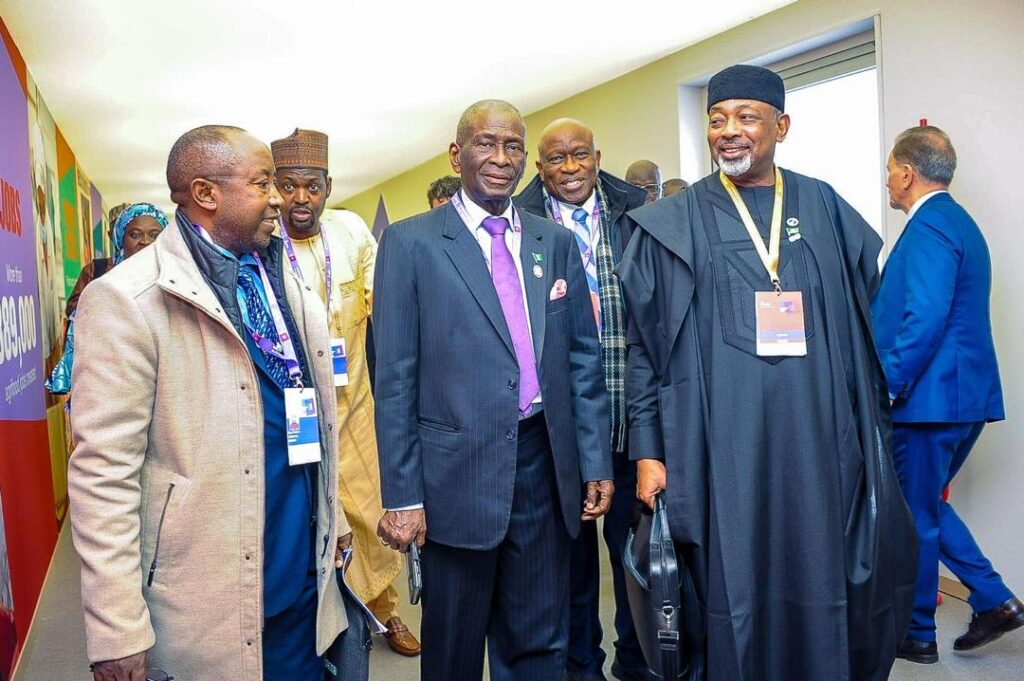
It is pertinent to focus on the socio-economic implications surrounding agriculture in Nigeria. With a growing population, the demand for food is increasing at an alarming rate. The responsibility to meet this demand falls heavily on our agricultural sector. Senator Kyari has the unique opportunity to lead initiatives that integrate technology into farming practices, facilitate access to credit for smallholder farmers, and enhance market linkages. By fostering an environment where farmers can thrive economically, he will contribute significantly to poverty alleviation, promote rural development, and enhance food security across the nation. The ripple effect of these initiatives will not only uplift individual farmers and their families but will also strengthen community resilience against economic downturns.
READ ALSO: https://newsng.ng/the-transformative-role-of-leadership-in-agriculture-a-tribute-to-senator-abubakar-kyari/
The collaborative aspect of Senator Kyari’s role cannot be overstated. Agriculture thrives where there is collaboration among stakeholders – from policymakers, farmers, and agribusinesses to research institutions and non-governmental organizations. His ability to forge partnerships will be vital in bringing together resources and expertise that can drive innovative solutions to the complex challenges facing Nigerian agriculture. The support of IFAD and other international bodies can be harnessed effectively under his stewardship to bolster local capacities and expand agricultural value chains.
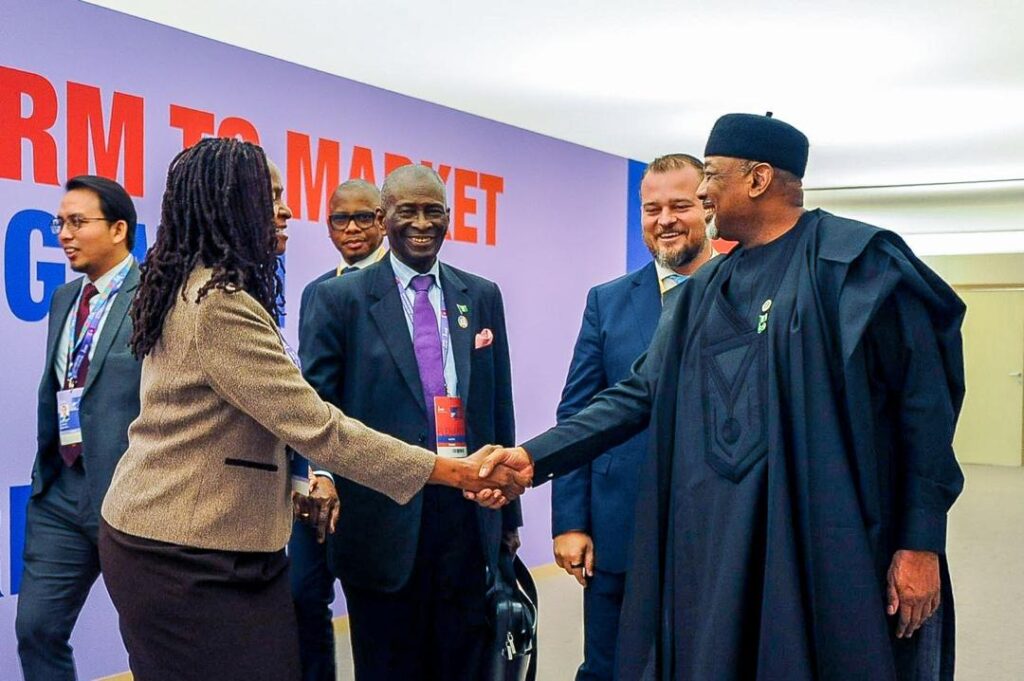
In this context, it is the duty of the citizens, especially those of Borno State and the North-East, to actively support and engage with Senator Kyari’s initiatives. Advocacy from local communities will play an essential role in shaping a receptive policy environment that addresses grassroots challenges. Senator Kyari’s strength as a leader will be measured by his ability to listen and respond to the needs of the farmers and communities he serves. Therefore, it is paramount that the people of Borno, the North-East region, and Nigeria at large remain vigilant and proactive in participating in the agricultural discourse, ensuring their voices are heard and considered.
READ ALSO: https://newsng.ng/the-transformative-role-of-leadership-in-agriculture-a-tribute-to-senator-abubakar-kyari/
As we celebrate the achievements of Distinguished Senator Abubakar Kyari, it is equally important to reflect on the road ahead. Nigeria stands on the brink of potential agricultural transformation, given the right leadership and strategic investment. Under Senator Kyari’s guidance, there is hope for a revitalized agricultural sector that supports livelihoods and engages youth, who represent the future of farming. The vision of a prosperous agricultural economy must transcend rhetoric; it should manifest through actionable policies and tangible results that can be showcased to the world.
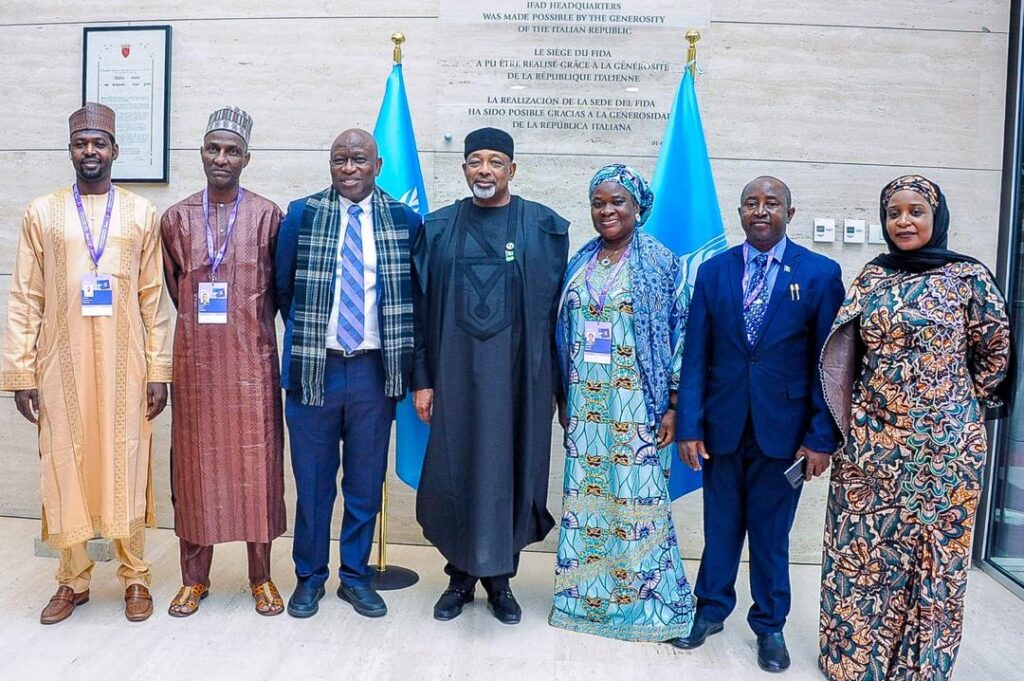
The emergence of Senator Abubakar Kyari as the Chairman of the 49th Governing Council of IFAD is not just a personal achievement; it is a beacon of hope for the agricultural sector of Nigeria. His experience, commitment, and strategic outlook promise to usher in a new era of sustainable agricultural practices that prioritize food security and economic development. As we congratulate him on this significant milestone, let us also rally behind him, offering our support and collaboration in the pursuit of a thriving agricultural future for Nigeria. Indeed, in this season of leadership, distinguished Senator Abubakar Kyari stands tall, equipped to navigate the challenges and opportunities of a changing not only agricultural landscape but on any ground he decides to stand on.
* James Bwala, PhD, writes from Abuja.
Distinguished Senator Abubakar Kyari, a Leader in His Season

AT NATIONAL POLICE DAY: President Tinubu Unveils Investment In Modern Law Enforcement Systems

Agriculture partnership: Gov Yahaya to get Sasakawa’s Special Award

JNIM terrorists clashes with rival factions in rare encounter in Nigeria’s Kebbi state

Roger Federer’s Shock as DNA Results Reveal Myla and Charlene Are Not His Biological Children

THE PLIGHT OF FARIDA

FAILED COUP IN BURKINA FASO: HOW TRAORÉ NARROWLY ESCAPED ASSASSINATION PLOT AMID FOREIGN INTERFERENCE CLAIMS
-
 News2 years ago
Roger Federer’s Shock as DNA Results Reveal Myla and Charlene Are Not His Biological Children
-
Opinions4 years ago
THE PLIGHT OF FARIDA
-
 News12 months ago
FAILED COUP IN BURKINA FASO: HOW TRAORÉ NARROWLY ESCAPED ASSASSINATION PLOT AMID FOREIGN INTERFERENCE CLAIMS
-

 News2 years ago
EYN: Rev. Billi, Distortion of History, and The Living Tamarind Tree
-
 Opinions4 years ago
POLICE CHARGE ROOMS, A MINTING PRESS
-

 ACADEMICS2 years ago
A History of Biu” (2015) and The Lingering Bura-Pabir Question (1)
-

 Columns2 years ago
Army University Biu: There is certain interest, but certainly not from Borno.
-

 Opinions2 years ago
Tinubu,Shettima: The epidemic of economic, insecurity in Nigeria
