
Politics
2023: FFK and APC’s tough time to Nirvana

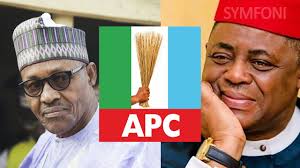
2023: FFK and APC’s tough time to Nirvana
By: James Bwala
The Chairman of the Southern Governors’ Forum, Oluwarotimi Akeredolu, has described the National Leader of the All Progressives Congress, Asiwaju Bola Ahmed Tinubu, as the Capo di tutti of the South. Speaking on Arise Television, the Ondo State Governor maintained that the next president of the country must come from the Southern region.
Speaking on his visit to Tinubu in the United Kingdom and the 2023 elections, Akeredolu said his visit has nothing to do with the polls. But he also tries to open the position of the southwest in 2023.
“…We went to visit our National Leader and I was there because there were a lot of rumours here and there. It was important for us to go and see for ourselves. And I was there, I have seen for myself and there is nothing alarming about his health. We are praying that he returns back on time. He’s the capo for us here in the South West and South South. So we are waiting for him to come so that by the time he comes, we can make some important decisions…” The Ondo governor said at the time of his return.
Indeed since Bola Ahmed Tinubu left for either his vacation or medical trip, there seemed to be no activity going on regarding the presidential pursuit in his chambers. It looks like for now, no decision can be taken while Mr. Tinubu was away. Perhaps Tinubu holds the life line of the ruling party and perhaps he was the reason for so many happenings currently ongoing in the APC including the recent defection of the former Aviation minister, Chief Femi Fani Kayode popularly known as FFK. Perhaps he has come to speak for Tinubu knowing his pedigree in the act of rolling people’s programmes and I admire him for standing tall on this.
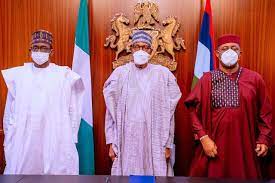
Some said the journey APC is embarking on to 2023 was an unfortunate one and dust was raised owing to the coming of a man with short Fuse. However, it appears that his bank rollers are stronger than the opposing forces from within. He came from the southwest and APC must do the bidding of the Southwest but of course, they are waiting for the return of the JAGABAN for any decisions that will need to be taken. And of course! He is back.
However, there has been murmuring among politicians especially in the north who still want to hold to power beyond the arrangements and seeming understanding in the party’s zoning system for 2023. Those who are yet to know or understand what is going on from the inner caucus of the party have been busy calculating how things are going to unfold. To them things are going to go according to plan but the rumour making the roundabout unfolding event within the party seemed to be opening another chapter and direction.
I always said that APC is a party widely divided between the younger generation and the old wine skin. So many people are not seeing the in-fighting and struggles coming ahead of the 2023 general election or rather those that are seeing it are pretending not to have seen it coming. Known for his onions, the former Aviation minister in his own character is coming to achieve a purpose to either shape the party or part it. I see a strong opposition from within. This was tactically arranged for the interest of some few who feel they are there to decide every move or plan by the party in the unfolding circumstances.
Recently, a chieftain of the APC in Niger State, Comrade Jonathan Vatsa, lambasted President Muhammadu Buhari and the leadership of the party, over the defection by FFK saying it is an embarrassment to the party. While speaking with journalists in Minna, the former Commissioner for Information, Culture and Tourism said the desperation with which those that were called thieves yesterday are being wooed and coerced into the ruling party is not only an embarrassment but a confirmation that “the party is struggling for survival.”
Vatsa, who was the spokesman of the APC in Niger State, said now that those who were branded yesterday as “looters” of the country’s treasury are being given red carpet reception in Aso Rock, has further put to question the anti-corruption stand of the present administration. “Treasury looters are now heroes in APC. Everything is finished. The party has lost direction. I am shocked not because Femi Fani-Kayode defected to the party, but the kind of red carpet reception accorded him in Aso Rock before the chief anti-corruption crusader himself.
“All Nigerians, including Mr. President, know the controversy surrounding the N2 billion Port Harcourt airport runway contract under Femi Fani-Kayode as Minister of Aviation and his involvement in the Dasukigate. It is sad to see those who looted the country with reckless abandon and contributed to the economic problem the country is facing today being received as heroes for defecting to APC, and being received by the president. I have said this before and am saying it again that APC needs to apologize to Nigerians that it has missed it. We failed this country in totality, and the honorable thing to do is to say we are sorry.
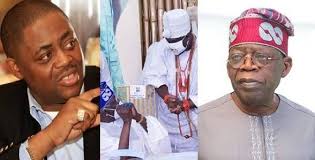
“When we are beginning to eat our vomits, it means that the entire system has entered reverse gear. The party has continued to de-market itself before Nigerians through the actions of its leadership every day. I will not be surprised if Kanu and Igboho join the APC and are released from detention with the best of reception accorded them. That is the level of desperation that APC found itself. No matter the level of your corruption, when you join APC, you become a saint. It is sad and very unfortunate.”
While many have applauded the Yobe state governor, Mai Mala Buni for catching a big fish from the opposition PDP; many have also attributed his political move to a grand effort to plunge the party into crises since being pressured by older generation within the party to give away ambition he had nursed over the Chairmanship of the party. Although other party members argue that Governor Mai Mala Buni was actually positioning himself for the Vice President in 2023, they claimed that he wanted to anoint someone he can have absolute control over to handle the affairs of the party for his political ambition.
” APC has won over many strong politicians who hitherto would have been a problem for the party playing on the opposition side. But internally the party is building to destroy owing to several ambitions in the play. Currently there is division between the governor Mai Mala Buni led APC and some elders welding power from within who feel they have the President in their pockets.
“Things appeared to be normal but there are different stories coming from people who knew what was happening from within. The party has been divided between the older politicians and the younger generation with Buni allegedly leading the younger generation. However, there are stronger forces from the older politicians where President Muhammadu Buhari belongs. Although the President appears to be in the middle of the silent war ongoing in the party, everyone knows his team members. And I can tell you that FFK has a role to play.” A Chieftain of the party in Lagos, who preferred not to be mentioned, told NEWSng during a chat.
Also Read: TC Tasks War College on Effective Strategies in Northeast
Already there are governors who see the coming of FFK into the party as an insult. Those that have personal scores to settle with him are going to use the occasion to also fight whatever ambition he came to fulfil. Already Governor Umahi who also joins the APC in the buildup is demanding apology from the former Aviation minister who according to the governor lied over the role he (FFK) claimed to have played in the governor’s defection to the ruling party.
Some key players in the APC have seen FFK coming to champion the Tinubu course. Already some members of the party are beginning to air their views and the personality they prefer for the Presidency. One of such is the governor of Nasarawa state, Abdullahi Sule, who said their preferred candidate is the current Vice President, Yemi Osinbajo. It also appears most northerners would prefer Osinbajo’s presidency. But recent appearance in the southwest particularly the coming together of traditional rulers from the region has shown the direction the people of the southwest are coming from.
Elima Lazanad, a writer and political analyst in Abuja observed that, many of the governors in APC now are not on the same page with themselves. According to him, since governor Buni took over the leadership of the party not many of them were seen showing open support for his leadership of the party and that gives room for many negative stories coming about the party’s direction ahead of the 2023 general elections.
Also Read: Boko Haram: 2,200 families received N84m to in Borno
“Go back to reports about his activities or get some of the clips if you have some at your fingertips. They are not speaking with one voice and if they are not speaking with one voice then they are divided. “He said.
He also observed that, the powers behind FFK defections are far beyond the imagination of many leading Politicians ranting over his coming to join the party.
According to him, even within a house there are people who have the will to do as they please. “Fani Kayode is such a child of necessity. He was not in APC for those calling for his head neither were he in APC for those who are claiming to have lured him to the party. FFK was here for one man and for a region he must work for to achieve its ambition and he is the beginning of the ‘very important decisions’ in the words of Akeredolu.”
James Bwala writes from Abuja
2023: FFK and APC’s tough time to Nirvana


Politics
2027: Tinubu’s trip to America puts an end to the chatter about his supposed inability to enter the United States.
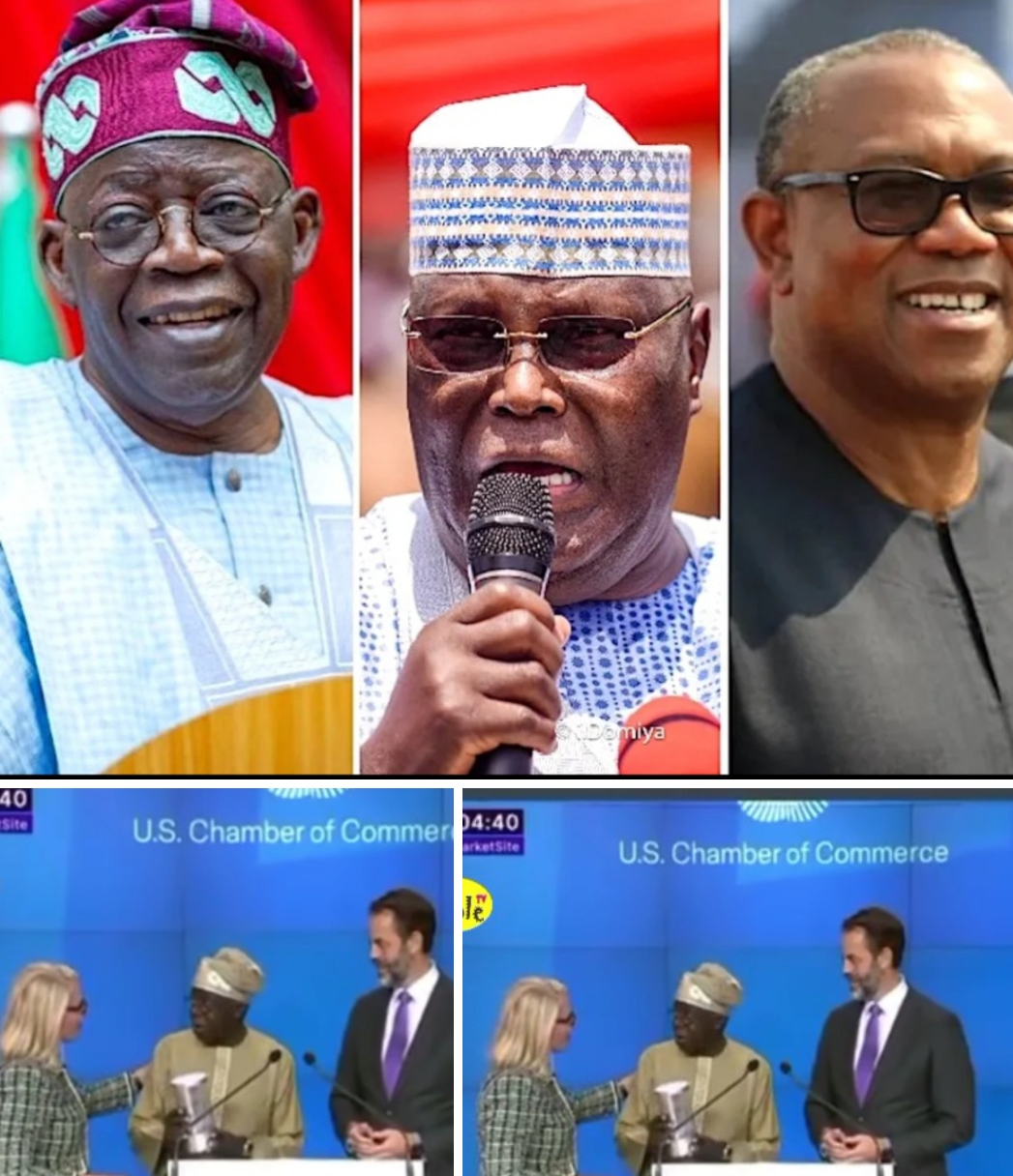
2027: Tinubu’s trip to America puts an end to the chatter about his supposed inability to enter the United States.
By: Dr. James Bwala
For quite some time, the political scene in Nigeria has been buzzing with talk about President Bola Ahmed Tinubu’s alleged struggles to set foot in the U.S. This topic has popped up repeatedly in opposition debates, social media discussions, and campaign narratives. Some critics have used this claim to suggest there are hidden legal or diplomatic issues at play, while others have leveraged it to question the president’s legitimacy, international reputation, and ability to lead Nigeria.
However, President Tinubu’s recent visit to the United States, where he even spoke at the U.S. Chamber of Commerce, has really put a dent in those allegations. His presence in America, his interactions with investors, and his role as Nigeria’s representative have provided a solid counter to a debate that was mostly fueled by speculation. Instead of addressing each accusation one by one, the president’s visit allowed the facts and his public visibility to do the talking.
That said, this visit doesn’t mean that all criticism of the administration should just fade away. In a democracy, it’s crucial that government policies remain open to examination. Still, it highlights the risks of basing political arguments on unverified claims. It also signals that the opposition needs to come up with more substantial issues if they want to win over Nigerians in the upcoming 2027 elections.
READ ALSO: https://newsng.ng/niger-how-37-miners-died-in-nscdc-custody/
The claim that President Tinubu can’t enter the United States really took off because it tapped into the public’s skepticism and political feelings. With so many Nigerians already feeling the weight of economic struggles, insecurity, unemployment, and soaring living costs, damaging rumors about public figures can spread like wildfire. Social media has made it all too easy for these whispers to reach millions before anyone has a chance to fact-check them.
For many in the opposition, this alleged travel ban became a handy political tool. It wasn’t just about whether he could travel; it was framed as evidence of supposed misconduct. The narrative was often repeated without any solid proof, official documents, or credible explanations. Yet, the more it was said, the more it seemed true. Some people bought into the story simply because it aligned with their political beliefs.
This is how political rhetoric can drown out the facts. When a claim is echoed frequently, especially by prominent commentators and social media influencers, it can morph into accepted wisdom. Many unsuspecting citizens accepted the narrative without pausing to ask some fundamental questions: Where did this allegation come from? Was there any official word from the United States? Was there a court order or immigration paperwork? Had any reputable international organizations verified the claim?
Engaging in politics responsibly means going beyond just stirring emotions. Serious allegations need to be backed by verifiable evidence. Without that, they remain mere political assertions rather than established truths.
READ ALSO: https://newsng.ng/niger-how-37-miners-died-in-nscdc-custody/
President Tinubu’s trip to the United States really changed the tone of the conversation. By showing up at the U.S. Chamber of Commerce, he stepped into a public and official arena where he interacted with American business leaders and investors. This wasn’t some behind-the-scenes maneuver; it was a clear diplomatic and economic engagement with a key institution in the U.S.
While at the Chamber of Commerce, the president showcased Nigeria as a land brimming with investment opportunities. He highlighted the reforms his administration is rolling out and urged American investors to seize the chance to tap into Nigeria’s economic potential. His message was aimed at businesses that could bring in capital, technology, jobs, and expertise to help drive Nigeria’s growth.
This appearance was significant for a couple of reasons. First, it put to rest the notion that the president couldn’t set foot in the United States. Second, it shifted the focus from political rumors to the real responsibilities of national leadership. Instead of coming off as a politician caught in defensive posturing, President Tinubu presented himself as Nigeria’s leading ambassador to international investors.
Public officials often find themselves in the spotlight, especially when it comes to handling controversy. A leader who spends all their time addressing rumors might unintentionally elevate those rumors’ significance. President Tinubu took a different route during his recent visit to the United States. By focusing on his official duties, he provided a clear and tangible response to the allegations. His mere presence spoke volumes, far more than any lengthy political debate could.
READ ALSO: https://newsng.ng/niger-how-37-miners-died-in-nscdc-custody/
The significance of this visit shouldn’t be overlooked. International engagements are scrutinized closely, as they showcase how a country is perceived on the global stage. When a Nigerian president speaks to international investors, he’s not just representing himself or his party; he’s embodying the nation’s image, policies, aspirations, and investment landscape.
Through his appearance, President Tinubu conveyed a strong message of confidence. It indicated that Nigeria is open for business and that the government is eager to collaborate with global partners. His call to investors was particularly crucial at a time when Nigeria is in dire need of foreign investment and stronger economic ties.
Moreover, the visit highlighted that the presidency is actively engaged in the usual realm of international diplomacy. Meetings with business leaders and government officials are essential duties for any national leader. These interactions can pave the way for opportunities in various sectors, including energy, infrastructure, agriculture, technology, manufacturing, healthcare, and financial services.
In this light, the visit was more than just a reaction to political opposition. It was a chance to push forward Nigeria’s economic goals. While political debates may capture headlines at home, what citizens truly need are jobs, stable prices, better infrastructure, reliable electricity, and improved public services. Achieving these goals hinges on forming solid international partnerships, rather than getting caught up in endless speculation about unfounded allegations.
READ ALSO: https://newsng.ng/niger-how-37-miners-died-in-nscdc-custody/
The president’s appearance holds significant political weight as the nation gears up for the 2027 elections. Opposition parties have every right to challenge the ruling All Progressives Congress and highlight the areas where the administration has stumbled. However, for the opposition to be effective, it needs to be grounded in credible alternatives and verifiable facts.
A political strategy that relies heavily on rumors might grab some temporary attention, but it’s unlikely to build lasting public trust. Nigerians are increasingly savvy, with access to various information sources that allow them to compare claims against actual events. When a prediction or allegation is proven wrong, those who pushed it risk losing their credibility.
Take the claim about President Tinubu supposedly being unable to enter the United States; it was wielded like a political weapon. However, his recent visit has diminished its impact. The opposition might try to spin the event or come up with new explanations, but the undeniable fact remains: the president traveled to the U.S. and engaged publicly with the U.S. Chamber of Commerce.
This fact doesn’t resolve every question about the administration, but it does put to rest the specific claim that he couldn’t enter the country. It’s crucial to differentiate between what this event confirms and what it doesn’t. The visit showcases his ability to travel and engage publicly in the U.S., but it doesn’t mean Nigerians should stop critiquing his policies. Good governance should be evaluated based on economic performance, transparency, security, human development, and respect for democratic institutions.
READ ALSO: https://newsng.ng/niger-how-37-miners-died-in-nscdc-custody/
This distinction is vital for a mature political conversation. Supporting the president doesn’t mean ignoring his flaws, just as opposing him shouldn’t involve spreading unfounded claims. Citizens should be able to acknowledge achievements while also holding leaders accountable. They must reject propaganda, no matter which political side it comes from.
Supporters of President Tinubu affectionately call him Jagaban, a title that reflects his political prowess and strategic confidence. His recent trip to America only adds to the image of a leader who truly grasps the importance of international presence and economic diplomacy. By engaging with investors and showcasing Nigeria’s potential, he’s shown that being a president goes beyond just local political battles.
However, the real measure of success from such a visit lies in the tangible results it brings. Investors are looking for more than just inspiring speeches; they want to see consistent policies, security, access to foreign currency, clear regulations, efficient ports, dependable power supply, and a judicial system that upholds contracts and property rights. If this administration can turn these international discussions into real investments, then the president’s message will resonate for a long time.
It’s important to view the American visit as just the beginning of a journey, not the conclusion. While it may have diminished a certain political narrative, it’s crucial that it leads to effective action. Nigerians will be watching closely for the jobs created, businesses launched, infrastructure built, and opportunities opened up for everyday citizens.
READ ALSO: https://newsng.ng/niger-how-37-miners-died-in-nscdc-custody/
The larger takeaway here is that public discourse should be rooted in facts. Political parties and their supporters need to ensure they’re sharing verified information. Media outlets, commentators, and social media influencers also have a role to play in understanding the impact of spreading unverified claims. Misinformation can tarnish reputations, widen national divides, and divert focus from pressing policy issues.
The president’s recent visit to the United States has proven that sometimes, reality can really shake up even the most popular political narratives. For a while, it seemed like the opposition was making headway in the media by pushing the claim that he couldn’t set foot in America. But that visit turned the tide. What was once seen as a significant political liability became hard to maintain when faced with undeniable proof.
As we gear up for the 2027 elections, it’s time for Nigerians to expect more from all political players. The opposition needs to come forward with solid plans for economic growth, security, education, healthcare, and national unity. Meanwhile, the ruling party should honestly defend its track record and tackle the challenges that citizens are facing. Both sides should steer clear of relying on rumors instead of presenting real policies.
President Tinubu’s trip to the U.S. has delivered a powerful rebuttal to the claims about his supposed inability to enter the country. His participation at the U.S. Chamber of Commerce showcased not just international access and diplomatic confidence, but also his commitment to positioning Nigeria as a prime investment hub. More importantly, it highlighted the fragility of political narratives that lack substantial evidence.
READ ALSO: https://newsng.ng/niger-how-37-miners-died-in-nscdc-custody/
While the opposition is certainly entitled to critique the administration, it’s time to move past this specific allegation. Nigerians deserve political discussions rooted in facts, innovative ideas, and tangible results. The President’s presence in America has shut down one avenue of speculation. Now, the real challenge for every political party is to present something more substantial: a clear vision for transforming Nigeria and enhancing the lives of its citizens.
* James Bwala, PhD, writes from Abuja.
2027: Tinubu’s trip to America puts an end to the chatter about his supposed inability to enter the United States.
Politics
The Persistent Political Scar on Nigeria: Fulani Ethnic Groups as the New Target of Demonization
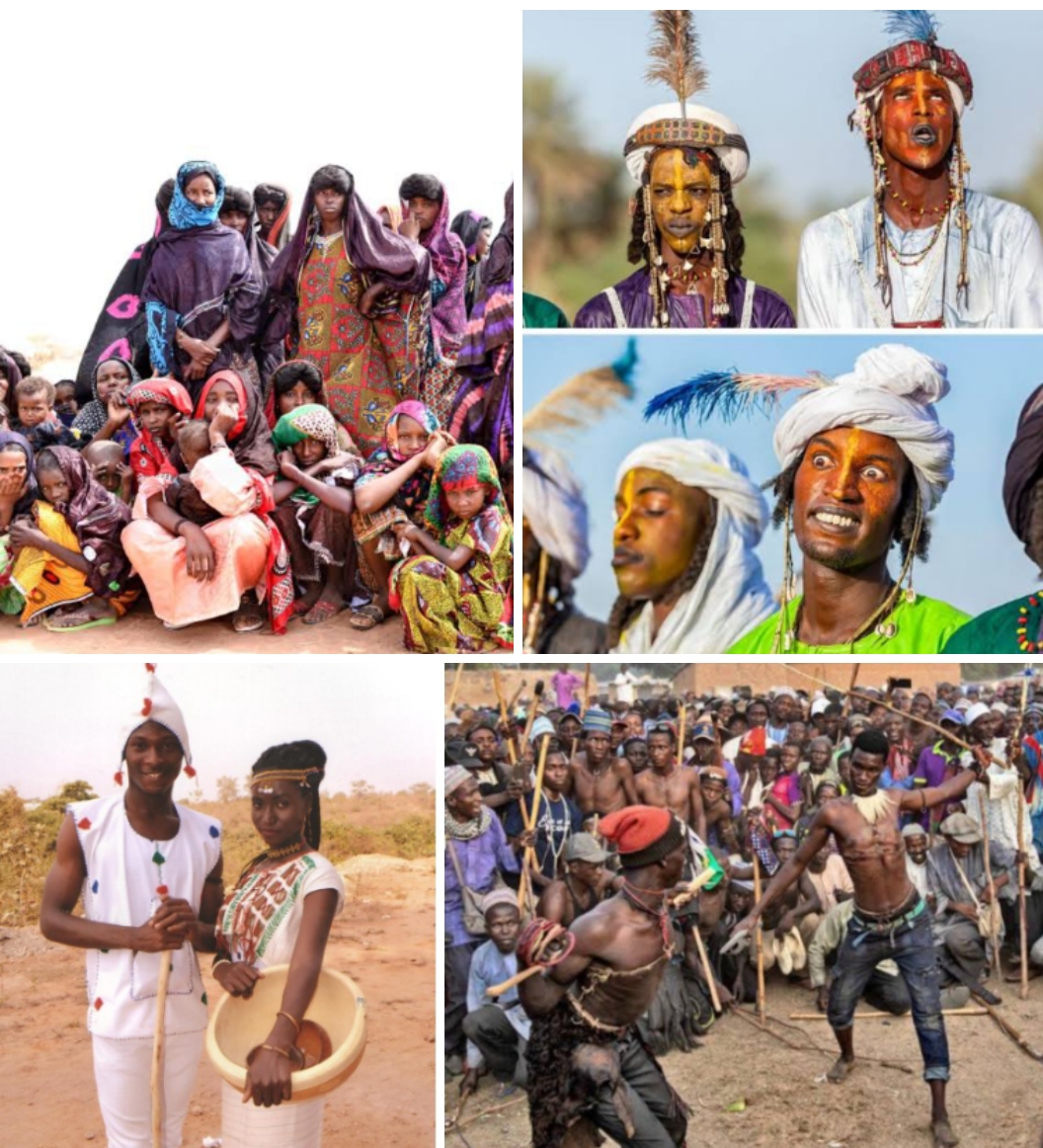
The Persistent Political Scar on Nigeria: Fulani Ethnic Groups as the New Target of Demonization
By: Dr. James Bwala
The political games and ethnic scapegoating that kicked off in the post-independence era, especially during the Nigerian civil war and its aftermath, have repeatedly chipped away at national unity. This has shown up as tribal biases, religious divides, and the recent targeting of certain ethnic groups. These ongoing issues point to a deep-rooted failure to tackle the core problems, leaving Nigeria at risk of further division and a possible return to the chaos of its past. The shift from the early targeting of the Igbo people to the current fears surrounding Fulani communities highlights a troubling trend where political figures exploit identity for their own gain, effectively “eating Nigeria in bits and pieces.”
The period starting in 1960, which led to the nation’s first military coup, set a troubling precedent for instability that has, in many ways, continued to tear the country apart. The initial excitement of independence quickly faded into the harsh realities of power struggles, ethnic distrust, and the exploitation of these divisions for political advantage. What began as a hopeful new democracy with regional rivalries soon spiraled into a cycle of military takeovers. And when those ended, even more severe forms of social fragmentation emerged.
READ ALSO: https://newsng.ng/civil-defence-the-silence-accountability-and-death-of-miners-in-niger/
From the very beginning of Nigeria’s independence, political maneuvering has been rife, marked by the scapegoating of various ethnic groups, the manipulation of religious sentiments, and the rise of new divisions. This has gradually eroded the strength of the Nigerian state, resulting in a widespread feeling of insecurity and an ongoing cycle of crises that no government seems willing to tackle. The portrayal of the Igbo as a problematic group, the heightened focus on religious divides, and the current vilification of the Fulani are not just random occurrences; they reflect a deeper, systemic political issue that threatens to tear apart the nation’s delicate unity and could even lead to a repeat of the traumatic events of the past.
In the early days of independence, Nigeria was caught in a complex web of ethnic loyalties and a fierce battle for political power. The colonial past had, to a large degree, brought together various ethnic groups into one political framework, but it also unintentionally fueled regionalism and highlighted existing differences. The political elite, primarily from the major ethnic groups—the Igbo, Yoruba, and Hausa Fulani—struggled to create a unified national identity. Instead, the emerging political parties often formed around ethnic lines, deepening regional mistrust. Unfortunately, the political conversation began to label certain ethnic groups as inherently hostile or untrustworthy. For example, the Igbo were frequently depicted in some political circles as overly ambitious, expansionist, or even treacherous, especially concerning their economic success and political clout in certain areas. While this narrative wasn’t universally accepted, it became a powerful weapon for politicians looking to rally support or undermine their opponents. This fostered an environment of suspicion and animosity, setting the stage for future conflicts.
READ ALSO: https://newsng.ng/civil-defence-the-silence-accountability-and-death-of-miners-in-niger/
The parliamentary elections and the struggle for federal power became a zero-sum game where perceived threats from other ethnic groups were amplified to secure political advantage. The rhetoric employed often demonized the “other,” reducing complex political and economic issues to ethnic conflicts. This early phase of political maneuvering, marked by the labeling of the Igbo as a problematic entity, was a critical juncture, planting the seeds of division that would germinate into more profound crises. The political elite’s failure to foster genuine national unity, opting instead for ethnic calculations, proved to be a self-inflicted wound that began to erode the foundations of the new nation.
Following the initial ethnic-driven political antagonisms, religion emerged as another potent, and arguably more intractable, fault line in Nigeria’s political landscape. While religious differences, primarily between the predominantly Christian South and the largely Muslim North, existed prior to independence, they were amplified and weaponized by political actors. The competition for political power and resource control became increasingly intertwined with religious identity. Politicians adeptly exploited religious sentiments to mobilize their constituents, often framing political opponents as threats to their religious faith. This led to the politicization of religious institutions and the demonization of adherents of different faiths. Incidents of religious intolerance and communal violence, which might have once been localized disturbances, were increasingly drawn into the broader political arena, becoming instruments of political leverage. The framing of political issues through a religious lens created a deep chasm, making cross-ethnic and cross-religious dialogue and cooperation significantly more challenging.
READ ALSO: https://newsng.ng/civil-defence-the-silence-accountability-and-death-of-miners-in-niger/
The narrative shifted from purely ethnic grievances to a perceived struggle for dominance between religious communities. This contributed to a growing sense of insecurity, particularly among minority religious groups in certain regions, and fueled a cycle of retaliatory actions. The political game, in this context, became less about policy and more about asserting religious identity and safeguarding perceived religious interests. The manipulation of religious fervor by political elites proved to be a powerful divisive force, further fracturing the nation and making it more susceptible to instability. The legacy of this period is evident in the ongoing challenges of religious extremism and sectarian violence that continue to plague Nigeria.
In recent years, the political discourse has witnessed a disturbing shift, with the Fulani ethnic group increasingly becoming the target of demonization and vilification. This contemporary phenomenon is not entirely novel, as the Fulani have, at various times, been subjects of suspicion, particularly in relation to their nomadic lifestyle and historical migrations. However, the current intensity and scope of this narrative are particularly alarming. The narrative portrays the Fulani as an invasive force, responsible for widespread insecurity, farmer-herder conflicts, and acts of banditry and terrorism across the country. While the challenges posed by farmer herder clashes and banditry are undeniably real and have devastating consequences, the tendency to generalize and attribute these issues solely to the Fulani ethnic group represents a dangerous form of collective punishment and ethnic scapegoating. This discourse often ignores the complex socio-economic factors contributing to these conflicts, such as land degradation, climate change, population growth, and the breakdown of traditional conflict resolution mechanisms.
READ ALSO: https://newsng.ng/civil-defence-the-silence-accountability-and-death-of-miners-in-niger/
Instead, it feeds into a simplistic and dangerous narrative of an ethnic group being a “virus” to be purged. This rhetoric is not only unjust but also incredibly divisive. It risks alienating a significant segment of the population, fostering resentment, and potentially fueling retaliatory actions. It distracts from the need for comprehensive and nuanced solutions to the security challenges facing the country, solutions that address the root causes of conflict rather than targeting an entire ethnic group. The political elite, by actively or passively endorsing or participating in this demonization, are once again playing a dangerous game, exacerbating existing fault lines and threatening to push the nation towards further fragmentation. This contemporary narrative mirrors past patterns of ethnic scapegoating, demonstrating a disturbing continuity in the nation’s political pathologies.
The continuous cycle of ethnic and religious demonization in Nigeria’s political arena evokes a profound sense of déjà vu, echoing the instability that characterized the decades following the first coup. The nation has witnessed periods of intense political crisis, culminating in military rule, and the subsequent return to democracy in 1999 has not eradicated these underlying issues. Instead, the period since 1999 has seen a proliferation of vices, including corruption, ethnic nationalism, and a persistent inability to address fundamental socio-economic inequalities. The predicted divisions and the potential for the “next major tribe” to fall under the weight of such political games are not mere hypotheticals but plausible outcomes if the current trajectory continues. The experiences of the 1960s, 1970s, 1980s, and 1990s, marked by coups, counter-coups, civil war, and widespread political repression, serve as stark reminders of the fragility of the Nigerian state when its unity is undermined by divisive politics.
READ ALSO: https://newsng.ng/civil-defence-the-silence-accountability-and-death-of-miners-in-niger/
The return of democracy was meant to bring about a time of accountability, inclusivity, and healing for the nation. Yet, the ongoing reliance on ethnic and religious rhetoric for political gain, along with the failure to promote fair development and address long-standing grievances, has left the country exposed and vulnerable. The current discussions around the Fulani, reminiscent of past patterns of scapegoating, hint at a troubling repetition of historical errors. If Nigeria continues down this road, it risks not only deepening existing divides but also sparking new conflicts, potentially leading to the fragmentation that many fear. The predictions of division could turn into a self-fulfilling prophecy if the political leaders don’t learn from the past and actively pursue true national unity and fair governance. The issues we’ve seen over the last 26 years are just symptoms of a deeper problem that calls for a significant change in political strategy and a dedication to building an inclusive nation.
For Nigeria to escape this crippling cycle, its leaders need to rise above ethnic and religious affiliations and truly commit to national integration, fair resource distribution, and upholding the rule of law. The current path, marked by the ongoing vilification of certain groups, threatens the very fabric of the nation’s unity and stability. The lessons from Nigeria’s tumultuous history should guide a more responsible and inclusive governance approach—one that values the common good over fleeting political interests and nurtures a sense of shared purpose among all its diverse communities. Without a significant shift in political awareness and practice, the fear of division may indeed come true, leaving behind a fractured and weakened nation.
- James Bwala, PhD, writes from Abuja
The Persistent Political Scar on Nigeria: Fulani Ethnic Groups as the New Target of Demonization


APC splits in Yobe as Unity Forum urges Buni to intervene
By: Yahaya Wakili
The faction of the All Progressives Congress (APC) in the Nangere local government area of Yobe State. Nangere Local Government Unity Forum (NLGUF) has called on Governor Mai Mala Buni to intervene to solve the crisis that split the party in the local government ahead of the 2027 general elections.
The chairman of the faction group, Alhaji Sule Hussaini Garin Buzu, made the call in a meeting with the chairmen of the forum of the 11 wards in Garin Buzu village, in the Nangere local government area of Yobe state. He said, “This call has become imperative at this moment and requires urgent attention.”
“We are full members of the APC, but our critical stakeholders and the elected office holders of the local government have neglected and abandoned our people, and the 2027 general elections are approaching. We noted that if necessary action is not taken to solve this crisis before the elections, our people will change their minds to vote for another candidate,” Garin Buzu said.
Buzu revealed that 79 boreholes were grounded, 6 dispensaries were dilapidated with no equipment, and health workers were there; therefore, our people in the rural areas are seriously suffering. Instead of our stakeholders and elected office holders coming to the aid of our people and rescuing them from this hazard, they just abandoned them.
Garin Buzu further calls on Governor Buni and APC leaders to immediately effect the replacement of the state house of assembly member of the Nangere constituency, Hon. Saminu Musa Lawan, and the chairman of the Nangere local government area, Hon. Samaila Musa, respectively.
According to Sule Buzu, our electives office holders and critical stakeholders don’t know the value of our people, noting that when they were elected or appointed, nobody would ever see them again until, after three and a half years, they would come back for another tenure.
Hon. Ahmed Abubakar, alias Draga, the secretary of the unity faction, said our stakeholders and our elected office holders have failed; they don’t care about our people, and they think they were wise, especially the chairman of the local government and a member of the state house of assembly.
“The member of the state house assembly, Nangere constituency, pHon, Saminu Musa Lawan, after five aspirants were asked to withdraw for him, saying that he will not thank anybody, because he was already appointed or elected him from the top, warned that if action was not taken before the elections, definitely we are going to show them that our votes were useful, we are going to change them, our people are suffering in rural areas, no drinking water, no anything to make their lives better. ”Draga said.
APC zonal vice chairman Zone B, Alhaji Yunusa Saban Auta, said he was here to represent the state chairman, Alhaji Mohammed Gadaka, and urged all APC members to be patient with one another.
He promised them that he would deliver all their complaints to the state party chairman and onward to His Excellency Governor Mai Mala Buni CON, COMN, adding that APC is one family and there was no friction in the party.
APC splits in Yobe as Unity Forum urges Buni to intervene

Alleged Wire Tapping: Court Reserves Ruling on El-Rufai’s No Case Submission

AT 3RD AFRICA MINERALS STRATEGY GROUP HIGH-LEVEL ROUNDTABLE

Terrorists rustle 120 cattle, kill two herders in Wase, Plateau

Roger Federer’s Shock as DNA Results Reveal Myla and Charlene Are Not His Biological Children

THE PLIGHT OF FARIDA

FAILED COUP IN BURKINA FASO: HOW TRAORÉ NARROWLY ESCAPED ASSASSINATION PLOT AMID FOREIGN INTERFERENCE CLAIMS
-
 News3 years ago
Roger Federer’s Shock as DNA Results Reveal Myla and Charlene Are Not His Biological Children
-
Opinions5 years ago
THE PLIGHT OF FARIDA
-
 News1 year ago
FAILED COUP IN BURKINA FASO: HOW TRAORÉ NARROWLY ESCAPED ASSASSINATION PLOT AMID FOREIGN INTERFERENCE CLAIMS
-

 News3 years ago
EYN: Rev. Billi, Distortion of History, and The Living Tamarind Tree
-
 Opinions5 years ago
POLICE CHARGE ROOMS, A MINTING PRESS
-

 ACADEMICS3 years ago
A History of Biu” (2015) and The Lingering Bura-Pabir Question (1)
-

 Columns3 years ago
Army University Biu: There is certain interest, but certainly not from Borno.
-

 Politics1 year ago
2027: Why Hon. Midala Balami Must Go, as Youths in Hawul and Asikira/Uba Federal Constituency Reject ₦500,000 as Sallah Gift
