
Politics
2023: Sani picks El-Rufai’s deputy, Balarabe, as running mate

2023: Sani picks El-Rufai’s deputy, Balarabe, as running mate
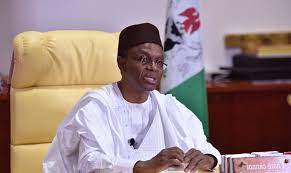
The APC Governorship candidate in Kaduna State, Sen. Uba Sani, has picked Gov. Nasir El-Rufai’s deputy, Dr Hadiza Balarabe, as his running mate for the 2023 gubernatorial elections.
Sani made this known on Monday in Kaduna after consultations with critical stakeholders from across the state.
In a statement made available to newsmen, Sani said Balarabe had contributed immensely to the giant strides recorded by the El-Rufai administration in infrastructure and human capital development.
“Dr Balarabe has demonstrated hard work, punctuality, dedication and team spirit in the discharge of her responsibility as deputy governor which has endeared her to the critical stakeholders in the state.
“I wish to therefore call on the good people of Kaduna State to support the choice of Dr Hadiza Balarabe as my running mate.
“I also enjoin them coming out en-masse to vote for our ticket during the forthcoming 2023 general elections.
“Your mandate in 2023 will enable us to build a peaceful, prosperous and greater Kaduna State.
“Together, we are determined to make the state a reference point for good and responsive governance,” Sani declared.
2023: Sani picks El-Rufai’s deputy, Balarabe, as running mate


Politics
“I Have Never Been Wrong About Vice President Kashim Shettima in Over 1,000 Articles” – Dr James Bwala.
“I Have Never Been Wrong About Vice President Kashim Shettima in Over 1,000 Articles” – Dr James Bwala.
By: Lazarus Balami
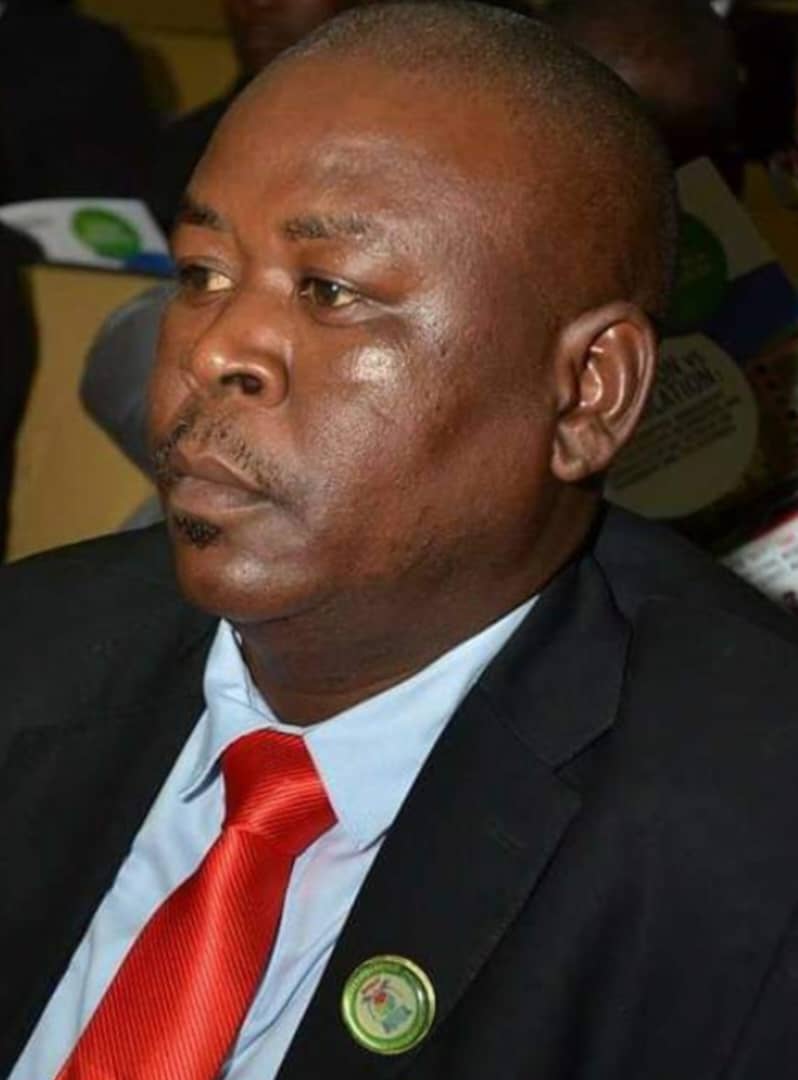
Writing about politicians is one of the most difficult tasks in the field of journalism. This is because politicians themselves do not understand who they are in words and actions, and such breeds different pictures of what they are now and the next moment, especially highly experienced and intelligent ones like Nigeria’s vice president, Kashim Shettima. In the realm of political analysis and reportage, consistency and accuracy often separate mere commentators from credible and influential voices. Dr James Bwala, a distinguished analyst, recently asserted that he has never been wrong about Vice President Kashim Shettima throughout his extensive career, spanning over 1,000 articles following one personality. This bold claim is not merely an expression of personal pride but a testament to meticulous research, grounded insights, and steadfast commitment to factual integrity.
Those who read his writings, those who knew him and those that rode the field with him, and yours sincerely, as a professional examining this assertion, I can authoritatively say that it is very important to explore why Dr James Bwala’s insights into Vice President Kashim Shettima’s political journey—from his tenure as governor of Borno State to his current role as Nigeria’s vice president—have been consistently accurate and impactful. I chose to interview Dr Bwala and to write this piece to appreciate the importance of his stand and rigors political analysis that helps millions understand how Vice President Shettima’s character and leadership have validated such assessments.
Many journalists attested to Dr Bwala’s track record and testified that it owes much to his profound understanding of the socio-political context of Borno State and Nigeria at large. During Shettima’s tenure as governor from 2011 to 2019, Borno State was engulfed by the insurgency of Boko Haram—a crisis marked by widespread violence, displacement, and humanitarian catastrophe. Many analysts struggled to accurately assess the complexity of the conflict and the government’s response. However, Dr Bwala’s reports stood out for their nuanced comprehension of both the security challenges and the socio-economic undercurrents influencing them. Rather than succumbing to sensationalism or reductive narratives, despite his turning relationship with his friend and colleague, who was Governor Shettima’s spokesperson at the time – speaking of the late Malam Isa Gusau – Dr Bwala offered comprehensive analyses that factored in the local dynamics, Shettima’s policies, and the evolving nature of the insurgency.
Vice President Kashim Shettima’s leadership during these trying years demonstrated resilience, pragmatism, and strategic vision, qualities Dr Bwala meticulously documented. Shettima’s approach combined military cooperation with concerted efforts to rehabilitate displaced persons, rebuild critical infrastructure, and stimulate economic recovery. A drive late, Isa Gasau praised and spoke of Dr James Bwala as a core professional in his field. I also recalled Ahmed Salkida’s description of Dr Bwala as a brave journalist during an interview owing to his approach to reports during the height of the crises in the north-east. Dr Bwala’s evaluations recognised that, while Shettima faced enormous obstacles, his administration made noteworthy progress in stabilising the region and restoring hope to its people. These assessments were borne out by subsequent developments: improved security conditions, returnees resuming livelihoods, and gradual resumption of education in previously inaccessible areas.
I have read and followed hundreds of Dr Bwala’s precision in reporting, which has been bolstered by his reliance on credible sources and firsthand accounts. He engaged extensively with local communities, government officials, security agencies, and international partners operating in the region even while working as a humanitarian and journalist. This immersion ensured that his writings were not only timely but also reflected ground realities often missed by external observers. The authenticity of his information enabled him to avoid the pitfalls of misinformation, which frequently plagued coverage of personalities, the state and the broader North-east Nigeria conflict zone.
Transitioning from Shettima’s governorship to his elevation as vice president, Dr Bwala’s consistent accuracy persisted due to his vigilant observation of the politician’s evolving role on the national stage. Vice President Shettima now occupies a position demanding not just regional expertise but also statesmanship, diplomacy, and a capacity to influence broad governance agendas. Dr Bwala’s commentary has highlighted Shettima’s deft navigation of Nigeria’s complex political landscape—his ability to build alliances, address national security concerns, and advocate for developmental initiatives attuned to the needs of marginalised communities. These analyses have increasingly portrayed Shettima as a unifying figure capable of bridging ethno-religious divides, fostering inclusive governance, and championing reforms.
Sceptics might question the infallibility implied by Dr Bwala’s statement regarding never being wrong. Yet it is crucial to acknowledge that political analysis, unlike empirical sciences, involves interpretation and prediction amidst fluid circumstances. Dr Bwala’s claim is better understood as an affirmation of his rigors standards and the enduring validity of his core assessments concerning Vice President Shettima’s leadership qualities and impact. Instances where tactical details might have shifted do not diminish the overarching truths he has reliably conveyed about Shettima’s integrity, commitment, and effectiveness. He never shakes on his stance with the vice president, Kashim Shettima. Even when pointers to the rumour of dropping Shettima as President Tinubu’s running mate were high and voices supporting Shettima ebbed, his piece reassuring was constant almost on a daily basis.
The consistency of Dr Bwala’s analyses has contributed positively to public discourse. Coming in an era where misinformation and partisan distortions abound, his balanced and verified reports offer a dependable compass for policymakers, scholars, and citizens seeking to understand one of Nigeria’s most influential leaders. He sets a high bar for accuracy and context and exemplifies the important role that responsible journalism plays in democratic societies.
Dr James Bwala’s declaration of never having been wrong about Vice President Kashim Shettima over more than one thousand articles is a reflection of his continued dedication to truth-telling and insightful political analysis. Through his detailed examination of Shettima’s governance of Borno State amidst insurgency challenges and his ongoing contributions as vice president, Dr Bwala has demonstrated unparalleled accuracy, contextual sensitivity, and analytical depth. His work has not only affirmed the significance of Vice President Shettima’s leadership but also underscored the indispensable value of rigors, fact-based reportage in shaping informed public opinion and guiding effective governance. Such committed analysis faithfully charts the contours of Nigeria’s political landscape and appropriately assesses its leaders.
- Balami, Publisher/Columnist 08036779290
“I Have Never Been Wrong About Vice President Kashim Shettima in Over 1,000 Articles” – Dr James Bwala.
Fubara Declares Support for Tinubu, Chinda, Says Rivers Political War Is Over
By: Michael Mike
Rivers State Governor, Sir Siminalayi Fubara, has announced his support for President Bola Ahmed Tinubu’s second-term ambition and the governorship aspiration of Hon. Kingsley Ogundu Chinda, saying political differences in the state have been resolved and that the time for confrontation is over.
Fubara made the declaration on Wednesday during the groundbreaking ceremony of the Riven Medical Industries Project in Port Harcourt, where he said previously opposing political camps in Rivers had reached an understanding to work together for peace and development.
The governor said he had aligned with the “Rainbow Coalition,” a political movement associated with former Rivers State Governor and Minister of the Federal Capital Territory, Nyesom Wike, and urged his supporters across the state to support candidates under the platform ahead of the 2027 general elections.
“We have made peace in the state and I am supporting our Rainbow Coalition. President Bola Ahmed Tinubu is our president, and is the one we are supporting. OK Chinda is the governorship candidate that I am supporting and anybody who believes in me will support him and every other candidate that is under the Rainbow Coalition,” Fubara said.
He added that he had returned to the political family, insisting that Rivers State must move beyond past disagreements.
“I’ve gone back to our family. So, please, whoever you are, give your total support to the Rainbow Coalition. We need to move forward. The time of war is over. It is time for peace and this peace is taking us to another level,” he said.
Fubara urged his supporters not to claim allegiance to him alone but to support the broader political arrangement, stressing that he was committed to unity and stability in the state.
“I’m not party to anything that will bring any form of disunity in this state. I’ve done what I need to do and we are moving forward,” he stated.
The governor also used the occasion to highlight the significance of the Riven Medical Industries Project, describing it as a major step towards industrialisation, healthcare development, and economic expansion in Rivers State.
However, he warned investors against abandoning commitments after receiving government support, recalling past experiences where agreements with investors resulted in disputes and legal battles.
According to him, the state government approved the project because of confidence in the investors’ ability to revive the facility, create employment opportunities, and contribute to economic growth.
He tasked the investors to adhere strictly to project timelines, particularly ensuring the completion of the first phase within three months, while appealing to host communities and the Obio/Akpor Local Government Area leadership to provide an enabling environment for the project.
The Riven Medical Industries Project is a Public-Private Partnership between the Rivers State Government and Enbay Pharmaceutical Industries Limited, aimed at transforming the former Integrated Medical Industries (IMI) into a pharmaceutical manufacturing hub.
When completed, the facility is expected to produce pharmaceutical formulations, gelatine capsules, intravenous infusions, and Active Pharmaceutical Ingredients (API), boosting local drug production capacity and reducing Nigeria’s reliance on imported medicines.
The project is also projected to create thousands of direct and indirect jobs, promote technology transfer, attract investment, and strengthen Nigeria’s healthcare supply chain.
The development comes as political activities intensify ahead of the 2027 general elections, with alliances and realignments expected to shape contests across states.
Fubara Declares Support for Tinubu, Chinda, Says Rivers Political War Is Over
Remain neutral during elections, Senate aspirant Bembella urges Nasarawa North elders
By: Bodunrin Kayode
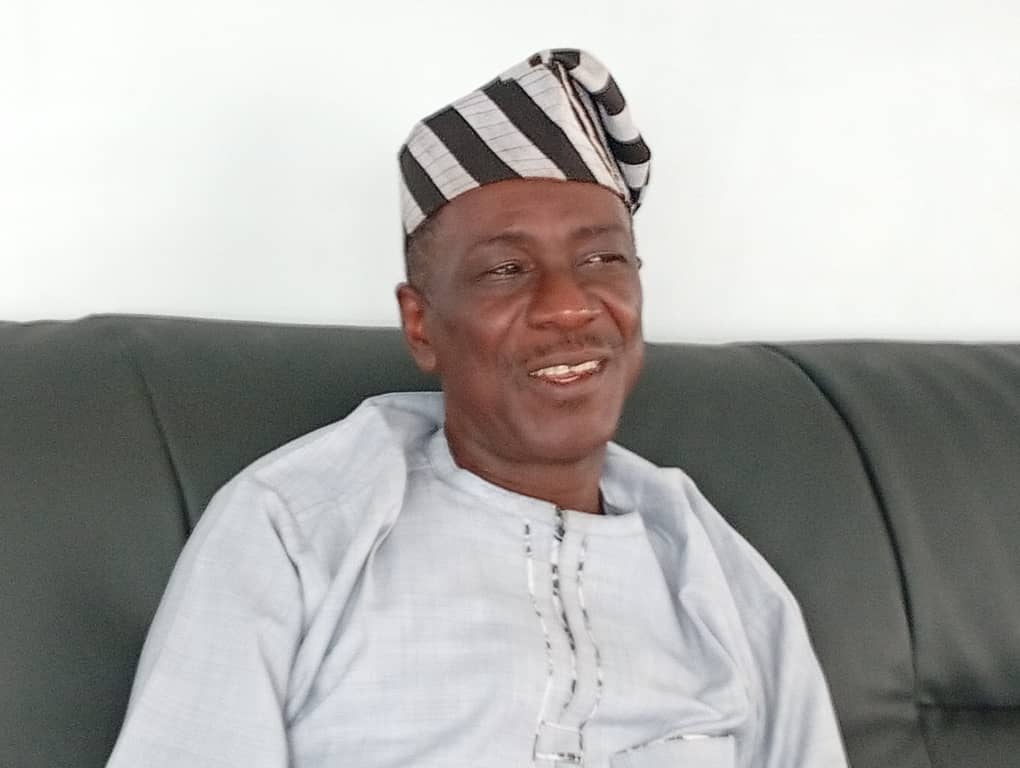
The People’s Democratic Party PDP candidate for the Nasarawa North Senatorial zone, Madaki Bembella has appealed to the consciences of the elders in the zone to be neutral towards the up coming general election in the country.
Bembella, who is also the Waziri of Mada kingdom said it was in the interest of known elders to speak the truth at all times and maintaining their dignity when it comes to Mada kingdom and beyond adding that it is only then that the elders can easily be imitated by the younger ones.
The Mada chieftain in an exclusive interview with this reporter recently called on the elders to always speak in one voice regretting that there are some elders who should be sitting on their respected seats in line with their traditions with neutrality to guide the younger generation but sadly are still fixated at contesting for partisan politics.
“In my opinion, they should not be involved in politics again. They should rather sit down and direct the younger ones but the same people have relegated that position living a big gap sometimes with no one credible enough to fill.
“To my surprise also, elders are still participating in politics while some are still taking sides on sensitive issues where they are supposed to be neutral.” Said Bembella.
Bembella who is a household name in the Mada kingdom of Akwanga said that both the elders and younger generation should trust him in the elections because he has been tested in his service to humanity and has a shiny pedigree to show for it.
Why residents should trust him as their their next senator
On why residents of the zone should trust him with the office, he went on: “they should trust me by reason of my pedigree and also my track record as I contribute to humanity.
“We have good testimony of what we have been able to do both here in the headquarters of the zone and around the other areas.
” I have lived with people around here for the past 30 years and have not been found wanting. I have been tested to serve where I retired and gave a good account of myself.
“I have always had interests in politics especially the PDP since 1999. But I have used it to support politicians and party activities, it started around 2013 till date.
“That was when we started supporting individuals who have stakes in elections. But for full participation, I would say that started in 2024.and it will continue by God’s grace till I get to the Senate.”
As a traditional chieftain, he is also the Waziri of the Mada kingdom which is an influential position to hold in any kingdom and he actually plans to utilize his influence in the kingdom to account regularly on his achievements which he feels will bring the constituency up to speed with his actions.
On his message to the 35 electoral wards in the zone, he noted that he will work towards creating an assembly of the people in the three council areas of Wamba, Akwanga and Nasarawa Eggon so that the quality of representation will increase.
Akwanga he noted was supposed to have about 14 electoral wards but it has been brought down to eleven which the contestants have to contend with.
To the young people of the zone, Bembella advised them not to mortgage their future for pittance that desperate politicians share on elections day.
He urged them to avoid vote buying and progress beyond the anti partisan politicians who come with such freebies to compromise their lives and the entire electoral system.
Bembella is a fellow of the Association of National Accountants of Nigeria who has paid his dues in his service to humanity.
Remain neutral during elections, Senate aspirant Bembella urges Nasarawa North elders

FG Unveils NHRC–Police Liaison Framework to Tackle Rights Violations, Strengthen Accountability
ECOWAS, Africa Agenda Network Deepen Partnership to Showcase Regional Bloc’s 50-Year Legacy

“I Have Never Been Wrong About Vice President Kashim Shettima in Over 1,000 Articles” – Dr James Bwala.

Roger Federer’s Shock as DNA Results Reveal Myla and Charlene Are Not His Biological Children

THE PLIGHT OF FARIDA

FAILED COUP IN BURKINA FASO: HOW TRAORÉ NARROWLY ESCAPED ASSASSINATION PLOT AMID FOREIGN INTERFERENCE CLAIMS
-
 News2 years ago
Roger Federer’s Shock as DNA Results Reveal Myla and Charlene Are Not His Biological Children
-
Opinions4 years ago
THE PLIGHT OF FARIDA
-
 News1 year ago
FAILED COUP IN BURKINA FASO: HOW TRAORÉ NARROWLY ESCAPED ASSASSINATION PLOT AMID FOREIGN INTERFERENCE CLAIMS
-

 News2 years ago
EYN: Rev. Billi, Distortion of History, and The Living Tamarind Tree
-
 Opinions5 years ago
POLICE CHARGE ROOMS, A MINTING PRESS
-

 ACADEMICS2 years ago
A History of Biu” (2015) and The Lingering Bura-Pabir Question (1)
-

 Columns2 years ago
Army University Biu: There is certain interest, but certainly not from Borno.
-

 Politics1 year ago
2027: Why Hon. Midala Balami Must Go, as Youths in Hawul and Asikira/Uba Federal Constituency Reject ₦500,000 as Sallah Gift
