
Politics
Buratai: When Misfits in PDP Awake from Slumber

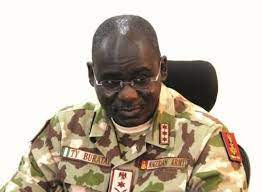
Buratai: When Misfits in PDP Awake from Slumber
By: James Bwala
The Independent Corrupt Practices and Other Related Offences Commission, ICPC have clarified on the house they busted at WUSE 2 in Abuja. They have also named the military contractor whose house they found N1.8 Billion naira.
These facts and other related claims earlier mentioned have been put in the proper perspective in the records of ICPC since the reported allegations by Sahara Reporters whose mischievous lines have since been condemned by Nigerians. I think PDP is just waking up from sleep and I hope they won’t be sleeping on election days.
Dragging the name of Former Chief of Army Staff, Lt. General Tukur Yusuf Buratai into muddy political water perhaps in PDP’s wild imagination and the dreams of some misfits within the drowning party is an anathema, abhorrence, loathing and curse that accompanied its downfall.
No wonder they could not settle since the outcome of the presidential primaries that saw their leader running from pillars to poles seeking relevance and acceptance from Nigerians who suffered under their draconian rules for sixteen years.
Robbing Peter to pay Paul has been in their blood lines and exactly what they wanted to achieve when they woke up from their sleep with Buratai’s name on their lips. They think by robbing Buratai of his good name and achievements over the years they can simply pay the debt they owe every Nigerian who places a curse on their deeds and misdeeds for sixteen years as shoplifters in government.
Also Read: Those Asking Kwankwaso To Be Peter Obi’s Running Mate Are…
I would have worried and stood aside if the ICPC did not clear the air on Buratai’s name. But I was confident that a person like General Tukur Yusuf Buratai, who served the longest as Army Chief would naturally be blinded by power to open up for a sucker punch as the PDP and its misfits want to sell to right thinking Nigerians.
Let me be so particularly with my comrade and National Publicity Secretary of the PDP, Mr. Debo Ologunagbe. There are issues begging for publicity for PDP. He should be busy unwinding the issues of the sixteen years of looting because we are going into campaign soon and Nigerians have the records in their hands. Questions would certainly be asked about Atiku and the Book by Olusegun Obasanjo is only a summary of Atiku’s achievements between 1999 and 2007.
There is an ongoing battle to win back Governor Wike of Rivers. He should ask if governor Okowa was able to get the loan for $25 Billion to bankroll their campaign for 2023. Recently we read that PDP gave Obasanjo an ultimatum to retract his comments on Atiku and Nigerians want to know.
The last time we heard of OBJ was that he was riding a tricycle in Ogun meaning that he had joined the association of tricycle riders and was looking for legitimate living and would no longer be part of the un-repented club.
Ologunagbe and his misfits in PDP should be busy repackaging PDP the other way and look for another General in place of OBJ because from all indications General Buratai is too busy to attend to misfits. Records speak volume and no one is stopping PDP from approaching ICPC for the records.
Buratai: When Misfits in PDP Awake from Slumber


Politics
Shettima’s relentless engagement should remind Nigerians that their government is not an opaque monolith but a responsive entity committed to their welfare.
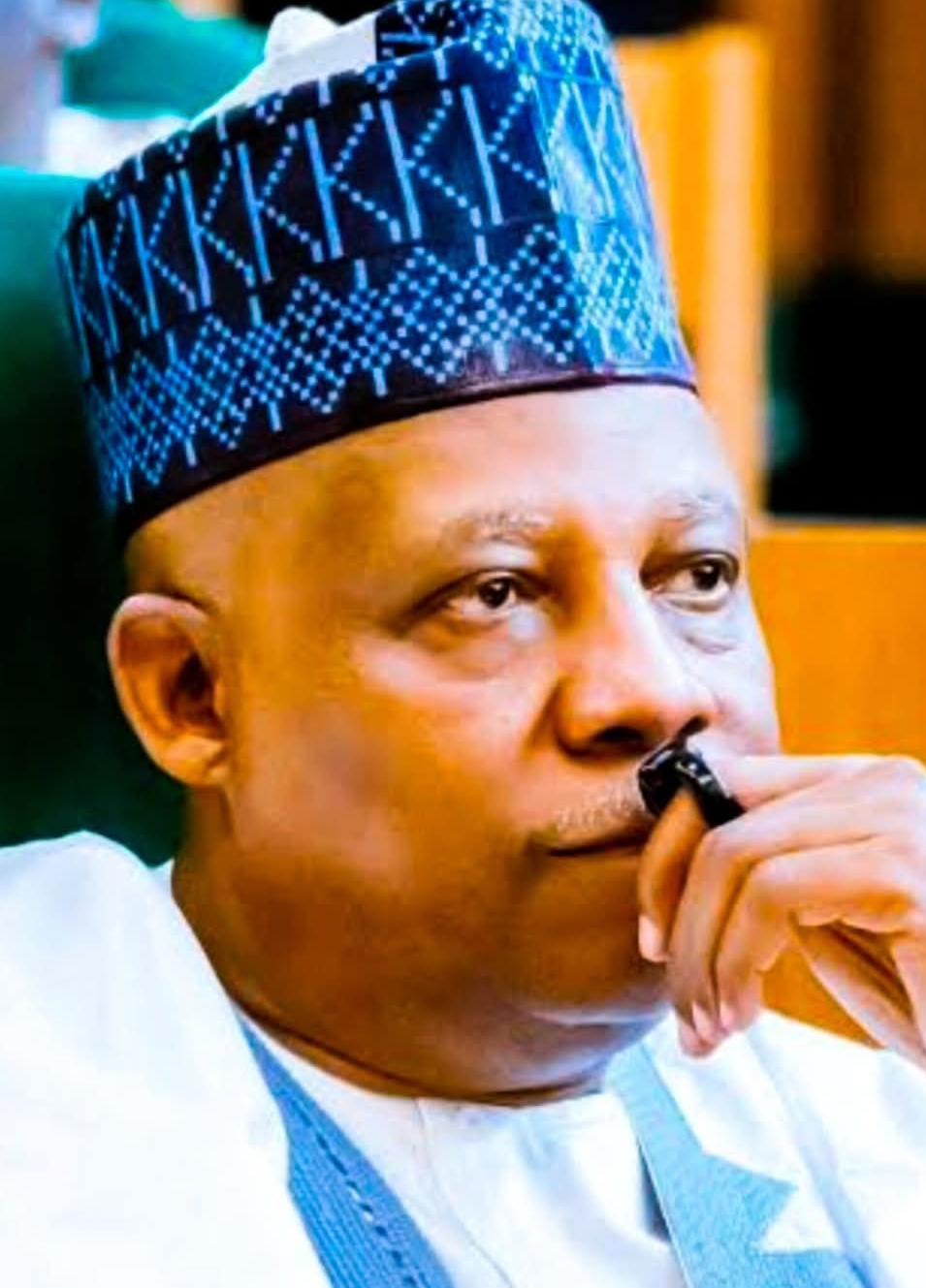
Shettima’s relentless engagement should remind Nigerians that their government is not an opaque monolith but a responsive entity committed to their welfare.
By: Dr. James Bwala
Recently, I was reading some comments about Vice President Kashim Shettima’s travels. While some of these comments are encouraging, others seem to have distanced themselves from the reality of what it means to be in a leadership position. Nigeria, with its over 200 million inhabitants spread across 36 states and a Federal Capital Territory, presents a multifaceted challenge to governance. The country’s ethnic, religious, and cultural diversity, combined with economic disparities and security concerns, necessitates a leadership approach that is both hands-on and deeply empathetic. Vice President Shettima’s extensive travels allow him to engage directly with various communities, understand their unique challenges, and foster a sense of inclusion and representation within the federal framework. This ground-level interaction cultivates trust between the government and its citizens, diminishing alienation and enhancing the legitimacy of governance structures.
Shettima’s tireless journey across Nigeria, traversing its vast length and breadth, stands as a compelling testament to the government’s unwavering commitment to forging a better future for all Nigerians. In an era where leadership is often critiqued for detachment and inefficiency, Shettima’s relentless engagement exemplifies the vital qualities of dedication, resilience, and visionary stewardship that a leader must embody to achieve meaningful progress. His continuous efforts are not merely symbolic gestures but tangible acts that reflect the innermost drive required to steer a diverse and complex nation toward unity, development, and prosperity.
READ ALSO: https://newsng.ng/when-apcs-incumbency-appears-secure-ahead-of-2027/
The vice president’s visible presence across the country sends a powerful message about the government’s priorities. It signals that no region or group is overlooked; rather, there is a concerted effort to bridge gaps, address grievances, and promote equitable development. This approach contrasts sharply with a detached bureaucracy where policies might be formulated in isolation without adequate appreciation of local realities. By crisscrossing Nigeria, the vice president gathers firsthand insights that inform policy formulation, ensuring that interventions are contextually relevant and more likely to succeed. This dynamic feedback loop between leadership and the populace is critical in a democracy striving for responsiveness and accountability.
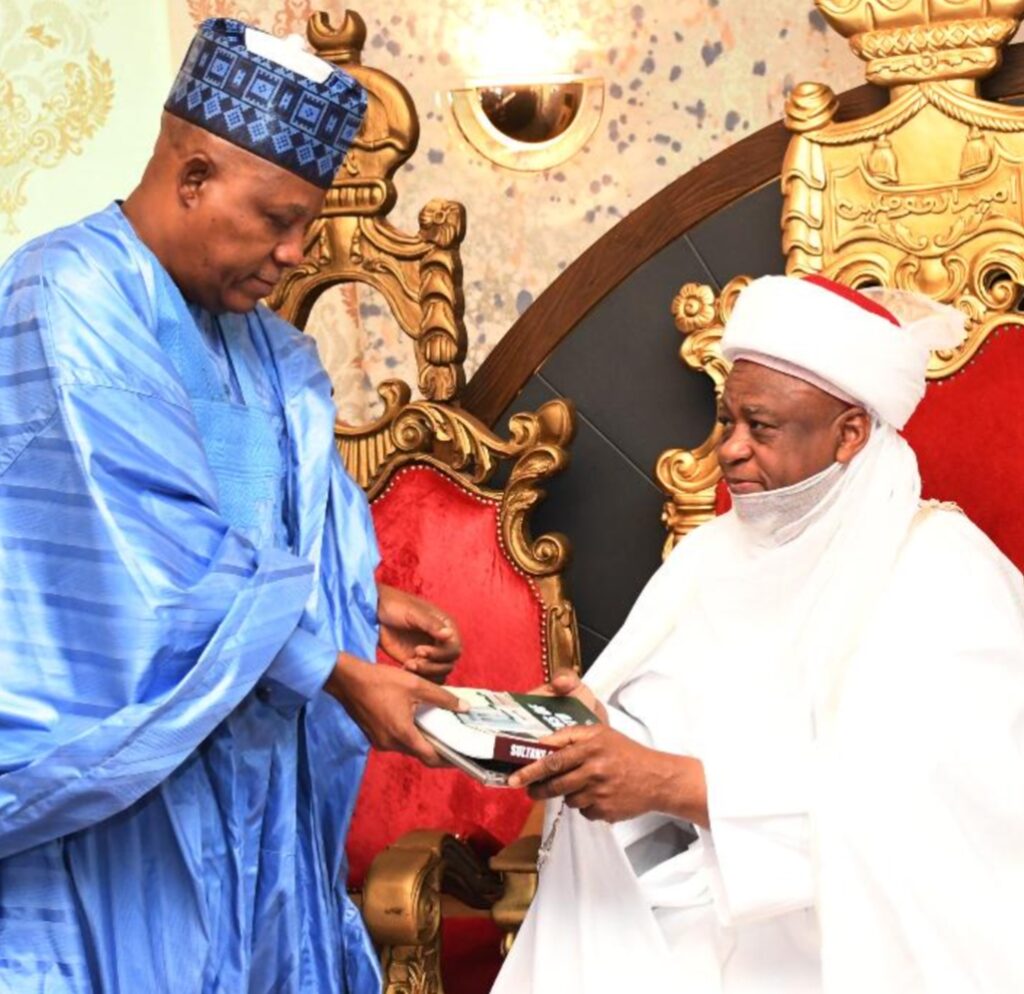
The personal toll on Vice President Shettima cannot be overstated. His demanding schedule, often described as exhausting, underscores the sacrifices inherent in leadership at the highest level. Yet, it is precisely this embodiment of relentless commitment that galvanizes governmental momentum and inspires confidence among Nigerians. Leadership, especially in a country as complex as Nigeria, demands an inner reservoir of strength—an indomitable spirit that persists amid fatigue, setbacks, and criticism. Shettima’s ability to continually summon this inner strength reflects his recognition that leadership is not a static position but an active, evolving process requiring constant energy, adaptability, and perseverance.
READ ALSO: https://newsng.ng/when-apcs-incumbency-appears-secure-ahead-of-2027/
Shettima’s style also offers a profound lesson on the interplay between visibility and effectiveness. Too often, political leaders are perceived as distant figures whose decisions emerge from abstract corridors of power. But in contrast, Shettima’s approach breaks down these barriers, positioning the vice presidency as a proactive institution directly engaged with the citizenry. This hands-on leadership fosters a culture of transparency and humility, where listening becomes as important as directing. It reassures Nigerians that their government is not an opaque monolith but a responsive entity committed to their welfare.
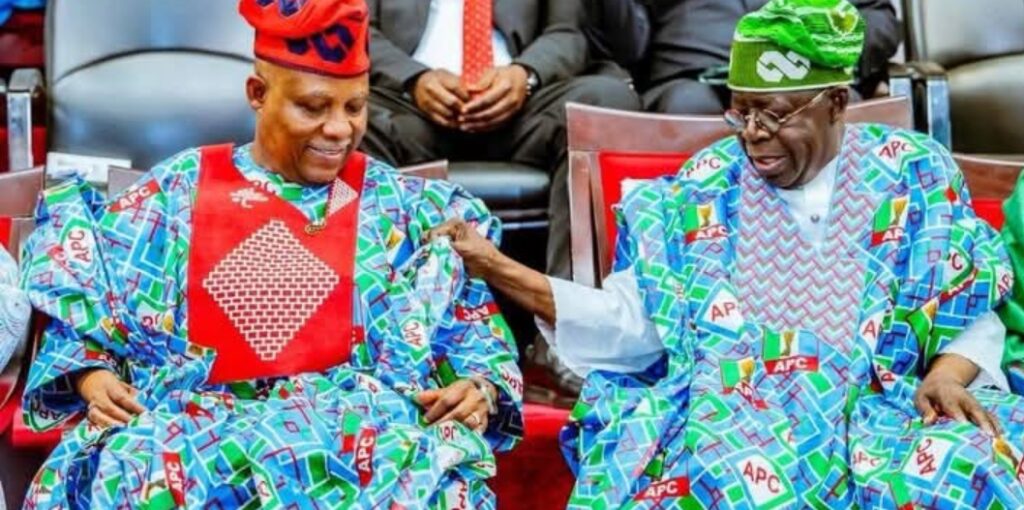
In the broader context of Nigeria’s developmental trajectory, the vice president’s efforts align with national ambitions to enhance social cohesion, economic diversification, and infrastructural growth. The government’s push to create jobs, improve healthcare, reform education, and enhance security requires not only robust policies but also vigorous implementation supported by continuous dialogue with stakeholders at every level. Vice President Shettima’s extensive travels enable him to champion these initiatives directly, mobilizing local resources, encouraging public-private partnerships, and advocating for reforms that resonate with community needs and aspirations.
READ ALSO: https://newsng.ng/when-apcs-incumbency-appears-secure-ahead-of-2027/
On a closer look, Shettima’s leadership embodies the essence of servant leadership—a philosophy where leaders prioritize the needs of their people above personal gain or political expediency. His visible exhaustion is not a sign of weakness but an expression of his willingness to share in the struggles of ordinary Nigerians. This empathetic connection builds social capital and reinforces the moral authority necessary for sustainable governance. As Nigeria grapples with issues such as poverty, insecurity, and infrastructural deficits, leadership that demonstrates genuine care and dedication can serve as a unifying force capable of transcending divisive politics and fostering national reconciliation.

Critics might argue that frequent travel and public engagements risk superficiality, suggesting that real change is achieved through policy details and systemic reforms rather than charismatic presence. While policy substance is undeniably critical, the importance of leadership presence should not be underestimated, especially in a federal system where trust and cooperation among diverse regions are indispensable. Vice President Shettima’s approach does not replace rigorous policy work; rather, it complements it by ensuring that policies are grounded in lived experiences and receive the support necessary for effective implementation.
READ ALSO: https://newsng.ng/when-apcs-incumbency-appears-secure-ahead-of-2027/
The rigorous schedule adopted by the vice president sets a benchmark for other leaders in the country, encouraging a culture of diligence and accountability within the government. It raises expectations around active leadership and discourages complacency. When the nation’s second-in-command is seen investing considerable personal effort into understanding and addressing grassroots issues, it elevates the standards for public service and nurtures a political environment oriented toward active problem-solving rather than mere rhetoric.
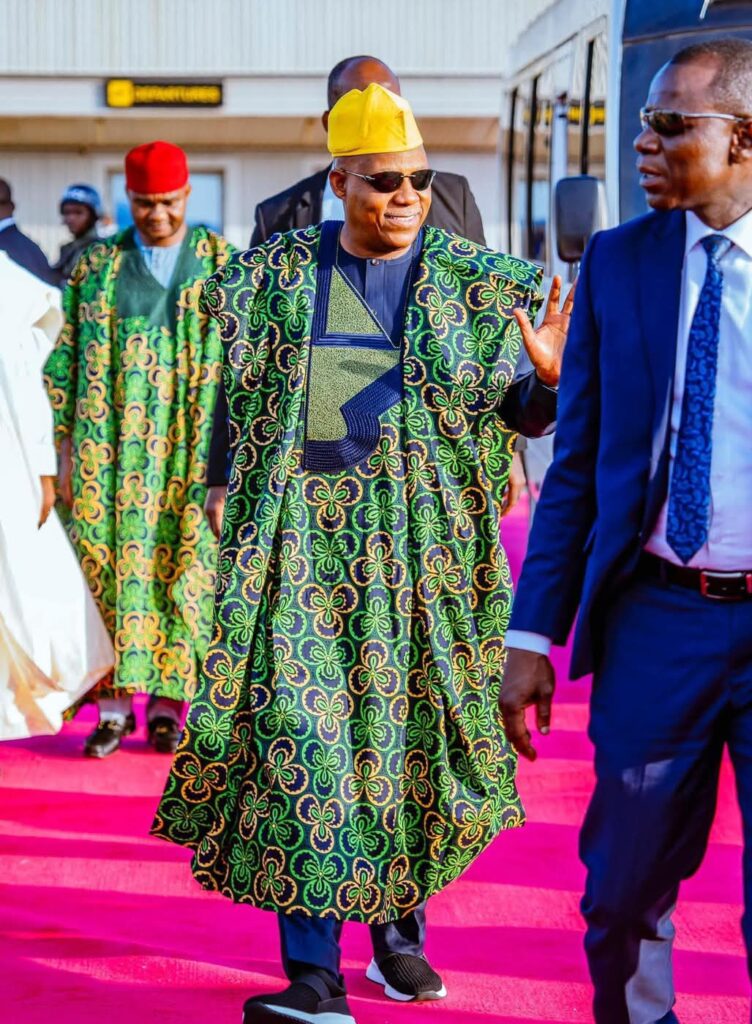
Some critical-minded Nigerians need to see that Shettima’s continuous crisscrossing of Nigeria is emblematic of a government genuinely invested in building a better nation. His physical journey across diverse terrains mirrors a deeper journey of commitment, resilience, and visionary leadership essential for navigating Nigeria’s complexities. Despite the evident exhaustion, his indefatigable spirit personifies the qualities required to lead effectively in challenging circumstances. Through direct engagement, empathetic governance, and steadfast dedication, Shettima contributes significantly to fostering national unity, promoting inclusive development, and inspiring confidence in Nigeria’s future. His example is a clarion call for leadership that is not only seen and heard but felt profoundly across every corner of the nation, driving collective progress for the greater good.
* James Bwala, PhD, writes from Abuja.
Shettima’s relentless engagement should remind Nigerians that their government is not an opaque monolith but a responsive entity committed to their welfare.

When APC’s incumbency appears secure ahead of 2027
By: Dr. James Bwala
The political landscape in Nigeria as it approaches the 2027 general elections presents a complex tableau marked by rivalry, fragmentation, and strategic posturing. In examining this scenario through the lens of Niccolò Machiavelli’s seminal work, The Prince, one finds striking parallels that elucidate the dynamics at play within Nigerian opposition politics. Machiavelli’s assertion that “it is safer to be feared than loved” and his advocacy for deception as a tool to maintain power offer a critical framework to understand why Nigeria’s opposition has struggled to effectively mount a united front against the ruling All Progressives Congress (APC), led by President Bola Ahmed Tinubu and Vice President Kashim Shettima.
Machiavelli’s political philosophy centers on the pragmatics of power—rulers must often engage in morally ambiguous acts, including fearmongering and calculated deceit, to establish and sustain authority. He stresses that a ruler who is loved but not feared is vulnerable; fear ensures obedience even when affection wanes. Applying this to Nigeria’s contemporary political environment reveals how the ruling party, through both strategic governance and symbolic displays of strength, has induced a palpable sense of fear among opposition ranks, thereby destabilizing their cohesion.
READ ALSO: https://newsng.ng/2027-day-borno-welcomes-engr-mustapha-gubio/
This fear manifests not only as intimidation by the government’s enforcement mechanisms but also as an overarching anxiety about the futility of opposing a deeply entrenched power structure. This psychological environment has engendered confusion and disarray within opposition parties, hampering their ability to coalesce around a shared vision or unified strategy.
Central to the opposition’s predicament is its inability to transcend personal ambitions and forge a consolidated front. Machiavelli emphasizes the importance of strategic alliances and the consolidation of interests in the pursuit of sustained power. Yet in Nigeria, opposition parties such as the Social Democratic Party (SDP), African Democratic Congress (ADC), New Nigeria Peoples Party (NNPP), and the People’s Democratic Party (PDP) remain fragmented and beset by internal rivalries.
READ ALSO: https://newsng.ng/2027-day-borno-welcomes-engr-mustapha-gubio/
Rather than focusing their energies on dismantling the hegemony of APC, these groups are embroiled in internecine conflicts, blame-shifting, and coalition wrangling. The PDP’s recent resort to spiritual intercession via a “seven-day prayer” highlights a sense of desperation and reliance on non-strategic measures over pragmatic political maneuvering. This lack of coordination and coherent messaging fuels public perception of disorganization, weakening their collective bargaining power.
The opposition’s fragmentation can be traced to a fundamental deficit in leadership characterized by selfish ambitions. Each faction prioritizes its immediate gains over a long-term vision, thereby undermining confidence among constituents and potential partners within the political arena. Without the “voice of unity,” opposition parties inadvertently strengthen the position of the ruling APC by squandering resources and opportunities to present a formidable challenge.
READ ALSO: https://newsng.ng/2027-day-borno-welcomes-engr-mustapha-gubio/
Fear operates as a dual-edged sword in this context. The ruling APC harnesses it to consolidate support and suppress dissent, while opposition leaders themselves are hindered by their fear of losing influence, relevance, and political capital. Such fear leads to hesitation, mistrust, and ultimately paralysis. This atmosphere dissuades cooperative behavior among opposition factions, making coalition-building a herculean task.
The fear of persecution or political marginalization under an APC-dominated system disincentivizes boldness. Many opposition figures adopt defensive postures, reluctant to risk alienating their base or breaching fragile agreements. This dynamic creates a vicious cycle where fear undermines unity, disunity reinforces APC dominance, and dominance exacerbates fear.
READ ALSO: https://newsng.ng/2027-day-borno-welcomes-engr-mustapha-gubio/
President Bola Ahmed Tinubu and Vice President Kashim Shettima have effectively capitalized on these fractures within the opposition. Their leadership within the APC represents a consolidation of power that Machiavelli would recognize as a well-executed maintenance of principality. The APC’s overwhelming political machinery, resource allocation, control over security apparatus, and effective grassroots mobilization have rendered opposition efforts less efficacious.
The symbolic victories—the faltering of SDP, the sinking of ADC, and the uncertain trajectory of the National Democratic Coalition (NDC)—are testimonies to APC’s strategic supremacy. The ruling party’s preemptive victories in goodwill and political influence signal that the 2027 elections may again be skewed in their favor. They have won not only battles on the ground but also psychological warfare by fostering a perception of inevitability regarding their continued rule.
READ ALSO: https://newsng.ng/2027-day-borno-welcomes-engr-mustapha-gubio/
As Nigeria marches toward the 2027 general elections, the question remains: can the opposition overcome its internal divisions to challenge the APC effectively?
For a start, the opposition must heed Machiavelli’s advice on the necessity of unity and strategic subterfuge. Facing a dominant opponent requires flexibility, sacrifice of individual ambitions for collective goals, and a willingness to engage in political realism rather than idealistic posturing. This would mean forging genuine coalitions not merely for electoral convenience but with a clear, shared agenda to address Nigeria’s numerous governance challenges.
Opposition leaders need to cultivate a new narrative that transcends blame games. Popular disenchantment with the APC should be transformed into a cohesive political force, capable of articulating viable alternatives. Building trust within and across parties, managing ideological differences pragmatically, and presenting credible candidates could galvanize voter enthusiasm and disrupt APC’s dominance.
READ ALSO: https://newsng.ng/2027-day-borno-welcomes-engr-mustapha-gubio/
However, the prospect of such transformation remains uncertain. Entrenched interests, historical grievances, and the lure of power complicate unified action. Without a decisive initiative toward reconciliation and strategic planning, the opposition risks repeating past failures, remaining divided and ineffective.
Indeed, the Nigerian political landscape ahead of the 2027 general elections vividly illustrates the enduring relevance of Machiavellian political thought. The ruling APC’s use of fear and strategic depth has created a daunting environment for opposition parties, which remain mired in fragmentation and self-interest. Until the opposition can muster the discipline and unity required to challenge the established order, APC’s incumbency appears secure.
READ ALSO: https://newsng.ng/2027-day-borno-welcomes-engr-mustapha-gubio/
The lessons from Machiavelli urge political actors in Nigeria to embrace realism, where fear and deception are tools wielded prudently to maintain or contest power. Whether Nigeria’s opposition will rise above its divisions and contest the election “in one piece” or continue to falter remains to be seen. What is indisputable, however, is that the political game in Nigeria is as much about psychological mastery and strategic alliances as it is about ideology or policy—a truth that Machiavelli first unveiled centuries ago yet remains profoundly applicable today.
* James Bwala, PhD, is a political analyst and wrote from Abuja.
When APC’s incumbency appears secure ahead of 2027
2027: Day Borno Welcomes Engr. Mustapha Gubio
By: Hon. Yusuf Adamu
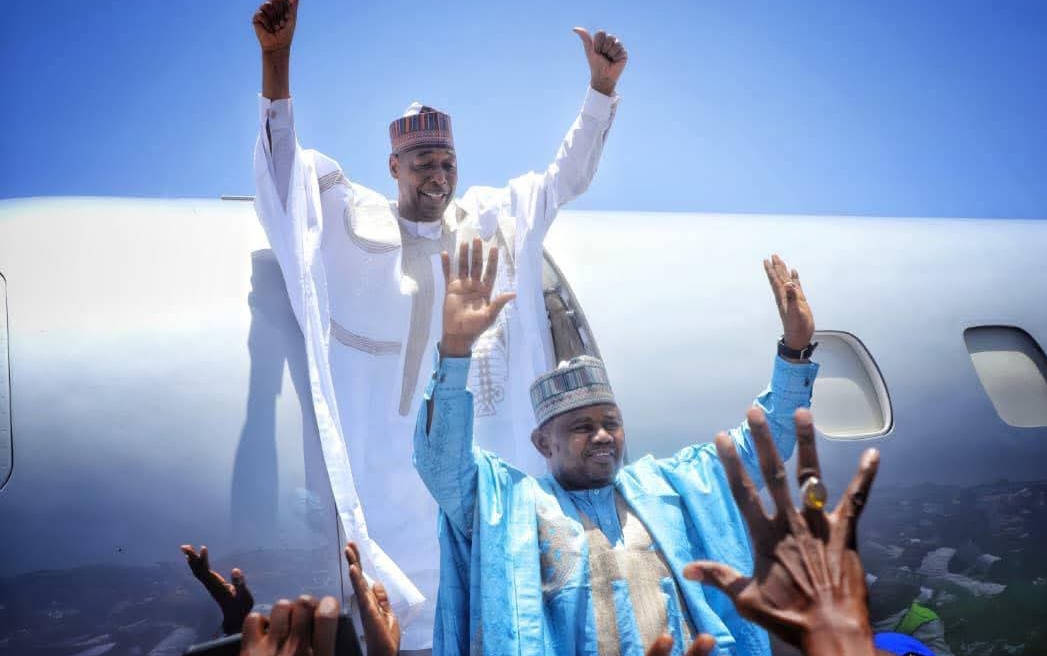
Borno State has always been marked by fervent enthusiasm and a deep-seated commitment to progress. On the historic day when Engr. Mustapha Gubio emerged from the aircraft at Borno’s airport, greeted by an overwhelming sea of supporters, it became evident that a new era was dawning—one that promises unity, development, and sustainable governance. The moment when His Excellency, Professor Babagana Umara Zulum, lifted Gubio’s hand high in the air symbolized more than just a gesture. It was a powerful declaration to the people of Borno and beyond that Engr. Mustapha Gubio is the indisputable consensus candidate for the All Progressives Congress (APC) governorship ticket in 2027.
The remarkably large turnout at the airport upon Engr. Mustapha Gubio’s homecoming underscores a unified political front within the APC and the trust bestowed upon him by Borno’s citizens. The crowd was not merely a gathering; it was a vivid demonstration that the 2027 elections are effectively sealed in favor of the APC. This overwhelming support is a testament to the collective belief that Gubio embodies the qualities necessary to lead Borno towards sustained growth and prosperity. In a region often challenged by security concerns and developmental hurdles, such unity is critical. It signals to all stakeholders that the people of Borno are rallying behind a leader whose vision aligns with their aspirations for peace, stability, and economic advancement.
READ ALSO: https://newsng.ng/pastor-jerry-eze-efccs-endorsement-for-righteousness-after-six-month-probe-for-money-laundering/
Also, the presence of influential political figures at the event solidifies the legitimacy and strength of Engr. Mustapha Gubio’s candidacy. Distinguished personalities such as the Minister of Agriculture, Senator Abubakar Kyari, whose influence transcends local boundaries, were visibly present and supportive. Alongside him were other key elected representatives, including Senator Kaka Shehu Lawan and members of the House of Representatives, all signaling unwavering allegiance to the APC’s chosen candidate. Their participation does not only lend political weight to Gubio’s campaign but also projects a message of solidarity and collaboration across different tiers of government. Such cohesion is essential for crafting and implementing policies that can address the multifaceted challenges facing Borno.
The demographic diversity of the crowd—youths, women, senior citizens, and children, who greeted his arrival—reflects an inclusive political movement that transcends age, gender, and social strata. This inclusivity is fundamental in fostering a sense of belonging and collective responsibility among citizens. The youths’ enthusiastic participation is especially significant; as the backbone of tomorrow’s workforce and leadership, their endorsement signals hope for innovative approaches and energizing youth-led initiatives in governance. Women, who often bear the brunt of economic and social hardships, demonstrated their support as well, hinting at a future administration that will be sensitive to gender-specific issues and committed to empowering women economically and socially. Senior citizens, carrying the wisdom of experience, also stood in solidarity, showing that Gubio’s leadership enjoys broad generational support—a crucial factor for sustainable peace and continuity.
READ ALSO: https://newsng.ng/pastor-jerry-eze-efccs-endorsement-for-righteousness-after-six-month-probe-for-money-laundering/
Beyond the optics of political alliances and public enthusiasm, the event epitomizes Borno’s resilience and rising spirit after years of adversity. Historically, Borno has confronted significant security threats and humanitarian challenges that have tested its very fabric. The unity displayed at the airport sends a clear signal that the people of Borno have risen above divisive sentiments and are eager to embrace a future characterized by cooperation and constructive engagement. It is a clarion call that the time for fragmentation has passed and that collaborative governance is the pathway forward. Engr. Mustapha Gubio’s candidacy, therefore, is not merely a political milestone; it symbolizes a beacon of hope and a catalyst for transforming Borno into a model state of progress and peace.
Critically, the choice of Engr. Mustapha Gubio aligns perfectly with the needs of Borno at this crucial juncture. With his engineering background and experience in public service, Gubio brings a pragmatic, solution-oriented mindset to governance. The complexities of rebuilding infrastructure, enhancing security, and promoting economic diversification demand technical expertise coupled with visionary leadership. Gubio’s track record indicates that he possesses these attributes, making him uniquely qualified to spearhead initiatives that would stimulate growth, improve living standards, and foster social cohesion. His leadership promises to harness innovation and strategic planning to address longstanding issues, from rebuilding communities ravaged by conflict to improving essential services such as health, education, and transportation.
READ ALSO: https://newsng.ng/pastor-jerry-eze-efccs-endorsement-for-righteousness-after-six-month-probe-for-money-laundering/
The endorsement by Governor Babagana Umara Zulum reinforces the message that continuity in leadership, paired with fresh and capable hands, is vital for Borno’s ongoing recovery and development. Governor Zulum’s administration has been widely recognized for its commitment to transparency, infrastructural development, and human capital investment. By publicly lifting Gubio’s hand, Zulum has not only conferred legitimacy but also assured the continuity of these developmental agendas, ensuring that the progress achieved so far will not be reversed but rather accelerated under Gubio’s stewardship. This seamless transition within the APC framework enhances political stability, which investors and development partners closely monitor as a prerequisite for engagement.
Another persuasive element stems from the APC’s portrayal as “one family,” a phrase poignantly echoed during the reception. Political fragmentation has often undermined development efforts in Nigerian states, including Borno. However, the APC’s unity demonstrates a matured political culture that prioritizes collective good over individual ambitions or factional rivalries. This unity translates directly into stable governance, efficient policy implementation, and a reduction in electoral violence—issues that have historically hampered progress in the region. For the citizenry, the image of a united APC means less political uncertainty and more focus on tangible outcomes such as job creation, improved healthcare, and educational advancement.
READ ALSO: https://newsng.ng/pastor-jerry-eze-efccs-endorsement-for-righteousness-after-six-month-probe-for-money-laundering/
Looking forward, the implications of this consensus extend beyond the immediate political cycle. It paves the way for a governance model grounded in inclusivity, competence, and shared vision. Stakeholders—from traditional leaders to civil society groups—can rally behind a single candidate whose mandate is broadly accepted, reducing the risk of post-election disputes and fostering an environment ripe for engagement and partnership. This foundation is indispensable for Borno’s transformation, enabling policies that attract investments, encourage entrepreneurship, and invigorate social programs tailored to the unique needs of its diverse population.
The day Borno welcomed Engr. Mustapha Gubio was more than a political event—it was an affirmation of unity, hope, and determination. The overwhelming crowd, the presence of distinguished political leaders, and the symbolic hand-raising by Governor Babagana Umara Zulum collectively sent an unmistakable message: Borno State is entering a phase of consolidated strength and visionary leadership under the APC banner. Engr. Mustapha Gubio’s emergence as the consensus candidate encapsulates the aspirations of a resilient people ready to transcend past challenges and embrace a prosperous future. As we approach the 2027 elections, it is clear that Borno stands united, steadfast, and prepared for the promising journey ahead under the guiding hand of Engr. Mustapha Gubio. The time for progress has arrived, and Borno’s destiny lies in the fulfillment of this shared dream.
* Hon. Yusuf Adamu writes from Maiduguri.
2027: Day Borno Welcomes Engr. Mustapha Gubio

Nigeria: Boko Haram attacked Governor Buni’s home tomorrow, killing 36 soldiers and police officers

Berom Man condemns five youths caught manufacturing weapons, says act same as terrorism

Shettima’s relentless engagement should remind Nigerians that their government is not an opaque monolith but a responsive entity committed to their welfare.

Roger Federer’s Shock as DNA Results Reveal Myla and Charlene Are Not His Biological Children

THE PLIGHT OF FARIDA

FAILED COUP IN BURKINA FASO: HOW TRAORÉ NARROWLY ESCAPED ASSASSINATION PLOT AMID FOREIGN INTERFERENCE CLAIMS
-
 News2 years ago
Roger Federer’s Shock as DNA Results Reveal Myla and Charlene Are Not His Biological Children
-
Opinions4 years ago
THE PLIGHT OF FARIDA
-
 News1 year ago
FAILED COUP IN BURKINA FASO: HOW TRAORÉ NARROWLY ESCAPED ASSASSINATION PLOT AMID FOREIGN INTERFERENCE CLAIMS
-

 News2 years ago
EYN: Rev. Billi, Distortion of History, and The Living Tamarind Tree
-
 Opinions4 years ago
POLICE CHARGE ROOMS, A MINTING PRESS
-

 ACADEMICS2 years ago
A History of Biu” (2015) and The Lingering Bura-Pabir Question (1)
-

 Columns2 years ago
Army University Biu: There is certain interest, but certainly not from Borno.
-

 Opinions2 years ago
Tinubu,Shettima: The epidemic of economic, insecurity in Nigeria
