
News
2027 APC Gombe fracas: Borno LG Chair, Malgwi bags Zulum, others for endorsing Tinubu/Shettima ticket

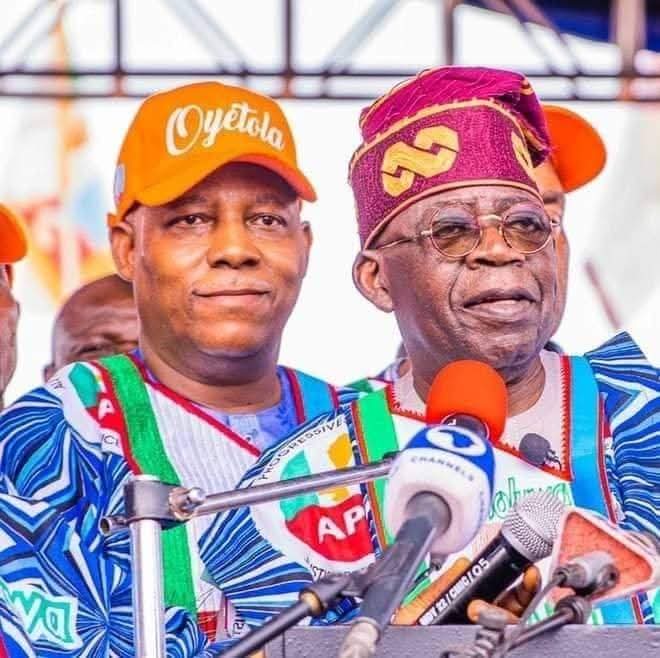
2027 APC Gombe fracas: Borno LG Chair, Malgwi bags Zulum, others for endorsing Tinubu/Shettima ticket
By Ndahi Marama
The Executive Chairman of Hawul local government area of Borno state, Hon. Hussaini Malgwi has threw his weight behind Governor Babagana Umara Zulum, his counterpart from Yobe state, Hon. Mai Mala Buni, the Deputy National Chairman of the All Progressive Congress, APC (North), Hon. Ali Bukar Dalori, National Working Committee, NWC North East and all other stakeholders who unanimously endorsed President Bola Ahmed Tinubu and his Vice, Senator Kashim Shettima to run on the same ticket come 2027 general elections.
The endorsement which were made amidst fracas when the National Vice Chairman of the ruling party (North East), Comrade Mustapha Salihu decided to only endorse Tinubu in his speech, without mentioning the name of Kashim Shettima, a situation which compelled some aggrieved members and loyalists to Shettima who started hurling chairs and objects targeting Salihu that hitherto disrupted the meeting to end abruptly.
Addressing Journalists in Maiduguri on Monday over the incident, the Hawul Council Chairman lamented that the growing speculations regarding plans to replace His Excellency, Hon. Kashim Shettima GCON, as the Vice President and running mate to President Bola Ahmed Tinubu in the forthcoming 2027 elections for a second term is uncalled for, as such a move will be vehemently resisted.
He however cautioned the people of the North East, especially APC teaming supporters not to engage into anti- party activities that would spell doom for the unity and development of the APC and the region as a whole.
Malgwi who strongly aligned with the position of Governor Zulum of Borno state, stressed the need to collectively work together as one family to ensure President Tinubu and Vice President Kashim Shettima fly same ticket to continue their second term come 2027.
He explained that the North East region have suffered much devastation from atrocities by Boko Haram for over decade, noting that, the healing time is now under President Bola Ahmed Tinubu’s Renewed Hope Agenda, with support from his Deputy, Kashim Shettima, Governor Zulum and other governors of the states of Yobe, Adamawa, Gombe, Taraba and Bauchi irrespective of political affiliations.
His words: ” It is a great pleasure as I address you gentlemen of the press today, Monday 16th June, 2025.
“We are all aware of what happened during our APC North East Consultative Meeting in Gombe state last Sunday, which ended up in chaos.
“As Chairman and a loyalist to the Vice President Kashim Shettima and Governor Babagana Zulum, on behalf of APC members in Hawul LGA, let me throw my sincere weight behind Governor Babagana Umara Zulum, his counterpart from Yobe state, Hon. Mai Mala Buni, the Deputy National Chairman of the All Progressive Congress, APC (North), Hon. Ali Bukar Dalori, National Working Committee, NWC North East and all other stakeholders who unanimously endorsed President Bola Ahmed Tinubu and his Vice, Senator Kashim Shettima to run on the same ticket come 2027 general elections.
” I would also express my displeasure over the fracas that erupted when the National Vice Chairman of the ruling party (North East), Comrade Mustapha Salihu decided to only endorse Tinubu in his speech, without mentioning the name of Kashim Shettima. This singular act by Salihu compelled some aggrieved members and loyalists to Shettima to hurled chairs and objects targeting Salihu which hitherto disrupted the meeting to end abruptly.
” Therefore, let me caution our people in the North East, especially APC teaming supporters not to engage into any anti- party activities that would spell doom for the unity and development of the APC and the region as a whole.
” At this crucial time, what is need from all and sundry is to collectively work together as one family to ensure President Tinubu and Vice President Kashim Shettima fly same ticket to continue their second term come 2027.
” We from the North East ave suffered much devastation from atrocities by Boko Haram for over decade, the healing time is now under President Bola Ahmed Tinubu’s Renewed Hope Agenda, with support from his Deputy, Kashim Shettima, Governor Zulum and other governors of the states of Yobe, Adamawa, Gombe, Taraba and Bauchi irrespective of political affiliations”. Malgwi stated.
He therefore expressed gratitude to all APC supporters and delegate from Hawul who massively come out enmasse to attend the Gombe meeting where they all display humility, calm and orderliness before, during and after the fracas.
2027 APC Gombe fracas: Borno LG Chair, Malgwi bags Zulum, others for endorsing Tinubu/Shettima ticket


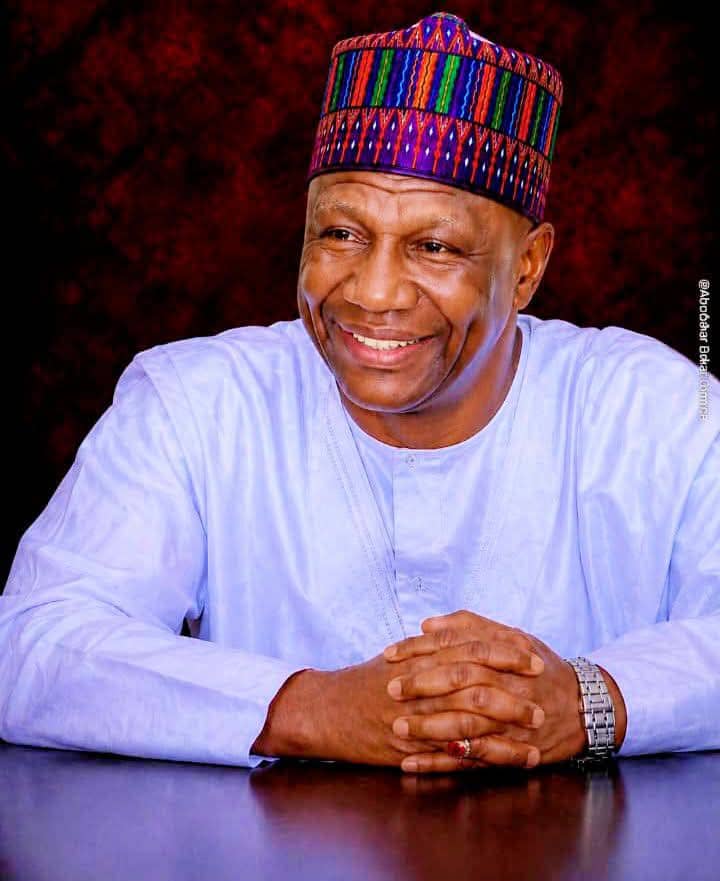
Yobe: Wali visits Emir of Damaturu
By: Yahaya Wakili
Yobe State All Progressives Congress (APC), 2027 gubernatorial candidate Alhaji Baba Malam Wali MNI, FCAN, has paid a courtesy visit to His Royal Highness, the Emir of Damaturu, Alhaji Shehu Hashimi II Ibn Umar Al-Amin El-Kanemi, at his palace in Damaturu.
During the visit, the APC governorship candidate, Alhaji Baba Malam Wali MNI, said they were at the emir’s palace to solicit the prayers and blessings of the emir.
According to Baba Wali, “We are in the race; therefore, the visit was very significant. We need the prayers of the royal fathers and leaders because they were very vital and important at this crucial time.
Responding, His Royal Highness, the emir of Damaturu, Alhaji Shehu Hashimi II Ibn Al-Amin El-Kanemi, thanked the governorship candidate for the visit and prayed Almighty Allah (SWT) would guide and protect him throughout his struggle in his life.
Those accompanying the incoming governor, Inshallah, in 2027 during the visit are his deputy, Barrister Saleh Samanja; APC State chairman, Alhaji Mohammed Gadaka; and Madakin Gudi.
Others are Alhaji Aji Yarima Bularafa, Hon. Commissioner of the Ministry of Wealth Creation, Empowerment, and Employment Generation; Hon. Nasiru Hassan Yusuf, candidate for the Federal House of Representatives, representing Damaturu, Gujba, Gulani, and Tarmuwa local government areas; and others.
The emir conferred the traditional title of Mukaddam of the Damaturu emirate council on Alhaji Baba Malam Wali, mni, and fcan, respectively.
Yobe: Wali visits Emir of Damaturu
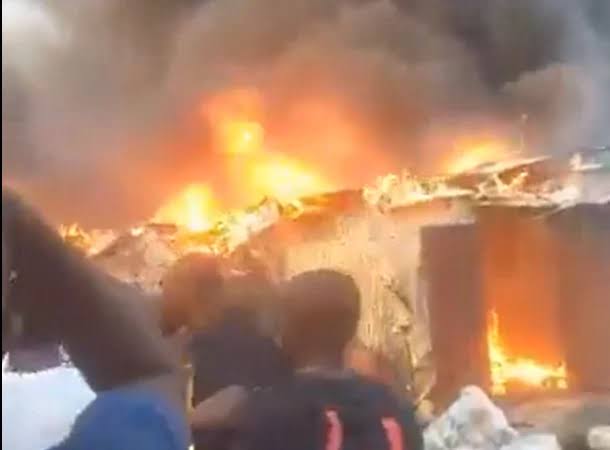
Fire Razes Building Material Shops in Satellite Town, Lagos
By Zagazola Makama
LAGOS — A fire outbreak has destroyed several building material shops along Fin-Niger, Satellite Town, Lagos State.
The incident occurred at about 6:10 a.m. on Aug. 18, when a distress call was received reporting a fire outbreak in the area.
Following the alert, a team of policemen and firefighters was swiftly mobilised to the scene.
The fire affected building material shops located at 58/196 Old Ojo Road, along Fin-Niger, Satellite Town.
The emergency responders successfully contained and extinguished the fire, preventing it from spreading further.
No casualty or loss of life was recorded in the incident.
The cause of the fire and the estimated value of property destroyed have not yet been established.
The police said investigation into the incident is ongoing to determine the circumstances surrounding the outbreak.
Fire Razes Building Material Shops in Satellite Town, Lagos
News
24 Bandits Killed As Army, DSS, Vigilantes Foil Mass Kidnap in Katsina Community, Rescue Victims
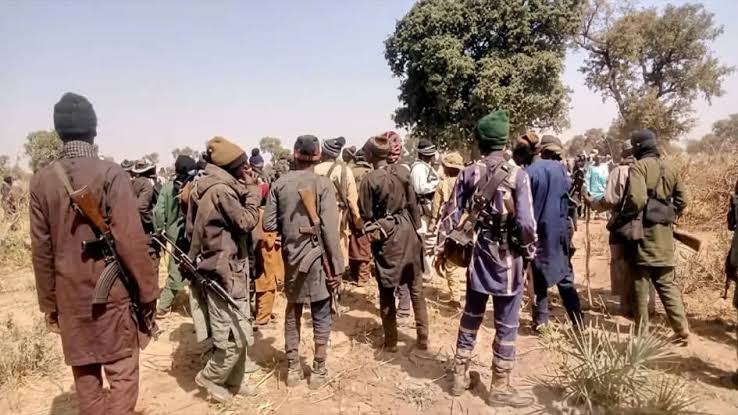
24 Bandits Killed As Army, DSS, Vigilantes Foil Mass Kidnap in Katsina Community, Rescue Victims
By: Zagazola Makama
At least 24 bandits were killed on Tuesday after soldiers of the Nigerian Army, operatives of the Department of State Services (DSS), Katsina Community Watch Corps foiled an attempt to mass-kidnap persons in Gidan Bawa village, Kandarawa Ward, Bakori Local Government Area of the state.
According to a security source, the operation followed sustained intelligence which uncovered plans by about 40 gunmen loyal to notorious bandit kingpin, Isiya Kwashen Garwa, to invade the village and abduct many residents, especially women and children.
The plot, sources said, was intended to replicate the mass abduction of residents of Woro community in Kwara State, ostensibly to embarrass the government.
Acting swiftly on the intelligence, DSS operatives mobilised the Community Watch Corps, and the Civilian Joint Task Force (CJTF) from Guga camp, and ambushed the bandits.
The source disclosed that the joint security operatives neutralised 24 bandits and rescued the abducted villagers.
Security operatives also recovered 19 stolen cattle from the community during the raid.
The source added that there were ongoing efforts to track down the fleeing bandits.
24 Bandits Killed As Army, DSS, Vigilantes Foil Mass Kidnap in Katsina Community, Rescue Victims

Ogwashi-Uku Palace: Izediunor Faction Has Lost At Every Court Level, Including Supreme Court

Yobe: Wali visits Emir of Damaturu

Police Arrest Two Suspected One-Chance Robbery Syndicate Members in Lagos

Roger Federer’s Shock as DNA Results Reveal Myla and Charlene Are Not His Biological Children

THE PLIGHT OF FARIDA

FAILED COUP IN BURKINA FASO: HOW TRAORÉ NARROWLY ESCAPED ASSASSINATION PLOT AMID FOREIGN INTERFERENCE CLAIMS
-
 News2 years ago
Roger Federer’s Shock as DNA Results Reveal Myla and Charlene Are Not His Biological Children
-
Opinions5 years ago
THE PLIGHT OF FARIDA
-
 News1 year ago
FAILED COUP IN BURKINA FASO: HOW TRAORÉ NARROWLY ESCAPED ASSASSINATION PLOT AMID FOREIGN INTERFERENCE CLAIMS
-

 News2 years ago
EYN: Rev. Billi, Distortion of History, and The Living Tamarind Tree
-
 Opinions5 years ago
POLICE CHARGE ROOMS, A MINTING PRESS
-

 ACADEMICS2 years ago
A History of Biu” (2015) and The Lingering Bura-Pabir Question (1)
-

 Columns2 years ago
Army University Biu: There is certain interest, but certainly not from Borno.
-

 Politics1 year ago
2027: Why Hon. Midala Balami Must Go, as Youths in Hawul and Asikira/Uba Federal Constituency Reject ₦500,000 as Sallah Gift
