
Politics
2027: Why Hon. Midala Balami Must Go, as Youths in Hawul and Asikira/Uba Federal Constituency Reject ₦500,000 as Sallah Gift

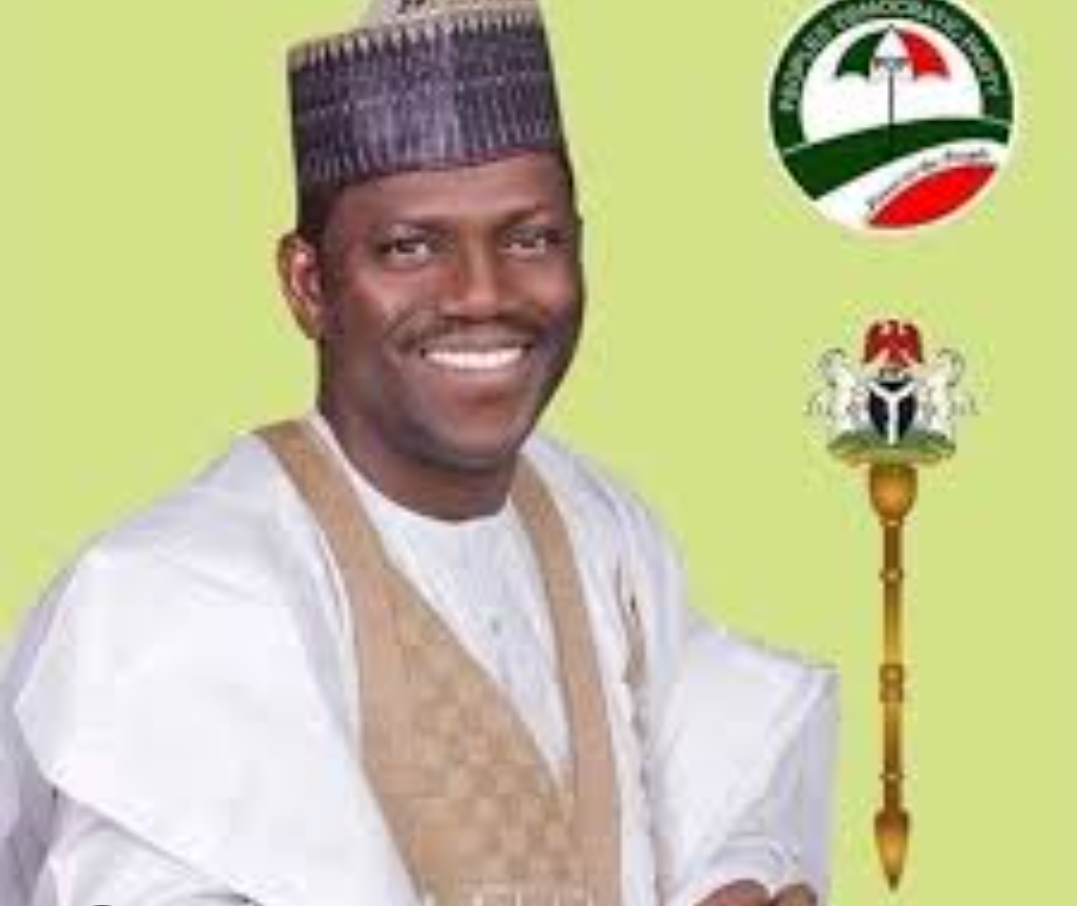
2027: Why Hon. Midala Balami Must Go, as Youths in Hawul and Asikira/Uba Federal Constituency Reject ₦500,000 as Sallah Gift
By: Dr. James Bwala
The youths of Hawul and Askira/Uba Federal Constituency have expressed significant regret over their decision to vote for Hon. Midala Balami of the People’s Democratic Party (PDP) as their representative in the Green Chamber. This sentiment stems from perceived unfulfilled campaign promises and a lack of tangible development projects within the constituency since his assumption of office. Many youths feel marginalized, claiming that their concerns regarding education, employment, and infrastructure remain largely unaddressed.
This disillusionment reflects a broader trend among Nigerian youth, who increasingly demand accountability and effective representation from their elected officials. The initial optimism accompanying Balami’s election has given way to frustration due to inadequate legislative performance and limited engagement with constituents’ needs. While legal disputes affirmed his election victory, these judicial endorsements have done little to alleviate grassroots dissatisfaction. Consequently, the youths’ regret underscores the urgent need for responsive governance that prioritizes community development and inclusivity.
The youth’s declaration that Hon. Midala Balami must not represent them again in 2027 reflects a growing dissatisfaction with political leadership and representation. This sentiment underscores the critical importance of responsive governance, where elected officials are expected to address the evolving needs and aspirations of their constituents. Young people, as a dynamic demographic, demand accountability and tangible progress, which they feel has been lacking under Hon. Balami’s tenure. Such discontent is emblematic of broader challenges in democratic participation, where trust between representatives and the represented is paramount.
This call for change highlights the role of youth engagement in shaping political futures. The rejection of a previously favored representative suggests an increased political awareness among young voters who prioritize performance over loyalty or tradition. It also indicates their desire for leaders who embody transparency, inclusivity, and innovation—qualities necessary for addressing contemporary socio-economic issues. As such, the youths’ stance serves as a potent reminder that political legitimacy hinges on continued relevance and responsiveness to constituent demands.
The youths in Hawul and Askira/Uba federal constituency who are insisting that Hon. Midala Balami should not represent them again by 2027 exemplify a critical shift toward active civic participation and heightened expectations from political figures. It emphasizes the need for politicians to maintain genuine engagement with younger populations to sustain democratic vitality and social cohesion. Failure to do so risks alienation of key demographics crucial for future governance and national development.
According to the youths, a senator from Osun State has revealed that Nigerian senators receive ₦2 billion while members of the House of Representatives collect ₦1 billion for constituency projects. Despite these substantial allocations, there is a glaring absence of tangible development within their constituencies. This disclosure highlights a critical discrepancy between funds disbursed and actual infrastructural or social improvements on the ground. Such revelations have intensified public scrutiny regarding transparency and accountability in legislative financial management.
The implications of this exposé are profound, as it underscores systemic challenges in governance and resource utilization within Nigeria’s political framework. The youths’ concerns reflect widespread disillusionment with elected officials who seem to prioritize personal enrichment over community development. This situation calls for robust mechanisms to monitor expenditure and ensure that constituency funds translate into meaningful progress. Ultimately, addressing these issues is essential for restoring public confidence and enhancing democratic governance.
READ ALSO: https://newsng.ng/how-shettimas-foreign-engagements-position-nigeria-among-progressive-nations/
Democracy in Northern Borno State appears to yield tangible benefits, particularly through the efforts of their representatives. However, only Hon. Betara Aliyu, the representative of Biu, Kwaya, Bayo, and Shani constituencies in southern Borno, seemed to have signed a deal to represent his constituency. His active involvement in legislative and developmental initiatives has brought noticeable dividends to his constituency, contrasting sharply with the other southern Borno representatives, who remain largely absent in representations of their people. This disparity underscores a broader issue within regional governance and resource allocation that affects equitable development.
The northern Borno constituencies have experienced infrastructural improvements and increased political attention due to effective representation. Conversely, the southern areas suffer from neglect and lack of meaningful democratic engagement beyond Hon. Betara Aliyu’s contributions. This uneven distribution challenges the foundational democratic principle of equal representation and calls for more inclusive policies that address the continued stagnation in southern Borno by its own representatives.
The viral video depicting the rejection of Hon. Midala Balami’s Sallah gift of ₦500,000 by constituents, who expressed their dissent with the Hausa phrase “Bamayi,” meaning “We are not doing it again,” serves as a profound manifestation of political discontent. This incident underscores a significant disconnect between the elected representative and his electorate, highlighting the latter’s dissatisfaction with his performance in the Green Chamber. The outright refusal of monetary compensation symbolizes a deeper repudiation of his legitimacy and effectiveness as a public servant.
Such public displays of rejection are indicative of broader socio-political dynamics where citizens demand accountability and genuine representation rather than superficial gestures. The phrase “Bamayi” encapsulates a collective sentiment that transcends mere opposition; it reflects an active decision to withdraw support from Hon. Balami’s leadership. This event thus becomes emblematic of democratic engagement, wherein constituents assert their right to evaluate and respond critically to their representatives’ actions.
The viral video is not merely about rejecting financial aid but represents an emphatic declaration against perceived inadequate representation in governance structures. It challenges politicians to introspect on their roles and prioritize meaningful service delivery over tokenistic offerings.
Hon. Midala Balami, as the representative of the Askira-Uba/Hawul Federal Constituency, has received constituency allocations aimed at fostering development within these regions. However, there remains a pressing need for transparency regarding how these funds have been utilized to address the socio-economic challenges faced by the constituents. Constituency allocations are critical for local infrastructure, education, healthcare, and economic empowerment projects; thus, accountability in their deployment is essential to ensure tangible improvements.
The lack of detailed public information on Hon. Balami’s specific initiatives or projects funded by these allocations raises concerns among stakeholders and constituents alike. Given that effective governance requires openness and responsiveness to public inquiries, it is imperative that Hon. Balami provide a comprehensive explanation detailing his achievements or ongoing efforts in Hawul and Askira/Uba with respect to the constituency funds allocated to him. Such an explanation would not only enhance trust but also enable informed civic engagement within the constituency.
I am also a youth in this area. I believe that transparency concerning the management of constituency allocations by Hon. Midala Balami is crucial for democratic accountability and sustainable development in Hawul and Askira/Uba. Clear communication about fund utilization will foster confidence among constituents while promoting greater oversight of public resources.
James Bwala, PhD, writes from Abuja.
2027: Why Hon. Midala Balami Must Go, as Youths in Hawul and Asikira/Uba Federal Constituency Reject ₦500,000 as Sallah Gift



Between the politics and comedy of Nigerian religious leaders
Dr. James Bwala
The politics and religion of Nigeria are a theater of absurdity. Religious leaders in Nigeria frequently mix partisan politics with pulpit preaching. High-profile clerics from both major faiths use their religious platforms to endorse candidates, campaign for specific ballot tickets, and reduce national elections to religious headcounts, often ignoring good governance in favor of sectarian loyalty. I have read, watched, and heard about respected individuals, particularly across the Nigerian faithful—Christians and Muslims—taking to the pulpits or, on any given opportunity, across society, to demonstrate foolishness. I never want to join issues with whatever debate is ongoing within the Nigerian space, whether on traditional platforms, religious views, or the political landscape. However, while observing these trends, I chose to draw our attention to wherever we think we are going as Christians, Muslims, or traditional believers in Nigeria. I see the platform that established this theatrical battleground in our lives as citizens of a great nation. And here we must all come to understand that it benefits no one.
Politics, often deemed one of the most perilous concepts in human experience, demands a critical and profound reflection to truly grasp its implications. It is not just a word or an abstract idea; it speaks more about the intricate interplay of leadership and followership across diverse religious, traditional, and ethnic backgrounds—this essentially encompasses every facet of society. In fact, this universality makes politics in democratic governance extremely complex, expensive, and frequently bewildering even to those who are so involved in its practice. The chameleonic nature of politics, its propensity for self-serving manipulation, and its enduring influence on social structures call for a careful examination, particularly through the lens of Nigerian political realities since the nation’s return to democracy in 1999.
From the outset, politics is about power: who wields it matters, how it is acquired is key, and how it is exercised is very vital. The dynamics of politics go far and beyond the formal institutions and electoral processes; they permeate everyday interactions, decisions, and negotiations among individuals and communities. For example, in democratic societies such as ours, politics ostensibly serves as the mechanism through which diverse interests are reconciled and governance is carried out but not transparently and equitably. Yet the practical dimension often reveals a different story. However, through the lenses, we know that this is marked by intrigue, division, and exploitation. This duality renders politics simultaneously captivating and dangerous. The danger lies not only in overt conflict but also in subtler forms of manipulation and exclusion, which breed mistrust and instability.
The Nigerian context of politics vividly illustrates these tensions. Since the return of democracy or political rule in 1999, the political atmosphere in Nigeria has been characterized by visible ‘shapes and twists,’ referencing the multifaceted and sometimes contradictory practices that define political engagements across the country. From Lagos to Sokoto and Borno to Lagos again, the influence of politics has been unmistakable, shaping the social and economic life of Nigerians in profound ways. It is important to note that politics in Nigeria has often transcended its institutional boundaries to become a tool wielded by clerics, traditional rulers, and various opportunists who understand and manipulate it for personal gain. These actors exploit their positions of trust and authority within communities, utilizing politics as a means of consolidating influence or furthering agendas that may not align with democratic ideals or national unity.
In Nigeria, religion occupies a particularly significant role in the political arena, a situation made more complex by the country’s deep religious diversity. Political actors have frequently exploited this diversity, turning religion into a weapon for division rather than a foundation for coexistence. Figures such as Gumi, Jingir, and Dachemo symbolize how religious leaders can stir societal tensions, often under the protective umbrella of political maneuvering. Politics has afforded these figures the latitude to influence public opinion and exacerbate divisions without facing substantial restrictions or accountability. This phenomenon exemplifies the potent intersection between religion and politics, where the latter facilitates an environment conducive to “divide and rule” strategies.
The phrase “divide and rule” encapsulates a political tactic that has been evident throughout Nigerian history and remains alarmingly relevant today. It refers to the deliberate fostering of division among groups to maintain control and prevent unified opposition. In Nigeria, this strategy manifests in various forms, from ethnic and religious polarization to regional favoritism and patronage networks. An illustrative incident is the comment attributed to the governor of Katsina, Malam Dikko Umaru Radda, who reportedly sought to discriminate against civil servants based on faith. Such statements reveal the pernicious impact of political divisions, which not only undermine social cohesion but also threaten the equitable distribution of resources and opportunities. Ironically, Katsina State’s funding largely derives from federal allocations sourced from the oil revenues of states with populations of differing faiths, underscoring the interconnectedness of Nigeria’s socio-economic fabric and the folly of sectarian posturing.
The permissiveness of Nigeria’s political system towards divisive rhetoric and self-serving actions points to deeper systemic issues. Politics, as practiced, often shields arrogance and impunity, allowing destructive narratives to proliferate while compromising democratic accountability. Nonetheless, this same political arena has proven to be a double-edged sword. History testifies that politics, while seductive in its initial appeal, inevitably exposes vulnerabilities and precipitates the downfall of many who wield it arrogantly. The metaphor of politics as initially sweet but ultimately bitter rings especially true for political office holders who experience the transition back to civilian life at the end of their tenure. The reality they confront is sobering: the power and privileges of office evaporate, leaving behind a life that is “never normal at all.” This truth serves as both a caution and a moral imperative for political actors to govern with humility and foresight.
To move Nigeria toward a healthier political culture, there must be a collective effort to reframe the understanding and practice of politics. Leaders should prioritize genuine service over self-interest, embrace inclusivity, and foster respect for diversity rather than exploiting it for short-term gains. Reform is essential not only in institutional mechanisms but also in the societal attitudes that allow politics to be hijacked by sectarianism and opportunism. Civil society, media, and grassroots movements all have roles to play in holding political actors accountable and promoting a politics that unites rather than divides.
Moreover, democratic governance must transcend mere electoral processes and embody principles that ensure transparency, justice, and equitable development for all citizens. Only then can politics reclaim its nobler purpose: to serve as the art of governance for collective well-being rather than a battlefield for personal ambition or communal discord.
The study of politics, particularly within the Nigerian experience, reveals a landscape fraught with contradictions and challenges. Its dangers lie not only in overt conflicts but also in subtle manipulations that exploit identity and power asymmetries. However, acknowledging these dangers provides the foundation for meaningful reform and transformation. Nigerian politics need not remain a domain of confusion, expense, and exploitation. With committed leadership, informed citizenry, and robust institutions, politics can once again become a force for unity, development, and democratic consolidation. The journey may be arduous, but the stakes—peace, prosperity, and dignity—demand no less. It is time for Nigerian leaders and citizens alike to learn from past mistakes and embrace a politics that truly serves the common good.
- James Bwala, PhD, writes from Abuja.
Between the politics and comedy of Nigerian religious leaders
PDP faults appointment of permanent secretaries in Gombe
The Peoples’ Democratic Party (PDP), Gombe State Chapter, has faulted the recent appointment of permanent secretaries by Gov Inuwa Yahaya of Gombe State.
This is contained in a press statement issued in Gombe on Tuesday by Mr Abdulkadir Dukku, the party’s State Publicity Secretary.
Dukku said that the party acknowledged the constitutional authority of Yahaya to appoint permanent secretaries under Section 208 of the Constitution of the Federal Republic of Nigeria.
According to him, the exercise of that authority should, however be guided by due process, merit, and the applicable Public Service Rules and other extant administrative regulations.
He stated that the PDP expressed concerns by reports that some long serving and qualified career officers were overlooked, while others reportedly drawn from institutions of higher learning and non-scheduled
services were appointed as permanent secretaries.
“The party does not contend that persons from outside the established career structure are automatically disqualified.
“However, where such appointments are made, the Government should clearly explain the legal and administrative basis, eligibility requirements, and procedures through which the affected persons entered the State Public Service and became eligible for appointment to
the position of permanent secretaries.”
The PDP publicity secretary called on the Gombe State government to disclose the broad criteria and procedures used in selecting the 19 permanent secretaries.
He further urged the state government to review any appointment where credible evidence of nepotism, favouritism, conflict of interest, or procedural irregularity was discovered.
PDP faults appointment of permanent secretaries in Gombe
Yilwatda at 58: Embrace Culture of Giving, APC Chairman Urges Nigerian Leaders
By: Michael Mike
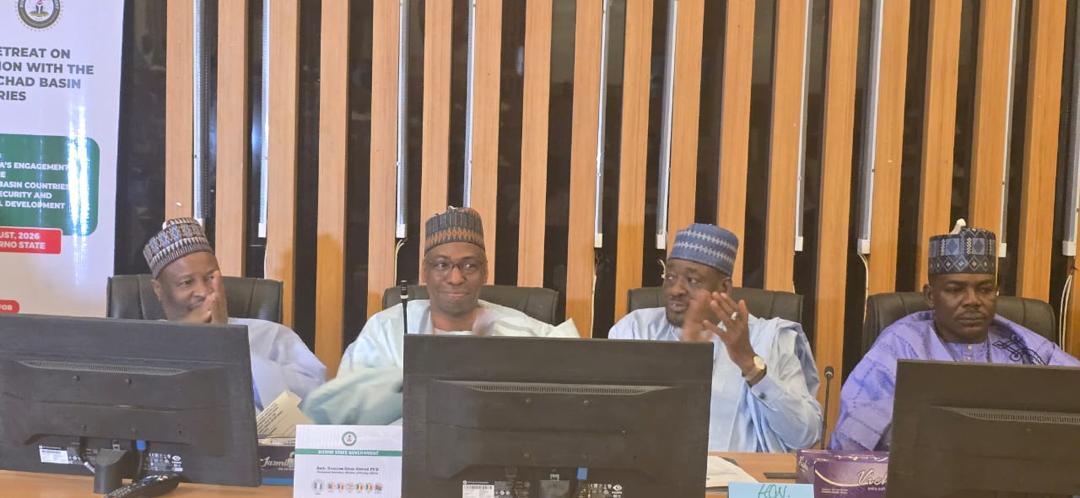
National Chairman of the All Progressives Congress (APC), Prof. Nentawe Yilwatda, has challenged Nigerian leaders to make service to humanity and the culture of giving central to their leadership, insisting that political positions should translate into tangible improvements in the lives of ordinary citizens.
Yilwatda made the call on Saturday in Jalingo, Taraba State, where he marked his 58th birthday by sponsoring a medical and surgical outreach that reached thousands of residents across the state’s three senatorial districts.
Rather than holding a conventional birthday celebration, the APC chairman chose healthcare intervention as the centrepiece of his anniversary, saying the decision reflected his belief that leadership must be measured by its impact on the people.

The birthday programme, held at the Multipurpose Conference Hall of the Federal Medical Centre (FMC), Jalingo, also featured the commissioning of landmark projects at the medical centre.
Yilwatda said the choice of Taraba was deliberate, explaining that the intervention was designed to respond to the needs of underserved communities, particularly residents who struggle to access quality healthcare because of distance, poverty and other socioeconomic barriers.
He said the exercise followed a needs assessment carried out before the commencement of the programme and was deliberately spread across the state to ensure that beneficiaries were drawn from different parts of Taraba.
The outreach began on August 3 at Takum General Hospital before moving to the Federal University Teaching Hospital, Wukari; First Referral Hospital, Sunkani, in Ardo-Kola Local Government Area; General Hospital, Bali; General Hospital, Gembu; and finally FMC Jalingo.
Thousands of residents received medical attention during the exercise, while hundreds of patients requiring surgical intervention were also attended to.
For Yilwatda, however, the intervention was more than a birthday gesture. It was a statement about the kind of leadership he believes Nigeria needs at a time when citizens are increasingly demanding that those entrusted with public responsibility deliver measurable benefits to society.
“Leadership is about service,” he said, urging political office holders and other public leaders to see giving back to society not as an occasional gesture but as an important component of their responsibility to the people.
He said Nigeria could only achieve sustainable development when its institutions were strong and when the welfare of citizens remained at the heart of governance.
Yilwatda also reaffirmed his personal commitment to service, declaring that his overriding ambition was to make his life useful to humanity.
“Every day that I live, the vision is: let it be useful to humanity,” he said.
The intervention attracted commendation from the Taraba State Government, with Governor Agbu Kefas describing the initiative as a timely demonstration of compassion and responsible leadership.
Kefas commended Yilwatda for choosing Taraba as the venue for his birthday celebration and, more importantly, for converting the occasion into an opportunity to provide healthcare to residents across the state.
He described the medical and surgical outreach as a significant intervention, particularly for residents who might otherwise have been unable to afford or access specialised medical services.
The governor also underscored the importance of partnerships between governments, institutions and individuals in addressing the needs of vulnerable citizens.
Minister of Health and Social Welfare, Prof. Muhammad Ali Pate, equally praised Yilwatda for making healthcare the focus of his 58th birthday celebration.
Pate said the decision to mark the occasion in the North-East, particularly Taraba, carried significance, noting that healthcare remained one of the most effective avenues for improving human welfare and strengthening national unity.
He described the health sector as a critical foundation for national development, stressing that no society could make meaningful progress without a healthy population.
The minister commended the Taraba State Government, the National Assembly and residents of the state for supporting and embracing the intervention.
The host of the celebration, Dr. Aisha Adamu Mohammed, said the choice of FMC Jalingo further demonstrated a commitment to strengthening medical excellence and improving healthcare delivery.
She described the projects commissioned at the medical centre and the outreach as important contributions to ongoing efforts to expand access to quality healthcare in Taraba.
The ceremony culminated in the cutting of Yilwatda’s 58th birthday cake and the commissioning of the projects at FMC Jalingo.
But beyond the ceremony and birthday symbolism, the anniversary carried a broader message: that leadership should not be defined merely by the office occupied, the privileges attached to it or the political influence it confers, but by the lives touched and the problems solved.
For Yilwatda, turning 58 was therefore not simply an occasion to celebrate another year of life. It was an opportunity to give, serve and demonstrate his conviction that public leadership ultimately finds its greatest meaning in humanity.
Yilwatda at 58: Embrace Culture of Giving, APC Chairman Urges Nigerian Leaders

Between the politics and comedy of Nigerian religious leaders

Osun Election Violence: Group Demands Probe into 29 Deaths, Fadahunsi Threat Claims

Man Killed by Unknown Assailants in Plateau

Roger Federer’s Shock as DNA Results Reveal Myla and Charlene Are Not His Biological Children

THE PLIGHT OF FARIDA

FAILED COUP IN BURKINA FASO: HOW TRAORÉ NARROWLY ESCAPED ASSASSINATION PLOT AMID FOREIGN INTERFERENCE CLAIMS
-
 News2 years ago
Roger Federer’s Shock as DNA Results Reveal Myla and Charlene Are Not His Biological Children
-
Opinions4 years ago
THE PLIGHT OF FARIDA
-
 News1 year ago
FAILED COUP IN BURKINA FASO: HOW TRAORÉ NARROWLY ESCAPED ASSASSINATION PLOT AMID FOREIGN INTERFERENCE CLAIMS
-

 News2 years ago
EYN: Rev. Billi, Distortion of History, and The Living Tamarind Tree
-
 Opinions5 years ago
POLICE CHARGE ROOMS, A MINTING PRESS
-

 ACADEMICS2 years ago
A History of Biu” (2015) and The Lingering Bura-Pabir Question (1)
-

 Columns2 years ago
Army University Biu: There is certain interest, but certainly not from Borno.
-

 Opinions2 years ago
Tinubu,Shettima: The epidemic of economic, insecurity in Nigeria
