
Health
Sultan of Sokoto Commends MSF surgeries for people suffering from Noma

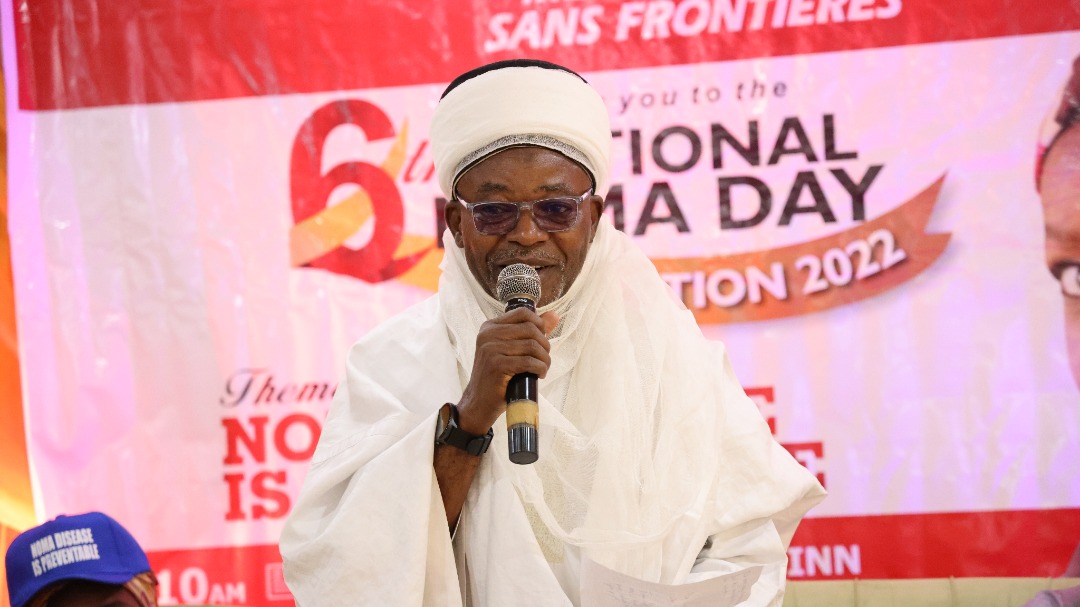
Sultan of Sokoto Commends MSF surgeries for people suffering from Noma
By: Michael Mike
The Sultan of Sokoto, Alhaji Muhammad Sa’ad Abubakar III has commended Médecins Sans Frontières / Doctors Without Borders (MSF) for the successful completion of another round of surgeries for people suffering from noma disease in Nigeria
The Sultan who was speaking as a special guest of honour on the occasion of the noma day held in Sokoto thanked the International Medical Organisation for supporting Nigeria and Sokoto state in the area of treatment and prevention of noma diseases.
Sultan Sa’ad, represented by the district head of Wurno, Alhaji Abubakar Chigari Alhassan assured MSF of the continued support of the people of the state.
A team of Médecins Sans Frontières / Doctors Without Borders (MSF) has conducted 32 surgeries for noma patients in another round of surgical intervention at the Noma Hospital in Sokoto from 23 October to 4 November 2022.
Since the start of the activities in 2014, a total of 1,066 major surgeries have been conducted for the noma patients. MSF is supporting the Noma Hospital in Sokoto through inpatient care, reconstructive surgeries, outreach activities, nutrition and mental health support.
READ ALSO: https://dailypost.ng/2022/11/02/demand-accountability-improved-healthcare-from-your-leaders-group-tells-borno-community/
“Noma is preventable and treatable, but people still die from it because of the limited knowledge about the disease and on how to detect it. Up to 90 per cent of people affected by noma die in the first two weeks if they don’t receive treatment in time. That is why early detection is important,” says MSF project coordinator in Sokoto, Dr Sham`un Abubakar.
“Early case detection and reporting through Nigeria Centre for Disease Control (NCDC) can be achieved through increased surveillance activities like training of Disease Surveillance and Notification Officers (DSNOs), Health Care Workers (HCW), Traditional Healers, Alternative Medicine Practitioners, Community, Religious and Traditional Rulers and Women and Youth Groups. Noma is a disease that shouldn’t exist anymore.”
Noma is an infectious and non-contagious bacterial disease that starts as an inflammation of the gums, similar to a small mouth ulcer. In just two weeks the infection starts to destroy bones and tissues, potentially affecting the jaw, lips, cheeks, nose or eyes, leaving survivors with physical consequences including pain, breathing complications and difficulties in eating.
Malnourished children and members of isolated communities with limited access to healthcare and vaccination are more vulnerable. People who survive noma either have to live sequels of the disease or manage to undergo extensive reconstructive surgery to improve quality of life. On top of that, they deal with the social stigma caused by the disfigurement.
In collaboration with the health authorities and other stakeholders, MSF is commemorating the noma day (5th November), in order to raise awareness about the disease, address stigmata attached to it and highlight specialized activities on the disease, so the patients can access the services.
Besides over 1000 surgeries since the beginning of the activities in Sokoto, MSF teams have held 16857 mental health counselling and 2185 health promotion sessions; furthermore, admitted 1349 patients for both medical and surgical management of noma. In addition, a total of 103 survivors were admitted to the Inpatient Therapeutic Feeding Centre (ITFC), and 35 were enrolled in the Ambulatory Therapeutic Feeding Centre (ATFC).
MSF launched an international campaign in 2020 to raise awareness about noma and accelerate the research and advocacy agenda – a crucial step being to see the disease included in the World Health Organization (WHO) list of Neglected Tropical Diseases (NTDs).
The inclusion would shine a spotlight on the disease, facilitating the integration of noma prevention and treatment activities into existing public health programmes and the allocation of much-needed resources for its eradication. Nigeria with the support of MSF and other noma stakeholders has taken the lead as a member state to get noma on the WHO’s NTDs list.
“Noma is a neglected disease, but it’s still not included in the WHO list of Neglected Tropical Disease although it fits all the criteria. We are supporting the Government of Nigeria’s (GoN) call for the World Health Organization to recognize noma as a Neglected Tropical Disease so more attention and more resources will be allocated to eradicate it,” Dr Sham’un added.
Médecins Sans Frontières/Doctors Without Borders (MSF) is an international, independent, medical humanitarian organisation that delivers emergency aid to people affected by armed conflict, epidemics, natural disasters and exclusion from healthcare. MSF has worked continuously in Nigeria since 1996, and currently provides medical care, free of charge, in 11 states across the country.
Sultan of Sokoto Commends MSF surgeries for people suffering from Noma



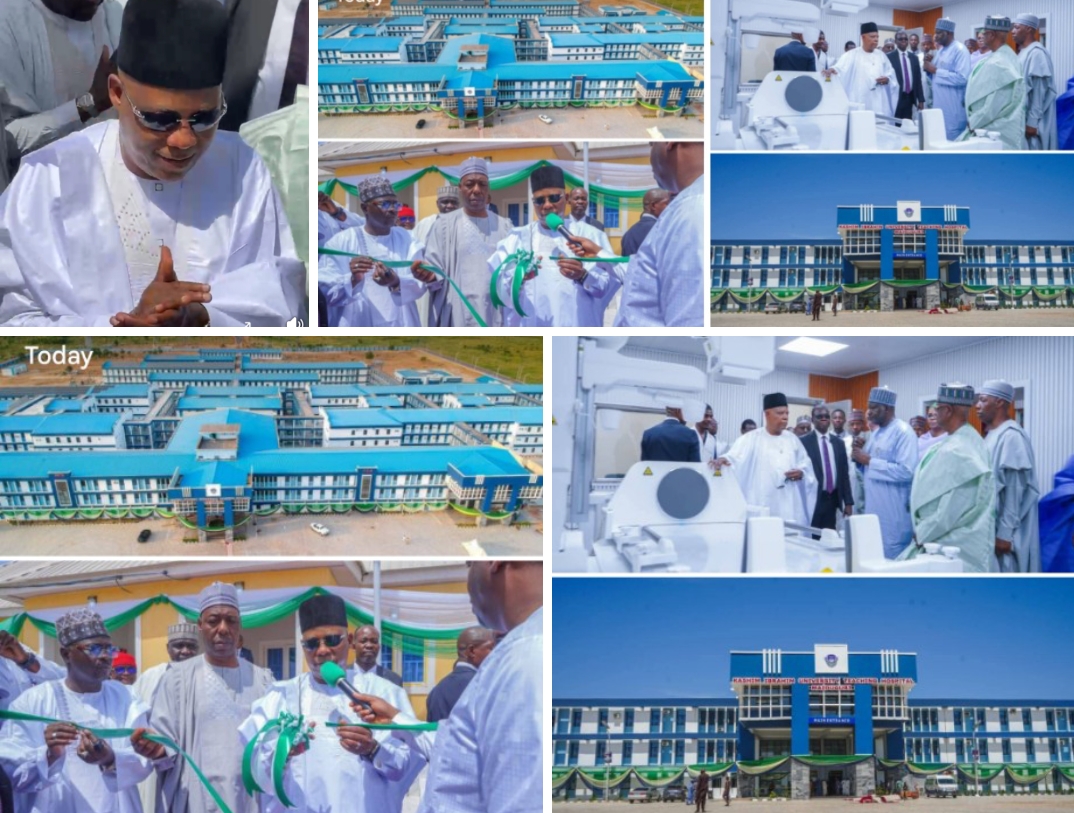
VP Shettima: Why Kashim Ibrahim Teaching Hospital Is Key to Borno’s Future
By: Dr James Bwala
Vice-President Kashim Shettima’s commissioning of the Kashim Ibrahim University Teaching Hospital represents more than just the opening of another public facility. It is a significant investment in the health, education and long-term recovery of Borno State. That this development is coming in a region that has experienced years of insecurity, displacement and weakened public services, the hospital offers an opportunity to rebuild not only infrastructure but also confidence in government institutions.
Speaking on Governor Zulum’s vision, the VP said combining specialist healthcare with the training of medical professionals, the governor has seen beyond this generation, as the facility has the potential to transform the delivery of healthcare in Borno and across the North-east for years to come.
According to Shettima, the importance of the teaching hospital cannot be measured solely by the size of its buildings or the sophistication of its equipment. Its real value lies in its capacity to save lives, reduce medical inequality, retain healthcare workers, improve medical education and support the wider development of the Lake Chad region. The project is therefore not merely a state government achievement; it is a practical expression of the principle that public office should be judged by the institutions established and the lives improved.
For many years, residents of Borno requiring advanced medical care have had to travel to other states or even outside the country. Such journeys are expensive, stressful and often impossible for poor families, people living in remote communities and patients requiring urgent treatment. The absence of specialised services has placed a heavy burden on households already affected by poverty, displacement and insecurity. The new teaching hospital can reduce this burden by making advanced diagnosis and treatment available closer to the people who need them.
The facility’s medical equipment demonstrates the seriousness of its intended role. A 1.5-tesla magnetic resonance imaging scanner, a 160-slice computed tomography scanner, conventional and mobile X-ray machines, 4D ultrasound machines, a fluoroscopy system and digital mammography equipment will expand the state’s diagnostic capacity. These services are essential in the detection and management of cancer, stroke, internal injuries, cardiovascular conditions, neurological disorders, pregnancy-related complications and many other illnesses.
Access to accurate diagnosis is one of the foundations of effective healthcare. Without the appropriate equipment, doctors may be forced to rely on incomplete information, resulting in delayed treatment or incorrect decisions. In emergencies, such delays can determine whether a patient survives or dies. A modern diagnostic unit in a teaching hospital will help specialists look into complicated cases more quickly and come up with the best treatment plans. It will also improve the quality of medical education by exposing students and trainee professionals to technologies used in contemporary healthcare.
The hospital’s 13 specialist departments further strengthen its potential. Covering diagnostic, medical, surgical, emergency, paediatric, internal medicine and physiotherapy services, the facility is structured to provide comprehensive care. Patients will not need to move between several disconnected facilities to receive treatment. Instead, they can benefit from a more coordinated system in which specialists collaborate and medical records, diagnostic results and treatment plans are integrated.
This integrated approach is especially important for patients with complicated or long-term conditions. A child with a chronic illness, a pregnant woman with complications, a road accident victim or an elderly person requiring surgery may need the attention of several professionals. A teaching hospital can bring these professionals together in one institution, improving efficiency and reducing avoidable delays. It can also provide referral services for smaller hospitals and primary healthcare centres across the state.
However, the hospital’s greatest long-term contribution may be its role in training healthcare workers. Buildings and machines are essential, but they cannot provide care without qualified doctors, nurses, radiographers, laboratory scientists, physiotherapists, pharmacists and other professionals. Nigeria’s health sector continues to experience shortages and unequal distribution of medical personnel. The North-east has been particularly affected by insecurity, limited economic opportunities and the movement of professionals to larger cities or other regions.
The medical college complex attached to the hospital can help address this challenge. By providing students with access to clinical training in their own region, it can strengthen the pipeline of healthcare workers who understand the particular needs of Borno and neighbouring communities. Students trained in the region may be more likely to remain there, especially if the state provides opportunities for employment, postgraduate education and professional development.
Medical training must be connected to the realities of the population being served. Borno faces specific challenges linked to conflict, displacement, malnutrition, infectious diseases, maternal and child health, trauma and mental health.
The supporting infrastructure accompanying the hospital is equally important. The students’ hostel will provide accommodation for trainees, while the 200-unit staff estate can help attract and retain healthcare professionals. Housing is often overlooked in public-sector planning, yet it is a major factor in the ability of institutions to recruit qualified personnel. Doctors and other specialists are unlikely to remain in an area where accommodation, security and basic living conditions are inadequate. The staff estate therefore represents an investment in the stability and continuity of healthcare delivery.
The oxygen plant complex is another critical component. Oxygen is indispensable in emergency medicine, surgery, intensive care, neonatal care and the treatment of respiratory illnesses. During the COVID-19 pandemic, many hospitals across Nigeria experienced the consequences of inadequate oxygen supply. A reliable oxygen plant can improve the hospital’s ability to respond to emergencies and reduce dependence on distant or irregular sources. It may also support other healthcare facilities in the state if a coordinated supply system is established.
The benefits of the hospital should not be restricted to Maiduguri. Although the facility is located in the state capital, its planned impact extends to neighbouring communities and the wider Lake Chad region. Patients from areas with limited medical services may be referred there for specialist care. This could make the hospital a regional centre of excellence and strengthen cooperation among healthcare institutions in the North-east.
For this vision to become reality, accessibility must remain a priority. The government should ensure that referral systems are functional, transportation networks are improved and patients from low-income backgrounds are not excluded by high fees. A facility equipped with advanced technology can only fulfil its public purpose if ordinary citizens can afford to use it. The hospital should therefore operate with a clear policy on subsidised care, health insurance coverage and emergency treatment for vulnerable populations.
The commissioning also carries wider significance because it links healthcare recovery to educational development. Vice-President Shettima commissioned Yerwa Practice Mega Primary School and another mega primary school built under the Kashim Shettima Free Education Programme, which supports orphans and vulnerable children. These projects reflect an important understanding: recovery from conflict cannot be achieved through physical reconstruction alone. People must also regain access to the basic services that enable them to build secure and productive lives.
Healthcare and education are closely connected. A child who is frequently ill is less likely to attend school or perform well academically. Likewise, families overwhelmed by medical expenses may be forced to withdraw children from school. Investment in hospitals and schools can therefore reinforce itself. Better healthcare improves educational participation, while better education produces citizens who are more capable of making informed health decisions and contributing to the economy.
The focus on orphans and vulnerable children is particularly relevant in Borno, where years of insurgency have disrupted family structures and displaced communities. Free education can give children who have lost parents, homes or economic support a pathway to stability. It can also prevent vulnerable children from becoming victims of exploitation, child labour, early marriage or recruitment by criminal and extremist groups. In this sense, schools are not simply centres of learning; they are instruments of protection, inclusion and peacebuilding.
Vice-President Shettima’s remarks about the lasting value of institutions are therefore appropriate. Political positions, convoys and official privileges are temporary. Institutions, when properly established and maintained, can serve generations. A hospital that continues to treat patients, train professionals and conduct research long after its founders leave office is a more meaningful legacy than any temporary political achievement.
Nevertheless, commissioning a major project is only the beginning. The success of the Kashim Ibrahim University Teaching Hospital will depend on its management, funding, maintenance and accountability. Medical equipment requires regular servicing, calibration and replacement. Buildings need proper maintenance. Staff must receive competitive salaries and opportunities for career advancement. Patients must be treated with dignity, and the institution must operate transparently.
There is also a need for strong partnerships. The state government should collaborate with the federal government, universities, international health organisations, private-sector providers and development agencies. Such partnerships can support research, specialist training, telemedicine, public health programmes and continuing professional education. The hospital should also develop outreach services that connect it with primary healthcare centres in rural areas. Specialist care in Maiduguri will have limited impact if people in remote communities cannot reach the referral system or obtain early treatment.
Accountability will be equally important. The public deserves regular information about the hospital’s performance, including patient numbers, available services, staffing levels, equipment functionality and financial management. Independent oversight can help prevent the deterioration that has affected many public projects after commissioning. Citizens should be able to see that the facility remains operational and that public funds are being used responsibly.
The hospital also provides an opportunity to promote local employment and economic development. Construction, maintenance, administration, healthcare provision and supply chains can create jobs for residents. Medical training can generate a pool of professionals who contribute to the state’s economy. Over time, the presence of a major teaching hospital may attract research institutions, pharmaceutical suppliers and other health-related businesses.
Borno’s recovery requires precisely this kind of long-term thinking. Rebuilding after conflict is not limited to repairing roads or erecting buildings. It involves restoring essential institutions and creating conditions in which people can live with dignity. A functioning teaching hospital can become a symbol of that recovery because it addresses immediate suffering while also preparing the state for the future.
The Kashim Ibrahim University Teaching Hospital should therefore be viewed as a strategic investment rather than a single project.
- James Bwala, PhD, writes from Abuja.
VP Shettima: Why Kashim Ibrahim Teaching Hospital Is Key to Borno’s Future
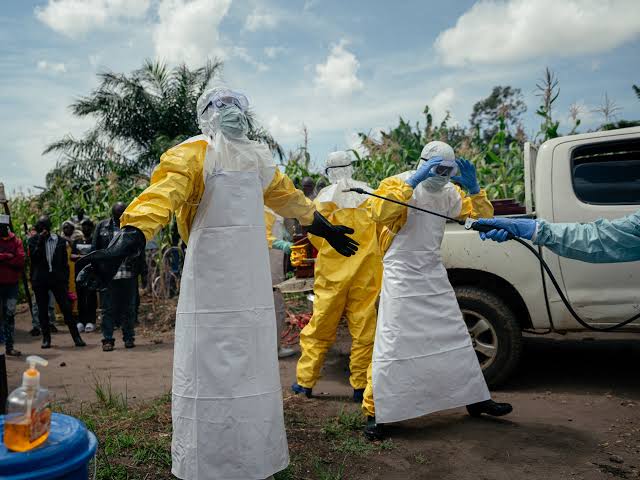
Ebola: WAHO Steps Up Regional Surveillance After Abuja Case
By: Michael Mike
The West African Health Organisation (WAHO) said it has stepped up regional disease surveillance and coordination among West African countries following the confirmation of an imported case of Ebola virus disease in Abuja, raising concerns over the risk of cross-border transmission.
The ECOWAS specialised health institution disclosed that Nigerian health authorities confirmed the case on October 20, 2026, involving a woman who had recently arrived in Nigeria from Uganda.
According to WAHO, the patient developed symptoms on October 7 and received treatment at a private health facility in Abuja on October 11, before laboratory tests confirmed the infection on October 20.
The organisation said it was closely monitoring the situation in collaboration with the Nigeria Centre for Disease Control and Prevention (NCDC), national health authorities and regional epidemiological surveillance mechanisms.
The confirmation has prompted renewed efforts to strengthen preparedness and early detection across the Economic Community of West African States (ECOWAS), as health authorities work to minimise the possibility of the disease spreading beyond Nigeria.
As part of the response, WAHO said it held a briefing on October 21 with directors of the National Public Health Institutes of ECOWAS member states to reinforce regional vigilance and coordination.
The organisation said it remained fully mobilised to support member countries in preventing, detecting and responding to public health emergencies, particularly diseases capable of spreading across national borders.
It stressed that early detection, prompt notification of suspected cases, effective epidemiological surveillance and coordination among health services remained critical to containing epidemic-prone diseases.
WAHO also called on the public to observe preventive measures, including frequent handwashing with soap and clean water or the use of alcohol-based hand sanitisers.
It advised people to avoid direct contact with the blood and other bodily fluids of sick or deceased persons, as well as contaminated clothing, bedding and personal belongings.
The organisation further warned against handling the bodies of people who died from suspected causes, urging that safe and dignified burials be conducted by trained teams.
It also advised the public against handling or consuming bushmeat and warned against contact with sick or dead animals, including bats and primates. It urged people to ensure that all meat was thoroughly cooked.
Anyone developing symptoms consistent with Ebola, including sudden fever, severe fatigue, body aches, vomiting, diarrhoea or bleeding, should immediately contact or seek assistance from a health facility, WAHO said.
The organisation also advised against non-essential travel to affected areas, urging travellers whose journeys were unavoidable to comply strictly with official health guidance.
Warning against misinformation during public health emergencies, WAHO urged the public to rely on information from official sources and refrain from circulating rumours or unverified reports.
It reaffirmed its commitment to working with the health ministries of ECOWAS member states, alongside technical and financial partners, to strengthen regional health security and protect populations across West Africa.
WAHO said its specialised ECOWAS Regional Centre for Surveillance and Disease Control, based in Abuja, would continue monitoring developments and communicating relevant information in coordination with the appropriate health authorities.
The organisation’s intervention comes amid heightened attention to the potential cross-border implications of infectious disease outbreaks, with regional coordination and timely information-sharing considered essential to effective public health preparedness.
Ebola: WAHO Steps Up Regional Surveillance After Abuja Case
Health
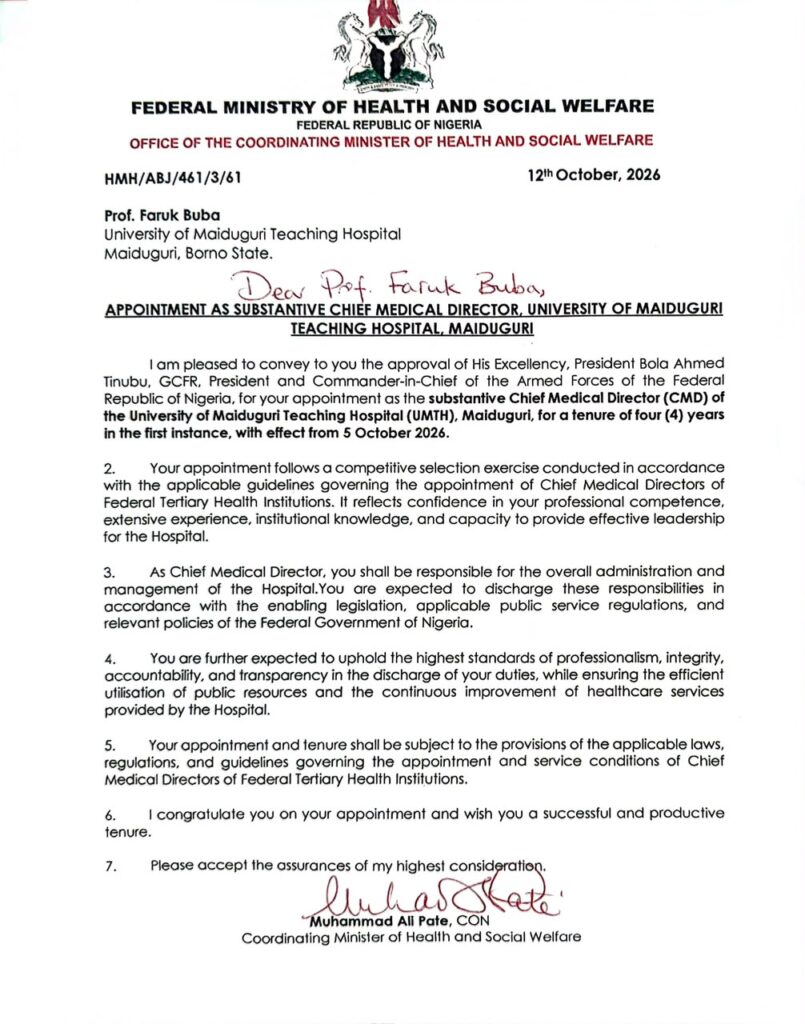
Congratulations to Professor Faruk Buba on your emergence as Chief Medical Director of the University of Maiduguri Teaching Hospital.
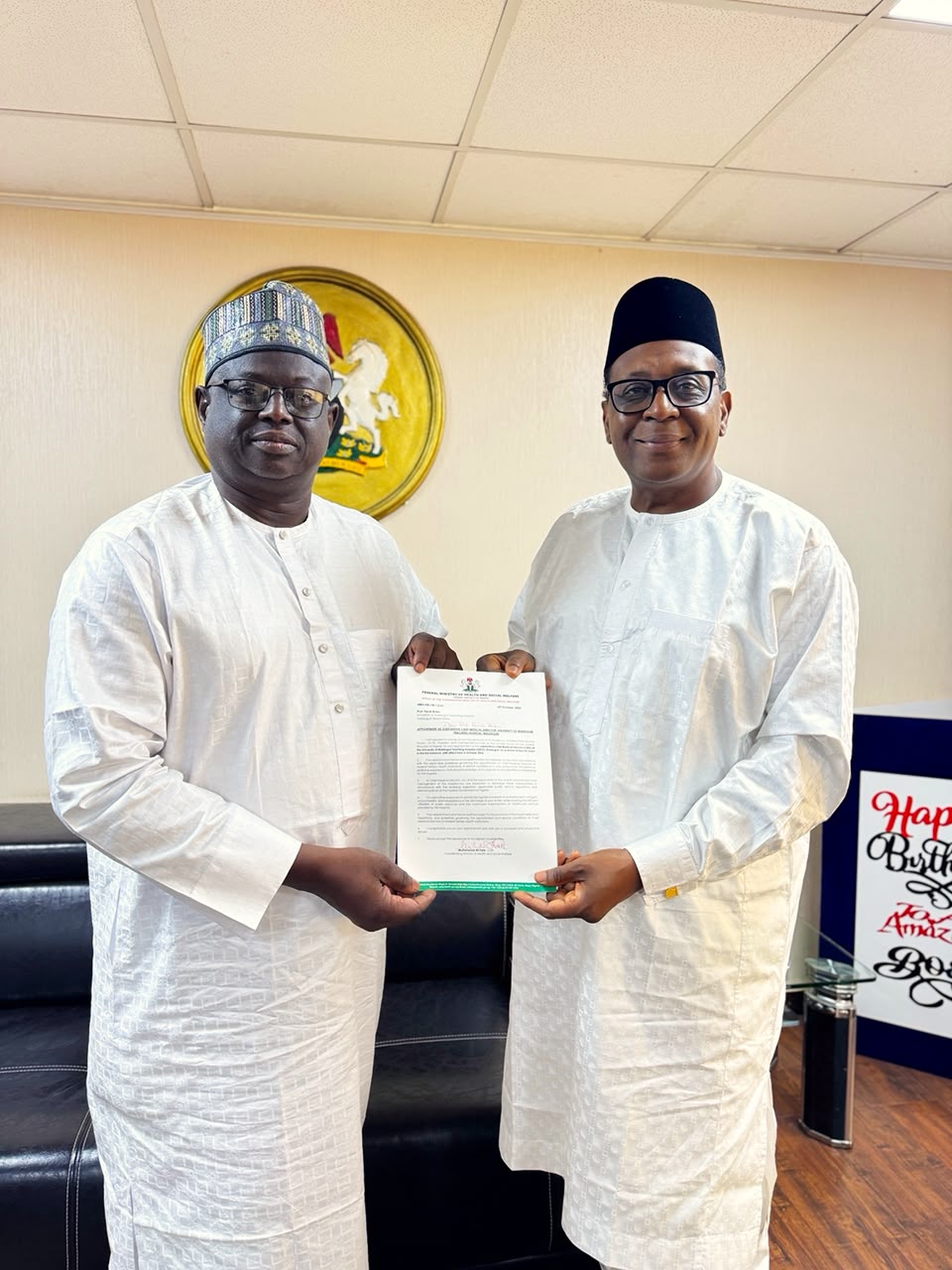
Congratulations to Professor Faruk Buba on your emergence as Chief Medical Director of the University of Maiduguri Teaching Hospital.
By: Dr. James Bwala
Today, October 12, 2026, marks a remarkable moment in the history of the University of Maiduguri Teaching Hospital. The emergence of Professor Faruk Buba as the new Chief Medical Director is not merely an administrative transition; it is a significant development that inspires hope, confidence, and renewed commitment among the hospital’s staff, patients, stakeholders, and the wider community. This important appointment is a recognition of his professional excellence, leadership capacity, dedication to service, and years of meaningful contributions to the medical profession.
Professor Faruk Buba has fought a good fight. Through perseverance, competence, discipline, and an unwavering commitment to the ideals of healthcare, he has distinguished himself as a professional worthy of this responsibility. His emergence is therefore not accidental. It is the outcome of years of preparation, sacrifice, experience, and service. At a time when the University of Maiduguri Teaching Hospital requires purposeful leadership, his appointment offers an opportunity to strengthen the institution and reposition it for greater accomplishments.
The position of Chief Medical Director is one of enormous responsibility. It requires far more than medical knowledge or administrative authority. The office demands vision, integrity, courage, emotional intelligence, strategic thinking, and the ability to unite people around a common purpose. The Chief Medical Director must provide direction for clinical services, medical education, research, staff welfare, institutional development, and patient-centered care. Professor Buba’s professional background and demonstrated commitment provide strong reasons to believe that he is prepared for this demanding assignment.
READ ALSO: General TY Buratai spoke at the DECAN Annual Lecture and Awards Ceremony in Abuja. – News Net Global Ltd – https://newsng.ng/general-ty-buratai-spoke-at-the-decan-annual-lecture-and-awards-ceremony-in-abuja/
The University of Maiduguri Teaching Hospital occupies a vital place in the healthcare system of northeastern Nigeria. It serves as a referral center for millions of people and remains an important institution for the training of doctors, nurses, pharmacists, laboratory scientists, and other healthcare professionals. Its influence extends beyond the walls of the hospital. The quality of its services affects families, communities, educational institutions, government agencies, and the general development of the region. Consequently, the leadership of the hospital is a matter of public importance.
At a time when the healthcare sector faces complex challenges, the need for visionary and responsive leadership has never been greater. Hospitals must manage rising patient numbers, limited resources, shortages of skilled personnel, increasing demands for specialized services, and the growing expectations of the public. They must also maintain high standards of professionalism while responding to emergencies, public health threats, and the changing nature of medical practice. These challenges require leadership that is practical, inclusive, transparent, and committed to continuous improvement.
Professor Buba’s appointment should therefore be seen as an opportunity to build on the achievements of previous administrations while introducing fresh ideas and new energy. No institution becomes great through the efforts of one individual alone. Progress is sustained when leaders recognize the value of institutional memory, respect established accomplishments, and create room for innovation. The new administration can draw from the strengths of the past while developing policies that address present realities and prepare the hospital for the future.
READ ALSO: General TY Buratai spoke at the DECAN Annual Lecture and Awards Ceremony in Abuja. – News Net Global Ltd – https://newsng.ng/general-ty-buratai-spoke-at-the-decan-annual-lecture-and-awards-ceremony-in-abuja/
In this regard, the contributions of Professor Ahmed Ahidjo deserve special recognition. As a predecessor, Professor Ahidjo made an important mark in the history of the University of Maiduguri Teaching Hospital. His leadership and service helped strengthen the institution’s identity and reputation, contributing to its recognition as the largest hospital in Nigeria. His achievements represent a standard of excellence and a legacy that should inspire every subsequent leader. Professor Faruk Buba now has the opportunity to build upon that foundation and print his own name on the stone of history.
To achieve this, the new Chief Medical Director must pursue a clear and people-oriented agenda. The first priority should be the improvement of patient care. Every patient who enters the hospital should be treated with dignity, compassion, fairness, and respect. Professionalism must be visible in the conduct of all employees, from consultants and nurses to administrative officers, technicians, porters, and security personnel. Patients should experience a health facility where services are delivered efficiently, communication is clear, waiting times are reduced, and complaints are handled responsibly.
The hospital must also continue to strengthen its clinical services. The availability of essential equipment, functional laboratories, reliable diagnostic services, adequate drugs, and well-maintained facilities is essential to quality care. Where resources are limited, the administration should establish transparent priorities and pursue partnerships with government, development agencies, private organizations, alumni groups, and philanthropic individuals. Strategic collaboration can help the hospital expand its capacity without compromising accountability.
READ ALSO: General TY Buratai spoke at the DECAN Annual Lecture and Awards Ceremony in Abuja. – News Net Global Ltd – https://newsng.ng/general-ty-buratai-spoke-at-the-decan-annual-lecture-and-awards-ceremony-in-abuja/
Staff welfare must occupy a central place in the new administration’s program. Healthcare workers cannot perform at their best when they are overburdened, poorly motivated, inadequately equipped, or uncertain about their professional future. Fair promotion, regular training, supportive working conditions, recognition of excellence, and respect for the rights of staff are vital to institutional stability. The administration should promote a culture in which employees feel valued and are encouraged to contribute ideas toward solving the hospital’s challenges.
Professional harmony will also be essential. A teaching hospital is a complex organization made up of different cadres, departments, unions, and professional interests. Differences are inevitable, but they must be managed through dialogue, fairness, and mutual respect. The Chief Medical Director should serve as a bridge among various groups, ensuring that no department or professional category feels excluded. An atmosphere of trust will improve productivity, reduce conflict, and help staff focus on the hospital’s central mission.
Medical education and research deserve equal attention. As a teaching hospital, UMTH must remain a center of learning and discovery. It should provide an environment in which students, residents, fellows, nurses, and other trainees can develop the competence and ethical standards required for modern healthcare. Training programs should be regularly reviewed to ensure that they reflect current medical knowledge, technological changes, and the healthcare needs of the region.
READ ALSO: General TY Buratai spoke at the DECAN Annual Lecture and Awards Ceremony in Abuja. – News Net Global Ltd – https://newsng.ng/general-ty-buratai-spoke-at-the-decan-annual-lecture-and-awards-ceremony-in-abuja/
Research should not be treated as an optional activity. The hospital faces health challenges that require locally relevant solutions. Research into infectious diseases, maternal and child health, trauma care, non-communicable diseases, mental health, emergency medicine, and other regional priorities can directly improve patient outcomes. Professor Buba can strengthen research by encouraging collaboration, supporting young researchers, improving access to research resources, and promoting the publication and application of findings.
Digital transformation should also form part of the hospital’s development strategy. Effective use of electronic medical records, digital appointments, telemedicine, data management systems, and online training platforms can improve efficiency and enhance continuity of care. Technology cannot replace human compassion, but it can reduce errors, improve access to information, support decision-making, and make services more responsive. A modern hospital must be prepared to adopt appropriate innovations while ensuring data security and patient confidentiality.
The relationship between the hospital and the public should be strengthened through openness and effective communication. Members of the community need to understand the services available, the procedures required, and the limitations that may affect care. Regular engagement with patients, community leaders, professional bodies, media organizations, and civil society groups can promote trust and accountability. A hospital that listens to the people it serves is more likely to respond effectively to their needs.
READ ALSO: General TY Buratai spoke at the DECAN Annual Lecture and Awards Ceremony in Abuja. – News Net Global Ltd – https://newsng.ng/general-ty-buratai-spoke-at-the-decan-annual-lecture-and-awards-ceremony-in-abuja/
Professor Buba must also be prepared to make difficult decisions. Leadership is not measured only by popularity. At times, the interests of the institution and the welfare of patients may require firm action, difficult reforms, or the enforcement of professional standards. Such decisions must be guided by justice, evidence, consultation, and the public interest. When people recognize that policies are fair and that resources are managed responsibly, they are more likely to support necessary changes.
The success of this administration will depend not only on the personality of the Chief Medical Director but also on the cooperation of the entire hospital community. Staff members must support the new leadership, offer constructive advice, and place institutional interests above personal disagreements. Stakeholders outside the hospital, including government authorities, professional associations, academic institutions, traditional leaders, and members of the public, should also contribute to the hospital’s progress. A great institution is built through collective responsibility.
Professor Faruk Buba should therefore know that he does not stand alone. We stand with him. We stand with his vision, his aspirations, and his commitment to service. We also stand ready to encourage him, advise him, and hold him accountable in the spirit of constructive partnership. Support does not mean silence in the face of challenges; rather, it means offering honest guidance and helping leadership succeed for the benefit of the institution and the people it serves.
READ ALSO: General TY Buratai spoke at the DECAN Annual Lecture and Awards Ceremony in Abuja. – News Net Global Ltd – https://newsng.ng/general-ty-buratai-spoke-at-the-decan-annual-lecture-and-awards-ceremony-in-abuja/
This appointment is both an honor and a call to duty. It is an opportunity to transform experience into action, knowledge into service, and leadership into lasting institutional progress. The expectations are high because the needs are great. Yet, with humility, courage, collaboration, and determination, Professor Buba can lead the University of Maiduguri Teaching Hospital toward a new period of excellence.
As he assumes office, we congratulate him warmly and commend his past efforts. We pray that he will be granted wisdom, strength, good health, and the support necessary to fulfill the demands of this important responsibility. May his tenure be characterized by peace, innovation, professional growth, improved patient care, institutional expansion, and enduring achievements.
Professor Faruk Buba has fought a good fight, and this appointment is a deserved recognition of his service. The journey ahead will not be without challenges, but history often remembers those who accept difficult responsibilities and transform them into opportunities for progress. With the right vision and the cooperation of the hospital community, he can build upon the legacy of Professor Ahmed Ahidjo and establish a record that future generations will honor.
READ ALSO: General TY Buratai spoke at the DECAN Annual Lecture and Awards Ceremony in Abuja. – News Net Global Ltd – https://newsng.ng/general-ty-buratai-spoke-at-the-decan-annual-lecture-and-awards-ceremony-in-abuja/
Congratulations, Professor Faruk Buba, on your emergence as the new Chief Medical Director of the University of Maiduguri Teaching Hospital. May your tenure bring renewed hope to patients, greater fulfillment to staff, stronger confidence to stakeholders, and a brighter future for the institution. May you not only occupy the office but also use it to make a lasting difference. May your name, like that of your predecessor, echo to lengths and breathe of this great country and beyond.
- James Bwala, PhD, writes from Abuja.
Congratulations to Professor Faruk Buba on your emergence as Chief Medical Director of the University of Maiduguri Teaching Hospital.

UNFPA, Kaduna Polo Club Use All-Female Match to Champion Girls’ Rights

VP Shettima: Why Kashim Ibrahim Teaching Hospital Is Key to Borno’s Future

Zulum Targets End to Medical Tourism as Shettima Commissions 400-Bed Teaching Hospital

Roger Federer’s Shock as DNA Results Reveal Myla and Charlene Are Not His Biological Children

THE PLIGHT OF FARIDA

FAILED COUP IN BURKINA FASO: HOW TRAORÉ NARROWLY ESCAPED ASSASSINATION PLOT AMID FOREIGN INTERFERENCE CLAIMS
-
 News3 years ago
Roger Federer’s Shock as DNA Results Reveal Myla and Charlene Are Not His Biological Children
-
Opinions5 years ago
THE PLIGHT OF FARIDA
-
 News2 years ago
FAILED COUP IN BURKINA FASO: HOW TRAORÉ NARROWLY ESCAPED ASSASSINATION PLOT AMID FOREIGN INTERFERENCE CLAIMS
-
 Opinions5 years ago
POLICE CHARGE ROOMS, A MINTING PRESS
-

 News3 years ago
EYN: Rev. Billi, Distortion of History, and The Living Tamarind Tree
-

 ACADEMICS3 years ago
A History of Biu” (2015) and The Lingering Bura-Pabir Question (1)
-

 Columns3 years ago
Army University Biu: There is certain interest, but certainly not from Borno.
-

 Politics1 year ago
2027: Why Hon. Midala Balami Must Go, as Youths in Hawul and Asikira/Uba Federal Constituency Reject ₦500,000 as Sallah Gift
