
Health
The Complex Reality of Healthcare: A Perspective on the University of Maiduguri Teaching Hospital and the Loss Experienced by Barrister Nuhu Dantani Hamza

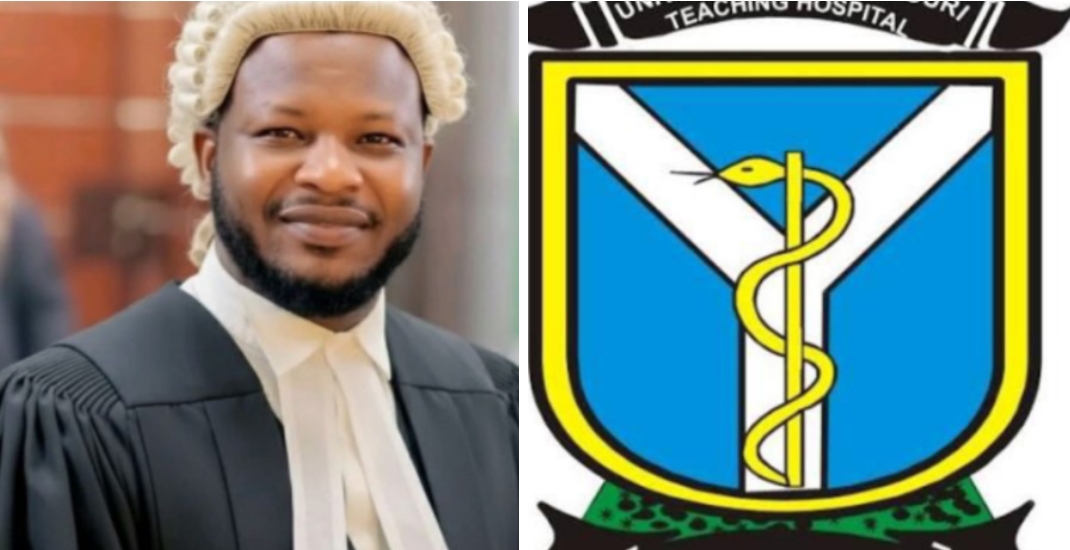
The Complex Reality of Healthcare: A Perspective on the University of Maiduguri Teaching Hospital and the Loss Experienced by Barrister Nuhu Dantani Hamza
By: Dr. James Bwala
The recent public outburst by Barrister Nuhu Dantani Hamza, a lawyer based in Abuja, over the demise of his father at the University of Maiduguri Teaching Hospital (UMTH) has sparked intense discussions about the quality of healthcare services provided by the institution. While it is entirely understandable to empathize with Barrister Hamza’s profound grief and frustration following such a personal loss, it is crucial to examine the context and facts surrounding this case before drawing conclusions about institutional failure.
My parents are no more. I nursed them at the same UMTH before their demise, and so have many others. Death comes when it comes. We never blame it on any health institution or person; rather, we return glory to God Almighty, who gives and takes. I therefore contend that the death of an individual patient, however painful, does not equate to a wholesale failure of a healthcare institution like UMTH, particularly when thousands of other patients have reported satisfactory experiences. By exploring the nuances of medical care, the realities of patient outcomes, the specific privileges associated with amenity wards, and public testimonies about UMTH, I wish to offer a balanced and reasoned perspective on this delicate matter.
READ ALSO: https://newsng.ng/2027-who-owns-the-adc-presidential-ticket/
First and foremost, it is important to acknowledge the deep sorrow and empathy owed to Barrister Hamza and his family. The passing of a loved one, especially a parent, represents one of life’s most traumatic experiences. Barrister Hamza’s passionate response—the “threatening hell and storms” directed at UMTH—reflects a natural human reaction to loss, anger, and perhaps perceived helplessness. Compassion compels us to stand with him in mourning. Yet, simultaneously, grief may cloud judgment, leading to an oversimplification of complex realities involved in healthcare delivery and medical outcomes. Emotionally charged reactions, though valid as expressions of pain, should not be conflated with objective evaluations of medical institutions.
A fundamental truth often overlooked in public debates about hospital performance is that death, despite advances in modern medicine, remains an inevitable aspect of human existence. No healthcare system or institution, regardless of prestige or resources, can guarantee survival in every circumstance; else, our former president, Muhammadu Buhari, would not have died in a London hospital given his resources and care. Patients admitted to hospitals frequently face serious, sometimes terminal conditions. Even the best-equipped medical facilities staffed by highly trained specialists encounter cases where, despite exhaustive interventions, outcomes are unfavorable due to the nature and severity of the illness.
READ ALSO: https://newsng.ng/2027-who-owns-the-adc-presidential-ticket/
In the case of Barrister Hamza’s father, who was admitted sometime in February 2026 and passed away on March 31, 2026, medical terminology used by the bereaved son indicates a level of familiarity with hospital procedures. This familiarity suggests an awareness that mortality is not necessarily synonymous with negligence or incompetence. Indeed, medical professionals operate within biological limits and uncertainties inherent to health and disease. Appreciating this reality is vital to forming a fair assessment of any healthcare institution.
An important detail in Barrister Hamza’s account is the admission of his father to amenity ward “B” at UMTH. Amenity wards are generally designated areas offering enhanced comfort, privacy, and specialized attention compared to standard hospital wards. Admission to such a ward typically implies that the patient was accorded preferential treatment, access to superior facilities, and closer monitoring by the medical team. This status inherently involves higher costs but often translates into more personalized and comprehensive care.
READ ALSO: https://newsng.ng/2027-who-owns-the-adc-presidential-ticket/
Therefore, the fact that the deceased was treated in an amenity ward refutes any simplistic claim that he was neglected or denied proper medical attention. On the contrary, this designation underscores the level of attention paid to his well-being, reinforcing the argument that the hospital provided a distinctive standard of care. Knowledgeable observers understand that amenity wards symbolize privilege within hospital frameworks and are designed to maximize patient comfort and oversight.
To pass judgment on UMTH based solely on a single outcome risks ignoring the broader picture of the hospital’s service record. Since 2000, when I began reporting on healthcare in Nigeria, I am aware that journalists and healthcare observers covering the UMTH beat have documented a wide spectrum of patient experiences, ranging from stories of recovery and gratitude to those marked by sorrow and regret. This is a universal truth across all hospitals that some patients will unfortunately succumb to their illnesses. However, the existence of negative outcomes does not negate the fact that many patients receive effective treatment and leave the institution restored to health.
READ ALSO: https://newsng.ng/2027-who-owns-the-adc-presidential-ticket/
In the Nigerian context, and specifically within Borno State and its environs, UMTH has garnered numerous testimonials from patients who have benefited from its care. These affirmations are often overshadowed in public discourse by the louder voices of criticism, yet they constitute a vital counterbalance. A significant number of patients not only recover but actively return to express their thanks for the competent and compassionate care they received. Such accounts attest to the hospital’s capacity to deliver quality healthcare amidst challenging circumstances.
The discourse surrounding Barrister Hamza’s post also illuminates a commendable community effort to defend UMTH’s reputation. One notable example is Alhaji Modu Kellu, identified as a product of UMTH, who publicly vouched for the institution on social media. His defense carries weight as a direct beneficiary of the hospital’s healthcare services, offering an insider’s perspective that challenges unequivocal assertions of negligence.
READ ALSO:https://newsng.ng/2027-who-owns-the-adc-presidential-ticket/
The presence of such voices is critical in any balanced public debate. They demonstrate that the hospital inspires loyalty and trust among certain segments of the population. These defenders highlight the need to differentiate between isolated tragedies and systemic failures. In the absence of evidence pointing conclusively to malpractice or negligence, a hospital’s overall reputation must be preserved to maintain public confidence and morale among healthcare workers.
While defending UMTH’s record is essential, it is equally important to advocate for transparent and objective inquiry into any incidents that cause distress or raise questions. Barrister Hamza’s case should prompt careful review and, if warranted, constructive reforms aimed at improving patient safety and hospital responsiveness. Such scrutiny should be conducted through established medical channels rather than social media denunciations alone. This approach ensures fairness to the institution while honoring the rights and concerns of bereaved families.
READ ALSO: https://newsng.ng/2027-who-owns-the-adc-presidential-ticket/
Constructive dialogue among healthcare providers, patients’ families, regulatory bodies, and the media fosters mutual understanding and continuous improvement. It enables hospitals like UMTH to address potential shortcomings without suffering unjust reputational damage. Equally, it empowers families to seek redress and closure within appropriate frameworks, mitigating the emotional turbulence accompanying loss.
The emotional narrative shared by Barrister Nuhu Dantani Hamza regarding his father’s death at UMTH warrants heartfelt sympathy and respect. However, his story should not be construed as definitive evidence of UMTH’s failure. The privilege of admission to an amenity ward, coupled with thousands of positive patient outcomes over decades, illustrates that UMTH is a capable institution committed to delivering quality healthcare despite inherent limitations.
READ ALSO: https://newsng.ng/2027-who-owns-the-adc-presidential-ticket/
Death, a universal eventuality, does not tarnish the dedication of healthcare professionals nor invalidate successful recoveries experienced by many others. Public defenders of UMTH, including appreciative former patients, reinforce that the hospital maintains a commendable standard of care. Going forward, balanced perspectives, objective investigations, and constructive engagement will remain essential to uphold both patient rights and institutional integrity.
Ultimately, healthcare is a domain marked by complexity, uncertainty, and humanity’s collective endeavor to alleviate suffering. It demands from us both compassion for grieving individuals and reasoned judgment when assessing the performance of medical institutions. By holding these twin principles in tension, we honor both the memory of those lost and the ongoing mission of hospitals like the University of Maiduguri Teaching Hospital.
* James Bwala, PhD, writes from Abuja.
The Complex Reality of Healthcare: A Perspective on the University of Maiduguri Teaching Hospital and the Loss Experienced by Barrister Nuhu Dantani Hamza


Health
Thousands Flood Taraba Medical Outreach as Nentawe’s Birthday Initiative Offers Lifeline to Rural Residents

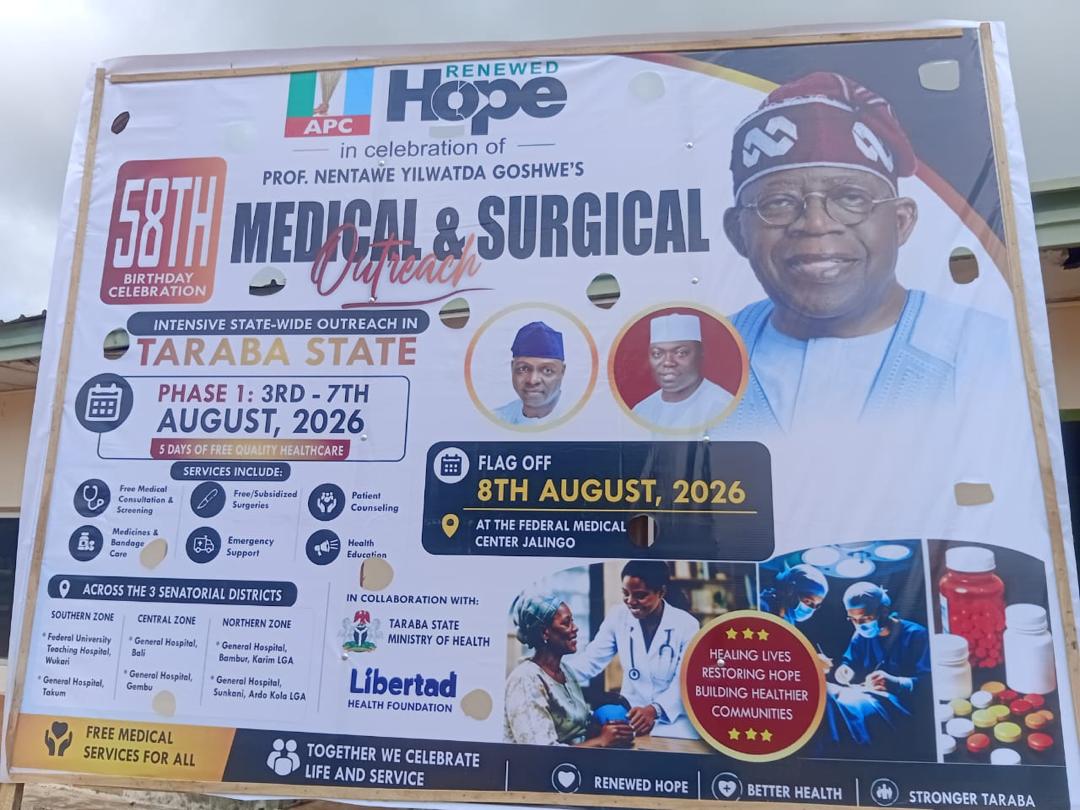
Thousands Flood Taraba Medical Outreach as Nentawe’s Birthday Initiative Offers Lifeline to Rural Residents
By: Michael Mike
Beneficiaries Praise APC Chairman’s Humanitarian Gesture, Demand Bigger Investment in Healthcare System
Thousands of residents across Taraba State have received a new lease of hope as the Renewed Hope Free Medical and Surgical Outreach 2026 enters its second day, with beneficiaries applauding the intervention for bringing critical healthcare services closer to vulnerable communities.
The statewide medical programme, organised to mark the 58th birthday anniversary of the National Chairman of the All Progressives Congress (APC), Professor Nentawe Yilwatda Goshwe, has provided free medical consultations, laboratory tests, drugs, specialist care and surgical services to residents who would otherwise struggle to afford such treatments.
From Sunkani to Bali, Gembu, Takum, Bambur and Wukari, hundreds of men, women, children and elderly residents were seen trooping into designated medical centres from the early hours of the day, seeking attention from teams of doctors, nurses, laboratory scientists and other healthcare professionals.
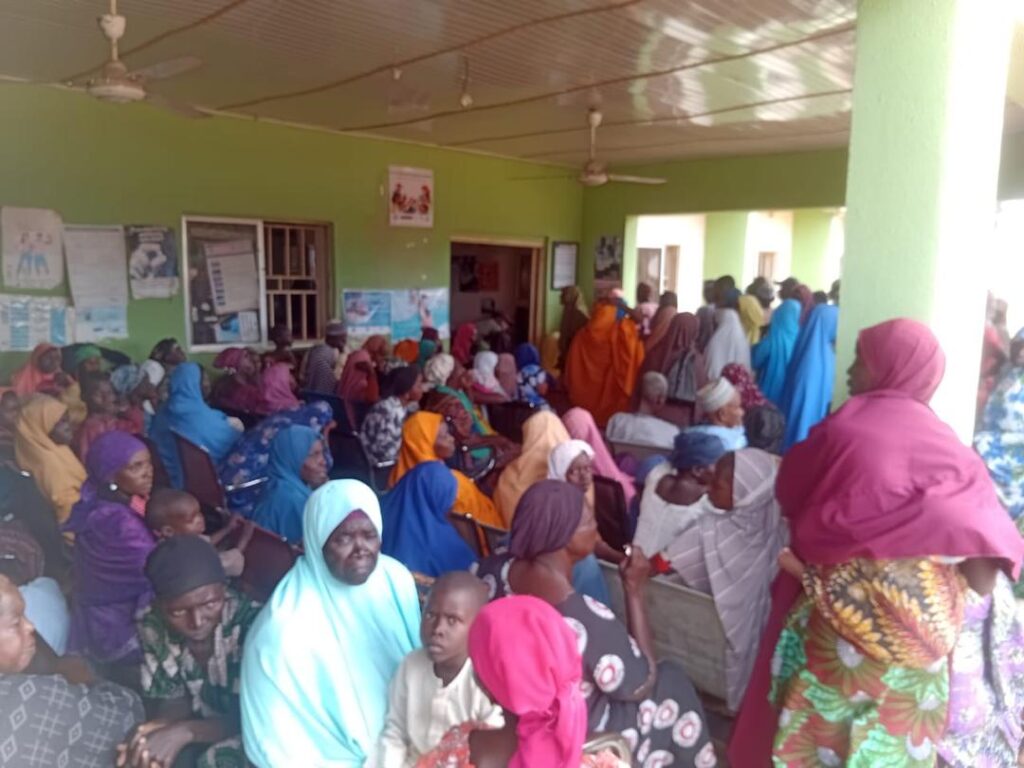
A correspondent who monitored activities at the Primary Health Care Centre, Sunkani, and other centres across the state observed a heavy turnout of patients, many of whom described the outreach as a major relief for families battling rising healthcare costs.
The beneficiaries said the intervention had not only provided immediate treatment but had also restored hope among residents in communities where access to specialist healthcare remains a major challenge.
Mrs Deborah Isah, a resident of Sunkani who received treatment for malaria and typhoid, expressed appreciation to the organisers, describing the programme as a blessing to ordinary citizens.
“I thank Professor Nentawe Yilwatda for remembering people like us. I pray God grants him wisdom, good health and greater success,” she said.
Similarly, Mr Abubakar Ahmed, a farmer treated for typhoid, stomach-related ailments and eye problems, said the outreach had removed a huge financial burden from many rural families.
He commended the initiative for taking medical services directly to the people, while urging continued collaboration between government and humanitarian organisations to strengthen healthcare delivery across Taraba.
Another beneficiary, Miss Dorcas Ephesians, who sought treatment for persistent abdominal pains, described the medical team’s approach as professional and compassionate.
She appealed to the Taraba State Government to sustain and expand partnerships that would ensure vulnerable citizens have regular access to quality healthcare services.
Speaking at the Sunkani centre, the team lead, Dr Williams Golis, said the outreach was strictly humanitarian and designed to address healthcare needs without discrimination.
“This medical outreach is non-political and non-religious. Our priority is to provide quality healthcare through advanced specialist consultations, appropriate medical treatment and surgical interventions for everyone who needs them,” he said.
The Renewed Hope Free Medical and Surgical Outreach 2026 is planned as a three-week intervention targeting thousands of residents across Taraba’s three senatorial districts.
The first phase, which runs from August 3 to 7, is being conducted simultaneously at six healthcare facilities, including the Federal University Teaching Hospital, Wukari; General Hospital, Takum; General Hospital, Bali; General Hospital, Gembu; Bambur General Hospital; and the Primary Health Care Centre, Sunkani.
The official flag-off ceremony is expected on August 8, the birthday of Professor Yilwatda, while the second phase, scheduled from August 8 to 22, will move to the Federal Medical Centre and National Orthopaedic Hospital in Jalingo for advanced specialist consultations and complex surgical procedures.
Healthcare experts say the initiative highlights the role of humanitarian interventions and public-private partnerships in bridging healthcare gaps, especially in rural areas where many residents face difficulties accessing specialised medical services.
However, beneficiaries stressed that while the outreach has provided immediate relief to thousands, sustained investment in primary healthcare centres, specialist hospitals and affordable medical services remains crucial to solving Taraba’s long-term healthcare challenges.
Thousands Flood Taraba Medical Outreach as Nentawe’s Birthday Initiative Offers Lifeline to Rural Residents

Troops foil IED threat on Dikwa–Gajibo road, safely detonate explosive
By Zagazola Makama
Troops of Operation Hadin Kai have discovered and safely detonated an improvised explosive device (IED) planted along the Dikwa–Gajibo road in Borno State, preventing what could have been a deadly attack on security personnel and commuters.
Intelligence sources told Zagazola Makama that the device was discovered at about 10:10 a.m. on July 27 by troops of the 81 Division Task Force Battalion while conducting a routine picketing patrol along the Dikwa–Gajibo axis.

The sources said the patrol team immediately secured the area and alerted the Explosive Ordnance Disposal (EOD) team, which responded promptly and carried out a controlled detonation of the IED at the scene.
No casualties or damage were recorded during the operation.
Military sources described the successful detection and neutralisation of the explosive as part of ongoing efforts to counter the use of improvised explosive devices by Boko Haram and Islamic State West Africa Province (ISWAP) terrorists targeting troops and civilian traffic in the North-East.
The operation underscores the continued vigilance of security forces in maintaining the safety of key supply routes and denying insurgents the opportunity to disrupt military and civilian movement across the theatre of operations.
Security sources added that the general security situation across the theatre remains calm but unpredictable, with troops maintaining high morale and operational readiness.
Troops foil IED threat on Dikwa–Gajibo road, safely detonate explosive
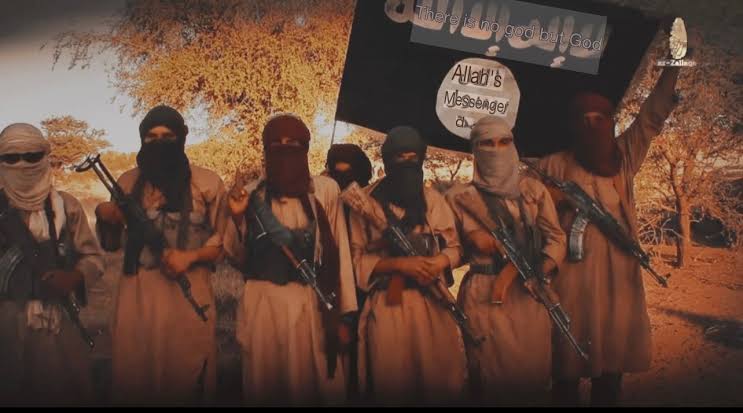
Cholera Outbreak Kills Nine ISWAP Terrorists in Timbuktu Triangle
By: Zagazola Makama
A cholera outbreak has reportedly claimed the lives of nine fighters of the Islamic State West Africa Province (ISWAP) in the Timbuktu Triangle, a known terrorist stronghold in Borno State, intelligence sources have disclosed.
The sources told the News Agency of Nigeria (NAN) that the outbreak had spread through the group’s enclaves, highlighting deteriorating sanitary conditions and limited access to medical care within the insurgents’ camps.
According to the intelligence, two additional ISWAP fighters infected with the disease were allegedly executed by fellow terrorists after attempts to manage their condition at Kimba village proved unsuccessful.
The sources said the development pointed to the worsening health conditions within the terrorist hideouts, where sustained military pressure has disrupted logistics, including access to medicines and treatment facilities.
The sources added that commanders had also been urged to intensify efforts to intercept medical supplies and pharmaceuticals intended for terrorist camps in order to further degrade ISWAP’s treatment capability and operational resilience.
The reported outbreak comes amid sustained offensives by troops of Operation HADIN KAI, who continue to target terrorist enclaves and logistics networks across the Lake Chad region in a bid to degrade the insurgents’ fighting capacity.
Cholera Outbreak Kills Nine ISWAP Terrorists in Timbuktu Triangle

Farmer Injured in Machete Attack by Herder in Plateau

Unidentified Corpse with Gunshot Wound Found Along Road in Plateau

Troops Rescue Kidnap Victim, Recover AK-47 Rifle After Gun Battle in Kogi

Roger Federer’s Shock as DNA Results Reveal Myla and Charlene Are Not His Biological Children

THE PLIGHT OF FARIDA

FAILED COUP IN BURKINA FASO: HOW TRAORÉ NARROWLY ESCAPED ASSASSINATION PLOT AMID FOREIGN INTERFERENCE CLAIMS
-
 News2 years ago
Roger Federer’s Shock as DNA Results Reveal Myla and Charlene Are Not His Biological Children
-
Opinions5 years ago
THE PLIGHT OF FARIDA
-
 News1 year ago
FAILED COUP IN BURKINA FASO: HOW TRAORÉ NARROWLY ESCAPED ASSASSINATION PLOT AMID FOREIGN INTERFERENCE CLAIMS
-

 News2 years ago
EYN: Rev. Billi, Distortion of History, and The Living Tamarind Tree
-
 Opinions5 years ago
POLICE CHARGE ROOMS, A MINTING PRESS
-

 ACADEMICS2 years ago
A History of Biu” (2015) and The Lingering Bura-Pabir Question (1)
-

 Columns2 years ago
Army University Biu: There is certain interest, but certainly not from Borno.
-

 Politics1 year ago
2027: Why Hon. Midala Balami Must Go, as Youths in Hawul and Asikira/Uba Federal Constituency Reject ₦500,000 as Sallah Gift
