
Health
The Complex Reality of Healthcare: A Perspective on the University of Maiduguri Teaching Hospital and the Loss Experienced by Barrister Nuhu Dantani Hamza

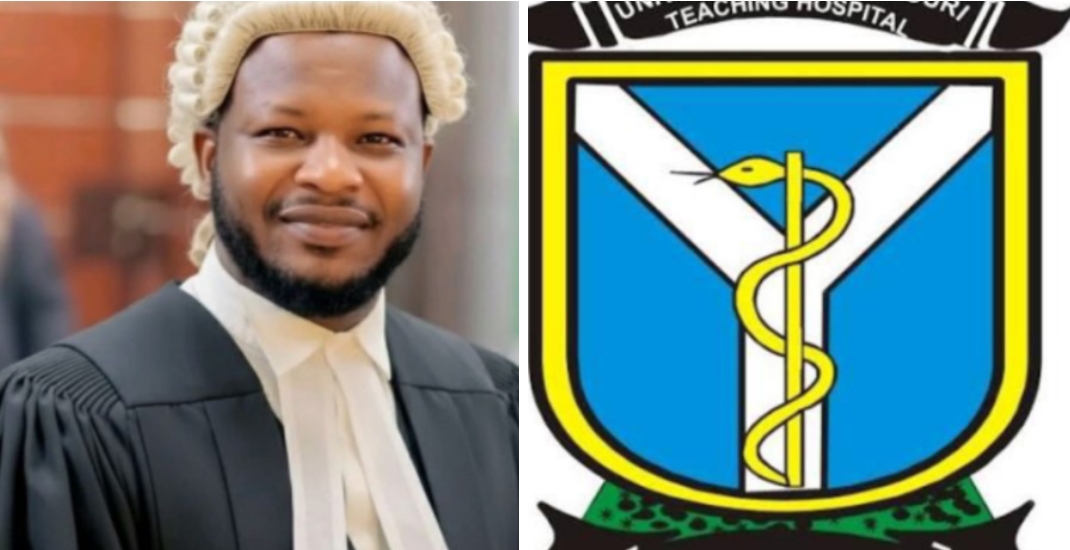
The Complex Reality of Healthcare: A Perspective on the University of Maiduguri Teaching Hospital and the Loss Experienced by Barrister Nuhu Dantani Hamza
By: Dr. James Bwala
The recent public outburst by Barrister Nuhu Dantani Hamza, a lawyer based in Abuja, over the demise of his father at the University of Maiduguri Teaching Hospital (UMTH) has sparked intense discussions about the quality of healthcare services provided by the institution. While it is entirely understandable to empathize with Barrister Hamza’s profound grief and frustration following such a personal loss, it is crucial to examine the context and facts surrounding this case before drawing conclusions about institutional failure.
My parents are no more. I nursed them at the same UMTH before their demise, and so have many others. Death comes when it comes. We never blame it on any health institution or person; rather, we return glory to God Almighty, who gives and takes. I therefore contend that the death of an individual patient, however painful, does not equate to a wholesale failure of a healthcare institution like UMTH, particularly when thousands of other patients have reported satisfactory experiences. By exploring the nuances of medical care, the realities of patient outcomes, the specific privileges associated with amenity wards, and public testimonies about UMTH, I wish to offer a balanced and reasoned perspective on this delicate matter.
READ ALSO: https://newsng.ng/2027-who-owns-the-adc-presidential-ticket/
First and foremost, it is important to acknowledge the deep sorrow and empathy owed to Barrister Hamza and his family. The passing of a loved one, especially a parent, represents one of life’s most traumatic experiences. Barrister Hamza’s passionate response—the “threatening hell and storms” directed at UMTH—reflects a natural human reaction to loss, anger, and perhaps perceived helplessness. Compassion compels us to stand with him in mourning. Yet, simultaneously, grief may cloud judgment, leading to an oversimplification of complex realities involved in healthcare delivery and medical outcomes. Emotionally charged reactions, though valid as expressions of pain, should not be conflated with objective evaluations of medical institutions.
A fundamental truth often overlooked in public debates about hospital performance is that death, despite advances in modern medicine, remains an inevitable aspect of human existence. No healthcare system or institution, regardless of prestige or resources, can guarantee survival in every circumstance; else, our former president, Muhammadu Buhari, would not have died in a London hospital given his resources and care. Patients admitted to hospitals frequently face serious, sometimes terminal conditions. Even the best-equipped medical facilities staffed by highly trained specialists encounter cases where, despite exhaustive interventions, outcomes are unfavorable due to the nature and severity of the illness.
READ ALSO: https://newsng.ng/2027-who-owns-the-adc-presidential-ticket/
In the case of Barrister Hamza’s father, who was admitted sometime in February 2026 and passed away on March 31, 2026, medical terminology used by the bereaved son indicates a level of familiarity with hospital procedures. This familiarity suggests an awareness that mortality is not necessarily synonymous with negligence or incompetence. Indeed, medical professionals operate within biological limits and uncertainties inherent to health and disease. Appreciating this reality is vital to forming a fair assessment of any healthcare institution.
An important detail in Barrister Hamza’s account is the admission of his father to amenity ward “B” at UMTH. Amenity wards are generally designated areas offering enhanced comfort, privacy, and specialized attention compared to standard hospital wards. Admission to such a ward typically implies that the patient was accorded preferential treatment, access to superior facilities, and closer monitoring by the medical team. This status inherently involves higher costs but often translates into more personalized and comprehensive care.
READ ALSO: https://newsng.ng/2027-who-owns-the-adc-presidential-ticket/
Therefore, the fact that the deceased was treated in an amenity ward refutes any simplistic claim that he was neglected or denied proper medical attention. On the contrary, this designation underscores the level of attention paid to his well-being, reinforcing the argument that the hospital provided a distinctive standard of care. Knowledgeable observers understand that amenity wards symbolize privilege within hospital frameworks and are designed to maximize patient comfort and oversight.
To pass judgment on UMTH based solely on a single outcome risks ignoring the broader picture of the hospital’s service record. Since 2000, when I began reporting on healthcare in Nigeria, I am aware that journalists and healthcare observers covering the UMTH beat have documented a wide spectrum of patient experiences, ranging from stories of recovery and gratitude to those marked by sorrow and regret. This is a universal truth across all hospitals that some patients will unfortunately succumb to their illnesses. However, the existence of negative outcomes does not negate the fact that many patients receive effective treatment and leave the institution restored to health.
READ ALSO: https://newsng.ng/2027-who-owns-the-adc-presidential-ticket/
In the Nigerian context, and specifically within Borno State and its environs, UMTH has garnered numerous testimonials from patients who have benefited from its care. These affirmations are often overshadowed in public discourse by the louder voices of criticism, yet they constitute a vital counterbalance. A significant number of patients not only recover but actively return to express their thanks for the competent and compassionate care they received. Such accounts attest to the hospital’s capacity to deliver quality healthcare amidst challenging circumstances.
The discourse surrounding Barrister Hamza’s post also illuminates a commendable community effort to defend UMTH’s reputation. One notable example is Alhaji Modu Kellu, identified as a product of UMTH, who publicly vouched for the institution on social media. His defense carries weight as a direct beneficiary of the hospital’s healthcare services, offering an insider’s perspective that challenges unequivocal assertions of negligence.
READ ALSO:https://newsng.ng/2027-who-owns-the-adc-presidential-ticket/
The presence of such voices is critical in any balanced public debate. They demonstrate that the hospital inspires loyalty and trust among certain segments of the population. These defenders highlight the need to differentiate between isolated tragedies and systemic failures. In the absence of evidence pointing conclusively to malpractice or negligence, a hospital’s overall reputation must be preserved to maintain public confidence and morale among healthcare workers.
While defending UMTH’s record is essential, it is equally important to advocate for transparent and objective inquiry into any incidents that cause distress or raise questions. Barrister Hamza’s case should prompt careful review and, if warranted, constructive reforms aimed at improving patient safety and hospital responsiveness. Such scrutiny should be conducted through established medical channels rather than social media denunciations alone. This approach ensures fairness to the institution while honoring the rights and concerns of bereaved families.
READ ALSO: https://newsng.ng/2027-who-owns-the-adc-presidential-ticket/
Constructive dialogue among healthcare providers, patients’ families, regulatory bodies, and the media fosters mutual understanding and continuous improvement. It enables hospitals like UMTH to address potential shortcomings without suffering unjust reputational damage. Equally, it empowers families to seek redress and closure within appropriate frameworks, mitigating the emotional turbulence accompanying loss.
The emotional narrative shared by Barrister Nuhu Dantani Hamza regarding his father’s death at UMTH warrants heartfelt sympathy and respect. However, his story should not be construed as definitive evidence of UMTH’s failure. The privilege of admission to an amenity ward, coupled with thousands of positive patient outcomes over decades, illustrates that UMTH is a capable institution committed to delivering quality healthcare despite inherent limitations.
READ ALSO: https://newsng.ng/2027-who-owns-the-adc-presidential-ticket/
Death, a universal eventuality, does not tarnish the dedication of healthcare professionals nor invalidate successful recoveries experienced by many others. Public defenders of UMTH, including appreciative former patients, reinforce that the hospital maintains a commendable standard of care. Going forward, balanced perspectives, objective investigations, and constructive engagement will remain essential to uphold both patient rights and institutional integrity.
Ultimately, healthcare is a domain marked by complexity, uncertainty, and humanity’s collective endeavor to alleviate suffering. It demands from us both compassion for grieving individuals and reasoned judgment when assessing the performance of medical institutions. By holding these twin principles in tension, we honor both the memory of those lost and the ongoing mission of hospitals like the University of Maiduguri Teaching Hospital.
* James Bwala, PhD, writes from Abuja.
The Complex Reality of Healthcare: A Perspective on the University of Maiduguri Teaching Hospital and the Loss Experienced by Barrister Nuhu Dantani Hamza


Health
Investigation: Why Barrister Hamza Nuhu Dantani should apologize to UMTH over his claims; his father’s case—”Prostate Cancer at Stage Four”—was a hopeless situation despite the fact that he was attended to by one of the best urologists.
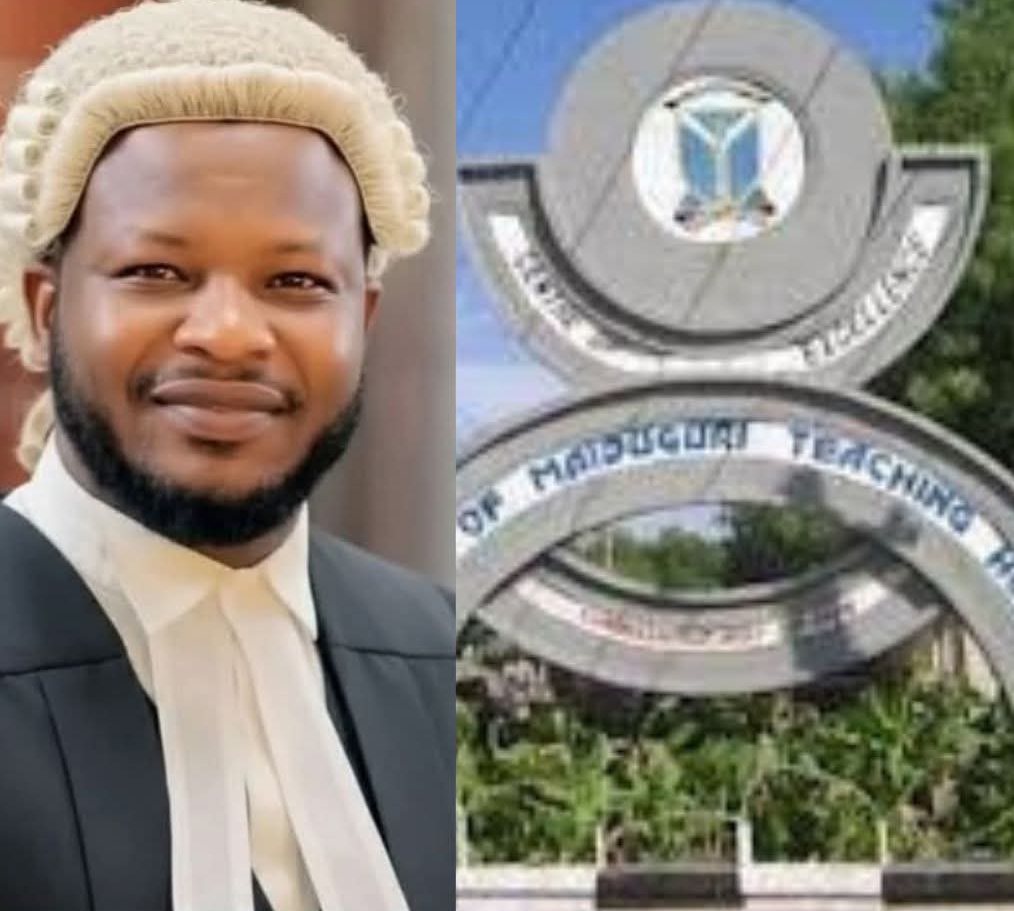
Investigation: Why Barrister Hamza Nuhu Dantani should apologize to UMTH over his claims; his father’s case—”Prostate Cancer at Stage Four”—was a hopeless situation despite the fact that he was attended to by one of the best urologists.
By: Dr. James Bwala
The recent public allegations made by Barrister Hamza Nuhu Dantani against the University of Maiduguri Teaching Hospital (UMTH) concerning the treatment of his late father have stirred significant controversy and raised critical questions about professional conduct, medical ethics, and the responsibilities of legal practitioners in public discourse. While empathy for the loss of a family member is natural, it is vital that claims made in the public domain, especially those affecting reputable institutions, are founded on verified facts and conveyed with professionalism. After thorough investigation and engagement with UMTH officials and medical experts, it becomes evident that Barrister Dantani’s assertions lack merit and, more importantly, that his conduct in this matter falls short of the standards expected from a legal professional. Consequently, Barrister Hamza Nuhu Dantani should publicly apologize to UMTH for the unsubstantiated nature of his claims and the undue damage inflicted upon the institution’s reputation.
To appreciate fully why an apology is necessary, one must first understand the medical circumstances surrounding the late Alhaji Dantani’s admission to UMTH. Medical records and testimonies indicate that the elder Dantani was admitted at an advanced stage of prostate cancer—specifically stage four—in February 2026. This is a critical point in the disease’s progression wherein the cancer has metastasized extensively, generally rendering curative treatment unattainable regardless of the quality of care provided. Globally, stage four prostate cancer presents a near-hopeless prognosis, demanding palliative rather than curative efforts to maximize quality of life. It is misleading, therefore, to interpret the outcome as resultant from negligence or substandard care following Alhaji Dantani’s demise on March 31, 2026.
READ ALSO: https://newsng.ng/the-complex-reality-of-healthcare-a-perspective-on-the-university-of-maiduguri-teaching-hospital-and-the-loss-experienced-by-barrister-nuhu-dantani-hamza/
My findings also revealed that the late patient’s care was overseen by Professor Hassan Dogo, a urologist of outstanding repute both within and beyond Nigerian medical circles. Professor Dogo’s involvement underscores the level of expertise committed to the patient’s management. The hospital’s Chief Medical Director, Professor Ahmed Ahidjo, personally intervened to ensure that the Dantani family had access to the best possible care, even offering private quarters within the hospital should general wards be unavailable. This proactive and compassionate response demonstrates the hospital’s commitment to patient welfare and contradicts any insinuations of neglect or unprofessionalism.
The decision by Barrister Dantani to publicly air grievances on social media and through petitions before fully engaging with hospital authorities exemplifies unprofessional conduct unbecoming of a lawyer. As an officer of the court, a barrister bears the responsibility not only to uphold the law but also to maintain decorum and integrity in all public interactions. Recklessly disseminating claims without validation jeopardizes the credibility of the legal profession and undermines public trust in medical institutions that serve critical societal needs. In this instance, such premature public accusations inflicted reputational harm on UMTH, an institution known for its high standards and dedicated service.
READ ALSO: https://newsng.ng/the-complex-reality-of-healthcare-a-perspective-on-the-university-of-maiduguri-teaching-hospital-and-the-loss-experienced-by-barrister-nuhu-dantani-hamza/
In addition to institutional harm, the manner in which Barrister Dantani handled the situation reflects poorly on the principles of due diligence and respectful dialogue. Rather than pursuing direct communication with UMTH management to clarify concerns, he resorted to externalizing grievances, thereby exacerbating tensions. The fact that members of the Dantani family subsequently contacted the hospital to express regret over the son’s approach confirms that the claims were disproportionately escalated. This sequence of events highlights the need for measured responses grounded in factual understanding, especially when involving matters as sensitive as terminal illness.
It is also essential to contextualize the nature of cancer prognosis within the public discourse. Awareness that advanced-stage cancers often defy medical intervention is critical in mitigating misplaced blame on healthcare providers. By advancing inaccurate narratives, public figures risk fostering distrust in healthcare systems, potentially discouraging others from seeking timely medical attention. Barrister Dantani, equipped with professional training and access to legal and investigative resources, had an obligation to ascertain the veracity of the situation before turning to public condemnation.
READ ALSO: https://newsng.ng/the-complex-reality-of-healthcare-a-perspective-on-the-university-of-maiduguri-teaching-hospital-and-the-loss-experienced-by-barrister-nuhu-dantani-hamza/
Some people out there might argue that the family’s grief justified Barrister Dantani’s public expressions or that highlighting perceived gaps in patient care could promote systemic improvements. While grief is deeply personal and valid, it does not justify undermining established protocols for dispute resolution or tarnishing reputations without substantiation. Constructive criticism aimed at improving health services is best channeled through official and collaborative frameworks rather than adversarial and public confrontations lacking evidence. Moreover, in this case, available information strongly suggests that the hospital maintained high standards of care, negating the premise for such allegations.
I believe the intersection of professional responsibility, respect for institutional integrity, and empathetic understanding of medical realities informs the necessity for Barrister Hamza Nuhu Dantani to issue an unambiguous apology to UMTH. His premature and unfounded public criticisms unfairly discredited the hospital, disregarding the complex and tragic nature of late-stage prostate cancer and the commendable efforts of its medical staff. An apology would not only restore dignity to UMTH but also reaffirm the ethical standards expected of legal practitioners. Moving forward, this episode should serve as a reminder of the importance of prudence, respect, and factual accuracy in public discourse—especially when lives and legacies are involved. Only through such conscientious conduct can professional integrity and public trust be preserved for the benefit of society at large. This is my take following the unfortunate incident.
* James Bwala, PhD, writes from Abuja.
Investigation: Why Barrister Hamza Nuhu Dantani should apologize to UMTH over his claims; his father’s case—”Prostate Cancer at Stage Four”—was a hopeless situation despite the fact that he was attended to by one of the best urologists.
Health
UMTH: When VP Kashim Shettima acknowledges Ahidjo and hospital staff for their services to victims of Maiduguri bomb blasts
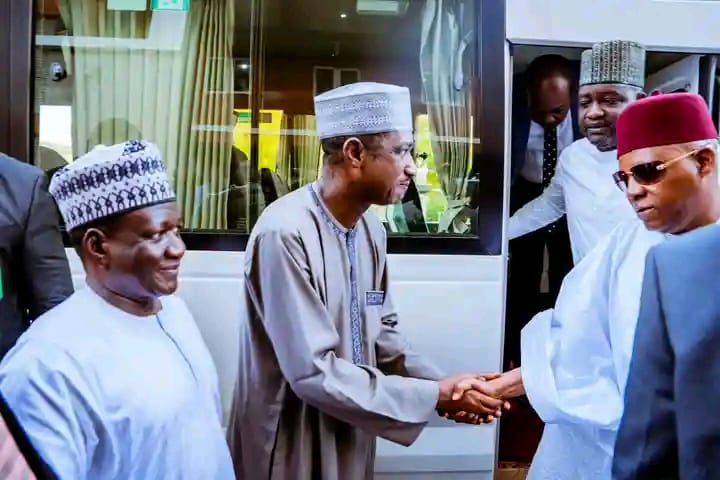
UMTH: When VP Kashim Shettima acknowledges Ahidjo and hospital staff for their services to victims of Maiduguri bomb blasts
By: Dr. James Bwala
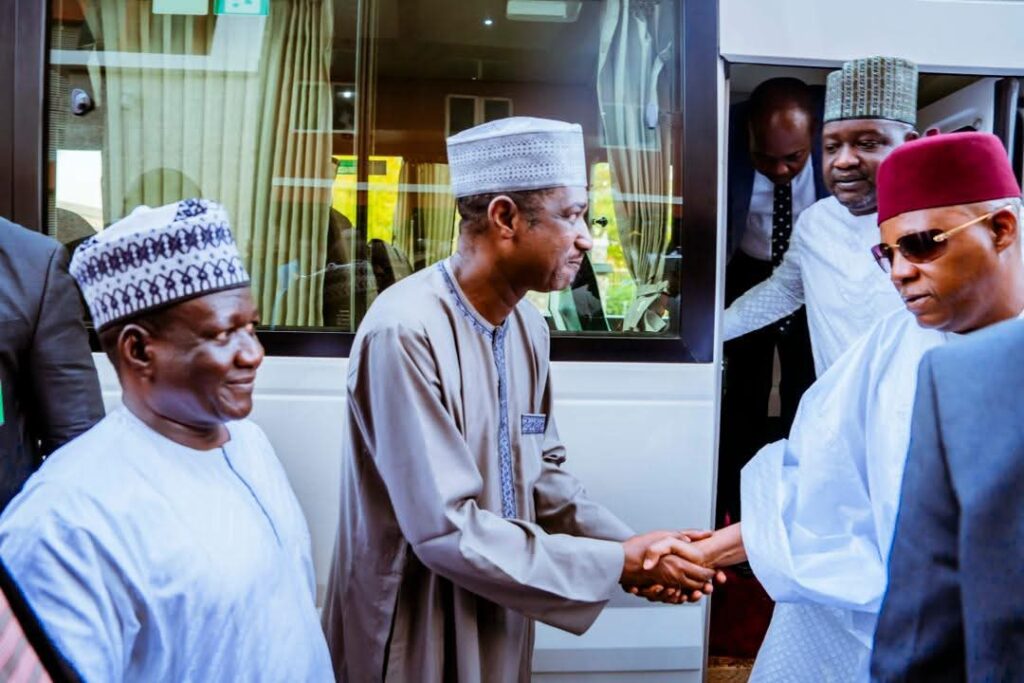
Nigeria’s Vice President, Kashim Shettima, made a commendable visit to the University of Maiduguri Teaching Hospital, UMTH, where he continued with the message of hope for the resilient people of Borno State following the tragic bomb blast that occurred on Monday. His acknowledgment of Professor Ahmed Ahidjo and his team for their dedicated service to the victims highlights not only the resilience of the medical community in times of crisis but also the importance of efficient healthcare systems in mitigating the impact of violence and tragedy. He also observed the critical role that healthcare institutions and professionals play in society, particularly in regions plagued by conflict, and the necessity of supporting such institutions through recognition, resources, and policy for effective services.
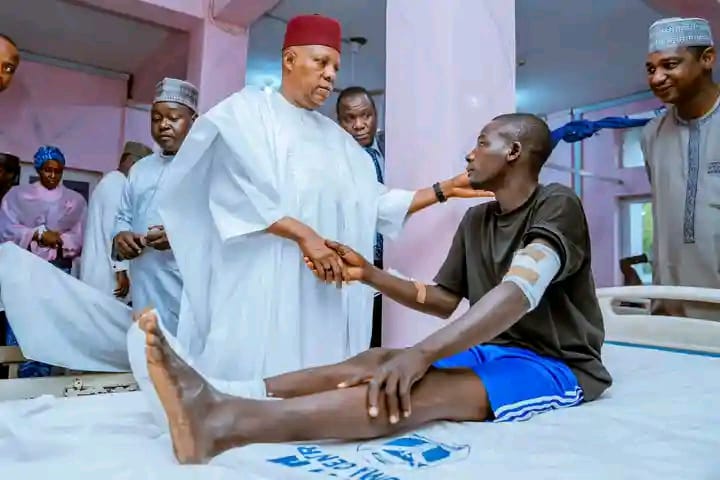
The recent bombing incident serves as a somber reminder of the constant threats faced by communities in Borno State and much of northeastern Nigeria. While the incident itself is tragic, the response from the healthcare sector illustrates hope and human compassion in the face of adversity. The vice president’s visit to the hospital is more than just a gesture; it underscores the significance of swift medical intervention and the tremendous effort undertaken by healthcare workers who bravely confront the consequences of violence daily.
READ ALSO: https://newsng.ng/maiduguri-bomb-blast-in-time-of-tragedies-let-us-also-understand-vp-kashim-shettimas-position/
Professor Ahmed Ahidjo and his team’s prompt response to the devastation caused by the bombing is worthy of praise. Their ability to stabilize the condition of the victims amidst chaos demonstrates professionalism and commitment to life-saving practices. In an environment where resources may be stretched thin and pressures high, the performance of healthcare teams becomes even more vital. These professionals often work under challenging conditions, yet their determined spirit and compassion can significantly affect recovery rates and overall patient outcomes.
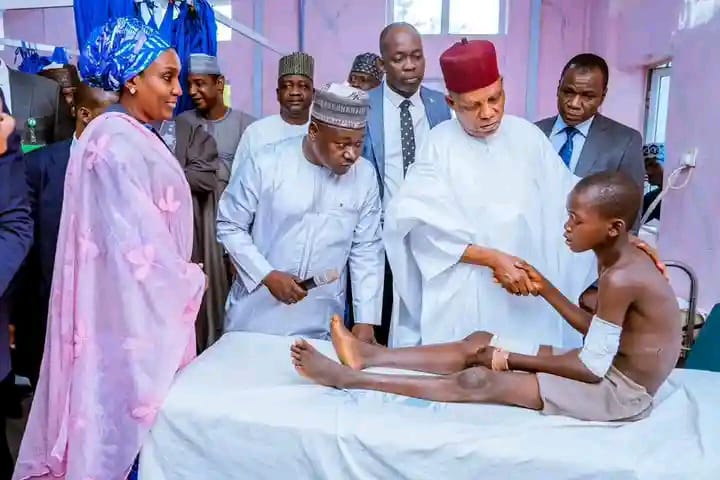
The vice president’s expression of gratitude towards the hospital staff reflects a broader understanding of the interconnectedness of governance and healthcare provision. By publicly acknowledging the hard work of medical personnel, government officials can foster a culture of appreciation and respect for the healthcare profession. Such recognition can have far-reaching benefits, motivating current healthcare professionals and attracting aspiring medical practitioners to the field. This encouragement is essential, especially in regions like Borno, where skilled healthcare providers are desperately needed to combat both the immediate health crises and the long-term impacts of violence.
READ ALSO: https://newsng.ng/maiduguri-bomb-blast-in-time-of-tragedies-let-us-also-understand-vp-kashim-shettimas-position/
UMTH’s capacity to effectively aid victims of violent attacks raises crucial questions about healthcare infrastructure in Nigeria. While the University of Maiduguri Teaching Hospital has demonstrated its capability, the sustainability and expansion of such services are necessary for ongoing success. Government investment in healthcare infrastructure is imperative. Targeted funding, training programs, and resources need to be allocated to ensure hospitals can provide comprehensive and timely care, especially in areas prone to conflict. This is not merely a reactive measure; it is proactive engagement that can fortify communities against future tragedies.
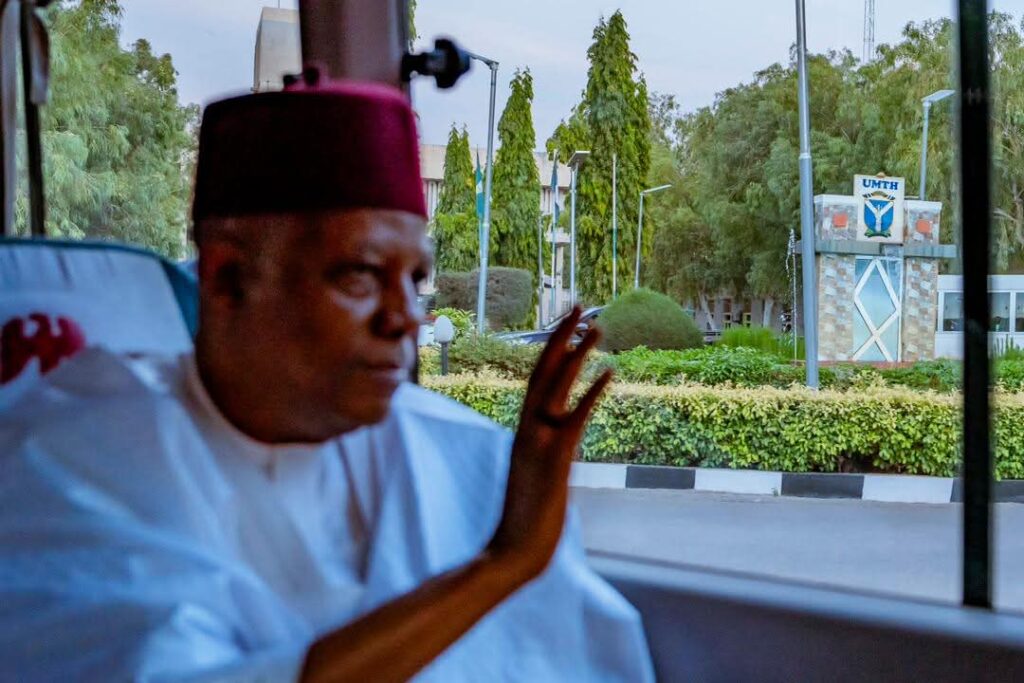
In the context of this discussion, it is essential to consider the implications of government policies on healthcare. The vice president’s visit reinforces the need for consistent governmental support of healthcare institutions. Policies that prioritize healthcare funding, facilitate access to medical supplies, and promote the welfare of healthcare workers can lead to improved health outcomes. Furthermore, these policies must address the root causes of the violence that leads to such devastating incidents, recognizing that peace and stability are integral to health and well-being.
READ ALSO: https://newsng.ng/maiduguri-bomb-blast-in-time-of-tragedies-let-us-also-understand-vp-kashim-shettimas-position/
The compassion shown by Vice President Shettima in praying for the victims’ recovery emphasizes the human aspect of political leadership. In a nation where trust in government can sometimes wane, leaders who show empathy and personal investment in their citizens’ welfare can bridge gaps and build stronger connections within communities. This symbolism of care and hope in leadership can mobilize public support, encouraging citizens to engage collaboratively with their governments to improve local conditions.
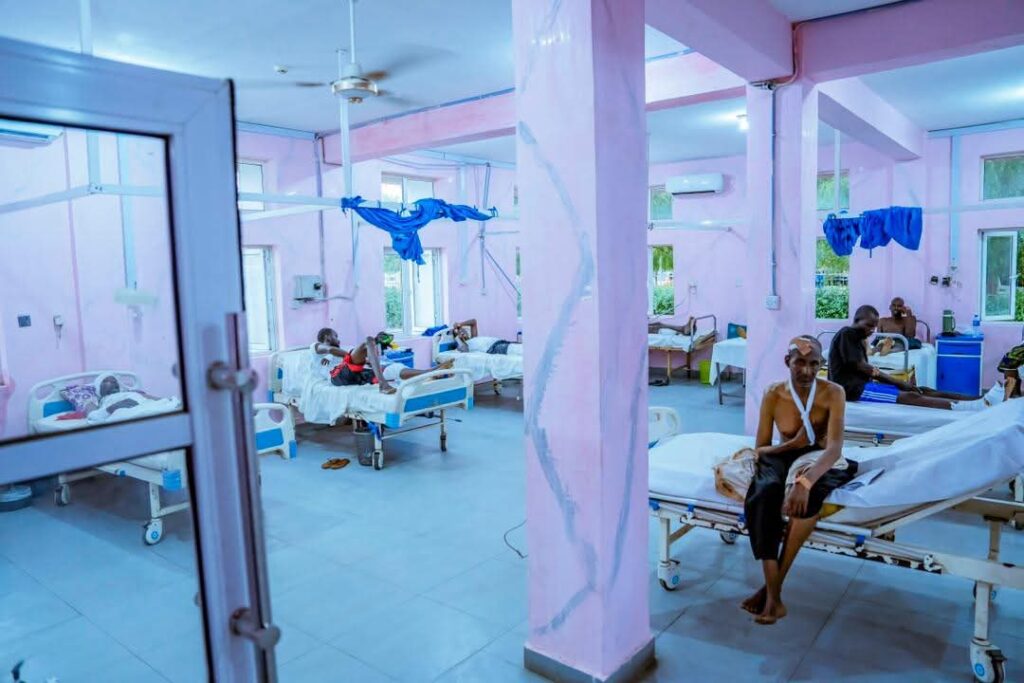
It is also crucial to highlight the ongoing psychological impact of violence on affected populations. Beyond the physical injuries sustained in such attacks, many victims experience deep psychological scars that require attention and specialized care. Healthcare institutions must evolve to include mental health support services alongside traditional medical treatment. The response from hospitals like the University of Maiduguri Teaching Hospital should extend into mental health initiatives to support victims in their recovery journey holistically.
READ ALSO: https://newsng.ng/maiduguri-bomb-blast-in-time-of-tragedies-let-us-also-understand-vp-kashim-shettimas-position/
In contemplating the significance of the vice president’s visit, we should consider how this moment can be leveraged to initiate broader discussions about healthcare reform in Nigeria. Advocacy for mental health resources, trauma-informed care, and community health capacity-building are all essential components that must be prioritized. The partnership between government, healthcare providers, and communities can create a robust support system that not only addresses immediate crises but also enhances long-term community resilience.
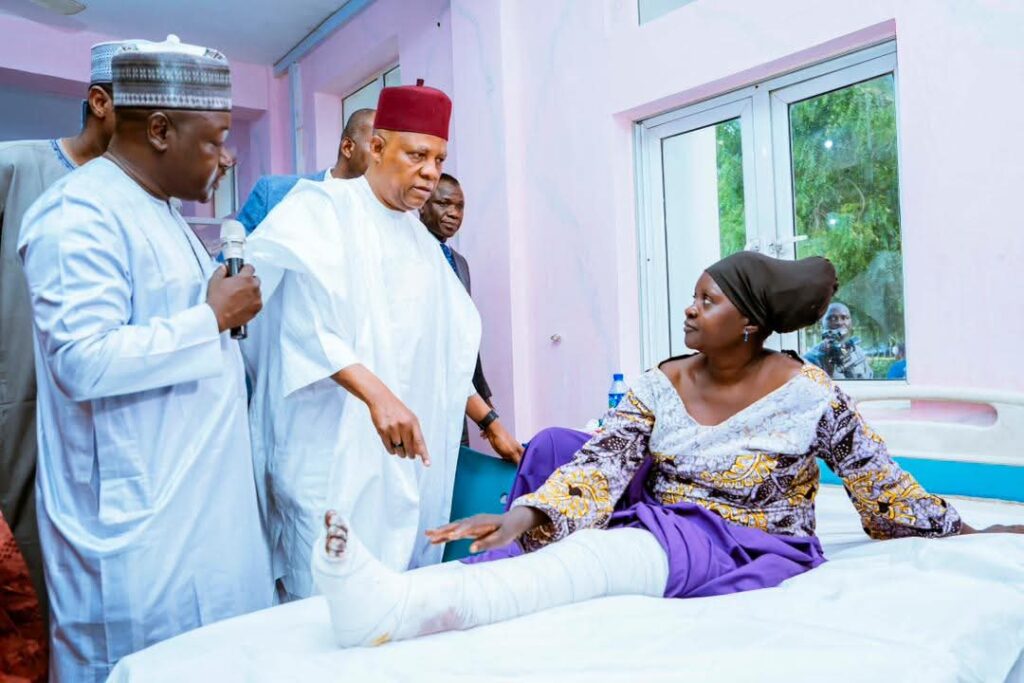
Vice President Kashim Shettima observed that support for healthcare professionals in Nigeria goes beyond mere praise, stating that these individuals require access to continuous education, emotional support, and adequate compensation for their work. Investing in their development ensures that they can provide the highest quality of care, which is essential in crisis situations. Indeed, when healthcare workers are equipped with the right tools and knowledge, their effectiveness during emergencies increases dramatically, thereby saving lives and improving recovery outcomes.
READ ALSO: https://newsng.ng/maiduguri-bomb-blast-in-time-of-tragedies-let-us-also-understand-vp-kashim-shettimas-position/
The commendation given by Vice President Kashim Shettima to Professor Ahmed Ahidjo and his team at the University of Maiduguri Teaching Hospital serves as a powerful testament to the critical role of healthcare in society, especially in areas impacted by conflict. The prompt action taken by medical personnel in response to the bomb blast exemplifies courage and dedication that deserves recognition and support. However, it is imperative to build on this foundation by advocating for robust healthcare policies, investing in infrastructure and personnel training, and fostering community engagement.
Through these concerted efforts, Nigeria can cultivate a healthcare system that not only responds effectively to emergencies but also restores hope, promotes healing, and strengthens communities in times of need. It is a call to action for every citizen, policymaker, and healthcare professional to unite in bolstering the foundations of our healthcare system, ensuring that we are prepared for whatever challenges lie ahead.
* James Bwala, PhD, writes from Maiduguri.
UMTH: When VP Kashim Shettima acknowledges Ahidjo and hospital staff for their services to victims of Maiduguri bomb blasts
Health
Health Worker Exodus Deepens as Policy Brief Warns of Systemic Risk to Nigeria’s Healthcare Sector

Health Worker Exodus Deepens as Policy Brief Warns of Systemic Risk to Nigeria’s Healthcare Sector
By: Michael Mike
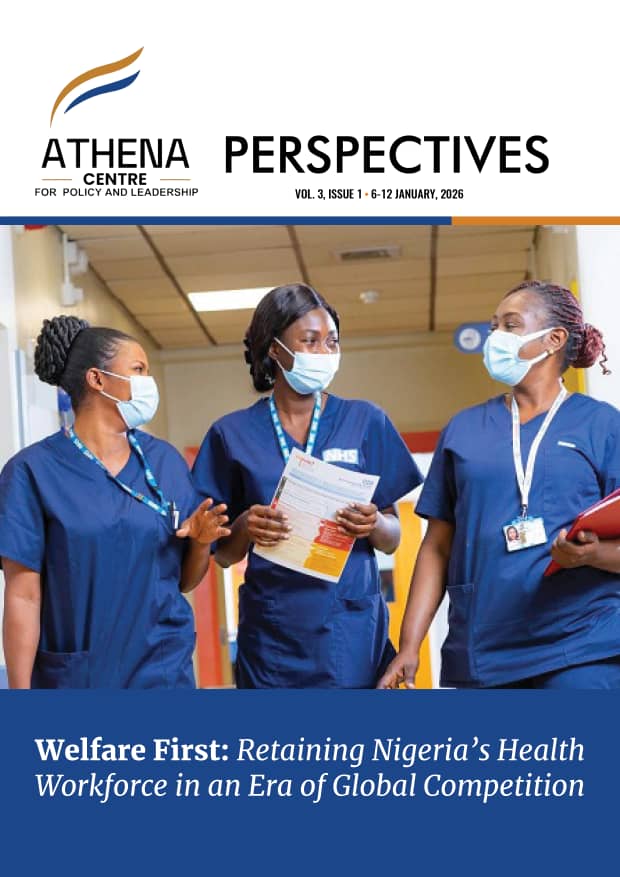
A new policy brief has warned that unless urgent welfare-focused reforms are implemented, the country risks a deepening crisis that could undermine access to quality healthcare nationwide.
Nigeria’s healthcare system is facing mounting pressure as the steady departure of doctors and nurses continues to erode service capacity, raising concerns about long-term system viability.
According to the policy analysis authored by health policy expert Dr Emmanuel Ejimonu, of the Athena Centre for Policy and Leadership, more than 42,000 nurses left Nigeria between 2021 and early 2024, while thousands of Nigerian-trained doctors have registered to practise abroad, particularly in the United Kingdom. The trend shows no sign of slowing, as survey data cited in the report indicate that nearly three-quarters of medical and nursing students intend to seek employment overseas, with about one in three expressing no plans to return.
The report attributed the exodus largely to domestic welfare and governance challenges rather than professional ambition. Health workers interviewed consistently pointed to low and irregular salaries, unsafe and overstretched working environments, limited opportunities for funded specialist training and weak social protection systems. These challenges, the brief notes, have made emigration a rational choice in the face of institutional uncertainty, especially as global demand for health professionals continues to rise.
Although the Federal Government introduced a National Policy on Health Workforce Migration in 2023 to promote ethical recruitment and retention, the brief argues that its impact has been limited. Implementation gaps, inadequate funding and uneven execution at state and facility levels have prevented the policy from delivering meaningful improvements in working conditions.
The consequences of sustained health worker losses are already visible. Teaching hospitals are reportedly struggling to maintain specialist training and mentorship programmes, while recurring strikes highlight growing mistrust between health workers and government authorities. Economically, the country is losing returns on public investments in training, even as staff shortages compromise care delivery in both urban and rural facilities. Remaining workers also face rising burnout, further fuelling migration intentions.
Drawing on international experiences from countries such as Ghana, Kenya, the Philippines and Cuba, the policy brief stresses that health worker migration cannot be completely stopped. Instead, it recommends managing mobility through welfare-based retention strategies and credible governance structures.
Central to the recommendations is a proposed Welfare-First Retention Package, which prioritises guaranteed and timely payment of salaries, improved workplace safety, funded career progression, fair bonding arrangements and strengthened social protection. The package also calls for disciplined use of bilateral agreements and ethical recruitment frameworks to protect Nigeria’s investment in health worker training.
The brief estimates that, if properly funded and implemented, the proposed measures could reduce short-term health worker attrition by up to one-third within two years, while significantly improving retention over a five-year period.
The report stated that reversing the health workforce crisis will require treating welfare reform as a core economic and governance priority, backed by political will, fiscal discipline and strong institutional coordination. Without such action, the report warns, Nigeria risks the gradual hollowing out of its healthcare system, with far-reaching consequences for public health and national development.
Health Worker Exodus Deepens as Policy Brief Warns of Systemic Risk to Nigeria’s Healthcare Sector

Is Zagazola Makama now siding with Plateau people?

A New Dawn for Nigeria’s Power Sector: Minister Tegbe’s Brilliant Start

ADC PICKS RT. HON. CHIBUIKE ROTIMI AMAECHI AS ATIKU’S RUNNING MATE

Roger Federer’s Shock as DNA Results Reveal Myla and Charlene Are Not His Biological Children

THE PLIGHT OF FARIDA

FAILED COUP IN BURKINA FASO: HOW TRAORÉ NARROWLY ESCAPED ASSASSINATION PLOT AMID FOREIGN INTERFERENCE CLAIMS
-
 News2 years ago
Roger Federer’s Shock as DNA Results Reveal Myla and Charlene Are Not His Biological Children
-
Opinions4 years ago
THE PLIGHT OF FARIDA
-
 News1 year ago
FAILED COUP IN BURKINA FASO: HOW TRAORÉ NARROWLY ESCAPED ASSASSINATION PLOT AMID FOREIGN INTERFERENCE CLAIMS
-

 News2 years ago
EYN: Rev. Billi, Distortion of History, and The Living Tamarind Tree
-
 Opinions4 years ago
POLICE CHARGE ROOMS, A MINTING PRESS
-

 ACADEMICS2 years ago
A History of Biu” (2015) and The Lingering Bura-Pabir Question (1)
-

 Columns2 years ago
Army University Biu: There is certain interest, but certainly not from Borno.
-

 Politics1 year ago
2027: Why Hon. Midala Balami Must Go, as Youths in Hawul and Asikira/Uba Federal Constituency Reject ₦500,000 as Sallah Gift
