
Uncategorized
Post Insurgency: NGO Urges Borno Govt To Consider Transitional Justice For Peace, Development


Post Insurgency: NGO Urges Borno Govt To Consider Transitional Justice For Peace, Development
By Melvin Uche
Basic Rights Watch, a non- governmental organisation (NGO) has called on Borno State government to adopt Transitional Justice (TJ) in its Post- insurgency era as a pathway to peace and development in the state.
The Chief Executive Officer of Basic Rights Watch, Mr Austine Ekwujuru made the call while addressing Journalists on Wednesday in Maiduguri.
Ekwujuru noted that the steady decline in Boko Haram attacks in North-East Nigeria, particularly Borno State indicates that the country is gradually moving towards the post-insurgency era, hence the urgent need to find pathways to lasting peace and development for the affected populace.
He said as such, there is no better approach than the deployment of a robust Transitional Justice (TJ) mechanism to ensure sustainable pathways to peace, healing, accountability, and development.
He said Transitional Justice is crucial for the promotion of human rights and justice, peace and security, good governance and development, noting that the African Union (AU) Agenda 2063 underscores the importance of these ideals as part of the drive towards the ‘Africa-We-Want’.
“Transitional justice (TJ) consists of judicial and non-judicial measures implemented in order to redress legacies of human rights abuses. Such measures could “include truth commissions, reparations programs, and various kinds of institutional reforms amongst others. TJ is informed by a society’s desire to rebuild social trust, repair a fractured justice system and ensure accountability after a prolonged conflict.
“The consortium Basic Rights Watch, the People, Young Professionals in Policy and Development and Institute for Peace and Conflict Resolution today urge the Borno State government to consider Transitional Justice mechanism in the post-insurgency era as a pathway to sustainable peace and development in the state.
“TJ has recently received greater attention by both academics and policymakers. It has also generated interest in the fields of political and legal discourse. In periods of political transitions, from authoritarian, dictatorial regimes or from civil conflicts to democracy, TJ has often provided opportunities for such societies to address past human rights abuses, mass atrocities, or other forms of severe trauma in order to facilitate a smooth transition into a more democratic or peaceful future.
“In Nigeria, after the transition process from military regime to a democratic regime, a Truth and Reconciliation Panel was set up called the Oputa panel. In South Africa, after the Apartheid regime, a truth and reconciliation panel was set up headed by Bishop Desmond Tutu. Other TJ processes include the Gacaca courts in Rwanda, which helped in promoting truth and justice in their community. In Sierra Leone, there was the Fambul Tor aimed at reconciliation and forgiveness in communities that were affected by a long-running civil war.
“In Liberia, there was the Palaver Hut, all locally driven initiatives. Following the Boko Haram insurgency and the counter-insurgency, there were cases of human rights violations and abuses in the North East particularly in Borno state by both state and non-state actors. Therefore, there is need for TJ mechanisms aimed at healing, accountability, reconciliation and forgiveness.
“The concept of TJ is therefore a necessary step in moving from a divided and painful past to a commonly shared and developed future. The core values of TJ include but are not limited to: Acknowledgement of responsibility and the suffering of victims; Showing remorse; Asking for forgiveness; Paying compensation or making reparation; Reconciliation,” Ekwujuru said.
He noted that the concerted efforts of the government to tackle insurgency especially in Borno state is yielding the desired results as noted in the de-escalation of violence, but however observed that, the human rights violations that trailed the operations of the insurgents and the counter-insurgency made the young people to be targets of harassments, torture and brutality.
He said that these have left an indelible mark on their psyche and ignited a mood to seek justice as a critical pathway for sustainable peace.
Post Insurgency: NGO Urges Borno Govt To Consider Transitional Justice For Peace, Development


Uncategorized
Troops, TANTITA Operatives Recover 24,000 Litres of Illegally Refined AGO in Rivers Creek
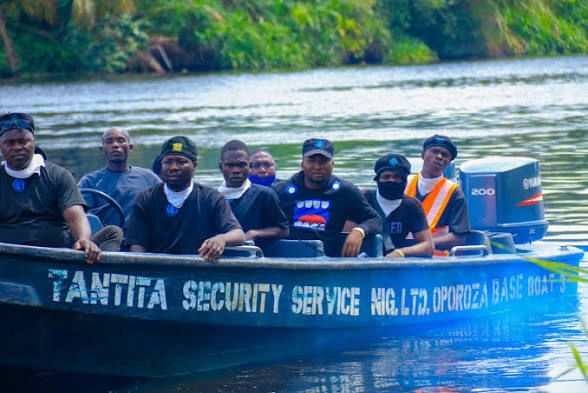
Troops, TANTITA Operatives Recover 24,000 Litres of Illegally Refined AGO in Rivers Creek
By: Zagazola Makama
Troops of Sector 3, Operation DELTA SAFE (OPDS), in collaboration with TANTITA Security Services, have recovered a wooden boat laden with illegally refined petroleum products at Abalama Creek in Asari-Toru Local Government Area of Rivers State.
The operation, which took place at about 19:20 hours on 15 June 2026, followed credible intelligence on the movement of suspected stolen crude products through the creek.
However, no arrest was made as the suspects abandoned the vessel and fled the scene upon sighting the approaching operatives.
The troops recovered one wooden boat loaded with Automotive Gas Oil (AGO), estimated at about 24,000 litres.
The recovered product and vessel were subsequently moved to the TANTITA Security Services base at Ilamatoru for further investigation and necessary action.
Security sources confirmed that follow-up operations are ongoing within the general area to track and apprehend the fleeing suspects and dismantle associated illegal refining networks.
Troops, TANTITA Operatives Recover 24,000 Litres of Illegally Refined AGO in Rivers Creek
Uncategorized
Herdsmen Agree to Pay ₦1 Million Compensation After Farmland Destruction in Plateau State
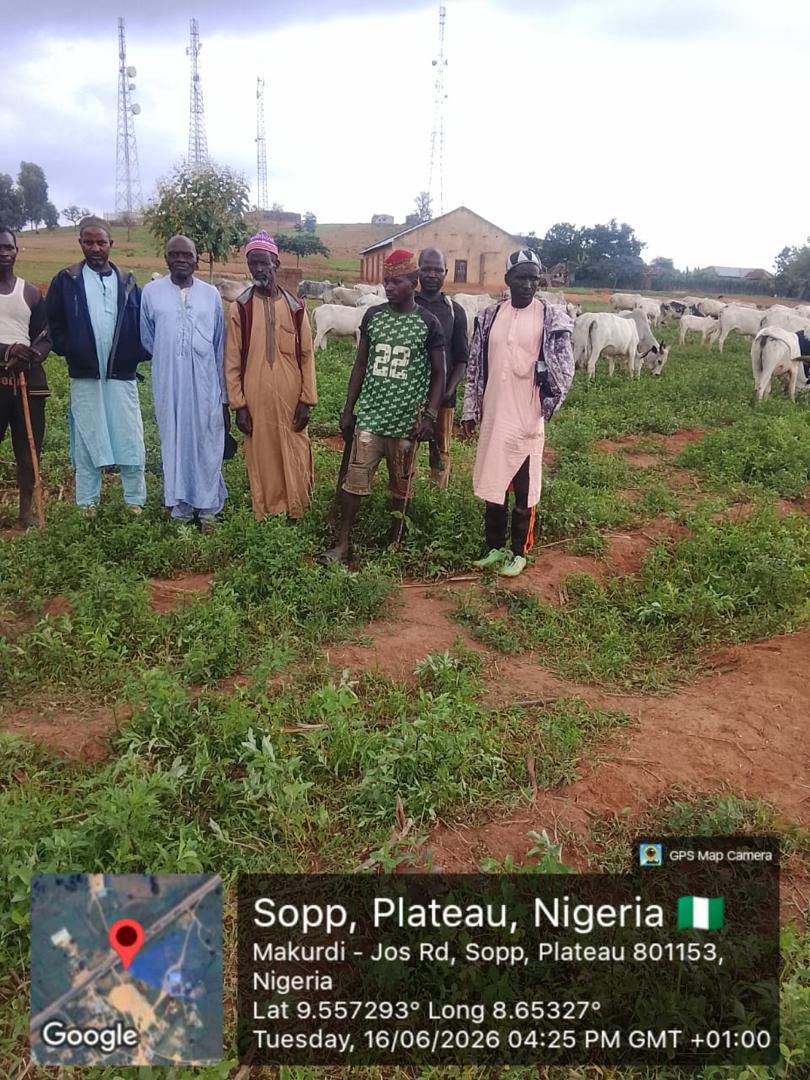
Herdsmen Agree to Pay ₦1 Million Compensation After Farmland Destruction in Plateau State
By: Zagazola Makama
A dispute over farmland destruction in Riyom Local Government Area of Plateau State has been resolved following the intervention of security operatives and community stakeholders, with herders agreeing to pay ₦1 million compensation to affected farmers.
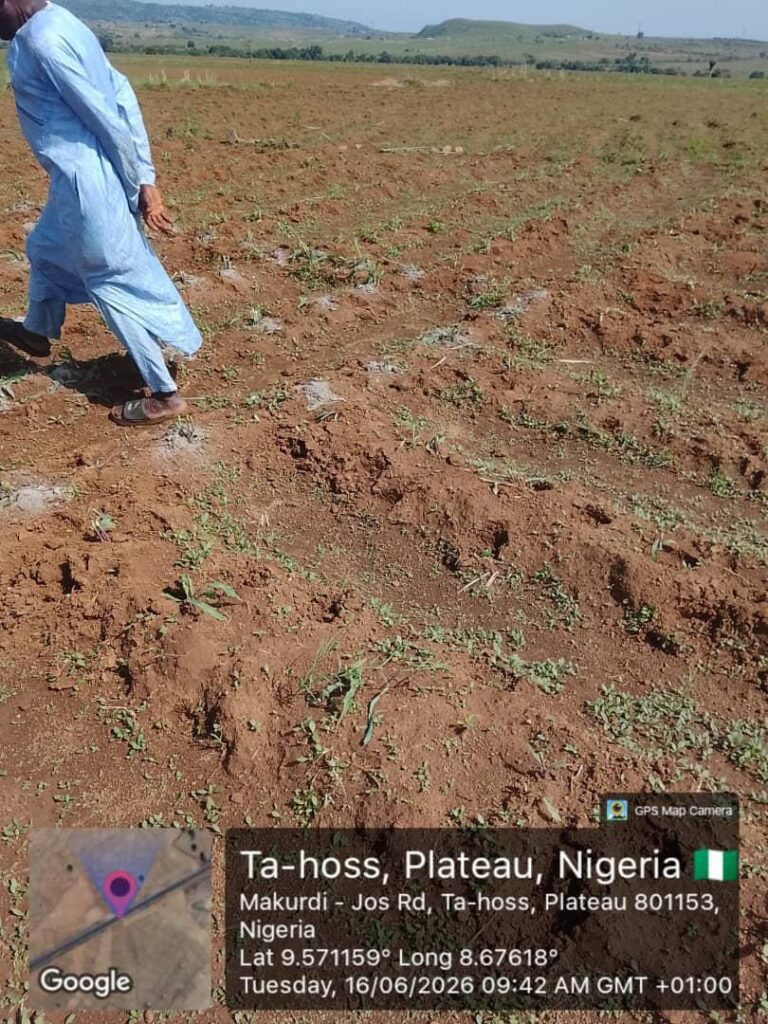
Security sources said troops of Operation Enduring Peace (OPEP), Sector 6, responded on June 16 at about 12:00 p.m. to reports of destruction of farmlands belonging to Mr. Nyip Yakubu Badung and 10 other farmers in Sopp Village.
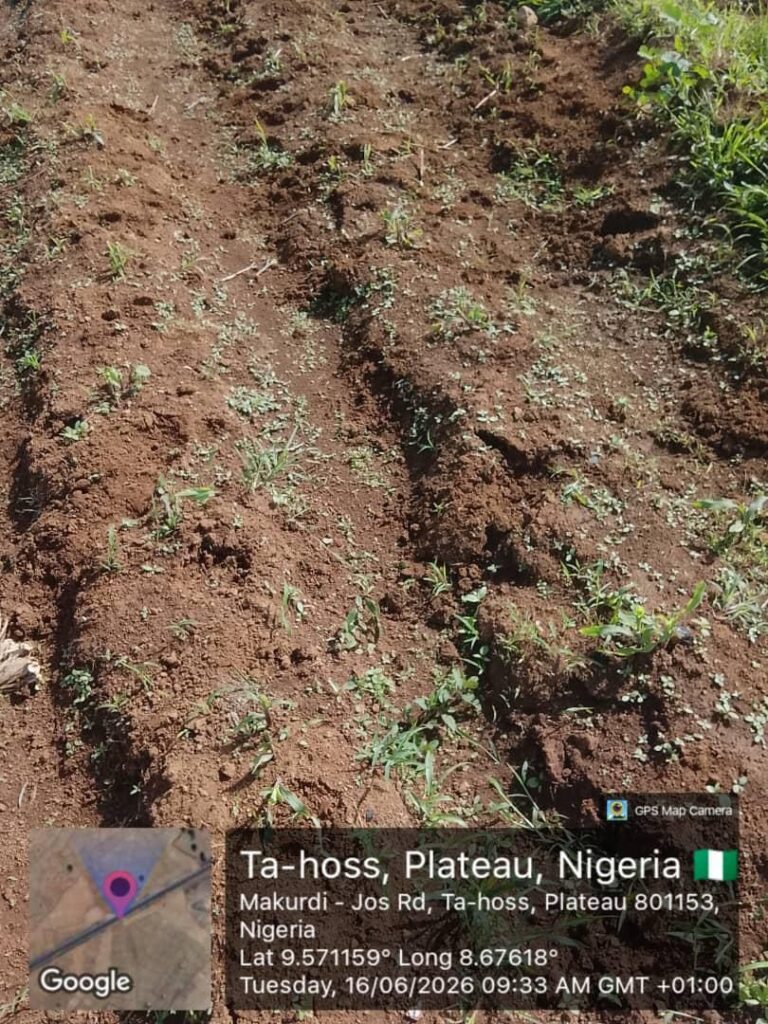
Upon arrival at the scene, troops reportedly discovered that herds of cattle had strayed into the farms, causing extensive damage to crops belonging to the affected residents.
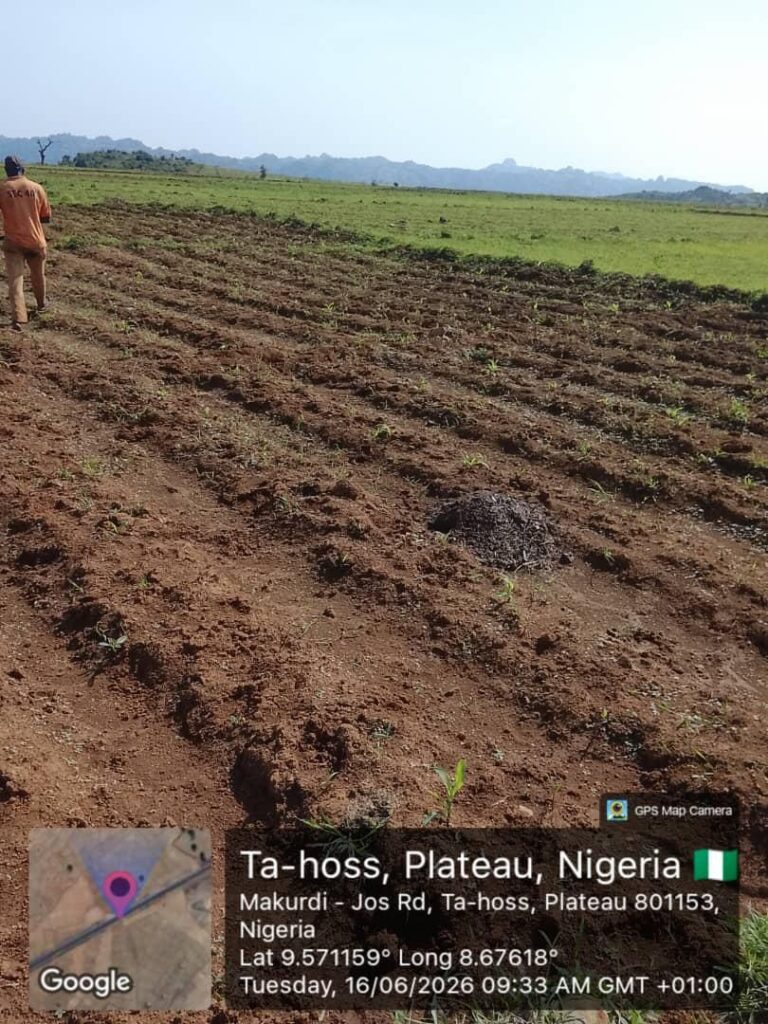
Following the development, security personnel facilitated a peace meeting between representatives of the farmers and herder leaders in the area to prevent escalation of tensions.
At the end of the engagement, both parties agreed on a compensation sum of ₦1 million to be paid to the affected farmers through the Miyetti Allah Cattle Breeders Association of Nigeria (MACBAN) Chairman in Riyom Local Government Area.
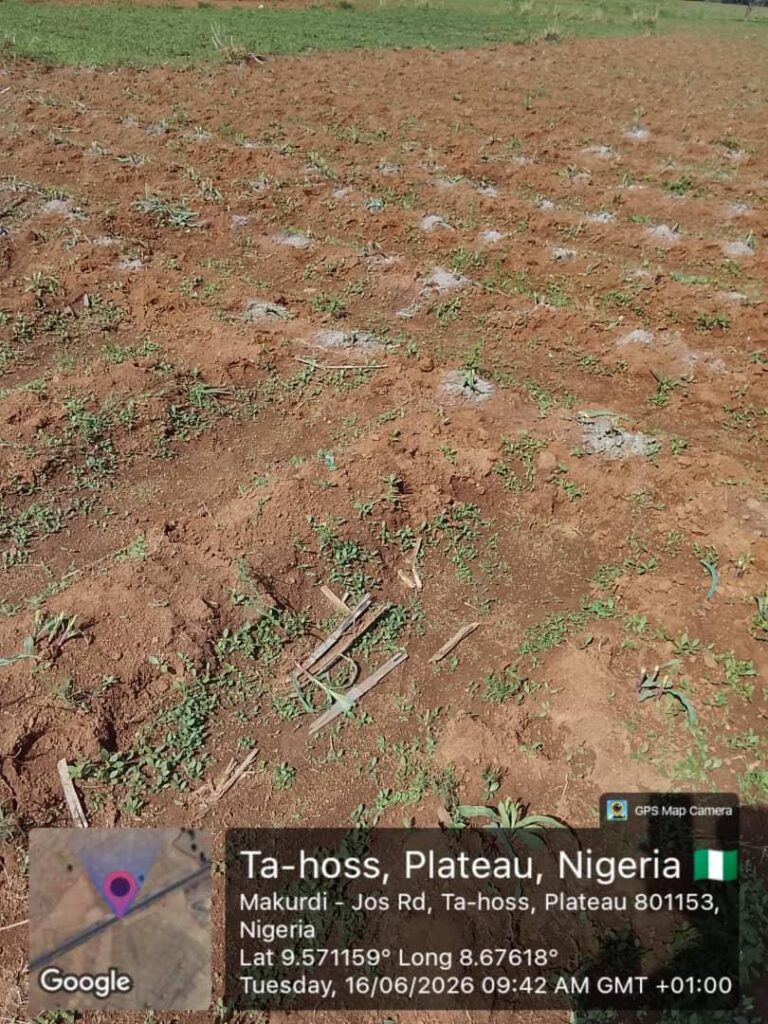
Security sources said the agreement was reached to prevent possible reprisals and maintain peace in the community.
Authorities noted that the situation in the area has been brought under control, while dialogue between both parties is ongoing to sustain peaceful coexistence.
Herdsmen Agree to Pay ₦1 Million Compensation After Farmland Destruction in Plateau State
Troops Discover Corpse with Gunshot Wound in Plateau Community
By: Zagazola Makama
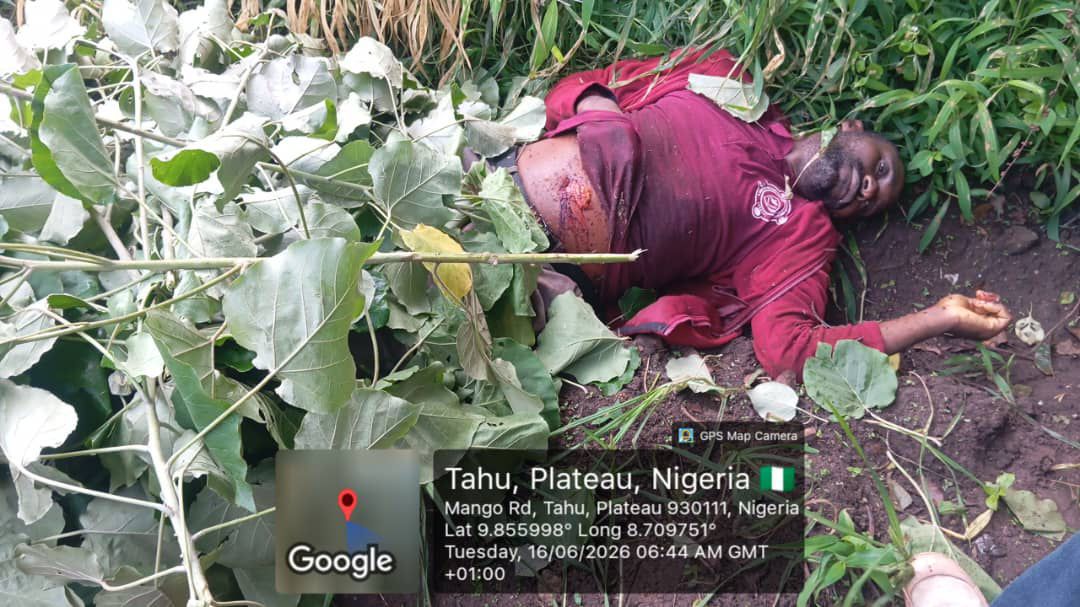
Troops of Operation Enduring Peace (OPEP), Sector 3, have discovered the body of a man with a gunshot wound in Dantanko community, Bassa Local Government Area of Plateau State.
Security sources said the troops responded at about 6:50 a.m. on June 16 following a report of a suspicious incident in the area.
On arrival, the troops reportedly found the corpse of a man identified as Mr. Emmanuel Agara, who was confirmed to have sustained a gunshot wound.
The area was immediately cordoned off by security personnel, while the body was evacuated for necessary procedures.
Authorities said investigations have commenced to determine the circumstances surrounding the death and to identify those responsible.
Security operatives have since intensified patrols in the general area to prevent any breakdown of law and order.
Troops Discover Corpse with Gunshot Wound in Plateau Community

Troops, TANTITA Operatives Recover 24,000 Litres of Illegally Refined AGO in Rivers Creek

Troops Raid Illegal Bunkering Site in Bayelsa, Recover Equipment, Stolen Products

Electoral Act 2026: A New Threat to Nigeria’s Democracy

Roger Federer’s Shock as DNA Results Reveal Myla and Charlene Are Not His Biological Children

THE PLIGHT OF FARIDA

FAILED COUP IN BURKINA FASO: HOW TRAORÉ NARROWLY ESCAPED ASSASSINATION PLOT AMID FOREIGN INTERFERENCE CLAIMS
-
 News2 years ago
Roger Federer’s Shock as DNA Results Reveal Myla and Charlene Are Not His Biological Children
-
Opinions4 years ago
THE PLIGHT OF FARIDA
-
 News1 year ago
FAILED COUP IN BURKINA FASO: HOW TRAORÉ NARROWLY ESCAPED ASSASSINATION PLOT AMID FOREIGN INTERFERENCE CLAIMS
-

 News2 years ago
EYN: Rev. Billi, Distortion of History, and The Living Tamarind Tree
-
 Opinions5 years ago
POLICE CHARGE ROOMS, A MINTING PRESS
-

 ACADEMICS2 years ago
A History of Biu” (2015) and The Lingering Bura-Pabir Question (1)
-

 Columns2 years ago
Army University Biu: There is certain interest, but certainly not from Borno.
-

 Politics1 year ago
2027: Why Hon. Midala Balami Must Go, as Youths in Hawul and Asikira/Uba Federal Constituency Reject ₦500,000 as Sallah Gift
