
Politics
APC receives over 50,000 defectors in Taraba


APC receives over 50,000 defectors in Taraba
The All Progressive Congress, APC on Friday says the party received over 50,000 defectors across rival People’s Democratic Party (PDP) and the All Progressives Grand Alliance (APGA) in Wukari, Taraba
According to the ruling party, a member of the National Board of Trustees of APC, Prof. Dalhatu Sangari, received the defectors at a grand ceremony in Wukari.
“The defectors came from the 52 political wards in the Southern Senatorial Zone of the state.” Sangari said adding that, “Today, a new chapter is opened in our great party here in Taraba.
“This occasion is a major milestone in the party’s efforts to take over leadership in the state as the defection was unprecedented and unique.
“With great pleasure, we receive more than 50,000 persons mostly from the ruling PDP and other political parties who have seen reasons to join ranks with the party of the future.
“The APC is the future. People with foresight don’t need to be told the direction to follow. That is why we are witnessing this phenomenal influx into the party today.” Sangari said
The party also called on politicians still struggling with issues in their party to have the courage to come over to the ruling party saying that there is space enough for all.
Read Also: Boko Haram: Borno plans to resettle all IDPs back home by December
“We have learnt our lessons from our previous outings and have put our house in order ready to take over power and deliver dividends of democracy to the people who have been denied this for too long now,” Sangari said.
One of the defectors, retired Gen. Adamu Ibrahim, said his decision to move to APC from the United Democratic Party (UDP) was because he was in APC initially and left because of perceived injustice.
Ibrahim said that as the leader of late Sen. Aisha Alhassan faction that left APC to join the UDP in 2019, he had collapsed the entire structure and membership of UDP.


Politics
Borno APC 2027: Betara’s Wisdom and Generosity Take Centre Stage at Campaign Council Inauguration

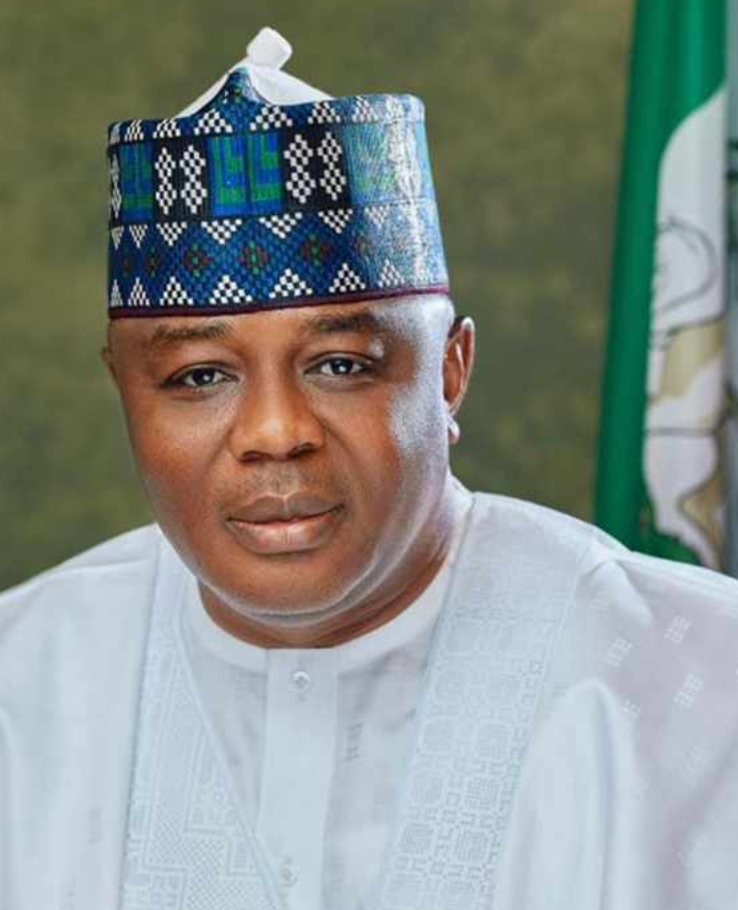
Borno APC 2027: Betara’s Wisdom and Generosity Take Centre Stage at Campaign Council Inauguration
By: Dr James Bwala
The inauguration of the Borno State APC 2027 Campaign Council was more than a political event. It was a demonstration of leadership, responsibility, and renewed commitment to the people. Among the most memorable moments was the speech delivered by Rt Hon. Muktari Betara Aliyu, member representing Biu, Kwaya Kusar, Bayo, and Shani Federal Constituency. His words of wisdom, practical counsel, and generous donations resonated deeply with the crowd, earning him a standing ovation and further strengthening his reputation as a compassionate and visionary leader.
Betara’s intervention came at a critical time. As the All Progressives Congress prepares for the 2027 elections, the party must do more than celebrate its past achievements. It must rebuild trust, reconnect with citizens, and mobilise support from the grassroots. Recognising this reality, Muktari Betara urged the newly inaugurated campaign council to return to the people, reconcile with those who feel neglected or disappointed, and restore confidence in the party’s leadership. His message was both timely and necessary.
Political campaigns are often conducted through rallies, promises, and publicity. However, successful campaigns are built on relationships with the people. The electorate wants to be heard, respected, and included in the political process. Betara’s advice to return to the grassroots reflects an understanding that political strength does not come only from party offices or public ceremonies. It comes from the confidence of ordinary citizens in villages, towns, wards, and local communities.
READ ALSO: https://newsng.ng/borno-apc-fires-up-2027-campaign-the-mandate-is-clear-deliver-the-numbers/
The campaign council, therefore, has a responsibility that goes beyond organising events. It must listen to the people and understand their concerns. It must identify those who are unhappy with the party and engage them honestly. It must address grievances, correct misunderstandings, and demonstrate that the APC remains committed to the welfare of the people. Reconciliation should not be treated as a political slogan. It must be pursued as a deliberate strategy for rebuilding unity and restoring confidence.
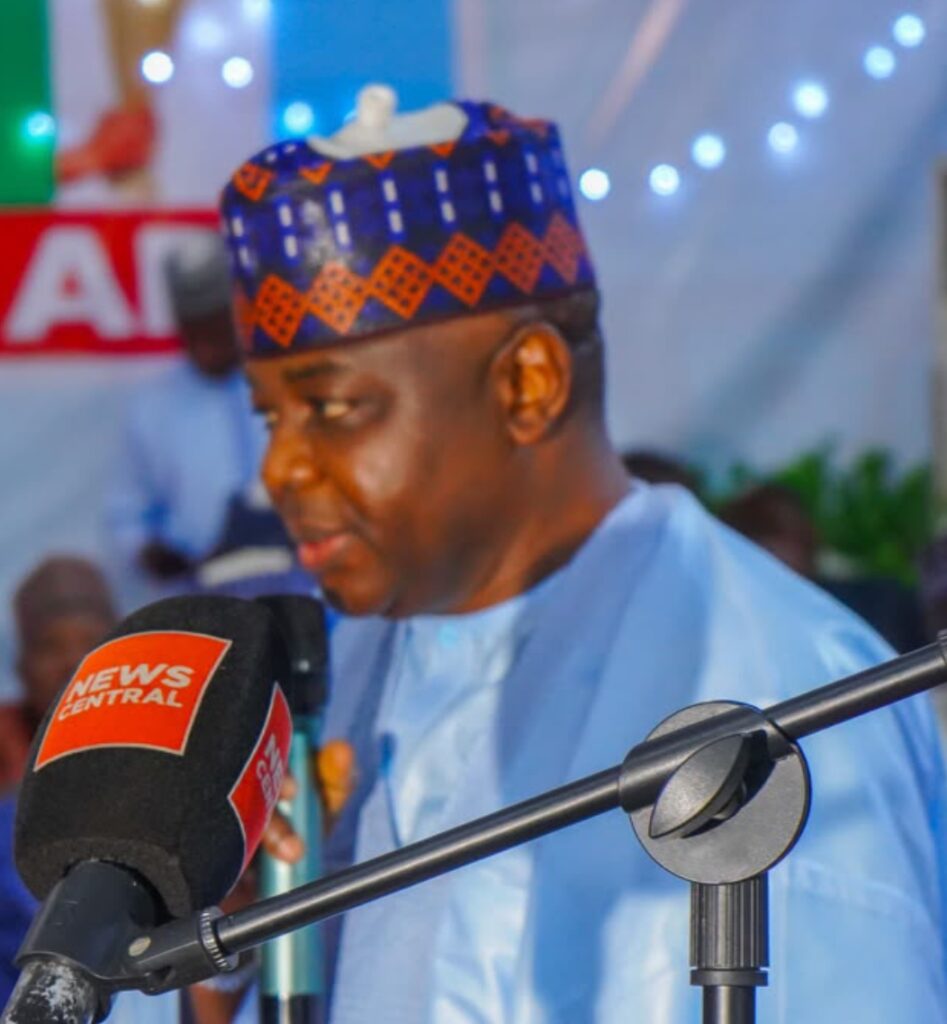
Betara’s call for reconciliation is especially important in a political environment where divisions can easily weaken a party. Political disagreements are normal, but they become dangerous when they are ignored. When party members feel excluded or abandoned, they may withdraw their support or work against the party’s interests. A responsible leadership must recognise these concerns and respond with humility. By urging the campaign council to reconcile with those who are hurting, Betara reminded the party that leadership requires patience, empathy, and the willingness to correct mistakes.
His advice also carried a broader message about collective responsibility. The 2027 election will not be won by one individual or one group alone. It will require the cooperation of party leaders, elected representatives, campaign officials, traditional institutions, youth groups, women’s organisations, community leaders, and ordinary party members. Every stakeholder has a role to play in building a strong and united campaign structure.
READ ALSO: https://newsng.ng/borno-apc-fires-up-2027-campaign-the-mandate-is-clear-deliver-the-numbers/
Betara specifically emphasised the need to bring back the numbers—not only for President Bola Ahmed Tinubu and Vice President Kashim Shettima, but also for the governorship aspiration of Engr. Mustapha Gubio and other candidates contesting elective offices. This perspective demonstrates a clear understanding of the importance of coordinated political support. A successful presidential campaign depends on strong local structures, just as the success of governorship and legislative candidates depends on the wider popularity of the party.
The APC must therefore approach the 2027 election as one united team. Support for the presidential ticket should go hand in hand with support for the governorship candidate and candidates for the National Assembly and State Houses of Assembly. Where party members work at cross-purposes, the party’s overall strength is reduced. But where all candidates and supporters share a common purpose, the party becomes more organised, more persuasive, and more capable of mobilising voters.
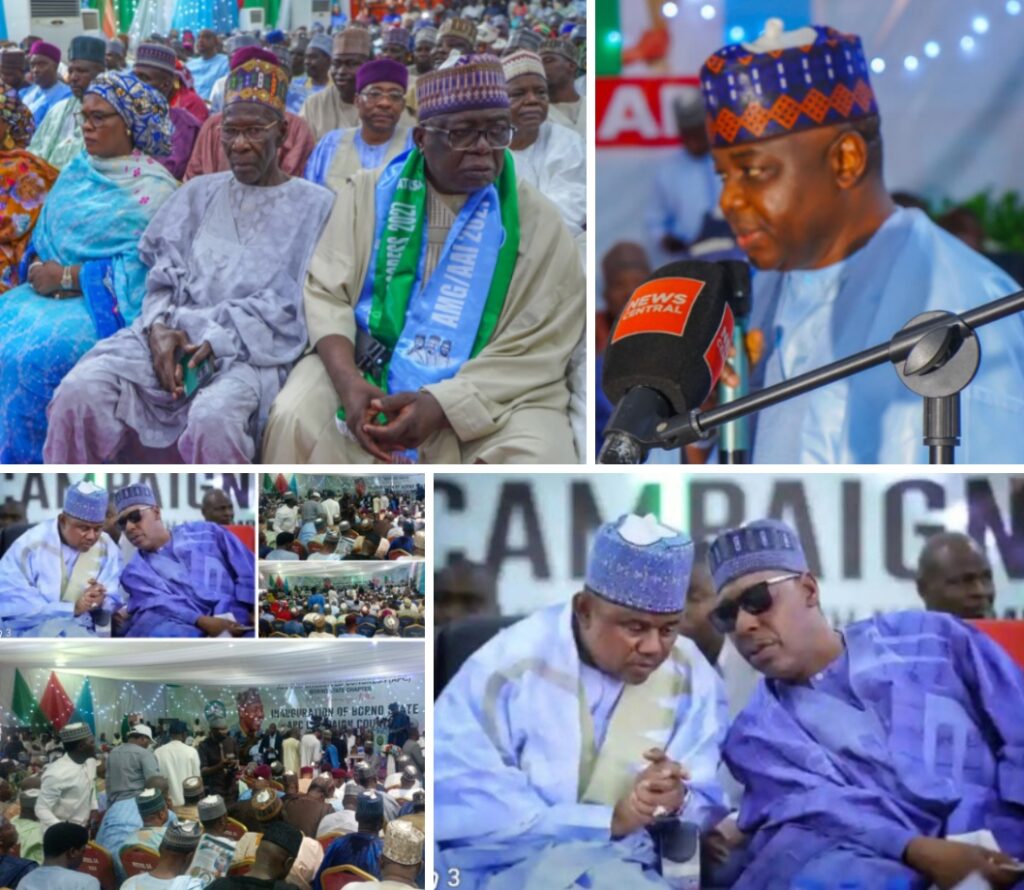
Betara’s contribution to the event went beyond words. His donation of fifty million naira each to support the campaign effort of contestants for the House of Representatives was a powerful demonstration of personal commitment to both the party and the people. At a time when political campaigns require substantial resources, such a donation can provide meaningful support for mobilisation, logistics, communication, and engagement with communities. More importantly, the donation conveyed a message: leaders must be prepared to invest in the causes they publicly support.
READ ALSO: https://newsng.ng/borno-apc-fires-up-2027-campaign-the-mandate-is-clear-deliver-the-numbers/
His additional donation of twenty million naira each to members seeking reelection to the State House of Assembly was equally significant. Those seeking reelection often face serious financial and organisational challenges. They must defend their records, maintain contact with constituents, and compete in a demanding political environment. By extending support to his colleagues, Betara showed that leadership is not merely about securing one’s own position. It is also about helping others succeed when their success contributes to the strength of the party and the development of the community.
The reaction of the crowd reflected the impact of his gesture. The donation was greeted with a roar, demonstrating that the people appreciated not only the amount involved but also the spirit behind it. In an era when many citizens are increasingly sceptical of political promises, concrete assistance can make a powerful impression. Betara’s donation was viewed as an example of practical leadership—one that transforms public declarations into measurable action.
However, the significance of Betara’s gesture should not be reduced to its monetary value. The deeper importance lies in the principle it represents. Political leadership should be about service, solidarity, and responsibility. A leader who supports colleagues, encourages unity, and responds to the needs of the people creates confidence within the political family. Such leadership inspires loyalty not through coercion, but through trust and goodwill.
Betara’s calm resolve also distinguished him. He did not present himself as a man seeking personal praise. Instead, he focused on the broader task of strengthening the party and supporting his colleagues. His approach was measured, respectful, and purposeful. In a political culture often characterised by confrontation and self-promotion, this calm disposition sends an important message. Effective leadership does not always require loud declarations. Sometimes, it is expressed through thoughtful advice, generosity, and consistent action.
READ ALSO: https://newsng.ng/borno-apc-fires-up-2027-campaign-the-mandate-is-clear-deliver-the-numbers/
This explains why his intervention has continued to attract attention across Borno State and on social media platforms. Many people have described him as a pride and hero of the people because they see in him a combination of representation, compassion, and political maturity. His popularity is connected not only to the office he occupies but also to the manner in which he uses his influence. A representative becomes truly respected when constituents and colleagues perceive that he is accessible, dependable, and willing to share both opportunities and responsibilities.
The enthusiasm surrounding Betara should also encourage other political leaders to reflect on the standards expected of public officeholders. Citizens want leaders who understand their struggles and are willing to act. They want representatives who can provide direction during difficult moments and build bridges when disagreements emerge. They expect leaders to defend the interests of their communities while contributing to the development of the wider political system.
At the same time, the campaign council must ensure that Betara’s message is translated into a clear and sustained programme of action. Returning to the grassroots should involve regular consultations with communities, transparent engagement with party members, and deliberate efforts to include groups that may feel marginalised. Reconciliation should be supported by genuine dialogue, not merely temporary political arrangements. The people must see evidence that their concerns are being taken seriously.
READ ALSO: https://newsng.ng/borno-apc-fires-up-2027-campaign-the-mandate-is-clear-deliver-the-numbers/
The council should also develop a communication strategy that explains the party’s achievements, acknowledges areas where improvement is needed, and presents a credible vision for the future. Voters are more likely to support a political organisation that speaks honestly and offers practical solutions. Campaign messages should address issues such as security, education, healthcare, employment, agriculture, infrastructure, and economic opportunity. Mobilisation without substance may generate temporary excitement, but sustainable support requires trust in the party’s plans and leadership.
In addition, party leaders must recognise the importance of young people and women in the 2027 election. These groups represent a substantial part of the electorate and should not be treated merely as instruments of campaign mobilisation. They should be involved in decision-making, given meaningful responsibilities, and supported in their political ambitions. A campaign council that is inclusive, organised, and responsive will be better positioned to connect with the electorate.
Betara’s donation to candidates seeking reelection also highlights the importance of continuity in representation. Legislators who have served their constituents effectively deserve the opportunity to present their records and seek renewed mandates. Their experience can contribute to stability and stronger legislative performance. Nevertheless, reelection should always be accompanied by accountability. Candidates must return to the people, explain what they have achieved, acknowledge shortcomings, and present realistic plans for the future.
READ ALSO: https://newsng.ng/borno-apc-fires-up-2027-campaign-the-mandate-is-clear-deliver-the-numbers/
Ultimately, the standing ovation Betara received was a response to more than a speech or a financial contribution. It was an expression of public appreciation for leadership that combines words with action. His counsel addressed the political needs of the moment, while his donations demonstrated personal commitment to the success of the party and its candidates. Together, these actions created a powerful impression among the people of Borno.
The 2027 election will require unity, discipline, organisation, and a sincere connection with the electorate. The APC cannot depend solely on incumbency, past victories, or political structures. It must earn the confidence of the people again and again. Betara’s message provides a useful roadmap: return to the grassroots, reconcile with the dissatisfied, support one another, and mobilise collectively for all candidates.
If the campaign council follows this direction, the party will be better prepared to secure support for President Tinubu and Vice President Shettima, advance the governorship ambition of Engr. Mustapha Gubio, and promote its candidates for the National Assembly and State Houses of Assembly. More importantly, it will demonstrate that political leadership can be guided by responsibility, compassion, and service.
READ ALSO: https://newsng.ng/borno-apc-fires-up-2027-campaign-the-mandate-is-clear-deliver-the-numbers/
Betara’s conduct at the inauguration has therefore set an important example. His words challenged the party to reconnect with the people, while his generosity challenged leaders to support one another.
* James Bwala, PhD, writes from Maiduguri.
Borno APC 2027: Betara’s Wisdom and Generosity Take Centre Stage at Campaign Council Inauguration
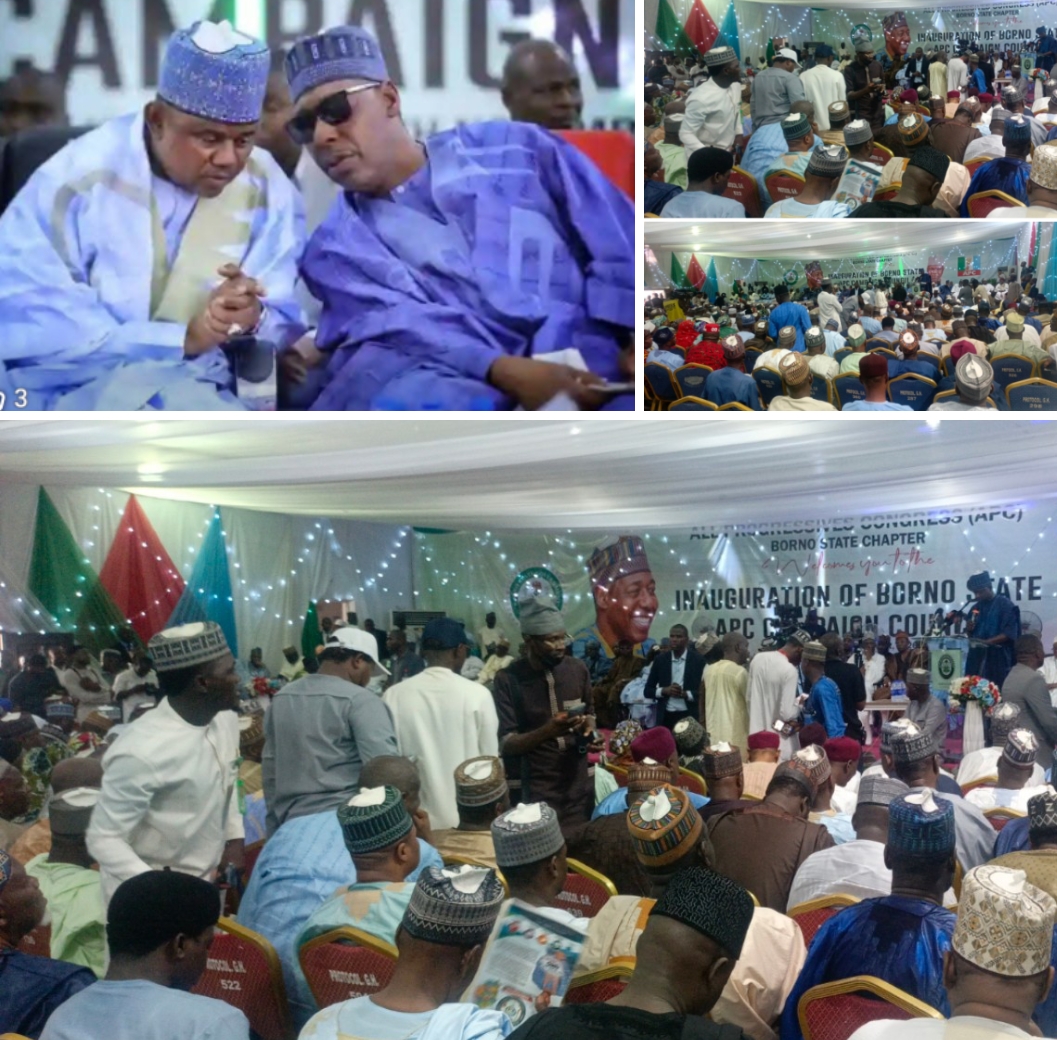
Borno APC Fires Up 2027 Campaign: The Mandate Is Clear—Deliver the Numbers!
By: Dr James Bwala
The 2027 election presents Borno State with an important responsibility and a historic opportunity. It is a moment for the people, leaders, and supporters of the governing political movement to return to the grassroots, rebuild trust, strengthen unity, and deliver decisive electoral support for all the party’s candidates. From President Bola Ahmed Tinubu to Vice President Kashim Shettima, Engineer Mustapha Gubio, and candidates contesting the least office, Borno must once again demonstrate that its political strength is rooted in the people.
This responsibility was clearly expressed at the launch of the Borno State Campaign Council. Speakers, including former governor of Borno State Senator Maaji Lawan, Governor Professor Babagana Umara Zulum, Senator Monguno, Honourable Betsra Aliyu, Ali Bukar Dalori, Senator Monguno, Deputy governor, Kadafur and other party leaders, spoke with one voice to more than 300 members of the council. Their message was clear and persuasive: the campaign must reconnect with the grassroots, repair relationships, address existing wounds, and educate the public on the significance of the 2027 elections.
The formation of the campaign council is therefore more than a ceremonial political event. It serves as a call to action for service. It is an organized effort to reconnect the party with communities, families, traditional institutions, religious leaders, women, young people, professionals, farmers, traders, and all other groups that make up Borno State. The council has been established to deliver on a mandate, and that mandate can only be achieved through sincerity, discipline, consultation, and hard work.
Borno’s political importance cannot be separated from its history. For years, the state has faced severe challenges, including insecurity, displacement, economic hardship, and the disruption of public services. Yet the people of Borno have shown remarkable courage and resilience. They have continued to work, rebuild their communities, and participate in democratic processes despite difficult circumstances. Their endurance deserves leadership that listens to them, respects their sacrifices, and communicates with them honestly.
That is why the 2027 campaign must not be built solely around rallies, posters, and public declarations. Those activities have their place, but they cannot replace genuine engagement. The campaign must be taken to every ward, polling unit, village, settlement, and community. It must be driven by conversations, visits, meetings, and practical explanations of what is at stake. The people should not merely be asked to vote; they should be informed about the candidates, the programs of government, and the reasons their participation matters.
The call to return to the grassroots is particularly important because political success is ultimately determined by voters at the grassroots. The people who queue at polling units are not abstract numbers. They are citizens with real concerns, expectations, and experiences. They want security, roads, schools, healthcare, jobs, agricultural support, water, electricity, and opportunities for their children. They want representatives who will speak for them and leaders who will remain accessible after elections. A successful campaign must therefore be built on respect for the people and an understanding of their daily realities.
Mending fences is another essential part of the task before the campaign council. No political organization can achieve its full potential when disagreements, grievances, and misunderstandings are allowed to grow. Politics naturally produces differences of opinion, but disagreements should not become permanent divisions. Leaders and supporters must be willing to forgive, reconcile, and work together in the larger interest of Borno State.
The council should create opportunities for consultation among party leaders, elected officials, former officeholders, aspirants, youth organizations, women’s groups, and community representatives. Those who feel ignored should be heard. Those who have concerns should be engaged respectfully. Those who have withdrawn should be invited back. Unity does not mean that every individual will agree on every issue. It means that members are prepared to place the collective interest above personal disappointment.
The responsibility for reconciliation belongs to everyone, but it is especially important for political leaders. Senior leaders must demonstrate maturity, restraint, and fairness. They must avoid statements that deepen divisions or create unnecessary suspicion. They must encourage supporters to disagree without insult and to compete without destroying relationships. The people are watching, and they will respond positively to a campaign that reflects unity, dignity, and confidence.
Healing wounds is closely connected to mending fences. In every political organization, there may be people who feel disappointed, marginalized, or hurt by past events. Some may believe that their efforts were not recognized. Others may have lost confidence because of broken promises or internal conflicts. These concerns cannot simply be dismissed. They must be acknowledged and addressed through engagement.
Healing does not mean pretending that problems never existed. It means confronting them honestly and choosing the path of reconciliation. It means making room for people who may have stood on different sides of past disagreements. It means understanding that political movements become stronger when they welcome contributions from different perspectives. A campaign that wants to win broad support must first demonstrate that it is capable of treating its own members with fairness and respect.
The campaign council also has an important duty to explain the significance of the 2027 election. Voters must understand that the election will determine the direction of government at the federal, state, and local levels. It will influence the continuation of programs, the implementation of development plans, and the representation of Borno’s interests. It is therefore necessary to present a clear and convincing message about the record, priorities, and future plans of the candidates.
Support for President Bola Ahmed Tinubu and Vice President Kashim Shettima must be communicated through a message that connects with the people. The campaign should explain the administration’s policies, acknowledge the difficulties citizens face, and present a realistic account of the reforms being implemented. Political communication must not rely only on slogans. It should be based on facts, clarity, and empathy. Where challenges remain, the campaign should not deny them. Instead, it should explain how the administration intends to address them and why continuity and stability are important.
The same approach should apply to Engineer Gubio and all other candidates seeking elective office. Every candidate must be presented as a representative who understands the needs of the people and is prepared to serve with integrity. The campaign should not focus exclusively on personalities. It should also communicate the vision, competence, and responsibilities attached to each office. Voters deserve to know what candidates stand for and what they intend to accomplish.
The campaign council must also pay special attention to young people. Borno’s youth are energetic, intelligent, and politically influential. They are active on social media, in community organizations, and in local mobilization efforts. However, they also face serious challenges, including unemployment, limited access to education and skills, economic uncertainty, and the consequences of insecurity. A serious campaign must listen to their concerns and include them not merely as crowd organizers but as partners in political leadership.
Women must likewise be central to the campaign strategy. Women play a major role in families, communities, markets, education, and social development. Their networks and influence reach deeply into the grassroots. Campaign activities should provide women with opportunities to participate meaningfully in decision-making, mobilization, and communication. Their concerns should be reflected in the party’s programs, particularly in areas such as healthcare, education, economic empowerment, and protection for vulnerable families.
Traditional and religious leaders also have a valuable role to play. Their influence can help promote peaceful participation, responsible communication, and social cohesion. The campaign council should engage them respectfully and avoid turning political competition into conflict within communities. Elections should be conducted as democratic contests, not as reasons for division or violence. Every leader and supporter has a duty to promote peace before, during, and after the election.
Effective grassroots mobilization will require organization. The 300-plus members of the Borno State Campaign Council must understand their assignments and work according to a coordinated plan. Each local government area, ward, and polling unit should have clear structures, responsible officers, and measurable objectives. The council should maintain accurate records, monitor engagement, and identify areas where additional attention is required.
Communication must be consistent. Mixed messages can create confusion and weaken public confidence. Campaign officials should receive accurate information and communicate in language that people understand. In many communities, this will require the use of local languages and culturally appropriate forms of engagement. The campaign should also take advantage of modern communication platforms while remembering that personal contact remains extremely important.
Above all, the council must conduct its work with humility. Electoral victory should never be treated as an entitlement. It must be earned through service, persuasion, and trust. The people of Borno have the right to ask questions and demand accountability. They should not be insulted or taken for granted because of their previous support. Their votes are an expression of confidence, and that confidence must be respected.
The words spoken at the launch of the campaign council have therefore established a clear direction. Go back to the grassroots. Mend fences. Heal wounds. Explain the issues. Unite the people. Mobilize peacefully. Deliver the numbers. These are not empty political phrases. They are practical instructions for winning an election and strengthening the relationship between leaders and citizens.
Borno has the capacity to deliver a strong mandate for President Tinubu, Vice President Shettima, Engineer Gubio, and all candidates of the party. But that outcome will depend on the seriousness with which the campaign council performs its responsibility. Victory will not come from expectation alone. It will come from the combined efforts of leaders, organizers, volunteers, and supporters who are prepared to work patiently in every community.
The 2027 Borno Campaign Council has been created to deliver on this mandate. Its success will be measured not only by the size of rallies or the number of public endorsements but also by the strength of its grassroots network, the quality of its engagement, and the confidence it inspires among voters. If the council remains united, disciplined, and focused, it can transform political support into actual votes.
Borno must once again speak with one voice—not a voice imposed. The state is strategic, and the 2027 election is important because we have our son as the vice president.
- James Bwala, PhD, writes from Maiduguri.
Borno APC Fires Up 2027 Campaign: The Mandate Is Clear—Deliver the Numbers!
Politics
Building Beyond His Tenure: Why Zulum’s Transformative Footprints Will Outlive His Government
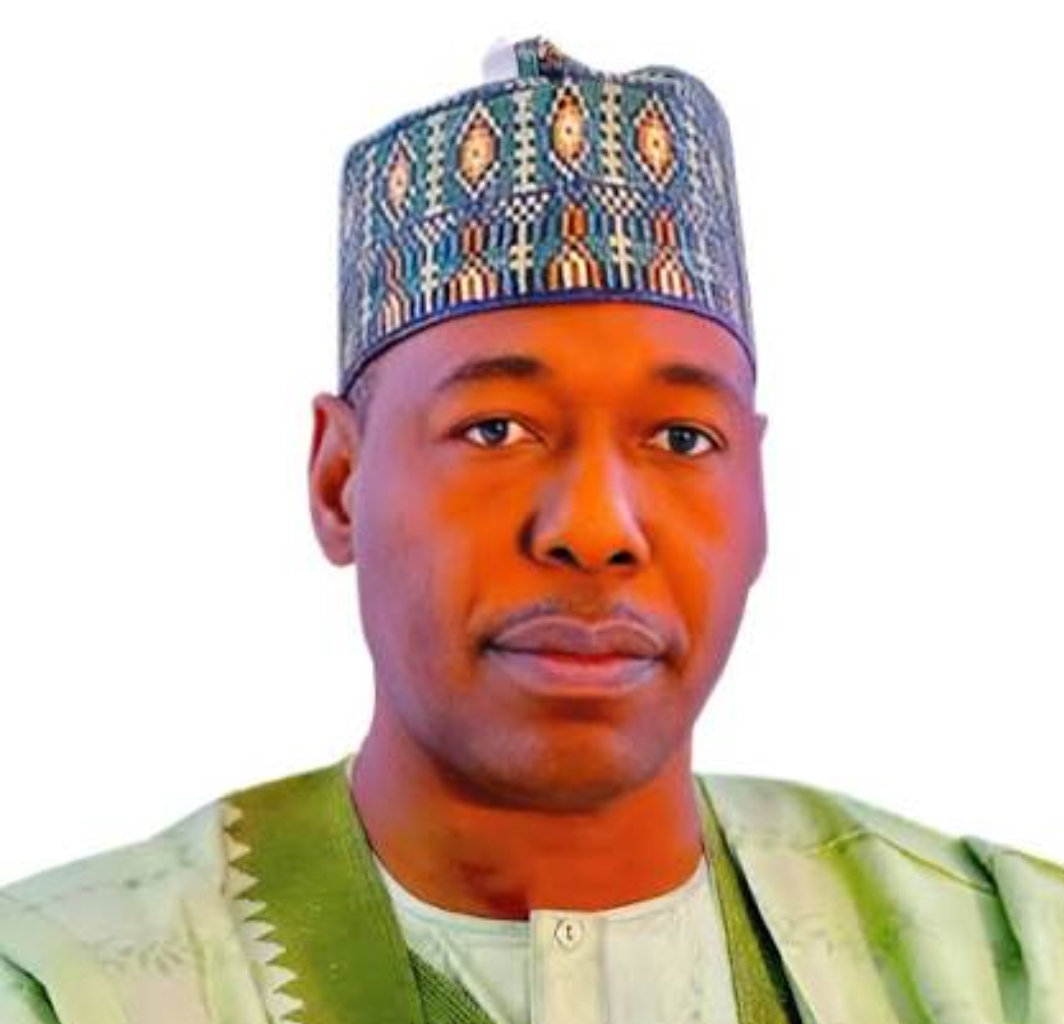
Building Beyond His Tenure: Why Zulum’s Transformative Footprints Will Outlive His Government
By: Dr. James Bwala
Public leadership is often criticized. In a democratic society, citizens have the right to question government policies, challenge official decisions, and demand accountability from those entrusted with public resources. Such scrutiny is not only legitimate but necessary. However, criticism becomes destructive when it is driven by personal hostility, political bitterness, misinformation, or the use of unprintable names against public officials. In the case of Professor Babagana Umara Zulum, Governor of Borno State, the intensity of some attacks cannot erase the visible transformation taking place across the state.
Regardless of the negative opinions expressed by certain individuals, one fact remains difficult to dispute: Governor Zulum’s administration has made significant investments in healthcare, education, roads, bridges, flyovers, reconstruction, human capital development, and the restoration of hope among citizens affected by years of insecurity. These accomplishments are not merely political claims or campaign slogans. They are physical and institutional developments that can be seen, assessed, used, and remembered. While political arguments may fade with time, projects that improve people’s lives often become enduring evidence of a leader’s contribution to society.
Borno State has faced extraordinary challenges. For more than a decade, the state has endured terrorism, displacement, destruction of public infrastructure, economic disruption, and the trauma of communities separated from their homes. In such an environment, governance requires more than routine administration. It demands courage, vision, compassion, and the ability to rebuild amid uncertainty. Governor Zulum inherited a state in which many citizens were not only seeking employment or better roads but also struggling to return safely to their communities, access healthcare, educate their children, and rebuild their livelihoods.
The scale of these challenges makes the progress recorded under his administration especially important. Leadership should be judged within context. It is reasonable to ask whether every problem has been solved, because no administration can solve all problems at once. However, it is unfair to ignore meaningful progress simply because difficulties remain. The existence of unfinished work does not invalidate completed work. Instead, it emphasizes the value of continuity, constructive criticism, and collective responsibility.
One of the most important areas in which Governor Zulum’s administration has made an impact is healthcare. In a state affected by conflict and displacement, healthcare is not a luxury; it is a basic necessity and a foundation for survival and recovery. Hospitals and primary healthcare centers require buildings, equipment, medicines, trained personnel, and reliable access for rural populations. The administration’s efforts to improve healthcare infrastructure and expand access demonstrate an understanding that rebuilding Borno must include rebuilding its health system.
Renovated and newly constructed health facilities provide citizens with a closer and safer means of receiving treatment. They also support maternal and child healthcare, emergency services, disease prevention, and general medical care. In communities where people previously travelled long distances to seek treatment, the presence of functional healthcare centers can make the difference between life and death. Such projects may not always attract the same public attention as political speeches, but their effect on families is profound.
Healthcare development also contributes to the return and resettlement of displaced persons. People are more likely to return to their communities when they know that essential services are available. A rebuilt community without hospitals, schools, roads, and clean water cannot easily become a stable home. Therefore, investment in healthcare forms part of a broader strategy for peacebuilding and recovery. It restores not only buildings but also confidence in the future.
Education is another area in which the governor’s contribution deserves recognition. No society can achieve sustainable development without educating its children and young people. In Borno, years of insurgency disrupted schooling, destroyed educational facilities, displaced teachers, and forced thousands of children out of the classroom. Addressing this crisis requires the construction and rehabilitation of schools, the recruitment and training of teachers, the provision of learning materials, and policies that encourage children to return to school.
Governor Zulum’s emphasis on education reflects the understanding that insecurity thrives where ignorance, poverty, and hopelessness are allowed to grow. Every classroom restored is an investment in peace. Every child brought back to school represents a reduction in the risk of a lost generation. Education equips young people with knowledge, skills, discipline, and the ability to contribute positively to society. It also gives families a reason to believe that their children can build lives beyond conflict and displacement.
The importance of educational development cannot be measured only by the number of buildings constructed. Its deeper value lies in the opportunities it creates. Schools shape future teachers, doctors, engineers, civil servants, entrepreneurs, and community leaders. Years from now, many people who benefit from today’s educational investments may occupy positions that influence Borno and Nigeria as a whole. When that happens, the facilities and policies that helped them will remain part of the state’s historical story.
Infrastructure is another visible area of transformation. Good roads connect communities, support commerce, reduce transportation costs, improve access to schools and hospitals, and strengthen security operations. In a state with vast rural areas and communities affected by conflict, road construction and rehabilitation are essential to economic recovery. Farmers need roads to transport produce to markets. Patients need roads to reach hospitals. Students and teachers need reliable routes to schools. Businesses need efficient transportation networks to grow.
The development of roads, bridges, and flyovers represents more than the construction of concrete and asphalt. It reflects the restoration of movement, connection, and confidence. A well-designed road can reconnect communities that were previously isolated. A bridge can open access to markets and social services. A flyover can improve traffic flow, reduce congestion, and modernize an urban environment. These projects may be criticized on the basis of design, cost, or priority, and such questions should be answered transparently. Nevertheless, their practical benefits should not be dismissed merely because some people oppose the governor politically.
Urban development also sends a powerful message about the identity of Borno State. For years, public discussion about Borno was dominated by insecurity and destruction. While the security situation remains a serious concern, the development of roads, flyovers, public buildings, and other infrastructure presents a different image: a state determined to rebuild and move forward. Development does not mean pretending that problems no longer exist. Rather, it means refusing to allow those problems to define the state permanently.
Another notable aspect of Governor Zulum’s administration is the focus on reconstruction and the return of displaced persons. Displacement is not solved simply by transporting people back to their communities. Returnees require housing, security, schools, healthcare, water, electricity, roads, and economic opportunities. They need to feel that their return is not temporary or unsafe. The rebuilding of communities therefore demands coordination, patience, and sustained investment.
By supporting reconstruction and resettlement, the administration has contributed to restoring dignity to people who were forced to leave their homes. A house is more than a structure; it is a place of belonging. A community is more than a collection of buildings; it is a network of relationships, memories, markets, schools, and places of worship. Rebuilding these communities helps heal the psychological and social wounds caused by conflict.
Of course, no responsible assessment should portray the administration as perfect. Borno still faces security challenges, unemployment, poverty, humanitarian needs, and demands for greater accountability. Public officials must remain open to criticism and must explain how public funds are spent. Projects should be completed according to quality standards, and citizens should be able to ask legitimate questions without intimidation. Constructive criticism strengthens governance, while blind praise can conceal weaknesses.
However, criticism must be distinguished from abuse. Calling a public official unprintable names does not constitute a meaningful evaluation of policy. Insults do not improve hospitals, repair roads, educate children, or create employment. They merely lower the quality of public discourse. Those who disagree with the governor should present evidence, propose alternatives, and identify areas requiring improvement. Political opposition has value when it helps government perform better; it becomes harmful when it seeks only to destroy reputations and deny visible achievements.
The ultimate test of leadership is not whether everyone offers praise. No leader can satisfy every individual or group. The more important question is whether policies produce meaningful results for ordinary people. Are communities receiving services? Are schools being restored? Are roads improving movement? Are hospitals becoming more accessible? Are displaced families returning with greater dignity and hope? Are young people gaining opportunities? These are the questions that history will ask.
History is not written only through social media arguments, political slogans, or temporary controversies. It is written through institutions, infrastructure, public records, human experiences, and the memories of citizens. A person who receives medical attention in a renovated facility may remember the administration differently from someone who only follows political debates online. A student who returns to a rebuilt school may understand the value of government investment in a deeply personal way. A farmer who transports produce more easily because of an improved road may care less about insults and more about practical results.
This is why Governor Zulum’s transformative works will remain relevant beyond the present political moment. Governments change, politicians come and go, and public arguments eventually lose their urgency. But schools continue to educate children, hospitals continue to serve patients, roads continue to connect communities, and flyovers continue to shape urban movement. These physical and social assets become part of the permanent development record of the state.
The people of Borno therefore have a responsibility to protect the gains made and demand even greater progress. Development should not be treated as the personal property of one political party or one individual. Public projects belong to the people. Citizens should use them responsibly, monitor their quality, and insist that future administrations build upon them rather than abandon them. In the same way, supporters of the governor should avoid responding to criticism with abuse. The strongest defense of good governance is evidence, not aggression.
* James Bwala, PhD, writes from Abuja
Building Beyond His Tenure: Why Zulum’s Transformative Footprints Will Outlive His Government

Borno APC 2027: Betara’s Wisdom and Generosity Take Centre Stage at Campaign Council Inauguration

NDLEA Arrests Ugandan Woman with Cocaine Concealed in Private Parts, Uncovers Multi-Billion-Naira Drug Cartels

Troops Foil Kidnap Attempt, Rescue Gunshot-Wounded Victim in Plateau

Roger Federer’s Shock as DNA Results Reveal Myla and Charlene Are Not His Biological Children

THE PLIGHT OF FARIDA

FAILED COUP IN BURKINA FASO: HOW TRAORÉ NARROWLY ESCAPED ASSASSINATION PLOT AMID FOREIGN INTERFERENCE CLAIMS
-
 News3 years ago
Roger Federer’s Shock as DNA Results Reveal Myla and Charlene Are Not His Biological Children
-
Opinions5 years ago
THE PLIGHT OF FARIDA
-
 News2 years ago
FAILED COUP IN BURKINA FASO: HOW TRAORÉ NARROWLY ESCAPED ASSASSINATION PLOT AMID FOREIGN INTERFERENCE CLAIMS
-
 Opinions5 years ago
POLICE CHARGE ROOMS, A MINTING PRESS
-

 News3 years ago
EYN: Rev. Billi, Distortion of History, and The Living Tamarind Tree
-

 ACADEMICS3 years ago
A History of Biu” (2015) and The Lingering Bura-Pabir Question (1)
-

 Columns3 years ago
Army University Biu: There is certain interest, but certainly not from Borno.
-

 Politics1 year ago
2027: Why Hon. Midala Balami Must Go, as Youths in Hawul and Asikira/Uba Federal Constituency Reject ₦500,000 as Sallah Gift
