
News
Inna lillahi wa inna ilaihin raji’un. Professor Umar Shehu just passed away at Maiduguri. May Allah SWT forgive his shortcomings

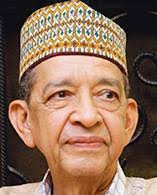
Inna lillahi wa inna ilaihin raji’un. Professor Umar Shehu just passed away at Maiduguri. May Allah SWT forgive his shortcomings
PROF UMARU SHEHU :
Abstract:
Professor Umaru Shehu is a Nigerian Professor of Medicine and former Vice Chancellor of the University of Nigeria, Nsukka. He is a Professor Emeritus, Community health, University of Maiduguri and former President of the Nigerian Academy of Science. Professor Umaru received a Bachelor of Medicine degree, MBBS from the University of London. He also received a fellowship of the Institute of Cancer Research and he is the editor-in-chief of the British Medical Journal.
Full History:
Professor Umaru Shehu was born on December 8, 1930 in Maiduguri, Nigeria. He attended Elementary School, Maiduguri 1935-1940; Middle School, Maiduguri 1941-1943; Kaduna College, Kaduna 1944-1947; University College Ibadan 1948-1953; and was at the University of Liverpool between 1953-1956, and 1966-1967. Professor Shehu holds MBBS (London), IRCF (London), MRCS (England), DPH (Liverpool), FMCPH, MFCM, FFCM (UK), FFCM (Nigeria), FAS, FWACP, DFMC (Nigeria).
Professor Shehu started working as a Pre-registration House Surgeon, Southport Infirmary, United Kingdom in 1957. He came back to the Government of Northern Nigeria as Pre-registration House Physician that same year, and was promoted Medical Officer 1957-1963; Senior Medical Officer 1963-1965; Principal Medical Officer 1965-1966; Assistant Chief Medical Officer 1966-1967; Chief Medical Officer (Preventive Services Division) 1967-1968.
Professor Shehu was then redeployed to North-Eastern State as Permanent Secretary of the Ministry of Health and Chief Medical Officer, an offer he declined only to move on to Ahmadu Bello University to take up appointment as Reader and Acting Head of Department of Community Medicine 1968-1970; Deputy Dean, Faculty of Medicine 1968-1970; Acting Director, Institute of Health 1969-1970; Professor of Community Medicine 1970; Head of Department of Community Medicine 1970-1978; Director, Institute of Health 1970-1977; Deputy Vice Chancellor 1975-1976; Pro Vice Chancellor (Academic) 1977-1978.Professor Shehu held visiting professorships in various universities, including the School of Medicine, University of North Carolina at Chapel Hill, USA 1976-1977.
He was appointed Vice Chancellor, University of Nigeria, Nsukka 1978-1980. He also worked with the World Health Organization as Short Term Consultant (Working Group on Health Services and Manpower Development Mechanism) in Geneva, September 1970; Appointed Temporary Adviser, October 1970; Short Term Consultant, 1971-1973; Consultant (Technical Discussions), 24th WHO Regional Committee for Africa 1974; National WHO Program Coordinator/Representative in Nigeria 1980-1985; Director, WHO Sub-Regional Health Development Office 111, 1985-1989; WHO Representative to Ethiopia, 1990.At the University of Maiduguri, Professor Shehu was appointed Honorary Consultant Physician since 1991 to date, and became Professor Emeritus in 2000.
He was also the Provost of the College of Medical Sciences 1991-1993; and Sole Administrator of the University of Maiduguri 1993-1994. At the University College Hospital Ibadan, he was the Chairman, Board of Management 1991-1994. At Bayero University, Kano, he was Pro-Chancellor and Chairman Governing Council 1993-1996, and also Pro-Chancellor and Chairman Governing Council of the University of Lagos 1996-1999.He has held memberships and offices in several committees, councils, panels and commissions at both national and international levels.
He was President of Medical Schools in Africa 1973-1975; and External Examiner in Public Health at the University of Ghana Medical School. He is the current Chairman Board of Governors of the STOPAIDS organization; Chairman Governing Board of the National Agency for the Control of AIDS (NACA); Patron Guild of Medical Directors; Patron Nationwide Network for Health; Patron Nigerian Medical Forum of Great Britain and Ireland; Patron Nigerian Institute of Stress; Trustee National Foundation on VVF; Member Board of Trustees, Nigerian Tuberculosis and Leprosy Association; Member Editorial Board, West African Medical Journal; Consulting Editor, the Nigerian Medical Practitioner; Editorial Adviser, the Nigerian Postgraduate Medical Journal; Joint Editor-in-Chief, British Medical Journal (West Africa) Edition.
Apart from holding active memberships of Professional bodies as the Nigerian Medical Association, The Society of Health (Nigeria), Science Association of Nigeria, Association of Community Physicians of Nigeria, and the Nigerian Academy of Science, Professor Shehu is also a Foundation Fellow of the National Postgraduate Medical College of Nigeria; Foundation Fellow of the West African College of Physicians; Foundation Fellow of the Nigerian Academy of Science; and Foundation Fellow of the Faculty of Community Medicine (Nigeria).
Professor Umaru Shehu is mentioned in Who is Who in the world; Men of Achievement; Dictionary of International Biography; Africa Year Book 1977—Who is Who in Africa; Who is Who in Nigeria; and A Dictionary of African Biography.
He holds Honorary Doctor of Science Degrees of Ahmadu Bello University, Zaria and the University of Nigeria, Nsukka. In 1979, the Government of Nigeria awarded him the Commander of the Order of the Niger (CON), and in 2000 he was awarded the Commander of the Federal Republic (CFR).
He is married with children.
Final Words:
I wish to say thank you all for reading this and my other previous articles and posts. At this point I would like to use this opportunity to thank everybody and With this I conclude my final postings on Facebook today 10/11/2016.
In case you need me for any positive response to a critical question just click here: Ali Alhaji and leave a message.
Good bye all and remain very blessed.
Yours faithfully
Inna lillahi wa inna ilaihin raji’un. Professor Umar Shehu just passed away at Maiduguri. May Allah SWT forgive his shortcomings


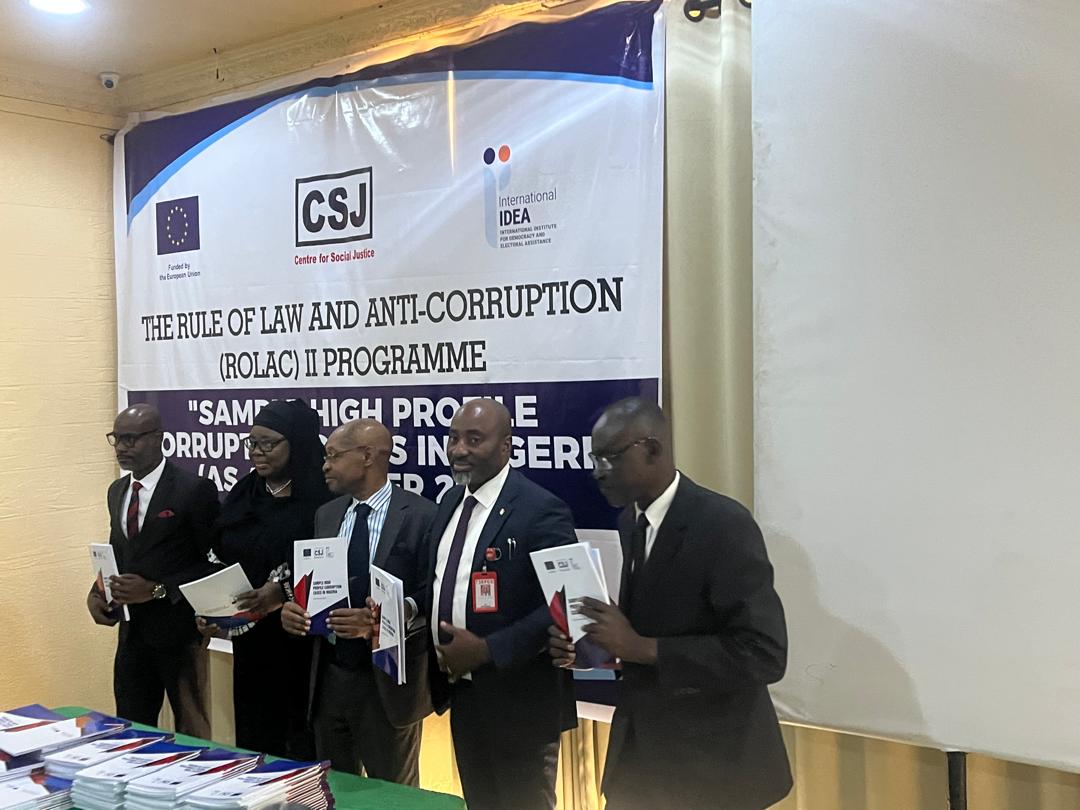
30 HIGH-PROFILE CORRUPTION CASES EXPOSE JUSTICE SYSTEM FAILURES, STALLING ACCOUNTABILITY
…NBA, CCB, Law Reform Commission demand reforms as publication identifies delays, weak prosecution, opaque plea bargaining
By: Michael Mike
A review of 30 high-profile corruption cases pending before Nigerian courts has exposed deep-rooted institutional and procedural weaknesses undermining the country’s anti-corruption campaign, prompting the Nigerian Bar Association (NBA), Code of Conduct Bureau (CCB) and Nigerian Law Reform Commission to demand urgent reforms of the justice system.
The review, contained in a publication titled “Sample High Profile Corruption Cases in Nigeria (As at October 2026),” produced by the Centre for Social Justice (CSJ), examines the progress of high-profile corruption trials across Nigerian courts and cases pending before the Code of Conduct Tribunal.
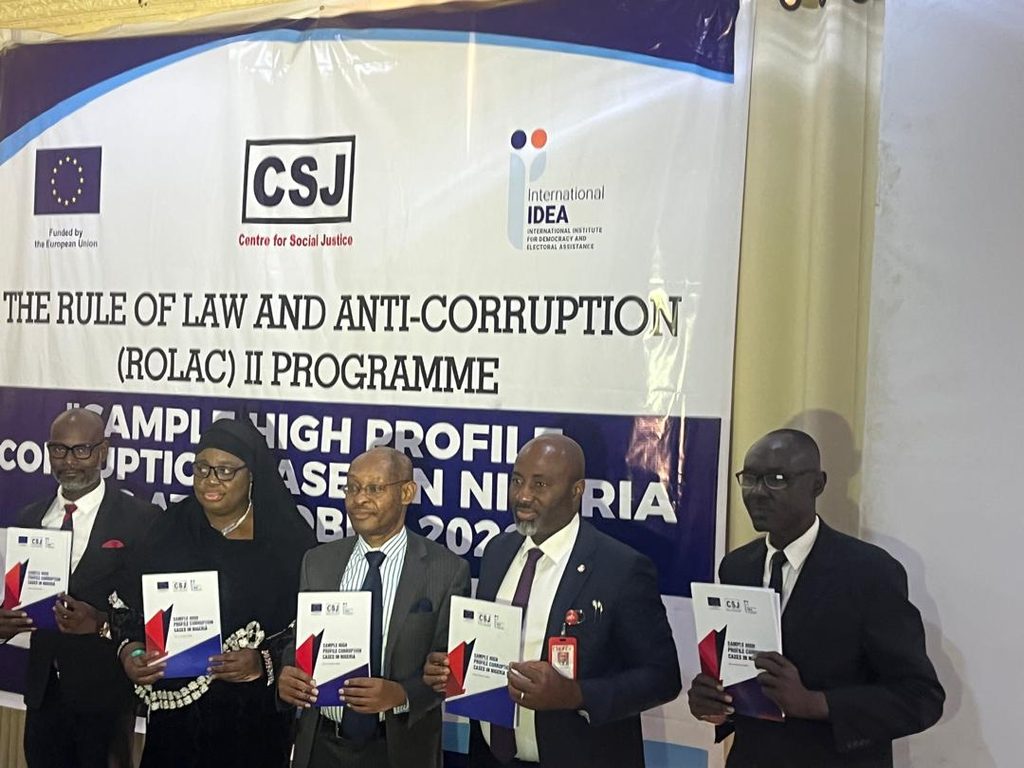
The publication identifies delays, interlocutory appeals, plea bargaining without transparency, asset recovery without accountability and cases collapsing because of poor investigation or prosecution as recurring problems requiring systemic intervention.
The findings have triggered calls for a shift in Nigeria’s anti-corruption strategy, with the three institutions insisting that the success of the campaign must be measured not merely by investigations, arrests and charges but by the ability of the justice system to deliver credible, timely and fair outcomes.
At the public presentation of the publication in Abuja on Thursday, the Chairman of the Nigerian Law Reform Commission, Prof. Dakas C.J. Dakas, SAN, described the exercise as an important instrument for exposing institutional weaknesses and providing an empirical basis for reviewing the country’s anti-corruption laws.
Dakas said the documentation of the cases was particularly important because corruption trials could be filed, adjourned, forgotten and eventually abandoned without the public having a clear record of their progress. ,
He identified documentation, public education, exposure of systemic gaps and accountability as four major contributions of the publication to Nigeria’s anti-corruption efforts.
According to him, documenting who was charged, the allegations involved, the courts handling the cases, what happened during proceedings and the status of each case would create a permanent public record from which institutions could learn.
He said the collective examination of the cases revealed that the challenges confronting corruption prosecutions were not isolated failures but systemic weaknesses requiring comprehensive reforms.
“These are not isolated failures. They are systemic failures, and systemic failures require systemic reform,” he said.
The Commission chairman also questioned the effectiveness of Nigeria’s extensive anti-corruption legislation, arguing that having several laws did not necessarily translate into effective enforcement.
“Having many laws is not the same as having an effective legal framework. Our challenge is not the absence of law. It is fragmentation, overlap, delay, weak enforcement, and a gap between the law on paper and the law in practice,” he said.
He listed the ICPC Act 2000, EFCC Act 2004, Criminal Code, Penal Code, Money Laundering (Prevention and Prohibition) Act 2022, Public Procurement Act 2007 and constitutional provisions on the Code of Conduct for Public Officers among the existing legal instruments addressing corruption.
Dakas, however, said the Commission would study the publication and incorporate lessons from its findings into its law reform programme, particularly in investigation, prosecution, asset recovery, sentencing, whistleblower protection and corruption prevention.
He pledged that identified gaps in substantive laws would be considered for legislative intervention, while procedural shortcomings would inform efforts to simplify and expedite legal processes.
The Nigerian Bar Association, through its Second Vice-President, Nuhu J. Egya, who represented its President, Mrs Oyinkansola Badejo-Okusanya, SAN, said prolonged corruption trials were weakening public confidence in the justice system and diminishing the deterrent effect of anti-corruption laws.
The association said the effectiveness of anti-corruption efforts should be assessed by the fairness, credibility and ultimate outcomes of judicial proceedings rather than the number of investigations commenced, arrests made or charges filed.
Citing Section 36(1) of the 1999 Constitution, as amended, the NBA insisted that the right to fair hearing within a reasonable time must remain central to the administration of justice.
It called for improved judicial and prosecutorial case management, adequate funding of justice-sector institutions, technology-driven case tracking and documentation, and stronger coordination among agencies responsible for investigating, prosecuting and adjudicating corruption cases.
The association also identified the Administration of Criminal Justice Act 2015 as an important framework for improving criminal justice delivery, but stressed that its effectiveness depended on proper implementation, institutional cooperation and adequate resources.
In a related intervention, the CCB identified delays in determining corruption-related cases as a major challenge, supporting reforms to strengthen the Code of Conduct Tribunal and improve the efficiency of corruption proceedings.
Mrs Sambo Sa’adat Omotayo, Director, Legal Service Department of the Bureau, who delivered a goodwill message on behalf of the CCB Chairman, said the publication provided useful material for institutional reflection and constructive engagement.
She said the Bureau was responsible for receiving and examining asset declarations by public officers, investigating breaches of the Code of Conduct and referring appropriate cases to the Tribunal.
Omotayo welcomed the proposed legislative memorandum for strengthening the Tribunal, expressing the Bureau’s readiness to examine its recommendations and engage stakeholders on measures to improve its effectiveness, independence and operational capacity.
She also called for stronger case management systems, improved investigative and legal capacities and greater deployment of technology in the administration of justice.
However, she cautioned that public monitoring of corruption cases must respect the presumption of innocence, the rights of parties and the sub judice rule.
“The pursuit of accountability and the protection of fundamental rights are not competing objectives. Rather, they are complementary pillars of the rule of law,” she said.
Beyond the immediate challenges of prosecution, Dakas said corruption was also a moral, cultural, institutional and leadership problem requiring a broader national response.
He advocated the introduction of anti-corruption education in primary and secondary schools, universities, professional training institutions and the public service.
“If we do not teach integrity early, we will spend a lifetime punishing its absence,” he said.
The three institutions called on government agencies, the judiciary, legislature, civil society, the legal profession, development partners and the media to take ownership of the reform process.
They urged the Centre for Social Justice to ensure that the publication’s findings and recommendations reached relevant government institutions and policymakers for consideration and implementation.
For the institutions, the significance of the review lies not simply in documenting pending corruption cases but in exposing the weaknesses that allow accountability to be delayed and sometimes undermined.
They maintained that the publication should serve as a catalyst for institutional reforms and a more transparent justice system in which corruption allegations are investigated properly, prosecuted effectively and determined without unnecessary delay.
Why this is a distinct angle: Unlike the previous story, which centred on the institutions’ demand for a justice-system overhaul, this version makes the 30-case review the principal news event. It also gives prominence to the specific failures identified in the publication, especially opaque plea bargaining, unaccountable asset recovery and prosecutions collapsing over investigative shortcomings.
30 HIGH-PROFILE CORRUPTION CASES EXPOSE JUSTICE SYSTEM FAILURES, STALLING ACCOUNTABILITY
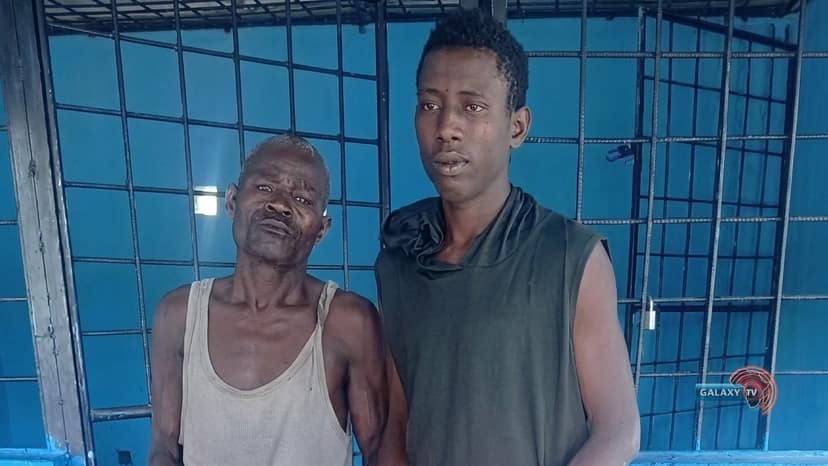
Troops Rescue Five Kidnap Victims, Arrest Two Suspects in Kaduna
By: Zagazola Makama
Troops of the Joint Task Force North West, Operation FANSAN YAMMA, have rescued five kidnapped victims and arrested two suspected terrorists during separate operations in Chikun Local Government Area of Kaduna State.
Security sources told Zagazola Makama that the operations were conducted on Wednesday, November 25, following attacks and abductions in Dan Bushiya and Kakura communities.
In Dan Bushiya, troops of Sector 1 responded to a distress call after suspected terrorists attacked the community and abducted some residents.
The troops reportedly encountered an ambush but sustained their rescue efforts without casualties, forcing the attackers to flee and abandon a woman and her baby, who were subsequently rescued.
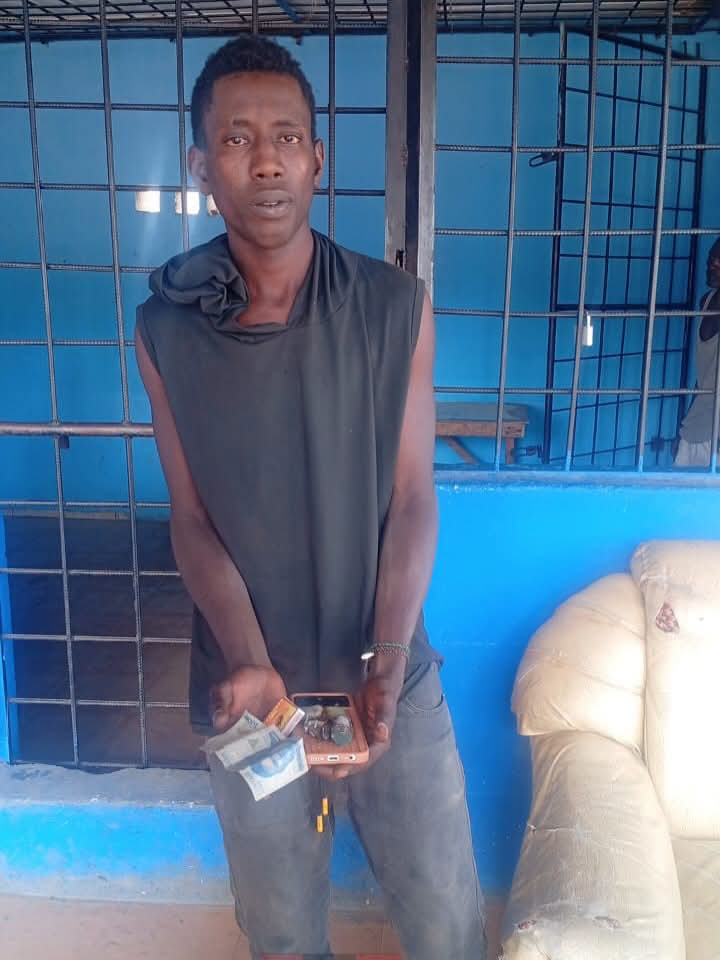
In a separate incident at Kakura village, troops responded to another distress call following the abduction of five residents. Their swift intervention forced the terrorists to abandon three of the victims, who were rescued.
Efforts are ongoing in collaboration with other security agencies to track down the fleeing attackers and secure the release of the remaining victims.
In a related development, a joint patrol team conducting search-and-rescue operations along the terrorists’ withdrawal route discovered a National Identity Card.
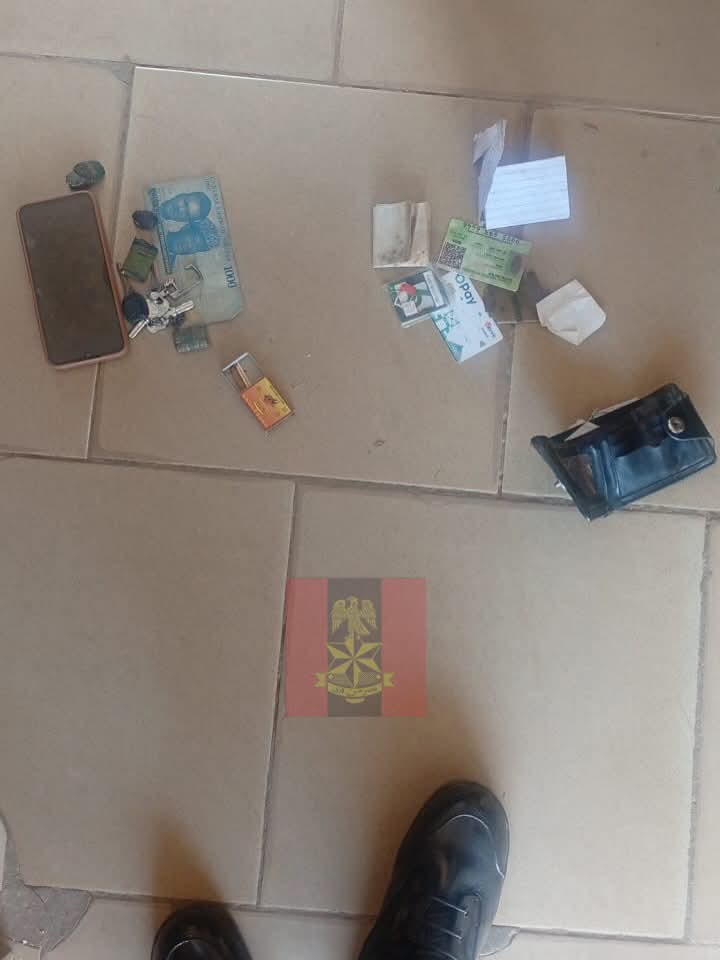
The discovery reportedly led to the arrest of the cardholder, identified as Shauibu Musa, and another suspect, Aliyu Ahmed, who are being held by troops for further investigation.
The Acting Media Information Officer of the Joint Task Force North West, Operation FANSAN YAMMA, Capt. Tamuno Sinivie, confirmed the operations in a statement issued on November 25.
The task force urged residents to continue providing credible and timely information to security agencies to support ongoing operations against terrorism and other criminal activities.
Troops Rescue Five Kidnap Victims, Arrest Two Suspects in Kaduna
Cuba reaffirms sovereignty, vows resistance to US blockade on Fidel Castro’s 10th anniversary
…Ambassador says late Cuban leader’s legacy of justice, equality and international solidarity remains guiding force
By: Michael Mike
Cuba has reaffirmed its determination to defend its sovereignty and independence despite mounting economic and diplomatic pressure from the United States, saying it will not abandon its right to determine its own future.
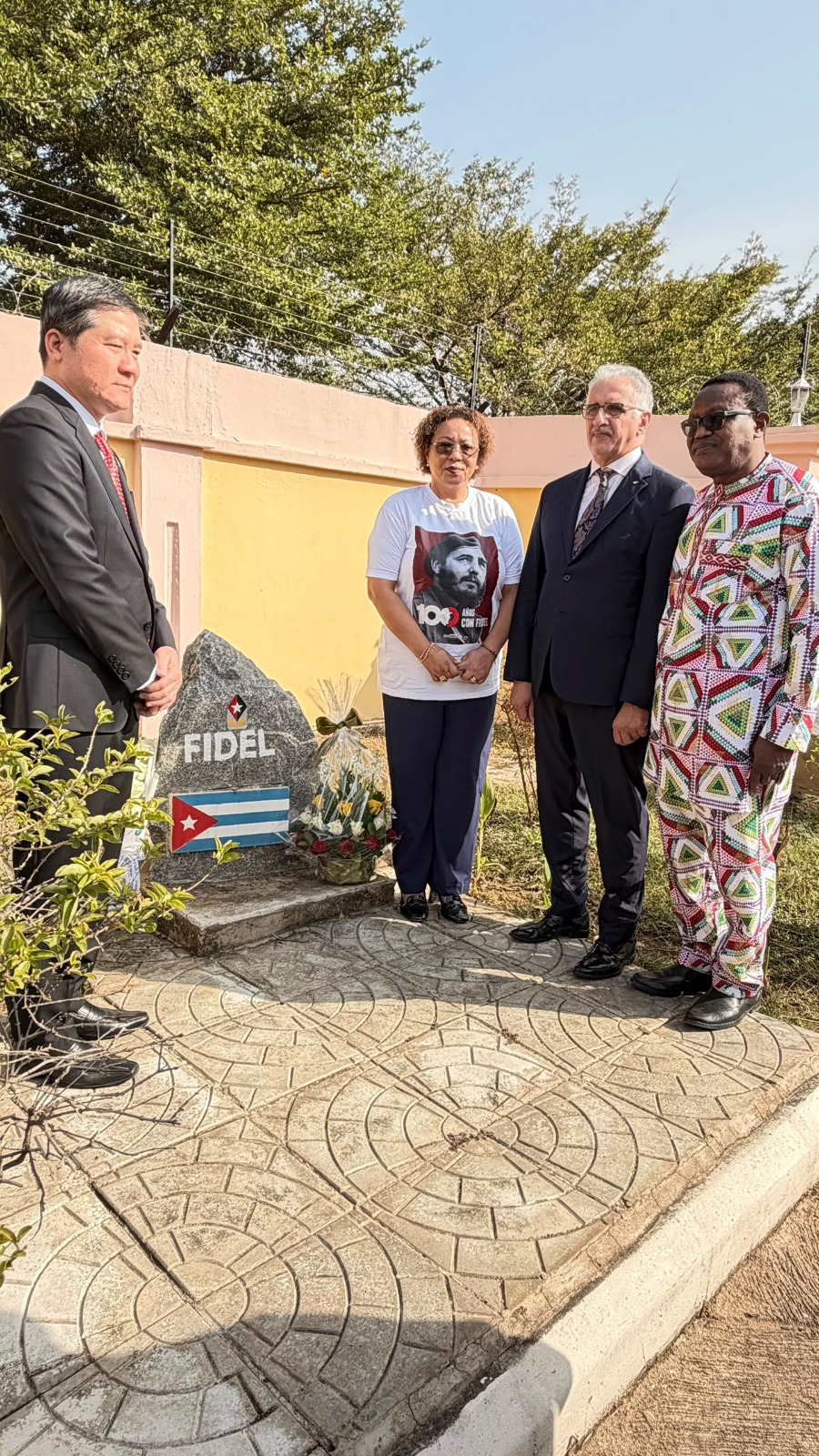
Cuba’s Ambassador to Nigeria, Miriam Morales Palmero, gave the assurance while commemorating the 10th anniversary of the death of the country’s revolutionary leader, Commander-in-Chief Fidel Castro Ruz, at a ceremony in Abuja.
Morales Palmero said Cuba remained committed to peace, multilateralism, the United Nations Charter and international law, while rejecting what she described as efforts to undermine its economy and break the resolve of its people.
She said the country was facing a difficult economic and energy situation, which she attributed to the tightening of the economic, commercial and financial blockade imposed by the United States.
According to her, the situation has been worsened by an escalation of pressure, restrictions on energy supplies, the extraterritorial application of secondary sanctions against third countries and threats of military aggression.
“Confronted with this policy of hostility and maximum pressure, Cuba reaffirms before the international community the principled stance bequeathed to us by our Commander-in-Chief,” she said.
The ambassador stressed that Cuba believed in diplomatic dialogue founded on mutual respect, sovereign equality and non-interference in the internal affairs of states, but remained resolute in defending its independence.
The commemoration, which featured the laying of a floral wreath, brought together members of the diplomatic corps, representatives of solidarity movements, Cuban nationals resident in Nigeria and other friends of Cuba.
Morales Palmero described the ceremony as an opportunity to honour Castro’s contribution to Cuba’s transformation and his role in shaping the country’s foreign policy and international engagement.
She said the late leader’s influence extended beyond Cuba, particularly through his commitment to justice, human dignity, equality and the defence of the rights of ordinary people.
According to her, Castro believed that access to education, healthcare and a decent standard of living should not be privileges reserved for a few, but guaranteed rights for every citizen.
“To remember Fidel is to evoke, above all, his unwavering commitment to justice,” she said, adding that his vision was anchored on building a society where social exclusion, discrimination and inequality would have no place.
She further said that equality, as understood by Castro, meant creating genuine opportunities for everyone to live with dignity and contribute to the collective well-being of society.
The ambassador also highlighted Cuba’s tradition of international solidarity, noting that Castro championed cooperation and assistance to vulnerable communities across the world, irrespective of geographical boundaries or political differences.
She linked the late leader’s revolutionary philosophy to that of Cuba’s National Hero, José Martí, whose struggle against Spanish colonial rule in the 19th century, she said, shared the same principles of liberty, sovereignty and independence that later defined Castro’s confrontation with American imperialism.
Quoting Martí, Morales Palmero recalled his assertion that death was not real when a person’s sense of duty had been fully accomplished.
She also cited Castro’s declaration in October 1991 that men could die but their ideas would never die, describing it as a reflection of the enduring connection between the two revolutionary figures.
According to her, both men had transcended physical death through their contributions to their country and the lasting influence of their ideas.
Martí died in combat on May 19, 1895, while Castro died on Nov. 25, 2016.
“Only those men or women who have devoted their lives to elevate their countries and fellow citizens to the highest peaks and monuments of honour, national pride, and international acknowledgement and respect, can stay among their peoples forever,” she said.
Morales Palmero said the greatest tribute to Castro, 10 years after his death, was to sustain his ideals through unity, creativity and continued commitment to social justice, peace and the dignity of all peoples.
She expressed appreciation to the diplomatic community, solidarity organisations and other friends who attended the commemoration, describing their presence as an expression of enduring friendship and support for Cuba.
“The greatest tribute we can pay to Fidel is to continue defending the truth of Cuba, to resist with unity and creativity, and to keep his ideas alive in favour of social justice, peace, and the dignity of all peoples,” she said.
She called for eternal honour and glory for Castro, whose leadership, she maintained, left an indelible imprint on Cuba and the wider international community.
Cuba reaffirms sovereignty, vows resistance to US blockade on Fidel Castro’s 10th anniversary

30 HIGH-PROFILE CORRUPTION CASES EXPOSE JUSTICE SYSTEM FAILURES, STALLING ACCOUNTABILITY

Bura Day on the Plateau: When Cultural Heritage Draws the Line
Shosa: 2026 Reunion, Achievements, Challenges, and the Way Forward

Roger Federer’s Shock as DNA Results Reveal Myla and Charlene Are Not His Biological Children

THE PLIGHT OF FARIDA

FAILED COUP IN BURKINA FASO: HOW TRAORÉ NARROWLY ESCAPED ASSASSINATION PLOT AMID FOREIGN INTERFERENCE CLAIMS
-
 News3 years ago
Roger Federer’s Shock as DNA Results Reveal Myla and Charlene Are Not His Biological Children
-
Opinions5 years ago
THE PLIGHT OF FARIDA
-
 News2 years ago
FAILED COUP IN BURKINA FASO: HOW TRAORÉ NARROWLY ESCAPED ASSASSINATION PLOT AMID FOREIGN INTERFERENCE CLAIMS
-
 Opinions5 years ago
POLICE CHARGE ROOMS, A MINTING PRESS
-

 News3 years ago
EYN: Rev. Billi, Distortion of History, and The Living Tamarind Tree
-

 ACADEMICS3 years ago
A History of Biu” (2015) and The Lingering Bura-Pabir Question (1)
-

 Columns3 years ago
Army University Biu: There is certain interest, but certainly not from Borno.
-

 Politics1 year ago
2027: Why Hon. Midala Balami Must Go, as Youths in Hawul and Asikira/Uba Federal Constituency Reject ₦500,000 as Sallah Gift
