
News
Villagers call on Gov. Buni to intervene over cattle routes in Gamawa

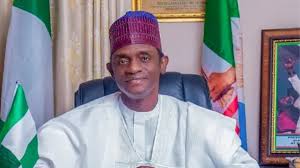
Villagers call on Gov. Buni to intervene over cattle routes in Gamawa.
By: Yahaya Wakili
Residents of Gamawa village in the Potiskum local government area of Yobe state have called on Governor Mai Mala Buni CON and the National President of the Kulen Allah Cattle Rearers Association of Nigeria (KACRAN), Hon. Khalil Mohammed Bello, to rescue their long cattle route, which the Potiskum local government has converted into plots of land.
Speaking to newsmen in the village, the spokeswoman of the residents, Mallam Muhammed Ali, said the cattle route starts right from the Niger Republic down to Cameroon, and this is the only cattle route that we have been using for over hundreds of years.
The residents of Gamawa village have accused the village head of Juma’a, Alhaji Yusufu Baba, of being the mastermind for converting their hundreds-year-old cattle route into a pilot, which they said will cause clashes between the hards and farmers during the rainy season.
“There is no development reaching the place, and before the development reaches the place, it will take over 30 years. First, we write four letters: one to the emir of Pataskum, one to the district head, one to the local government secretariat, and the last one we take to our village head, Alhaji Yusuf Baba, who said he would not receive it because the government has already done its work.” he said.
Also speaking, the National Trustee of the Kulen Allah Cattle Rearers Association of Nigeria (KACRAN), Malam Lamido Damina Yarima, said there was a time the Potiskum local government chairman constituted a committee for cattle rearers, and I am among them.
“The committee members comprised the police, civil defense, local government staff, and three members from cattle rearers associations: two from Miyetti Allah and one from Kulen Allah, that is, me. The term and reference for the committee is to go round all the local government and see the cattle routes that were encroachment or temper with a view to correcting them.
In our first trip, we start from Mamudo, Turkish, and Danchuwa, and also in our second trip, we meet the district head of Yarimaram Bataba. We come out with him, we go round and round, and the Gamawa cattle route is included. We were told that this cattle route has a long history; it comes from the Niger Republic and up to Cameroon, and we were confirmed that this is the longest cattle route.
“I know the chairman of Potiskum local government area, Alhaji Salisu Muktari, is not aware of this matter, because if he knew it differently, he would not accept it because the chairman is a peace-loving person.” Lamido Damina said.
When the members of the press call on the village head of Juma’a, Alhaji Yusufu Baba, for balancing their reports, The village head, Alhaji Yusuf Baba, said, Yes, he has some things to say about the conversion of the Gamawa cattle route into a pilot.
He further said that the criminals turned the cattle route into their terrorist activity grounds, where people were attacked and killed, and women were also attacked and raped on this cattle route. He lamented that, three years ago, he was attacked there on the same cattle route as Gamawa.
“Sometime a boy was attacked and killed there and took the corpse and brought it close to his village, Juma’a, and many women were attacked and raped there, adding that the impact of terrorist activities in the Gamawa cattle route is too much. Therefore, he summoned a meeting with the five ward heads of the area and ended up reporting the matter to the local government council.
“When I report the case to the local government, the local government sends the people from the department of land and conducts a survey to clear the cattle route and convert it into a pilot. During the clearing of the cattle route, they found five corpses of baby children, which they were dumping by their mothers,” he said.
When the members of the press went to the chairman’s office of the Potiskum local government, he was not sitting, and when they sent him an SMS message, there was no reply by the time we filed this report.
Villagers call on Gov. Buni to intervene over cattle routes in Gamawa





Disability Barriers Persist in Public Hospitals, Stakeholders Warn
…Project Kampe Bodi demands help desks, accessible telemedicine, stronger patients’ rights enforcement
By: Michael Mike
Persons with disabilities and other vulnerable Nigerians continue to face discrimination, poor communication and difficulties accessing services in government hospitals, stakeholders have warned, calling for urgent reforms to make public healthcare more inclusive.
The stakeholders, who spoke at the first roundtable meeting of Project Kampe Bodi in Abuja, demanded the establishment of disability help desks equipped with assistive technology, accessible telemedicine services and stronger enforcement of the Patients’ Bill of Rights.
They said the barriers confronting vulnerable patients were not merely issues of convenience but impediments to their ability to obtain timely, dignified and quality healthcare.
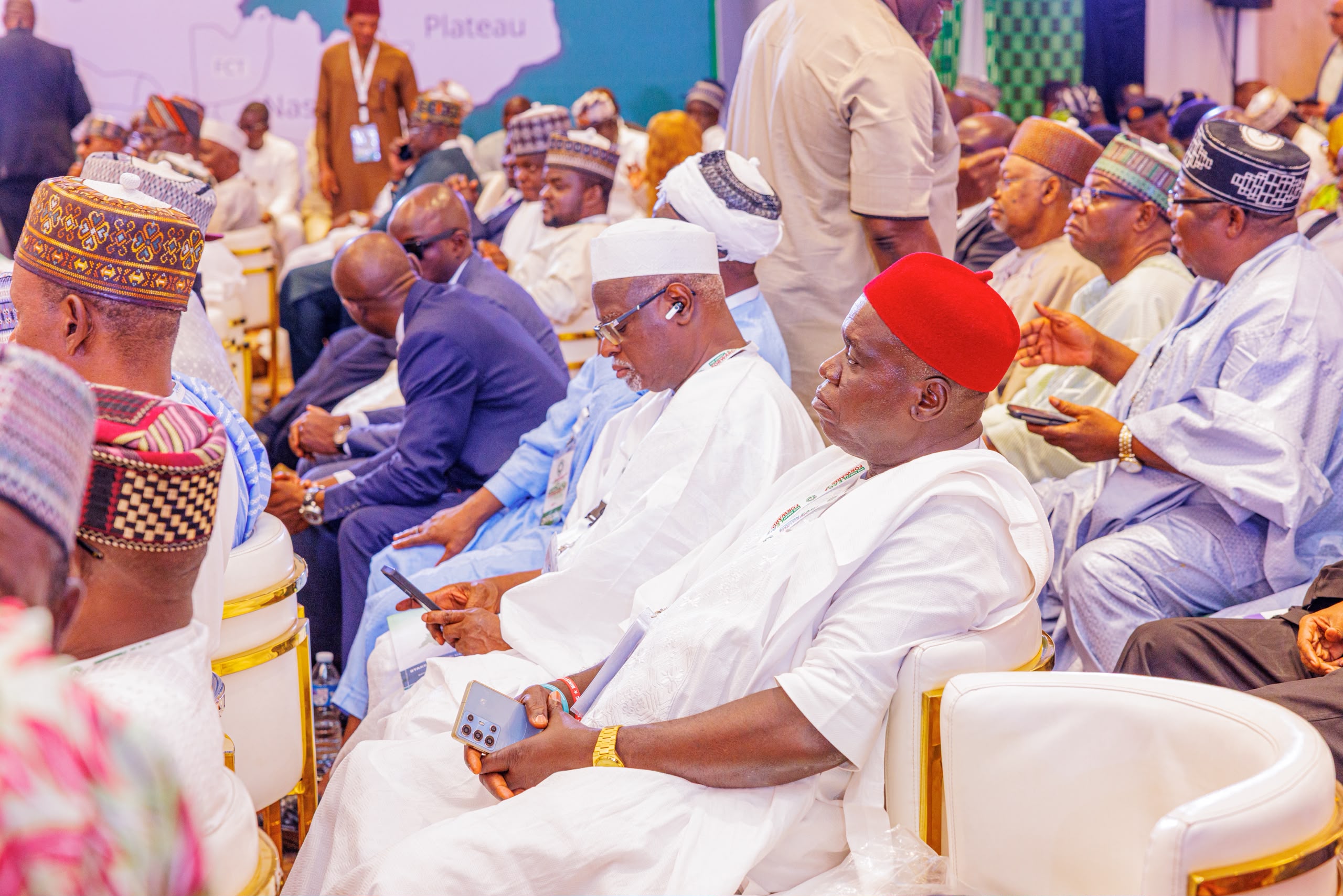
The meeting, organised by Project Kampe Bodi in partnership with the Centre for Fiscal Transparency and Public Integrity (CEFTPI), brought together more than 30 participants, including healthcare workers, persons with disabilities, patient advocacy groups and community representatives.
The participants examined gaps in service delivery and the measures required to ensure that healthcare reforms respond to the realities of patients who are often excluded from decisions affecting their access to care.
Founder and Board Member of FACICP Disability Plus, Mrs Ekaete Umoh, said disability inclusion would remain ineffective unless hospitals translated policies into practical services.
“We must move from policy to practice by making hospitals truly accessible for persons with disabilities,” Umoh said.
Her call underscored the need for public hospitals to move beyond formal commitments to inclusion by providing appropriate facilities, assistive equipment and support systems that enable persons with disabilities to navigate healthcare services independently and with dignity.
Project Kampe Bodi Coordinator, Princess Chifiero, said the concerns of vulnerable groups must be incorporated into healthcare reform decisions rather than treated as an afterthought.
“This roundtable ensures that the voices of vulnerable groups are not only heard but acted upon in shaping healthcare reforms,” Chifiero said.
The stakeholders recommended the creation of dedicated disability help desks in government hospitals to provide guidance, facilitate communication and connect patients with appropriate services. They also called for assistive technology to support patients with different disabilities.
Accessible telemedicine was identified as another avenue for reducing barriers to healthcare, particularly for patients who face difficulties travelling to or navigating public hospitals.
Participants further advocated regular training for healthcare workers on inclusive care, saying improved communication and a better understanding of disability-related needs were essential to preventing discrimination and ensuring equitable treatment.
They also recommended the mobilisation of youth health champions to promote awareness, accountability and patient-centred healthcare within communities.
The meeting placed renewed emphasis on the need for stronger enforcement of the Patients’ Bill of Rights, which provides a framework for protecting patients’ dignity, privacy, access to information and quality healthcare.
Project Kampe Bodi, a student-led initiative of the School of Politics, Policy and Governance (SPPG), said it would continue to promote accountability and quality healthcare services, while encouraging stakeholders to translate the roundtable’s recommendations into practical action.
Disability Barriers Persist in Public Hospitals, Stakeholders Warn
SADC, China Move to Cut Import Dependence in Pharmaceutical Manufacturing
…Regional bloc, UNAIDS, partners identify technology transfer, pooled procurement and investment as priorities
By: Michael Mike
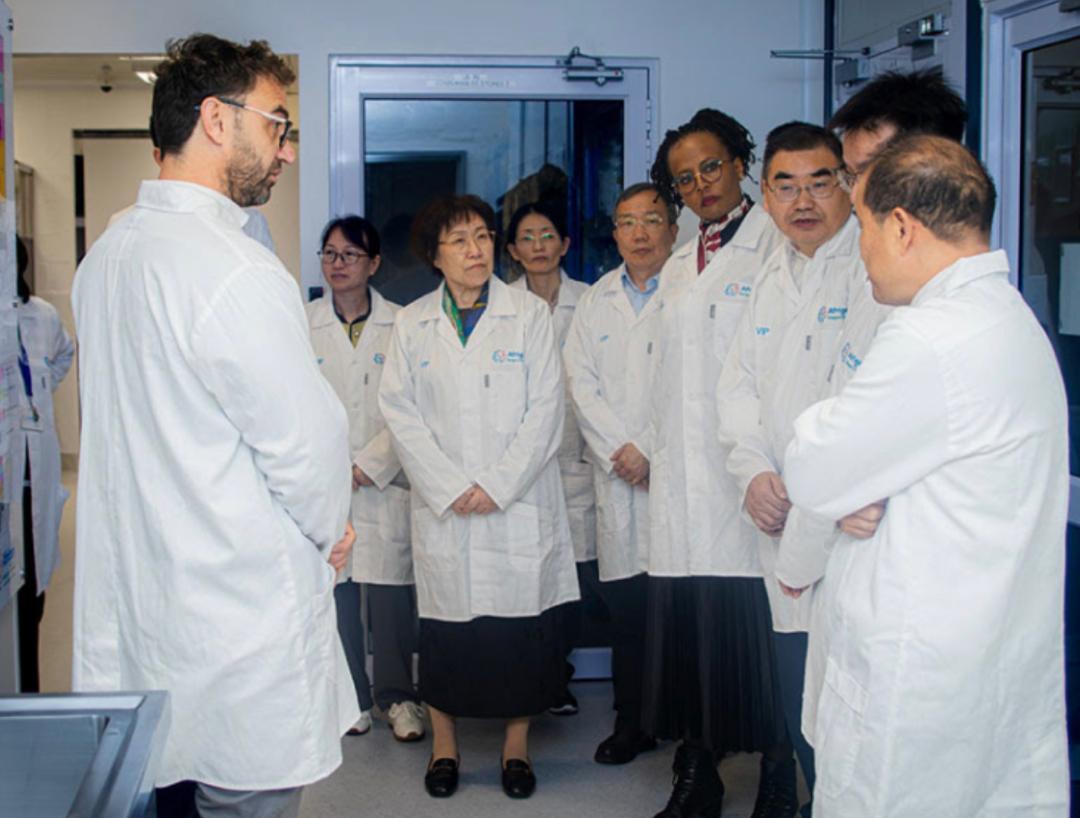
The Southern African Development Community (SADC), the Government of China, UNAIDS and the Global Health Innovation Institute (GHII) have agreed to advance regional pharmaceutical manufacturing as part of efforts to reduce dependence on imported medicines and strengthen health security across Southern Africa.
The agreement followed a joint assessment of pharmaceutical and vaccine production facilities in Johannesburg, Durban and Cape Town, South Africa, where the partners reviewed existing capabilities in biotechnology, genomics, diagnostics and the manufacture of quality-assured health products.
The exchange, which took place amid renewed international calls for stronger South-South cooperation, identified opportunities to connect Southern Africa’s growing manufacturing capacity with Chinese technology, expertise, investment and industrial capabilities.
The partners said the collaboration would support more timely access to essential medicines and health technologies, while helping countries build resilient health systems capable of responding to public health threats and reducing vulnerabilities associated with international supply disruptions.
“This exchange was about moving from ambition to practical action,” said Eva Kiwango, Director and Representative, UNAIDS Office in China.
Kiwango said SADC had the capacity to expand regional manufacturing and improve access to essential HIV and other health products, but stressed that sustained investment, regulatory alignment, technology transfer, skills development, strategic multilateral partnerships and innovative financing would be required to translate that potential into production.
The collaboration aligns with the United Nations’ Political Declaration on HIV/AIDS, which calls for greater health sovereignty and strengthened cooperation to advance local and regional production of HIV and other health technologies as part of efforts to end AIDS as a public health threat by 2030.
It also comes at a time when countries are seeking to strengthen domestic and regional supply chains for essential health products, particularly in sub-Saharan Africa, where access to medicines remains closely linked to manufacturing capacity, financing and procurement systems.
An official of China’s National Disease Control and Prevention Administration (NDCPA) said the exchange had strengthened mutual understanding and identified practical opportunities for cooperation between China and Southern Africa.
“By leveraging complementary strengths in policy, technology, manufacturing and market development, we can advance local pharmaceutical production, enhance health security, and support sustainable access to quality health products across the region,” the official said.
Among the priorities identified were the development of a regional list of essential HIV and sexual and reproductive health commodities, improved demand forecasting, pooled procurement and the creation of more predictable markets for African manufacturers.
The partners also agreed to advance technology transfer, skills development and investment opportunities to expand local pharmaceutical production, while supporting regulatory systems capable of ensuring that medicines manufactured in the region meet quality standards.
For UNAIDS, the initiative is particularly significant given the continuing treatment gap in sub-Saharan Africa.
More than half of the people living with HIV who are not receiving lifesaving antiretroviral treatment are in the region, underscoring the importance of reliable access to medicines and the need to ensure that advances in pharmaceutical innovation translate into products that are available to those who need them.
The Chief Executive Officer of Desano Pharmaceutical Group, Ms Xiaoxia An, said the visit had highlighted opportunities for China-Southern Africa cooperation in pharmaceutical development.
“By combining our respective strengths in manufacturing, innovation, and market development, we can support strengthening local production capacity, improve access to quality medicines, and contribute to better health outcomes for the people across Southern Africa,” she said.
The partners’ focus on regional demand, pooled procurement and regulatory cooperation suggests that the initiative is intended not only to expand production but also to create the market conditions needed to sustain local pharmaceutical manufacturing.
For Southern Africa, the proposed collaboration offers a pathway towards stronger regional production of essential medicines and health technologies, while for China, it provides an opportunity to deepen cooperation through technology, investment and manufacturing partnerships.
The initiative is expected to build on the capabilities assessed during the facility visits and advance discussions on practical mechanisms for turning the identified opportunities into sustained regional production and improved access to essential health products.
SADC, China Move to Cut Import Dependence in Pharmaceutical Manufacturing

North Central Unveils 20-Year Plan, Targets Regional Economic Transformation
…NCDC seeks integrated infrastructure, value addition, security and digital expansion across six states, FCT
By: Michael Mike
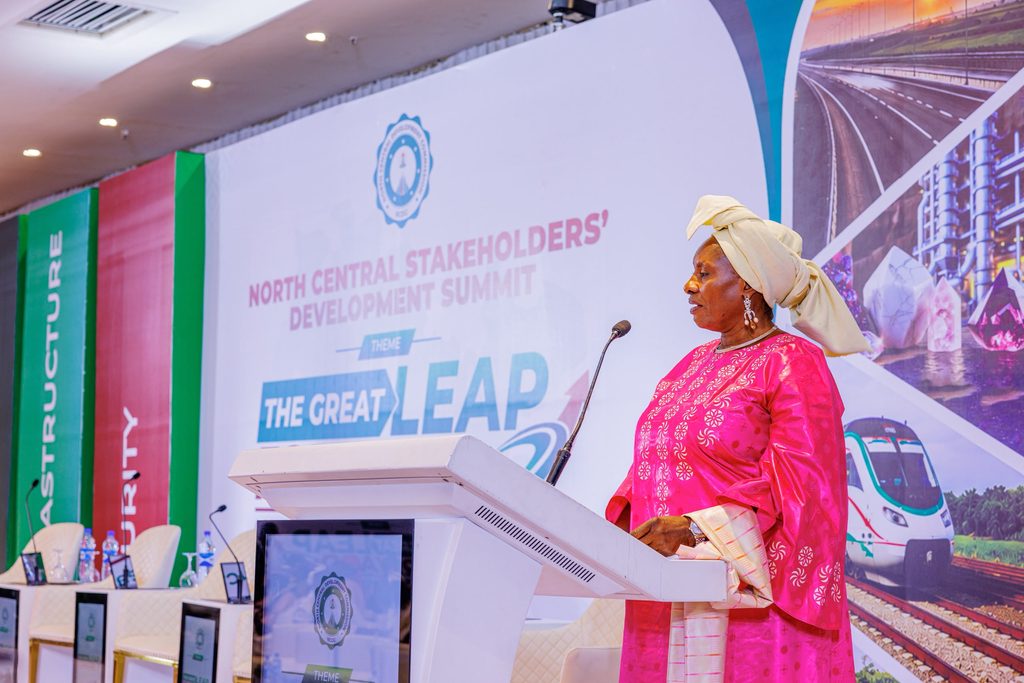
The North Central Development Commission (NCDC) has unveiled a 20-year development roadmap aimed at transforming the region into an integrated economic hub through coordinated investment in infrastructure, agriculture, mining, human capital, security and the digital economy.
The proposed North Central Development Plan 2027–2046, presented at the commission’s Road Map and Stakeholders’ Development Summit in Abuja, seeks to move the region beyond fragmented projects by concentrating resources on catalytic programmes capable of generating jobs, expanding productivity, improving public services and attracting investment.
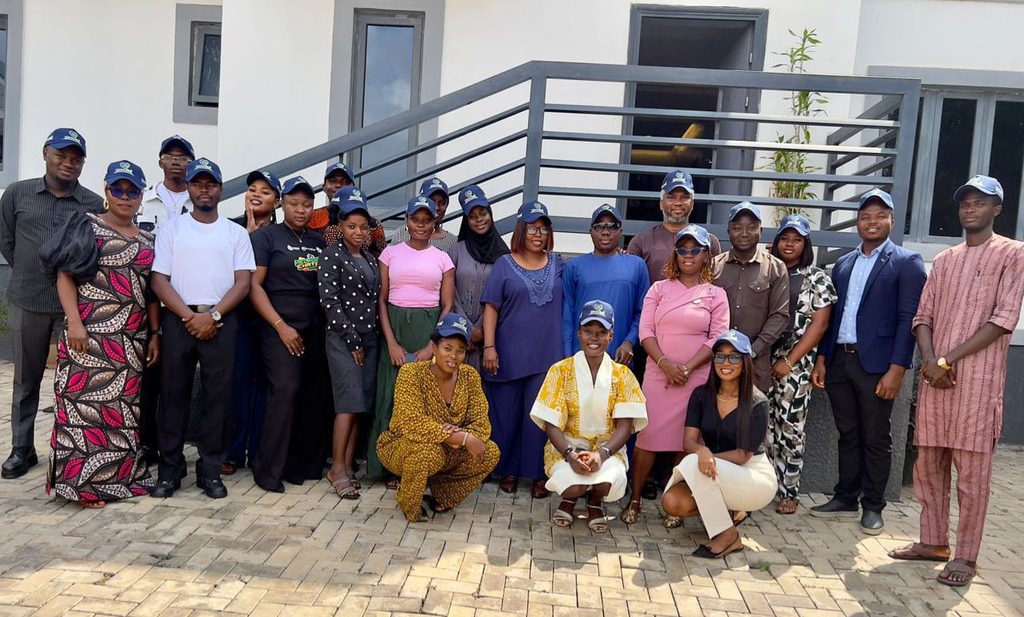
The two-day summit, held from September 14 to 15, brought together 862 physical participants and 49 online attendees, including representatives of the Federal Government, governors of the six mandate states and the Federal Capital Territory, lawmakers, traditional and religious leaders, development partners, private-sector operators, academics, civil society groups, youth and women organisations.
The plan covers Benue, Kogi, Kwara, Nasarawa, Niger and Plateau States, as well as the FCT.
Presenting the draft plan, the Executive Governor of Nasarawa State and Chairman of the North Central Governors’ Forum, Engr. Abdullahi Sule, highlighted the region’s agricultural and mineral resources, stressing the need to process more of its raw materials locally and translate its economic potential into measurable development outcomes.
The Managing Director and Chief Executive Officer of the NCDC, Dr Cyril Yiltsen Tsenyil, described the summit as the beginning of an inclusive, evidence-led and implementation-focused development process.
In his keynote address, Prof. Iyorwuese Hagher called for the commission to serve as the strategic coordinating institution for an integrated regional economy, with emphasis on peace, value addition, human capital development, technology and disciplined implementation.
Speaking on behalf of President Bola Ahmed Tinubu, the Secretary to the Government of the Federation, Sen. George Akume, endorsed the long-term planning approach and urged the commission to prioritise realistic, high-impact and fundable interventions backed by strong governance, accountability and diversified financing.
The summit noted that despite its strategic location, extensive agricultural land, water, mineral and energy resources, markets and human capital, the North Central region had not consistently converted these advantages into commensurate productivity, industrial capacity, incomes and social outcomes.
It attributed the gap partly to fragmented planning, weak inter-state connectivity, insecurity, infrastructure deficiencies, limited value addition, unreliable data and inconsistent implementation.
A central theme of the communiqué was that security must be treated as productive infrastructure, as agriculture, trade, investment, education and community life cannot thrive where people, assets and transport corridors remain unsafe.
Under the economic development component, the commission is expected to establish a geographic information system-enabled regional economic database to map productive assets, comparative advantages, farms, water resources, minerals, infrastructure gaps and investment opportunities across the region.
The plan also proposes state-specific agricultural and livestock value chains covering inputs, mechanisation, irrigation, storage, processing, packaging, branding, logistics and export, alongside measures to formalise artisanal mining and develop mineral-processing and manufacturing clusters.
The commission is further expected to support micro, small and medium enterprises through skills development, affordable finance, market access and investor incentives, while encouraging states to harmonise investment laws, establish land banks and package viable projects for domestic and foreign investment.
On infrastructure, the summit called for an integrated regional programme linking the six states and the FCT through strategic roads, rail, inland waterways and logistics systems.
It identified the rehabilitation and completion of corridors that unlock agricultural land, markets and investment as an immediate priority, while urging consideration of the Abuja–Lokoja Road, regional rail, Baro inland-port logistics, dry-port connections and modern freight systems.
The plan also provides for a regional energy programme, improved public water supply, irrigation and resilient urban and rural infrastructure, with security, climate resilience, maintenance and technical expertise integrated into project design from the outset.
In the social sector, the proposed roadmap calls for a regional human-capital and social-inclusion database covering children, youth, women, persons with disabilities, indigent households and rural communities.
It seeks to reduce school dropout, strengthen existing schools, address teacher shortages and expand access to quality education, while promoting science, technology, engineering and mathematics, technical and vocational training linked to regional value chains and emerging industries.
The commission also plans to strengthen healthcare access by equipping teaching hospitals and specialised institutions according to their comparative strengths, expanding health-insurance coverage for vulnerable residents and improving access to essential medicines.
On security, the communiqué recommended a coordinated regional framework involving statutory security institutions, traditional authorities and communities, with emphasis on intelligence sharing, early warning, community engagement and inter-state cooperation.
It also proposed assessing the lawful use of satellite imagery, drones and geospatial systems for intelligence, while linking security interventions with livelihoods, youth engagement, rehabilitation, justice, social cohesion and the safe return or resettlement of displaced communities.
The plan’s climate and environmental component includes mapping flood, erosion, drought and mining hazards, strengthening early-warning systems, undertaking flood and erosion control measures and establishing recovery pathways for climate-displaced persons.
It further recommends safeguards before the expansion of mineral extraction and major infrastructure projects, including a regional mining-hazard register, mine-site remediation and ecosystem restoration.
In the digital economy, the NCDC is expected to pursue broadband expansion across the region, establish AI and digital-skills centres, improve teacher training and connect beneficiaries of skills programmes to employers, business-process outsourcing and credible remote-work platforms.
The commission also proposed a dedicated innovation financing mechanism to support technology enterprises, makerspaces, innovation hubs and digital public services, with Abuja positioned as a regional market and digital hub.
To finance the plan, the summit recommended matching funding instruments to the economic character of each project, with commercially viable ventures attracting private investment, projects with strong economic benefits but weaker initial returns using blended finance, and essential non-commercial services receiving appropriate public funding.
It called for a disciplined project-preparation pipeline supported by feasibility studies, financial models, transparent contracts, credible sponsors, risk allocation and maintenance plans before projects are presented to investors.
The summit also recommended the establishment of a Programme Management Office within the NCDC to coordinate flagship programmes, project preparation, financing, implementation support, risk management and performance reporting.
It urged the commission to secure durable legal and institutional backing for the 20-year plan, define responsibilities among federal and state institutions, local governments, communities, investors and development partners, and publish regular performance reports based on verified baselines and measurable targets.
The communiqué was presented by Prof. Mohammed Nuhu and adopted by participants at the close of the summit on Tuesday, September 15, 2026, in Abuja.
The plan’s success will depend on whether its proposed regional coordination, financing and accountability mechanisms can convert the summit’s broad priorities into projects with clear owners, funding and measurable results.
North Central Unveils 20-Year Plan, Targets Regional Economic Transformation

Disability Barriers Persist in Public Hospitals, Stakeholders Warn

SADC, China Move to Cut Import Dependence in Pharmaceutical Manufacturing

North Central Unveils 20-Year Plan, Targets Regional Economic Transformation

Roger Federer’s Shock as DNA Results Reveal Myla and Charlene Are Not His Biological Children

THE PLIGHT OF FARIDA

FAILED COUP IN BURKINA FASO: HOW TRAORÉ NARROWLY ESCAPED ASSASSINATION PLOT AMID FOREIGN INTERFERENCE CLAIMS
-
 News3 years ago
Roger Federer’s Shock as DNA Results Reveal Myla and Charlene Are Not His Biological Children
-
Opinions5 years ago
THE PLIGHT OF FARIDA
-
 News1 year ago
FAILED COUP IN BURKINA FASO: HOW TRAORÉ NARROWLY ESCAPED ASSASSINATION PLOT AMID FOREIGN INTERFERENCE CLAIMS
-

 News2 years ago
EYN: Rev. Billi, Distortion of History, and The Living Tamarind Tree
-
 Opinions5 years ago
POLICE CHARGE ROOMS, A MINTING PRESS
-

 ACADEMICS3 years ago
A History of Biu” (2015) and The Lingering Bura-Pabir Question (1)
-

 Columns3 years ago
Army University Biu: There is certain interest, but certainly not from Borno.
-

 Politics1 year ago
2027: Why Hon. Midala Balami Must Go, as Youths in Hawul and Asikira/Uba Federal Constituency Reject ₦500,000 as Sallah Gift
