
News
IPCR Condemns Killings In Plateau, Calls For Arrests, Prosecutions Of Criminals Involved

IPCR Condemns Killings In Plateau, Calls For Arrests, Prosecutions Of Criminals Involved
By: Michael Mike
Institute for Peace and Conflict Resolution (IPCR) has condemned the heartless killings of people in Plateau state on Sunday.
In the latest attack in the state, several people were reportedly slaughtered in cold blood in Gashish and Ropp districts of Barkin Ladi and Bokkos local government areas on Christmas Eve.
IPCR lamented that the coordinated attacks were carried out on a day meant to celebrate love, compassion and togetherness. And this was the day these criminals would carried out an evil act that would bring untold agony, suffering and grief to the affected communities.
IPCR, in the statement signed by its Director General, Dr. Joseph Ochogwu on Wednesday, said: “We had in our message on this yuletide celebration, urge Nigerians to keep the flag of unity high, as unity and peace are the hallmarks of a progressive nation.
“As the Director General of the Institute for Peace and Conflict Resolution, who have been preaching peace in all the fora I have attended, there’s no doubt that peaceful coexistence is the hallmark of a progressive nation.
“I have insisted that peace, unity and security have the potential to break the vicious circle of underdevelopment and that nation-building is the responsibility of all.
“Bloodletting is not an achievement, but has the potential of scaring investors away from us. Nobody invest in a country where insecurity holds sway, we should all rally round President Bola Ahmed Tinubu on his Renewed Hope Agenda, so that we can have the country of our dream.”
“The Nigeria of our dream doesn’t harbour unnecessary killings, the Nigeria of our dream doesn’t harbour hatred for one another. Our dream is to have a viable nation, where citizens have sense of belonging.”
“Let us build the future of our country today and stop the actions and inactions that will put us in a bad light, where the country will be compared with terrorist nations.
“Our security agencies are doing very well, but the Institute is appealing that they put more efforts to address this challenges bedeviling the nation.”
“We condemn the killings and call for peace and conflict resolution on conflict related issues. We also call for the apprehension and prosecution of criminals involved in the killings.”
He added that: “We appreciate the Plateau state governor, Barr Caleb Manasseh Mutfwang, who promised to settle the hospital bills of all injured victims of Christmas Eve attacks at BarkinLadi and Bokkos local government areas.”
Ochogwu said: “Let’s cooperate with our military and security actors to provide physical security and safety for our citizens, as we innovate and create the right conflict resolution mechanisms to address the protracted communal conflicts. Only together we can make peace happen in our society.”
IPCR Condemns Killings In Plateau, Calls For Arrests, Prosecutions Of Criminals Involved


Troops Kill Six ISWAP Fighters, Wound Seven in Failed Attack on Borno Military Base
By: Zagazola Makama
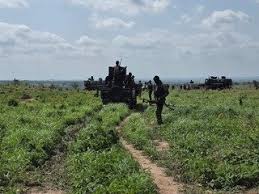
Six fighters of the Islamic State West Africa Province (ISWAP) were reportedly killed and seven others seriously wounded during a failed attack on a Forward Operating Base (FOB) at Logomani in Borno State, credible intelligence sources have disclosed.
The sources told Zagazola Makama that the terrorists launched the attack on the military position in the early hours of July 7 but suffered significant casualties after troops mounted a fierce resistance.
According to the intelligence assessment, the attackers had assembled at Garal before advancing on the military base.
Following the failed assault, surviving insurgents were reportedly seen regrouping at Chukun Gudu, where they buried six of their fighters killed during the encounter.
Among those reportedly buried was a senior fighter identified as Munzir, also known as Ba Alayi, who was said to be an indigene of Wulgo.
The development comes as troops of Operation HADIN KAI continue sustained clearance operations aimed at dismantling terrorist enclaves and disrupting insurgents’ logistics and mobility across the Lake Chad region.
Troops Kill Six ISWAP Fighters, Wound Seven in Failed Attack on Borno Military Base
Cholera Outbreak Kills Nine ISWAP Terrorists in Timbuktu Triangle
By: Zagazola Makama
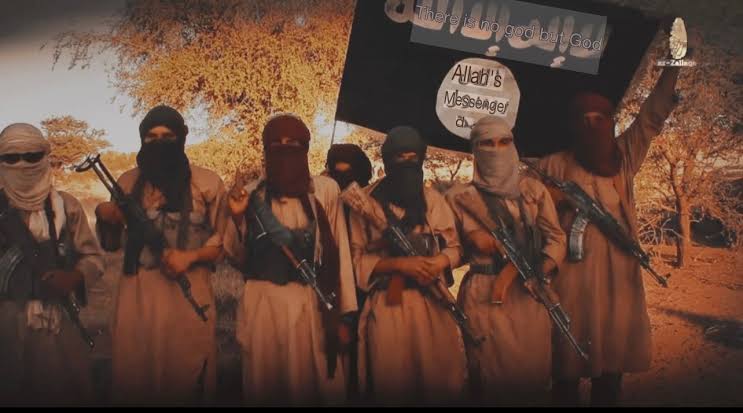
A cholera outbreak has reportedly claimed the lives of nine fighters of the Islamic State West Africa Province (ISWAP) in the Timbuktu Triangle, a known terrorist stronghold in Borno State, intelligence sources have disclosed.
The sources told the News Agency of Nigeria (NAN) that the outbreak had spread through the group’s enclaves, highlighting deteriorating sanitary conditions and limited access to medical care within the insurgents’ camps.
According to the intelligence, two additional ISWAP fighters infected with the disease were allegedly executed by fellow terrorists after attempts to manage their condition at Kimba village proved unsuccessful.
The sources said the development pointed to the worsening health conditions within the terrorist hideouts, where sustained military pressure has disrupted logistics, including access to medicines and treatment facilities.
The sources added that commanders had also been urged to intensify efforts to intercept medical supplies and pharmaceuticals intended for terrorist camps in order to further degrade ISWAP’s treatment capability and operational resilience.
The reported outbreak comes amid sustained offensives by troops of Operation HADIN KAI, who continue to target terrorist enclaves and logistics networks across the Lake Chad region in a bid to degrade the insurgents’ fighting capacity.
Cholera Outbreak Kills Nine ISWAP Terrorists in Timbuktu Triangle
Nigerian Children in Crisis ‘Fiscally Invisible’ as New Report Exposes Funding Failure
…Study warns millions of children caught in conflict, displacement and hunger are being overlooked in government budgets; journalists launch accountability network to push for reforms
By: Michael Mike
Nigeria’s youngest and most vulnerable children are being failed by a financing system that does not even recognise them in public budgets, a new report has warned, raising fresh concerns over the country’s worsening humanitarian and human capital crisis.
The report, Financing Early Childhood Development in Crisis (ECDiC) in Nigeria: From Fiscal Invisibility to Child-Level Results, released in Abuja on Wednesday by the Moving Minds Alliance (MMA) in partnership with Whole Child Advisors, paints a grim picture of how children aged between zero and eight years living in conflict, displacement, climate emergencies and poverty are largely excluded from government financing despite overwhelming evidence that the early years determine a child’s lifelong prospects.
According to the report, Nigeria’s Human Capital Index stands at just 0.36, meaning a child born today is expected to achieve only 36 per cent of his or her productive potential because of poor health, inadequate nutrition and weak learning outcomes.
The findings come at a time when Nigeria continues to grapple with one of Africa’s largest humanitarian emergencies. Insurgency in the North-East, widespread banditry and communal violence across the North-West and North-Central, alongside climate-induced disasters and economic hardship, have displaced millions of people and disrupted access to healthcare, nutrition and education for children.
The report estimates that 4.9 million children require life-saving humanitarian assistance, while 3.6 million people were forcibly displaced in 2025. It also notes that about 31 million Nigerian children are under the age of five, with between 33.8 and 40 per cent suffering from stunting, an indication of chronic malnutrition that permanently affects brain development and future productivity.
It further revealed that severe acute malnutrition cases surged to about 1.8 million children in 2025, representing a 69 per cent increase over previous estimates, while Nigeria’s under-five mortality remains among the highest globally at 105 deaths per 1,000 live births.
Despite these alarming indicators, the report found that Early Childhood Development in Crisis (ECDiC) has no dedicated budget line in either federal or state budgets, effectively rendering vulnerable children “fiscally invisible.”
The analysis identified five major weaknesses responsible for the financing gap: the absence of dedicated budget lines, poor implementation of approved budgets, fragmented funding channels, recurrent expenditure that crowds out essential child services, and an uneven distribution of humanitarian resources heavily concentrated in Borno, Adamawa and Yobe, leaving crisis-hit communities in the North-West and North-Central with inadequate support.
The report noted that less than five per cent of education spending benefits early childhood or emergency learning programmes.
It concluded that the existing financing framework prioritises institutions rather than children’s actual needs.
“The system is built to fund structures, not children,” the report stated, warning that Nigeria cannot realise its human capital ambitions without creating a financing architecture capable of delivering predictable resources directly to frontline services supporting young children in emergencies.
To reverse the trend, the report recommended seven urgent reforms, including establishing a federal policy framework for Early Childhood Development in Crisis, introducing dedicated budget tags across federal and state budgets, protecting releases of funds, simplifying financing channels, expanding results-based financing tied to measurable child outcomes, redistributing resources according to vulnerability rather than geography, and creating a blended investment mechanism involving government, humanitarian agencies and philanthropic organisations.
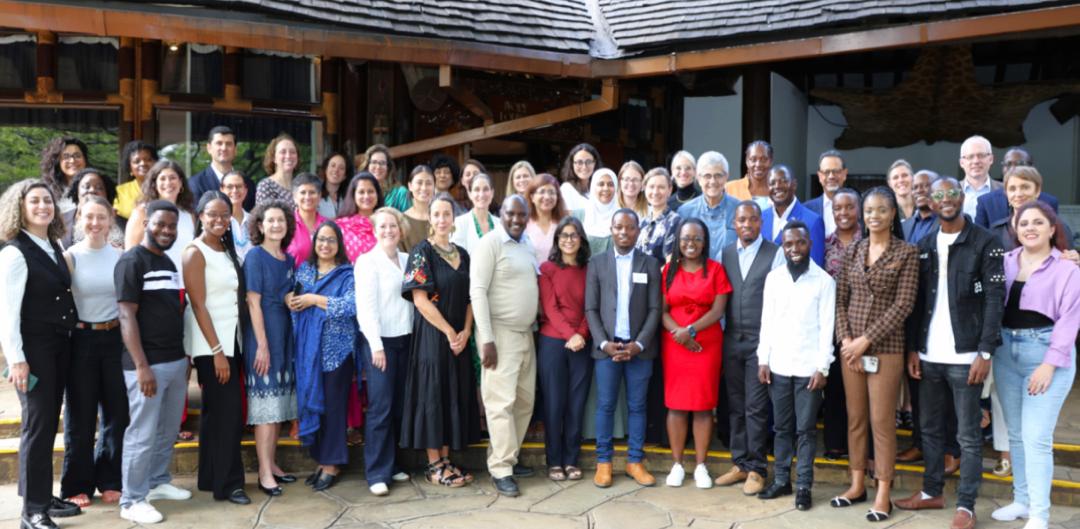
Speaking at the launch, the Nigeria Early Childhood Development in Crisis Coalition Coordinator, Arome Agenyi, stressed that the future of millions of Nigerian children depends on decisions taken today.
He said: “Behind every successful adult is an early childhood story. The question is not whether children are developing; they are. The question is whether they are developing to their full potential. In this regard, the stories journalists choose to tell today can shape the policies, investments, and public actions that determine the future of millions of Nigerian children, especially those in crisis contexts across Nigeria.”
As part of efforts to sustain public attention on the issue, the Moving Minds Alliance also inaugurated the Nigerian chapter of the Reporters for Early Childhood in Humanitarian Crisis (REACH) Network, bringing together journalists committed to evidence-based reporting on children affected by humanitarian emergencies.
Global Co-Chair of the REACH Network, Mojeed Alabi, said children who are invisible in government budgets often become invisible in politics and public discourse.
“When children living through conflict, displacement, climate shocks and economic hardship become fiscally invisible, they also risk becoming politically invisible,” Alabi said.
“The launch of the REACH Network in Nigeria is a commitment by journalists to change that narrative. Through sustained, evidence-based reporting, we will amplify the voices of the youngest and most vulnerable children, hold leaders accountable for their commitments, and ensure that early childhood development remains at the heart of public policy and national development.”
Also speaking, Interim Director and Co-Chair of the Moving Minds Alliance, Dr. Katie Murphy, described the report as the clearest roadmap yet for reforming child financing in Nigeria.
“This new report gives us something we haven’t had before: a clear picture of where Nigeria’s investment in its youngest children in crisis is falling short, and exactly what it will take to close that gap,” she said.
Murphy added that the planned Act for Early Years Financing Summit in 2027 would seek commitments from governments, donors and development partners to move from fragmented financing to a system that delivers resources directly to children.
The coalition hopes that by 2028, both federal and state governments will have introduced dedicated ECDiC budget tags, released at least 70 per cent of allocated funds annually, and achieved measurable improvements in child development outcomes across local government areas.
For child development advocates, the report is more than a financial audit; it is a warning that unless Nigeria changes how it invests in children during their earliest years, particularly those growing up amid conflict and displacement, the country risks entrenching poverty, inequality and lost human potential for generations.
Nigerian Children in Crisis ‘Fiscally Invisible’ as New Report Exposes Funding Failure

Troops Kill Six ISWAP Fighters, Wound Seven in Failed Attack on Borno Military Base

Cholera Outbreak Kills Nine ISWAP Terrorists in Timbuktu Triangle

Sokoto donates 62 armoured vehicles, 320 motorcycles to security agencies

Roger Federer’s Shock as DNA Results Reveal Myla and Charlene Are Not His Biological Children

THE PLIGHT OF FARIDA

FAILED COUP IN BURKINA FASO: HOW TRAORÉ NARROWLY ESCAPED ASSASSINATION PLOT AMID FOREIGN INTERFERENCE CLAIMS
-
 News2 years ago
Roger Federer’s Shock as DNA Results Reveal Myla and Charlene Are Not His Biological Children
-
Opinions4 years ago
THE PLIGHT OF FARIDA
-
 News1 year ago
FAILED COUP IN BURKINA FASO: HOW TRAORÉ NARROWLY ESCAPED ASSASSINATION PLOT AMID FOREIGN INTERFERENCE CLAIMS
-

 News2 years ago
EYN: Rev. Billi, Distortion of History, and The Living Tamarind Tree
-
 Opinions5 years ago
POLICE CHARGE ROOMS, A MINTING PRESS
-

 ACADEMICS2 years ago
A History of Biu” (2015) and The Lingering Bura-Pabir Question (1)
-

 Columns2 years ago
Army University Biu: There is certain interest, but certainly not from Borno.
-

 Politics1 year ago
2027: Why Hon. Midala Balami Must Go, as Youths in Hawul and Asikira/Uba Federal Constituency Reject ₦500,000 as Sallah Gift
