
News
How IGP Tunji Disu is reshaping the Nigeria Police Force

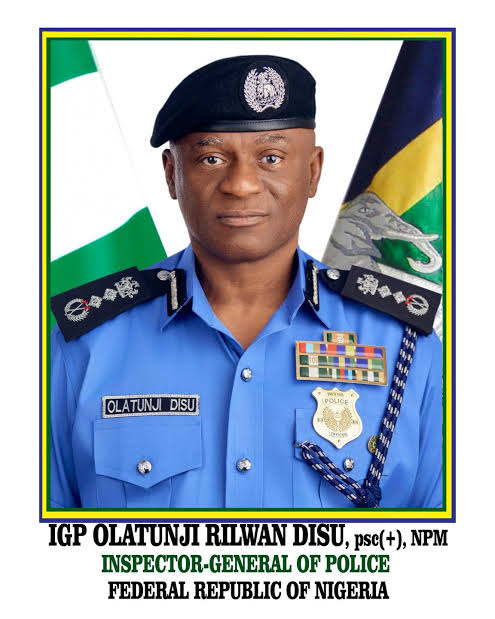
How IGP Tunji Disu is reshaping the Nigeria Police Force
An operational commander with a reputation for getting close to the people now leads one of Africa’s largest police institutions. His first months have brought a renewed emphasis on intelligence-led operations, accountability, tactical reforms and community partnership.
By: Zagazola Makama
There is something remarkable about a man who rises to the highest position in an institution without losing sight of where his journey began.
For Inspector-General of Police Olatunji Rilwan Disu, the journey to the Force Headquarters, Louis Edet House, Abuja, was not a sudden arrival. It was the outcome of more than three decades of service, operational assignments, difficult investigations, command responsibilities and encounters with the realities of policing in Nigeria.
His career has taken him from divisional policing to specialised anti-robbery operations, anti-kidnapping assignments, international peacekeeping, intelligence operations and the command of some of the country’s most strategically important police formations.
But perhaps the most revealing aspect of his journey is that he has repeatedly returned to one central idea: the police cannot succeed by treating the public as an adversary.
That philosophy became particularly visible during his years commanding the Lagos State Rapid Response Squad (RRS), where officers became associated with the public-facing identity, The Good Guys. It is also a philosophy he now appears determined to institutionalise across the Nigeria Police Force.
When President Bola Ahmed Tinubu appointed him Acting Inspector-General of Police on Feb. 24, 2026, following the resignation of Kayode Egbetokun, Disu inherited an institution facing several difficult questions: how to confront rising insecurity, how to rebuild public confidence, how to discipline erring officers, how to modernise investigations and how to make policing more responsive to citizens.
He assumed duty on Feb. 25 as the 23rd indigenous Inspector-General of Police, and was formally sworn in on March 4, 2026. His appointment came with enormous expectations, but also with a clear opportunity to translate his operational experience into institutional change.
What has followed is an administration that has placed considerable emphasis on operational performance, internal discipline, specialised crime response and a more direct relationship between police leadership and the communities it serves.
The story of Disu’s leadership is therefore not simply about the number of suspects arrested or weapons recovered. It is about the attempt to change the way a national police institution thinks, operates and relates to the people whose taxes sustain it. Disu’s professional background is important in understanding the character of his leadership. Born on April 13, 1966, in Lagos, he joined the Nigeria Police Force in 1992 as a Cadet Assistant Superintendent of Police and passed out from the Police Academy in 1993. His career has involved assignments in anti-fraud investigations, divisional policing, special anti-robbery operations, anti-kidnapping work, police training, peacekeeping and strategic command.
He served in Katsina, Ondo, Oyo and Rivers, among other locations, gaining experience in different dimensions of criminal investigation and public safety.
In 2005, he led the first Nigerian Police contingent to the African Union Mission in Sudan, where he participated in the international peacekeeping effort in Darfur. That experience exposed him to multinational security coordination and policing in a conflict environment. He also served as an officer in charge of training in the Nigeria Police Peacekeeping Department and as a directing staff at the Police Academy in Kano.
These were not merely administrative postings. They helped shape an officer whose career has consistently intersected with operational planning, intelligence, personnel development and the management of difficult security situations. His academic preparation also reflects an interest in the changing nature of policing. His qualifications include degrees and postgraduate training in English education, public administration, international relations and strategic studies, criminology, security and legal psychology, entrepreneurship, forensic investigation and criminal intelligence.
He is also a third-degree black belt in judo and has represented the police and Lagos State in competitions, winning several medals, including silver at the 2022 US Open Judo Championships.
It is a combination of field experience, professional training and personal discipline that has informed his approach to command.
One of the most defining chapters of Disu’s career was his appointment as Commander of the Lagos State Rapid Response Squad in June 2015. He remained in that position until 2021, a period during which the RRS developed a public identity that was unusual for a tactical police formation. Its officers became popularly associated with the description, The Good Guys.
The significance of that identity went beyond branding. It reflected an effort to make a tactical police unit more accessible, visible and responsive to the ordinary concerns of Lagos residents.
Under his leadership, the squad adopted crime mapping, hotspot policing and more visible patrol deployments. Officers were also encouraged to provide assistance beyond conventional law enforcement, including first aid, support to accident victims and help to stranded motorists.
One of the most memorable aspects of that approach was the squad’s reported assistance to a woman in labour during the COVID-19 lockdown in 2020.
During the #EndSARS protests, reports also highlighted the availability of ambulances under his command to provide medical assistance to protesters. These examples were important because they demonstrated that police effectiveness should not be measured only by the ability to arrest, disperse or deploy force. Sometimes, the most powerful contribution an officer can make is to save a life, help a distressed citizen or respond to a situation that has nothing to do with criminal prosecution.
Disu’s RRS experience offered a practical demonstration of the philosophy that policing works better when citizens see officers as partners in their safety rather than distant symbols of authority. It was a lesson that would become even more important when he eventually assumed responsibility for the entire Force.
Another significant phase of his career came in August 2021, when he was appointed head of the Police Intelligence Response Team (IRT).
The assignment placed him at the centre of intelligence-driven operations against organised criminal networks, armed robbery syndicates, kidnapping groups and other serious offenders.
Before that appointment, he had served as Deputy Commissioner of Police in charge of Operations at Force Headquarters and had also worked in the Rivers State Criminal Investigation Department. The IRT assignment demanded the coordination of intelligence, surveillance, investigations and tactical operations. It further strengthened his experience in dealing with organised criminal activity and the need to connect intelligence gathering with evidence capable of supporting prosecution.
His subsequent appointments as Commissioner of Police in Rivers State and later the Federal Capital Territory gave him further exposure to the demands of managing security across different environments. In Rivers, he was associated with an operation that led to the neutralisation of Gift Okpara, popularly known as General 2Baba, a figure linked to the notorious Iceland cult group in the Ahoada West axis. His experience across these commands gave him an unusual combination of tactical and administrative exposure before his elevation to the highest police office.
One of the earliest indications of the direction of Disu’s administration was the emphasis on measurable operational outcomes. At his emergency conference with senior police officers on May 5, 2026, he presented the Force’s operational results for April. According to the figures released by the Police Force, intelligence-led operations during the month resulted in: 28 suspected terrorists arrested. 85 suspected kidnappers arrested. 62 suspected armed robbers arrested. 51 murder and culpable homicide suspects arrested. 54 suspected cultists arrested. 189 kidnapped victims rescued.
140 assorted firearms recovered. 1,074 rounds of ammunition recovered. 37 stolen vehicles recovered.
These figures provided an early indication of the administration’s emphasis on coordinated operations against violent crime. The following month, during the June 9 strategic conference, Disu disclosed another set of operational results recorded since the previous review in May. The Force reported the arrest of eight suspected terrorists, 55 kidnapping suspects, 65 armed robbery suspects, 29 murder suspects and 42 suspected cultists. It also reported the rescue of 88 kidnapped victims and the recovery of 114 firearms, 843 rounds of ammunition and 28 stolen vehicles.
These are not merely figures for a press briefing. Behind every rescued kidnap victim is a family that has been spared the uncertainty and trauma of prolonged captivity. Behind every recovered weapon is a potential instrument of violence removed from circulation. Behind every disrupted criminal network is an opportunity for a community to regain some measure of normal life. The figures are official police operational reports and should be understood as the Force’s reported results, rather than proof that Nigeria’s security challenges have been resolved.
Nevertheless, they demonstrate the operational tempo that the IGP has sought to sustain.
Perhaps the clearest snapshot of the scale of operations under Disu came during the 2026 Conference and Retreat for Senior Police Officers in Owerri. At the conference, which focused on preparations for effective security management during the 2027 general elections, the IGP presented an operational scorecard covering the period since his assumption of office in February.
The figures were substantial.
When the history of this administration is eventually written, the figures from its operational scorecards will occupy an important place.
The 1,066 kidnapped victims reported rescued, the hundreds of suspects arrested, the firearms recovered, the VCRU, the crime database initiative, the strengthening of accountability mechanisms and the renewed emphasis on community policing will all form part of the record. But the most enduring measure of Disu’s leadership will be what Nigerians feel when they encounter the police. Can they trust the officer at the checkpoint? Can a victim report a crime without being humiliated? Can communities provide intelligence without fear of retaliation? Can a police officer reject an unlawful order and still expect institutional protection? Can the Force investigate one of its own with the same determination it applies to an ordinary criminal suspect?
These are the questions that separate administration from transformation. Disu has brought to the office a long record of operational experience, a clear reform agenda and an early set of measurable results. He has also inherited security problems that cannot be resolved by one man or one institution. His responsibility is to keep the momentum, deepen the reforms and ensure that every command across the country understands that professional policing is not optional. For a young officer watching from a divisional station, the journey from Ago-Iwoye to Force Headquarters should be a reminder that dedication and professionalism can take a career a long way. The hope is that the same journey will produce something even more important, a police institution that listens, protects, investigates, serves and earns the confidence of the people.
Among the most consequential decisions of Disu’s administration has been the establishment of the Violent Crime Response Unit (VCRU).
Announced on May 5, 2026, the initiative involved restructuring and upgrading the existing state-level tactical response arrangements, including the Special Weapons and Tactics (SWAT) units.
The idea was to create a more specialised formation capable of responding to serious and violent crimes through intelligence-based deployment, professional training and clearly defined operational responsibilities.
But what makes the initiative particularly important is the emphasis on accountability.
The IGP made it clear that the VCRU would not be deployed on speculation, prejudice or arbitrary orders. Officers assigned to the formation were to receive specialised training in tactical operations, intelligence analysis, human rights compliance and rules of engagement. Commissioners of Police were also made directly responsible for the conduct, discipline and operational results of the units in their respective states. This is an important departure from the idea that a tactical formation should be judged only by the number of arrests it makes or the force it deploys. A tactical police unit must be effective, but it must also be lawful. Its officers must understand that the authority to use force comes with an obligation to respect human life and the Constitution. The VCRU, if consistently implemented and properly supervised, could become one of the most important operational reforms of the Disu administration. It is an attempt to make specialised policing more professional, accountable and responsive to the realities of violent crime.
The recovery of 947 firearms and more than 22,000 rounds of ammunition also points to the importance of disrupting the supply of weapons used by criminal groups. For an institution operating across 36 states and the Federal Capital Territory, coordinating such operations requires more than issuing directives from Abuja. It requires intelligence, command coordination, cooperation among units and the willingness of state commanders to take responsibility for results. The scorecard does not mean that insecurity has disappeared. Kidnapping, banditry, terrorism and communal violence remain serious national problems. But it provides a measurable basis for assessing the operational activity of the Force under Disu’s leadership.
Perhaps the most difficult test of police leadership is not how it treats criminals, but how it responds when its own personnel are accused of wrongdoing. Disu has repeatedly placed internal discipline and accountability among the priorities of his administration. At the May 5 emergency conference, he addressed the incident involving the extra-judicial killing of a suspect in Delta State. He described the conduct as unlawful and inconsistent with the values of the Nigeria Police Force. He disclosed that the officers involved had been dismissed from service and that the case had been forwarded for criminal prosecution. The significance of this response lies in the message it sends to the entire institution: a police officer does not acquire the right to violate the law by wearing a uniform.
The IGP has also announced the strengthening and revitalisation of the Complaints Response Unit (CRU) and the X-Squad, which are expected to provide stronger mechanisms for addressing misconduct and enforcing professional standards. These mechanisms matter because public trust cannot be rebuilt through speeches alone. Citizens must have somewhere to report abuse, and those complaints must lead to credible investigations and consequences where wrongdoing is established. There is still much work to be done. Allegations of extortion, unlawful detention, excessive force and other forms of misconduct continue to challenge the reputation of the Force. But an administration that openly recognises the problem and strengthens the machinery for addressing it is taking an important step towards institutional accountability.
The real test will be consistency: whether the same standards apply to junior officers and senior commanders, whether investigations are transparent, and whether victims receive justice irrespective of the rank or influence of the officers involved.
Another important development under Disu has been the movement towards implementing the Nigeria Police Force Regulations, which provide a framework for professional and accountable policing. On April 15, 2026, he received the gazetted Police Regulations from the Minister of Police Affairs, Dr Ibrahim Gaidam. The regulations, issued pursuant to the Police Act 2020, are intended to translate the principles of the Act into practical standards governing police conduct, administration and operations.
Disu assured that the Force would disseminate the regulations across its commands and formations, integrate them into training and operational procedures, and enforce compliance.
This is significant because institutional reform cannot succeed if it remains confined to policy discussions in Abuja.
The officer at a divisional police station, the investigator handling a murder case, the tactical operative conducting an arrest and the commander supervising a state formation must all understand the same professional standards.
The regulations provide an opportunity to strengthen that consistency. It is also an opportunity to reduce the gap between what the law says the police should do and what Nigerians experience when they encounter police officers in their communities.
Disu’s administration has also emphasised the importance of accurate crime data and technology-driven investigations. On June 10, 2026, he charged investigators and heads of investigative units to improve the capture and management of suspects’ information under the Nigeria Police Force Crime and Incident Database Centre Project. The objective is to build a more reliable national database capable of supporting criminal investigations, identifying repeat offenders, connecting cases across jurisdictions and helping commanders understand emerging crime patterns. This is a critical reform for a country as large and diverse as Nigeria.
A criminal suspect arrested in one state may have links to offences committed in another. Without effective information-sharing, investigators may treat connected crimes as isolated incidents, allowing criminal networks to exploit jurisdictional gaps.
A reliable crime database can help investigators establish patterns, identify suspects and improve the quality of evidence available for prosecution.
The IGP’s emphasis on data-driven policing therefore reflects an understanding that modern crime-fighting requires more than patrol vehicles and armed personnel. It requires information that can be collected, verified, analysed and converted into operational decisions.
The challenge ahead will be ensuring that the database is properly funded, regularly updated, protected against misuse and accessible to authorised investigators across the country.
One of the most interesting aspects of Disu’s leadership is his repeated insistence that the police cannot secure Nigeria alone.
At his May conference, he directed
Commissioners of Police to organise regular town hall meetings with traditional rulers, religious leaders, market associations, youth organisations, women’s groups, transport unions and other community stakeholders.
He also directed commissioners to make their contact details accessible to community leaders.
This may appear to be a simple administrative instruction, but its significance should not be underestimated.
In many communities, residents have information about suspicious movements, criminal hideouts, planned attacks, kidnapping networks and individuals financing criminal activities. The problem is often that they do not know whom to approach, or they fear that providing information may expose them to danger. When police leadership is accessible, communication becomes easier. When communities believe their information will be treated responsibly, they are more likely to cooperate.
The IGP’s approach is an attempt to make community policing a practical working relationship rather than a slogan used during official ceremonies. His engagement with international development partners and diplomatic missions in May, as well as his participation in the US-Nigeria Country of Particular Concern Joint Working Group meeting in Washington in August, further demonstrated his interest in placing professional policing, civilian protection and community engagement within a broader national and international security framework.
Disu also moved early to engage with one of Nigeria’s most consequential security policy debates: the establishment of state police.
On March 4, 2026, during his inaugural conference with senior police officers, he inaugurated a steering committee to examine the proposed state policing framework.
The committee was tasked with studying policing models, assessing community security needs, reviewing recruitment and training requirements, considering resource allocation and proposing appropriate accountability and oversight mechanisms.
Importantly, Disu made clear that state police should complement rather than replace the Nigeria Police Force. This is a significant distinction. Nigeria’s security challenges vary considerably from one part of the country to another. The threats facing communities in the North-East are not identical to those confronting residents in the South-East, South-South, North-West or North-Central. A more localised policing structure could potentially improve response times, intelligence gathering and community participation. But it must also be designed carefully to prevent political interference, ethnic profiling and the abuse of police powers.
By establishing a committee to examine the issue, Disu placed the Nigeria Police Force within the conversation about the future architecture of internal security. The eventual success of such a reform will depend on constitutional clarity, professional standards, sustainable funding and credible oversight.
Another defining responsibility of the IGP is preparing the police for the 2027 general elections. At the 2026 Conference and Retreat for Senior Police Officers in Owerri, Disu challenged senior officers to remain neutral, prepared, present and accountable. His message was particularly important in a political environment where the conduct of security personnel can influence public confidence in the electoral process. He identified early intelligence gathering, intensive training, inter-agency coordination, technology-driven situational awareness, community engagement and strict political neutrality as key elements of election security.
The importance of these directives cannot be overstated. The police must protect voters, electoral officials, candidates, election materials and public infrastructure without becoming instruments of political interests. Every Nigerian must be able to approach a polling unit without fear of intimidation or violence. Every political party must have confidence that the police will enforce the law impartially. The 2027 elections will therefore provide one of the most visible tests of Disu’s ability to translate his reform agenda into national practice. A professional police institution must be able to demonstrate that its loyalty is to the Constitution and the Nigerian people, not to individual political actors.
A police force cannot be expected to perform at its best when the men and women who make up its ranks are neglected. Disu has repeatedly emphasised personnel welfare, discipline and leadership responsibility in his engagements with senior officers. This is an important area because the ordinary police officer is often the face of the institution in the eyes of the public.That officer may be posted to a remote community, work long hours, confront armed criminals and face personal danger while operating with limited resources. The welfare of such personnel must be taken seriously. Police housing, medical care, insurance, appropriate equipment, training, career progression and timely entitlements are not luxuries. They are essential elements of an effective security institution.
At the same time, welfare must go hand in hand with responsibility. An officer who receives the support of the institution must also understand that the uniform demands discipline, restraint and respect for human rights. This is the balance that Disu must continue to maintain: a police force whose personnel are properly supported but whose members are also held to high professional standards.
The recruitment of 50,000 police constables, which the IGP reported was progressing towards the final pre-training stage in August, also represents an important opportunity to address manpower gaps.
Leadership is not only demonstrated when security operations succeed. It is also revealed in how public institutions respond when the country experiences tragedy. Disu’s engagements in recent months have included visits to the Niger State Government following the deaths of 37 suspected illegal miners in the custody of the Nigeria Security and Civil Defence Corps, where he commiserated with the governor and assured a thorough and transparent investigation.
He also visited the Chief of the Air Staff, Air Marshal Sunday Kelvin Aneke, following the Nigerian Air Force aircraft crash that claimed 25 lives, conveying the condolences and solidarity of the Nigeria Police Force to the Air Force and the bereaved families.
These engagements reflect the importance of inter-agency solidarity in a national security environment where no single institution can operate effectively in isolation. The police, military, civil defence, intelligence services and other agencies have different statutory responsibilities, but their shared objective is the protection of Nigerians. Such relationships are particularly important during emergencies, joint operations and national tragedies.
Before these incidences, the IGP visited virtually visited every state in the country where there is crises or attack to rejig the police officer and to listen first hand from state governors on their challenges.
Beyond the official statistics and command appointments, there is a human story that helps explain the personality of the man now leading the Force. One of the more memorable accounts associated with Disu was his return to Ago-Iwoye, where he had served earlier in his career as a Divisional Police Officer. He revisited the place where he once worked, his former residence and the farm associated with that period of his life.
The symbolism was powerful. A man who had risen from divisional policing to the office of Inspector-General of Police was willing to return to the environment where some of his earlier responsibilities had begun.
It was a reminder that the highest office in an institution does not erase the humble assignments through which a career is built.
For young police officers, the story carries a message about patience, dedication and professional development. For public servants generally, it is a reminder that leadership should not produce arrogance or a sense of entitlement.
The man who once supervised a division must remember what it means to answer complaints from ordinary residents, deal with limited resources and take responsibility for the safety of a community. That experience is valuable at the highest level of command.
Disu’s professional journey has also attracted recognition outside the Force. On September 26, 2026, his alma mater, St. Gregory’s College, honoured him with a Lifetime Achievement Award in recognition of his contributions to policing and public service. The award was presented at a reception organised by the St. Gregory’s College Old Boys Association, where he was honoured alongside the Governor of the Central Bank of Nigeria, Dr Olayemi Cardoso. The recognition was particularly meaningful because it came from an institution associated with his formative years.
It also acknowledged more than three decades of service, including his work in operational policing, intelligence, criminal investigation, international peacekeeping and police leadership. While awards are not a substitute for public safety, recognition from professional and educational communities can provide an indication of the regard in which a public servant is held beyond his immediate institution
For all the progress reported, Disu’s leadership will ultimately be judged by the security and confidence Nigerians experience in their daily lives. A family whose relative is kidnapped will not be comforted simply by national arrest statistics. It wants its loved one rescued. A trader whose shop is attacked wants protection and justice. A farmer travelling to his land wants to return home safely. A young Nigerian stopped by the police wants to be treated with dignity. A victim of police abuse wants an investigation that does not end in silence. This is the everyday reality against which police leadership must be measured. The administration must therefore continue to confront several difficult issues: The persistent kidnapping and banditry networks operating across vulnerable parts of the country.
The need for stronger investigative capacity and successful prosecution of arrested suspects.
The challenge of police misconduct and the continuing public trust deficit. Inadequate manpower, equipment, logistics and operational funding. The need to protect police personnel while maintaining strict professional standards.
The danger of political interference in policing, particularly as the 2027 elections approach.
Perhaps the greatest test will be whether the reforms become permanent institutional practices rather than initiatives associated with one individual. The true success of an Inspector-General is not simply that he performs well while occupying the office. It is that he leaves behind an institution with better systems, stronger discipline, more capable personnel and greater public confidence.
There is a reason the story of Disu’s rise has attracted attention. It is the story of a career officer who has worked through different layers of policing, experienced the demands of tactical operations and intelligence assignments, commanded formations and eventually assumed responsibility for the entire institution.
His experience in Lagos showed that police officers could build a more positive relationship with citizens. His intelligence and anti-crime assignments demonstrated the importance of specialised operations. His present administration is attempting to bring those lessons into a nationwide framework.
The challenge is enormous because Nigeria is not an easy country to police. Its geographical size, population, economic pressures, criminal networks, porous borders, communal tensions and competing security demands place extraordinary responsibilities on the police.
Yet this is precisely why the office of the IGP matters.
The police are often the first institution citizens turn to when they are threatened, attacked, robbed, kidnapped or denied justice. Their response can determine whether people continue to believe in the state or lose confidence in its ability to protect them. For Disu, the opportunity is to make the Nigeria Police Force an institution that is not only feared by criminals but respected by citizens. An institution where an ordinary person can walk into a police station and expect to be heard. Where an officer can enforce the law without humiliating the innocent. Where a victim of crime is treated with compassion. Where a suspect is investigated professionally and prosecuted through due process. Where the powerful and the poor are subject to the same law. And where the police badge is understood not as a licence to exercise power over citizens, but as a responsibility to serve them.
The most enduring measure of Disu’s leadership will be what Nigerians feel when they encounter the police. Can they trust the officer at the checkpoint? Can a victim report a crime without being humiliated? Can communities provide intelligence without fear of retaliation? Can a police officer reject an unlawful order and still expect institutional protection? Can the Force investigate one of its own with the same determination it applies to an ordinary criminal suspect? These are the questions that separate administration from transformation.
Disu has brought to the office a long record of operational experience, a clear reform agenda and an early set of measurable results. He has also inherited security problems that cannot be resolved by one man or one institution. His responsibility is to keep the momentum, deepen the reforms and ensure that every command across the country understands that professional policing is not optional. For a young officer watching from a divisional station, the journey from Ago-Iwoye to Force Headquarters should be a reminder that dedication and professionalism can take a career a long way. For Nigerians, the hope is that the same journey will produce something even more important: a police institution that listens, protects, investigates, serves and earns the confidence of the people.
Ultimately, the greatest achievement of IGP Olatunji Rilwan Disu will not be how many criminals the police arrest under his watch, but how many Nigerians begin to feel safe, protected and confident in the institution that exists to serve them.
Zagazola is a Counter Insurgency Expert and Security Analyst in the Lake Chad Region
How IGP Tunji Disu is reshaping the Nigeria Police Force



UNFPA, Signify partner to illuminate 10,000 healthcare facilities in seven states
…₦-free solar intervention targets underserved communities, strengthens maternal healthcare, emergency response, safety of women and girls
By: Michael Mike
The United Nations Population Fund (UNFPA) and the Signify Foundation have entered into a three-year partnership to deploy 10,000 solar lighting solutions to healthcare facilities in seven states and the Federal Capital Territory (FCT), in a move to address poor lighting and improve access to essential health services in underserved communities.
The initiative, which targets hard-to-reach communities, is designed to tackle one of the often-overlooked challenges confronting healthcare delivery in Nigeria: inadequate and unreliable electricity, particularly in facilities providing maternal and reproductive healthcare services.
Under the partnership, 4,170 Philips Essential SmartBright solar streetlights and 5,830 solar floodlights will be installed across selected healthcare facilities in Borno, Yobe, Lagos, Ogun, Sokoto, Akwa Ibom and the FCT.
The first consignment of 3,334 units, comprising 1,390 solar streetlights and 1,944 solar floodlights, is expected to arrive in Nigeria before the end of 2026.
The intervention is expected to improve the safety, accessibility and operational capacity of health facilities, particularly those serving women, girls, adolescents and other vulnerable populations.
Facilities to benefit include safe spaces, youth-friendly centres, obstetric fistula centres and MAMII health facilities, where reliable lighting is critical to ensuring that patients can access services in secure and dignified environments.
The partnership also comes against the backdrop of persistent electricity challenges in underserved communities, where inadequate lighting can constrain the delivery of healthcare, particularly at night, and expose patients and health workers to additional safety risks.
For maternal healthcare facilities, the availability of reliable lighting is particularly important for emergency deliveries, obstetric interventions and other situations requiring immediate medical attention outside normal working hours.
UNFPA Resident Representative in Nigeria, Ms Muriel Mafico, said reliable electricity remained one of the strongest enablers of quality healthcare, describing the partnership as an important intervention towards improving health outcomes in both development and humanitarian settings.
She said the provision of solar lighting would strengthen healthcare delivery by improving local infrastructure and enabling communities to extend service hours.
“This partnership will strengthen Nigeria’s healthcare delivery system by improving local lighting infrastructure.
“Reliable lighting will enable communities to extend service hours, strengthen emergency and maternal health responses, and improve confidentiality and safety for survivors in designated safe spaces. It will also create opportunities for youth engagement,” Mafico said.
She added that illuminating critical community facilities would support safer environments, strengthen community resilience and contribute to better outcomes for vulnerable populations.
Beyond healthcare delivery, the initiative is expected to improve protection and dignity for women and girls, particularly survivors of gender-based violence who require access to confidential support services in safe spaces.
The lighting intervention will also benefit adolescents and young people accessing youth-friendly centres, where a secure and welcoming environment is essential to encouraging them to seek information and essential health services.
Director of the Signify Foundation, Yue Cui, said the partnership reflected the importance of providing healthcare facilities with the infrastructure required to deliver services safely and effectively.
She said quality healthcare depended not only on medical personnel, medicines and equipment but also on creating safe and adequately lit environments for patients and health workers.
“Solar lighting is a practical solution, it is easy to install and maintain, and can serve communities for years.
“At a time when humanitarian resources are stretched, we hope this partnership shows how our interventions can make essential healthcare services safer and more accessible,” Cui said.
The partnership builds on previous interventions by the organisations in Syria and Sudan, extending their collaboration on sustainable lighting solutions to underserved communities in Nigeria.
The three-year programme also highlights the growing role of renewable energy interventions in strengthening essential social infrastructure, particularly in communities where conventional electricity supply remains unreliable or inaccessible.
UNFPA, the United Nations’ sexual and reproductive health agency, works towards a world where every pregnancy is wanted, every childbirth is safe and every young person’s potential is fulfilled.
The Signify Foundation, an independent non-profit organisation primarily funded by Signify, works to expand access to lighting among underserved communities across the world.
With the first consignment expected before the end of 2026, the partnership is expected to provide an additional layer of support to healthcare facilities, particularly those operating in difficult humanitarian and development environments.
UNFPA, Signify partner to illuminate 10,000 healthcare facilities in seven states
Nigeria, India Sign Human Rights Agreement as Fagbemi Pledges Support for Implementation
…AGF calls for stronger institutional independence, practical safeguards for citizens amid emerging AI-related human rights challenges; NHRC records 384,196 complaints in October
By: Michael Mike
Nigeria and India have signed a bilateral agreement to strengthen human rights protection, institutional capacity and access to justice, with the Attorney-General of the Federation and Minister of Justice, Prince Lateef Fagbemi, SAN, pledging the Federal Government’s support for its implementation.
Fagbemi described the agreement as a strategic partnership between the two countries, stressing that its success would ultimately be measured by its impact on ordinary citizens, particularly vulnerable and marginalised groups seeking justice.
The agreement, executed between Nigeria’s National Human Rights Commission (NHRC) and its Indian counterpart, is designed to deepen institutional cooperation, facilitate knowledge transfer, promote technical exchanges and strengthen operational capacity in addressing human rights violations.
The Attorney-General stated the Federal Government’s position when he received a joint delegation of the two commissions at the Federal Ministry of Justice in Abuja, describing the partnership as timely in an increasingly interconnected world where effective human rights protection requires stronger legal frameworks, institutional collaboration and respect for the rule of law.
The development followed an engagement between the two commissions and the Chief Justice of Nigeria (CJN) at the Supreme Court Complex, Abuja, as part of a working visit by the Indian delegation.
The Nigerian delegation was led by the Executive Secretary of NHRC, Chief Tony Ojukwu, SAN, OFR, FICMC, while the Indian delegation was headed by the Chairperson of India’s NHRC, Justice V. Ramasubramanian, accompanied by the Commission’s Joint Secretary, Mr Samir Kumar.
Fagbemi said the partnership brought together two major democracies with shared common-law traditions, diverse populations and dynamic constitutional frameworks. He also expressed satisfaction with the thematic areas identified for cooperation under the agreement.
He specifically highlighted access to justice and the protection of digital rights as critical areas requiring urgent attention, particularly as emerging technologies, including Artificial Intelligence (AI), continue to reshape society and create new human rights concerns.
According to him, both countries must develop legal safeguards to protect data privacy, prevent algorithmic bias and safeguard civic space, while ensuring that technological advancement does not undermine fundamental freedoms.
He said the Ministry of Justice expected the two commissions to produce actionable research and policy recommendations capable of addressing these emerging challenges.
Beyond emerging technologies, the Attorney-General stressed that Nigeria’s commitment to human rights must be reflected in the practical implementation of constitutional guarantees and international obligations rather than merely in the existence of legal provisions.
He cited the African Charter on Human and Peoples’ Rights, which Nigeria domesticated through the African Charter on Human and Peoples’ Rights (Ratification and Enforcement) Act, Cap. A9, Laws of the Federation of Nigeria 2004, as a major instrument underpinning the country’s human rights jurisprudence.
The Charter provides important protections relating to non-discrimination, human dignity, fair trial and personal liberty, reinforcing the fundamental rights guaranteed under Nigeria’s Constitution.
Fagbemi maintained that the true measure of a country’s commitment to human rights was its ability to translate constitutional provisions into accessible institutions, accountable public authorities and an independent judiciary.
He assured the Indian delegation that the Federal Ministry of Justice fully supported the bilateral initiative and was prepared to facilitate technical engagements, joint legal reviews and policy consultations aimed at improving the efficiency of the justice sector.
The Attorney-General also reaffirmed the institutional independence of Nigeria’s National Human Rights Commission, stressing that its autonomy was essential to its credibility and effectiveness.
He specifically drew attention to Section 6(3) of the National Human Rights Commission (Amendment) Act, 2010, which provides that the Commission, in exercising its statutory functions, shall not be subject to the direction or control of any other authority or person.
According to him, the administration has continued to respect and protect the Commission’s statutory independence, describing it as fundamental to institutional integrity.
He further noted that the relationship between the NHRC and the Federal Ministry of Justice had been characterised by constructive institutional synergy, mutual respect and a shared commitment to advancing human rights.
The Attorney-General commended Ojukwu and the Nigerian commission for spearheading the bilateral initiative, while expressing appreciation to the Indian delegation for bringing its expertise and institutional experience to the partnership.
Meanwhile, Ojukwu has disclosed that the National Human Rights Commission recorded 384,196 complaints across its 38 locations nationwide in October 2026, representing an increase of more than 45,000 complaints, or 14 per cent, compared with September.
Presenting the Commission’s October 2026 Human Rights Situation Dashboard, the NHRC Executive Secretary said the monthly report remained an important part of the Commission’s commitment to transparency, accountability and evidence-based human rights protection.
He explained that the dashboard provides an opportunity to assess the country’s human rights situation, identify emerging patterns of violations and draw the attention of relevant authorities and stakeholders to issues requiring intervention.
Ojukwu stressed that the dashboard was more than a statistical report, noting that every complaint represented a person, family or community whose rights and dignity deserved protection.
According to him, the increase in complaints could partly reflect greater awareness of human rights and improved access to the Commission’s complaint mechanisms, while also underscoring the continuing challenges confronting individuals and communities across the country.
The October data showed that complaints relating to freedom from discrimination constituted the largest thematic category, with 217,243 complaints.
Of this figure, 184,624 were recorded under the protection of internally displaced persons, highlighting the scale of protection needs among displaced populations and the importance of ensuring that displacement does not deprive individuals and families of their dignity, security and access to basic rights.
Ojukwu said the figures reinforced the need for public institutions to remain responsive, accountable and guided by their human rights obligations.
The NHRC Executive Secretary also highlighted persistent insecurity as a major human rights concern during the reporting period, citing reports of killings, armed attacks and abductions across different parts of the country.
He said the Commission’s Human Rights Observatory documented incidents involving attacks on farming communities, travellers, students, traditional leaders and security personnel.
Particularly concerning were reports of mass killings and abductions in parts of Taraba, Borno, Zamfara, Niger and Plateau States, among other locations.
According to Ojukwu, the incidents have direct human rights implications, affecting the rights to life, liberty, dignity and security of person, disrupting livelihoods, restricting freedom of movement and exposing children and other vulnerable persons to further risks.
He urged relevant security agencies to intensify efforts to protect affected communities, rescue abducted persons and ensure that perpetrators were brought to justice in accordance with the law.
The Commission also expressed concern over the continuing vulnerability of women and children to sexual and gender-based violence, exploitation and abuse.
Ojukwu disclosed that the October Observatory recorded several incidents involving alleged rape and sexual abuse of children, trafficking, domestic violence and other forms of abuse.
Reports of children subjected to severe physical violence, abandonment and neglect further demonstrated the need for stronger child protection mechanisms.
He called for stronger preventive measures, prompt and effective investigations, support for survivors and improved access to justice.
The Commission also documented alleged violations by public authorities and security personnel, alongside concerns relating to freedom of expression and civic space.
Ojukwu reiterated that democratic participation must be protected and disagreements must not be resolved through violence or intimidation. He also stressed the importance of investigating allegations of abuse by public officials through appropriate accountability mechanisms.
The Executive Secretary further raised concerns over electoral violence and political intolerance ahead of the January elections, calling on political actors to exercise restraint and conduct themselves within the provisions of electoral laws and human rights standards.
He emphasised that elections, both in process and outcomes, reflected the interplay of various human rights, with the right to participation serving as a cornerstone of constitutional democracy.
However, he observed that the playing field of the electoral process had not been level, inclusive or peaceful.
Ojukwu said the Commission had witnessed rising electoral violence and political intolerance in recent weeks, urging political actors to respect human rights and the law.
He also reiterated the Commission’s call for the prosecution of persons who had incited hateful and divisive speeches.
Despite the challenges, Ojukwu acknowledged developments during the reporting period that demonstrated the continuing relevance of institutions and processes in advancing human rights protection.
He cited decisions of the ECOWAS Community Court of Justice, including cases concerning the rights of persons in detention and the protection of communal land rights, as examples of the importance of access to justice and regional human rights accountability.
He also highlighted the Commission’s advocacy for economic and social rights during Nigeria’s 66th Independence Anniversary, when it called for rights-based development and equal justice for all.
Similarly, during World Teachers’ Day, the Commission emphasised the need for increased investment in teachers, schools and learning facilities, recognising that the right to quality education required safe learning environments and adequately supported teachers.
Ojukwu also highlighted the Commission’s collaboration with the Centre for Human Rights, University of Pretoria, and BAOBAB for Women’s Rights on the protection of women’s rights.
The Commission convened a two-day stakeholders’ engagement on Nigeria’s implementation of the Protocol to the African Charter on Human and Peoples’ Rights on the Rights of Women in Africa, popularly known as the Maputo Protocol.
The engagement brought together government representatives and civil society organisations to discuss implementation of the Protocol, including the responsibilities of government institutions and the contribution of civil society through monitoring, documentation and shadow reporting.
The Commission also welcomed the participation of the Special Rapporteur on the Rights of Women in Africa, Honourable Commissioner Janet Ramatoulie Sallah-Njie.
Earlier, during the engagement with the Chief Justice of Nigeria, Ojukwu emphasised the complementary responsibilities of the judiciary and national human rights institutions in protecting fundamental freedoms, upholding the rule of law and ensuring access to justice.
He identified complaint management, Alternative Dispute Resolution, security sector accountability, comparative legal research, digital rights, Artificial Intelligence ethics and environmental justice as priority areas for cooperation between both countries.
The Chief Justice reaffirmed the commitment of the Nigerian Judiciary to human rights protection and encouraged both commissions to exchange experiences and adopt best practices, particularly in strengthening safeguards for vulnerable groups, including women, children and persons with disabilities.
The Indian delegation described the engagement as significant to relations between the two countries, noting that the MoU represented a first-of-its-kind institutional partnership for India’s National Human Rights Commission.
According to Ojukwu, the agreement provides a framework for cooperation in the exchange of expertise and best practices, capacity building, joint research and publications, as well as engagement on regional and international human rights issues.
He said the partnership would provide an opportunity for both institutions to learn from each other’s experiences, deepen institutional capacity, broaden their knowledge base and strengthen their respective approaches to the promotion and protection of human rights.
The NHRC Executive Secretary expressed the Commission’s commitment to translating the agreement into practical programmes and sustained cooperation through deliberate planning, regular engagement and the implementation of mutually agreed activities.
The agreement is expected to promote sustained institutional exchanges, strengthen complaint-handling mechanisms, improve professional capacity and encourage comparative research into legal and policy approaches to human rights protection.
Ojukwu also stressed that human rights protection could not be achieved by the Commission acting alone, requiring the commitment of government institutions at all levels, security and law enforcement agencies, the justice sector, civil society organisations, development partners, the media and citizens.
He said the NHRC remained committed to strengthening its monitoring and reporting mechanisms, improving the handling and resolution of complaints, and ensuring that documented concerns informed policy, institutional reforms and appropriate interventions.
He maintained that the Commission’s objective was not merely to record violations after they occurred, but to contribute to a system in which violations were prevented, victims obtained justice and public institutions were held accountable.
Fagbemi, however, cautioned that the ultimate benchmark of the agreement must go beyond official engagements and institutional exchanges to deliver tangible improvements in the lives of citizens, especially those most vulnerable to violations and denied access to justice.
He expressed confidence that the partnership would advance the shared commitment of both countries to human dignity, justice and the protection of fundamental rights.
Nigeria, India Sign Human Rights Agreement as Fagbemi Pledges Support for Implementation
19 Nigerian Pension Funds Express Interest in Proposed $750m Infrastructure Fund
…UK-backed FSD Africa partners pension industry to mobilise $600m in domestic capital for energy, transport and digital infrastructure
Michael Olugbode in Abuja
By: Michael Mike
Nigeria’s pension industry is seeking to mobilise approximately $600 million from domestic pension funds for a proposed $750 million infrastructure investment platform, which has already attracted interest from 19 Nigerian pension funds.
The initiative, known as the Pension Industry Infrastructure Platform (PIIP), is being developed by the Pension Industry Leadership Council (PILC) in partnership with UK-funded specialist development agency, FSD Africa, to finance infrastructure projects in Nigeria and selected markets across the region.
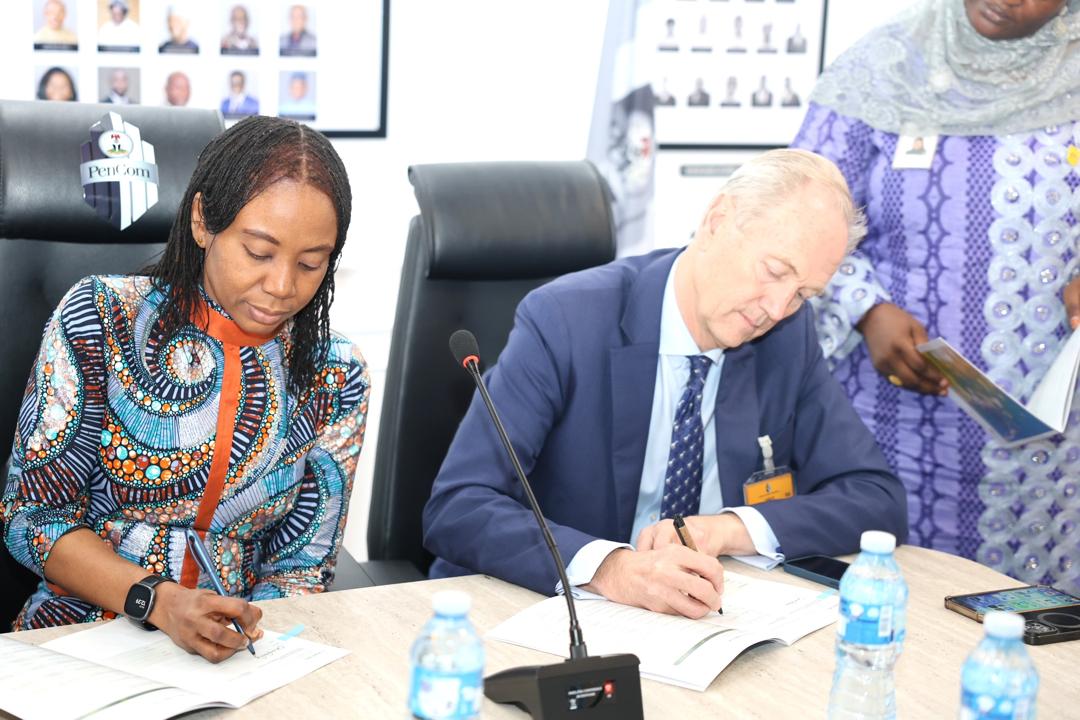
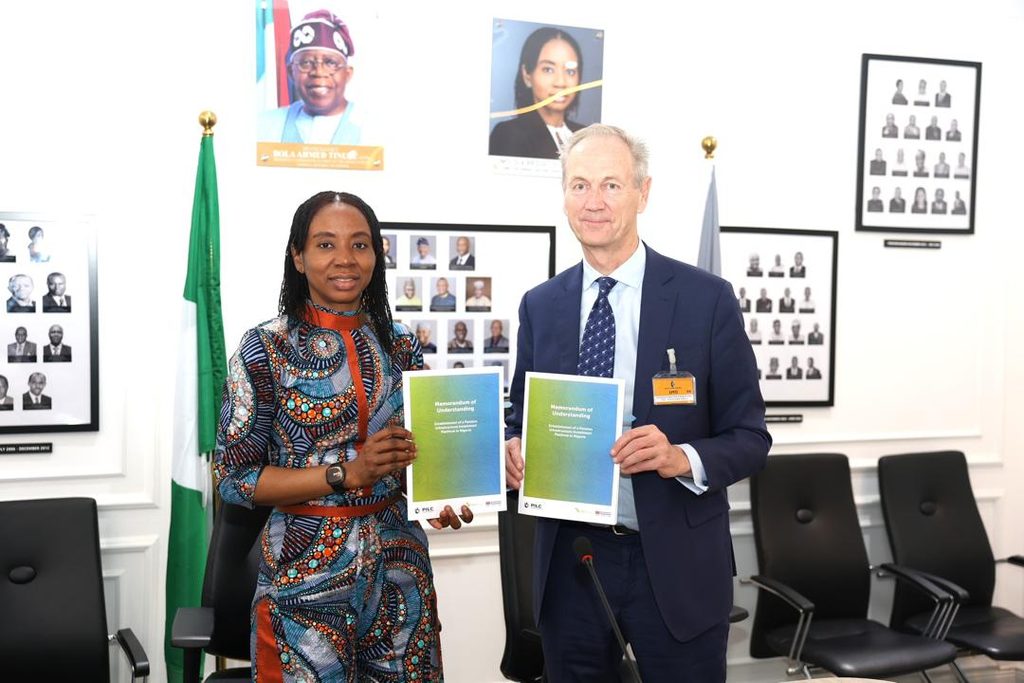
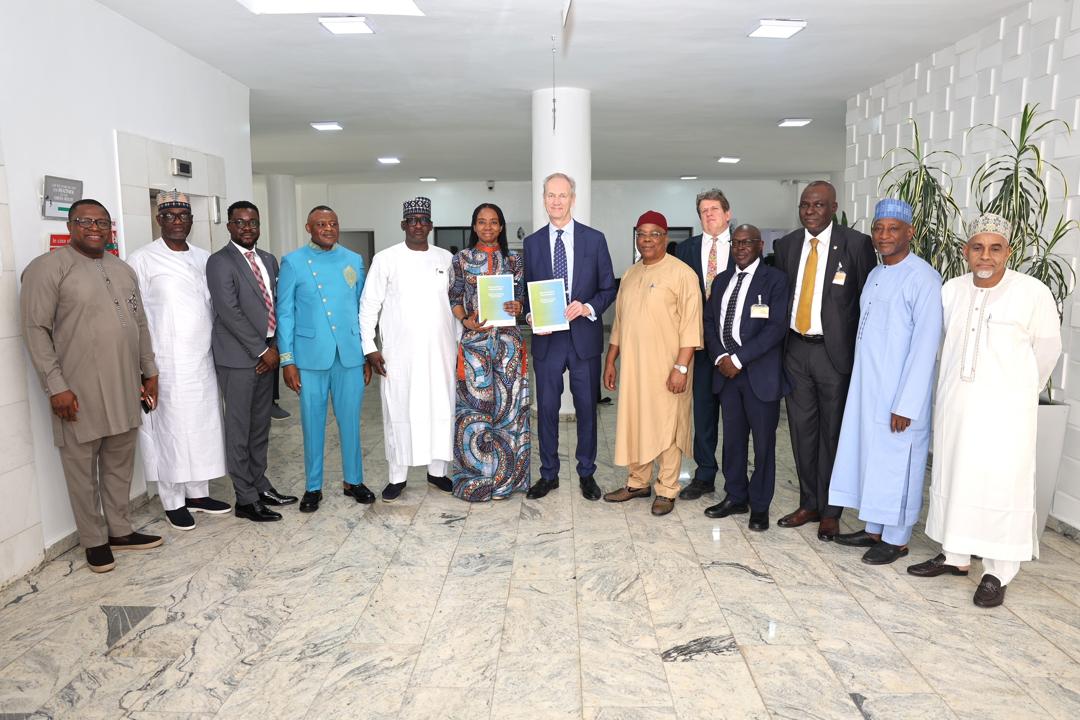
The partnership was formalised through the signing of an agreement to support the development of the proposed fund.
Under the agreement, FSD Africa will provide PILC with expert advice and technical support, including assistance in selecting a fund manager through a competitive process, engaging potential investors and Development Finance Institutions (DFIs), building capacity and supporting necessary regulatory reforms.
The initiative, developed by Nigerian Pension Fund Administrators (PFAs), with support from the National Pension Commission (PenCom) and FSD Africa, seeks to bring together pension funds and development finance to provide long-term financing for infrastructure projects.
UK Deputy High Commissioner in Lagos, Jonny Baxter, said the partnership reflected the shared ambition of Nigeria and the United Kingdom to deepen Nigeria’s capital markets, mobilise domestic investment and channel long-term capital into the real economy.
He said the UK was proud to partner with Nigeria’s pension industry and PenCom to advance the investment initiative.
“Both our countries are prioritising tackling the challenge of attracting more domestic capital, including from pension funds, into the real economy. It is great to see Nigeria making concrete progress on its efforts and be a part of those opportunities to turn this ambition into investment, jobs, and economic growth,” Baxter said.
Chair of PILC and Director-General of PenCom, Omolola Oloworaran, described the proposed platform as timely, saying the pension industry was committed to mobilising its long-term savings capital for infrastructure development while safeguarding contributors’ retirement savings.
“The pension industry holds the largest pool of long-term savings capital in the country, and we are committed to mobilising it to deepen infrastructure development, while safeguarding the retirement savings of contributors. This MoU is the first step we are taking as an industry, and it is just the beginning,” she said.
Chief Executive Officer of FSD Africa, Mark Napier, said the proposed investment structure held significant promise for Nigeria and Africa.
He noted that the continent had substantial institutional capital but continued to face major infrastructure funding deficits.
“We have observed for several years now the paradox of Africa having significant institutional capital while at the same time facing big infrastructure funding deficits. We are keen to work with PenCom and the pension industry in Nigeria to address this and unlock the capital they manage towards Nigeria’s priority infrastructure,” Napier said.
The proposed platform is targeting an initial capital mobilisation of $350 million at its first close, expected in 2027, before scaling up to $750 million.
At its final target size, PIIP aims to mobilise approximately $600 million from Nigerian pension funds and at least $150 million from development finance institutions.
An initial assessment of Nigeria’s infrastructure pipeline identified 39 projects with potential relevance to the platform, representing approximately $20 billion in investment needs.
The platform will invest in equity and quasi-equity capital, with at least 60 per cent of its portfolio allocated to projects in Nigeria and the remainder available for selected regional investments.
Its proposed structure will comprise a naira-denominated core investment fund and a separate co-investment vehicle, allowing participating pension funds to invest alongside the core fund in selected projects.
A parallel foreign-currency vehicle may also be established to accommodate international investors.
The structure is designed to provide institutional investors with access to professionally managed, long-term investment opportunities while helping to finance infrastructure projects that improve connectivity, support business growth and contribute to Nigeria’s wider economic development.
19 Nigerian Pension Funds Express Interest in Proposed $750m Infrastructure Fund

UNFPA, Signify partner to illuminate 10,000 healthcare facilities in seven states

Nigeria, India Sign Human Rights Agreement as Fagbemi Pledges Support for Implementation

19 Nigerian Pension Funds Express Interest in Proposed $750m Infrastructure Fund

Roger Federer’s Shock as DNA Results Reveal Myla and Charlene Are Not His Biological Children

THE PLIGHT OF FARIDA

FAILED COUP IN BURKINA FASO: HOW TRAORÉ NARROWLY ESCAPED ASSASSINATION PLOT AMID FOREIGN INTERFERENCE CLAIMS
-
 News3 years ago
Roger Federer’s Shock as DNA Results Reveal Myla and Charlene Are Not His Biological Children
-
Opinions5 years ago
THE PLIGHT OF FARIDA
-
 News2 years ago
FAILED COUP IN BURKINA FASO: HOW TRAORÉ NARROWLY ESCAPED ASSASSINATION PLOT AMID FOREIGN INTERFERENCE CLAIMS
-
 Opinions5 years ago
POLICE CHARGE ROOMS, A MINTING PRESS
-

 News3 years ago
EYN: Rev. Billi, Distortion of History, and The Living Tamarind Tree
-

 ACADEMICS3 years ago
A History of Biu” (2015) and The Lingering Bura-Pabir Question (1)
-

 Columns3 years ago
Army University Biu: There is certain interest, but certainly not from Borno.
-

 Politics1 year ago
2027: Why Hon. Midala Balami Must Go, as Youths in Hawul and Asikira/Uba Federal Constituency Reject ₦500,000 as Sallah Gift
