
International
US Says No Plan Was on the Table to Establish Military Base in Nigeria

US Says No Plan Was on the Table to Establish Military Base in Nigeria
By: Michael Mike
The United States has said the idea of establishing a military base in Nigeria was never on the table.
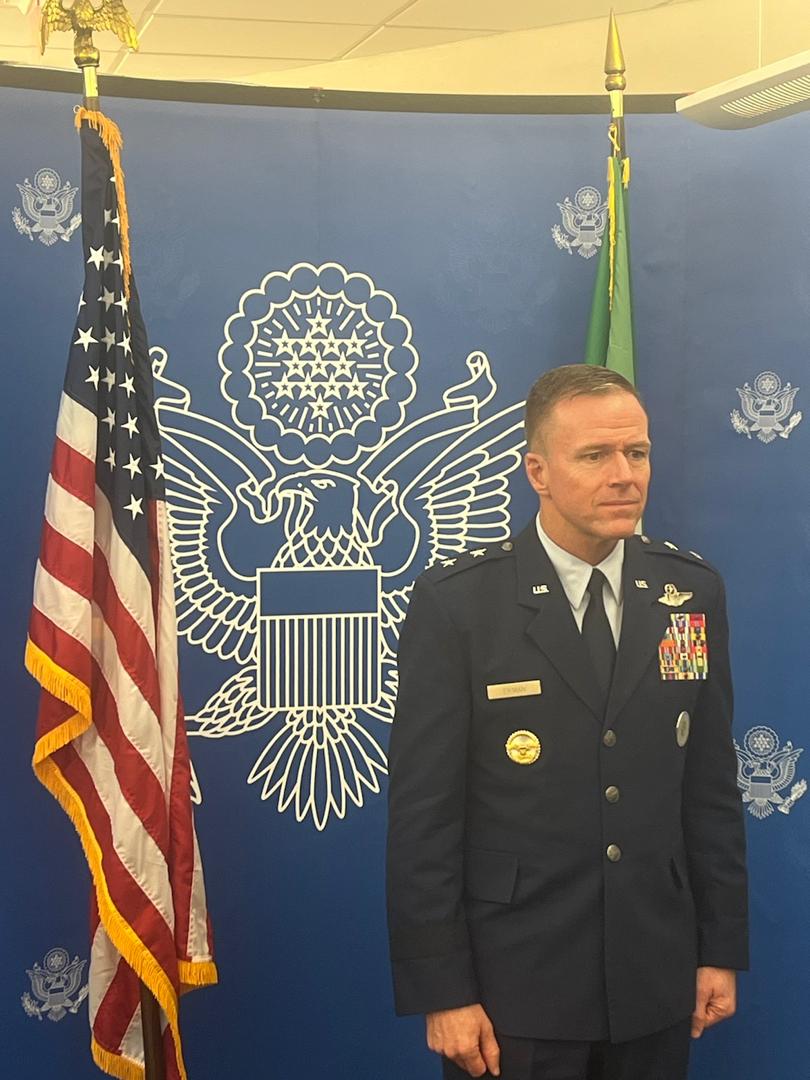
Speaking to journalists on what is next line of action for US government after scrapping it military base in Niger as an aftermath of Nigerien government calling for it as a fallout of worldwide criticism of military take over of democratically elected government in the West African country, the Department of Defense West Africa Coordination Element Lead, U.S. Africa Command (AFRICOM).Maj. Gen. Kenneth Ekman said though it was natural for anyone to suspect that Nigeria would have been the natural destination to establish American military base due to it closeness to Niger and its strategic position as well as cordial relationship with Nigeria but there was never any such plan at any time.
He said: “I am aware of no discussions between U.S. and Nigerian authorities on placing a U.S. base in Nigeria as a result of the Niger withdrawal.
“So if strategy is war on a map, and if the problem we’re trying to solve is Sahelian-based violent extremism, and if the U.S. is not functioning in Niger, then where should we be? That’s what led us to an outside-in approach relative to the Sahel. Does that make sense? So outside-in. And then anytime you talk about outside-in, the important question is, what is Nigeria’s role, given the strength of the nation, given the closeness of our partnership? So it’s a very natural question.
“And I’m not surprised that some people assumed that there were discussions going on about this.”
He revealed the US has no plan to build any big military base anywhere else in West Africa, adding that “if Niger allowed the U.S. to work with partners to go inside-out, for lack of access to Niger, we are now focused on an outside-in approach. And so countries where we’re having conversations, countries where we have started putting some forces, include Cote d’Ivoire, include Benin, we have some U.S. forces there now. I’m going to Accra next.
“I’m keenly interested in what their authorities have to say. It’s got to be right for the partner. And then I was just in N’Djamena a couple of weeks ago as we talked about the next phase for the posture of U.S. forces.
“In all cases, we’re starting with just small elements, small special operations teams that provide advice and assistance and training to the host nation forces. And so that’s the steps for what next. I think that big bases is just not right for the environment.”
On the withdrawal of the military presence from Niger, Ekman said: “We’re almost done. We’ve achieved, together with our Nigerien partners, the safe, orderly, and responsible withdrawal of U.S. forces. A couple of key milestones within that.
“On the 5th of August, we watched the last C-17 fly out of Air Base 201, which is in Agadez, and that was the last major movement of U.S. forces and material. And then just two days ago, we signed over the last U.S. posture location, and as I speak to you today, all former U.S. areas, facilities, and material that remain in Niger have been turned over to the Nigerien military and to the Nigerien authorities. So we’re almost done.”
Ekman, while noting that the deadline of September 15 withdrawal from Niger would be met, highlighted how the withdrawal was conducted: “First, all sensitive equipment, all lethal equipment came out. And then we had to look as we went through the equipment, where did it cost more to move it than it cost in terms of remaining value to divest it? And so I’ve walked these places.
“I’ve seen exactly what we’ve turned over to our Nigerien partners. And it mostly amounts to spaces, it amounts to buildings, and it amounts to non-tactical vehicles. Those are the kinds of things that we turned over.
“And then they are a resource for them. And so as an example, Air Base 201 in Agadez, it was almost a small city, right? So we made sure that they understood how to run the electricity, how to run the water treatment plant. They received some physical infrastructure that our goal would be it continues to operate, right? So that’s how we proceeded.”
US Says No Plan Was on the Table to Establish Military Base in Nigeria


Cuba Accuses US of Pressuring Nations Ahead of UN Vote on Blockade
By: Michael Mike
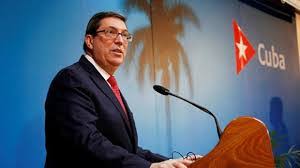
Cuba has accused the United States of mounting a campaign of diplomatic pressure against countries supporting calls for an end to its decades-long economic blockade, alleging that Washington is seeking to influence the outcome of an impending United Nations General Assembly vote.
Cuba’s Permanent Representative to the United Nations, Ernesto Soberón Guzmán, made the allegation on Friday while condemning a US-organised event scheduled for October 19 at the UN headquarters in New York, which he described as an attempt to divert international attention from the debate on the blockade.
The Cuban diplomat alleged that the event, titled “Cuba Libre”, was part of a broader effort to weaken support for a Cuban-sponsored resolution calling for an end to the economic, commercial and financial restrictions imposed by Washington. The resolution is scheduled for consideration by the General Assembly on October 27 and 28.
Speaking to UN-accredited journalists, Soberón accused the US of using political and diplomatic pressure to influence the positions of member states ahead of the vote, including alleged direct appeals by Secretary of State Marco Rubio to heads of state and government.
He described the reported contacts as an attempt to interfere with the sovereign decisions of UN member states, insisting that countries should be allowed to determine their voting positions without intimidation.
The diplomat also questioned the format of the October 19 event, citing restrictions on press access, the non-disclosure of panellists’ identities and a prohibition on attendees expressing their views.
He argued that the arrangements suggested an attempt to control the narrative rather than facilitate an open exchange of perspectives on Cuba.
Soberón said the Cuban delegation had obtained copies of the invitation and concept note despite not being invited to the event.
He further questioned the use of UN premises for an activity he alleged was designed to advance Washington’s political objectives against another member state, citing administrative instruction ST/AI/2019/4 on the use of UN premises and the need for activities to comply with the principles of the UN Charter.
The Cuban representative also accused Washington of applying a double standard by organising the event while having outstanding contributions to the UN’s regular budget.
Beyond the diplomatic dispute, Soberón drew attention to the economic consequences of US sanctions, particularly measures affecting Cuba’s fuel supplies and international trade.
He recalled that US President Donald Trump signed an executive order on January 29, 2026, introducing measures targeting countries supplying oil to Cuba, which he blamed for a sharp decline in fuel shipments to the island.
According to figures he presented, Cuba had received only one oil tanker from Russia in the preceding 10 months, describing the shipment as humanitarian assistance.
He also claimed that approximately 7,000 containers destined for Cuba remained at international ports because shipping companies were reluctant to transport them over fears of possible US sanctions.
Soberón linked the difficulties to further measures announced by Washington on May 1, 2026, which he said expanded the threat of sanctions against companies and countries maintaining commercial relations with Cuba.
He criticised the US-organised event for failing to address the reported impact of the restrictions on the Cuban economy and the living conditions of its population.
The Cuban government has consistently opposed the US embargo, which has remained a major point of contention between the two countries and has repeatedly featured in General Assembly debates.
Soberón maintained that the October 19 event should not distract the international community from the substantive question before the General Assembly: whether the United States should end its economic, commercial and financial blockade of Cuba.
He urged UN member states to uphold the principles of the UN Charter, resist political coercion and exercise their voting rights independently.
The United States has historically defended its Cuba policy on grounds including concerns over the island’s political system and human rights record, while Havana argues that the sanctions violate its sovereignty and impose severe economic hardship on its people.
The forthcoming General Assembly debate is expected to renew international scrutiny of the longstanding dispute.
Reaffirming Havana’s position, Soberón said Cuba would not change its stance because of external pressure, adding: “Cuba is not a threat. The blockade is.”
Cuba Accuses US of Pressuring Nations Ahead of UN Vote on Blockade
Uphold the Four Principles to
Promote Lasting Peace and Stability in Africa
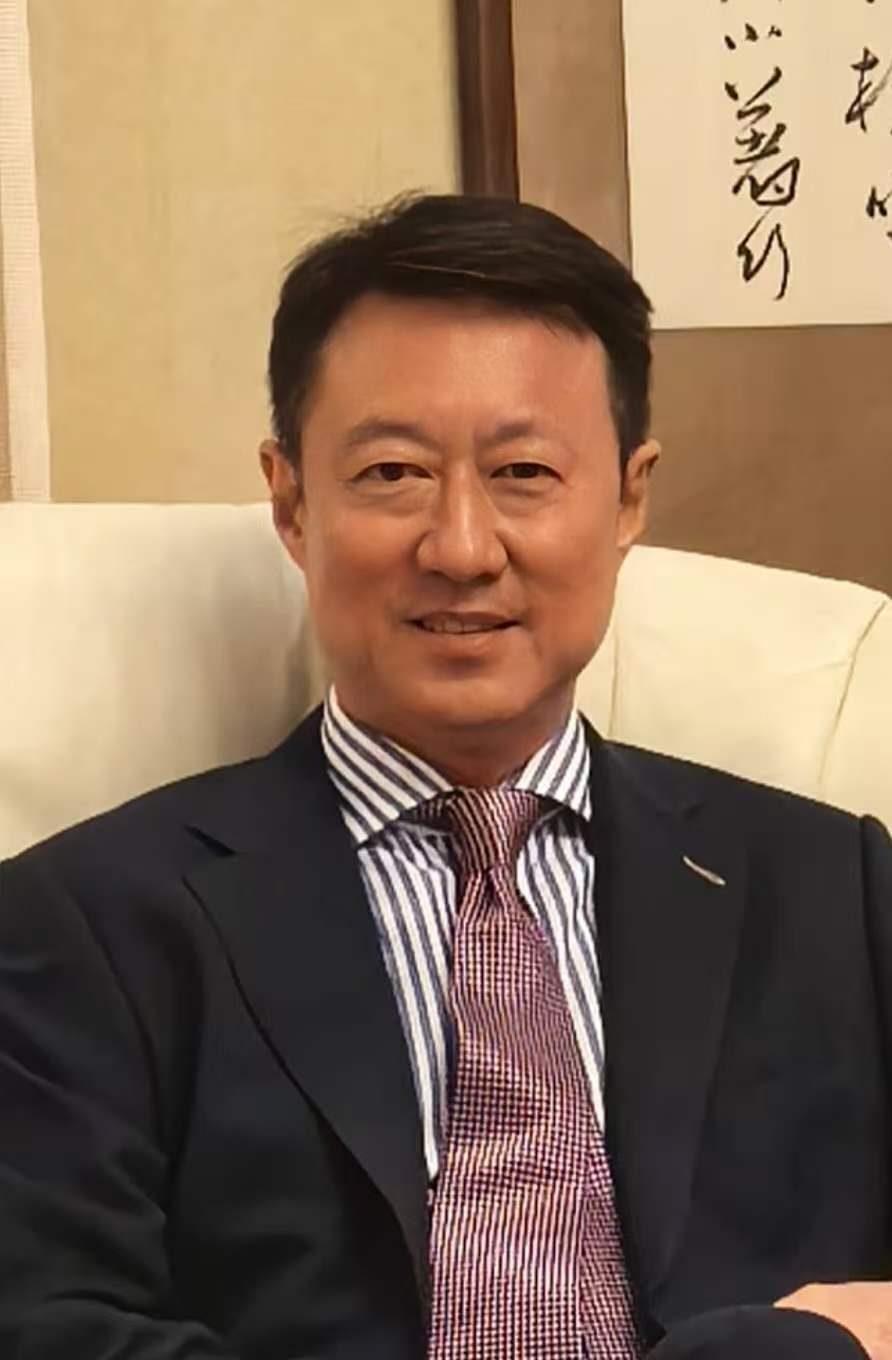
By Yu Dunhai, Chinese Ambassador to Nigeria
The world is undergoing accelerated changes unseen in a century, with profound shifts in the international balance of power. Africa’s peace and development face both new opportunities and challenges.
On the one hand, African countries’ sense of independence continues to grow, and their desire for unity, self-reliance and improved livelihoods is stronger than ever.
On the other hand, hotspot issues on the continent persist and recur, deeply affecting the people of the region. These issues have complex causes. Resolving them and settling disputes requires building consensus and pooling collective strength.
Recently, when meeting with President Faure Gnassingbé of Togo, Chinese President Xi Jinping put forward four principles for constructive participation by all parties in resolving African hotspot issues: upholding African leadership, safeguarding equity and justice, ceasing hostilities and building peace as well as addressing both symptoms and root causes.
These principles provide clear guidance for tackling hotspot issues in Africa and exploring a path toward lasting peace and stability. They fully demonstrate China’s understanding of and support for Africa’s efforts to carry forward Pan-Africanism, independently safeguard peace and security, and redress historical injustices. As Chinese Ambassador to Nigeria, I would like to share my understanding of these four important principles.
First, we must uphold African leadership. President Xi Jinping pointed out that the African people are the true masters of the continent and should therefore play a central role in regional affairs.
China supports African countries, the African Union and sub-regional organizations in upholding self-confidence and self-reliance, pursuing unity and development, and drawing on African traditions and wisdom to effectively address the various challenges facing the continent.
History has repeatedly shown that externally imposed “prescriptions” often fail to suit local conditions. Only by respecting Africa’s independent choices and listening to African voices can lasting and effective solutions be found. China adheres to the principle of sincerity, real results, amity, and good faith in its relations with Africa. It never interferes in Africa’s internal affairs, never imposes its will on others, and always respects the principal role of African countries and peoples.
China firmly practices the approach of “African solutions to African problems.” As Africa’s most populous country and an important member of ECOWAS, Nigeria has long worked to maintain stability in West Africa and has demonstrated the responsibility of a major country in mediating regional disputes, combating extremism, and building regional consensus.
China highly appreciates these efforts and will, as always, support ECOWAS and other sub-regional organizations in playing an important role in mediation and good offices.
Second, we must safeguard equity and justice. President Xi Jinping stressed that parties involved should observe the purposes and principles of the UN Charter, respect the sovereignty and territorial integrity of the countries concerned, practice true multilateralism, uphold a vision of common, comprehensive, cooperative and sustainable security, take into account the legitimate concerns of all sides, and seek fair and reasonable solutions.
Equity and justice are basic norms of international relations and a shared aspiration of African countries. Applying double standards in regional affairs, frequently interfering in internal affairs, or imposing external will only create new instability and ultimately undermine lasting peace.
Safeguarding territorial integrity and sovereignty and combating terrorism are matters within the sovereign rights of African countries. The international community should respect the independent choices of African nations and provide constructive support and assistance on the premise of respecting the countries concerned.
China firmly supports the African people in all their legitimate efforts to safeguard national sovereignty, security, and development interests, and opposes any attempt to interfere in the internal affairs of African countries under the pretext of hotspot issues.
Third, we must cease hostilities and build peace. President Xi Jinping noted that war and unilateral sanctions are never solutions to disputes between countries. Dialogue and consultation are the right way forward.
We should leverage platforms and mechanisms led by the Global South, such as the International Organization for Mediation, to engage in mutual respect and extensive consultation, seek common ground while reserving differences, and pursue mutual understanding and accommodation.
At present, the security situation in the Sahel and Lake Chad regions remains complex and severe. Countries in these areas face multiple security challenges, including terrorism, extremism, and cross-border crime, with various risks intertwined and compounding one another. No single country can address these challenges alone; greater cooperation and consensus among all parties are needed. China firmly supports the UN Security Council and the international community in upholding an objective and impartial stance, actively encouraging talks and conducting mediation on African hotspot issues.
China supports regional countries in bridging differences and building synergy through dialogue and consultation, jointly strengthening the barriers of regional peace and security, and creating a favorable environment for Africa’s stability and development. China stands ready to provide support within its capacity to African countries in enhancing peacekeeping and counter-terrorism capacity-building through the implementation of the Global Security Initiative.
Fourth, we must address both symptoms and root causes. President Xi Jinping emphasized that addressing immediate security concerns should go hand in hand with long-term development planning.
China stands ready to continue sharing the new opportunities of Chinese modernization with African countries, advance cooperation in agriculture, industry, poverty reduction, green development, science and technology, and other fields, support the sustainable development of regional countries, and enhance exchanges and mutual learning among civilizations, so as to lay a solid foundation for lasting peace.
China has always held that development is the master key to solving all problems. Security and development are mutually reinforcing and inseparable. Without a stable security environment, development is impossible. Without sustainable development, the foundations of security will remain fragile.
Nigeria is an important African economy with a large population and a wealth of young people. Accelerating industrialization is both an urgent developmental need and a fundamental guarantee of lasting peace and stability. China is ready to help Nigeria and Africa advance industrial transformation and the process of industrialization and modernization through concrete cooperation, achieving security through development and peace through cooperation.
Africa is a continent full of hope. Its future should and will be written by the African people themselves. China and Africa are good partners, good friends, and good brothers who share weal and woe. No matter how the international landscape changes, China will always stand firmly with Africa. Standing at a new starting point in building a China-Africa community with a shared future in the new era, China will continue to work with Nigeria and other African countries to firmly implement the four principles, actively promote the political settlement of hotspot issues in Africa, continuously deepen practical cooperation in various fields, jointly strengthen security barriers and unlock development momentum, and write a new chapter of peace, development and win-win cooperation on the African continent.
Uphold the Four Principles to
Promote Lasting Peace and Stability in Africa
Israel Trains Nigerian Health Workers on Maternal Emergency Care
By: Michael Mike
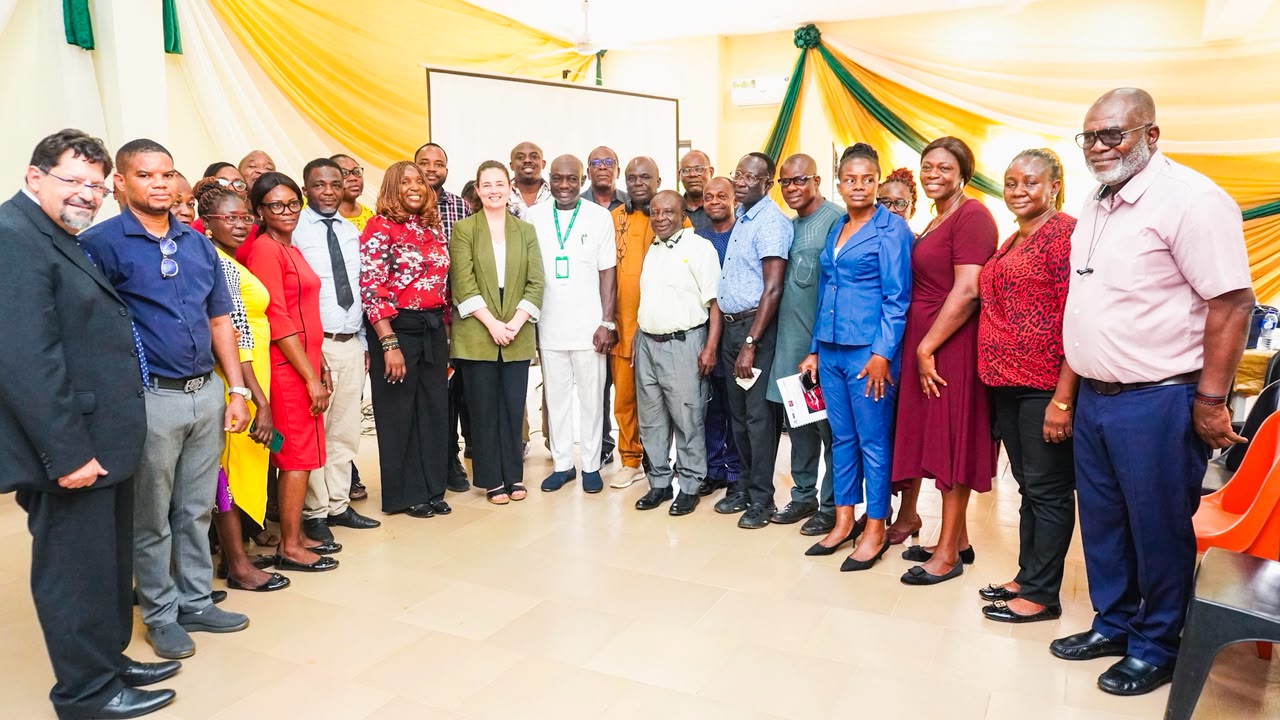
Israeli doctors in collaboration with the embassy of Israel in Nigeria have trained Nigerian healthcare professionals in life-saving maternal emergency care as part of efforts to strengthen the country’s response to childbirth-related complications and reduce preventable maternal deaths.
The five-day clinical training programme, led by Israeli medical specialist, Professor Offer Erez, was held at the University of Nigeria Teaching Hospital (UNTH), Enugu, from October 5 to 9, 2026.
The programme brought together doctors, obstetricians, gynaecologists, midwives, professors, clinical lecturers and other healthcare professionals for specialised instruction in postpartum haemorrhage (PPH), obstetric emergencies, thrombosis, haemostasis and emergency response protocols.
Postpartum haemorrhage, a condition involving excessive bleeding after childbirth, remains a major cause of maternal deaths worldwide. The embassy cited World Health Organisation (WHO) estimates indicating that Nigeria records about 75,000 maternal deaths annually, underscoring the need to improve emergency obstetric care and access to skilled medical intervention.
Speaking during her official visit to Enugu State, the Chargé d’Affaires of the Embassy of Israel in Nigeria, Ms Racheli Stavissky, reaffirmed Israel’s commitment to supporting Nigeria’s healthcare development through medical expertise, innovation and professional capacity building.
She said every mother deserved access to safe childbirth and quality emergency medical care, adding that behind every maternal mortality statistic was a woman, a family and a community.
Stavissky said Israel was proud to share its medical expertise with Nigerian healthcare professionals, noting that equipping doctors, midwives and medical educators with advanced clinical skills could save lives beyond the duration of the training.
She also expressed the embassy’s readiness to expand cooperation with UNTH in maternal healthcare, medical education and emergency medicine.
The training combined evidence-based clinical instruction, high-fidelity medical simulations, practical sessions and multidisciplinary emergency response exercises.
Participants received specialised instruction in the early detection and management of obstetric haemorrhage, maternal stabilisation, haemostatic resuscitation, emergency blood transfusion protocols and coordinated clinical decision-making.
A major component of the programme was the Training-of-Trainers approach, designed to equip Nigerian healthcare professionals with the knowledge and practical skills to train their colleagues and extend improved emergency obstetric care to other healthcare institutions.
Erez commended the commitment and professionalism of Nigerian healthcare workers, describing the collaborative learning environment at UNTH as encouraging.
He said the training was designed to strengthen healthcare teams’ ability to recognise and manage life-threatening obstetric complications through practical simulations, evidence-based haemorrhage management and coordinated emergency response.
“Our goal is to bridge the gap between clinical knowledge and emergency response while empowering Nigerian doctors, midwives and medical educators to transfer these skills to others,” he said.
Erez added that building local capacity to train other healthcare professionals was essential to sustaining the benefits of the programme and improving maternal health outcomes.
The Governor of Enugu State, Dr. Peter Mbah, also welcomed the Israeli delegation, describing the initiative as an important contribution to healthcare development in the state.
Mbah said strengthening the healthcare system required more than investment in infrastructure, stressing the importance of continuous professional development, access to international expertise and modern approaches to patient care.
He expressed appreciation to the Embassy of Israel and the medical team, saying the specialised training would enhance the capacity of healthcare professionals to respond to critical maternal emergencies.
The governor also expressed the state government’s interest in expanding cooperation in medical education, healthcare innovation and institutional capacity development.
The embassy said it remained committed to partnerships aimed at strengthening institutions, improving healthcare delivery and promoting the wellbeing of communities across Nigeria.
Israel Trains Nigerian Health Workers on Maternal Emergency Care

2027: Nwankwo Warns INEC Against Unclear AI Use, Urges Credible Elections

IPCR Seeks Stronger Field Offices as Insecurity Spreads Across Nigeria

600m Africans Without Electricity as Summit Targets Power Sector Overhaul

Roger Federer’s Shock as DNA Results Reveal Myla and Charlene Are Not His Biological Children

THE PLIGHT OF FARIDA

FAILED COUP IN BURKINA FASO: HOW TRAORÉ NARROWLY ESCAPED ASSASSINATION PLOT AMID FOREIGN INTERFERENCE CLAIMS
-
 News3 years ago
Roger Federer’s Shock as DNA Results Reveal Myla and Charlene Are Not His Biological Children
-
Opinions5 years ago
THE PLIGHT OF FARIDA
-
 News2 years ago
FAILED COUP IN BURKINA FASO: HOW TRAORÉ NARROWLY ESCAPED ASSASSINATION PLOT AMID FOREIGN INTERFERENCE CLAIMS
-
 Opinions5 years ago
POLICE CHARGE ROOMS, A MINTING PRESS
-

 News3 years ago
EYN: Rev. Billi, Distortion of History, and The Living Tamarind Tree
-

 ACADEMICS3 years ago
A History of Biu” (2015) and The Lingering Bura-Pabir Question (1)
-

 Columns3 years ago
Army University Biu: There is certain interest, but certainly not from Borno.
-

 Politics1 year ago
2027: Why Hon. Midala Balami Must Go, as Youths in Hawul and Asikira/Uba Federal Constituency Reject ₦500,000 as Sallah Gift
