
News
Women Will Lead Africa’s $29trn Economic Ambition, Says VP Shettima

Women Will Lead Africa’s $29trn Economic Ambition, Says VP Shettima
** Launches project #SheIsIncluded to bridge gender gaps in finance, economy
By: Our Reporter
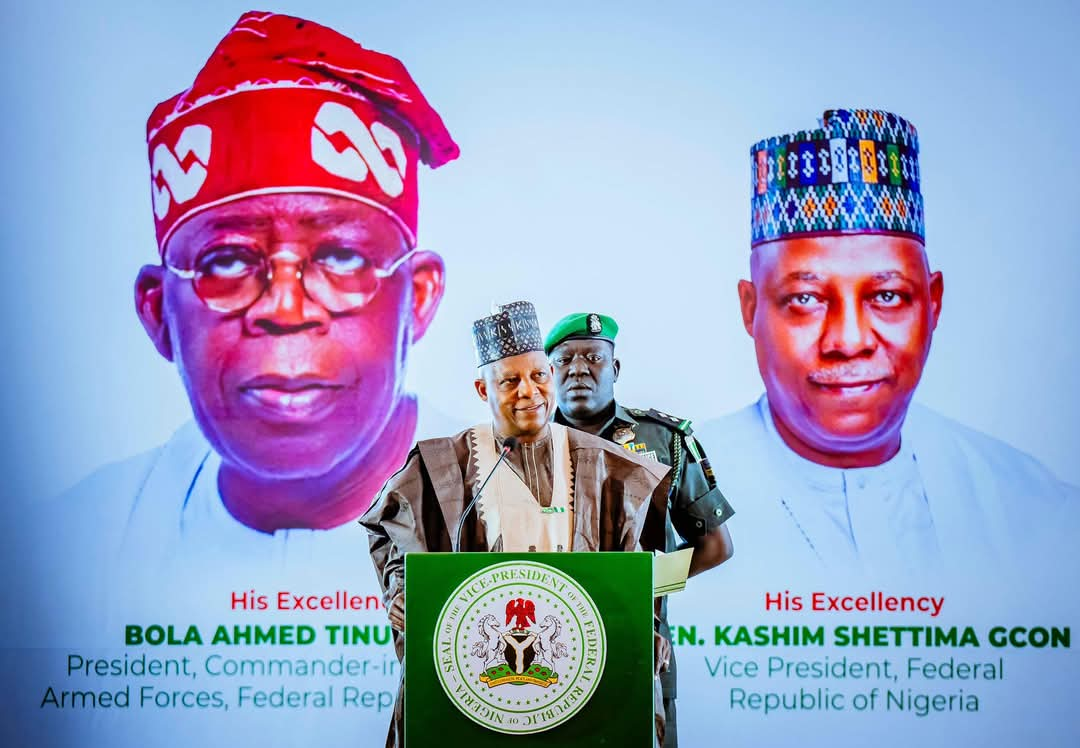
In a move to advance gender equality and women’s economic empowerment, Vice President Kashim Shettima has declared that women will be at the forefront of Africa’s projected $29 trillion economic transformation.
He expressed strong conviction that gender inclusion is not merely a rhetorical commitment but a cornerstone of Nigeria’s national development agenda.
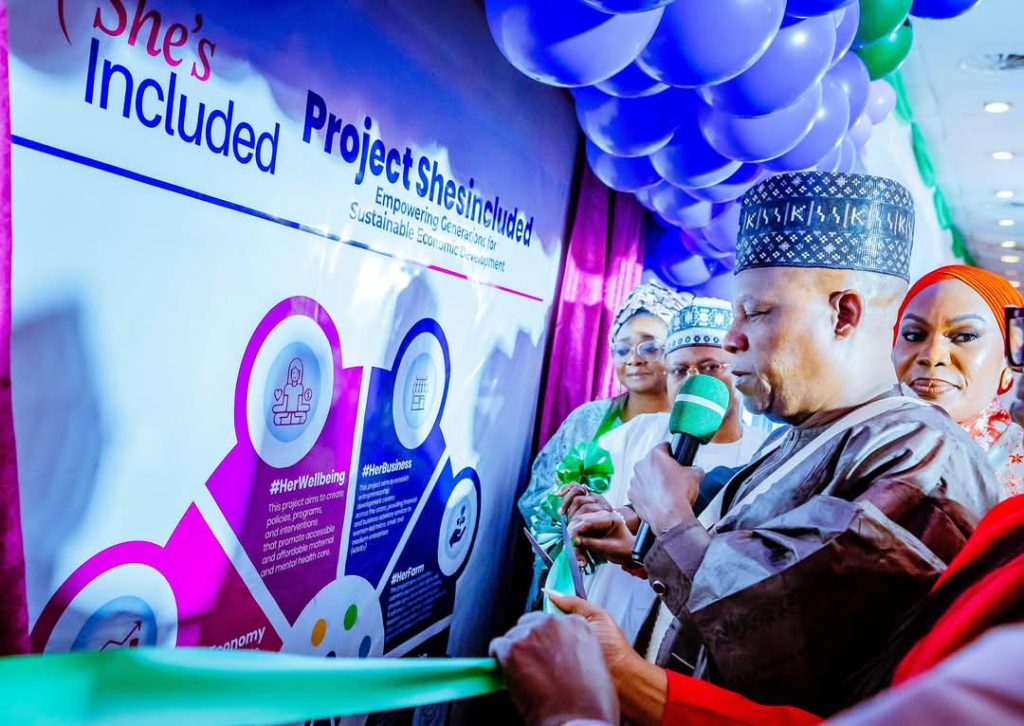
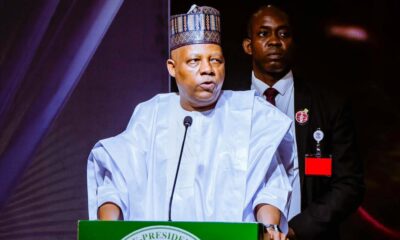
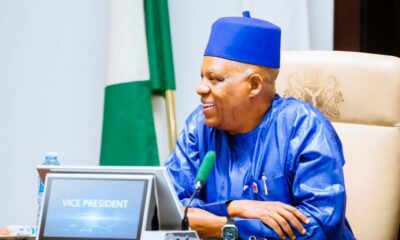
Senator Shettima stated this on Thursday in Abuja when he declared open the 2025 Gender Inclusion Conference and launched Project #SheIsIncluded to bridge gender gaps in finance and the broader economy.
The conference with the theme, “Breaking Barriers, Building Resilience for Sustainable Women’s Economic and Financial Inclusion,” builds on the 2024 Aso Accord for Economic and Financial Inclusion and underscores Nigeria’s commitment to achieving Sustainable Development Goal 5: gender equality and the empowerment of all women and girls.
“We cannot build the Nigeria or Africa we envision without fully integrating women into our economic systems. Women are not just participants in our economy; they are leaders, innovators, and the bedrock of sustainable development,” the Vice President stated.
According to VP Shettima, Project #SheIsIncluded is built on four key pillars of education and financial literacy, maternal healthcare, gender-sensitive policies and programmes, and expanded economic opportunities for women.
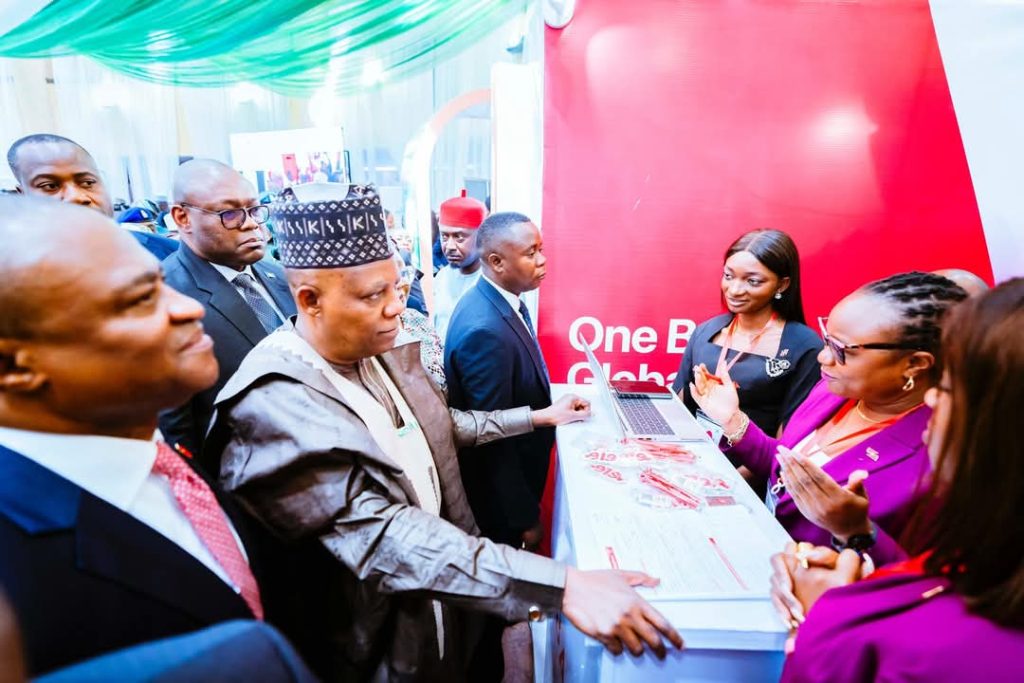
He also announced that the initiative will reach all 774 local government areas across Nigeria to ensure that no woman is left behind.
“Our commitment to gender inclusion is not a cosmetic performance to placate the sensibilities of progressives; it is a fundamental pillar of our national development agenda. We are not just assuring the women of Nigeria of their place in our collective journey—we are creating the pathways for them to lead the charge,” VP Shettima said.
He explained that the project “is not just about meeting quotas—it is about unlocking the full potential of our people to drive the broader economic goals of His Excellency, President Bola Ahmed Tinubu’s administration.”
The Vice President noted that the initiative will be spearheaded by the Presidential Committee on Economic and Financial Inclusion in partnership with the Ministry of Women Affairs.
“To build an inclusive economic ecosystem where all Nigerians, regardless of gender, can contribute and benefit, we must redouble our efforts and align with global best practices. We must be relentless in our pursuit of Sustainable Development Goal 5—achieving gender equality and empowering all women and girls,” he affirmed.
He emphasised that the two-day conference is more than just a forum for discussion as it is an avenue for serious reflection and practical strategising on how to build an inclusive nation. He urged both public and private sector stakeholders to take the opportunity to outline actionable steps towards active participation in the gender inclusion agenda.
“I look forward to the recommendations that will emerge from this conference, knowing that they will shape the future of gender inclusion in Nigeria,” VP Shettima added.
In her remarks, the Chief Justice of Nigeria, Justice Kudirat Kekere- Ekun, said the conference was an important milestone in the collective effort to outline ways of breaking barriers to empowering women and promoting inclusion.
She said gender inclusion was a key enabler of sustainable development and central to addressing poverty and fostering economic growth, noting that it should translate into financial independence, wealth creation, and leadership development for women across different sectors.
The CJN assured that the judiciary will work in partnership with stakeholders to ensure that the rights of women to access economic resources and ownership of property, among others, are protected and not subjected to the dictates of individuals or obsolete cultural practices and stereotypes.
In a recorded message to the occasion, the Deputy Secretary General of the United Nations, Dr Amina Mohammed, said the conference marked a critical step towards Nigeria’s journey to gender inclusion, women empowerment, and the Sustainable Development Goals (SDGs).
She said gender equality and inclusion is not just an aspiration but a foundation for sustainable development, peace, and development across the world and urged all to invest in women’s empowerment, noting that when women are empowered, communities prosper, economies grow, and societies advance.
Earlier, the Deputy Chief of Staff to the President (Office of the Vice President), Sen. Ibrahim Hassan Hadejia, said VP Shettima’s support and push for inclusive growth resonates with everything that he has done since assuming office and is central to the agenda of the National Economic Council (NEC).
Sen. Hadejia said the “She’s Included” Conference is aimed at breaking barriers, challenging stereotypes, and building systems that support women’s empowerment across the country and serving as a model for gender equity in Nigeria, providing a guide to subsequent efforts and interventions aimed at integrating and empowering women across the country and beyond.
On her part, the Minister of Women Affairs and Social Development, Hajiya Imaan Sulaiman Ibrahim, said the conference offers a unique opportunity to strengthen strategic frameworks for dismantling all barriers towards the actualisation of all women empowerment programmes and initiatives.
In the same vein, Governor Uba Sani of Kaduna State said the goals of the conference aligned with the agenda of the State Government on gender and economic inclusion, targeting women and vulnerable groups through the Kaduna State policy on women empowerment.
He highlighted programmes by the state government that have impacted women across agriculture, commerce, and different areas of the MSMEs, noting that the time to remove all impediments to women’s empowerment and inclusion was now and must be supported by all stakeholders.
On his part, Jigawa State Governor, Umar Namadi, said that given the position of women in the society, empowering them is an imperative and a step in the right direction that must be sustained, declaring that Jigawa in realisation of this great potential has placed itself as a champion and model for women empowerment in Nigeria.
He said that girl child education in the state is free at all levels and is tracked across the state, noting that it is a deliberate policy of the State Government to stimulate and improve rural economy.
In the same vein, Edo State Governor, Monday Okpebholo, commended the conveners for the initiative, noting that it is a call to action, noting that his administration is deliberate about pursuing policies on inclusion and uplifting of women with the aim of harnessing their productive potentials.
Giving an overview of the conference, the Technical Adviser to the President on Economic and Financial Inclusion, Dr Nurudeen Zauro, said the conference presents a formidable platform for transformation, alignment of goals, sharing of insights, and designing of actionable plans that will break barriers and build resilience that will lead to financial inclusion across the country.
On his part, the Founder/GMD Moniepoint Microfinance Bank, Mr. Tosin Eniolorunda, said inclusion must be at the core of the strategy to build a trillion-naira economy, hence the need to support the “She’sIncluded” initiative.
He said inclusion is not a charity but an economic imperative, noting that empowering women is akin to driving economic growth and described women as economic drivers, assuring that Moneipoint remains committed to the actualisation of the ideals of women’s inclusion initiative.
In his remarks, the Chairman of the Body of Banks’ CEOs and GMD/CEO of UBA Group, Mr Oliver Alawuba commended the Vice President’s Office for convening the first conference on gender inclusion, noting that it is a clear testament of the President Tinubu administration’s commitment to fostering and supporting an inclusive society.
He emphasized the need for all stakeholders to be deliberate about empowering women, restating that it is synonymous with unlocking the full potential of our society and economy, noting that when women succeed, families flourish, and the nation thrives.
Also present at the event were the CEO of the National Information Technology Development Agency (NITDA), Mr Kashifu Inuwa Abdullahi; the first ladies of Jigawa, Katsina and the CEOs of financial institutions and other partners.
Women Will Lead Africa’s $29trn Economic Ambition, Says VP Shettima






Military
COAS commissions 6 Division RSM House, reaffirms frontline leadership role of regimental sergeant majors
COAS commissions 6 Division RSM House, reaffirms frontline leadership role of regimental sergeant majors
By Zagazola Makama
The Chief of Army Staff (COAS), Lieutenant General Waidi Shaibu, has reaffirmed the critical role of Regimental Sergeant Majors (RSMs) in strengthening discipline, leadership and operational effectiveness across the Nigerian Army.
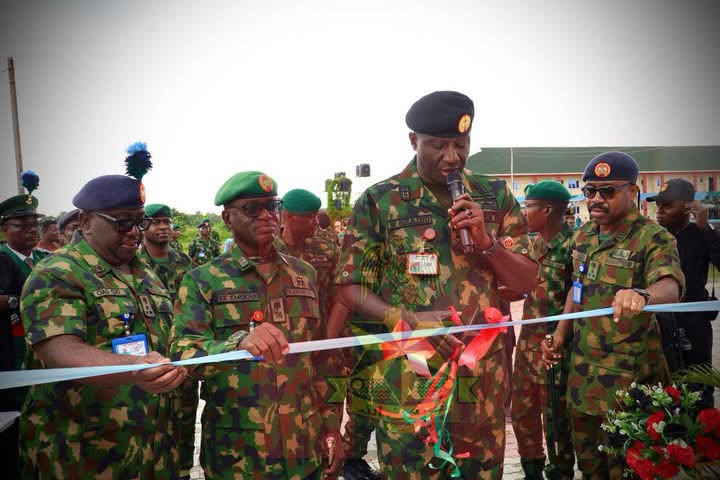
The COAS made the remarks on Friday during the commissioning of the newly constructed 6 Division Regimental Sergeant Major’s House in Port Harcourt as part of activities marking the 163rd Nigerian Army Day Celebration (NADCEL 2026).
Speaking at the event, Lt.-Gen. Shaibu described RSMs as the backbone of regimental administration and custodians of discipline, standards and morale within the Army.
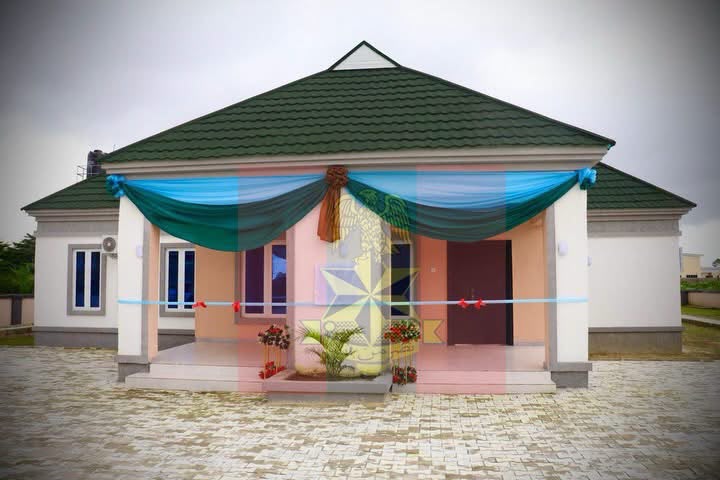
He said the provision of dedicated accommodation for RSMs was not merely a welfare initiative but a strategic investment aimed at enhancing leadership at the unit level and improving operational efficiency.
According to the Army Chief, RSMs play a vital role in translating command directives into action, maintaining troop cohesion and ensuring effective implementation of operational orders across various theatres of operation.
He added that the senior non-commissioned officers also serve as the crucial link between officers and soldiers, fostering professionalism, mutual trust and esprit de corps within formations and units.
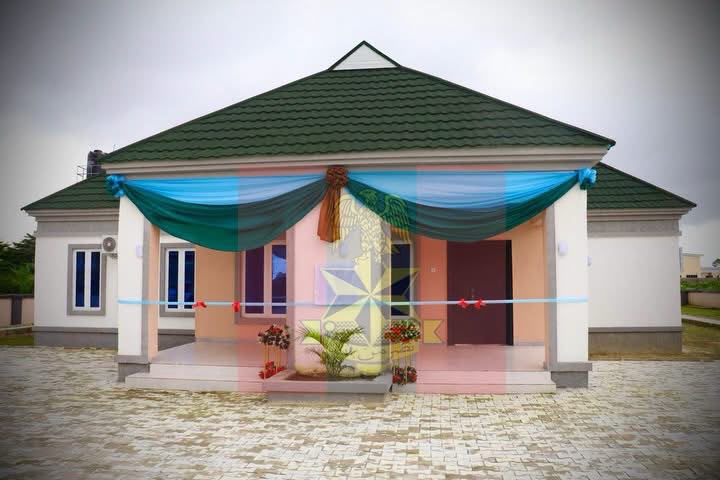
Shaibu noted that the influence of RSMs in mentoring soldiers, enforcing discipline and sustaining troop morale remains indispensable to the success of military operations.
He stressed that providing conducive accommodation for key regimental leaders would enhance their ability to discharge their responsibilities effectively and contribute to improved operational readiness.
The COAS reiterated that under his “Soldier First” philosophy, the welfare of personnel, particularly those occupying critical leadership positions, remains a top priority.
He maintained that sustained investment in welfare infrastructure and leadership development would continue to strengthen the Nigerian Army’s capacity to remain a resilient, professional and combat-ready force capable of addressing the country’s evolving security challenges.
COAS commissions 6 Division RSM House, reaffirms frontline leadership role of regimental sergeant majors
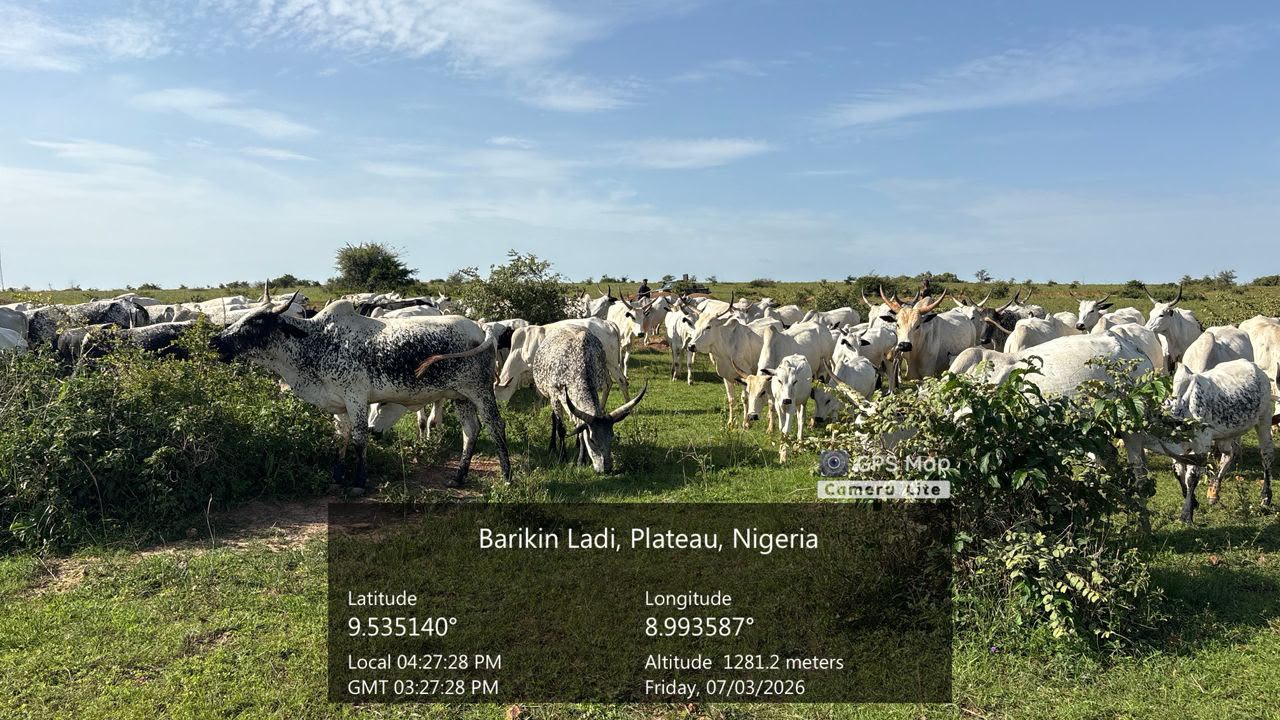
Troops intercept cattle grazing in restricted area in Plateau, herders flee
By: Zagazola Makama
Troops of Operation Enduring Peace (OPEP) have intercepted a herd of cattle found grazing in a restricted area in Barkin Ladi Local Government Area of Plateau State.
Intelligence sources told Zagazola Makama that the troops of Sector 4 OPEP responded to a report of illegal grazing at about 3:30 p.m. on Friday in Nyerwie village.
The sources said that upon arrival at the location, the troops found a herd of cattle grazing in the restricted area.
The herders reportedly fled into nearby bushes on sighting the troops, abandoning the livestock.
The intercepted cattle were subsequently moved to a secure location for necessary administrative action, while efforts are ongoing to identify and apprehend the fleeing herders, the sources said.
Troops intercept cattle grazing in restricted area in Plateau, herders flee
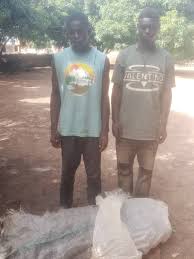
Troops Arrest Two Suspected Vandals, Recover Stolen Construction Materials in Jos
By: Zagazola Makama
Troops of Operation Enduring Peace (OPEP) have arrested two suspected vandals in Jos North Local Government Area of Plateau State for allegedly stealing construction materials from an ongoing road construction site.
Security sources said the suspects, identified as Arin Itse, 21, and Agwom Christopher, 19, were arrested at about 9:30 a.m. on Friday during a routine patrol by troops of Sector 1, Sub-Sector 12, along the Kwanga road in Jos North.
The sources said the suspects were intercepted while in possession of iron rods suspected to have been stolen from a road construction company handling an ongoing project in the area.
According to the sources, the suspects were taken into custody for further investigation, while the recovered iron rods were handed over to the construction company.
The sources added that investigations were ongoing to determine the circumstances surrounding the alleged theft and whether other persons were involved.
Troops Arrest Two Suspected Vandals, Recover Stolen Construction Materials in Jos

COAS commissions 6 Division RSM House, reaffirms frontline leadership role of regimental sergeant majors

Troops intercept cattle grazing in restricted area in Plateau, herders flee

Troops Arrest Two Suspected Vandals, Recover Stolen Construction Materials in Jos

Roger Federer’s Shock as DNA Results Reveal Myla and Charlene Are Not His Biological Children

THE PLIGHT OF FARIDA

FAILED COUP IN BURKINA FASO: HOW TRAORÉ NARROWLY ESCAPED ASSASSINATION PLOT AMID FOREIGN INTERFERENCE CLAIMS
-
 News2 years ago
Roger Federer’s Shock as DNA Results Reveal Myla and Charlene Are Not His Biological Children
-
Opinions4 years ago
THE PLIGHT OF FARIDA
-
 News1 year ago
FAILED COUP IN BURKINA FASO: HOW TRAORÉ NARROWLY ESCAPED ASSASSINATION PLOT AMID FOREIGN INTERFERENCE CLAIMS
-

 News2 years ago
EYN: Rev. Billi, Distortion of History, and The Living Tamarind Tree
-
 Opinions5 years ago
POLICE CHARGE ROOMS, A MINTING PRESS
-

 ACADEMICS2 years ago
A History of Biu” (2015) and The Lingering Bura-Pabir Question (1)
-

 Columns2 years ago
Army University Biu: There is certain interest, but certainly not from Borno.
-

 Politics1 year ago
2027: Why Hon. Midala Balami Must Go, as Youths in Hawul and Asikira/Uba Federal Constituency Reject ₦500,000 as Sallah Gift
