
News
NHRC, NACA Collaborate to Enforce Rights of People Living with HIV/AIDS, Other Marginalized Nigerians

NHRC, NACA Collaborate to Enforce Rights of People Living with HIV/AIDS, Other Marginalized Nigerians
By: Michael Mike
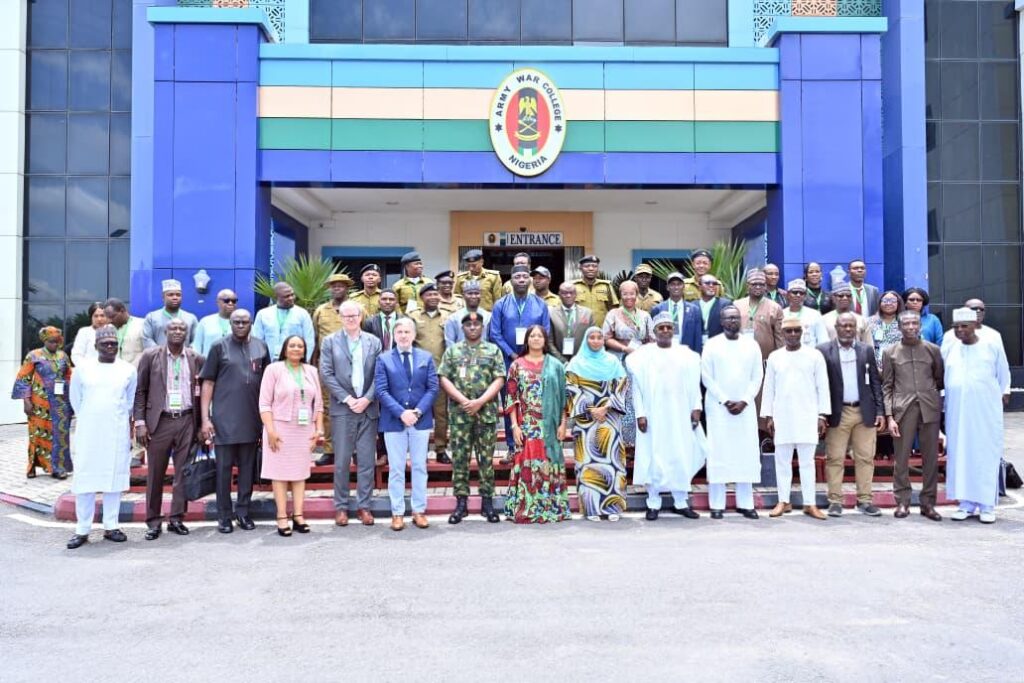
The National Human Rights Commission (NHRC), in collaboration with the National Agency for the Control of AIDS (NACA), as part of its implementation of the Global funds grant circle 7 (GT7) inaugurated Access to Justice Coordination Forum to enforce the rights of people living with HIV and other marginalized Nigerians.
Speaking at the inauguration in Abuja on Monday, the Executive Secretary of NHRC, Dr. Tony Ojukwu also expressed displeasure over criminalization based on sexual preference.
He said: “Access to justice is a fundamental pillar of human rights and the rule of law. It ensures that individuals, regardless of their socio-economic status, gender, health condition, or background, can seek and obtain remedies when their rights are violated. This forum is a crucial step in strengthening our collective efforts to bridge the justice gap for people living with HIV/AIDS, key populations, and other marginalized groups who continue to face stigma, discrimination, and systemic barriers in accessing legal redress and social justice.”
He lamented that: “Despite significant progress in addressing HIV-related discrimination, many affected individuals still encounter violations of their rights in healthcare, employment, and social settings. Stigma continues to fuel fear, misinformation, and exclusion, making it imperative for us to reinforce legal protections and ensure that justice mechanisms are accessible, responsive, and effective.”
He decried that: “The enactment of the Same Sex Marriage Prohibition Act of 2014 has equally brought to the fore challenges of discrimination, indiscriminate arrest, torture and inhuman and degrading treatment on key populations in Nigeria. NHRC and other organisations have been on the forefront in seeking for justice for victims of human rights violations related to sexual or gender identity across Nigeria. We will not stop.”
He said: “With the support of the Global Fund, the NHRC will be embarking on within the next two years, series of programmes, capacity building, policy and legal reforms to protect the rights of Nigerian from discrimination and criminalisation. We shall also be setting up institutional measures to provide access to justice, and working with other partners to support class and individual legal actions in line with sections 5 and 6 of the NHRC (Amendment) Act of 2010.”
He further said: “The NHRC is committed to working closely with all stakeholders to safeguard human rights and promote social justice for all persons. However, no individual agency no matter how well resourced can achieve access to justice alone. We believe that this forum will continue to work together, generate and share best practices, contribute organisational resources and jointly advocate for stronger legal frameworks, improved access to justice, and better protection for people living with HIV and other key populations and marginalized people in Nigeria.”
In his goodwill message, the Country Director of United Nations AIDS (UNAIDS), Dr. Leopold Zekeng noted that: “People living with HIV/AIDS often face significant barriers to justice. These barriers include stigma, discrimination, lack of awareness about their rights, inadequate legal support, institutional bias, economic constraints, amongst others. Many individuals are sometimes denied access to essential services, face unjust treatment in the workplace, and are subjected to social exclusion. These injustices not only violate their basic human rights but also hinder their ability to live healthy and fulfilling lives. This indeed is a profound human rights issue that demands our urgent attention and action.”
Zekeng who was represented Oluwafisayo Fakayode said: “At UNAIDS, we believe that justice is not just a concept, but a fundamental human right that must be accessible to all, regardless of their health status, identity, or circumstances. The right to access to justice is indeed multidimensional. It encompasses justiciability, availability, accessibility, good quality, the provision of remedies for victims/survivors and the accountability of justice systems.
“This Access to Justice Coordination Forum is a testament to all our unwavering commitment to dismantle the barriers that prevent individuals from accessing the justice they deserve. Addressing this issue requires a collective effort. Governments, civil society organizations, healthcare providers, legal practitioners, and communities must work together to create an environment where people living with HIV/AIDS can access justice without fear or prejudice. We must share best practices, support each other’s efforts, and hold each other accountable to ensure that justice is accessible to all.”
In goodwill message, the Director General, NACA, Dr. Temitope Ilori said: “NACA will continue to lead the national response to HIV/AIDS, and this partnership with NHRC will further empower the agency to address both the health and human rights dimensions of the epidemic.
“We must note that the success of this forum will depend on one that is present here- our ability to work across sectors, leveraging our diverse expertise to create effective strategies that promote equitable access to justice for all Nigerians.
“We look forward to this forum’s positive impact on our collective efforts to build a more just and inclusive society. May this initiative serve as a model for future collaborations across Africa’s health and justice sectors.”
NHRC, NACA Collaborate to Enforce Rights of People Living with HIV/AIDS, Other Marginalized Nigerians


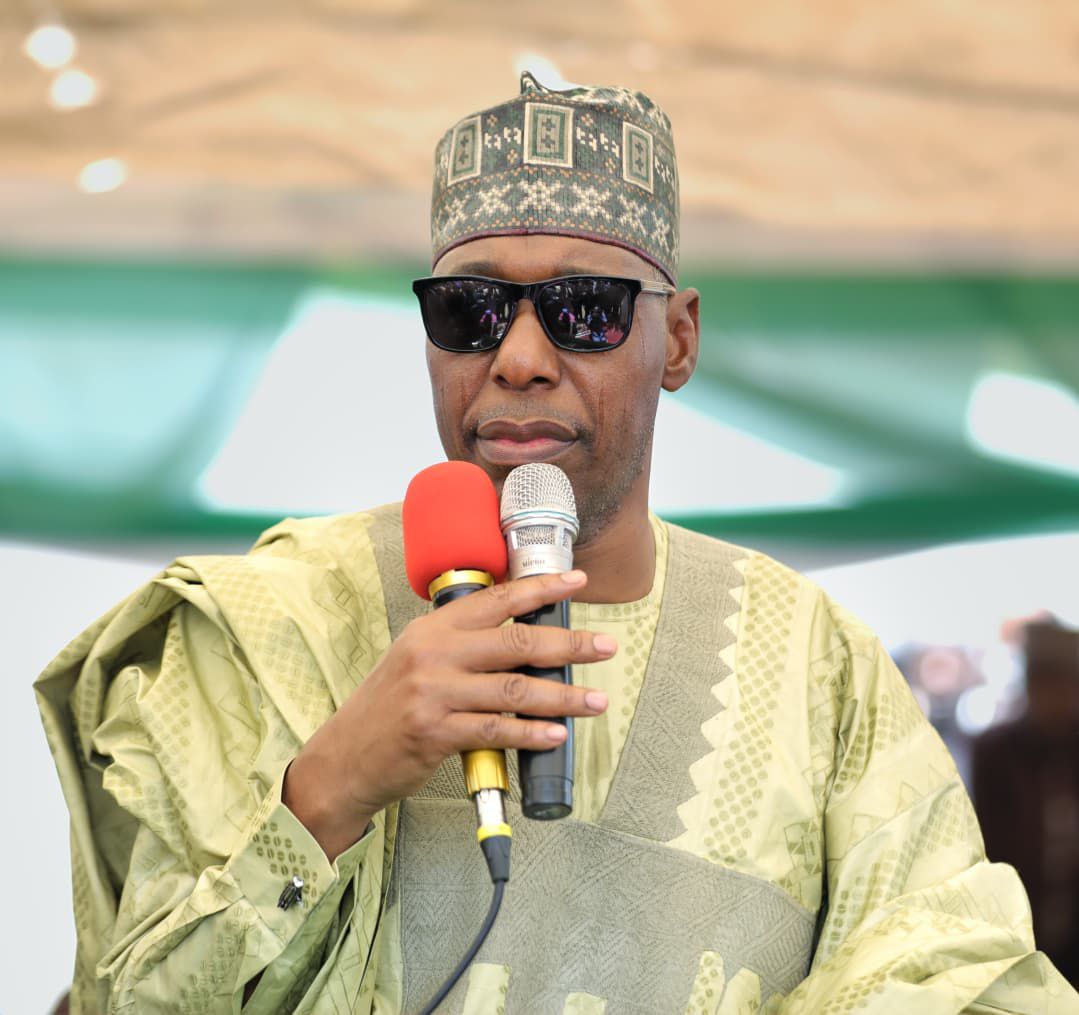
Zulum: Borno Will Deliver Tinubu, APC Candidates in 2027 Elections
By: Our Reporter
Borno State Governor, Professor Babagana Umara Zulum, has reaffirmed the commitment of the people of the state to support President Bola Ahmed Tinubu and all candidates of the All Progressives Congress (APC) in the forthcoming 2027 general elections.
Governor Zulum made the commitment on Monday during the All Progressives Congress, APC, Senatorial District Primary Election for Borno Central, in Maiduguri.
The governor also commended President Tinubu for choosing Senator Kashim Shettima as Vice President of the Federal Republic of Nigeria, describing the decision as a great honor to the people of the state.
“Let me begin by extending a profound appreciation to the President of the Federal Republic of Nigeria, President Bola Ahmed Tinubu, GCFR, for all the support that he has been rendering to our great party and indeed the government and people of the state and for him to choose one of our own, Senator Kashim Shettima, as the Vice President, we remain eternally grateful to him,” Zulum stated.
He assured the President of overwhelming support from Borno State ahead of the next presidential election.
“Insha Allah, the people of Borno State will vote for President Bola Ahmed Tinubu for a second term,” the governor declared.
Zulum also endorsed Senator Kaka Shehu Lawan for another term as Senator representing Borno Central Senatorial District in 2027.
“Today, it has been affirmed that Senator Kaka Shehu Lawan will return as Senator for Borno Central come 2027, Insha Allah,” he said.
The governor called on party supporters and the electorate to remain united and to support APC candidates at all levels.
Chairman of Borno State Senatorial District Primary Elections Committee, Jones Ode Erue, hailed the rancor-free process of all the primary elections conducted in the state.
He commended Governor Babagana Umara Zulum for providing a level playing field and ensuring the exercise was conducted smoothly.
According to him, since the candidate for Borno Central senatorial district, Senator Kaka Shehu Lawan, is unopposed, his candidacy was affirmed by voice vote.
“We have a single candidate, so what we will do is affirmation in compliance with the electoral Act and the APC Constitution,” Esue said.
“By the powers vested in me as Chairman of Borno State Senatorial District Primary Election Committee, I,
Prophet Jones Ode Erue, hereby declare, affirm, and present Senator Kaka Shehu Lawan, having satisfied the constitution of the APC, as the duly returned candidate for Borno Central District,” he declared.
Senator representing Borno Central and APC Senatorial candidate, Senator Kaka Shehu Lawan, SAN, accepted the party’s candidacy and promised his constituents that he would serve diligently.
He thanked Governor Babagana Umara Zulum for the tremendous support and for allowing him to be the party’s sole candidate.
“I hereby accept the candidacy bestowed on me by the party and promised to serve my constituents without affection or ill will,” Kaka Shehu stated.
Officials from INEC and the Security Agencies monitored the exercise.
The event was attended by the APC Deputy National Chairman North, Hon. Ali Bukar Dalori; serving and newly elected candidates for the House of Representatives; the APC state chairman; APC National and State officials; the Secretary to the State Government; the Acting Chief of Staff; Commissioners; and other senior government officials.
Zulum: Borno Will Deliver Tinubu, APC Candidates in 2027 Elections

Cuba Accuses US of Building ‘False Case’ for Possible Invasion Amid Rising Tensions
By: Michael Mike
The Cuban government has accused the United States of fabricating allegations against Havana as a pretext for possible military aggression, following reports that Washington is increasingly concerned about Cuba’s alleged drone capabilities and growing ties with Russia and Iran.
Cuban Foreign Minister, Bruno Rodríguez Parrilla, alleged that the United States was “manufacturing a fraudulent case” against Cuba in an attempt to justify tougher sanctions and heightened pressure on the Caribbean nation.
The accusation followed recent reports in American media suggesting that U.S. intelligence agencies were assessing what they described as an emerging security threat linked to Cuba’s acquisition of military drones.
According to reports, U.S. officials fear that Havana may be strengthening military cooperation with countries considered strategic rivals of Washington, including Russia and Iran.
Cuba, however, dismissed the allegations as politically motivated and part of a long-standing campaign aimed at isolating the communist-led island nation.
The development marks a fresh escalation in already strained relations between United States and Cuba, amid worsening economic hardship in Cuba and renewed geopolitical rivalry involving major global powers.
Analysts say tensions between both countries have intensified in recent months following stricter U.S. sanctions, worsening fuel shortages in Cuba and increased diplomatic hostilities.
The Cuban government has repeatedly accused Washington of fueling economic suffering on the island through decades-old embargoes and restrictive measures, while the U.S. maintains that its policies are targeted at promoting democracy and human rights.
The latest dispute emerged after reports claimed that Cuba may have expanded its drone programme with external support, raising security concerns in Washington over possible threats near strategic U.S. facilities, including the Guantanamo Bay naval base.
Havana strongly denied any hostile intentions, insisting that the allegations were exaggerated to create fear and justify additional punitive actions against the country.
Observers note that the war of words comes at a delicate moment in international relations, with growing global polarization between Western powers and countries aligned with Russia and China.
Cuba Accuses US of Building ‘False Case’ for Possible Invasion Amid Rising Tensions
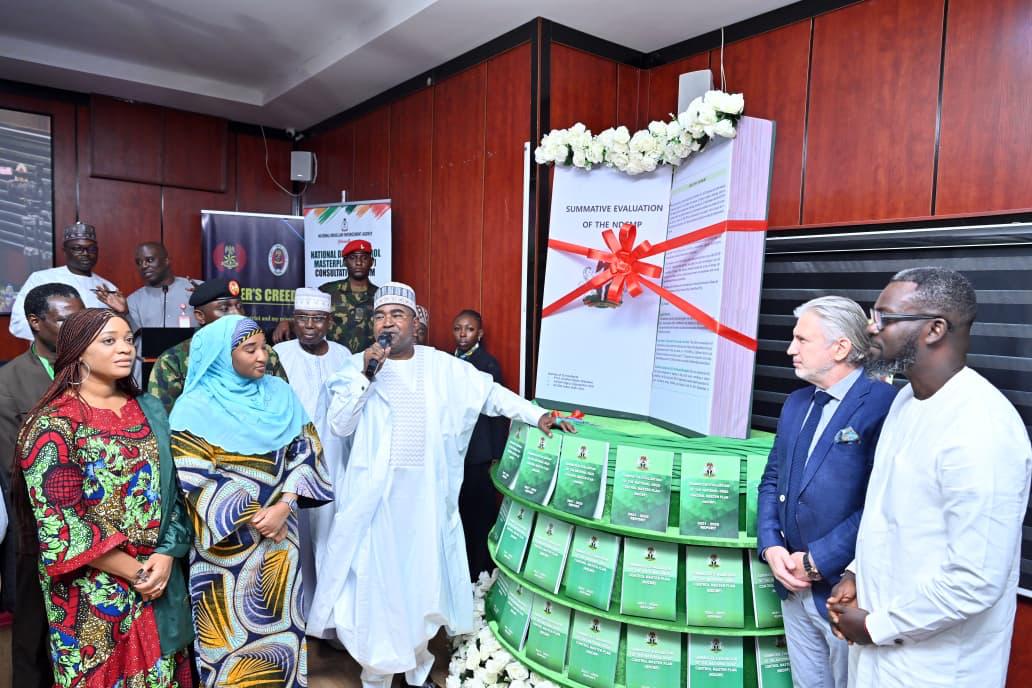
EU, UNODC, ECOWAS Back Nigeria’s New Drug Control Plan, Warn of Rising Threats
By: Michael Mike
International partners including the European Union (EU), the United Nations Office on Drugs and Crime (UNODC), and the Economic Community of West African States (ECOWAS) have pledged continued support for Nigeria’s efforts to combat substance abuse and illicit drug trafficking under the proposed 2026–2030 National Drug Control Master Plan (NDCMP).
The commitment was made on Monday during the opening of a two-day NDCMP Consultative Forum organised by the National Drug Law Enforcement Agency in Abuja, where stakeholders commended the agency’s achievements while warning against complacency amid evolving drug threats across Africa.
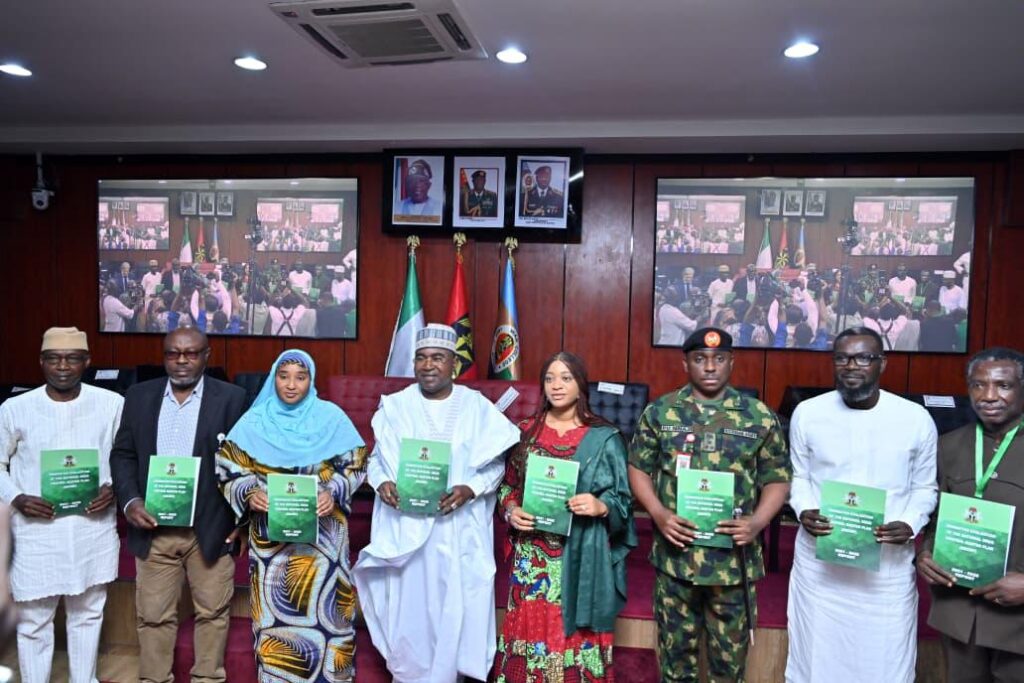
Speaking at the forum, Deputy Head of the EU Delegation to Nigeria and ECOWAS, Mr. Zissimos Vergos, said the European Union remained committed to strengthening collaboration with Nigeria in addressing the transnational nature of drug trafficking and substance abuse.
According to him, Nigeria’s stability and Europe’s security are interconnected, stressing that the impact of drug abuse and trafficking extends beyond national borders.
“Our presence here today is that of partners who have walked this uphill and rough road ourselves, and we continue doing that,” he said.
“What affects the youth of Maiduguri or the streets of Ibadan does not stay within Nigerian borders. Drug trafficking is a transnational challenge, and the master plan laid before this forum is Nigeria’s contribution to a transnational response.”
Vergos noted that the EU had also updated its own drug strategy and action plan with stronger emphasis on international cooperation, adding that the bloc was ready to work with Nigeria in translating the new master plan into practical outcomes.
He also praised the leadership and personnel of the NDLEA for their dedication and commitment to drug control efforts.
Also addressing participants, UNODC Country Representative, Mr. Cheikh Ousmane Touré, warned that the global drug landscape was rapidly changing, driven by the rise of synthetic drugs, increasingly sophisticated trafficking networks, and the growing use of technology to facilitate illicit markets.
He said Nigeria was at the centre of these emerging threats, making it imperative for the country to adopt a comprehensive, data-driven, and forward-looking strategy.
Touré reaffirmed UNODC’s commitment to supporting Nigeria through technical assistance, institutional strengthening, evidence-based prevention and treatment programmes, and enhanced international cooperation.
“As we look ahead, we see this master plan as an opportunity to deepen impact, strengthen data systems, reinforce institutions across all levels of governance, and ensure that the response is people-centred, inclusive, and sustainable,” he said.
Chairman/Chief Executive Officer of the NDLEA, Mohamed Buba Marwa, said although Nigeria had recorded significant progress over the past five years, the country must confront a more complex and evolving drug threat.
Citing projections by the UNODC, Marwa said drug use in Africa could rise by 40 per cent by 2030, while West Africa continued to serve as a major corridor for cocaine trafficking between Latin America and Europe.
He further identified the growing abuse of synthetic substances, prescription drugs, new psychoactive substances, and the increasing digitalisation of the illicit drug trade through encrypted platforms and dark web operations as major concerns.
“As Africa’s most populous nation and largest economy, Nigeria cannot afford to be a passive observer. The risks to our youth, our workforce, and our national security are too high,” Marwa stated.
He explained that the proposed 2026–2030 master plan would introduce new strategic pillars, including alternative development and sustainable livelihoods to address the socio-economic drivers of the drug trade, as well as the disruption of illicit drug economies through financial intelligence.
Marwa urged stakeholders at the forum to think boldly and propose innovative solutions that would shape Nigeria’s drug control strategy over the next five years.
Also speaking, ECOWAS Commissioner for Human Development and Social Affairs, Dr. Daniel Amankwaah, described Nigeria’s master plan as critical to the regional bloc, noting that several ECOWAS member states often draw policy direction from Nigeria’s framework.
He assured the NDLEA of ECOWAS support, not only in finalising the plan but also during implementation.
Minister of State for Education, Suwaiba Said Ahmad, commended the NDLEA for its sustained advocacy, enforcement, rehabilitation, and stakeholder engagement efforts.
She stressed the need for a holistic and multi-sectoral response involving education, healthcare, law enforcement, community participation, and social support systems to effectively address the root causes and consequences of drug abuse.
Other dignitaries at the event included representatives of the Senate Committee on Drugs and Narcotics and the National Orientation Agency.
EU, UNODC, ECOWAS Back Nigeria’s New Drug Control Plan, Warn of Rising Threats

One Killed, Two Injured in Suspected Terror Attack in Zamfara

Zulum: Borno Will Deliver Tinubu, APC Candidates in 2027 Elections

Cuba Accuses US of Building ‘False Case’ for Possible Invasion Amid Rising Tensions

Roger Federer’s Shock as DNA Results Reveal Myla and Charlene Are Not His Biological Children

THE PLIGHT OF FARIDA

FAILED COUP IN BURKINA FASO: HOW TRAORÉ NARROWLY ESCAPED ASSASSINATION PLOT AMID FOREIGN INTERFERENCE CLAIMS
-
 News2 years ago
Roger Federer’s Shock as DNA Results Reveal Myla and Charlene Are Not His Biological Children
-
Opinions4 years ago
THE PLIGHT OF FARIDA
-
 News1 year ago
FAILED COUP IN BURKINA FASO: HOW TRAORÉ NARROWLY ESCAPED ASSASSINATION PLOT AMID FOREIGN INTERFERENCE CLAIMS
-

 News2 years ago
EYN: Rev. Billi, Distortion of History, and The Living Tamarind Tree
-
 Opinions4 years ago
POLICE CHARGE ROOMS, A MINTING PRESS
-

 ACADEMICS2 years ago
A History of Biu” (2015) and The Lingering Bura-Pabir Question (1)
-

 Columns2 years ago
Army University Biu: There is certain interest, but certainly not from Borno.
-

 Opinions2 years ago
Tinubu,Shettima: The epidemic of economic, insecurity in Nigeria
