
News
“I am confident that Nigeria will further strengthen its leadership and potential across the continent.”- Korean Ambassador

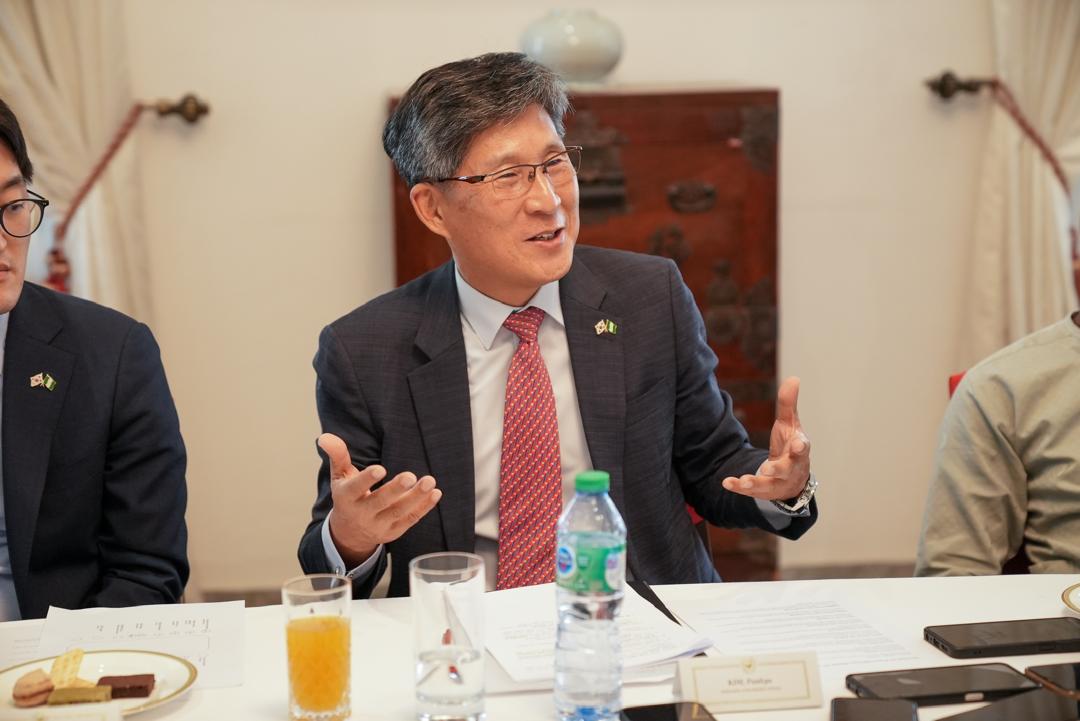
“I am confident that Nigeria will further strengthen its leadership and potential across the continent.”- Korean Ambassador
By: Michael Mike
Ambassador of the Republic of Korea to Nigeria, Ambassador Kim Pankyu recently was interviewed by selected journalists to mark the 45th year anniversary of bilateral relationship between his country and Nigeria. He expressed the willingness of his country to grow the trade relations with Nigeria.
Introduction
It is a pleasure to meet you all today, and I sincerely appreciate your presence.
Reflecting on our last meeting, I recall that it was in May of last year, just 50 days after I arrived in Abuja. Since then, the relationship between Korea and Nigeria has grown significantly.
One of the most notable milestones was the first-ever Korea-Africa Summit last June. We facilitated high-level discussions between Korea and Nigeria, including meetings between the Ministers of Foreign Affairs, Industry and Trade, and Tourism. The Nigerian delegation also participated in the Korea-Africa Business Summit and various forums on ICT, health, tourism, and energy. This was a major step in strengthening Korea’s engagement with African countries, fostering inclusiveness and cooperation.
This year marks the 45th anniversary of diplomatic relations between Korea and Nigeria. We are committed to further strengthening our ties, particularly in economic cooperation, security, and people-to-people exchanges.
Nigeria remains Korea’s most important trade and investment partner in Africa. It accounts for 10% of Korea-Africa trade, and over 70% of Korea’s project contracts in Africa.
In 2024, our bilateral trade increased by 38.6% (thirty eight point six percent), reaching over 2.2 (two point two) billion US dollars, reflecting our strong economic partnership.
And at the corporate level, for example, Korean biotech company SD Biosensor’s HIV rapid test kit has been approved for packaging in Nigeria by Colexa Biosensor Ltd. and Codix Pharma Group. This year alone, up to 15 million kits will be procured by governments across Africa and major international organizations.
Looking ahead, I believe there is room for even greater cooperation in trade and investment. Both countries are working closely to conclude key agreements as early as possible. The Double Taxation Avoidance Agreement and the Trade and Investment Promotion (TIPF) MOU will mark a new chapter in our economic relations.
To further expand Korean business operations in Nigeria, a favorable investment environment is essential. During the meetings, many Nigerian government officials also recognized the importance of investor-friendly policies. Measures such as preferential tariffs and tax incentives will attract more investments from Korean companies, benefiting both economies.
With over 40 years of experience in military and security affairs, I am committed to enhancing our security collaboration. In particular, maritime security in the Gulf of Guinea is critical for both Nigeria and transit countries like the Republic of Korea.
Every day, several of our merchant ships pass through the Gulf of Guinea, and around 40 of our fishing vessels, carrying hundreds of fishermen, are also operating there. We are committed to increasing Korea’s support for capacity building in the Nigerian military and security sectors.
Additionally, we hope to finalize defense and defense industry cooperation MOUs that have been under discussion for some time.
Beyond economic and security partnerships, the Korean Embassy actively supports cultural and development initiatives through KOICA and the Korean Cultural Center.
Last month, we opened the Korea-Nigeria Information Access Center in Abuja, supporting Nigeria’s digital-capacity building efforts. I also had the pleasure of attending Korea Day event at the American International School Abuja (AISA), where students enjoyed Korean culture and cuisine.
In addition, KOICA Nigeria is conducting a project to improve digital governance and multimedia learning in primary schools, worth 13 million and 10 million U.S. dollars, respectively. A larger-scale projects are to come in the next few years.
These contributions and collaboration demonstrate the mutual trust and friendship between Korea and Nigeria. As Ambassador, I will continue working to facilitate our long-standing partnership for the years ahead.
Once again, I am delighted to welcome all here today. I now look forward to your questions. Thank you.
Going forward, which areas are both countries focusing on in expanding the existing relations?
Our 45-year friendship continues to grow, with stronger collaboration in every aspect.
As I mentioned earlier, during the Korea-Africa Summit last June, Foreign Ministers, Industry Ministers, and Tourism Ministers from both countries engaged in high-level discussions.
This reflects the depth and breadth of our bilateral relationship, covering security, business, culture, and human exchanges.
- Given this wide-ranging cooperation, it is difficult to identify just one top area of collaboration.
Among our many areas of collaborations, I would like to emphasize the investments by leading Korean companies in Nigeria.
Daewoo Construction and Samsung Heavy Industries are actively involved in large-scale projects in Nigeria, particularly in natural gas and oil production.
LG Electronics and Samsung Electronics are also making significant contributions through CSR (Corporate Social Responsibility) initiatives, such as providing solar panels and water boreholes to local communities. - These economic collaborations are not only strengthening our mutual interests but also contributing to Nigeria’s sustainable development.
As Africa’s largest economy, most populous country, and the current chair of ECOWAS, Nigeria holds a position of great influence.
With continued collaboration between our two countires, I am confident that Nigeria will further strengthen its leadership and potential across the continent.
How has the current political development in South Korea with the impeachment of the President, impacted the Korea’s relationship with Africa especially the recent economic agreement reached with Africa and Nigeria in particular?
Regarding the impeachment, the related procedures are proceeding in accordance with democratic processes and the Constitution.
The domestic situation in Korea is also being managed stably. Korea’s foreign policy will stay the same regardless of circumstances, and we will continue to take on roles and responsibilities. Under this stance, our bilateral cooperation will continue to grow. Since his inauguration, President Tinubu has been committed to attracting foreign investments by creating a more favorable economic environment.
With bilateral trade increasing by over 38% this year, the potential for further collaboration is greater than ever. Our partnership will be further strengthened by the finalization of key agreements and MOUs, including the Double Taxation Avoidance Agreement and the Trade and Investment Promotion (TIPF) MOU.
The Double Taxation Avoidance Agreement was passed by the Nigerian National Assembly in 2019, and we are awaiting presidential approval. Both countries are also reviewing the TIPF MOU, which we hope will establish a strong foundation for expanded economic and trade cooperation.
We remain committed to supporting the Nigerian government’s efforts to address challenges faced by businesses, including customs clearance procedures, entry visa processing, and electricity supply.
As Ambassador, I will continue to do my best to attract Korean investment to Nigeria and strengthen our economy ties.
Nigeria is the fifth largest trading partner of Korea in Africa with a lot of trading areas to be explored, what are you doing to increase the trade volume through trade expansion between the two nations to place Nigeria as number one trading partner with Korea in Africa?
As I said earlier, we saw an impressive increase of 38.6% in trade volume last year compared to the previous year. This reflects the increasing economic interconnection between the two countries. In line with this positive trend, the Embassy has been actively supporting Nigerian’s engagement with their Korean counterparts, since my inauguration as Ambassador in March last year. During the Korea-Africa Summit last June, we supported the Nigerian delegation in engaging with various trade promotion agencies. With the support of our trade agency, KOTRA, we keep encouraging the participation of Korean companies in trade events in Nigeria, and invitation of Nigerian buyers to events in Korea. We remain committed to further strengthening bilateral trade relations, with the goal of expanding trade volume and deepening economic cooperation between our two nations. Above all, we can expand investment by building production facilities in Nigeria, which will help create jobs. Our goal is to establish a positive cycle where these jobs contribute to the country’s economic growth.
With regard to the 45th anniversary of diplomatic relations between the Republic of Korea and Nigeria, I want to know if there are plans by your country to help provide assistance to myriads of Nigerians who are jobless in terms of providing job opportunities to them?
Korean companies are leaders in creating quality jobs in Nigeria. Daewoo Engineering & Construction has played a key role in job creation, employing 5,000 to 6,000 local workers, which is nearly 20 times the number of its Korean employees. Samsung Heavy Industries also made significant impact during the Egina Project, employing 3,000 local workers and training 600 international welders. Solpia Nigeria, a Korean SME manufacturer of Africa’s most popular high-quality braid hair extensions, supports the local employment of over 6,000 people. Their strong commitment to local employment policies is helping to build a skilled Nigerian workforce for the future. The Embassy is also supporting Nigeria’s digital capacity-building efforts, including e-government initiatives and multimedia education. At the inauguration ceremony of the Korea-Nigeria information access center in Abuja last month, Minister Tijani of Innovation and Digital Economy, highlighted that this center will further contribute to job creation in the digital sector. He also expressed his gratitude for the Korean government’s support in establishing the center. In addition, we are actively promoting ODA programmes to support Nigeria’s agriculture, including programmes that help local formers start their own businesses. The Korean government will continue to support a mutually beneficial environment for the two economies, ensuring continued growth and cooperation.
What are the migration pathways to Korea for skilled Nigerians since there is currently a shortage of labour in your country?
It is worth considering a pathway for skilled workers with experience in Korean companies in Nigeria to migrate through company sponsorship. However, this approach must require thorough discussion and consensus at the government level and should be carefully reviewed step by step.
This issue requires mutual effort and collaboration with policy-related government agencies, such as the Ministry of Labor and the Ministry of Justice.
Separately, to facilitate such discussions, expanding Korean companies’ presence and cooperation in Nigeria is essential.
For example, Samsung Heavy Industries had launched a shipbuilding workforce support programme for Nigerians using its training system. However, the initiative was suspended after more than seven years without a large-scale order. If Nigeria provides support for Korean investments, it could create a strong foundation for skilled Nigerian workers to enter the Korean job market.
What is your plan to help in transforming Nigeria’s agricultural sector, being a major area of focus under the present administration and one major way of engaging a larger number of Nigerians?
Nigeria has excellent agricultural conditions, including vast land, diverse vegetation, and a variety of climates. Korea is ready to support Nigeria’s efforts to promote food security with its skills and experiences.
The history of Korea-Nigeria agricultural cooperation dates back over 50 years to 1971, when Dr. Han Sang-ki conducted cassava research at the International Institute of Tropical Agriculture (IITA) in Ibadan. Currently, various Korean initiatives are being implemented in the region, including KAFACI and K-Ricebelt. Korea-Africa Food and Agricultural Cooperation Initiative. Nigeria, as a member of KAFACI since its inauguration in 2010, has participated in multiple agricultural R&D Cooperation so far. We also look forward to Nigeria’s joining of the K-Ricebelt soon.
Additionally, I have been encouraging the Nigerian government to join the Saemaul Undong (New village movement). Saemaeul Undong movement was the key driving force of Korea’s remarkable development in rural areas during 1970s and 80s. It takes a very fundamental approach by nurturing positive mindset of the people, with the values of diligence, self-help, and cooperation. I believe, with Nigeria joining the programme, agricultural cooperation between our two countries will further expand, based on those values. We expect that even more ODA projects by the Republic of Korea will be taking place via KOICA Nigeria office, including training programme, and healthcare provision to farmers. I look forward to your continued interest on our contribution to Nigeria.
Ambassador, you mentioned that your administration will expand education and exchange opportunities for Nigerians in Korea. What have you done so far regarding that?
One of Korea’s significant education and exchange programs is the Global Korean Scholarship (GKS) programme. Since 2009, the KCC has annually recommended 6 to 8 Nigerian students, offering them the opportunity to study at prestigious universities in Korea. GKS scholars go on to play key roles in various sectors after completing their studies. After earning their degrees in Korea, they return to Nigeria and contribute to the country’s national development. They also serve as a vital link in strengthening cooperation between Korea and Nigeria. In 2024, we established a GKS Alumni Network for Nigerian scholarship recipients who studied in Korea to build a close network. As of this year, the total number of GKS graduates has reached 90.
We expect that this strong network will further promote friendship and collaboration between the two countries through close encounters in the future
In comparison with other countries, Korea seems to be enjoying the highest level of acceptance in Nigeria courtesy of the KCCN. In what ways has this been beneficial to your country?
The Korean Cultural Center Nigeria (KCCN) is the first Korean Cultural Center in Africa.
This fact alone highlights Korea’s strong commitment to cultural exchange with Nigeria. As KCCN marks its 15th anniversary this year, its mission has focused on sustainable cultural exchanges that bring tangible benefits to both nations. Events such as K-pop festivals, Korean food and Taekwondo competitions, and film festivals have promoted mutual understanding and appreciation of cultural diversity. We were even delighted to see the Nigerian K-drama “My Sunshine” last year, reflecting the growing cultural synergy between our countries. As a major cultural hub in West Africa, Nigeria plays a pivotal role in promoting cultural diversity. We will continue to serve a center for cultural exchange and engagement, providing Nigerian citizens diverse opportunities to experience Korean culture and participate in local events such as the Kaduna Film Festival. I hope such collaborative events will further enrich Nigeria’s long-standing cultural heritage and help it flourish.
How would you rate the level of cultural exchanges between the two countries in the past 45 years? What are you doing to increase the activities and visibility of KCCN as more Nigerians are gradually becoming interested in Korean Culture?
With a rising global influence of Korean culture, there is a high demand for Korean cultural events at the Korean Cultural Center Nigeria (KCCN). These events include Taekwondo courses and competition, Korean cuisine showcases, K-Beauty events, and K-movie screening. The KCCN also helps Koreans explore Nigerian culture and foster collaboration between Nollywood, one of the world’s top three film industries, and Korean filmmakers. It also supports events like the Busan and Kaduna Film Festivals, Afrobeat music performances, and art exhibitions. The KCCN is preparing many events this year.
Given the wide range of activities they cover, the Director of the KCCN, who is here today, will be happy to provide more details later during a separate session, as they are materializing a series of events.
Ends


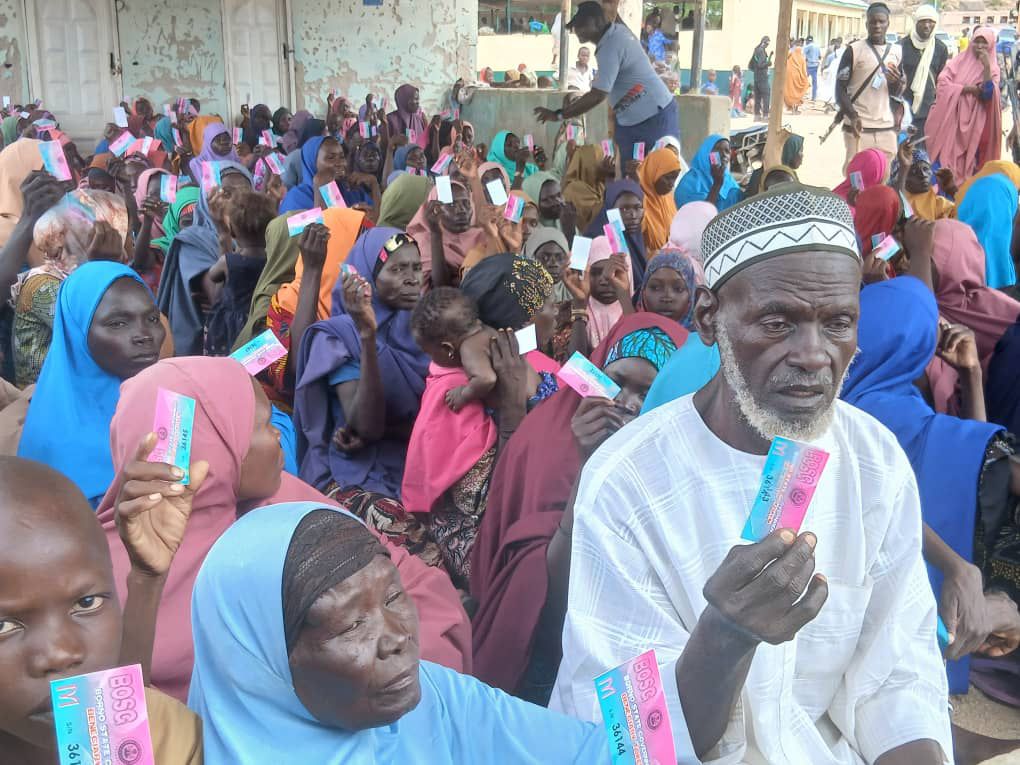
Zulum Delivers Relief, Cash Support to 434 Ngoshe Residents Rescued from Boko Haram
By: Our Reporter
Borno State Government has distributed relief materials to 434 indigenes of Ngoshe community in Gwoza Local Government Area who were recently rescued by security agencies after spending three months in Boko Haram captivity.
Governor Babagana Umara Zulum visited the victims in Pulka on Monday and directed the immediate distribution of food and non-food items to support their recovery and reintegration.
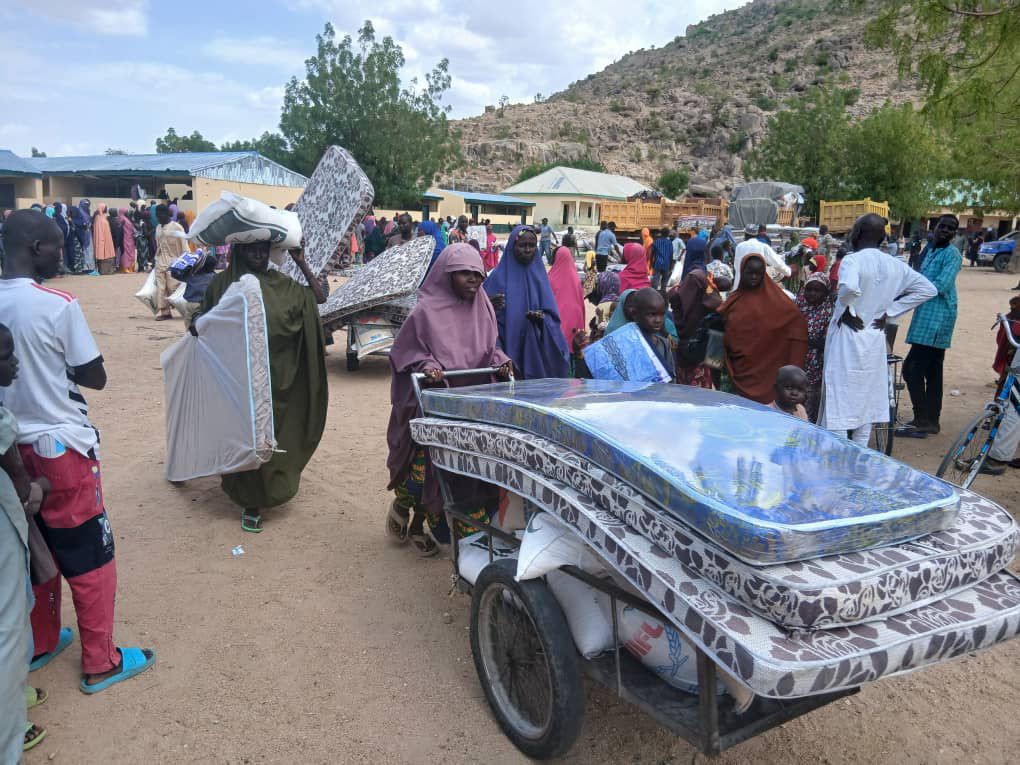
In compliance with the Governor’s directive, the Director General of the Borno State Emergency Management Agency (SEMA), Alhaji Ali Abdullahi Isa, promptly supervised the distribution exercise.
Each rescued person received a bag of rice, a bag of maize grits, a mattress, a wrapper, and a shadda, while children received two pairs of clothing.
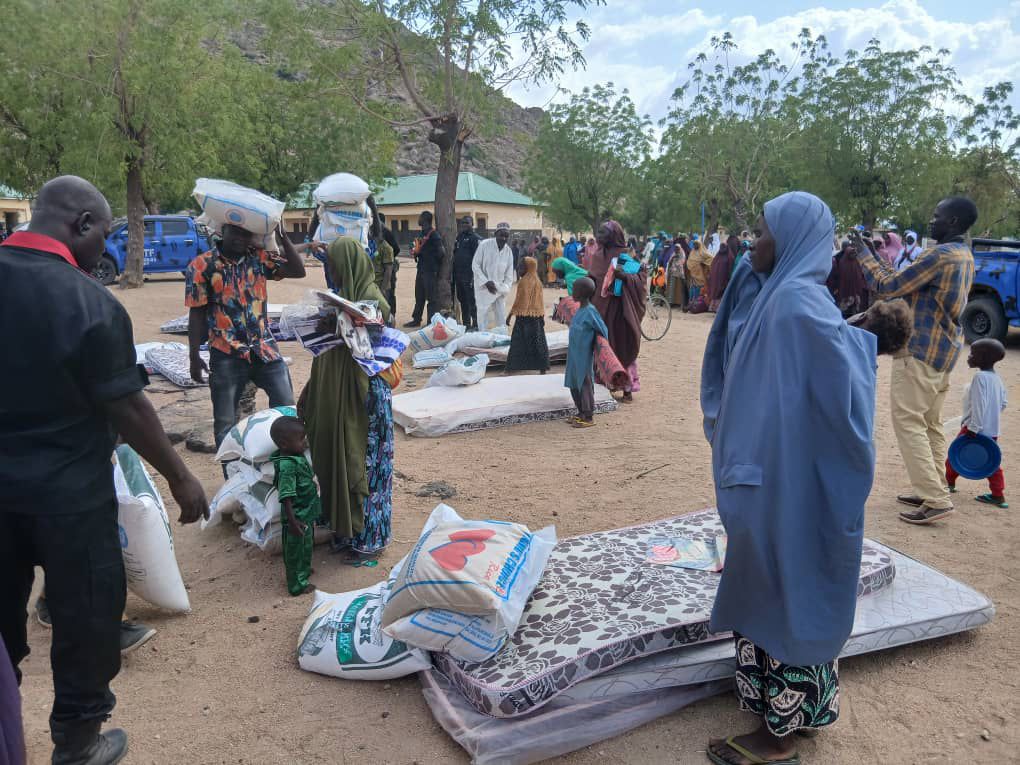
In addition, 208 heads of households received N50,000 each, fulfilling Governor Zulum’s earlier pledge of financial assistance.
Speaking during the distribution, the SEMA Director General said the intervention was part of the government’s immediate response to ease the hardship faced by the rescued victims.
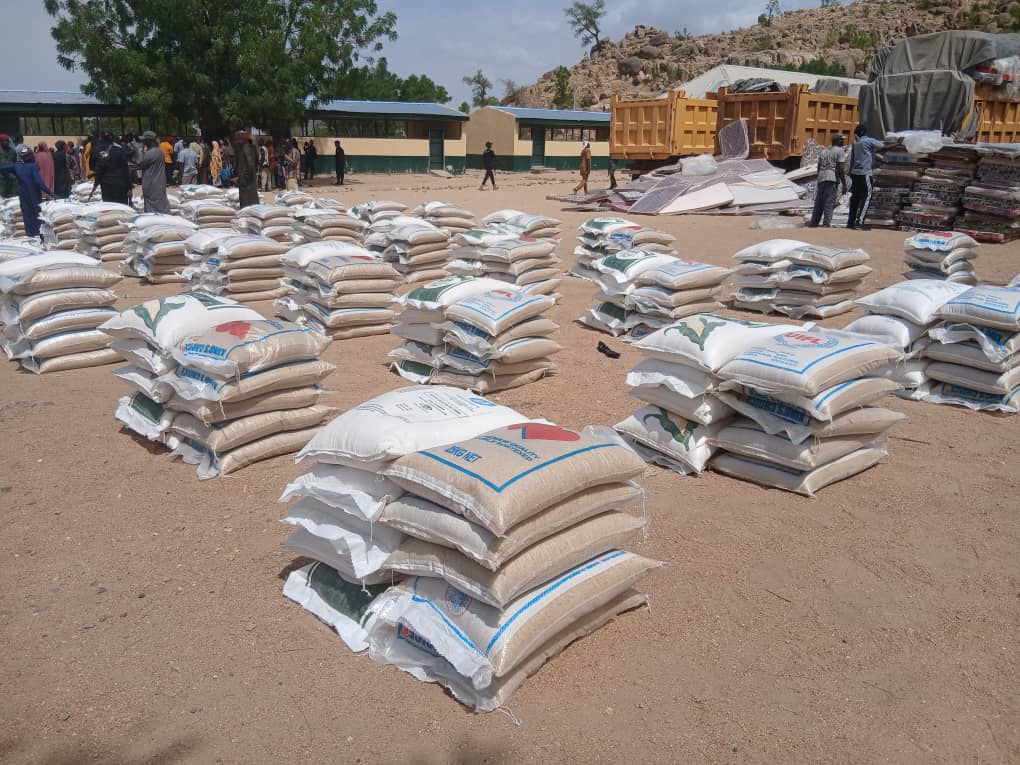
“I am here at the instance of His Excellency, Governor Babagana Umara Zulum, who was here some few days ago, and to deliver the items he directed that it should be given to you as emergency relief,” Ali stated.
The rescued individuals are currently receiving medical care and psychosocial support at a government facility. Upon completion of the rehabilitation process, they will be reintegrated into their respective communities.
The exercise was carried out alongside the Chairman of Gwoza local government, representatives of the Ngoshe community, and other officials.
Zulum Delivers Relief, Cash Support to 434 Ngoshe Residents Rescued from Boko Haram
Democracy Day: Zulum gives 2 MRAPs, other logistics to Army, celebrates with IDPs
By: Michael Mike
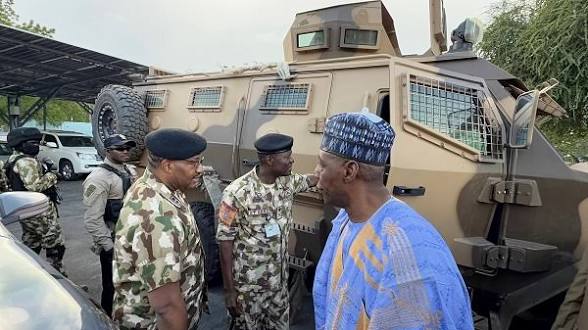
Borno State Governor, Babagana Umara Zulum, marked Democracy Day with the handover of two Mine-Resistant Ambush Protected (MRAP) vehicles and critical logistics to the Nigerian Army, after joining internally displaced persons (IDPs) for a symbolic celebration and distribution of food items to 2,500 beneficiaries.
The armoured MRAPs delivered to the Theatre Command of Operation Hadin Kai on Friday are intended to enhance troop protection against improvised explosive devices (IEDs) and ambushes which remain a persistent threat in the fight against insurgents. Additional logistics include operational Hilux vehicles and motorcycles for frontline soldiers in difficult terrains.
Zulum also marked Nigeria’s Democracy Day celebration with Internally Displaced Persons (IDPs) at the Madinatu camp where he distributed food supplies, non-food items, and cash gifts to thousands of beneficiaries.
The distribution, held at the Madinatu IDP camp, served to consolidate Zulum’s resettlement gains. Over the past seven years, Borno State Government has successfully resettled more than 2 million IDPs in their ancestral communities in a dignified and voluntary manner.
“It gladdens my heart today, the 12th of June, 2026, to celebrate June 12th, Democracy Day, here in Madinatu Camp, the only formal camp that is standing inside Maiduguri Metropolitan Council, today, to the glory of God and the benefit of mankind, for the distribution of food and non-food items. Inshallah, this camp will be closed this year. This will be our last distribution exercise in this camp, or the second to the last,” Zulum said.
However, Governor Zulum used the occasion to announce a timeline for the camp’s closure. The governor ordered that Madinatu camp be shut down within one month, vowing to similarly close most IDP camps across various Local Government Areas in the coming phase of his administration’s resettlement strategy.
“Democracy must translate into restoring the dignity of our people,” Zulum told the IDPs. “Living in camps is not a permanent solution. Our goal remains to return every displaced person to their ancestral homes with security and means of livelihood.”
In addition to the food items, Zulum approved N50,000 each for the 2,500 beneficiaries present at the event.
“Each of the 500 beneficiaries mentioned will receive a 25kg bag of rice and a 25kg bag of sorghum. Women will receive wrappers. I also promise to provide 50,000 naira to each beneficiary. This amount can be credited into their own individual accounts, inshallah,” Zulum said.
The exercise was attended by the APC’s State Deputy Chairman, Garba Mulima, APC State Vice Chairman (Central) Abdur Rahman Abdulkarim, Acting Chief of Staff, Dr Babagana Mallumbe, Member representing Jere at the State Assembly, Abba Kyari Kolo, commissioners and commissioner designates and several other senior government officials.
Democracy Day: Zulum gives 2 MRAPs, other logistics to Army, celebrates with IDPs
Gov. Yusuf Commends DSS Over Arrest of Suspected Gun Courier in Kano
By: Michael Mike
Kano State Governor, Abba Kabir Yusuf, has commended the Department of State Services (DSS) for the arrest of a suspected gun courier intercepted while allegedly transporting weapons believed to be destined for criminal elements in Katsina State.
The commendation was contained in a statement issued by the Governor’s spokesperson, Sunusi Bature Dawakin Tofa, on Thursday, June 12, 2026.
Governor Yusuf described the operation as a major breakthrough in the ongoing fight against banditry, terrorism and other violent crimes threatening communities across Northern Nigeria.
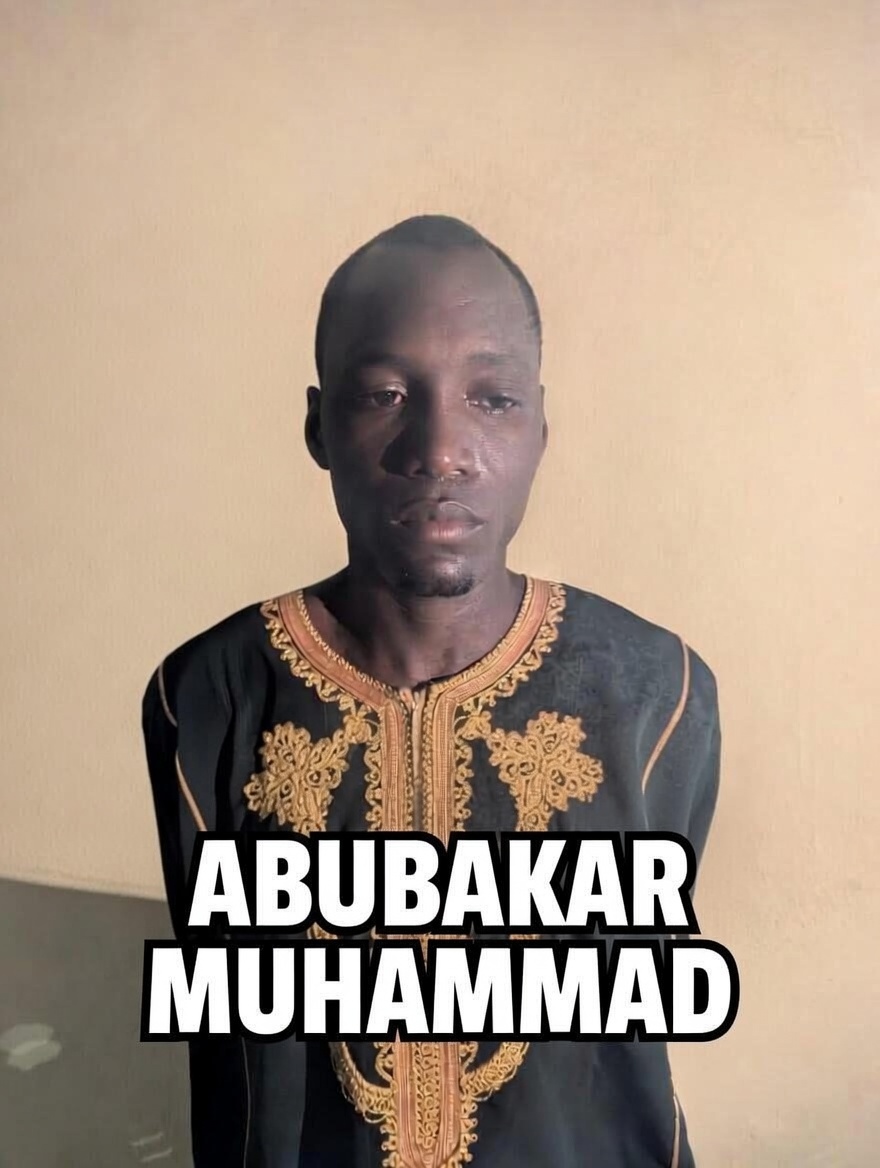
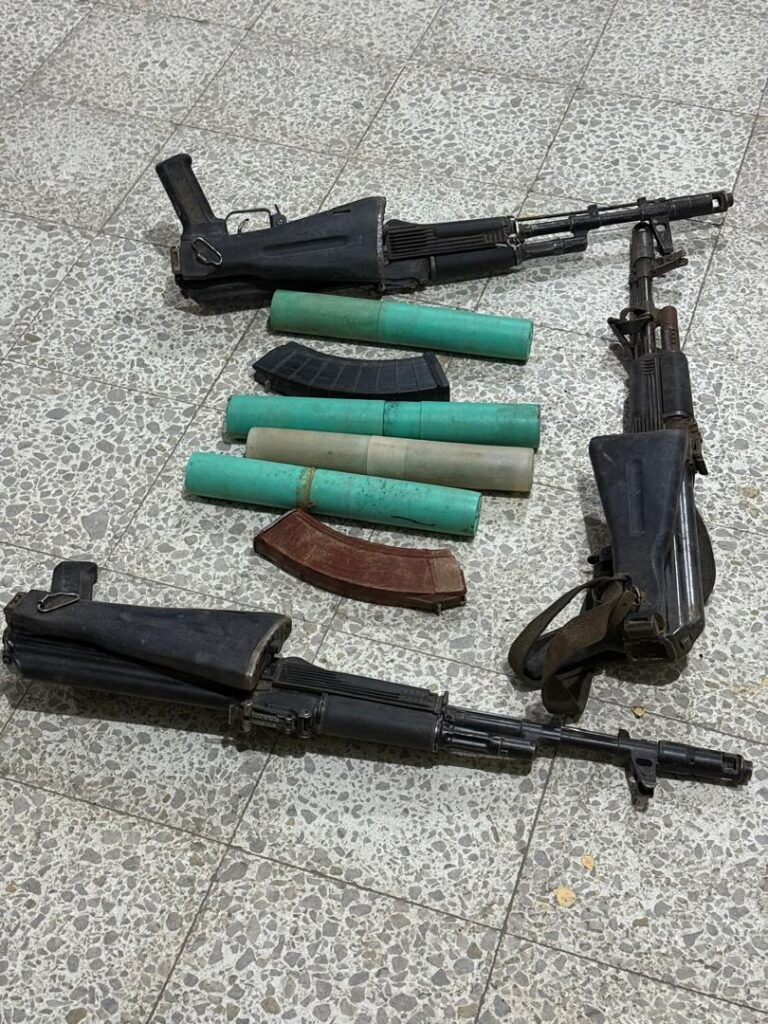
According to information provided by the DSS, the suspect, identified as Muhammad Abubakar, 30, was apprehended in Gezawa Local Government Area of Kano State while allegedly transporting four rocket-propelled grenade (RPG) tubes, three AK-47 rifles and two empty magazines to Funtua in Katsina State.
Preliminary investigations reportedly revealed that the suspect collected the weapons from an individual identified as Bello in the Maigatari border area of Jigawa State and was expected to receive N450,000 upon successful delivery of the arms.
Governor Yusuf praised the professionalism, vigilance and intelligence-driven approach of DSS operatives, noting that the timely interception prevented the weapons from falling into the hands of bandits and other criminal groups.
He said the operation underscored the critical role of intelligence gathering and effective collaboration among security agencies in tackling emerging security threats across the country.
The governor reaffirmed the commitment of the Kano State Government to supporting security agencies through sustained cooperation, logistics assistance and policies aimed at strengthening public safety throughout the state.
He also urged residents to remain vigilant and continue providing credible information to security agencies to aid efforts to combat crime and maintain peace.
Governor Yusuf expressed confidence that ongoing investigations would lead to the arrest and prosecution of all individuals connected to the alleged arms trafficking network.
The statement was signed by Sunusi Bature Dawakin Tofa, Director General, Media and Publicity, Government House, Kano.
Gov. Yusuf Commends DSS Over Arrest of Suspected Gun Courier in Kano

Zulum Delivers Relief, Cash Support to 434 Ngoshe Residents Rescued from Boko Haram

DEMOCRACY AND THE COURAGE TO BELIEVE

Army Distributes Fertiliser to Farmers in Jigawa Under Civil-Military Cooperation Programme

Roger Federer’s Shock as DNA Results Reveal Myla and Charlene Are Not His Biological Children

THE PLIGHT OF FARIDA

FAILED COUP IN BURKINA FASO: HOW TRAORÉ NARROWLY ESCAPED ASSASSINATION PLOT AMID FOREIGN INTERFERENCE CLAIMS
-
 News2 years ago
Roger Federer’s Shock as DNA Results Reveal Myla and Charlene Are Not His Biological Children
-
Opinions4 years ago
THE PLIGHT OF FARIDA
-
 News1 year ago
FAILED COUP IN BURKINA FASO: HOW TRAORÉ NARROWLY ESCAPED ASSASSINATION PLOT AMID FOREIGN INTERFERENCE CLAIMS
-

 News2 years ago
EYN: Rev. Billi, Distortion of History, and The Living Tamarind Tree
-
 Opinions4 years ago
POLICE CHARGE ROOMS, A MINTING PRESS
-

 ACADEMICS2 years ago
A History of Biu” (2015) and The Lingering Bura-Pabir Question (1)
-

 Columns2 years ago
Army University Biu: There is certain interest, but certainly not from Borno.
-

 Politics1 year ago
2027: Why Hon. Midala Balami Must Go, as Youths in Hawul and Asikira/Uba Federal Constituency Reject ₦500,000 as Sallah Gift
