
News
Nigeria and Brazil Share Cultural Ties Nana Shettima Tells Brazilian Second Lady Maria Lucia Alckmin

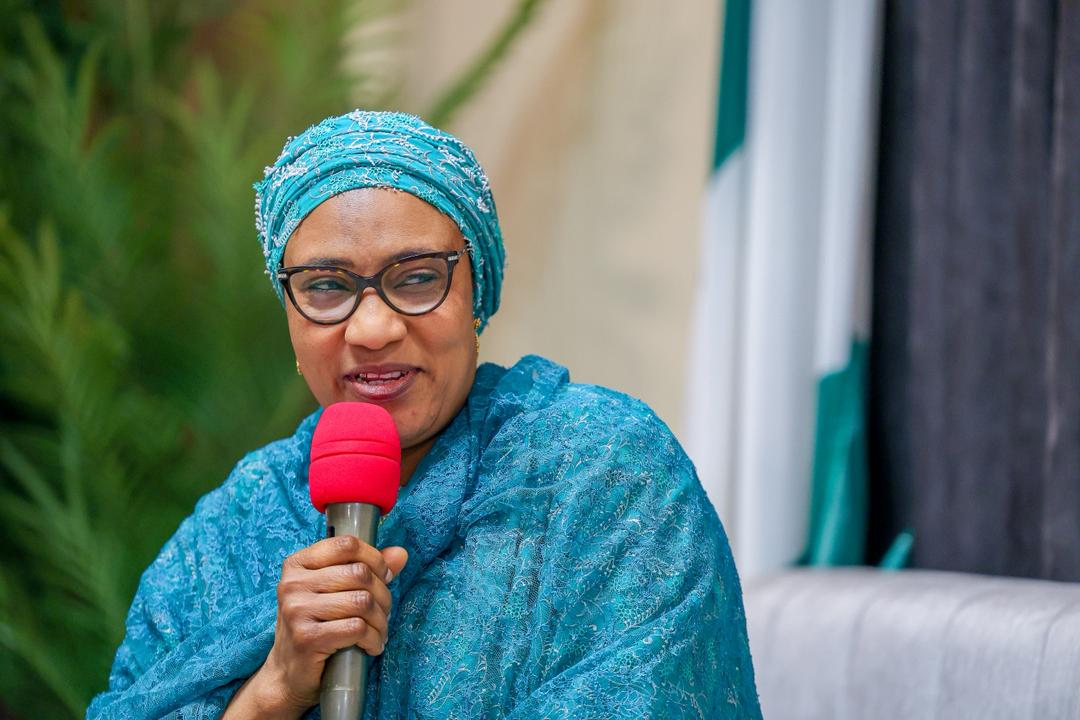
Nigeria and Brazil Share Cultural Ties Nana Shettima Tells Brazilian Second Lady Maria Lucia Alckmin
By: Our Reporter
Wife of the Vice President of Nigeria, Nana Shettima, has described Nigeria and Brazil as culturally connected nations, united by shared values and traditions despite the distance between them.
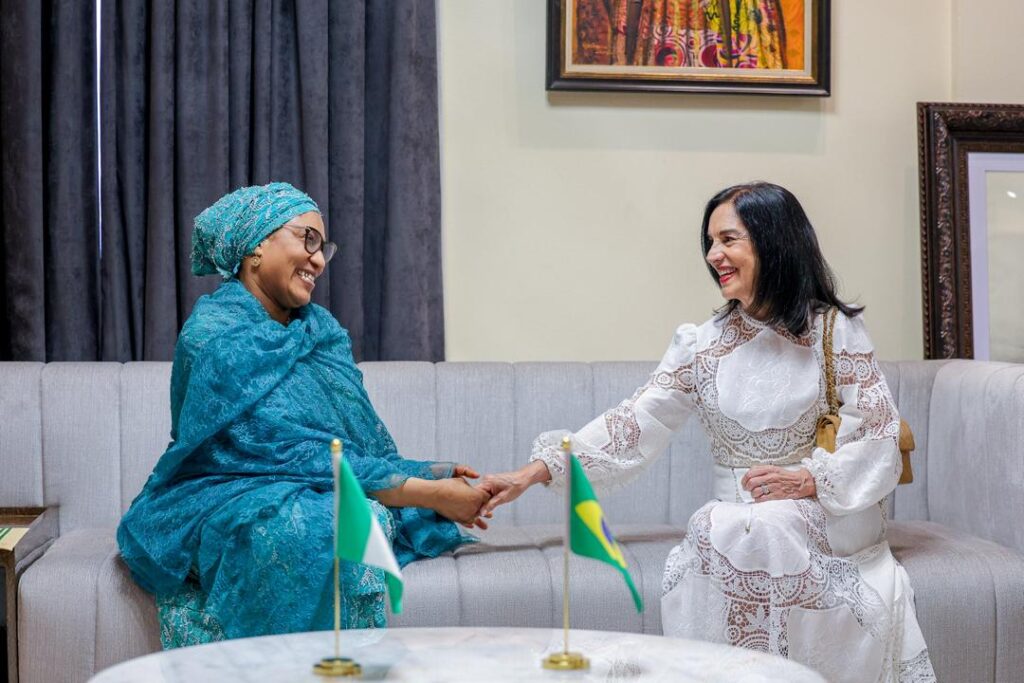
She made the remark while receiving Maria Lucia Alckmin, the Second Lady of Brazil, who is in Nigeria on an official visit with her husband, Vice President Geraldo Alckmin. The Brazilian delegation is in Abuja for the Second Session of the Nigeria–Brazil Strategic Dialogue Mechanism (SDM), aimed at strengthening bilateral relations between both countries.
Vice President Alckmin and his wife were welcomed at the Presidential Wing of the Nnamdi Azikiwe International Airport earlier today. During the visit, both nations are expected to sign more than 30 agreements covering key sectors such as defence, agriculture, energy, and cultural exchange.
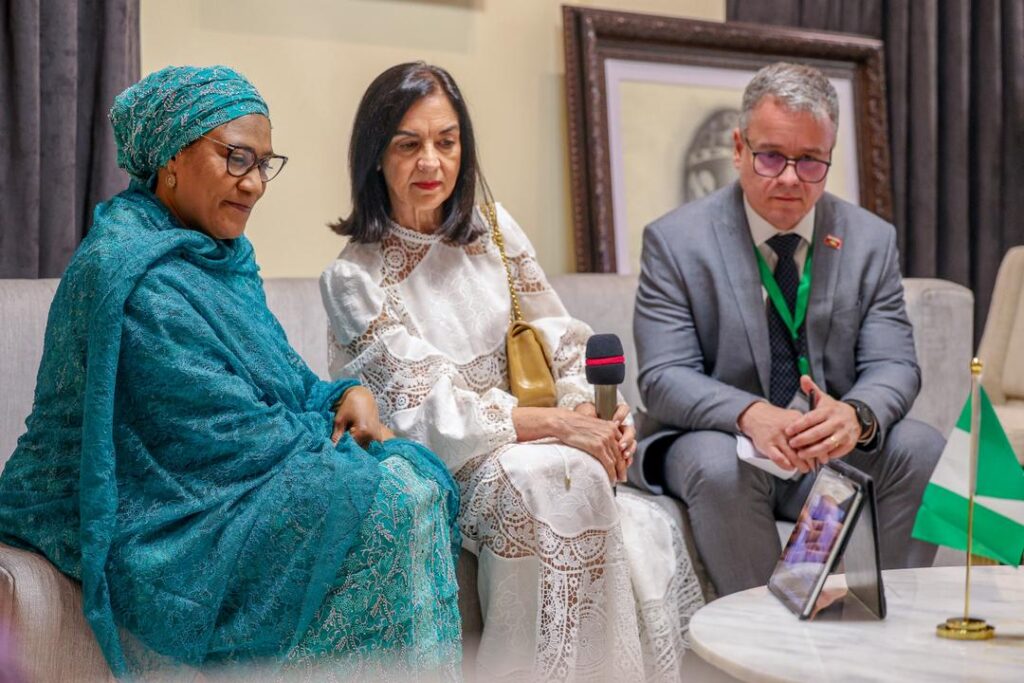
During her courtesy call, Maria Lucia Alckmin shared the story of a women-focused social initiative she launched in 2001 while her husband served as Governor of São Paulo. The bread-making project has empowered over 100,000 underprivileged women across 17 Brazilian states, with plans to expand nationwide.
In her remarks, Nana Shettima praised the initiative and highlighted cultural similarities between the two nations. “Nigeria and Brazil are both known for their warmth, resilience, vibrant music—Afrobeats and Samba—love of football, and colourful festivals,” she said.
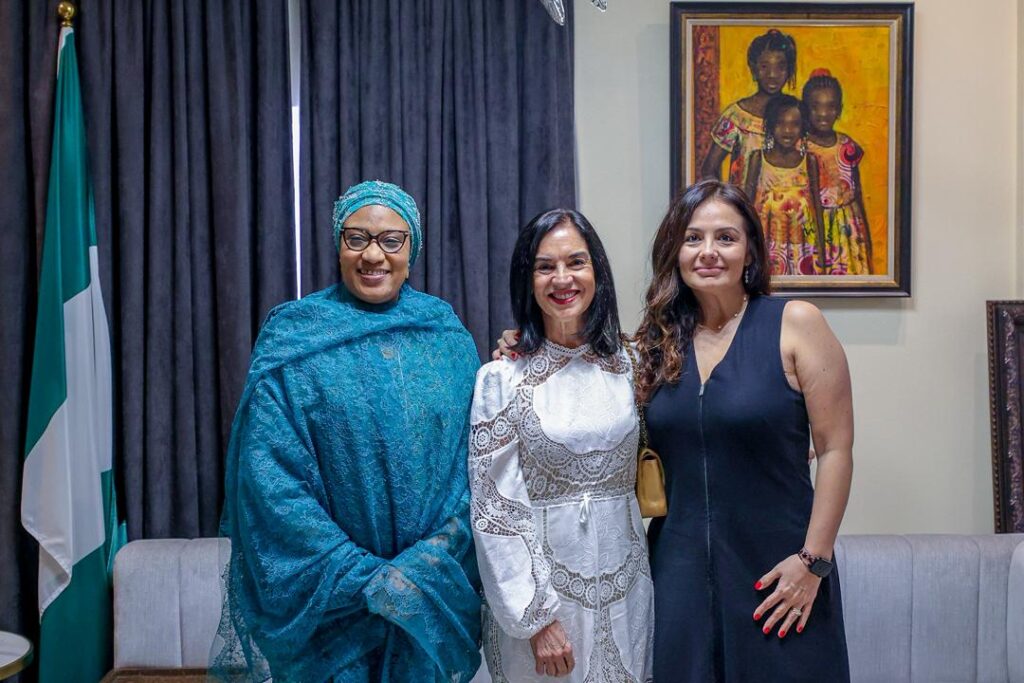
She wished Mrs. Alckmin a memorable stay in Nigeria and hoped the visit would leave her with lasting impressions of Nigerian hospitality.
Nigeria and Brazil Share Cultural Ties Nana Shettima Tells Brazilian Second Lady Maria Lucia Alckmin


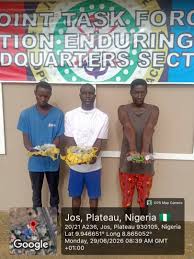
Troops Arrest Three Suspected Drug Peddlers in Jos Raid
By: Zagazola Makama
Troops of Sector 1,Operation Enduring Peace (OPEP), have arrested three suspected drug peddlers during a raid on a notorious hideout in Jos North Local Government Area of Plateau State.
Military sources said the operation was conducted at about 6:00 a.m. on June 29 at the Congo-Russia area following sustained efforts to curb illicit drug trafficking and other criminal activities.
According to the sources, the troops arrested three suspects identified as Abubakar Abdulrahman, 23; Muhammadu Abubakar, 28; and Awal Ali, 33.
The sources said quantities of substances suspected to be cannabis sativa and other illicit drugs were recovered from the suspects during the operation.
The arrested suspects have been profiled and are undergoing further investigation, while appropriate legal action will follow.
The military said the operation forms part of ongoing efforts to dismantle criminal networks and deny drug traffickers safe havens within Plateau State.
Troops Arrest Three Suspected Drug Peddlers in Jos Raid
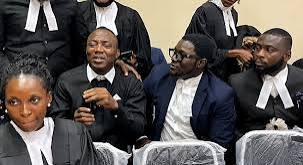
Court Grants Sowore N200m Bail
*Lists fresh conditions
By: Zagazola Makama
The Federal High Court in Abuja, on Tuesday, granted bail to online publisher and African Action Congress (AAC) presidential candidate, Omoyele Sowore.
Aside a N200 million bail with two sureties, one of them must be a traditional ruler in Sowore’s community in
Ese-Odo Local Government Area in Ondo State.
The second surety, the court ruled, must have landed property within the Federal Capital Territory (FCT).
Also, Sowore is to surrender his international passport to the court’s deputy registrar for safekeeping. The court held that both sureties must be verified by counsel to the prosecution, Akinlolu Kehinde, SAN.
Following Sowore’s absence in court, the judge, on June 16, 2026, revoked the bail he granted Sowore on “self-recognition” last December. Thereafter, he issued a bench warrant for the politician’s arrest after he failed to appear in court for his trial on allegations bordering on cybercrime and criminal defamation.
Last Tuesday, Justice Umar ordered that Sowore be kept in the Kuje Correctional Centre until his motion for a stay of the execution of the order for the revocation of his bail and bench warrant is determined.
Justice Umar dismissed Sowore’s other application that the judge be withdrawn from further presiding over his trial on the ground of alleged bias.
The Department of State Services (DSS) is prosecuting Sowore over alleged criminal defamation arising from claims that he referred to President Bola Tinubu as a “criminal” in posts made on his official X and Facebook accounts.
The defendant’s lawyer, R. O.
Adakole, however, appealed to the judge that Sowore be released to him to enable him get his passport from the US embassy in Lagos.
Justice Umar Mohammed adjourned to July 6, 2026, for continuing of hearing.
Court Grants Sowore N200m Bail
*Lists fresh conditions
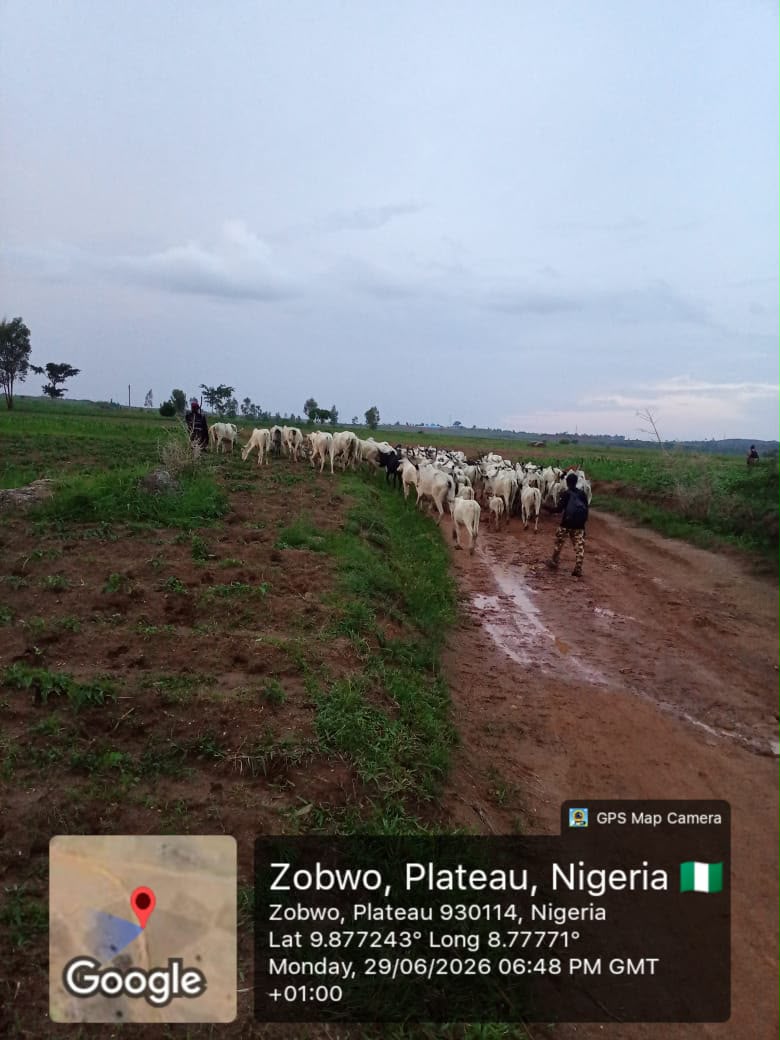
Troops Rescue Farmer Shot by Suspected Armed Herders in Plateau, Recover Abandoned Cattle
By Zagazola Makama
Troops of Sector 3, Operation Enduring Peace (OPEP), have rescued a farmer who was shot by suspected armed herders during an attack in Bassa Local Government Area of Plateau State.
Sources told Zagazola Makama that the incident occurred at about 4:20 p.m. on June 29 around Jebbu Miango community, where the assailants attacked a farmer identified as Mr. Lambat.
The sources said troops swiftly responded to a distress call and engaged the attackers, forcing them to flee the area before they could inflict further harm.
During the intervention, the troops rescued the victim, who had sustained gunshot wounds, and evacuated him to ENOS Hospital in Miango for urgent medical treatment.
The troops also recovered a herd of cattle abandoned by the fleeing suspects. The animals were moved to a secure location pending identification of their rightful owners and further necessary action by the relevant authorities.
Security sources said efforts are ongoing to track down the fleeing suspects and prevent further attacks in the area.
Troops Rescue Farmer Shot by Suspected Armed Herders in Plateau, Recover Abandoned Cattle

Nigerian Army Boosts Training Capacity as COAS Inaugurates Modern Training Facilities in Plateau

Troops Arrest Three Suspected Drug Peddlers in Jos Raid

Court Grants Sowore N200m Bail*Lists fresh conditions

Roger Federer’s Shock as DNA Results Reveal Myla and Charlene Are Not His Biological Children

THE PLIGHT OF FARIDA

FAILED COUP IN BURKINA FASO: HOW TRAORÉ NARROWLY ESCAPED ASSASSINATION PLOT AMID FOREIGN INTERFERENCE CLAIMS
-
 News2 years ago
Roger Federer’s Shock as DNA Results Reveal Myla and Charlene Are Not His Biological Children
-
Opinions4 years ago
THE PLIGHT OF FARIDA
-
 News1 year ago
FAILED COUP IN BURKINA FASO: HOW TRAORÉ NARROWLY ESCAPED ASSASSINATION PLOT AMID FOREIGN INTERFERENCE CLAIMS
-

 News2 years ago
EYN: Rev. Billi, Distortion of History, and The Living Tamarind Tree
-
 Opinions5 years ago
POLICE CHARGE ROOMS, A MINTING PRESS
-

 ACADEMICS2 years ago
A History of Biu” (2015) and The Lingering Bura-Pabir Question (1)
-

 Columns2 years ago
Army University Biu: There is certain interest, but certainly not from Borno.
-

 Politics1 year ago
2027: Why Hon. Midala Balami Must Go, as Youths in Hawul and Asikira/Uba Federal Constituency Reject ₦500,000 as Sallah Gift
