
Health
UMTH conducts successful kidney transplant 15 years after

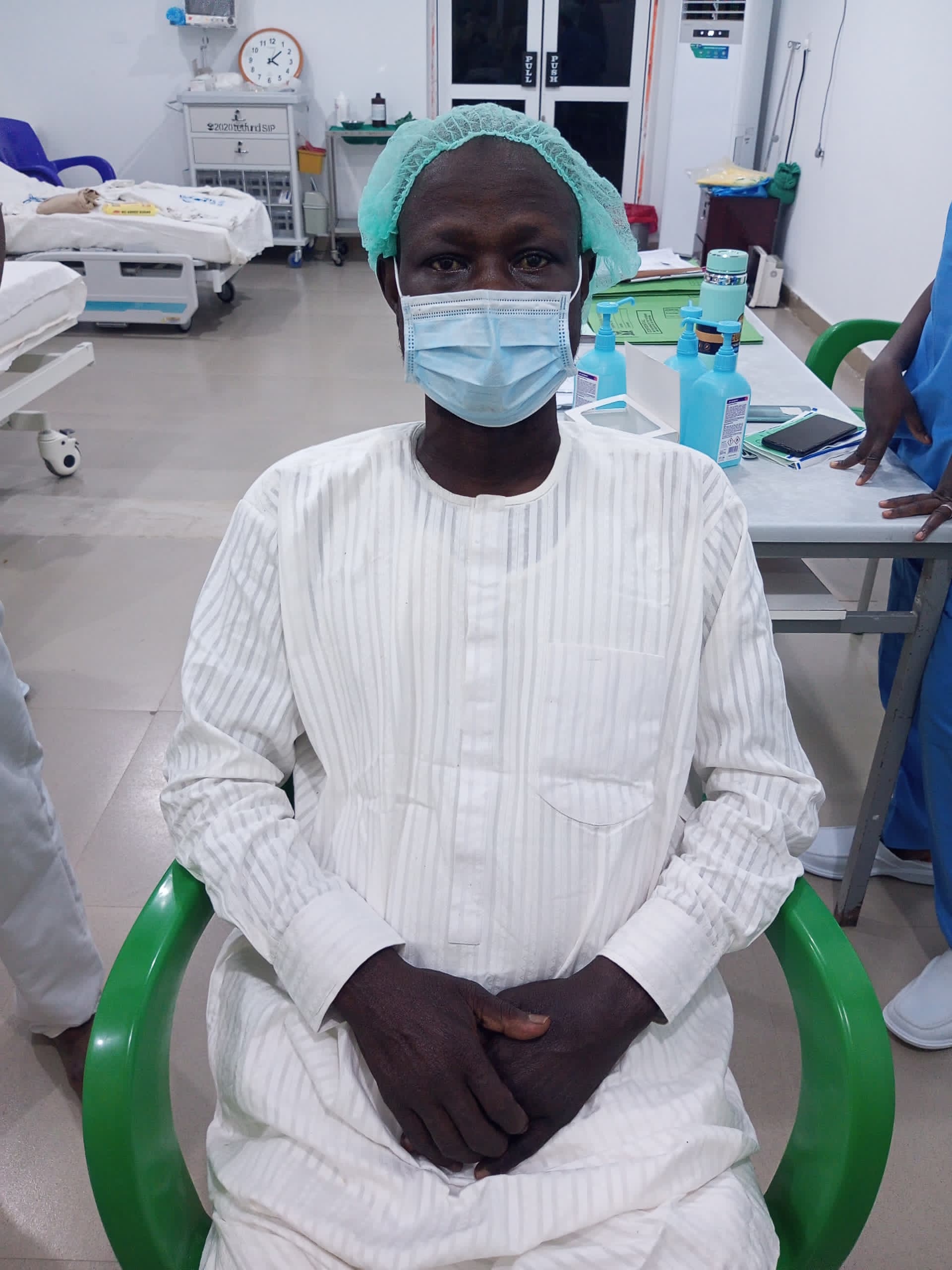
UMTH conducts successful kidney transplant 15 years after
….CMD calls for philanthropic support to enable the hospital save more lives from CKD
By: Sam Kayode
Chief Medical Director (CMD) of the University of Maiduguri Teaching Hospital (UMTH) Professor Ahmed Ahidjo has called on well-meaning individuals to sponsor kidney transplant against chronic kidney diseases (CKD)in the institution.
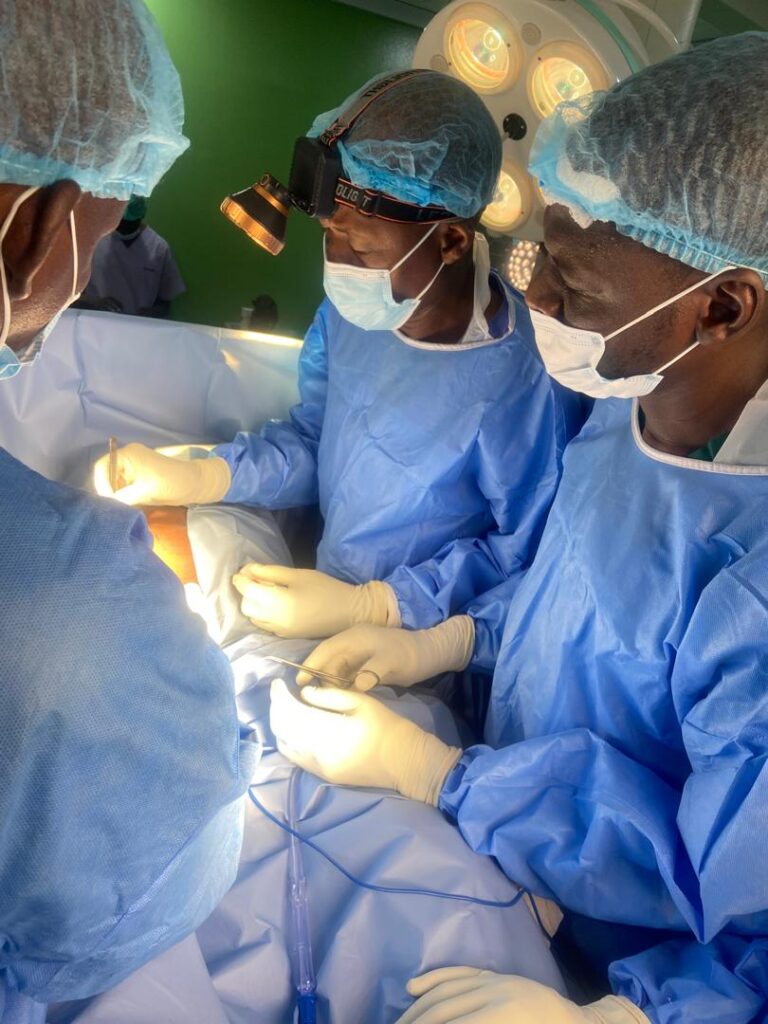
Professor Ahidjo made the appeal recently in a news conference in Maiduguri while announcing the successful transplant of kidneys to two patients in the hospital.
Speaking during the occasion at the UMTH Conference Hall, CMD, Professor Ahidjo, described the procedure as a landmark success attributable to the hospital’s preparedness, the support of management and the goodwill of an anonymous philanthropist who paid for the consumables.
He said that since kidney failure has become a serious challenge in the north east of Nigeria especially Borno, it is high time well meaning individuals who share in our common humanity support more transplants by bringing in their resources to bear so that more victims of CKD can continue to enjoy prolonged life from available transplants.
Ahidjo hinted that five million naira was paid by an anonymous donor for each of the patients who got a new kidney in the recent operation and that to him is his expectations towards this challenge because a transplant ordinarily costs about N13.5m to execute successfully in contemporary Nigeria.
The CMD noted that kidney challenges will no longer be a death sentence if there is a pool of consumables to support each operation which would be done virtually free by the UMTH medical team as a way of lessening the prevalence burden in the state.
Responding to questions by reporters the CMD added that the hospital is ready to conduct free operations for the next 20 patients who desire new kidneys adding that the only challenge for such operations is ‘consumables” but once that is on ground the rest would be history.
” As an institution, we are ready for the next 20 patients because we are footing the bill of all the technical details but the consumables are quite expensive. This is why I am appealing for sponsorship of more patients at least to the level of being stabilized because the bulk of the charges we make are for the consumables and these are subject to a revolving fund to ensure that others on the waiting list get the same quality service.
” Donors should come out and support this cause as quickly as possible because so many patients have end stage kidney problems but they do not have the resources to get the care they need. And this is why we need the support of fellow Nigerians out there to keep them alive.” Said the CMD.
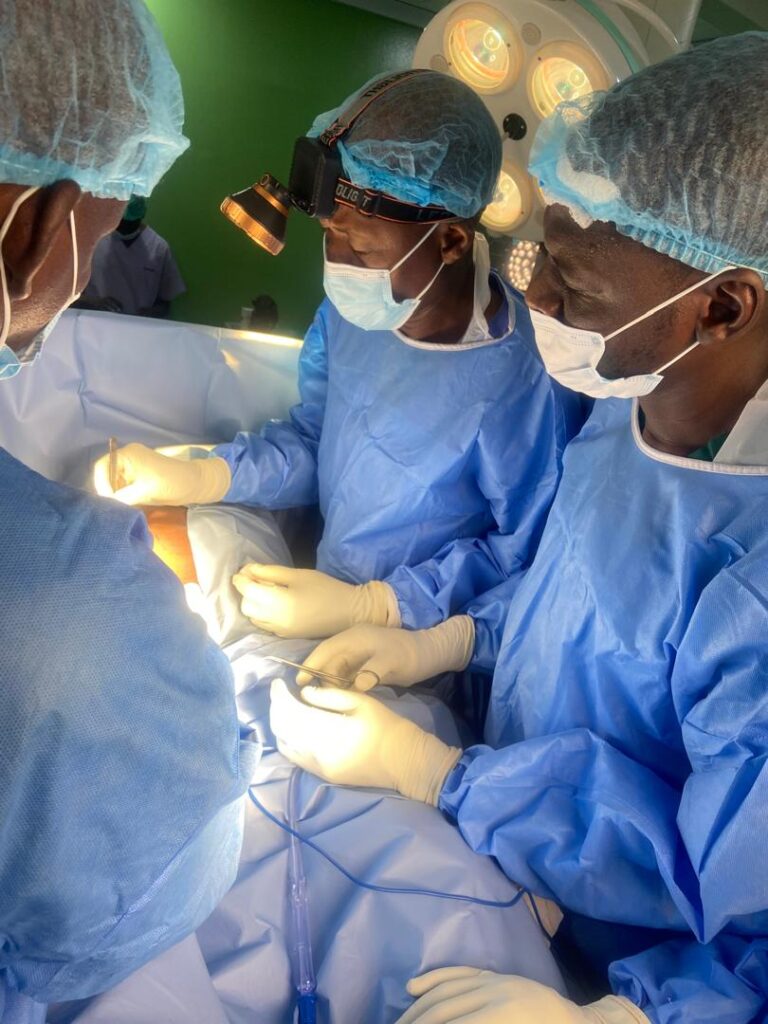
The UMTH he maintained has successfully reinforced its reputation by conducting the cheapest kidney transplants after 15 years indicative of the fact that it is now the leading renal treatment center in Nigeria today.
Roll call of successful transplant
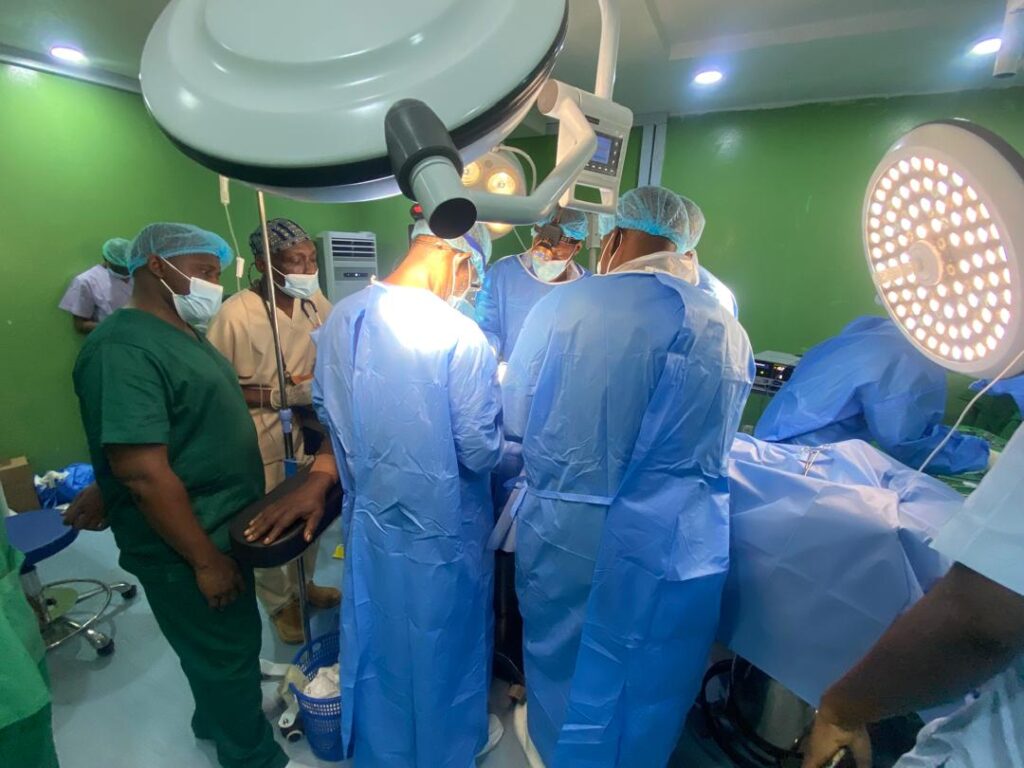
Several specialists involved in the operation led by neurologist Dr. Hassan Gogo and the surgical team carried out the transplants and they include, Professors Umate, the lead Nephrologist, Sani Alhassan a Surgeon, lbrahim Gaidam, Fela Usman, and Dr Hassan Digo all of them Urologists.
Team of Anesthetics include: Ahmed Alhaji, Doctors’ kullma Zakana, Hadiza Bako, Bukar Ahmad, Aisami mustapha, Buhani Ghidie and Atiku.
Nephrology Nurses include, Yagana kingi, Maryam Alhassan, Babagana Gubio, Yagana Mohammed and Abubakar.
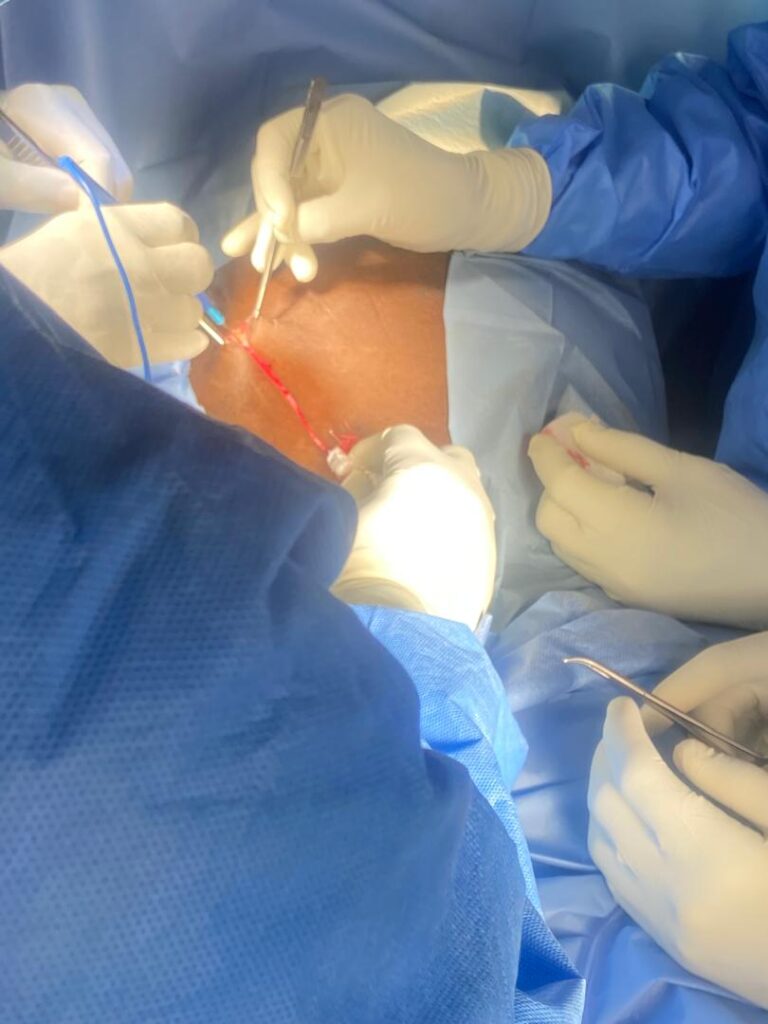
Perioperative nurses present in the operation were, Babagana Korede, Kamsulum Umate, Christiana Michael, Kolo Bulama, Bola Ayeni, Amina Tamus and Zainab Mohammed.
Technicians include: Abubakar Umar, Shettima Maryam and Abdullahi lawan while two porters Aisha Idi and Fah ibrahiin were among the team that
conducted the Surgery
Professor Mohammed Gadam, Dr. Ahmed Head of the Anaesthesia Unit Dr. Zanna, and Professor Sani Alhaji Hassan. Prof Haruna Ngaddah Consultant Anatomic Pathology and Forensic Medicine was the Lab team lead.
“This is not the first time UMTH has performed a kidney transplant. Our first was in August 2010. So you can see that with improved capacity and technology, we’ve resumed the procedures in full and ready to do many more,” said Prof. Ahidjo.
UMTH kidney centre
Ahidjo an interventional radiologist hinted that the UMTH hosts the largest kidney centre in Nigeria, with an 85 bed capacity and four operating theatres equipped with advanced surgical equipment like endoscopic cameras, and modern lighting systems.
Narrating further the latest developments in the kidney centre, Prof Ahidjo, stated that the hospital now has over 20 functional dialysis machines and an “independent renal laboratory centre” making it easy for patients to have what they need as at when due and reducing the burden of red tape of the main hospital laboratory.
He commended the Federal Government for subsidizing kidney dialysis, adding that UMTH now offers dialysis for just twelve thousand Naira per session roughly eight United States dollars making it one of the cheapest rate in the country.
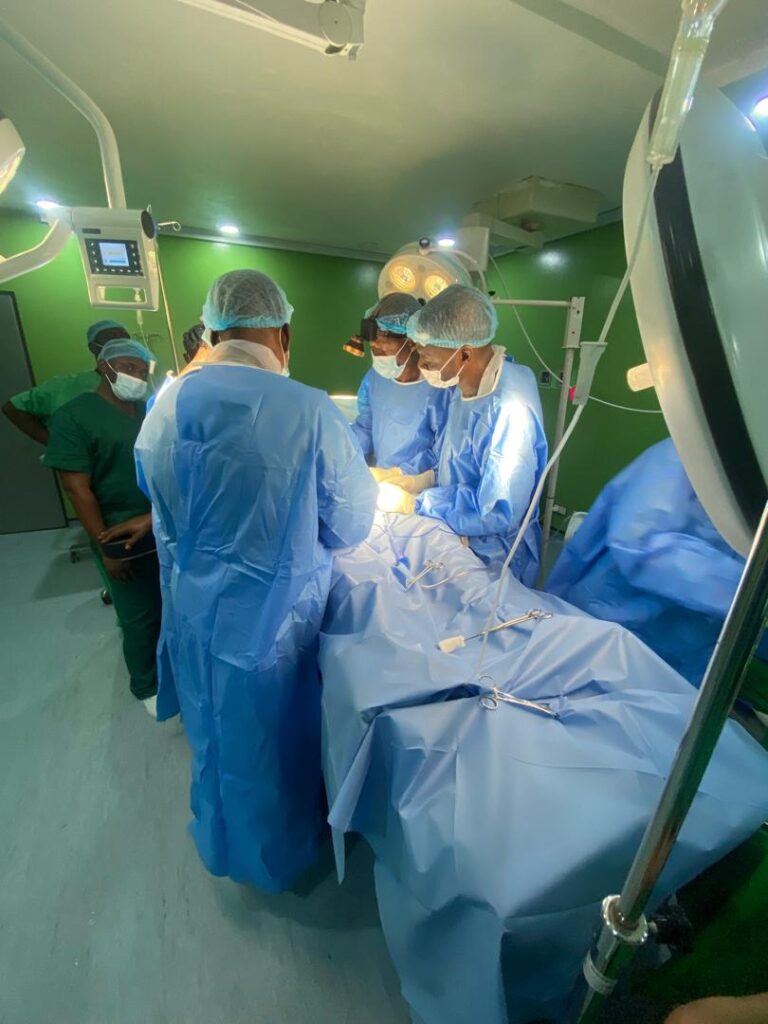
“In Nigeria and other parts of the world, dialysis cost as much as $1,000 per session but the support we receive makes this possible as we meet the needs of the people of the sub region.
“The cost of the service doesn’t even cover maintenance of the machines, but we are determined to keep our services accessible to the public,” he said.
The CMD commended Vice President Kashim Shettima for initiating the subsidized kidney dialysis program in Borno and reaffirmed that UMTH will continue to serve humanity in this manner.
Borno state sponsored Kidney research
The CMD lauded Governor Babagana Zulum of Borno state for providing a special grant of ₦50 million to the hospital for onward investigation of causes of Kidney failures in Borno State.
The research has been going on simultaneously but even though the results have not been officially released, the research on kidney failure in Borno State indicates a significant burden of CKD with hypertension and glomerulonephritis being major contributing factors.
Checks on a source who commented about the ongoing study of the prevalence of CKD in Maiduguri hinted
that the researchers found out that a substantial percentage of patients on dialysis so far had CKD of unknown cause.
Prof. Ahidjo while responding to a question on CKD however hinted that diabetes and hypertension were equally major contributors to kidney malfunctions in the region.
He maintained that samples already taken are being analyzed to determine specific regional causes, while urging the public to adopt healthier lifestyles, stay hydrated, and engage in regular physical activity to reduce risks.
Prevalence of high CKD has been noticed specifically in central and southern Borno but the research is yet to establish if it has anything to do with the water consumed or the general lifestyle of the residents of this region of the state.
UMTH conducts successful kidney transplant 15 years after


Health
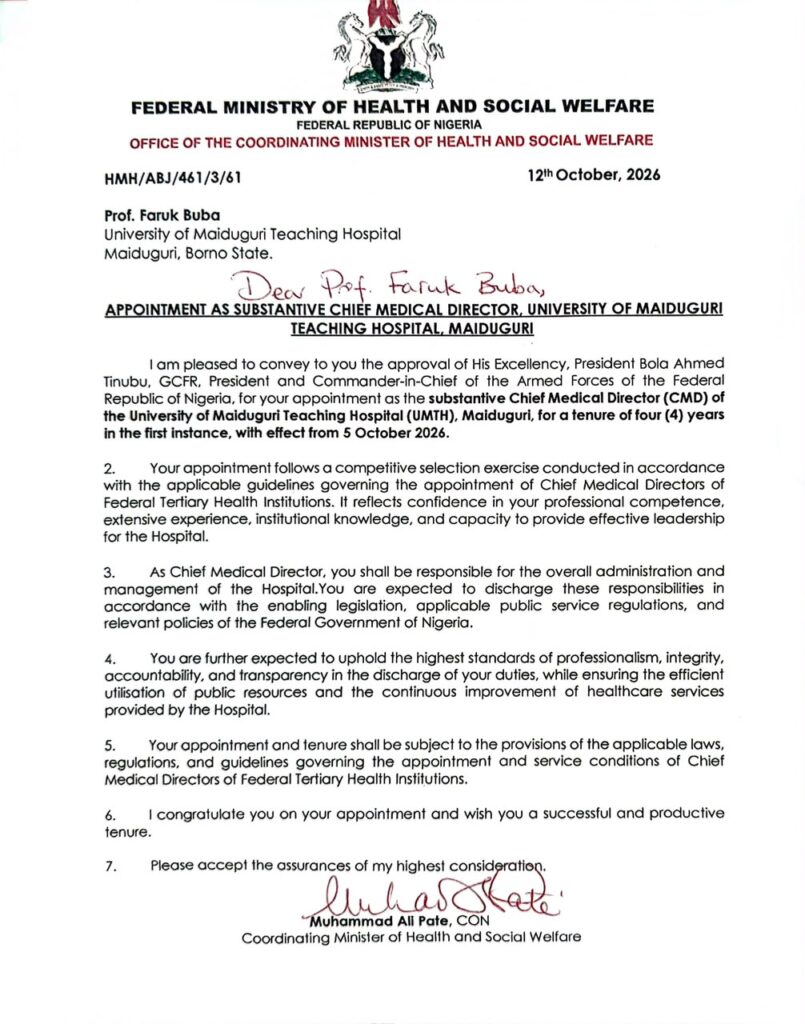
Congratulations to Professor Faruk Buba on your emergence as Chief Medical Director of the University of Maiduguri Teaching Hospital.

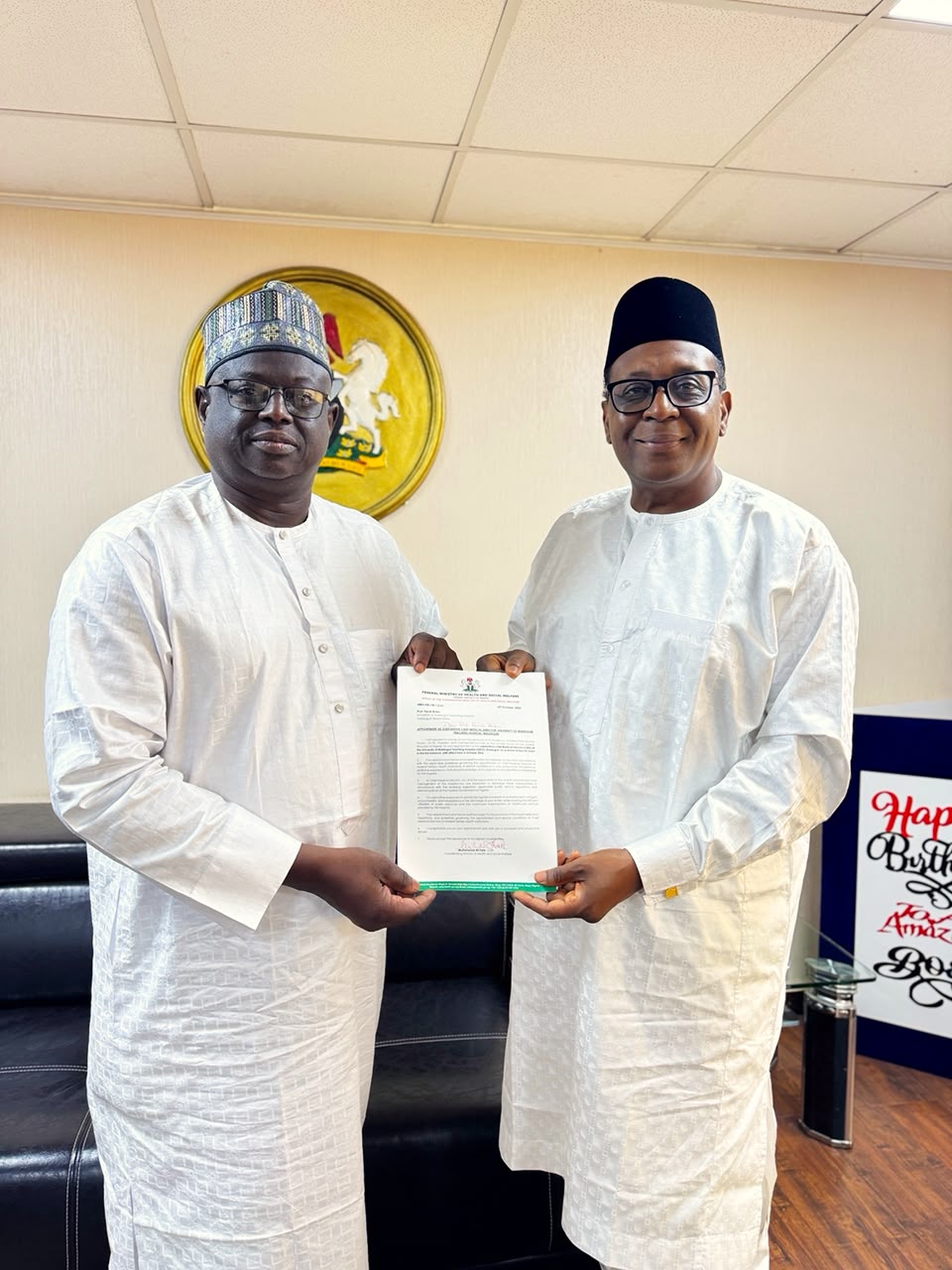
Congratulations to Professor Faruk Buba on your emergence as Chief Medical Director of the University of Maiduguri Teaching Hospital.
By: Dr. James Bwala
Today, October 12, 2026, marks a remarkable moment in the history of the University of Maiduguri Teaching Hospital. The emergence of Professor Faruk Buba as the new Chief Medical Director is not merely an administrative transition; it is a significant development that inspires hope, confidence, and renewed commitment among the hospital’s staff, patients, stakeholders, and the wider community. This important appointment is a recognition of his professional excellence, leadership capacity, dedication to service, and years of meaningful contributions to the medical profession.
Professor Faruk Buba has fought a good fight. Through perseverance, competence, discipline, and an unwavering commitment to the ideals of healthcare, he has distinguished himself as a professional worthy of this responsibility. His emergence is therefore not accidental. It is the outcome of years of preparation, sacrifice, experience, and service. At a time when the University of Maiduguri Teaching Hospital requires purposeful leadership, his appointment offers an opportunity to strengthen the institution and reposition it for greater accomplishments.
The position of Chief Medical Director is one of enormous responsibility. It requires far more than medical knowledge or administrative authority. The office demands vision, integrity, courage, emotional intelligence, strategic thinking, and the ability to unite people around a common purpose. The Chief Medical Director must provide direction for clinical services, medical education, research, staff welfare, institutional development, and patient-centered care. Professor Buba’s professional background and demonstrated commitment provide strong reasons to believe that he is prepared for this demanding assignment.
READ ALSO: General TY Buratai spoke at the DECAN Annual Lecture and Awards Ceremony in Abuja. – News Net Global Ltd – https://newsng.ng/general-ty-buratai-spoke-at-the-decan-annual-lecture-and-awards-ceremony-in-abuja/
The University of Maiduguri Teaching Hospital occupies a vital place in the healthcare system of northeastern Nigeria. It serves as a referral center for millions of people and remains an important institution for the training of doctors, nurses, pharmacists, laboratory scientists, and other healthcare professionals. Its influence extends beyond the walls of the hospital. The quality of its services affects families, communities, educational institutions, government agencies, and the general development of the region. Consequently, the leadership of the hospital is a matter of public importance.
At a time when the healthcare sector faces complex challenges, the need for visionary and responsive leadership has never been greater. Hospitals must manage rising patient numbers, limited resources, shortages of skilled personnel, increasing demands for specialized services, and the growing expectations of the public. They must also maintain high standards of professionalism while responding to emergencies, public health threats, and the changing nature of medical practice. These challenges require leadership that is practical, inclusive, transparent, and committed to continuous improvement.
Professor Buba’s appointment should therefore be seen as an opportunity to build on the achievements of previous administrations while introducing fresh ideas and new energy. No institution becomes great through the efforts of one individual alone. Progress is sustained when leaders recognize the value of institutional memory, respect established accomplishments, and create room for innovation. The new administration can draw from the strengths of the past while developing policies that address present realities and prepare the hospital for the future.
READ ALSO: General TY Buratai spoke at the DECAN Annual Lecture and Awards Ceremony in Abuja. – News Net Global Ltd – https://newsng.ng/general-ty-buratai-spoke-at-the-decan-annual-lecture-and-awards-ceremony-in-abuja/
In this regard, the contributions of Professor Ahmed Ahidjo deserve special recognition. As a predecessor, Professor Ahidjo made an important mark in the history of the University of Maiduguri Teaching Hospital. His leadership and service helped strengthen the institution’s identity and reputation, contributing to its recognition as the largest hospital in Nigeria. His achievements represent a standard of excellence and a legacy that should inspire every subsequent leader. Professor Faruk Buba now has the opportunity to build upon that foundation and print his own name on the stone of history.
To achieve this, the new Chief Medical Director must pursue a clear and people-oriented agenda. The first priority should be the improvement of patient care. Every patient who enters the hospital should be treated with dignity, compassion, fairness, and respect. Professionalism must be visible in the conduct of all employees, from consultants and nurses to administrative officers, technicians, porters, and security personnel. Patients should experience a health facility where services are delivered efficiently, communication is clear, waiting times are reduced, and complaints are handled responsibly.
The hospital must also continue to strengthen its clinical services. The availability of essential equipment, functional laboratories, reliable diagnostic services, adequate drugs, and well-maintained facilities is essential to quality care. Where resources are limited, the administration should establish transparent priorities and pursue partnerships with government, development agencies, private organizations, alumni groups, and philanthropic individuals. Strategic collaboration can help the hospital expand its capacity without compromising accountability.
READ ALSO: General TY Buratai spoke at the DECAN Annual Lecture and Awards Ceremony in Abuja. – News Net Global Ltd – https://newsng.ng/general-ty-buratai-spoke-at-the-decan-annual-lecture-and-awards-ceremony-in-abuja/
Staff welfare must occupy a central place in the new administration’s program. Healthcare workers cannot perform at their best when they are overburdened, poorly motivated, inadequately equipped, or uncertain about their professional future. Fair promotion, regular training, supportive working conditions, recognition of excellence, and respect for the rights of staff are vital to institutional stability. The administration should promote a culture in which employees feel valued and are encouraged to contribute ideas toward solving the hospital’s challenges.
Professional harmony will also be essential. A teaching hospital is a complex organization made up of different cadres, departments, unions, and professional interests. Differences are inevitable, but they must be managed through dialogue, fairness, and mutual respect. The Chief Medical Director should serve as a bridge among various groups, ensuring that no department or professional category feels excluded. An atmosphere of trust will improve productivity, reduce conflict, and help staff focus on the hospital’s central mission.
Medical education and research deserve equal attention. As a teaching hospital, UMTH must remain a center of learning and discovery. It should provide an environment in which students, residents, fellows, nurses, and other trainees can develop the competence and ethical standards required for modern healthcare. Training programs should be regularly reviewed to ensure that they reflect current medical knowledge, technological changes, and the healthcare needs of the region.
READ ALSO: General TY Buratai spoke at the DECAN Annual Lecture and Awards Ceremony in Abuja. – News Net Global Ltd – https://newsng.ng/general-ty-buratai-spoke-at-the-decan-annual-lecture-and-awards-ceremony-in-abuja/
Research should not be treated as an optional activity. The hospital faces health challenges that require locally relevant solutions. Research into infectious diseases, maternal and child health, trauma care, non-communicable diseases, mental health, emergency medicine, and other regional priorities can directly improve patient outcomes. Professor Buba can strengthen research by encouraging collaboration, supporting young researchers, improving access to research resources, and promoting the publication and application of findings.
Digital transformation should also form part of the hospital’s development strategy. Effective use of electronic medical records, digital appointments, telemedicine, data management systems, and online training platforms can improve efficiency and enhance continuity of care. Technology cannot replace human compassion, but it can reduce errors, improve access to information, support decision-making, and make services more responsive. A modern hospital must be prepared to adopt appropriate innovations while ensuring data security and patient confidentiality.
The relationship between the hospital and the public should be strengthened through openness and effective communication. Members of the community need to understand the services available, the procedures required, and the limitations that may affect care. Regular engagement with patients, community leaders, professional bodies, media organizations, and civil society groups can promote trust and accountability. A hospital that listens to the people it serves is more likely to respond effectively to their needs.
READ ALSO: General TY Buratai spoke at the DECAN Annual Lecture and Awards Ceremony in Abuja. – News Net Global Ltd – https://newsng.ng/general-ty-buratai-spoke-at-the-decan-annual-lecture-and-awards-ceremony-in-abuja/
Professor Buba must also be prepared to make difficult decisions. Leadership is not measured only by popularity. At times, the interests of the institution and the welfare of patients may require firm action, difficult reforms, or the enforcement of professional standards. Such decisions must be guided by justice, evidence, consultation, and the public interest. When people recognize that policies are fair and that resources are managed responsibly, they are more likely to support necessary changes.
The success of this administration will depend not only on the personality of the Chief Medical Director but also on the cooperation of the entire hospital community. Staff members must support the new leadership, offer constructive advice, and place institutional interests above personal disagreements. Stakeholders outside the hospital, including government authorities, professional associations, academic institutions, traditional leaders, and members of the public, should also contribute to the hospital’s progress. A great institution is built through collective responsibility.
Professor Faruk Buba should therefore know that he does not stand alone. We stand with him. We stand with his vision, his aspirations, and his commitment to service. We also stand ready to encourage him, advise him, and hold him accountable in the spirit of constructive partnership. Support does not mean silence in the face of challenges; rather, it means offering honest guidance and helping leadership succeed for the benefit of the institution and the people it serves.
READ ALSO: General TY Buratai spoke at the DECAN Annual Lecture and Awards Ceremony in Abuja. – News Net Global Ltd – https://newsng.ng/general-ty-buratai-spoke-at-the-decan-annual-lecture-and-awards-ceremony-in-abuja/
This appointment is both an honor and a call to duty. It is an opportunity to transform experience into action, knowledge into service, and leadership into lasting institutional progress. The expectations are high because the needs are great. Yet, with humility, courage, collaboration, and determination, Professor Buba can lead the University of Maiduguri Teaching Hospital toward a new period of excellence.
As he assumes office, we congratulate him warmly and commend his past efforts. We pray that he will be granted wisdom, strength, good health, and the support necessary to fulfill the demands of this important responsibility. May his tenure be characterized by peace, innovation, professional growth, improved patient care, institutional expansion, and enduring achievements.
Professor Faruk Buba has fought a good fight, and this appointment is a deserved recognition of his service. The journey ahead will not be without challenges, but history often remembers those who accept difficult responsibilities and transform them into opportunities for progress. With the right vision and the cooperation of the hospital community, he can build upon the legacy of Professor Ahmed Ahidjo and establish a record that future generations will honor.
READ ALSO: General TY Buratai spoke at the DECAN Annual Lecture and Awards Ceremony in Abuja. – News Net Global Ltd – https://newsng.ng/general-ty-buratai-spoke-at-the-decan-annual-lecture-and-awards-ceremony-in-abuja/
Congratulations, Professor Faruk Buba, on your emergence as the new Chief Medical Director of the University of Maiduguri Teaching Hospital. May your tenure bring renewed hope to patients, greater fulfillment to staff, stronger confidence to stakeholders, and a brighter future for the institution. May you not only occupy the office but also use it to make a lasting difference. May your name, like that of your predecessor, echo to lengths and breathe of this great country and beyond.
- James Bwala, PhD, writes from Abuja.
Congratulations to Professor Faruk Buba on your emergence as Chief Medical Director of the University of Maiduguri Teaching Hospital.
Israel Trains Nigerian Health Workers on Maternal Emergency Care
By: Michael Mike
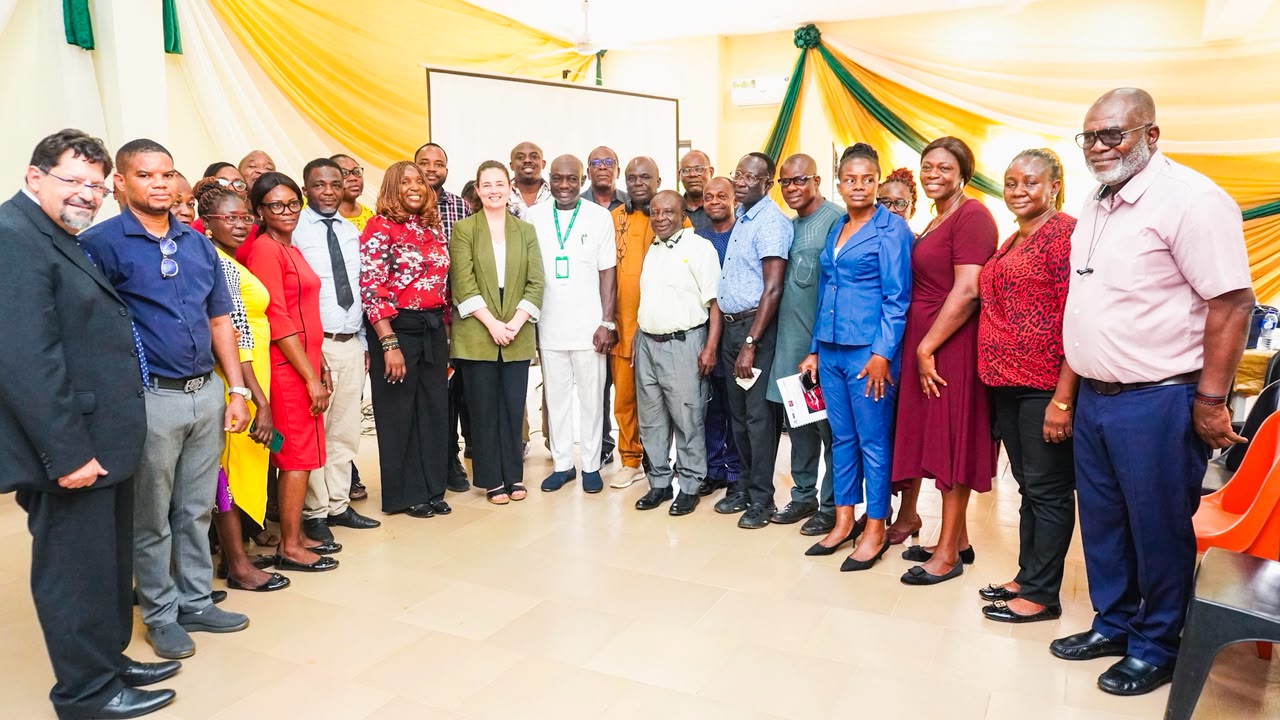
Israeli doctors in collaboration with the embassy of Israel in Nigeria have trained Nigerian healthcare professionals in life-saving maternal emergency care as part of efforts to strengthen the country’s response to childbirth-related complications and reduce preventable maternal deaths.
The five-day clinical training programme, led by Israeli medical specialist, Professor Offer Erez, was held at the University of Nigeria Teaching Hospital (UNTH), Enugu, from October 5 to 9, 2026.
The programme brought together doctors, obstetricians, gynaecologists, midwives, professors, clinical lecturers and other healthcare professionals for specialised instruction in postpartum haemorrhage (PPH), obstetric emergencies, thrombosis, haemostasis and emergency response protocols.
Postpartum haemorrhage, a condition involving excessive bleeding after childbirth, remains a major cause of maternal deaths worldwide. The embassy cited World Health Organisation (WHO) estimates indicating that Nigeria records about 75,000 maternal deaths annually, underscoring the need to improve emergency obstetric care and access to skilled medical intervention.
Speaking during her official visit to Enugu State, the Chargé d’Affaires of the Embassy of Israel in Nigeria, Ms Racheli Stavissky, reaffirmed Israel’s commitment to supporting Nigeria’s healthcare development through medical expertise, innovation and professional capacity building.
She said every mother deserved access to safe childbirth and quality emergency medical care, adding that behind every maternal mortality statistic was a woman, a family and a community.
Stavissky said Israel was proud to share its medical expertise with Nigerian healthcare professionals, noting that equipping doctors, midwives and medical educators with advanced clinical skills could save lives beyond the duration of the training.
She also expressed the embassy’s readiness to expand cooperation with UNTH in maternal healthcare, medical education and emergency medicine.
The training combined evidence-based clinical instruction, high-fidelity medical simulations, practical sessions and multidisciplinary emergency response exercises.
Participants received specialised instruction in the early detection and management of obstetric haemorrhage, maternal stabilisation, haemostatic resuscitation, emergency blood transfusion protocols and coordinated clinical decision-making.
A major component of the programme was the Training-of-Trainers approach, designed to equip Nigerian healthcare professionals with the knowledge and practical skills to train their colleagues and extend improved emergency obstetric care to other healthcare institutions.
Erez commended the commitment and professionalism of Nigerian healthcare workers, describing the collaborative learning environment at UNTH as encouraging.
He said the training was designed to strengthen healthcare teams’ ability to recognise and manage life-threatening obstetric complications through practical simulations, evidence-based haemorrhage management and coordinated emergency response.
“Our goal is to bridge the gap between clinical knowledge and emergency response while empowering Nigerian doctors, midwives and medical educators to transfer these skills to others,” he said.
Erez added that building local capacity to train other healthcare professionals was essential to sustaining the benefits of the programme and improving maternal health outcomes.
The Governor of Enugu State, Dr. Peter Mbah, also welcomed the Israeli delegation, describing the initiative as an important contribution to healthcare development in the state.
Mbah said strengthening the healthcare system required more than investment in infrastructure, stressing the importance of continuous professional development, access to international expertise and modern approaches to patient care.
He expressed appreciation to the Embassy of Israel and the medical team, saying the specialised training would enhance the capacity of healthcare professionals to respond to critical maternal emergencies.
The governor also expressed the state government’s interest in expanding cooperation in medical education, healthcare innovation and institutional capacity development.
The embassy said it remained committed to partnerships aimed at strengthening institutions, improving healthcare delivery and promoting the wellbeing of communities across Nigeria.
Israel Trains Nigerian Health Workers on Maternal Emergency Care
Health
Thousands Flood Taraba Medical Outreach as Nentawe’s Birthday Initiative Offers Lifeline to Rural Residents
Thousands Flood Taraba Medical Outreach as Nentawe’s Birthday Initiative Offers Lifeline to Rural Residents
By: Michael Mike
Beneficiaries Praise APC Chairman’s Humanitarian Gesture, Demand Bigger Investment in Healthcare System
Thousands of residents across Taraba State have received a new lease of hope as the Renewed Hope Free Medical and Surgical Outreach 2026 enters its second day, with beneficiaries applauding the intervention for bringing critical healthcare services closer to vulnerable communities.
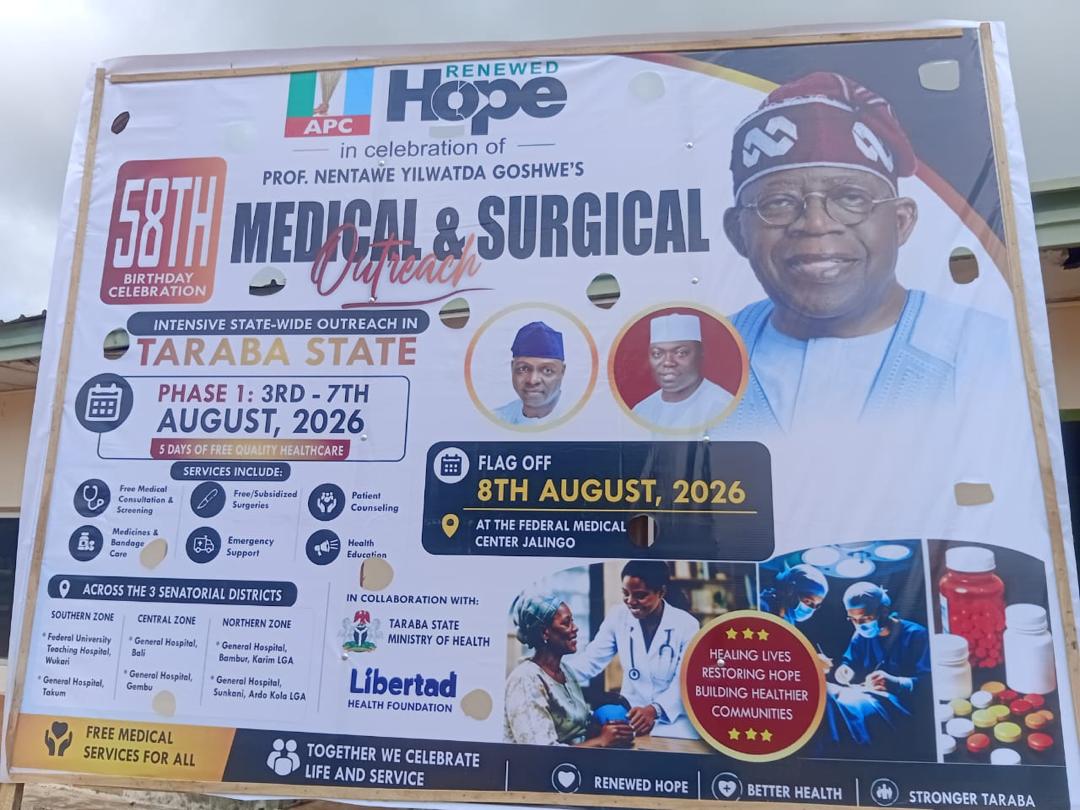
The statewide medical programme, organised to mark the 58th birthday anniversary of the National Chairman of the All Progressives Congress (APC), Professor Nentawe Yilwatda Goshwe, has provided free medical consultations, laboratory tests, drugs, specialist care and surgical services to residents who would otherwise struggle to afford such treatments.
From Sunkani to Bali, Gembu, Takum, Bambur and Wukari, hundreds of men, women, children and elderly residents were seen trooping into designated medical centres from the early hours of the day, seeking attention from teams of doctors, nurses, laboratory scientists and other healthcare professionals.
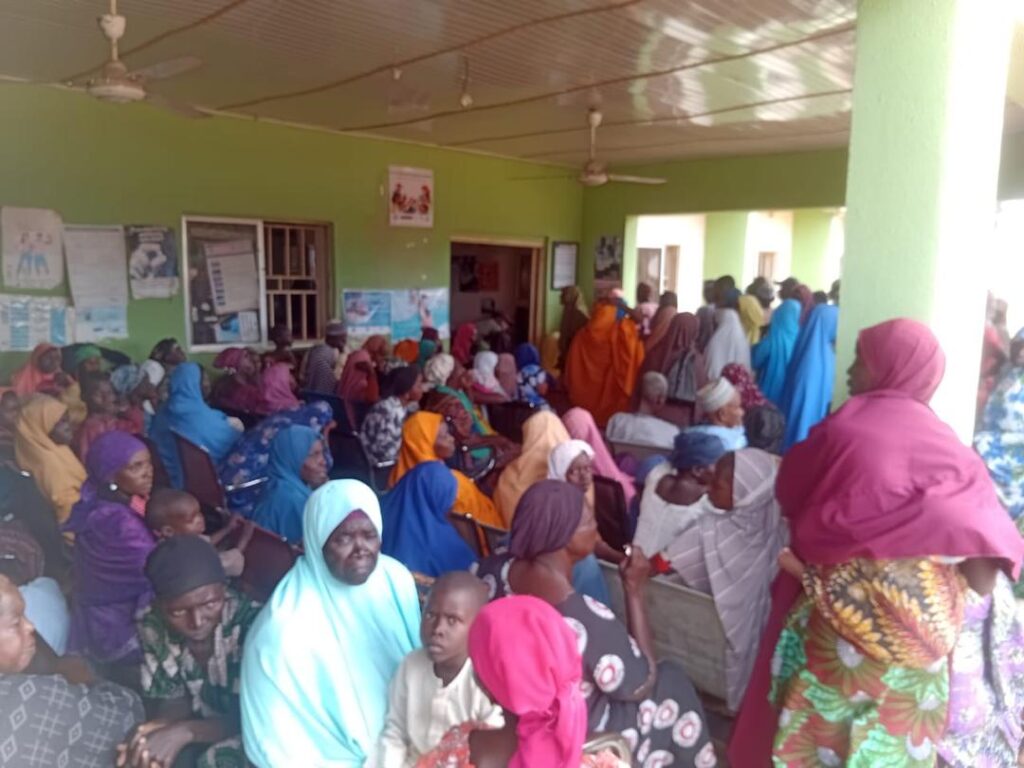
A correspondent who monitored activities at the Primary Health Care Centre, Sunkani, and other centres across the state observed a heavy turnout of patients, many of whom described the outreach as a major relief for families battling rising healthcare costs.
The beneficiaries said the intervention had not only provided immediate treatment but had also restored hope among residents in communities where access to specialist healthcare remains a major challenge.
Mrs Deborah Isah, a resident of Sunkani who received treatment for malaria and typhoid, expressed appreciation to the organisers, describing the programme as a blessing to ordinary citizens.
“I thank Professor Nentawe Yilwatda for remembering people like us. I pray God grants him wisdom, good health and greater success,” she said.
Similarly, Mr Abubakar Ahmed, a farmer treated for typhoid, stomach-related ailments and eye problems, said the outreach had removed a huge financial burden from many rural families.
He commended the initiative for taking medical services directly to the people, while urging continued collaboration between government and humanitarian organisations to strengthen healthcare delivery across Taraba.
Another beneficiary, Miss Dorcas Ephesians, who sought treatment for persistent abdominal pains, described the medical team’s approach as professional and compassionate.
She appealed to the Taraba State Government to sustain and expand partnerships that would ensure vulnerable citizens have regular access to quality healthcare services.
Speaking at the Sunkani centre, the team lead, Dr Williams Golis, said the outreach was strictly humanitarian and designed to address healthcare needs without discrimination.
“This medical outreach is non-political and non-religious. Our priority is to provide quality healthcare through advanced specialist consultations, appropriate medical treatment and surgical interventions for everyone who needs them,” he said.
The Renewed Hope Free Medical and Surgical Outreach 2026 is planned as a three-week intervention targeting thousands of residents across Taraba’s three senatorial districts.
The first phase, which runs from August 3 to 7, is being conducted simultaneously at six healthcare facilities, including the Federal University Teaching Hospital, Wukari; General Hospital, Takum; General Hospital, Bali; General Hospital, Gembu; Bambur General Hospital; and the Primary Health Care Centre, Sunkani.
The official flag-off ceremony is expected on August 8, the birthday of Professor Yilwatda, while the second phase, scheduled from August 8 to 22, will move to the Federal Medical Centre and National Orthopaedic Hospital in Jalingo for advanced specialist consultations and complex surgical procedures.
Healthcare experts say the initiative highlights the role of humanitarian interventions and public-private partnerships in bridging healthcare gaps, especially in rural areas where many residents face difficulties accessing specialised medical services.
However, beneficiaries stressed that while the outreach has provided immediate relief to thousands, sustained investment in primary healthcare centres, specialist hospitals and affordable medical services remains crucial to solving Taraba’s long-term healthcare challenges.
Thousands Flood Taraba Medical Outreach as Nentawe’s Birthday Initiative Offers Lifeline to Rural Residents

Tension in Mangu as Fulani Herdsmen Allege Attack by Security Forces After Gunmen Wound Two, Rustle 70 Cattle

Army troops Arrests Arms Fabricator, Three Suspected Gunrunners, Recovers Weapons in Plateau

COAS Calls for Joint Operations, Multi-Domain Integration as Army Expands to 12 Divisions

Roger Federer’s Shock as DNA Results Reveal Myla and Charlene Are Not His Biological Children

THE PLIGHT OF FARIDA

FAILED COUP IN BURKINA FASO: HOW TRAORÉ NARROWLY ESCAPED ASSASSINATION PLOT AMID FOREIGN INTERFERENCE CLAIMS
-
 News3 years ago
Roger Federer’s Shock as DNA Results Reveal Myla and Charlene Are Not His Biological Children
-
Opinions5 years ago
THE PLIGHT OF FARIDA
-
 News1 year ago
FAILED COUP IN BURKINA FASO: HOW TRAORÉ NARROWLY ESCAPED ASSASSINATION PLOT AMID FOREIGN INTERFERENCE CLAIMS
-

 News3 years ago
EYN: Rev. Billi, Distortion of History, and The Living Tamarind Tree
-
 Opinions5 years ago
POLICE CHARGE ROOMS, A MINTING PRESS
-

 ACADEMICS3 years ago
A History of Biu” (2015) and The Lingering Bura-Pabir Question (1)
-

 Columns3 years ago
Army University Biu: There is certain interest, but certainly not from Borno.
-

 Politics1 year ago
2027: Why Hon. Midala Balami Must Go, as Youths in Hawul and Asikira/Uba Federal Constituency Reject ₦500,000 as Sallah Gift
