
Uncategorized
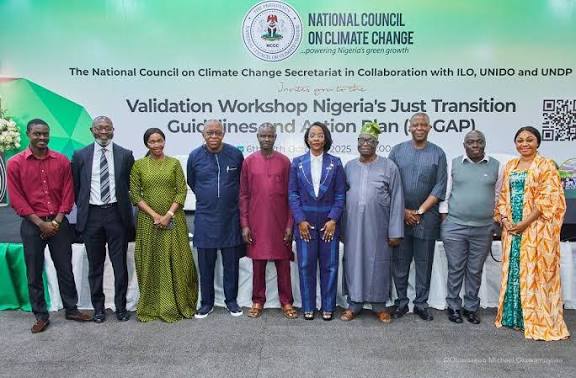
Nigeria Leads Call for Just, Inclusive Climate Transition in Africa

Nigeria Leads Call for Just, Inclusive Climate Transition in Africa
By: Michael Mike
Nigeria has renewed its call for African nations to unite under a comprehensive Climate Compact aimed at harmonising carbon markets, enhancingj transparency, and amplifying the continent’s collective influence on the global climate stage.
The call underscores Africa’s commitment to driving a just, inclusive, and sustainable transition that leaves no one behind.
The appeal was made at the Africa Climate Forum (ACF) 2025, held under the theme “Bolder, Greener, and Better Steps: Closing Transition Gaps in Africa.” A theme which reflects the urgent need for African countries to move from lofty commitments to concrete, actionable steps that close existing transition gaps.
It also emphasises coordinated efforts to accelerate green innovation, energy diversification, and resilience, ensuring that Africa’s climate agenda delivers tangible social and economic outcomes.
Representing Nigeria at the forum, the Director of Energy, Transportation, and Infrastructure at the National Council on Climate Change (NCCC) Mr. Michael Ivenso, who stood in for the Director-General, Mrs. Omotenioye Majekodunmi reaffirmed Nigeria’s leadership role in fostering regional cooperation, policy alignment, and enhanced climate data transparency as foundations of the continent’s green transformation.
Ivenso stressed the need for African nations to move from ambition to measurable outcomes, saying that the time had come to match vision with implementation.
He said “The theme of this year’s forum, ‘Bolder, Greener, and Better Steps,’ captures an urgent call for Africa to transcend rhetoric and transform climate commitments into impactful, concrete actions.
“Our continent stands at a pivotal moment where the success of our climate agenda depends not only on ambition but on delivering real, inclusive solutions that address our economic vulnerabilities, promote diversification, and strengthen resilience to climate impacts. It is imperative that no sector or community is left behind in this transition.”
He noted that Nigeria is already setting an example through decisive policies and sectoral reforms aimed at achieving net-zero emissions by 2060.
He said: “Nigeria, under the leadership of President Bola Ahmed Tinubu, has taken decisive steps to close our transition gaps and advance the climate agenda.
“We have enacted the Climate Change Act and strengthened the National Council on Climate Change to ensure climate policies are implemented across all sectors.
“Through our Energy Transition Plan, Nigeria is charting a clear path to net-zero emissions by 2060, expanding renewable energy access and reducing reliance on fossil fuels. In the aviation sector, we are committed to sustainable transformation—aligning with ICAO’s target of net-zero carbon emissions by 2050, developing Sustainable Aviation Fuels, and implementing energy-efficient systems that earned Lagos Airport the Level 2 Airport Carbon Accreditation, a first in the subregion.”
Ivenso called for a unified approach across Africa to ensure the climate transition is inclusive and just.
He said: “As we gather here, let us commit to taking steps that are bolder in ambition by setting measurable, enforceable targets; greener in innovation by embracing renewable energy and circular economy models; and better in collaboration by closing finance, policy, and technology gaps through strong partnerships.
“Africa’s climate transition must be inclusive and just ensuring that communities, women, and youth all share in the opportunities of a greener economy. Nigeria reaffirms its unwavering commitment to climate action not as an obligation but as an opportunity to build resilience, create green jobs, and secure a sustainable future.”
Also speaking, the Honourable Minister of Aviation and Aerospace Development, Festus Keyamo, delivered a goodwill message urging Africa to bridge critical gaps in its climate transition framework.
He described the moment as a defining one for the continent. “Africa is richly endowed with natural beauty, human capital, and biodiversity, but also profoundly vulnerable to the disruptions of climate change,”
“Gaps in finance, technology, capacity, policy, and access have for too long held us back from matching ambition with implementation.
“Closing these gaps is an urgent imperative not just to meet our obligations under the Paris Agreement or the SDGs, but to secure the lives, livelihoods, and future of our people,” he said.
The Minister of Federal Labour and Employment, Muhammadu Maigari Dingyadi, echoed similar sentiments, calling for inclusive and innovation-driven responses to the global climate challenge.
He said: “As we navigate the complexities of climate change, it is essential to acknowledge that our response must be both innovative and inclusive,” he said. “The challenges we face today demand not only courageous leadership but also collaboration across sectors and communities.”
Dingyadi noted that the labour and employment sector remains central to achieving climate goals through the creation of decent green jobs and empowering workers with new skills for the transition economy.
In his words he said “The labour and employment sector plays a crucial role in achieving our climate goals, ensuring that we do not leave anyone behind,” he said. “As we embark on this critical transition towards a greener economy, we must recognise the potential for job creation in sustainable practices, renewable energy, and environmental conservation,”
Kenya’s Ambassador to Nigeria, Isaac Parashina, offered a powerful reflection on Africa’s climate reality, asserting that the crisis now extends beyond environmental concerns to issues of sovereignty, security, and development.
“Africa does not lack vision; it lacks cohesion between aspiration, institutions, and the resources necessary to sustain them.
“The pressing question is no longer what Africa needs but what Africa will decisively choose to do differently. Climate change is no longer merely an environmental issue,it’s now a question of sovereignty, security, and development.”
Parashina called for continental solidarity and decisive leadership, urging African nations to move from aspiration to action as the continent positions itself to lead the global conversation on just and sustainable climate transformation.
Nigeria Leads Call for Just, Inclusive Climate Transition in Africa


Hunters Repel Bandits’ Attack on Zamfara Community, Two Gunmen Killed, Personnel Dies
By: Zagazola Makama
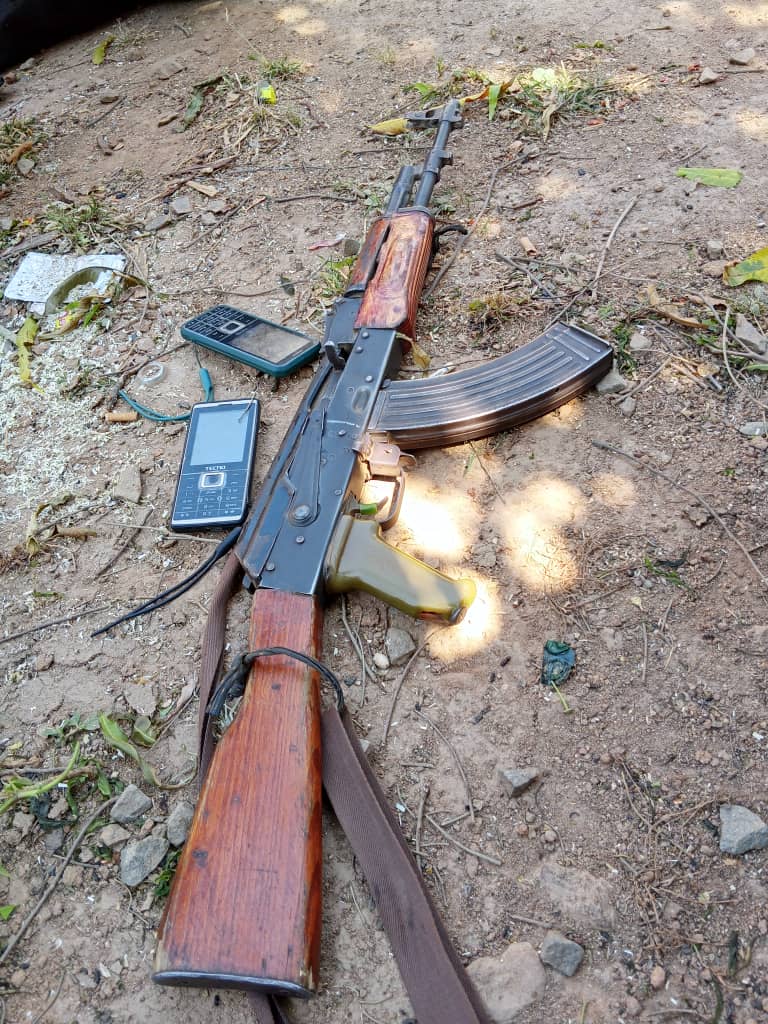
Personnel of the Hunters Group have repelled an attack by armed bandits on Dansadau community in Maru Local Government Area of Zamfara State, killing two of the attackers.
The incident occurred at about 10:30 a.m. on November 22, 2026, when a large group of armed bandits launched an attack on the community.

Hunters Group personnel stationed in Dansadau engaged the attackers in a gun battle and successfully repelled the assault.

Two bandits were reportedly neutralised during the encounter, while the personnel recovered one AK-47 rifle, a motorcycle and a mobile phone.
However, the encounter claimed the life of one Hunters Group personnel, who was killed in action.

The successful defence of the community prevented the attackers from overrunning the area, while security personnel continued efforts to maintain security in the general area.
Hunters Repel Bandits’ Attack on Zamfara Community, Two Gunmen Killed, Personnel Dies
Uncategorized
SOJA Demands Release of Journalist Daniel Ojukwu, Seeks Review of Cybercrimes Act, Criminal Defamation Laws
SOJA Demands Release of Journalist Daniel Ojukwu, Seeks Review of Cybercrimes Act, Criminal Defamation Laws
By: Michael Mike
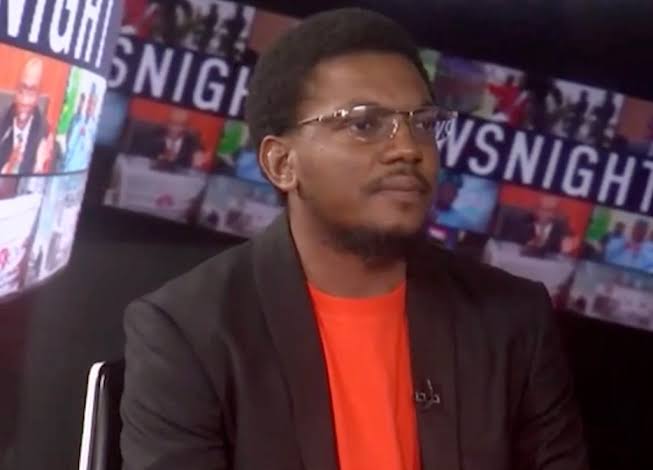
Speak Out for Justice Advocacy Ltd/Gte (SOJA) has demanded the immediate and unconditional release of investigative journalist Daniel Ojukwu, urging the Federal Government to review the Cybercrimes Act and other criminal laws allegedly being used to suppress freedom of expression and public-interest journalism.
Ojukwu, a journalist with the Foundation for Investigative Journalism (FIJ), was remanded at the Kuje Correctional Centre, Abuja, following his arraignment on November 10, 2026, over allegations of cyberstalking and criminal defamation arising from his journalistic work.
In a press statement on Thursday, SOJA’s Founder and Executive Director, Hameed Ajibola Jimoh, described Ojukwu’s detention as a troubling development for press freedom and called for the discontinuation of criminal proceedings arising from legitimate investigative journalism.
The organisation aligned itself with Avocats Sans Frontières France (ASF France) and other press-freedom groups advocating Ojukwu’s unconditional release, warning against the use of criminal laws to intimidate journalists investigating public expenditure, government activities and alleged wrongdoing.
“A journalist’s investigation into public resources is not, without more, a criminal enterprise. It is an essential component of democratic accountability,” SOJA said.
While acknowledging the judiciary’s independence, the presumption of innocence and the legitimate responsibility of government to protect reputation, privacy and security, the organisation argued that such interests should not be used to justify indiscriminate criminal prosecution of journalists for publications that question public officials or expose alleged misconduct.
SOJA said Nigeria’s constitutional guarantees of freedom of expression under Section 39 and the responsibility of the media to hold government accountable under Section 22 of the 1999 Constitution were reinforced by international human-rights instruments, including the International Covenant on Civil and Political Rights (ICCPR), the African Charter on Human and Peoples’ Rights and the Universal Declaration of Human Rights.
It maintained that restrictions on freedom of expression must satisfy the established three-part test of legality, legitimate purpose, and necessity and proportionality in a democratic society.
The group further outlined a five-step framework for assessing restrictions, requiring that they be clearly prescribed by law, pursue a legitimate objective, respond to a pressing social need, constitute the least restrictive measure available and be reasonably suited to achieving the intended purpose.
According to SOJA, criminal provisions that are vague, overly broad or disproportionately enforced against investigative journalism risk undermining constitutional freedoms and creating a chilling effect on journalists and citizens seeking to expose wrongdoing.
Citing the United Nations Human Rights Committee’s General Comment No. 34, the organisation said international standards encouraged the decriminalisation of defamation and rejected imprisonment as an appropriate punishment for defamation.
It also referenced the African Commission on Human and Peoples’ Rights’ 2019 Declaration of Principles on Freedom of Expression and Access to Information in Africa, which requires restrictions on expression to be clear, precise, accessible and foreseeable, with safeguards against abuse.
On the Cybercrimes Act, SOJA recalled the 2022 judgment of the ECOWAS Court of Justice in Registered Trustees of SERAP v. Federal Republic of Nigeria, which found the former Section 24 inconsistent with human-rights protections and directed Nigeria to amend the provision.
Although Section 24 was subsequently amended in 2024, the organisation said concerns over its interpretation and enforcement remained, warning that the amended provision could still be abused to target public-interest journalism, criticism and civic participation.
SOJA also called for a broader review of criminal defamation provisions under the Criminal and Penal Codes, as well as other laws relating to false publication, sedition, insult, public mischief and disclosure of official information, which it said could be deployed to intimidate journalists and suppress legitimate expression.
It cited the experiences of several journalists, including Agba Jalingo, Gidado Yushau, Alfred Olufemi, Luke Binniyat, Mienpamo Onitsha, Chinonso Uba, Haruna Mohammed Salisu, Ahmed Isah Sakpe and Blessing Edet, as well as journalists of The Informant247, as examples underscoring the need for a comprehensive review of Nigeria’s legal framework on freedom of expression.
The organisation also expressed concern over the proceedings involving Ojukwu and FIJ founder, Fisayo Soyombo, insisting that the cases reflected broader challenges facing investigative journalism and digital rights in the country.
SOJA urged the Federal Government, National Assembly, Nigeria Police Force, Office of the Attorney-General of the Federation and other relevant institutions to ensure Ojukwu’s release, discontinue criminal proceedings linked to legitimate journalism and protect journalists from intimidation, arbitrary arrest and detention.
It also demanded a comprehensive and participatory review of the Cybercrimes Act, particularly Section 24, alongside the decriminalisation of defamation and the adoption of civil remedies for reputational disputes.
The group called for safeguards against the misuse of police powers to settle private disputes or silence criticism, as well as continuous training for judges, prosecutors and law-enforcement officers on freedom of expression, digital rights and the protection of journalists.
SOJA said freedom of expression was not a privilege granted by government but a fundamental right, warning that the protection of reputation and public order should not become justification for suppressing legitimate criticism.
“The Cybercrimes Act must combat cybercrime, not criminalise journalism. Criminal laws must protect citizens, not silence them,” it said, adding that the public’s right to know must not be sacrificed to intolerance of scrutiny.
SOJA Demands Release of Journalist Daniel Ojukwu, Seeks Review of Cybercrimes Act, Criminal Defamation Laws
NSCDC CG Reaffirms Personnel Welfare Priority, Pays N87.4m Insurance Benefits
By: Michael Mike
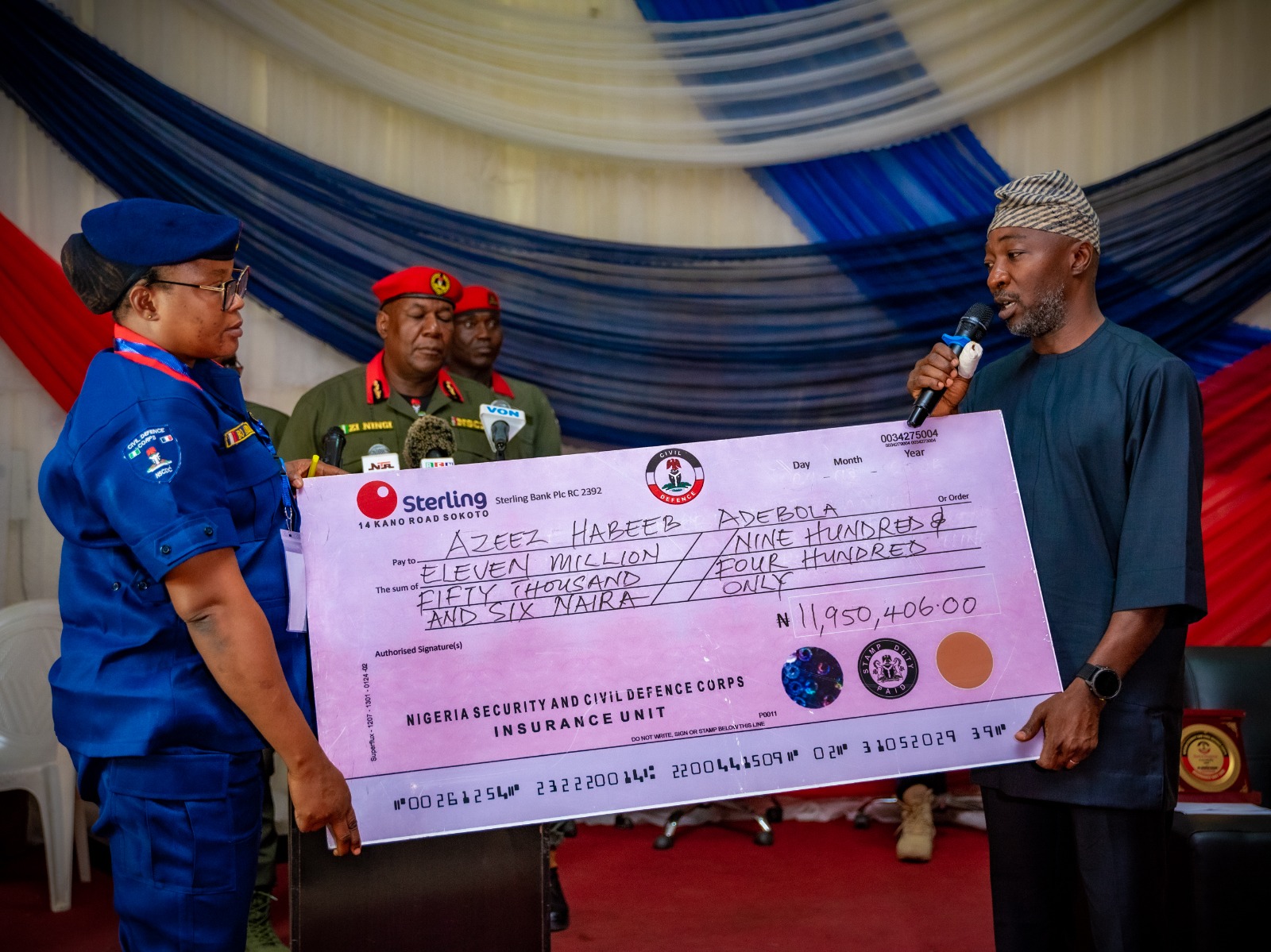
The Commandant-General of the Nigeria Security and Civil Defence Corps (NSCDC), Prof. Ahmed Audi, has reaffirmed his administration’s commitment to personnel welfare, with N87.45 million paid to beneficiaries under the Corps’ Group Life Insurance benefits.
Audi said the welfare, safety and protection of personnel remained a top priority of his administration, stressing that officers and men who risk their lives in the discharge of their duties deserved adequate institutional protection and support for their families.
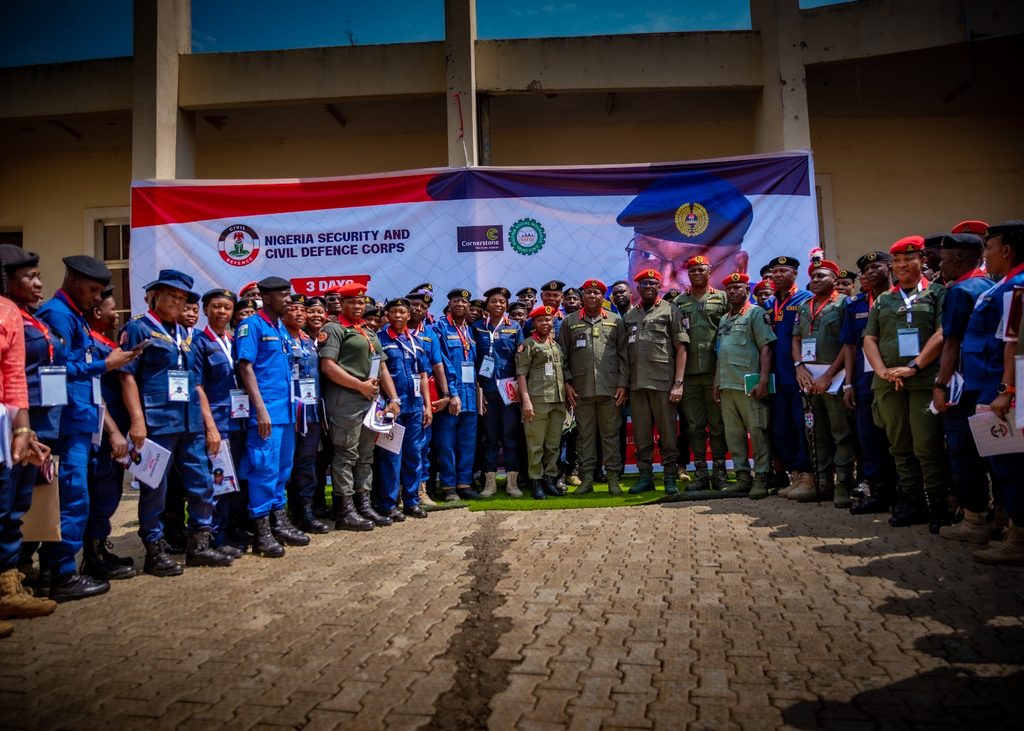
He stated this at the opening of a three-day sensitisation programme for insurance desk officers and personnel on the onboarding of NSCDC personnel onto the Employees’ Compensation Scheme (ECS), organised in collaboration with the Nigeria Social Insurance Trust Fund (NSITF).
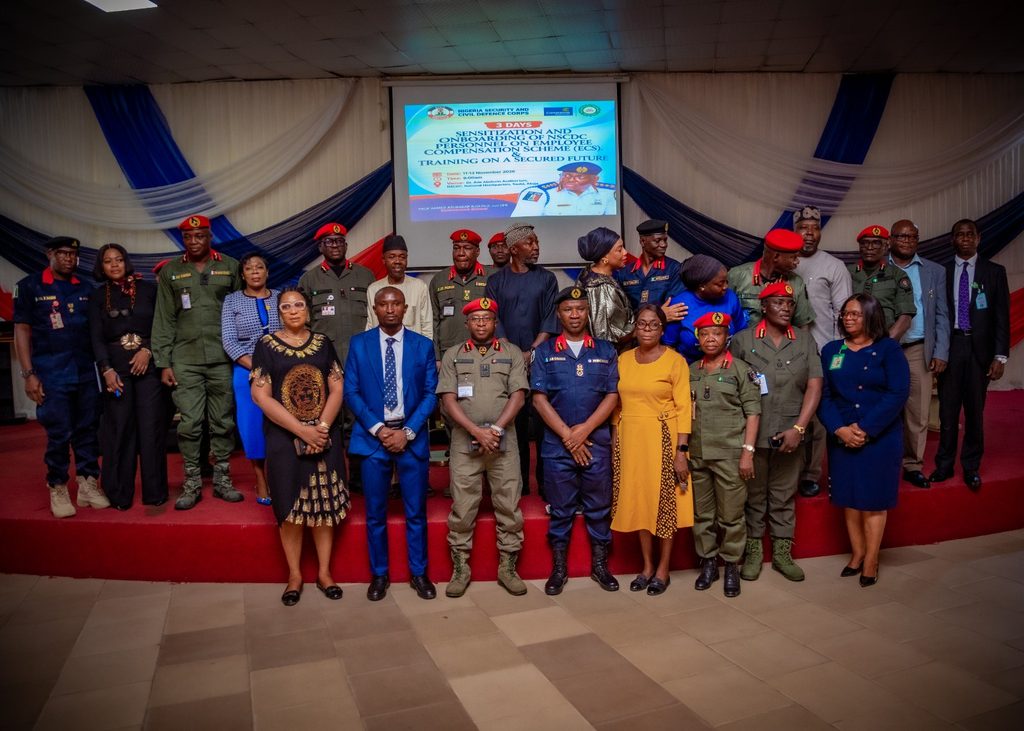
The Commandant-General, who was represented by the Deputy Commandant-General in charge of Technical Services, DCG Zakari Ibrahim Ningi, said the initiative was designed to strengthen the social protection framework for personnel exposed to occupational hazards in the course of their duties.
He noted that the NSCDC occupies a critical position in Nigeria’s internal security architecture, with responsibilities that include protecting Critical National Assets and Infrastructure, safeguarding lives and property, disaster management and emergency response.
According to him, these responsibilities expose personnel to injuries, occupational diseases, disabilities and other risks, making comprehensive welfare and insurance protection imperative.
Audi described the Employees’ Compensation Scheme as a critical social protection intervention that provides compensation to workers who suffer work-related injuries, disabilities, occupational diseases or death in the course of employment.
“Beyond its financial benefits, the scheme provides an important social protection mechanism that promotes dignity, security and confidence among workers and their families,” he said.
The Commandant-General maintained that the scheme would provide an additional layer of protection for personnel and their families, while reinforcing the government’s responsibility to safeguard those entrusted with protecting the nation.
In his remarks, the Managing Director of NSITF, Barr. Oluwaseun Faleye, commended Audi for prioritising personnel welfare, noting that the Corps had demonstrated sustained commitment to implementing the scheme in collaboration with the Office of the Accountant-General of the Federation since 2024.
Faleye said the collaboration reflected growing institutional recognition of the need to protect public servants against the financial and social consequences of workplace-related risks.
Earlier, the Deputy Commandant in charge of the NSCDC Insurance Unit, Dr. Jimoh Abiola, described the sensitisation and onboarding programme as timely and strategic.
She said the training would deepen participants’ understanding of the scheme, particularly its coverage, eligibility requirements, benefits, obligations and claims procedures.
Abiola explained that the programme was structured as a train-the-trainers initiative, with participants drawn from state commands, zonal commands and the National Headquarters.
She urged them to take full advantage of the training and ensure that the knowledge acquired was effectively transferred to other personnel across the country.
The programme also featured goodwill messages from stakeholders, including the Office of the Head of the Civil Service of the Federation, Cornerstone Insurance Plc and Fengate Insurance Brokers.
Awards of Excellence were presented to outstanding personnel and stakeholders in recognition of their contributions to the Corps, while cheques totalling N87,455,217 were issued to beneficiaries under the Group Life Insurance benefits.
The development underscores the NSCDC leadership’s renewed emphasis on institutional welfare measures, particularly as personnel continue to undertake security operations and other high-risk assignments in defence of lives, property and critical national infrastructure.
NSCDC CG Reaffirms Personnel Welfare Priority, Pays N87.4m Insurance Benefits

Northern Forum lauds success of table tennis championship in Maiduguri

Bassey: COP31 Failed World, Sidelined Climate Justice, Says Fossil Fuel Lobbyists Hijacked Talks

Fani-Kayode Raises Alarm Over Nigerians’ Treatment in South Africa, Calls for Stronger Bilateral Ties

Roger Federer’s Shock as DNA Results Reveal Myla and Charlene Are Not His Biological Children

THE PLIGHT OF FARIDA

FAILED COUP IN BURKINA FASO: HOW TRAORÉ NARROWLY ESCAPED ASSASSINATION PLOT AMID FOREIGN INTERFERENCE CLAIMS
-
 News3 years ago
Roger Federer’s Shock as DNA Results Reveal Myla and Charlene Are Not His Biological Children
-
Opinions5 years ago
THE PLIGHT OF FARIDA
-
 News2 years ago
FAILED COUP IN BURKINA FASO: HOW TRAORÉ NARROWLY ESCAPED ASSASSINATION PLOT AMID FOREIGN INTERFERENCE CLAIMS
-
 Opinions5 years ago
POLICE CHARGE ROOMS, A MINTING PRESS
-

 News3 years ago
EYN: Rev. Billi, Distortion of History, and The Living Tamarind Tree
-

 ACADEMICS3 years ago
A History of Biu” (2015) and The Lingering Bura-Pabir Question (1)
-

 Columns3 years ago
Army University Biu: There is certain interest, but certainly not from Borno.
-

 Politics1 year ago
2027: Why Hon. Midala Balami Must Go, as Youths in Hawul and Asikira/Uba Federal Constituency Reject ₦500,000 as Sallah Gift
