
News
WANEP Hosts National Briefing on Rising Concerns of Religious Radicalism•Highlights risks of unregulated Madrassas in Nigeria

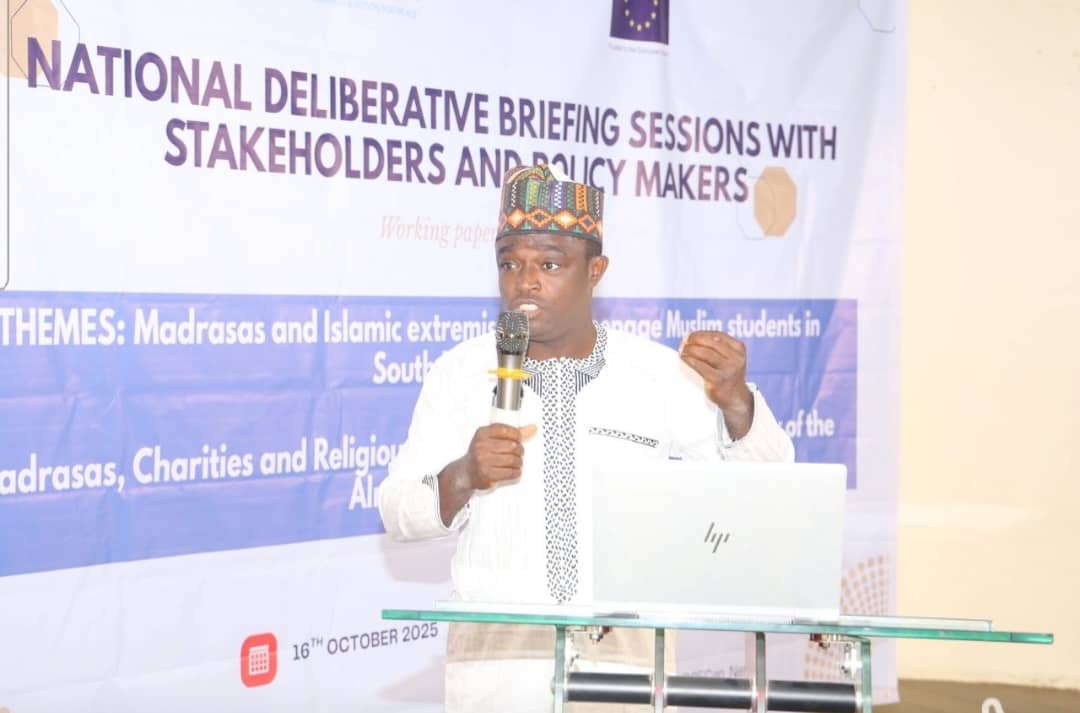
WANEP Hosts National Briefing on Rising Concerns of Religious Radicalism
•Highlights risks of unregulated Madrassas in Nigeria
By: Michael Mike
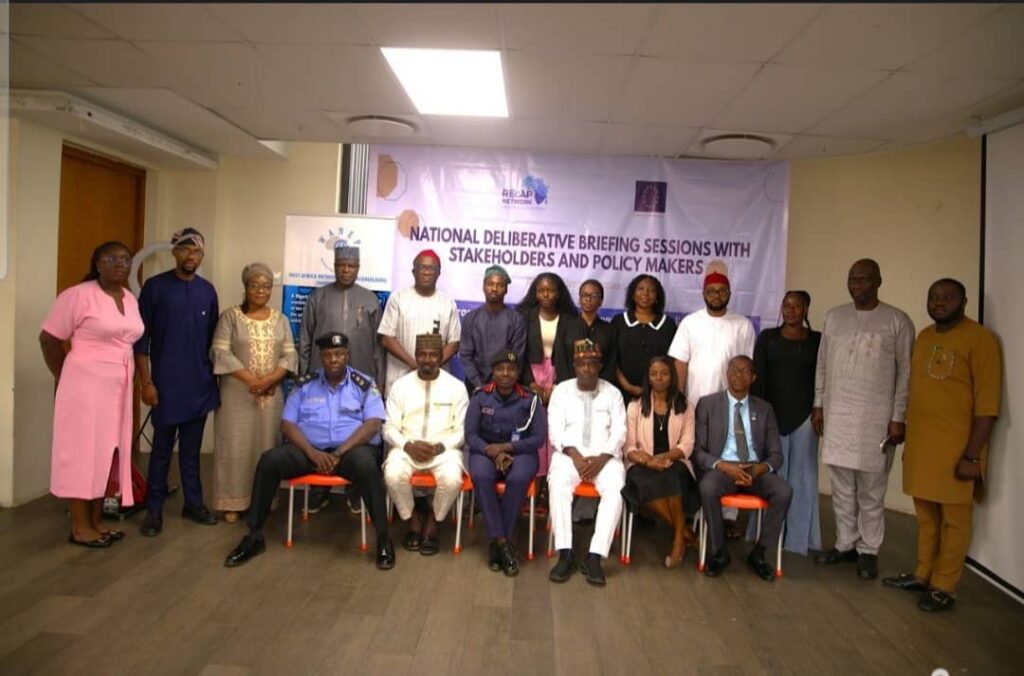
The West Africa Network for Peacebuilding (WANEP), under the EU-supported Research and Action for Peace (REcAP) program, hosted a national deliberative briefing to present key findings from two studies exploring the ideological, cultural, and security implications of madrassas in both Northern and Southwestern Nigeria.
This was disclosed in a statement made available on Monday by Mr Emmanuel Ami-Okhani, the representative of the West Africa Network for Peacebuilding (WANEP) in Nigeria.
The session was attended by policymakers, researchers, civil society actors, and security stakeholders, focused on understanding how religious education intersects with radical ideologies, external funding, and youth identity in Nigeria.
The REcAP project, implemented by WANEP in partnership with the Danish Refugee Council (DRC) and the Stockholm International Peace Research Institute (SIPRI), aims to strengthen the role of civil society and research in shaping effective responses to conflict, violent extremism, and peacebuilding across West Africa and the Lake Chad Basin.
One of the working paper presentations of a major study titled “Madrasas, Charities and Religious Radicalism in Northern Nigeria: A Study of the Almajiri System,” authored by Prof. Freedom Onuoha, Dr Saheed Babajide Owonikoko, and Dr Chukwuma Okoli, explored the theological foundations and operational structures of the Almajiri system, particularly in Abuja, Kano, and Borno states, regions selected for their population size, security relevance, and Islamic education presence.
The research highlighted that the Almajiri system, rooted in the Arabic term al-muhajirun (meaning “to migrate for knowledge”), has historically served as a respected Islamic education platform but has since suffered neglect, a lack of regulation, and infiltration by unverified foreign actors.
According to Owonikoko, who presented the paper, the study found evidence of informal funding from foreign religious charities, mainly from the Middle East. Still, it warned that such support is largely undocumented, making it difficult to monitor for extremist influence.
He disclosed that, based on interviews conducted with school custodians, scholars, former Almajiri students, and security agents, a key concern is the lack of transparency surrounding financial donations and the ideological content introduced by some foreign-linked clerics.
He cited historical and contemporary cases where charities from countries like Saudi Arabia and Iran supported specific sectarian ideologies within Almajiri schools. However, direct links between this support and actual radicalisation remain hard to legally establish due to the clandestine nature of donations.
Owonikoko noted during the presentation that “most Almajiri schools are not documented or supervised, making them vulnerable to ideological manipulation through informal funding channels.”
“While the majority of Almajiri students are peaceful and focused on Quranic education, the lack of structure creates loopholes that can be exploited by extremist elements.”
A second study titled “Madrassas and Islamic Extremism among Teenage Muslim Students in Southwestern Nigeria” was presented by Dr Busari Dauda of the University of Ilorin. Co-authored with Dr Alatise Remi Kasalla from Osogbo, provided an empirical view of how madrassas are shaping youth religious identity in the South-West amidst growing ideological influences from the Middle East.
Unlike the Northern context, madrassas in Ilorin, Ibadan, and Osogbo were found to be more structured, often registered with education ministries and integrated into Yoruba Islamic cultural life, Dr Dauda revealed.
However, the study noted that sectarian interests and prestige-seeking among madrassa founders contribute to the proliferation of ideologically driven schools. Economic motivations and cultural acceptance also play significant roles in their expansion.
Dauda, during his presentation, stressed that, while the study found no widespread evidence of violent radicalisation, it did highlight growing perceptions of global injustice among teenage students, particularly around issues like the Palestinian conflict and Western treatment of Muslims.
He said, these sentiments, amplified by digital media and foreign ideological narratives, shape how young Muslims interpret their religious and social identity.
Dauda emphasised that “extremism is not part of the curriculum, but ideological influences can filter in through sect-based teachings and global narratives of Muslim victimhood.”
WANEP Hosts National Briefing on Rising Concerns of Religious Radicalism
•Highlights risks of unregulated Madrassas in Nigeria


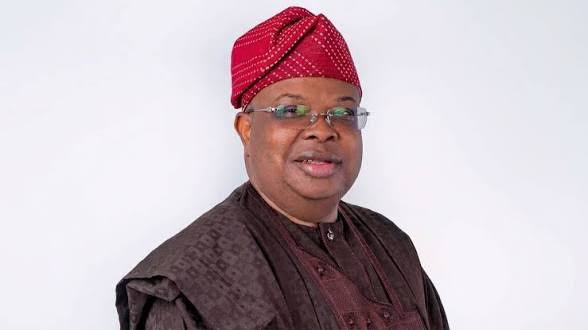
APC Backs Tegbe for Power Reforms, Cites Proven Expertise, Strategic Leadership
By: Michael Mike
The All Progressives Congress (APC) in Oyo State has hailed the nomination of Chief Joseph Olasunkanmi Tegbe as Nigeria’s Minister of Power, describing it as a timely move amid the country’s persistent electricity challenges.
In a statement issued in Ibadan, the party’s state leadership said Tegbe’s selection reflects both merit and the urgent need for competent leadership in the nation’s power sector.
The statement, jointly signed by State Chairman Chief Moses Adeyemo Alake and State Secretary Hon. Fatai Adesina, expressed strong confidence in Tegbe’s ability to drive meaningful reforms, citing his extensive professional background and policy experience.
Tegbe, an engineer and seasoned policy strategist, brings over three decades of experience spanning engineering, consulting, and public sector advisory.
He previously served as Director-General of the Nigeria–China Strategic Partnership, where he coordinated bilateral development initiatives and investment engagements between both countries.
He also chaired the National Tax Policy Implementation Committee, playing a key role in advancing Nigeria’s fiscal reform agenda and strengthening revenue frameworks.
Before transitioning fully into public service, Tegbe built a distinguished career at KPMG, rising to become Senior Partner and Head of Advisory Services in Africa. In that role, he led major engagements on governance reforms, economic policy, institutional transformation, and investment strategy across both public and private sectors.
Earlier in his career, he worked with Shell Petroleum Development Company, gaining experience in corporate operations and resource management.
Academically, Tegbe holds a first-class degree in Civil Engineering from Obafemi Awolowo University and has attended executive programmes at globally renowned institutions including Harvard and INSEAD, further reinforcing his technical and leadership credentials.
The APC noted that this blend of technical expertise and policy leadership positions him to tackle longstanding challenges in power generation, transmission, and distribution.
“The APC in Oyo State is confident that Chief Tegbe will bring innovation, efficiency, and sustainable solutions to Nigeria’s power sector. His history of performance and commitment to service positions him to make meaningful contributions to national development,” the statement read.
The party emphasized that Nigeria is at a critical stage where strategic direction is essential to unlock sustainable energy solutions, noting that Tegbe’s leadership could help reposition the sector for improved performance.
It added that the APC in Oyo would offer its full support while maintaining constructive engagement with the minister-designate and other stakeholders to ensure progress.
The statement also acknowledged Tegbe’s longstanding contributions to the growth of the party in the state, expressing optimism that his new role would further deepen his commitment to national development.
The APC wished him a successful tenure, expressing hope that his leadership would mark a significant shift toward stable and reliable electricity supply across the country.
APC Backs Tegbe for Power Reforms, Cites Proven Expertise, Strategic Leadership
News
Nigeria Convenes African Leaders on Climate-Conflict Nexus, Pushes Peace-Centred Adaptation Strategy
Nigeria Convenes African Leaders on Climate-Conflict Nexus, Pushes Peace-Centred Adaptation Strategy
By: Michael Mike
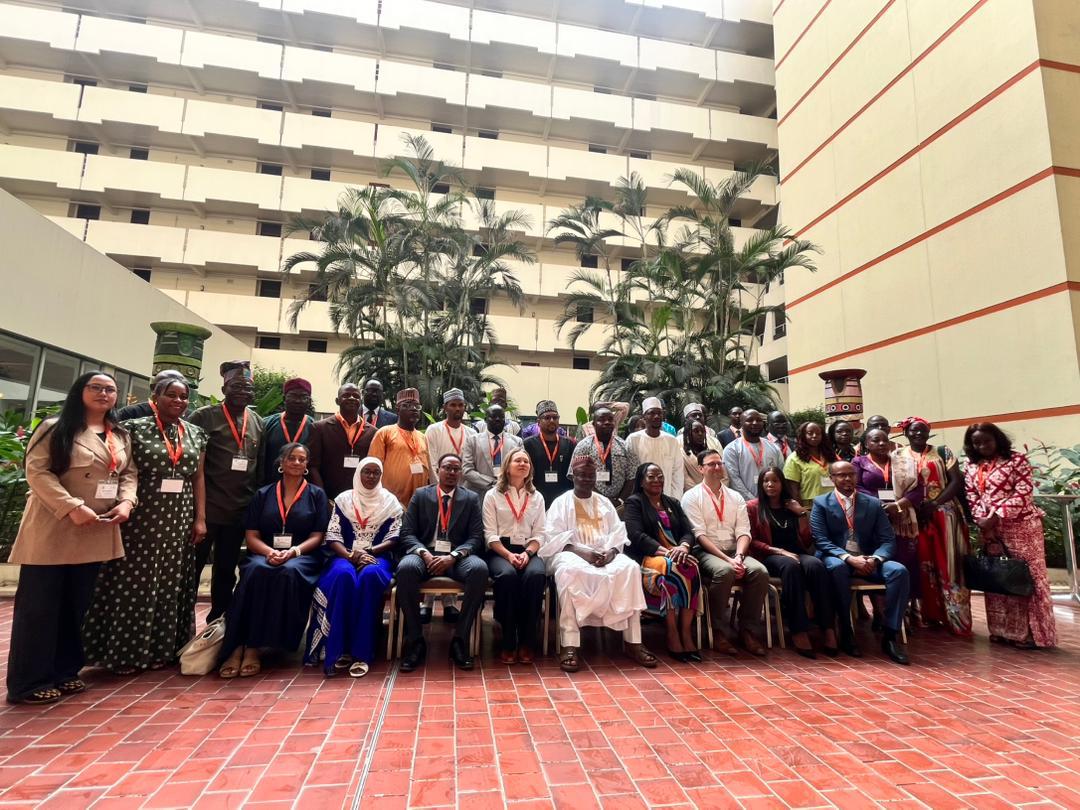
Nigeria has brought together policymakers, climate experts, and peacebuilding practitioners from across Africa in a high-level regional forum aimed at tackling the growing link between climate change and insecurity on the continent.
Declaring the forum open in Abuja, Permanent Secretary of the Federal Ministry of Environment, Salihu Aminu Usman, warned that the accelerating pace of climate change is already triggering severe global consequences, stressing the need for urgent and coordinated action.
“Climate change impacts are on the rise daily, with unprecedented and extreme weather conditions being experienced all around the world. Urgent solutions are required before it gets out of hand,” he said.
Usman noted that Nigeria remains committed to global climate obligations under frameworks such as the United Nations Framework Convention on Climate Change, the Kyoto Protocol, and the Paris Agreement. He added that the country has pledged to cut greenhouse gas emissions by up to 47 percent with international support.
He revealed that Nigeria’s National Adaptation Plan (NAP), currently nearing completion, incorporates conflict-sensitive approaches, linking climate adaptation directly to peacebuilding efforts. According to him, environmental pressures are increasingly tied to security challenges such as farmer-herder clashes, banditry, and cattle rustling.
“It would be a mistake to ignore adaptation needs in these peacebuilding contexts,” Usman said, underscoring the importance of aligning climate policies with national security strategies.
In her remarks, Director of the Department of Climate Change, Iniobong Abiola-Awe, highlighted the widespread impact of climate variability on infrastructure, biodiversity, and livelihoods, warning that these disruptions are deepening existing vulnerabilities and contributing to instability.
She said Nigeria’s adaptation planning process has been inclusive and participatory, designed to address medium- and long-term climate risks while strengthening resilience across sectors.
Also speaking, Alec Crawford of the International Institute for Sustainable Development stressed that climate change is no longer a future threat but a present reality, particularly in fragile and conflict-affected regions.
“The intersection between climate risks, war, and conflict is no longer abstract,” Crawford said, adding that adaptation strategies must not only respond to environmental challenges but also actively support peacebuilding efforts.
He commended Nigeria for hosting the forum and acknowledged financial support from the Government of Ireland.
The forum has drawn participation from several African countries, including Burkina Faso, Cameroon, Central African Republic, Chad, Liberia, Mali, Somalia, and South Sudan.
Organisers say discussions will centre on integrating peacebuilding into climate adaptation planning, sharing country experiences, and strengthening collaboration among environment, security, and development stakeholders.
The forum runs through May 7, featuring technical sessions, policy dialogues, and peer learning aimed at shaping a more coordinated African response to the climate-security challenge.
Nigeria Convenes African Leaders on Climate-Conflict Nexus, Pushes Peace-Centred Adaptation Strategy
Nigeria, Ghana Close Ranks Against Drug Cartels, Sign Landmark Anti-Trafficking Pact
By: Michael Mike
Nigeria and Ghana have reinforced their joint fight against drug trafficking networks in West Africa, sending a strong warning to criminal cartels with a new wave of coordinated enforcement and intelligence-sharing efforts.
Chairman of the National Drug Law Enforcement Agency, Brig. Gen. Buba Marwa (Rtd) declared that both countries are now more aligned than ever in tackling transnational drug crimes. He spoke on Tuesday in Abuja while hosting a delegation from Ghana’s Narcotics Control Commission led by its Director-General, Brig. Gen. Maxwell Obuba Mantey.
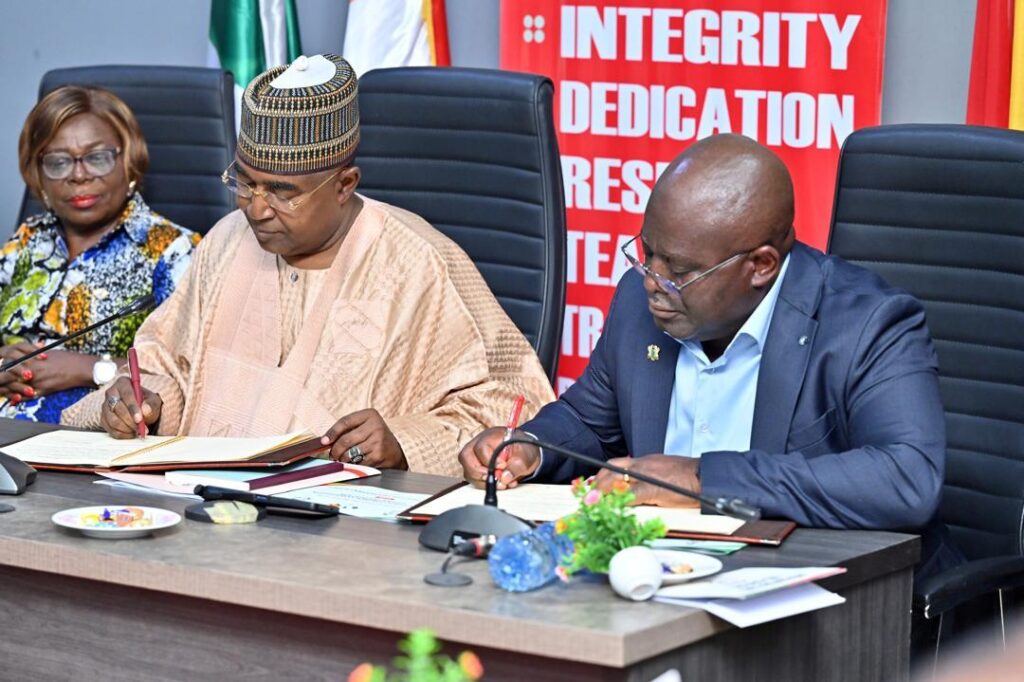
Marwa described the visit as a strategic step beyond diplomacy, emphasizing that the growing sophistication of drug trafficking and its links to money laundering demand deeper regional collaboration.
“Let this serve as a warning to those who seek to destabilize our societies with illicit drugs: Nigeria and Ghana stand united,” he said, noting that joint efforts in intelligence-led operations and interdiction strategies would significantly shrink the operational space for criminal networks.
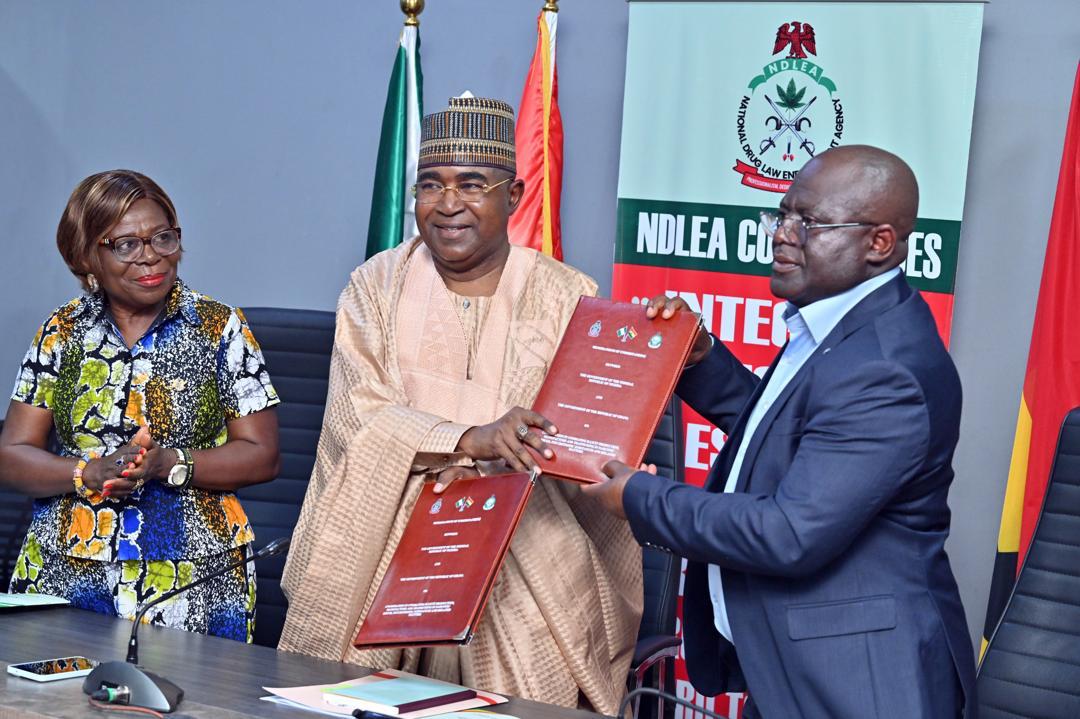
A major highlight of the engagement was the signing of a Memorandum of Understanding (MoU) between the two agencies. The agreement establishes a formal framework for cooperation in combating the production and trafficking of psychotropic substances, precursor chemicals, and associated financial crimes.
Marwa said the MoU transforms an already strong relationship into a “structured, aggressive, and unified front” against drug barons, adding that both countries would intensify joint training, digital forensics collaboration, and coordinated operations across the West African corridor.
On his part, Mantey acknowledged Nigeria’s leadership role in regional security, describing the relationship between both countries as one rooted in shared history and mutual respect. He stressed that the visit was aimed at strengthening existing ties rather than starting new ones.
He warned that drug trafficking across West Africa is becoming more complex, with traffickers adopting advanced methods, expanding maritime routes, and increasing the production and distribution of synthetic drugs. He also noted a shift in Ghana’s role from primarily a transit hub to a country facing rising domestic drug use and distribution challenges.
“No single country can effectively address this threat in isolation,” Mantey said, underscoring the need for practical cooperation in operations, intelligence sharing, and institutional capacity building.
He added that the success of the new partnership would depend on concrete implementation, including coordinated enforcement actions and sustained collaboration between both agencies.
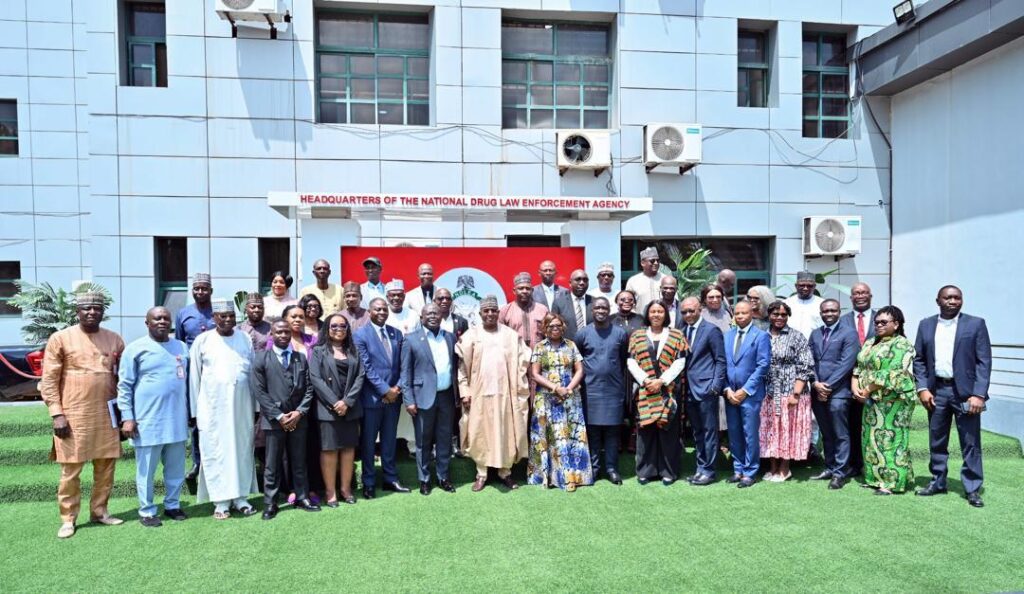
The meeting, held at the NDLEA headquarters in Abuja, was attended by senior officials from both countries, including representatives of the Ghanaian High Commission.
The renewed alliance signals a broader regional push to confront organized drug networks, amid growing concerns over their impact on security, governance, and public health across West Africa.
Nigeria, Ghana Close Ranks Against Drug Cartels, Sign Landmark Anti-Trafficking Pact

APC Backs Tegbe for Power Reforms, Cites Proven Expertise, Strategic Leadership

Nigeria Convenes African Leaders on Climate-Conflict Nexus, Pushes Peace-Centred Adaptation Strategy

Nigeria, Ghana Close Ranks Against Drug Cartels, Sign Landmark Anti-Trafficking Pact

Roger Federer’s Shock as DNA Results Reveal Myla and Charlene Are Not His Biological Children

THE PLIGHT OF FARIDA

FAILED COUP IN BURKINA FASO: HOW TRAORÉ NARROWLY ESCAPED ASSASSINATION PLOT AMID FOREIGN INTERFERENCE CLAIMS
-
 News2 years ago
Roger Federer’s Shock as DNA Results Reveal Myla and Charlene Are Not His Biological Children
-
Opinions4 years ago
THE PLIGHT OF FARIDA
-
 News1 year ago
FAILED COUP IN BURKINA FASO: HOW TRAORÉ NARROWLY ESCAPED ASSASSINATION PLOT AMID FOREIGN INTERFERENCE CLAIMS
-

 News2 years ago
EYN: Rev. Billi, Distortion of History, and The Living Tamarind Tree
-
 Opinions4 years ago
POLICE CHARGE ROOMS, A MINTING PRESS
-

 ACADEMICS2 years ago
A History of Biu” (2015) and The Lingering Bura-Pabir Question (1)
-

 Columns2 years ago
Army University Biu: There is certain interest, but certainly not from Borno.
-

 Opinions2 years ago
Tinubu,Shettima: The epidemic of economic, insecurity in Nigeria
