
News
NTAC DG Dedicates Award to President Tinubu, Emerges “Most Outstanding Public Servant of the Year 2025” in Parliamentary Publication’s Annual Event

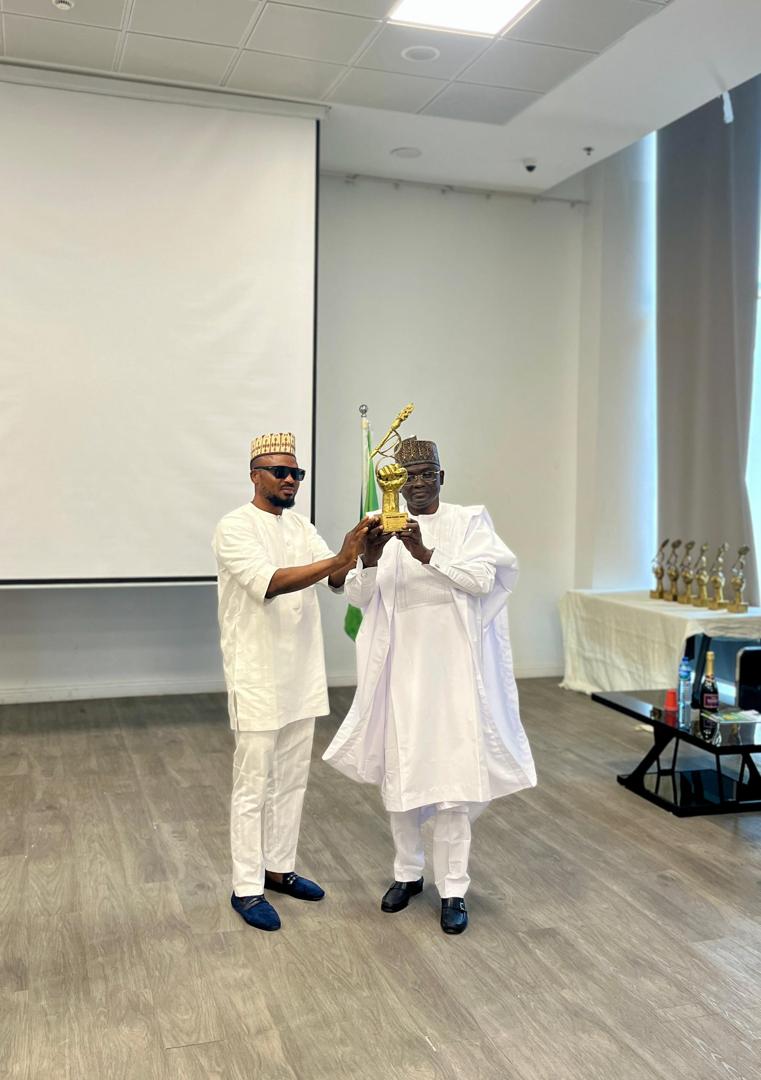
NTAC DG Dedicates Award to President Tinubu, Emerges “Most Outstanding Public Servant of the Year 2025” in Parliamentary Publication’s Annual Event
By: Michael Mike
Director General of the Nigerian Technical Aid Corps,Rt.Hon.Yusuf Buba Yakub has dedicated the award of “Most Outstanding Public Servant of the Year” received at the Nigerian Assembly Orientation and Award 2025 to President Bola Ahmed Tinubu.
The Award,which was held, Wednesday,at the National Assembly Library Trust Funds Hall, National Assembly Complex, Abuja, was aimed at recognizing the best performing public servant in the non-legislative category across the country for the current year.
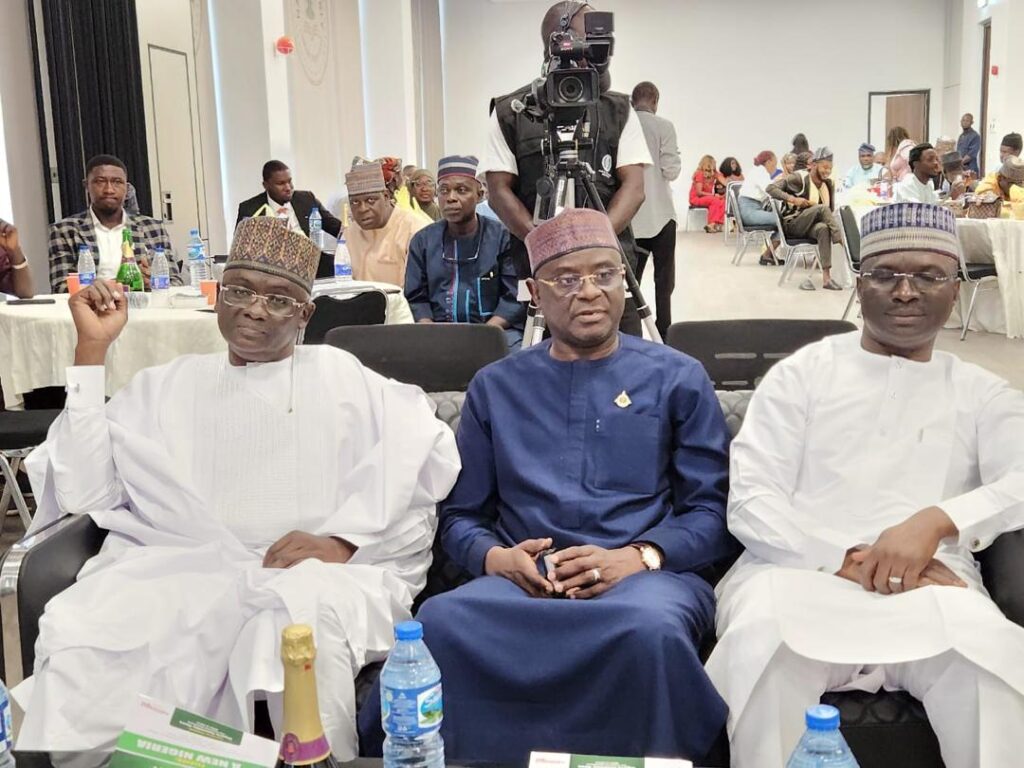
The event,which drew participants from across the country,is the 9th Edition of the Awards.Speaking at the event,the Publisher of Assembly News,a foremost Nigerian Parliamentary news tabloid,Prince Adeboye Omoboye explained that the NTAC boss emerged best-peforming Public Servant from a national poll.
He lauded the NTAC DG for his commitment and sacrifice to national service and for, particularly,using the Technical Aid Corps Scheme in the last two- years-and-half of the Tinubu Administration to reposition Nigeria as a global giant in the areas of soft power and development diplomacy.
While thanking President Tinubu for the opportunity to even serve the nation,the NTAC DG praised the promoters of the Awards for their visionary approach to progressive and developmental journalism. He also noted that diverse fora such as the day’s occasion were important to chronicle the nation’s history in an era when younger Nigerians were beginning to lose touch with the nation’s evolutionary processes.
Earlier, while speaking on the theme of the day’s event, “A New Nigeria,”Director General of the Nigerian Orientation Agency,Issa Lanre-Onilu admonished Nigerians to rethink their responsibilities for the country, informing that the new 7 for 7 National Value Charter of the NOA has emphasised not only the aspects of what he termed “National Promise”, but its corresponding “Citizens’ Code”. He called on all Nigerians to imbibe the spirit of placing Nigeria above every consideration at all times.Onilu was represented at the event by his Special Assistant on Media, Tolu Meduna.
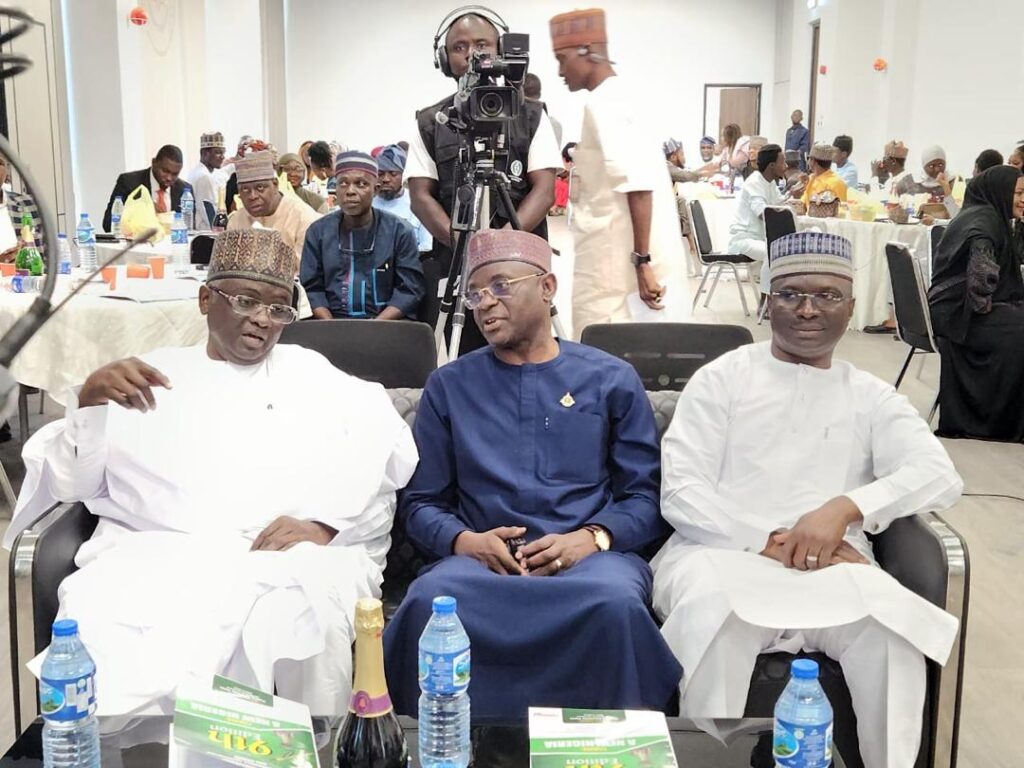
The event, which saw the recognition of other Nigerians, including those from across the States, for various award categories,ended with a pledge to continue to push for a better Nigeria through parliamentary advocacy and media campaigns.
Among those who accompanied the NTAC DG to the event were the Director of Administration,Amb.Yakubu Abdullahi Ahmed; that of Programmes, Amb.Zakari Usman as well as the Deputy Director and Head of Accounts, Mrs Meimunat Haruna-Mustapha.Others were the Assistant Director and Head of Internal Audits, Mr Adekola Lawal; his colleague, Mr Mustapha Aliyu, an Assistant Director and Mr. Fehintola Adebowale, Assistant Director,Programmes, among others.
NTAC DG Dedicates Award to President Tinubu, Emerges “Most Outstanding Public Servant of the Year 2025” in Parliamentary Publication’s Annual Event


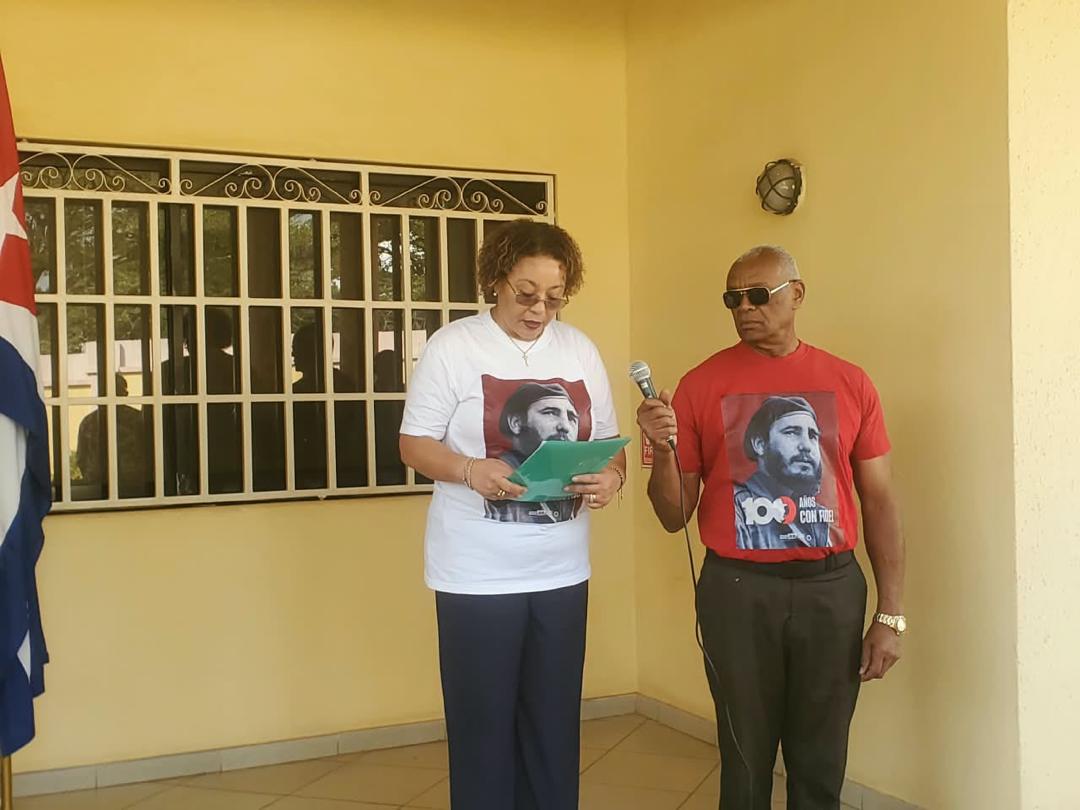
Nigerian Group Demands End to Cuba Blockade, Sanctions Against Venezuela
By: Michael Mike
The Venezuela Solidarity Campaign in Nigeria (VSCN) has called on the United States to immediately lift its economic embargo against Cuba and end unilateral sanctions against Venezuela, warning that the measures impose severe hardship on ordinary citizens and undermine national sovereignty.
The campaign also demanded the immediate and unconditional release of Venezuelan President Nicolás Maduro and his wife, Cilia Flores, insisting that their situation must be handled in accordance with international law, due process and fundamental human rights.
The demands were contained in a statement issued on Wednesday by the campaign’s Coordinator, Dimeji Macaulay, to mark the 10th anniversary of the death of former Cuban President and revolutionary leader, Fidel Castro, who died on November 25, 2016.
The organisation described Castro as an enduring symbol of anti-colonial struggles, national sovereignty and international solidarity, noting that his leadership of the Cuban Revolution and Cuba’s contributions to healthcare, education and international cooperation continued to shape global discussions on social justice and the right of nations to self-determination.
It said the anniversary provided an opportunity to renew international solidarity with Cuba and Venezuela, particularly in the face of what it described as economic coercion, external interference and policies that undermine the independence of sovereign nations.
On Cuba, the campaign condemned the United States’ economic, commercial and financial embargo, which it said had imposed severe restrictions on the country’s access to international finance, trade, medicines, medical equipment, technology and other essential resources for more than six decades.
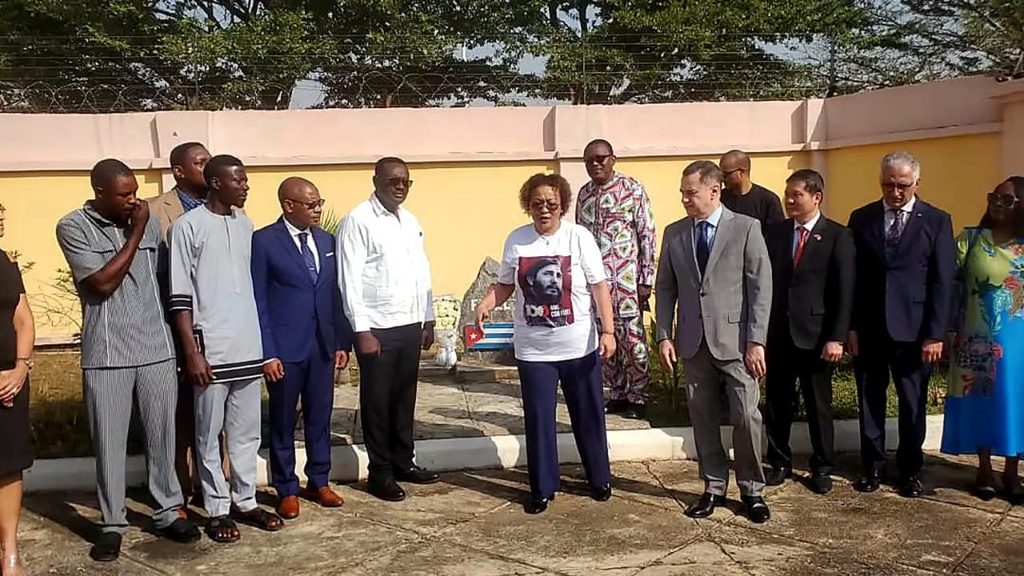
It argued that the consequences of the embargo had worsened economic and humanitarian difficulties confronting ordinary Cuban families, stressing that citizens should not be made to suffer because of their government’s political and economic choices.
The organisation urged Washington to abandon the decades-old policy of economic isolation and respect Cuba’s sovereignty and territorial integrity.
On Venezuela, the campaign called for an end to unilateral coercive measures and economic sanctions, warning that restrictions on economic activities and access to international financial systems disproportionately affect workers, women, children, pensioners and other vulnerable groups.
It maintained that Venezuela’s political and economic future should be determined exclusively by its people, without external pressure or interference.
According to the campaign, disagreements between governments should be resolved through dialogue, diplomacy and respect for international law rather than economic measures that deepen hardship among ordinary citizens.
On Maduro and Flores, the organisation insisted that any proceedings or measures affecting their liberty must comply with due process, fundamental human rights and applicable international law.
It urged the international community, progressive movements, trade unions, human rights organisations and solidarity networks to demand transparency and a peaceful resolution of the situation.
Reaffirming its commitment to international solidarity, the campaign said the struggles for sovereignty, social justice, dignity and freedom in Cuba and Venezuela were interconnected with the wider global struggle for the right of nations to determine their political and economic directions.
It listed the lifting of the US embargo against Cuba, the termination of sanctions against Venezuela, the release of Maduro and Flores, and respect for the independence and self-determination of both countries among its principal demands.
The campaign further advocated international cooperation founded on equality, mutual respect and solidarity rather than domination and economic coercion.
“Ten years after Fidel Castro’s departure, we remember his historic role and reaffirm our commitment to international solidarity,” the statement said.
The organisation renewed expressions of solidarity with Cuba and Venezuela and called for greater cooperation among working and oppressed peoples across national boundaries.
Nigerian Group Demands End to Cuba Blockade, Sanctions Against Venezuela
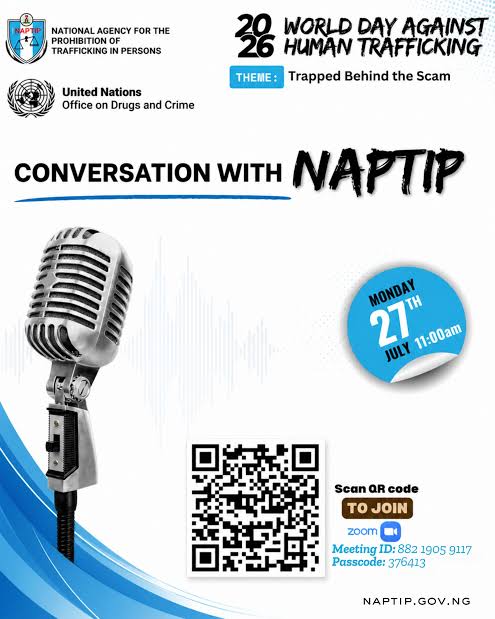
NAPTIP raises alarm over digital sex predators, sextortion
…Agency reports 2,779 victims rescued, 43 convictions; warns of AI-generated sexual images, online stalking as 16 Days of Activism begins
By: Michael Mike
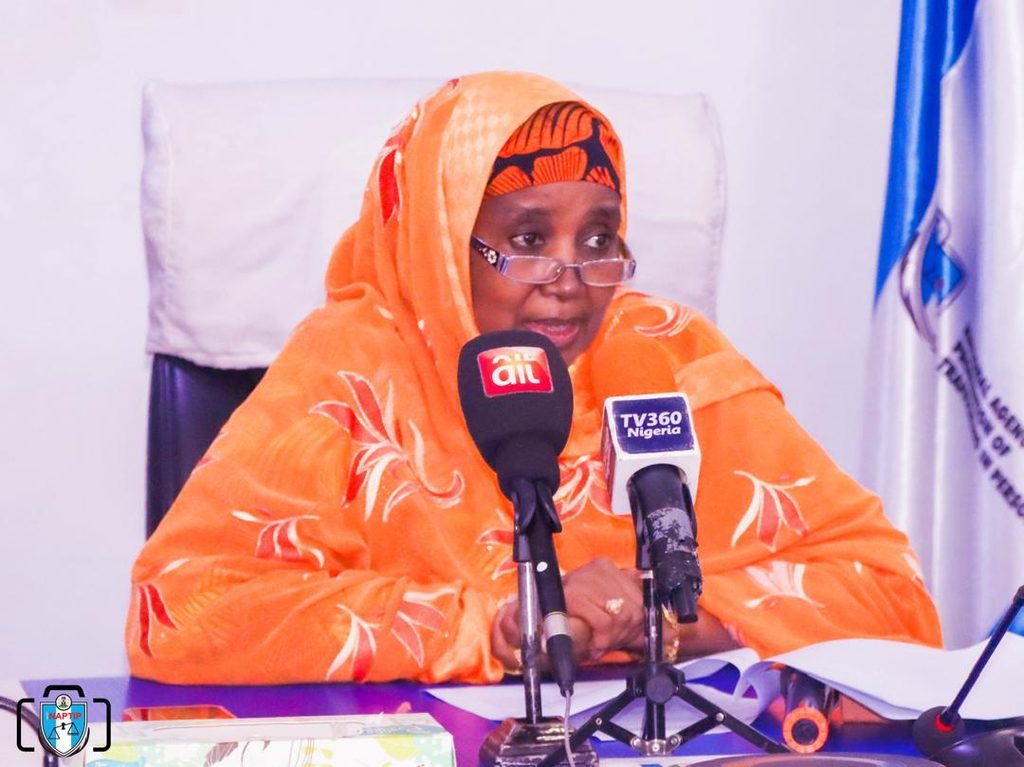
The National Agency for the Prohibition of Trafficking in Persons (NAPTIP) has warned perpetrators of sexual and gender-based violence (SGBV) that it will intensify prosecution and enforcement efforts, raising fresh alarm over the growing threat of technology-facilitated abuse, sextortion and digital exploitation of women, girls and young people.
The agency disclosed that it had rescued 2,779 victims from various stages of exploitation and danger zones since its inception and secured 43 convictions against perpetrators, while hundreds of other cases remained pending before courts across the country.
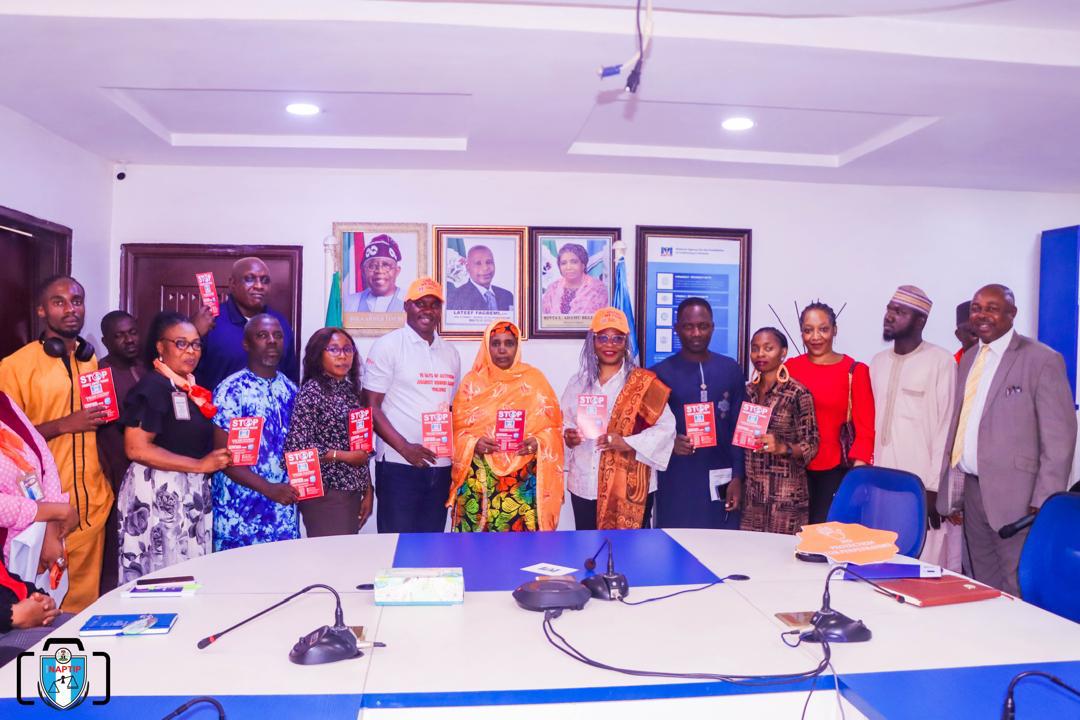
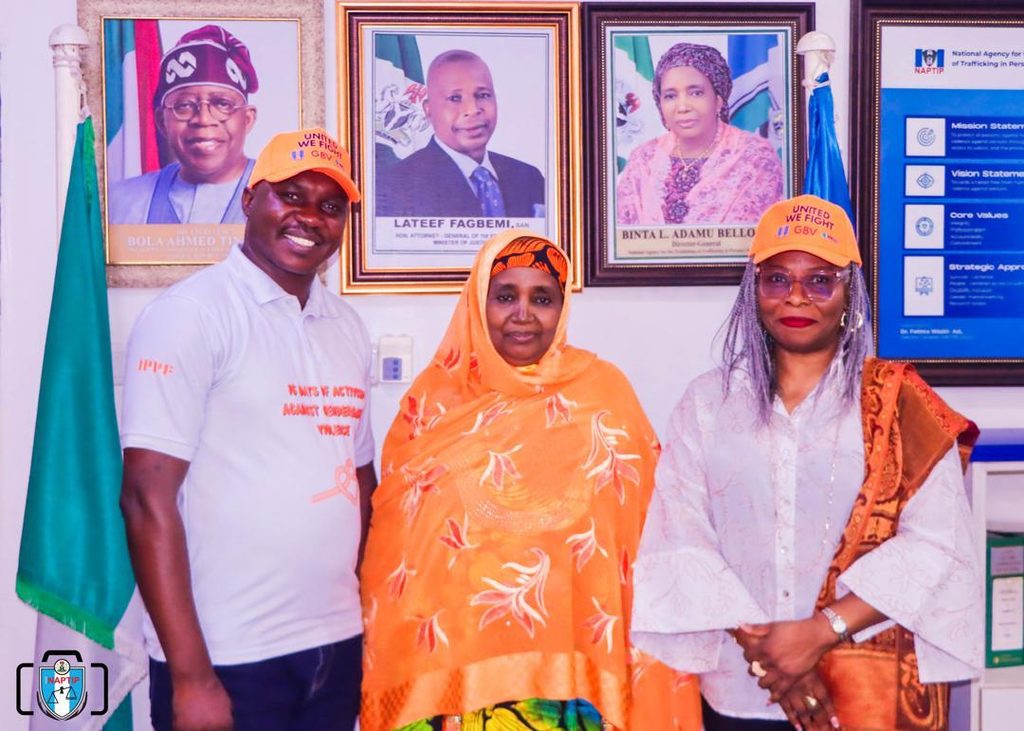
NAPTIP Director-General, Hajiya Binta Bello, made the disclosure on Wednesday in Abuja at a press conference to flag off the 2026 edition of the 16 Days of Activism Against Gender-Based Violence, warning that emerging digital platforms were increasingly being weaponised by perpetrators to exploit, intimidate and sexually abuse victims.
The campaign, which runs from November 25 to December 10, is themed, “UNiTE to End Violence Against Women and Girls: Ensure Justice, Protect Survivors, End Impunity.”
Bello said the theme challenged institutions, communities and justice actors to move beyond rhetoric towards ensuring justice for survivors, protecting victims and ending impunity in both physical and digital spaces.
She said NAPTIP, as the statutory agency responsible for enforcing the Violence Against Persons (Prohibition) Act in the Federal Capital Territory and coordinating national responses, remained committed to ensuring that perpetrators of gender-based violence were held accountable.
According to her, true deterrence would only be achieved when survivors were shielded from stigma, supported to recover and when offenders understood that no individual was above the law.
The Director-General said the agency had recorded notable progress in implementing the VAPP Act through grassroots sensitisation, school advocacy programmes and sustained media engagements, which she said had helped millions of Nigerians understand offences covered by the law, including spousal battery, rape, female genital mutilation, economic abuse, harmful traditional practices and emotional violence.
She said the growing awareness was gradually breaking the culture of silence surrounding gender-based violence, encouraging victims and affected persons to seek help and report abuses.
Bello said NAPTIP’s rapid response squads, working with community surveillance networks and sister security agencies, had intervened in distress situations to rescue women, men and vulnerable children from domestic abuse, unlawful confinement and sexual exploitation.
She said the agency had also strengthened referral mechanisms linking survivors to Sexual Assault Referral Centres, medical facilities, psychosocial counsellors and pro bono legal services to ensure that victims received comprehensive support beyond rescue.
The Director-General attributed the increasing number of reported SGBV cases to growing public confidence in the agency’s integrity, confidentiality and zero-tolerance stance, arguing that the surge reflected greater willingness by Nigerians to speak out against abuse.
She said NAPTIP had expanded survivor rehabilitation programmes through shelters and empowerment partnerships, providing trauma-informed counselling, vocational training, educational support and economic reintegration assistance to prevent survivors from returning to abusive environments out of financial dependence.
On prosecution, Bello said the agency’s legal team had secured landmark convictions, including life sentences for child defilement and rape, while pursuing dozens of ongoing cases in courts across the country.
However, she said the agency was increasingly confronted with technology-facilitated sexual and gender-based violence, as perpetrators exploit smartphones, social media platforms, encrypted messaging applications and artificial intelligence to stalk, harass, dox, impersonate and abuse victims.
She described the psychological and social consequences of digital violence as devastating, noting that non-consensual intimate images, deepfakes and cyberbullying could leave lasting consequences for victims even after the abuse had occurred.
According to her, survivors often suffer depression, anxiety, social stigma and loss of livelihoods, with some cases resulting in suicidal thoughts.
Bello also expressed concern over sextortion, in which perpetrators lure young people and adults into sharing intimate images or videos under the guise of romance, mentorship or employment opportunities before using the materials to blackmail victims for money, further sexual favours or silence.
She warned that sextortion and image-based sexual abuse were criminal offences and said NAPTIP was collaborating with cybercrime units, telecommunications regulators and digital platforms to identify, track and prosecute perpetrators.
The Director-General also cautioned Nigerians, particularly young people, against falling victim to abusive relationships and online deception, urging them to exercise caution in choosing romantic, intimate and business partners.
She advised Nigerians to verify the identities of people they engage with online, establish personal and digital boundaries and resist pressure to share compromising photographs or sensitive personal information.
Bello warned that behaviours such as excessive control, jealousy, isolation from family and disregard for personal boundaries could serve as early warning signs of abuse and should not be ignored.
She acknowledged the support of the Federal Ministry of Justice, other government agencies, development partners, international organisations, civil society groups and state governments in the fight against gender-based violence, particularly International IDEA, UN Women and Blue North Initiative Against Human Trafficking.
She also commended the media for its role in exposing abuses, amplifying awareness campaigns and promoting implementation of the VAPP Act, describing journalists as strategic partners in the campaign against gender-based violence.
As the 16 Days of Activism begins, Bello warned perpetrators and enablers that the agency would not relent in enforcing the law, rescuing vulnerable persons, supporting survivors and pursuing offenders until justice was served.
She urged members of the public to report cases of sexual and gender-based violence and human trafficking through NAPTIP’s 24-hour toll-free short code 627, its emergency lines or any of its commands nationwide.
NAPTIP raises alarm over digital sex predators, sextortion
NHRC flags off 16 Days of Activism, reports 2,141 child sexual abuse cases in October
…Commission calls for justice, survivor protection, accountability as dashboard exposes scale of gender-based violence
By: Michael Mike
The National Human Rights Commission (NHRC) has raised fresh concerns over the scale of gender-based violence and violations of children’s rights in Nigeria, reporting 2,141 cases of child sexual abuse and 2,093 cases of child forced marriage recorded in October 2026 alone.
The Commission also recorded 1,873 complaints of domestic violence, 376 cases of forced marriage, 339 cases of trafficking involving women and 632 cases of women denied access to their children during the same month, underscoring what it described as the urgent need for stronger prevention, protection, justice and accountability mechanisms.
The Executive Secretary of the NHRC, Chief Tony Ojukwu, disclosed the figures on Wednesday in Abuja while formally flagging off the Commission’s nationwide activities to mark the 2026 16 Days of Activism Against Gender-Based Violence.
The campaign, being observed globally, is themed, “UNITE to End Violence Against Women and Girls: Ensure Justice, Protect Survivors, End Impunity.”
Ojukwu said violence against women and girls was not merely a social problem but a fundamental human rights violation that undermined dignity, equality and freedom, denying victims the right to live without fear, discrimination and abuse.
He said the campaign required more than public declarations, stressing the need for effective access to justice, survivor-centred protection, responsive institutions and accountability for perpetrators.
According to him, the NHRC’s Monthly Human Rights Situation Dashboard recorded more than 2.5 million complaints across its 36 state offices and the Federal Capital Territory between January and October 2026.
The October figures also showed 2,581 cases of denial of children’s access to education and 1,681 cases of child trafficking, further highlighting the vulnerabilities facing children across the country.
Ojukwu said the figures represented serious violations of fundamental rights, including the rights to life, dignity, equality, freedom from discrimination and protection from exploitation and abuse.
He said the Commission was intensifying interventions through advocacy, monitoring, institutional reforms, partnerships and direct protection of vulnerable persons in response to the growing challenges.
Among its interventions in 2026, the NHRC conducted grassroots engagements on women’s rights, sexual and gender-based violence and children’s rights in Bwari and across the six Area Councils of the FCT, as well as through its state offices nationwide.
The Commission also participated in the review and amendment of the Child Rights Act, 2003, while supporting stakeholder engagements on Nigeria’s implementation and domestication of the Maputo Protocol on Women’s Rights in Africa.
Ojukwu said the NHRC had also reviewed its Standing Orders and Rules of Procedure in partnership with International IDEA under the European Union-supported programme on Ending Sexual and Gender-Based Violence, with the aim of improving complaint handling and access to remedies for victims.
He added that the Commission, in collaboration with SOS Children’s Villages, developed and adopted a child safeguarding policy, while also working with stakeholders to establish a workplace sexual harassment policy.
As part of efforts to strengthen child protection mechanisms, the NHRC inaugurated the Child and Youth Ombuds Desk in collaboration with SOS Children’s Villages Nigeria, with support from the European Union, to provide children with a child-friendly platform to report violations and seek redress.
The Commission also documented 180 cases of sexual and gender-based violence involving displaced persons between May and June 2026, drawing attention to the protection challenges faced by vulnerable populations in displacement settings.
Ojukwu further disclosed that the Commission had secured the release of 12 detained youths in Benue State through community monitoring mechanisms, prevented the forced marriage of a 14-year-old girl in Adamawa State and ensured the imprisonment of a political office holder in Jos for defiling a child.
He said the Commission also secured the imprisonment of a man who committed sodomy with a boy in Kaduna, rescued children from hawking and child labour in Cross River and Adamawa states, and reached more than 56,000 people through human rights and gender-based violence prevention campaigns.
Other interventions, he said, included reuniting estranged families, returning abused child domestic workers to their parents outside Abuja, providing temporary shelter to survivors of domestic violence and rescuing a child from a mother with a mental health challenge before handing the child over to social welfare authorities.
The NHRC Executive Secretary said the Commission had strengthened partnerships with organisations including BAOBAB for Women’s Human Rights, the University of Pretoria and the National Institute for Legislative and Democratic Studies.
He also disclosed that the Commission recently signed a memorandum of understanding with the National Human Rights Commission of India to promote capacity building, training, research and exchange of expertise in handling human rights violations, including domestic violence and sexual and gender-based violence.
As part of the 16 Days campaign, the Commission said it had lined up nationwide engagements across its 36 state offices and the FCT, involving civil society organisations, the Nigerian Bar Association, the International Federation of Women Lawyers (FIDA), traditional rulers, religious leaders, lawmakers, judges, women and youth groups.
The engagements will include advocacy roadshows, consultations with community and religious leaders, judicial and legislative advocacy, school-based human rights outreach, health-sector accountability visits and media and civil society parley.
The Commission said the activities would also assess the capacity of health facilities to respond to sexual and gender-based violence cases, including the availability of post-exposure prophylaxis, medical care and other essential survivor-support services.
It added that findings from the engagements would be consolidated into recommendations and a national communiqué, alongside activities to commemorate International Human Rights Day on December 10 across the country.
Looking ahead to 2027, Ojukwu said the Commission would prioritise strengthening data and monitoring, expanding state-level interventions, advancing legislative implementation, protecting vulnerable and displaced populations, strengthening survivor-centred services, building institutional capacity and promoting accountability.
He called on families, traditional and religious institutions, schools, the media, law enforcement agencies, the judiciary, civil society and Nigerians generally to take collective responsibility for ending gender-based violence.
“We must challenge harmful practices, reject victim-blaming, educate our boys, empower our girls and create an environment where survivors can report violations without fear, stigma or discrimination,” he said.
Ojukwu formally declared the 2026 nationwide activities of the NHRC and its partners in the 36 states and the FCT open, urging stakeholders to unite in ensuring justice, protecting survivors and ending impunity.
NHRC flags off 16 Days of Activism, reports 2,141 child sexual abuse cases in October

Nigerian Group Demands End to Cuba Blockade, Sanctions Against Venezuela

Illegal Miners Attack Soldier as Troops Shut Down Mining Site in Plateau

Tinubu vows to rescue abducted Askira-Uba schoolchildren, assures Borno of lasting peace

Roger Federer’s Shock as DNA Results Reveal Myla and Charlene Are Not His Biological Children

THE PLIGHT OF FARIDA

FAILED COUP IN BURKINA FASO: HOW TRAORÉ NARROWLY ESCAPED ASSASSINATION PLOT AMID FOREIGN INTERFERENCE CLAIMS
-
 News3 years ago
Roger Federer’s Shock as DNA Results Reveal Myla and Charlene Are Not His Biological Children
-
Opinions5 years ago
THE PLIGHT OF FARIDA
-
 News2 years ago
FAILED COUP IN BURKINA FASO: HOW TRAORÉ NARROWLY ESCAPED ASSASSINATION PLOT AMID FOREIGN INTERFERENCE CLAIMS
-
 Opinions5 years ago
POLICE CHARGE ROOMS, A MINTING PRESS
-

 News3 years ago
EYN: Rev. Billi, Distortion of History, and The Living Tamarind Tree
-

 ACADEMICS3 years ago
A History of Biu” (2015) and The Lingering Bura-Pabir Question (1)
-

 Columns3 years ago
Army University Biu: There is certain interest, but certainly not from Borno.
-

 Politics1 year ago
2027: Why Hon. Midala Balami Must Go, as Youths in Hawul and Asikira/Uba Federal Constituency Reject ₦500,000 as Sallah Gift
