
News
NHRC flags off 16 Days of Activism, reports 2,141 child sexual abuse cases in October

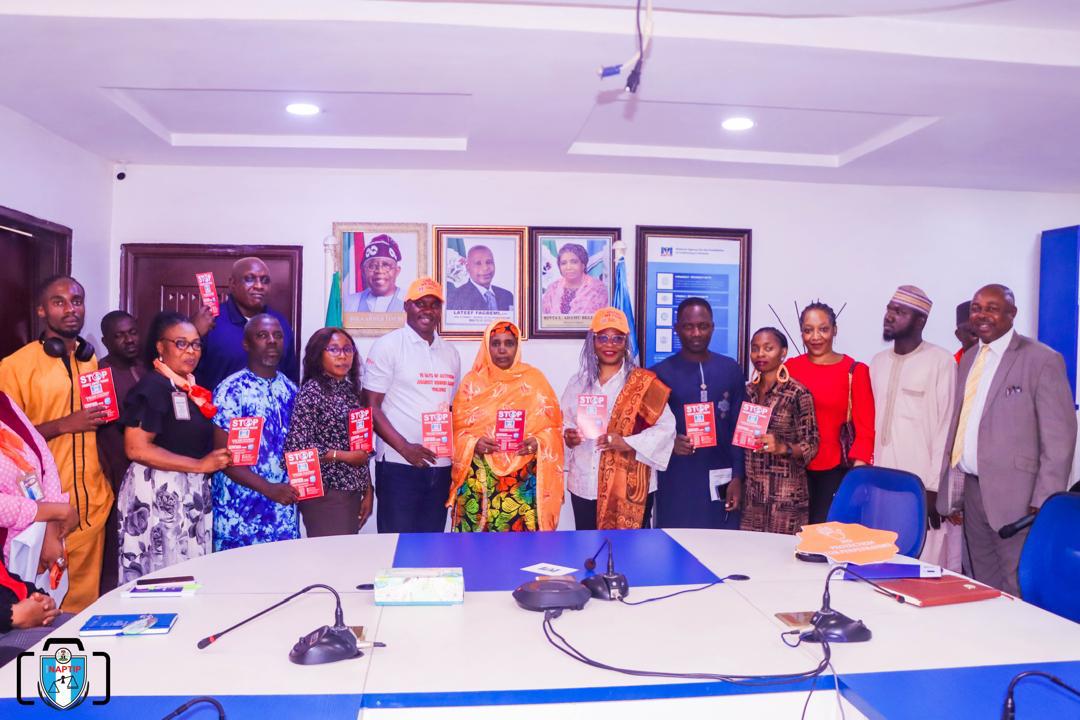
NHRC flags off 16 Days of Activism, reports 2,141 child sexual abuse cases in October
…Commission calls for justice, survivor protection, accountability as dashboard exposes scale of gender-based violence
By: Michael Mike
The National Human Rights Commission (NHRC) has raised fresh concerns over the scale of gender-based violence and violations of children’s rights in Nigeria, reporting 2,141 cases of child sexual abuse and 2,093 cases of child forced marriage recorded in October 2026 alone.
The Commission also recorded 1,873 complaints of domestic violence, 376 cases of forced marriage, 339 cases of trafficking involving women and 632 cases of women denied access to their children during the same month, underscoring what it described as the urgent need for stronger prevention, protection, justice and accountability mechanisms.
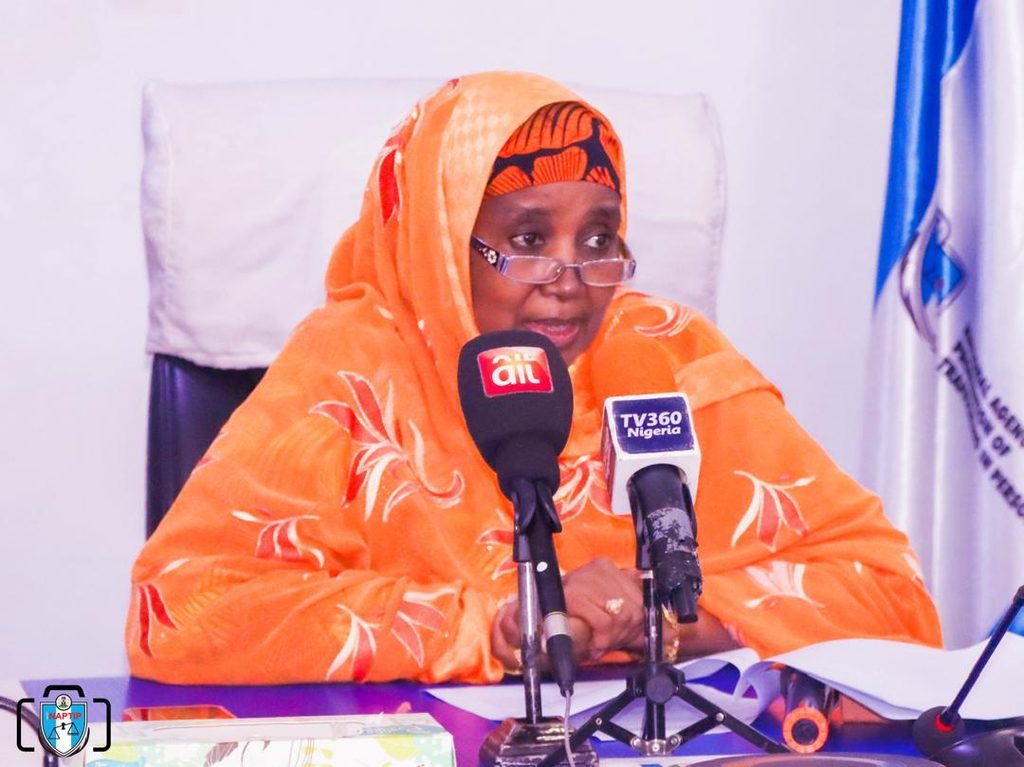
The Executive Secretary of the NHRC, Chief Tony Ojukwu, disclosed the figures on Wednesday in Abuja while formally flagging off the Commission’s nationwide activities to mark the 2026 16 Days of Activism Against Gender-Based Violence.
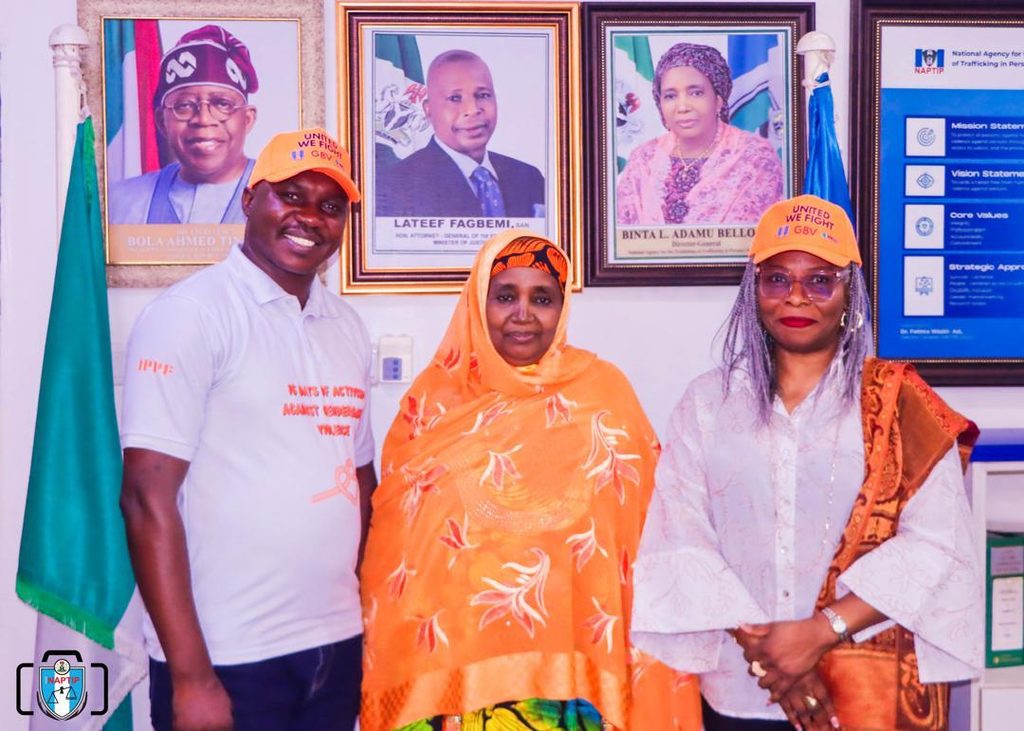
The campaign, being observed globally, is themed, “UNITE to End Violence Against Women and Girls: Ensure Justice, Protect Survivors, End Impunity.”
Ojukwu said violence against women and girls was not merely a social problem but a fundamental human rights violation that undermined dignity, equality and freedom, denying victims the right to live without fear, discrimination and abuse.
He said the campaign required more than public declarations, stressing the need for effective access to justice, survivor-centred protection, responsive institutions and accountability for perpetrators.
According to him, the NHRC’s Monthly Human Rights Situation Dashboard recorded more than 2.5 million complaints across its 36 state offices and the Federal Capital Territory between January and October 2026.
The October figures also showed 2,581 cases of denial of children’s access to education and 1,681 cases of child trafficking, further highlighting the vulnerabilities facing children across the country.
Ojukwu said the figures represented serious violations of fundamental rights, including the rights to life, dignity, equality, freedom from discrimination and protection from exploitation and abuse.
He said the Commission was intensifying interventions through advocacy, monitoring, institutional reforms, partnerships and direct protection of vulnerable persons in response to the growing challenges.
Among its interventions in 2026, the NHRC conducted grassroots engagements on women’s rights, sexual and gender-based violence and children’s rights in Bwari and across the six Area Councils of the FCT, as well as through its state offices nationwide.
The Commission also participated in the review and amendment of the Child Rights Act, 2003, while supporting stakeholder engagements on Nigeria’s implementation and domestication of the Maputo Protocol on Women’s Rights in Africa.
Ojukwu said the NHRC had also reviewed its Standing Orders and Rules of Procedure in partnership with International IDEA under the European Union-supported programme on Ending Sexual and Gender-Based Violence, with the aim of improving complaint handling and access to remedies for victims.
He added that the Commission, in collaboration with SOS Children’s Villages, developed and adopted a child safeguarding policy, while also working with stakeholders to establish a workplace sexual harassment policy.
As part of efforts to strengthen child protection mechanisms, the NHRC inaugurated the Child and Youth Ombuds Desk in collaboration with SOS Children’s Villages Nigeria, with support from the European Union, to provide children with a child-friendly platform to report violations and seek redress.
The Commission also documented 180 cases of sexual and gender-based violence involving displaced persons between May and June 2026, drawing attention to the protection challenges faced by vulnerable populations in displacement settings.
Ojukwu further disclosed that the Commission had secured the release of 12 detained youths in Benue State through community monitoring mechanisms, prevented the forced marriage of a 14-year-old girl in Adamawa State and ensured the imprisonment of a political office holder in Jos for defiling a child.
He said the Commission also secured the imprisonment of a man who committed sodomy with a boy in Kaduna, rescued children from hawking and child labour in Cross River and Adamawa states, and reached more than 56,000 people through human rights and gender-based violence prevention campaigns.
Other interventions, he said, included reuniting estranged families, returning abused child domestic workers to their parents outside Abuja, providing temporary shelter to survivors of domestic violence and rescuing a child from a mother with a mental health challenge before handing the child over to social welfare authorities.
The NHRC Executive Secretary said the Commission had strengthened partnerships with organisations including BAOBAB for Women’s Human Rights, the University of Pretoria and the National Institute for Legislative and Democratic Studies.
He also disclosed that the Commission recently signed a memorandum of understanding with the National Human Rights Commission of India to promote capacity building, training, research and exchange of expertise in handling human rights violations, including domestic violence and sexual and gender-based violence.
As part of the 16 Days campaign, the Commission said it had lined up nationwide engagements across its 36 state offices and the FCT, involving civil society organisations, the Nigerian Bar Association, the International Federation of Women Lawyers (FIDA), traditional rulers, religious leaders, lawmakers, judges, women and youth groups.
The engagements will include advocacy roadshows, consultations with community and religious leaders, judicial and legislative advocacy, school-based human rights outreach, health-sector accountability visits and media and civil society parley.
The Commission said the activities would also assess the capacity of health facilities to respond to sexual and gender-based violence cases, including the availability of post-exposure prophylaxis, medical care and other essential survivor-support services.
It added that findings from the engagements would be consolidated into recommendations and a national communiqué, alongside activities to commemorate International Human Rights Day on December 10 across the country.
Looking ahead to 2027, Ojukwu said the Commission would prioritise strengthening data and monitoring, expanding state-level interventions, advancing legislative implementation, protecting vulnerable and displaced populations, strengthening survivor-centred services, building institutional capacity and promoting accountability.
He called on families, traditional and religious institutions, schools, the media, law enforcement agencies, the judiciary, civil society and Nigerians generally to take collective responsibility for ending gender-based violence.
“We must challenge harmful practices, reject victim-blaming, educate our boys, empower our girls and create an environment where survivors can report violations without fear, stigma or discrimination,” he said.
Ojukwu formally declared the 2026 nationwide activities of the NHRC and its partners in the 36 states and the FCT open, urging stakeholders to unite in ensuring justice, protecting survivors and ending impunity.
NHRC flags off 16 Days of Activism, reports 2,141 child sexual abuse cases in October


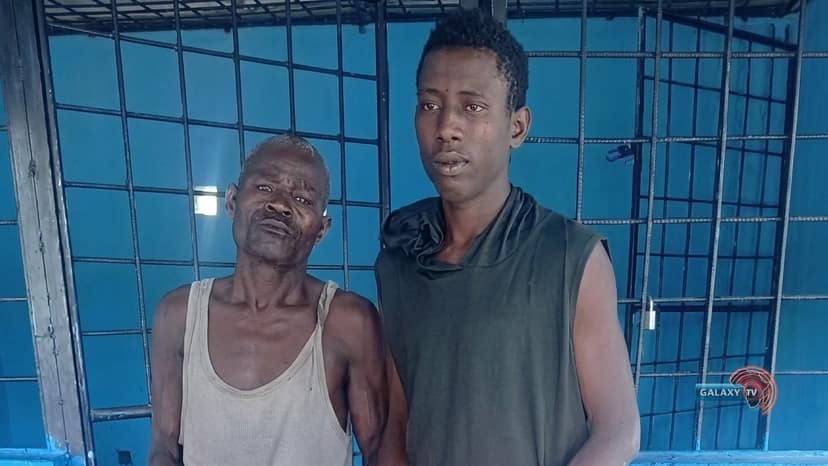
Troops Rescue Five Kidnap Victims, Arrest Two Suspects in Kaduna
By: Zagazola Makama
Troops of the Joint Task Force North West, Operation FANSAN YAMMA, have rescued five kidnapped victims and arrested two suspected terrorists during separate operations in Chikun Local Government Area of Kaduna State.
Security sources told Zagazola Makama that the operations were conducted on Wednesday, November 25, following attacks and abductions in Dan Bushiya and Kakura communities.
In Dan Bushiya, troops of Sector 1 responded to a distress call after suspected terrorists attacked the community and abducted some residents.
The troops reportedly encountered an ambush but sustained their rescue efforts without casualties, forcing the attackers to flee and abandon a woman and her baby, who were subsequently rescued.
In a separate incident at Kakura village, troops responded to another distress call following the abduction of five residents. Their swift intervention forced the terrorists to abandon three of the victims, who were rescued.
Efforts are ongoing in collaboration with other security agencies to track down the fleeing attackers and secure the release of the remaining victims.
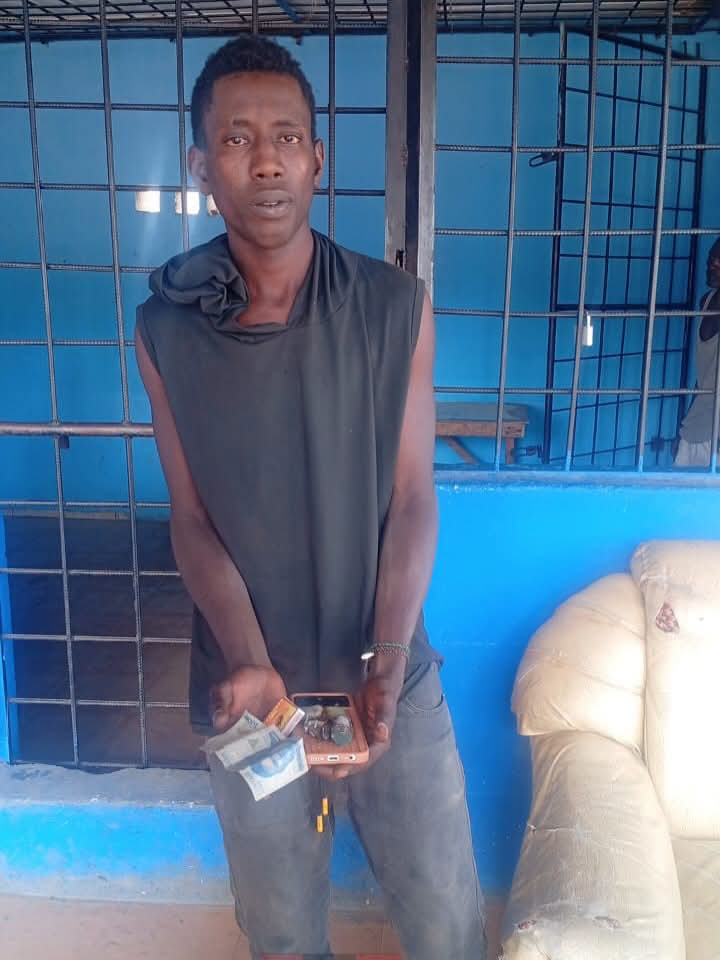
In a related development, a joint patrol team conducting search-and-rescue operations along the terrorists’ withdrawal route discovered a National Identity Card.
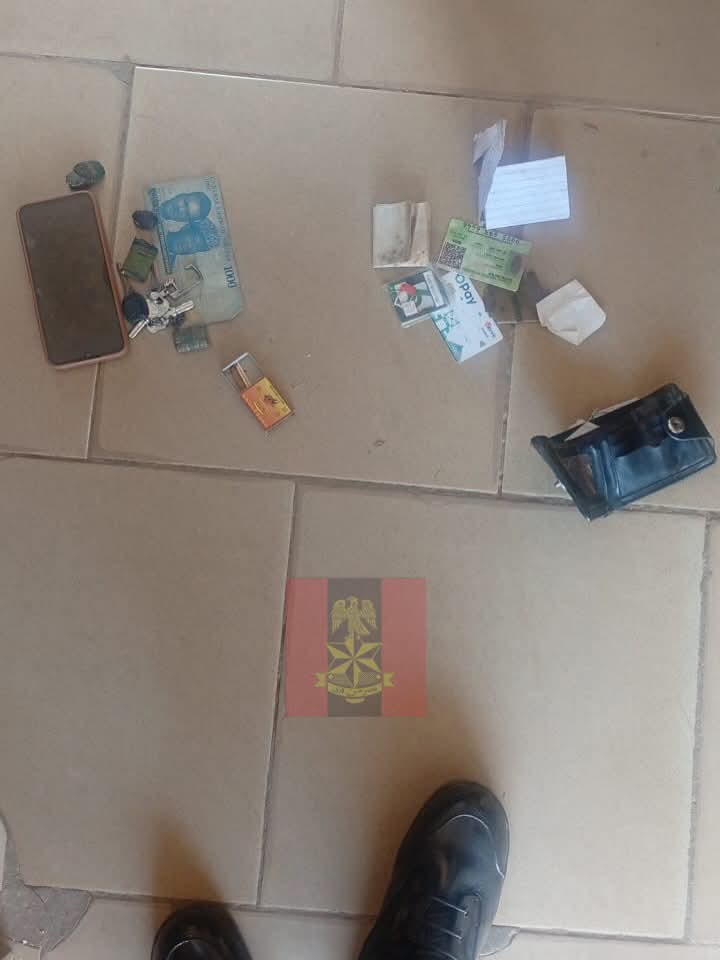
The discovery reportedly led to the arrest of the cardholder, identified as Shauibu Musa, and another suspect, Aliyu Ahmed, who are being held by troops for further investigation.
The Acting Media Information Officer of the Joint Task Force North West, Operation FANSAN YAMMA, Capt. Tamuno Sinivie, confirmed the operations in a statement issued on November 25.
The task force urged residents to continue providing credible and timely information to security agencies to support ongoing operations against terrorism and other criminal activities.
Troops Rescue Five Kidnap Victims, Arrest Two Suspects in Kaduna
Cuba reaffirms sovereignty, vows resistance to US blockade on Fidel Castro’s 10th anniversary
…Ambassador says late Cuban leader’s legacy of justice, equality and international solidarity remains guiding force
By: Michael Mike
Cuba has reaffirmed its determination to defend its sovereignty and independence despite mounting economic and diplomatic pressure from the United States, saying it will not abandon its right to determine its own future.
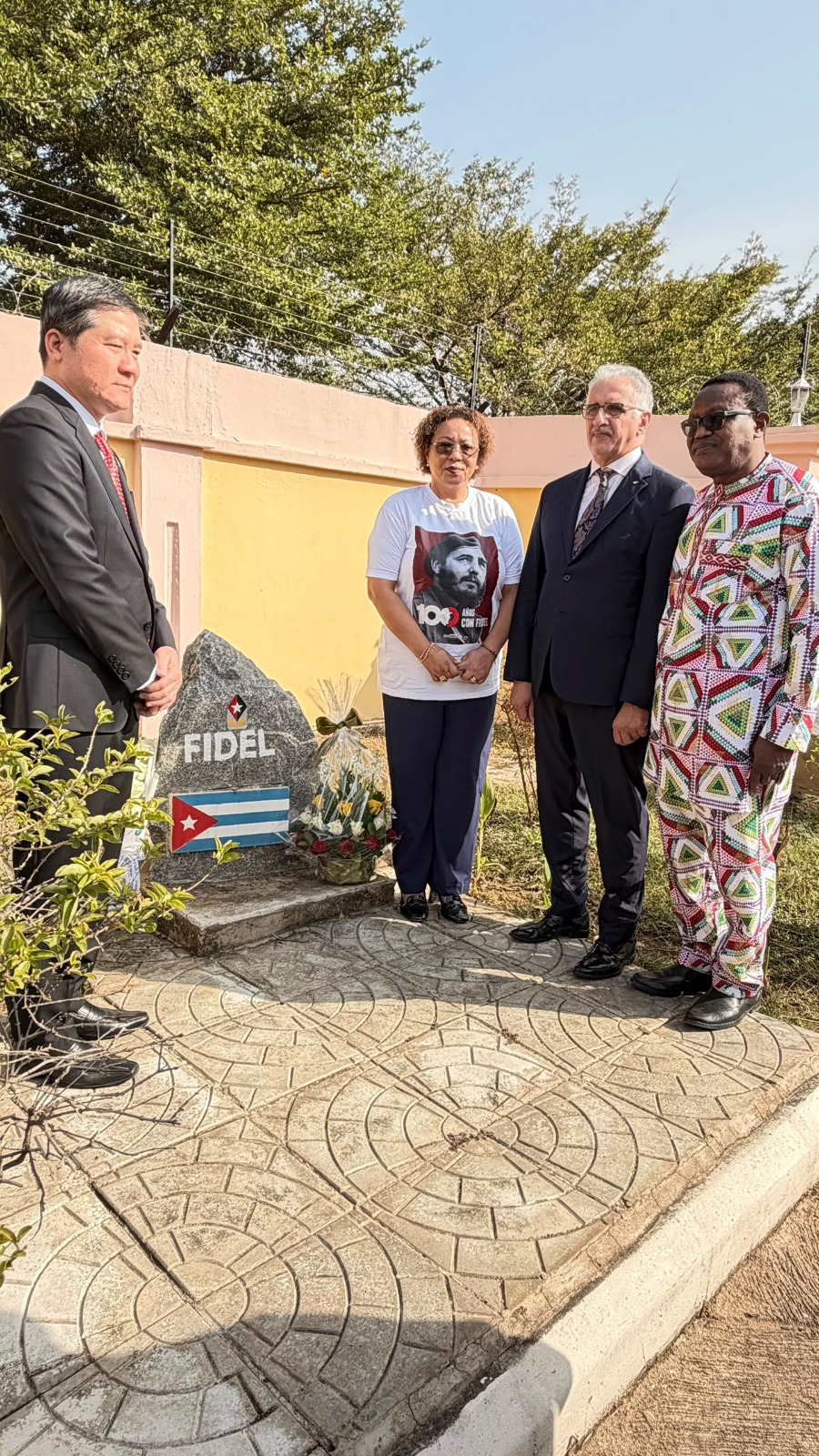
Cuba’s Ambassador to Nigeria, Miriam Morales Palmero, gave the assurance while commemorating the 10th anniversary of the death of the country’s revolutionary leader, Commander-in-Chief Fidel Castro Ruz, at a ceremony in Abuja.
Morales Palmero said Cuba remained committed to peace, multilateralism, the United Nations Charter and international law, while rejecting what she described as efforts to undermine its economy and break the resolve of its people.
She said the country was facing a difficult economic and energy situation, which she attributed to the tightening of the economic, commercial and financial blockade imposed by the United States.
According to her, the situation has been worsened by an escalation of pressure, restrictions on energy supplies, the extraterritorial application of secondary sanctions against third countries and threats of military aggression.
“Confronted with this policy of hostility and maximum pressure, Cuba reaffirms before the international community the principled stance bequeathed to us by our Commander-in-Chief,” she said.
The ambassador stressed that Cuba believed in diplomatic dialogue founded on mutual respect, sovereign equality and non-interference in the internal affairs of states, but remained resolute in defending its independence.
The commemoration, which featured the laying of a floral wreath, brought together members of the diplomatic corps, representatives of solidarity movements, Cuban nationals resident in Nigeria and other friends of Cuba.
Morales Palmero described the ceremony as an opportunity to honour Castro’s contribution to Cuba’s transformation and his role in shaping the country’s foreign policy and international engagement.
She said the late leader’s influence extended beyond Cuba, particularly through his commitment to justice, human dignity, equality and the defence of the rights of ordinary people.
According to her, Castro believed that access to education, healthcare and a decent standard of living should not be privileges reserved for a few, but guaranteed rights for every citizen.
“To remember Fidel is to evoke, above all, his unwavering commitment to justice,” she said, adding that his vision was anchored on building a society where social exclusion, discrimination and inequality would have no place.
She further said that equality, as understood by Castro, meant creating genuine opportunities for everyone to live with dignity and contribute to the collective well-being of society.
The ambassador also highlighted Cuba’s tradition of international solidarity, noting that Castro championed cooperation and assistance to vulnerable communities across the world, irrespective of geographical boundaries or political differences.
She linked the late leader’s revolutionary philosophy to that of Cuba’s National Hero, José Martí, whose struggle against Spanish colonial rule in the 19th century, she said, shared the same principles of liberty, sovereignty and independence that later defined Castro’s confrontation with American imperialism.
Quoting Martí, Morales Palmero recalled his assertion that death was not real when a person’s sense of duty had been fully accomplished.
She also cited Castro’s declaration in October 1991 that men could die but their ideas would never die, describing it as a reflection of the enduring connection between the two revolutionary figures.
According to her, both men had transcended physical death through their contributions to their country and the lasting influence of their ideas.
Martí died in combat on May 19, 1895, while Castro died on Nov. 25, 2016.
“Only those men or women who have devoted their lives to elevate their countries and fellow citizens to the highest peaks and monuments of honour, national pride, and international acknowledgement and respect, can stay among their peoples forever,” she said.
Morales Palmero said the greatest tribute to Castro, 10 years after his death, was to sustain his ideals through unity, creativity and continued commitment to social justice, peace and the dignity of all peoples.
She expressed appreciation to the diplomatic community, solidarity organisations and other friends who attended the commemoration, describing their presence as an expression of enduring friendship and support for Cuba.
“The greatest tribute we can pay to Fidel is to continue defending the truth of Cuba, to resist with unity and creativity, and to keep his ideas alive in favour of social justice, peace, and the dignity of all peoples,” she said.
She called for eternal honour and glory for Castro, whose leadership, she maintained, left an indelible imprint on Cuba and the wider international community.
Cuba reaffirms sovereignty, vows resistance to US blockade on Fidel Castro’s 10th anniversary
Sickle Cell: SGU Links Medical Education with Improved Patient Care, Urges Early Diagnosis
By: Michael Mike
As Nigeria and other African countries continue to grapple with the burden of sickle cell disease, St. George’s University (SGU), Grenada, has highlighted the need to move beyond genotype awareness to early diagnosis, accessible treatment and sustained support for patients.
The university said that while genotype testing remained essential in identifying inherited risks, particularly among couples planning to start families, improved outcomes for people living with sickle cell disease required stronger health systems, trained medical personnel and access to evidence-based care.
According to the World Health Organisation (WHO), an estimated 7.74 million people were living with sickle cell disease worldwide in 2021, while approximately 515,000 babies were born with the condition that year.
Nearly 80 per cent of the births occurred in sub-Saharan Africa, underscoring the disproportionate burden borne by the region and the urgency of strengthening prevention, diagnosis and treatment services.
Sickle cell disease is an inherited blood disorder affecting haemoglobin, the protein in red blood cells responsible for carrying oxygen around the body. The condition can cause chronic anaemia, severe pain episodes, infections, stroke and damage to vital organs.
Although the disease is lifelong, timely diagnosis and appropriate medical intervention can significantly reduce complications and improve patients’ quality of life.
In Nigeria, where genotype awareness is relatively widespread, health advocates have consistently emphasised the importance of understanding haemoglobin test results and obtaining professional guidance before making reproductive decisions.
The commonly recognised haemoglobin classifications include AA, AS and SS, although other variants, including SC, can also cause sickle cell disease.
People with sickle cell trait (AS) generally do not have the disease but can transmit the gene to their children. Where both parents carry the trait, each pregnancy carries a 25 per cent chance of producing a child with sickle cell disease.
Health professionals, however, caution that genotype awareness must be accompanied by proper counselling, early screening and access to medical services, rather than stigma or pressure on individuals and couples.
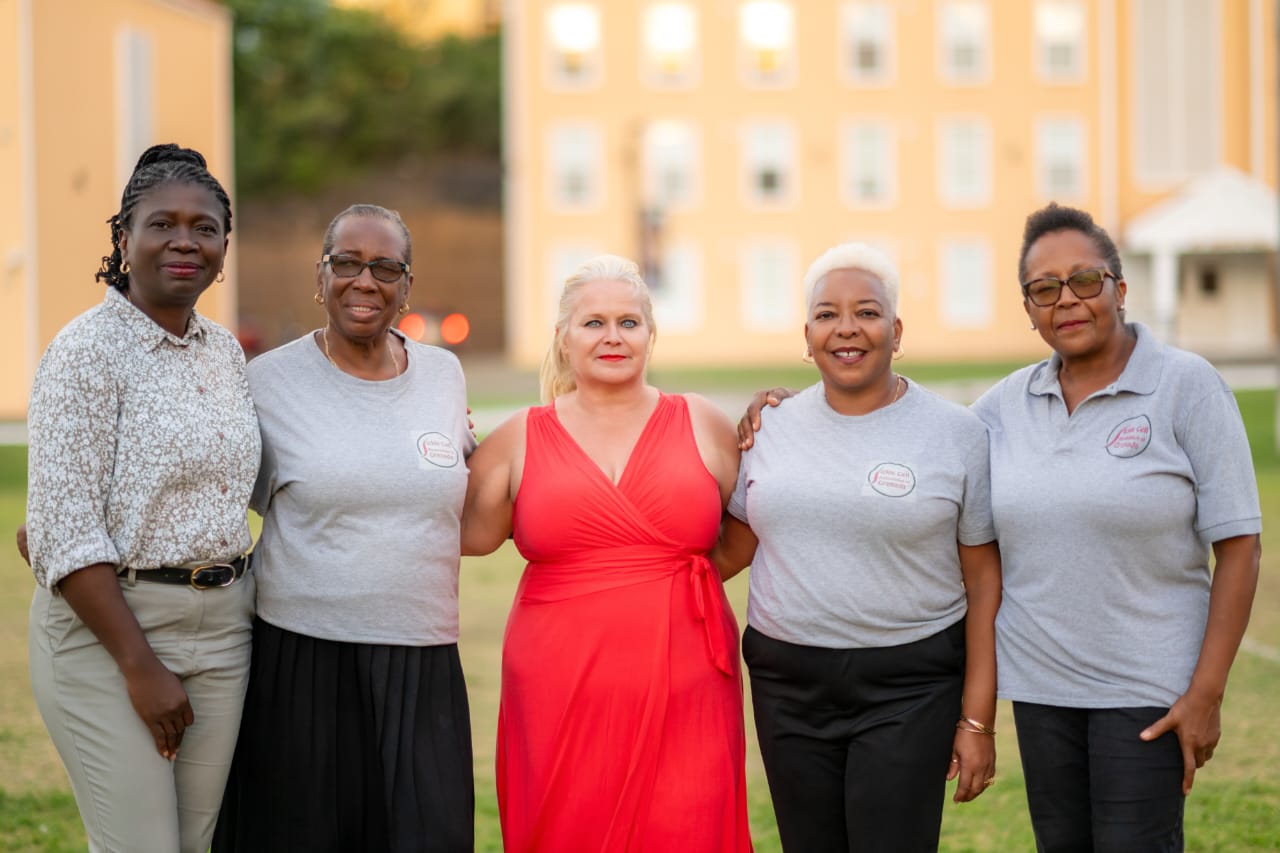
Against this background, SGU is supporting efforts to strengthen sickle cell care in Grenada through an initiative led by Dr Mary Maj, Professor and Deputy Chair of the Department of Biochemistry at the university, in collaboration with the Sickle Cell Association of Grenada.
The initiative involves the development of a Sickle Cell Medical ID Care Card designed to provide healthcare professionals with quick access to essential patient information and treatment guidance during sickle cell crises.
The project is being developed in partnership with local healthcare stakeholders, building on the longstanding advocacy and patient-support activities of the Sickle Cell Association of Grenada.
SGU students are also contributing by researching best-practice treatment guidelines and developing educational resources aimed at improving public awareness and supporting better patient care.
The university explained that the proposed card would contain essential information, including a patient’s diagnosis, treating physician and initial management recommendations, helping medical personnel make timely decisions, particularly in busy casualty departments and clinics.
Dr Maj said the initiative was designed to address the challenges healthcare professionals and families often encounter during emergencies involving sickle cell patients.
“A sickle cell crisis can escalate quickly, and timely treatment is essential,” she said.
She noted that healthcare professionals in Grenada worked tirelessly to care for patients, often under pressure in busy emergency departments and clinics, where immediate access to relevant medical information could make a significant difference.
According to her, the Care Card would bring important patient information and initial management recommendations together in one accessible place, facilitating communication and supporting timely clinical decisions.
She added that the initiative could also ease the burden on families, who frequently arrive at hospitals anxious and overwhelmed when a loved one experiences a painful crisis.
Developed with the Sickle Cell Association of Grenada and local stakeholders, she said, the project aimed to improve the overall care experience for patients and their families.
The university stressed that the Care Card remained under development and was not an intervention currently operating across Africa.
Nevertheless, the initiative illustrates how medical education, research and collaboration with community organisations can translate clinical knowledge into practical resources for healthcare delivery.
Beyond the proposed card, effective sickle cell management requires regular clinical reviews, vaccinations, pain management and medicines such as hydroxyurea where prescribed by qualified clinicians.
Some patients may also require blood transfusions, while stem-cell transplantation could be considered for carefully selected patients following specialist assessment.
Access to safe blood supplies, essential medicines, trained healthcare workers and affordable treatment services remains critical to improving outcomes.
For sub-Saharan Africa, where the majority of babies born with sickle cell disease are recorded, the challenge is therefore not simply to encourage people to know their genotype, but to ensure that those diagnosed with the condition receive consistent, affordable and evidence-based care throughout their lives.
SGU said its broader approach reflected the importance of connecting medical education with community needs, ensuring that research and student involvement contributed to practical solutions in healthcare delivery.
Founded in 1976, St. George’s University is an international institution with students and faculty drawn from more than 150 countries.
Its School of Medicine offers a four-year Doctor of Medicine degree programme, alongside five-, six- and seven-year entry tracks for students from different educational systems.
The university also has a network of more than 75 affiliated hospitals and health centres in the United States and the United Kingdom, providing clinical training opportunities for its medical students.
Sickle Cell: SGU Links Medical Education with Improved Patient Care, Urges Early Diagnosis

Bura Day on the Plateau: When Cultural Heritage Draws the Line
Shosa: 2026 Reunion, Achievements, Challenges, and the Way Forward

DSS Foils Kidnap Attempt in Lafia, Arrests Three Suspects

Roger Federer’s Shock as DNA Results Reveal Myla and Charlene Are Not His Biological Children

THE PLIGHT OF FARIDA

FAILED COUP IN BURKINA FASO: HOW TRAORÉ NARROWLY ESCAPED ASSASSINATION PLOT AMID FOREIGN INTERFERENCE CLAIMS
-
 News3 years ago
Roger Federer’s Shock as DNA Results Reveal Myla and Charlene Are Not His Biological Children
-
Opinions5 years ago
THE PLIGHT OF FARIDA
-
 News2 years ago
FAILED COUP IN BURKINA FASO: HOW TRAORÉ NARROWLY ESCAPED ASSASSINATION PLOT AMID FOREIGN INTERFERENCE CLAIMS
-
 Opinions5 years ago
POLICE CHARGE ROOMS, A MINTING PRESS
-

 News3 years ago
EYN: Rev. Billi, Distortion of History, and The Living Tamarind Tree
-

 ACADEMICS3 years ago
A History of Biu” (2015) and The Lingering Bura-Pabir Question (1)
-

 Columns3 years ago
Army University Biu: There is certain interest, but certainly not from Borno.
-

 Politics1 year ago
2027: Why Hon. Midala Balami Must Go, as Youths in Hawul and Asikira/Uba Federal Constituency Reject ₦500,000 as Sallah Gift
