
News
FG Reaffirms Commitment to Strengthening Environmental Governance

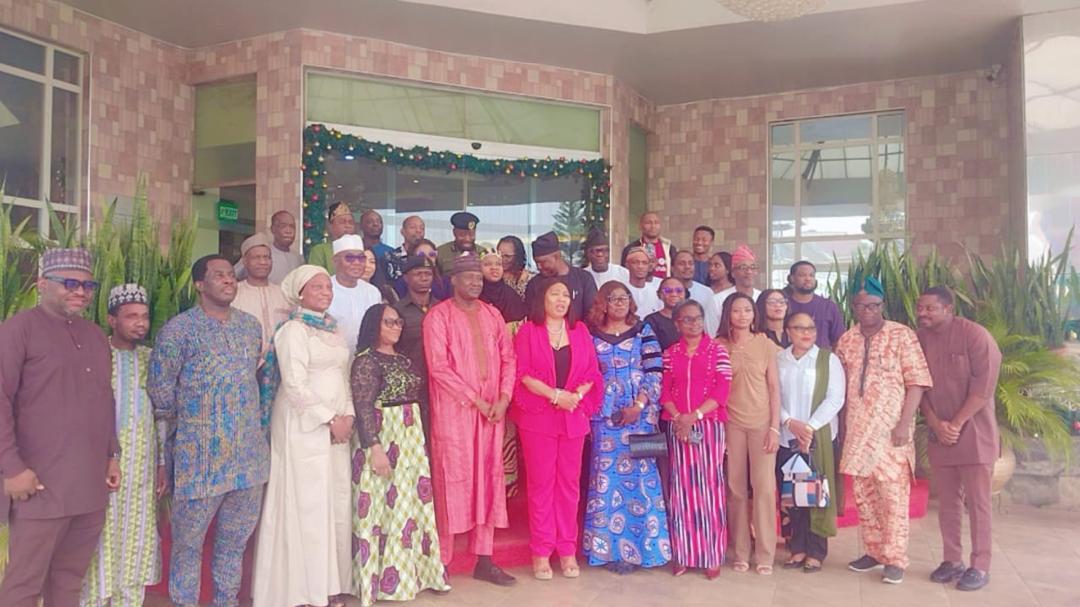
FG Reaffirms Commitment to Strengthening Environmental Governance
By: Michael Mike
The Federal Government has reaffirmed its commitment to strengthening environmental governance and improving the delivery of internationally funded environmental projects in the country.
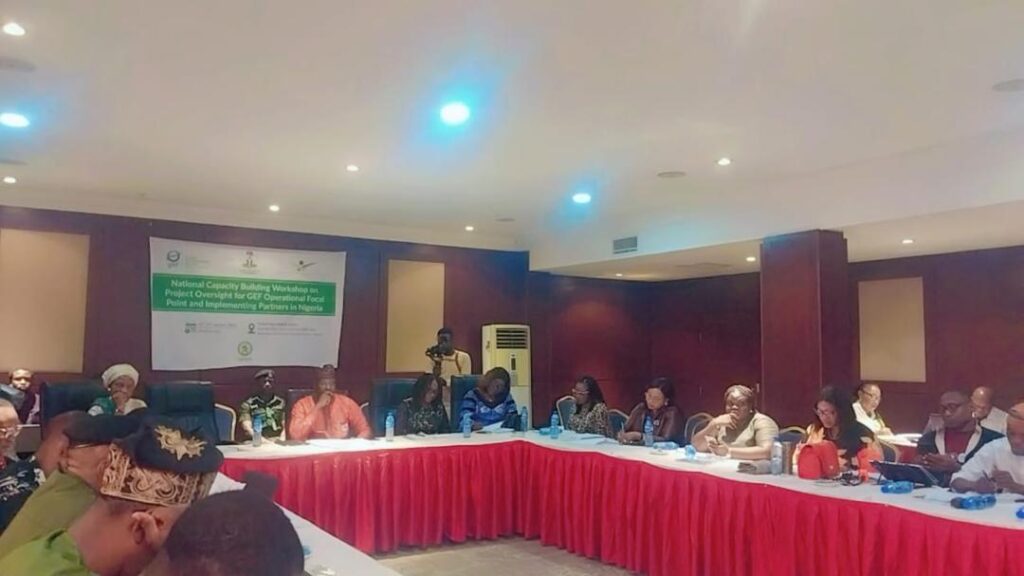
The commitment was made on Monday in Abuja as the National Capacity Building Workshop on Project Oversight for the Global Environment Facility (GEF) Operational Focal Point and Implementing Partners commenced.
Declaring the workshop opened, the Minister of Environment, Balarabe Abbas Lawal, described the programme as timely and strategic, noting that Nigeria continues to grapple with a range of environmental challenges, including desertification, plastic pollution, biodiversity loss, oil contamination in the Niger Delta, and the growing impacts of climate change.
The Minister, who was represented by the Permanent Secretary in the Ministry, Mahmud Kambari stressed that addressing these challenges requires not only access to global environmental financing but also strong institutional capacity for effective planning, implementation, monitoring, and oversight of projects.
He acknowledged the Global Environment Facility (GEF) as a long-standing development partner, highlighting its significant contributions to biodiversity conservation, climate change mitigation, sustainable land management, and community-based environmental initiatives across the country, while noting that GEF-supported interventions have helped conserve hundreds of indigenous plant species, promote sustainable forest management, and support renewable energy and energy-efficiency initiatives aligned with Nigeria’s climate action goals.
Lawal further emphasized the role of GEF projects in addressing land degradation and enhancing food security through sustainable agriculture and landscape restoration. He cited flagship interventions that integrate nature-based solutions with livelihood resilience as clear examples of how environmental protection can be linked to socio-economic development.
The Minister also commended initiatives such as GEF GOLD+, which promotes mercury-free artisanal gold mining, and integrated landscape management projects in the Niger Delta aimed at transforming cocoa and palm oil production systems.
In the welcome remarks from the office of the Permanent Secretary of the Ministry of Environment, the importance of strong project oversight in translating GEF funding into measurable and lasting environmental outcomes was underscored.
The remarks which was read by the Director Planning, Research and Statistics in the Ministry, Agnes Aneke noted that the workshop was designed to strengthen Nigeria’s engagement with the GEF and ensure that stakeholders are fully equipped to manage the country’s project portfolio in line with international best practices.
Aneke also noted that Nigeria has benefited from over three decades of partnership with the GEF, with interventions spanning biodiversity conservation, climate change mitigation and adaptation, land degradation control, international waters management, and the reduction of chemicals and waste. However, he emphasized that funding alone is not sufficient, stressing the need for effective coordination, technical competence, and robust monitoring and evaluation systems.
She said the Nigeria-focused training directly addresses the country’s pressing environmental challenges, including desertification, plastic waste proliferation, oil pollution in the Niger Delta, biodiversity loss, and increasing climate risks, while . explaining that participants would, over the two-day workshop, deepen their understanding of the roles and responsibilities of the GEF Operational Focal Point, implementing agencies, and other stakeholders, while also strengthening skills in reporting, communication, project visibility, and results-based management.
The workshop was organized by the Federal Ministry of Environment in collaboration with the Global Environment Facility, with technical support from the Tropical Biology Association (TBA). It builds on lessons from a recent regional training held in Ghana and is expected to enhance transparency, accountability, and overall performance in the implementation of GEF-supported projects in Nigeria.
Participants were drawn from government institutions, implementing agencies, civil society organizations, and convention focal points were urged to engage actively in the sessions, share experiences, and develop practical oversight strategies that align with Nigeria’s national development and environmental priorities.
The two-day workshop is expected to contribute to improved project performance, stronger partnerships, and more effective environmental interventions across the country.
FG Reaffirms Commitment to Strengthening Environmental Governance


Military
Establishment of Army Depot in South-East Reflects FG’s Commitment to National Unity, Security and inclusiveness– COAS
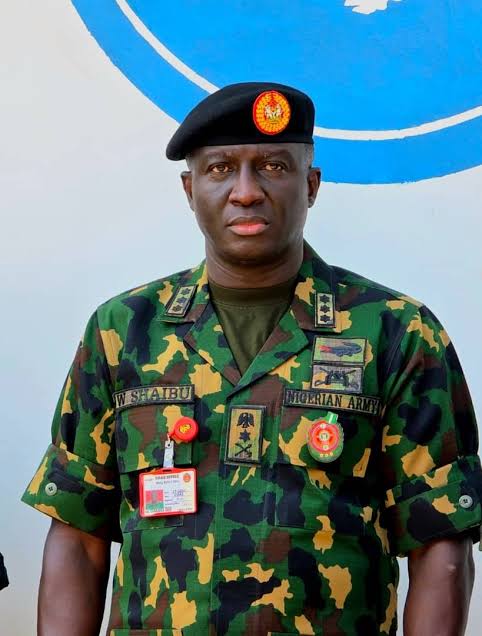
Establishment of Army Depot in South-East Reflects FG’s Commitment to National Unity, Security and inclusiveness– COAS
By Zagazola Makama
The Chief of Army Staff (COAS), Lt.-Gen. Waidi Shaibu, has said that the establishment of the Depot Nigerian Army in Amasiri-Edda, in Ebonyi State is a clear demonstration of the Federal Government’s commitment to national security, inclusiveness, national integration and balanced development across the country.
Shaibu made the remarks while addressing dignitaries during activities marking the inauguration of the newly established military training institution in Abakaliki, Ebonyi State.
According to the Army Chief, the depot, which is the first primary recruit training institution of the Nigerian Army in the South-East geopolitical zone, represents a strategic investment by President Bola Ahmed Tinubu’s administration in strengthening national security and promoting equitable distribution of critical national institutions.
“The establishment of this depot reflects the Federal Government’s commitment to national security, inclusiveness, national integration and balanced development,” Shaibu said.
He described the inauguration of the facility as a landmark achievement in the ongoing transformation of the Nigerian Army under President Tinubu, noting that it would significantly enhance the Army’s capacity to train professionally competent and combat-ready soldiers.
The COAS disclosed that the first set of recruits trained at the new depot would graduate the following day, describing the event as a historic milestone not only for the institution but also for the evolution of recruit training within the Nigerian Army.
“Their graduation will not only mark the successful completion of basic military training but will also usher in a new chapter in the evolution of recruit training in the Nigerian Army,” he said.
Shaibu explained that since its establishment, the depot had steadily developed into a modern recruit training institution designed to produce disciplined, professional and capable soldiers in line with the Nigerian Army’s transformation agenda and long-term strategic vision.
He said the facility forms part of the Federal Government’s broader efforts to modernise the Armed Forces and expand military capacity to address Nigeria’s dynamic security environment.
The Army Chief expressed profound appreciation to President Tinubu for approving the establishment of the institution and providing the necessary resources for its successful implementation.
He noted that the new depot would not only improve military training capacity but also strengthen the strategic importance of the South-East within Nigeria’s security architecture.
According to him, locating the institution in Ebonyi State underscores the government’s determination to ensure that all parts of the country benefit from national development initiatives while fostering greater national cohesion.
Shaibu also commended Ebonyi State Governor Francis Nwifuru for his unwavering support towards the establishment and successful take-off of the depot.
He said the state government provided accommodation, logistics and other essential support that contributed significantly to the successful training of the pioneer batch of recruits.
“From facilitating the historic groundbreaking ceremony to providing sustained support for this institution, the governor has demonstrated remarkable patriotism and an enduring commitment to national security,” he said.
The COAS further described the Government and people of Ebonyi State, as well as the entire South-East, as indispensable partners in the establishment and growth of the institution.
He also acknowledged the contributions of traditional rulers, political leaders, religious leaders, community leaders and residents of the state for creating a peaceful and conducive environment for the depot to thrive.
Shaibu reaffirmed the Nigerian Army’s commitment to deepening its partnership with host communities and stakeholders, stressing that sustained collaboration between the military and the people remains critical to enhancing national security and maintaining lasting peace.
According to him, the state’s sustained support demonstrates a strong commitment to national security, peace and development.
The Army Chief further commended traditional rulers, community leaders, members of the State Development Committee, political and religious leaders, and other stakeholders for fostering a peaceful environment that enabled the successful establishment of the Depot.
He reaffirmed that the Nigerian Army values its partnership with the state and pledged to continue strengthening collaboration in pursuit of improved security and national development.
The COAS also paid tribute to distinguished retired senior military officers from the region for their contributions to the growth and development of the Nigerian Army.
The establishment of the Depot Nigerian Army in Ebonyi is widely regarded as one of the landmark military infrastructure projects under the Tinubu administration, aimed at expanding recruit training capacity while promoting inclusiveness, national integration and balanced development across Nigeria’s six geopolitical zones.
Establishment of Army Depot in South-East Reflects FG’s Commitment to National Unity, Security and inclusiveness– COAS
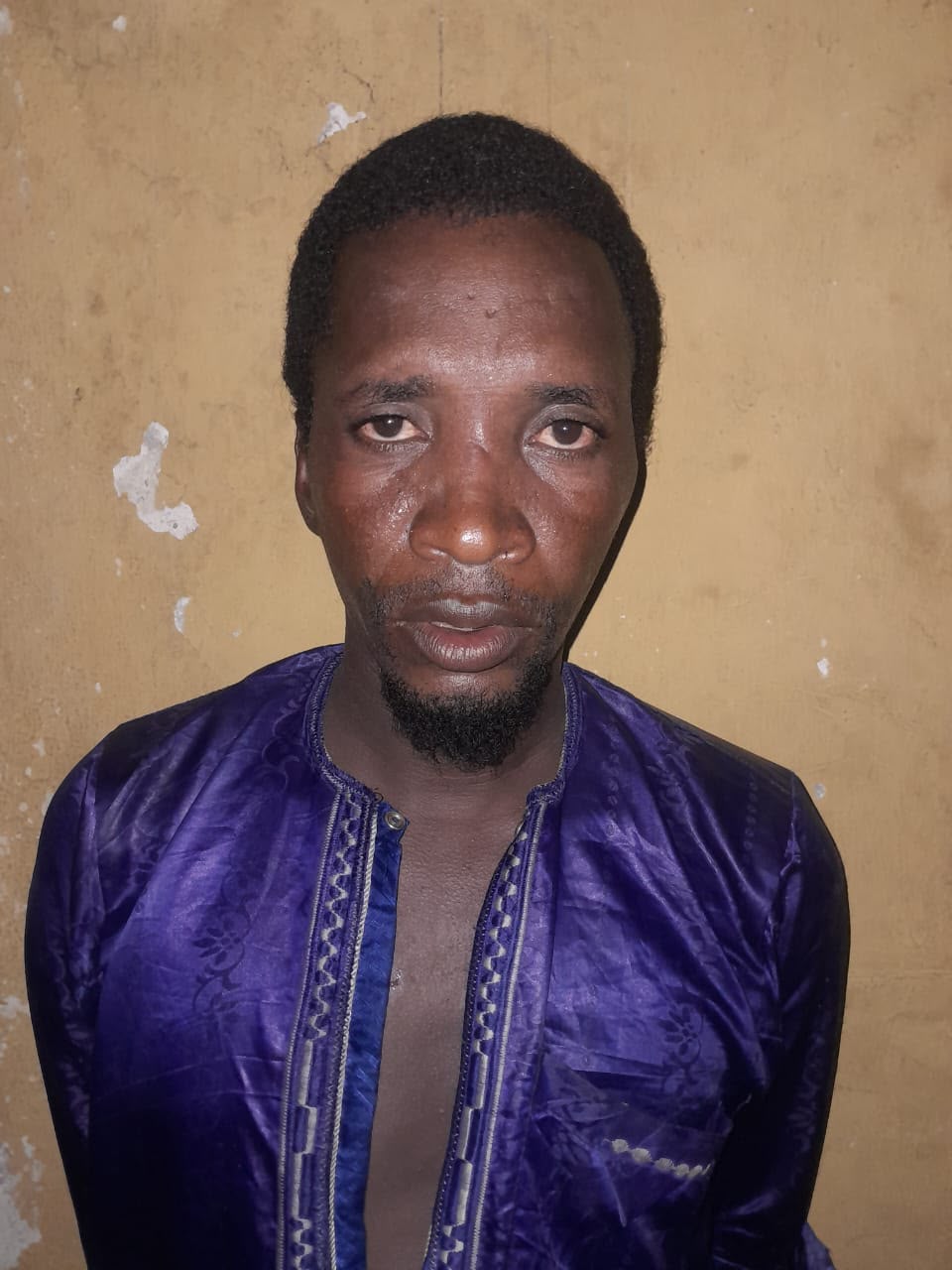
Troops, CJTF Arrest Suspected ISWAP Informant Accused of Identifying Kidnap Targets in Borno
By Zagazola Makama
Operatives of the Military Intelligence Brigade (MIB) under Sector 3 of Operation HADIN KAI, working in collaboration with the Civilian Joint Task Force (CJTF), have arrested a suspected Islamic State West Africa Province (ISWAP) informant in Monguno Local Government Area of Borno State.
Intelligence sources told Zagazola Makama that the suspect, identified as Isa Janyu, 30, was tracked and apprehended at about 7:20 p.m. on July 4 during a targeted intelligence-led operation at Kasuwan Shanu in Monguno town.
According to the sources, items recovered from the suspect included a Tecno mobile phone, a knife, a comb, a mirror, and ₦10,000 in cash.
Preliminary investigation revealed that the suspect is a native of Arianna Mai Massallachi Village in Kukawa Local Government Area and allegedly specialised in identifying wealthy residents for ISWAP elements to facilitate kidnapping operations for ransom.
The suspect is currently in the custody of the Headquarters Sector 3 Military Intelligence Brigade for further investigation and other necessary actions.
Military sources said the arrest was part of ongoing intelligence-driven operations aimed at dismantling terrorist support networks and disrupting the activities of informants providing critical information to insurgent groups in the North-East.
They added that although the general security situation across the theatre remains relatively calm, it is still unpredictable, with troops maintaining a high level of operational readiness and sustained offensive pressure against terrorist elements.
Troops, CJTF Arrest Suspected ISWAP Informant Accused of Identifying Kidnap Targets in Borno
News
FG Moves to Stem Human Trafficking, Irregular Migration as Over 1,000 Nigerians Return from Crisis Routes
FG Moves to Stem Human Trafficking, Irregular Migration as Over 1,000 Nigerians Return from Crisis Routes
By: Michael Mike
The Federal Government on Tuesday unveiled a renewed strategy to curb irregular migration and dismantle human trafficking networks, warning that worsening economic hardship and the growing use of digital platforms by traffickers are exposing more Nigerians, particularly women and young people, to exploitation across Africa, the Middle East and Europe.
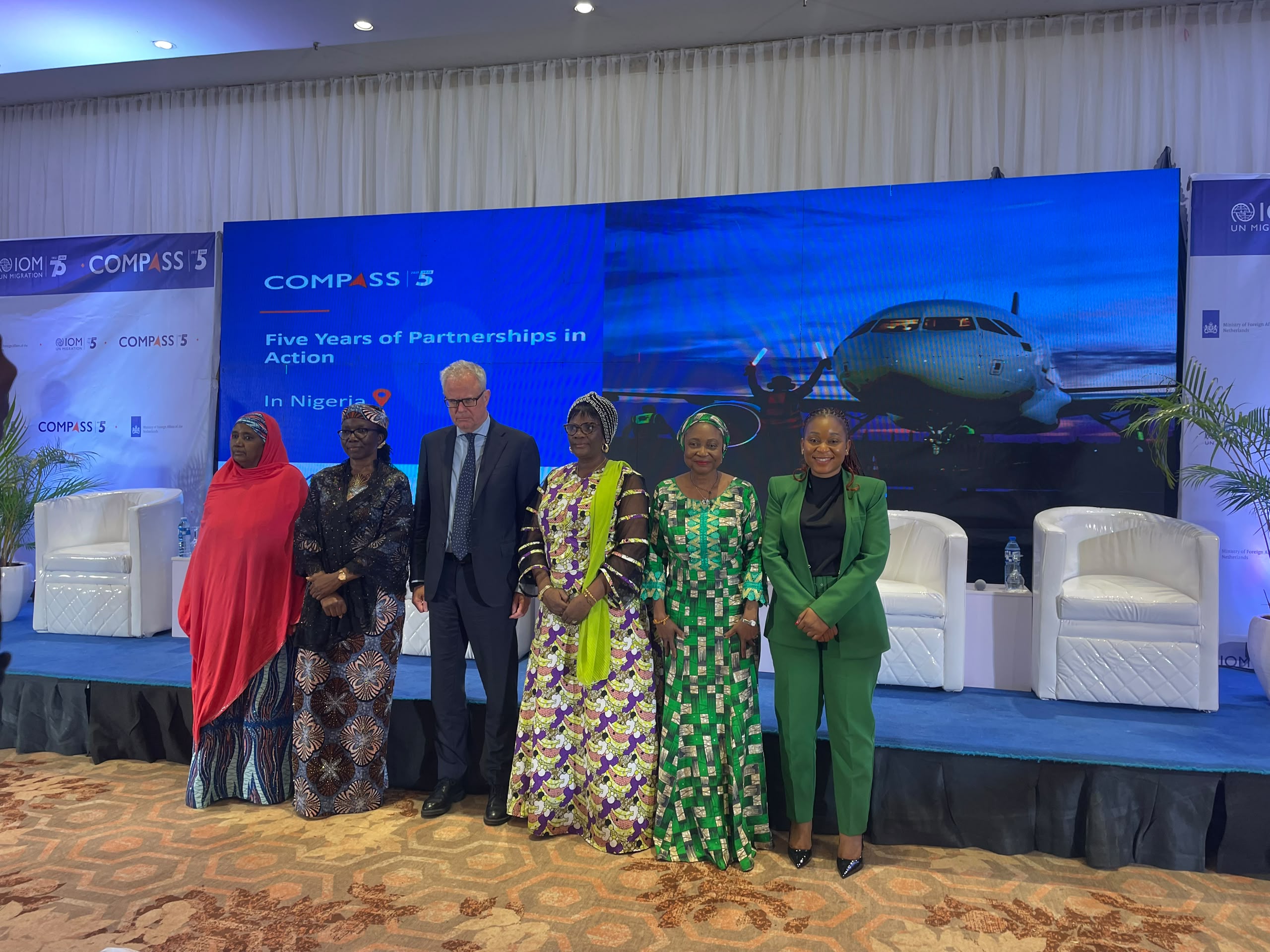
The renewed commitment came as the government and its international partners marked the fifth anniversary of the Comprehensive Protection, Reintegration and Assistance to Migrants and Communities (COMPASS) Programme, revealing that more than 1,000 stranded Nigerians have voluntarily returned from countries including Libya, Lebanon, Morocco, Mali, Egypt, India and the United Arab Emirates, while over 900 vulnerable returnees have received psychosocial care, healthcare and livelihood support to rebuild their lives.
Stakeholders warned that trafficking syndicates are becoming increasingly sophisticated, exploiting technology, poverty and unemployment to lure desperate Nigerians into dangerous migration routes where many end up trapped in forced labour, sexual exploitation and other forms of abuse.
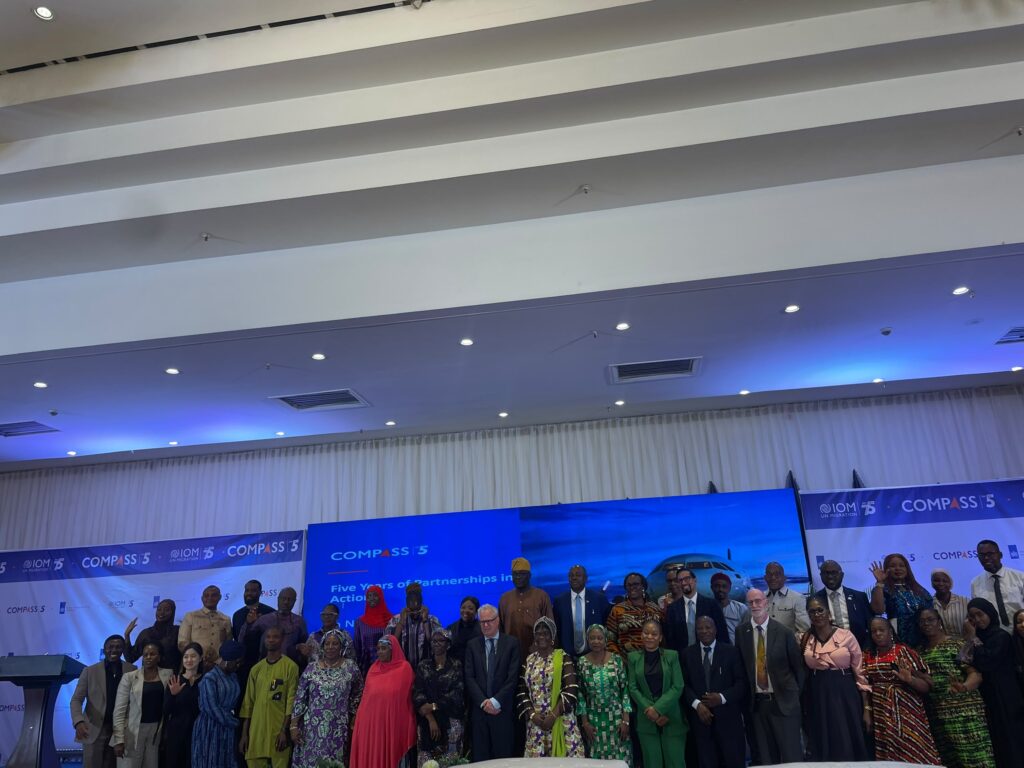
Speaking at the anniversary event, the Chief of Mission of the International Organisation for Migration (IOM) in Nigeria, Sharon Dimanche, said migration itself was not the problem but the absence of safe and legal pathways.
She said: “Migration is not the problem. The challenge is ensuring that migration is safe, orderly and regular, while protecting the dignity of every migrant.”
Dimanche said the COMPASS Programme had significantly strengthened Nigeria’s migration governance architecture by improving policies and institutional coordination while placing the protection of migrants at the centre of migration management.
Highlighting the programme’s impact, she recounted the story of “Joy”, a Nigerian woman trafficked abroad and subjected to severe exploitation before returning home traumatised.
According to her, through IOM’s psychosocial support and reintegration programme, Joy rebuilt her life, established a fashion business and now employs several young women.
“Joy is no longer defined by what happened to her. She is defined by what she has become,” Dimanche said, describing the story as evidence that effective reintegration can transform survivors into productive members of society.
The Minister of Humanitarian Affairs and Poverty Reduction, Dr. Bernard Doro. reaffirmed the Federal Government’s commitment to protecting returning migrants, refugees, internally displaced persons and vulnerable communities.
He said the government’s “One Humanitarian, One Poverty Reduction” framework under President Bola Ahmed Tinubu’s Renewed Hope Agenda was designed to integrate humanitarian assistance with long-term poverty reduction.
“Migration, when properly managed, presents opportunities for national development. We will continue to strengthen institutions, expand livelihood opportunities and ensure that returning migrants are empowered to rebuild their lives with dignity.”
The Minister of Women Affairs and Social Development, Imaan Sulaiman-Ibrahim, who was represented at the event, by the Director and Special Adviser Administration, Mrs. Erimfolami Ola, warned that women and children continue to bear the greatest burden of irregular migration and human trafficking.
According to her representative, the ministry has worked closely with partners under the COMPASS Programme to facilitate the voluntary return of over 1,000 stranded Nigerians while strengthening institutional responses to trafficking and forced displacement.
She stressed that interventions in Edo State had demonstrated that addressing poverty and unemployment significantly reduces the factors driving irregular migration.
Representing the Minister of Youth Development, Ayodele Olawande, represented by the the Head of Youth Migration and Climate Action Resilience, pecial Adviser (Administration), Adedoyin Oyekan, said creating sustainable opportunities for young Nigerians remains one of the most effective responses to irregular migration.
The ministry pledged to deepen collaboration with IOM and development partners in expanding entrepreneurship, skills acquisition, innovation and employment programmes aimed at discouraging dangerous migration.
Also speaking, the Ambassador of the Kingdom of the Netherlands to Nigeria, Bengt van Loosdrecht, announced plans for a football-based youth initiative that would equip young Nigerians with coaching and life skills while educating communities about the dangers of irregular migration.
He said the programme would empower participants to become community ambassadors for safe migration.
According to the ambassador, “Migration is fundamentally a human issue. Through COMPASS, we are investing not only in stronger institutions but also in protecting people, supporting survivors and preventing others from falling into the hands of traffickers.”
Van Loosdrecht explained that the Netherlands established the COMPASS Programme to consolidate migration support into a coordinated framework capable of providing survivor care, mental health services, institutional strengthening and protection for vulnerable migrants.
Also addressing the gathering, the Director-General of the National Agency for the Prohibition of Trafficking in Persons (NAPTIP), Binta Bello, described the COMPASS Programme as one of Nigeria’s most strategic partnerships in the fight against human trafficking.
She said the initiative had strengthened the agency’s capacity to investigate and prosecute trafficking cases through specialised training for investigators and prosecutors while improving support for victims.
Warning that trafficking networks continue to evolve, Bello said: “Traffickers are adapting to technology, exploiting economic hardship and taking advantage of the aspirations of vulnerable young Nigerians. We must therefore strengthen partnerships among government, international organisations, civil society and communities to stay ahead of these criminal networks.”
The renewed commitment comes amid persistent concerns over the thousands of Nigerians who, in recent years, have embarked on perilous journeys across the Sahara Desert and the Mediterranean Sea in search of better economic opportunities. Many have perished, while others have been rescued from detention camps, trafficking rings and exploitative labour conditions abroad.
Stakeholders at the event agreed that while stronger law enforcement remains essential, tackling poverty, unemployment and social vulnerability is critical to addressing the root causes of irregular migration and sustaining Nigeria’s fight against human trafficking.
FG Moves to Stem Human Trafficking, Irregular Migration as Over 1,000 Nigerians Return from Crisis Routes

Troops Arrest Suspected Boko Haram Logistics Supplier with Motorcycle Tyres in Yobe

Troops Arrest Wanted Suspect, Recover AK-47 Rifle in Adamawa

Army, NDLEA Arrest Three Suspected Drug Suppliers Linked to Terrorists in Katsina

Roger Federer’s Shock as DNA Results Reveal Myla and Charlene Are Not His Biological Children

THE PLIGHT OF FARIDA

FAILED COUP IN BURKINA FASO: HOW TRAORÉ NARROWLY ESCAPED ASSASSINATION PLOT AMID FOREIGN INTERFERENCE CLAIMS
-
 News2 years ago
Roger Federer’s Shock as DNA Results Reveal Myla and Charlene Are Not His Biological Children
-
Opinions4 years ago
THE PLIGHT OF FARIDA
-
 News1 year ago
FAILED COUP IN BURKINA FASO: HOW TRAORÉ NARROWLY ESCAPED ASSASSINATION PLOT AMID FOREIGN INTERFERENCE CLAIMS
-

 News2 years ago
EYN: Rev. Billi, Distortion of History, and The Living Tamarind Tree
-
 Opinions5 years ago
POLICE CHARGE ROOMS, A MINTING PRESS
-

 ACADEMICS2 years ago
A History of Biu” (2015) and The Lingering Bura-Pabir Question (1)
-

 Columns2 years ago
Army University Biu: There is certain interest, but certainly not from Borno.
-

 Politics1 year ago
2027: Why Hon. Midala Balami Must Go, as Youths in Hawul and Asikira/Uba Federal Constituency Reject ₦500,000 as Sallah Gift
